Masks of the World

Exhibition at Muzium Negara                                                                                            20 December 2012 to 20 March 2013                                                                                      9.00 am to 6.00 pm

If there is one thing that all cultures and civilisations share, it is the love for masks.  The materials used, the designs and the purpose for the masks may differ between cultures but the fascination is universal and continues till today.

Come down to Muzium Negara and be prepared to be awed by the hundreds of masks on display.  Learn about the history and heritage of masks not only from Malaysia but from around the world.  The display starts with masks from Sarawak and the variety of masks from here is amazing.  A selection is shown below.
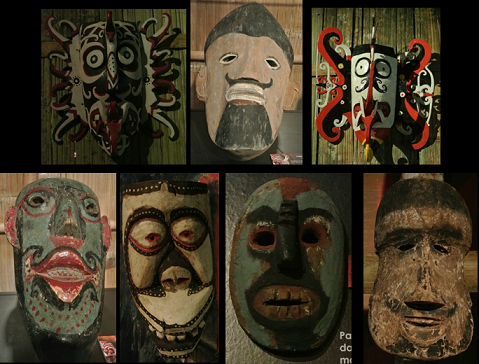
Masks of Sarawak

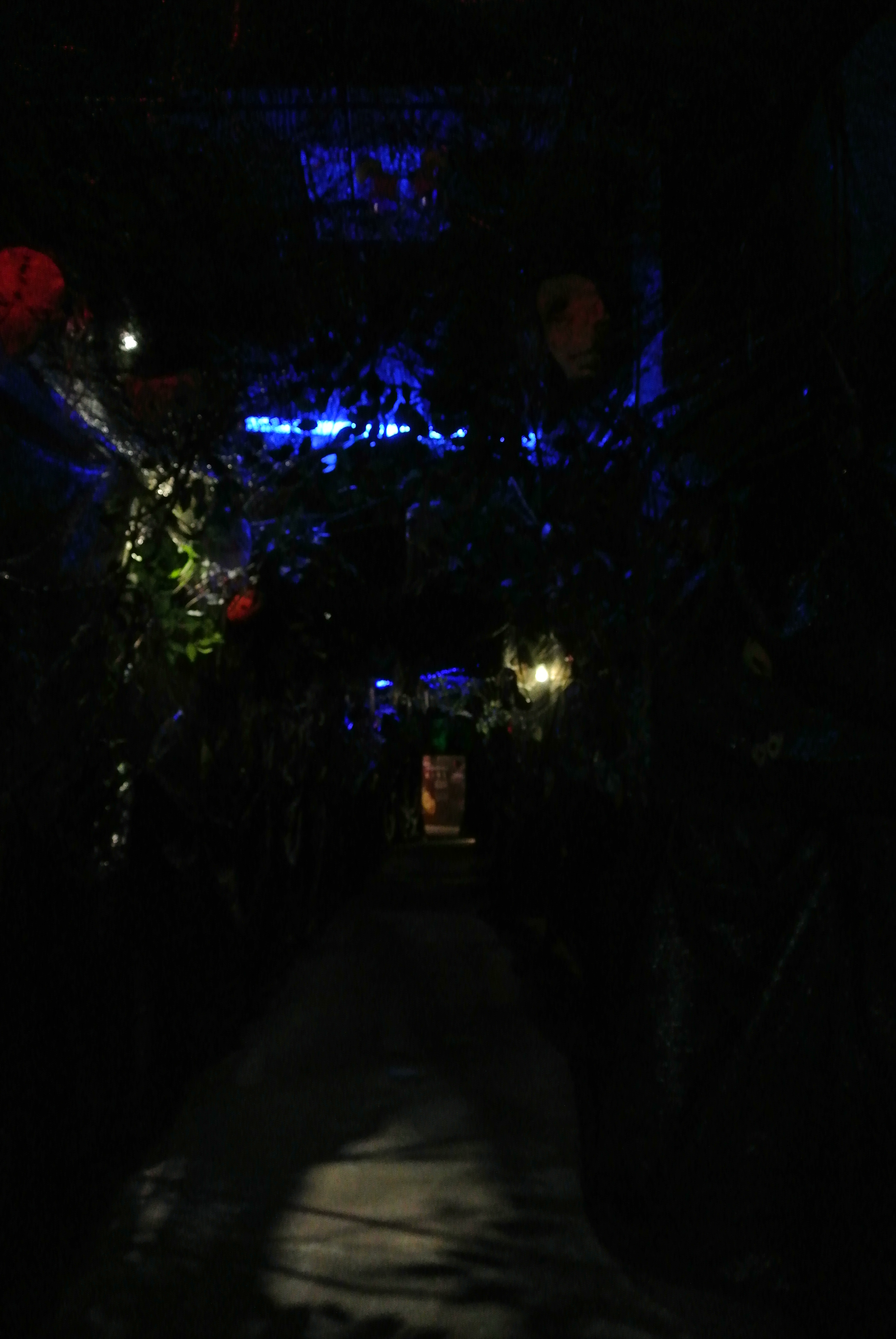
105There are two galleries of masks.  These two galleries are connected via a dark eerie tunnel lined with masks that glower at you from all directions.

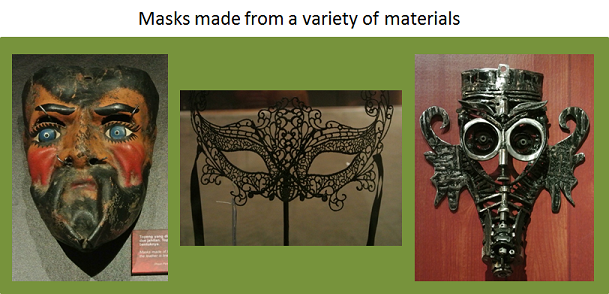
While wood is the main material used in crafting masks, masks made from other materials such as clay, animal hide, paper mache, metal and rubber are also on display.

The display boards give a wealth of information and from one of these boards you learn that the earliest examples of mask usage were found in Altamira (Spain) as well as Lascaux and Dordogne (France) where cave paintings dated to about 30,000 years ago showed examples of mask wearing.

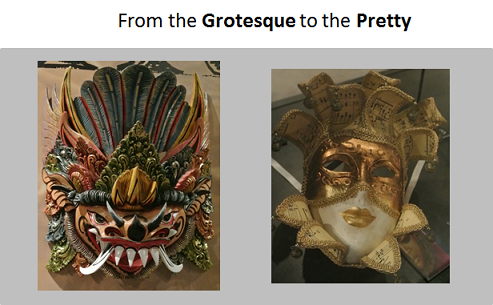
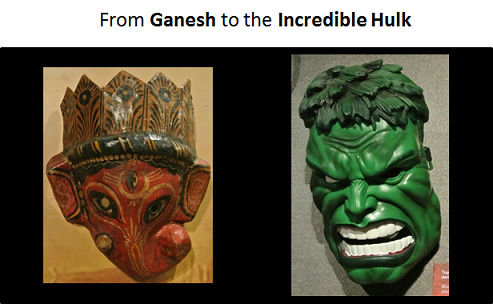
Masks of all sorts are on display.  Enjoy the pictures of the masks below and come down to Muzium Negara to learn more.
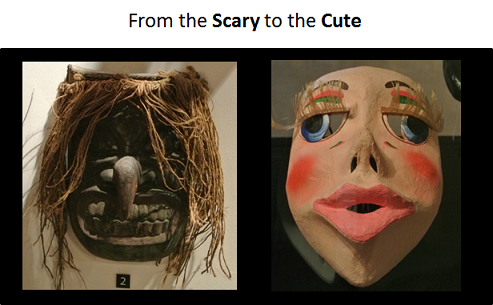
Scary to Cute

Grotesque to Pretty

Ganesh to Hulk

Variety of Materials

047

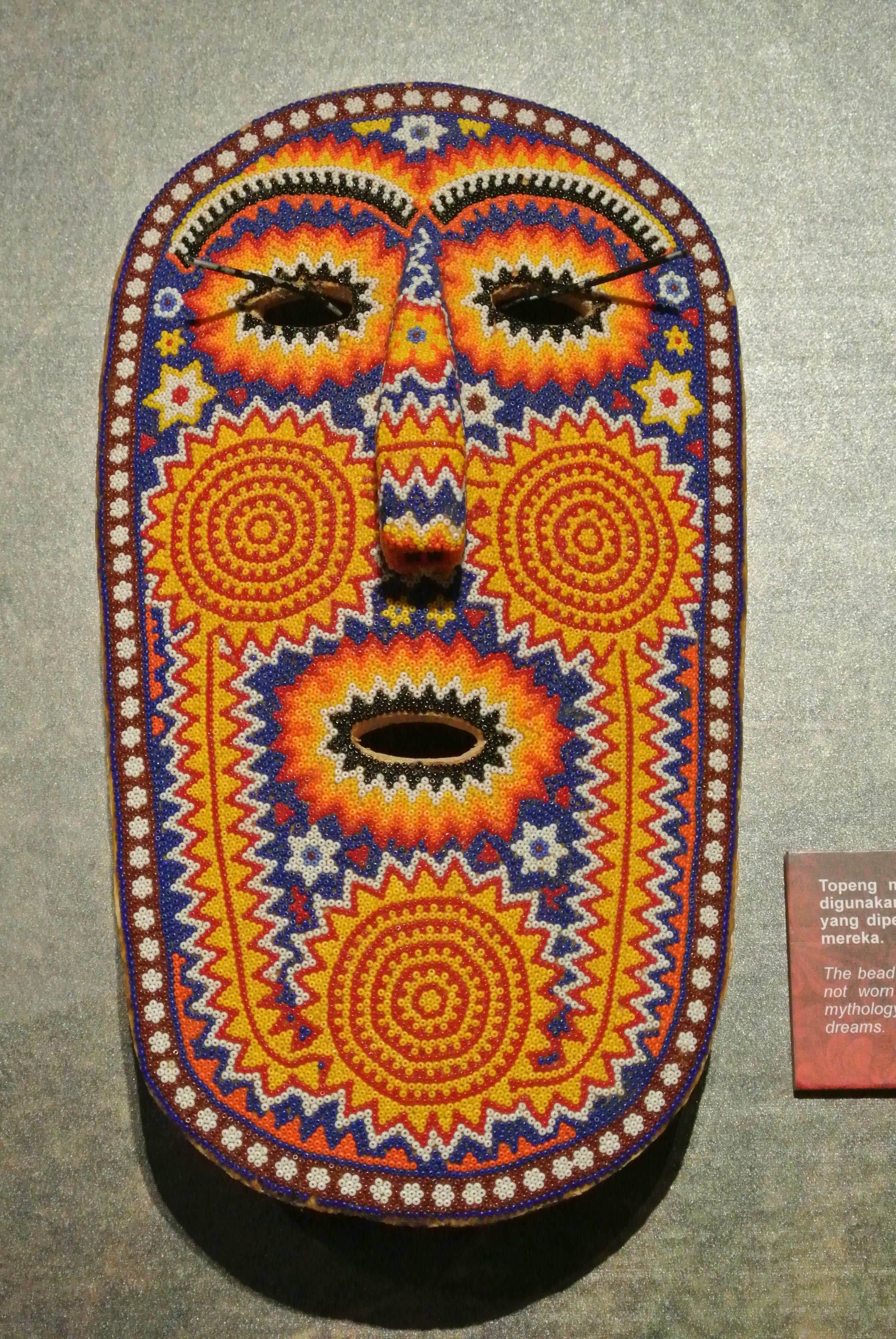
My personal favourite is the beaded mask made by the Huichol people of Mexico.
122

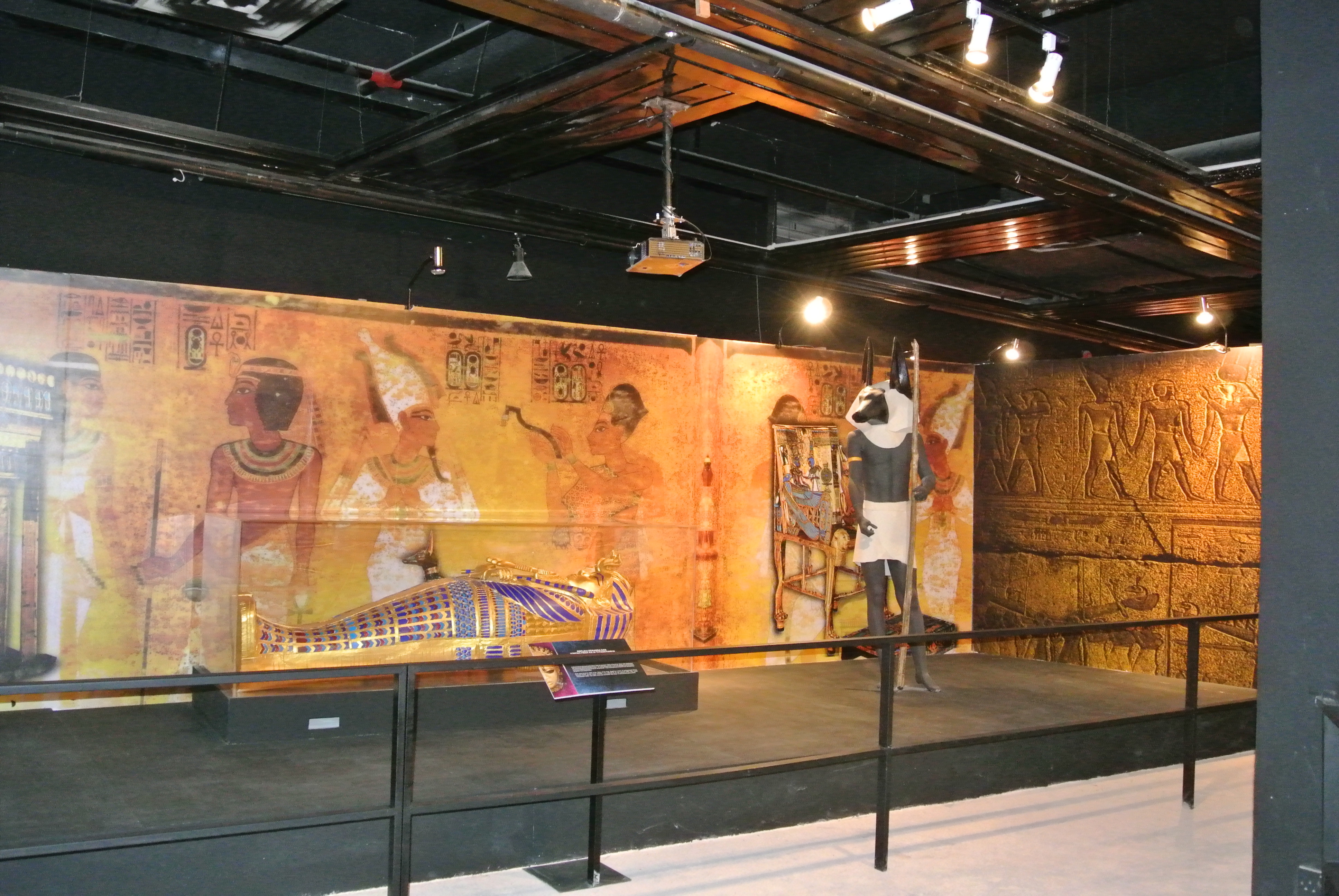
The star attraction of the 2nd gallery is probably the replica of King Tutankhamun’s coffin and his golden Death Mask (shown in the picture above).  In ancient Egypt, a mask was placed over the deceased’s face to prevent the face from fading.

Flor de la Mar

by Eriko Shima-Tsuno

Flor de la Mar_gallery C
A replica of the Flor de la Mar at Gallery C in Muzium Negara

Flor de la Mar, laden with treasures stolen from the Melaka kingdom, sank in 1512 in the Aru Strait in the region of North Eastern Sumatera.  Although marine archaeologists and treasure hunters have made numerous attempts to recover the ship, its location remains a mystery.

Flor de la Mar is entwined in the history of the Portuguese endeavor to control the maritime trade in the East and as such, is also part of the history of Melaka.

Melaka was founded around the year 1400 and its strategic location between the maritime trade routes of East and West enabled it to grow into an internationally known port city. The economic power of Melaka depended on trade and the most important commodity traded was spices. At that time spices were very much needed, not only to add flavors in cooking, but also for preserving raw food such as meat, especially for winter. As such, spices fetched a very high price in Europe; for example, 1kg of pepper had the same value as 1kg of gold, and 1 ounce of nutmeg was equivalent to 7 oxen.

In those days, the Portuguese bought spices from the Venetians, who bought spices from Muslim traders in Egypt and Syria. The tight control that the Venetians had over the flow of spices into Europe was the reason for the high prices making the Portuguese determined to find a direct route to the source of the spices.  Thus in the 15th century, Portuguese rulers initiated voyages of discovery.

In 1498 Vasco da Gama reached the Malabar Coast of India – the source of pepper.  Here, he heard about Melaka and of the spice islands further east.  In 1511, Portugal attacked Melaka with 18 ships; one of which was the Flor de la Mar.  The Portuguese made their first attack on the port of Melaka on 25 July 1511 but failed.  On 10 August 1511, they tried again and on 24 August 1511, the Portuguese finally captured Melaka. At this time, the armada was led by Alfonso de Albuquerque.

A replica of the Flor de la Mar which houses the Maritime Museum in Melaka

After looting Melaka, Albuquerque wanted to send the looted treasure to the court of the Portuguese king, King Manuel 1.  The Flor de la Mar, at 400 tons, was the largest ship in the fleet and hence it was chosen to transport the treasure back to Portugal.  The treasure included bronze lions, jewelry, gold-plated palanquins, precious stones, Melakan embroidery as well as young slaves. The Flor de la Mar, along with 3 other ships, namely the Enxobregas, Trinidade and Jong Jawa sailed for Goa, India on 20 January 1512 with Albuquerque at the helm. It never made it to Goa. After 6 days at sea, it was caught in a storm and sank just off Sumatra, taking down with it the riches of the Melaka kingdom.

Till today the location of the ship remains a mystery. Some maritime archaeologists say that their team’s ultimate challenge would be to embark on the recovery of the Flor de la Mar. I really hope that this shipwreck would be found and the treasures restored to the Malaysian people someday.