After Ian Burnet’s presentation on the spice routes, what better way to savour the tang of turmeric, the kick of cloves and sniff the aroma of cinnamon than through the dishes that the museum volunteers brought to the Annual Potluck. More than 40 trainee and graduated guides attended the lunch held on the grounds of the National Museum on 25 January 2014.
Representative of the different races of the museum community, we were treated to French quiches, Danish rolls, Portuguese egg tarts, idaly (Indian bread made from rice flour) served with traditional Indian lentil curry and coconut, pulut panggang (glutinous rice with coconut wrapped with bananas leaf and fragrantly grilled), fish cutlets, soya chicken wings, almond cookies, sushi rolls and much more. In keeping with the forthcoming Chinese New Year, we also had a big box of Mandarin oranges. Jabatan Muzium not only generously sponsored the roti jala (a Malay pancake made of flour that has been artistically interwoven to form a lacy pattern) eaten with chicken curry, the Malay seri kaya dessert and refreshments but added a platter of delicious fried noodles. The trainees of Batch 20 and 21 were happily exchanging notes of their experience whilst learning more from each other on the origin of the dish each had brought.
Forging new friendships
All helped to set the table and lay the dishes in true spirit of camaraderie. Starting as strangers and after going through the trials and tribulations of 16 weeks of rehearsals and presentations, a kind of kindred spirit prevailed with some even volunteering to practise guiding with each other. Definitely, I felt that the Annual Potluck is the last of the icebreakers that undoubtedly forge new friendships.
This reminded me of the International Day that schools host to celebrate the diversity and the unity of the multi-racial community. If only we had the ronggeng dance and the national costumes. Perhaps next year, we shall come with our traditional costumes with background music to match …
Find more photos on Facebook of both Ian Burnet’s talk and the Pot-Luck.
The MV organises a trip to Melaka every year as part of the training curriculum for new volunteers. This year’s trip was spiced up with a visit to the Hang Tuah Centre and to the Malaysia Architecture Museum. Interesting titbits of information from our knowledgeable guides, Shaukani and Eddy, made the trip even more memorable.
Read all about it in Janet’s write-up which will be published in February’s newsletter. In the meantime, enjoy the photos below remembering that you can view the full size image of a picture by clicking on it. Anybody else who wants to share their memories of the trips (either Wed or Sat), feel free to send the article to me.
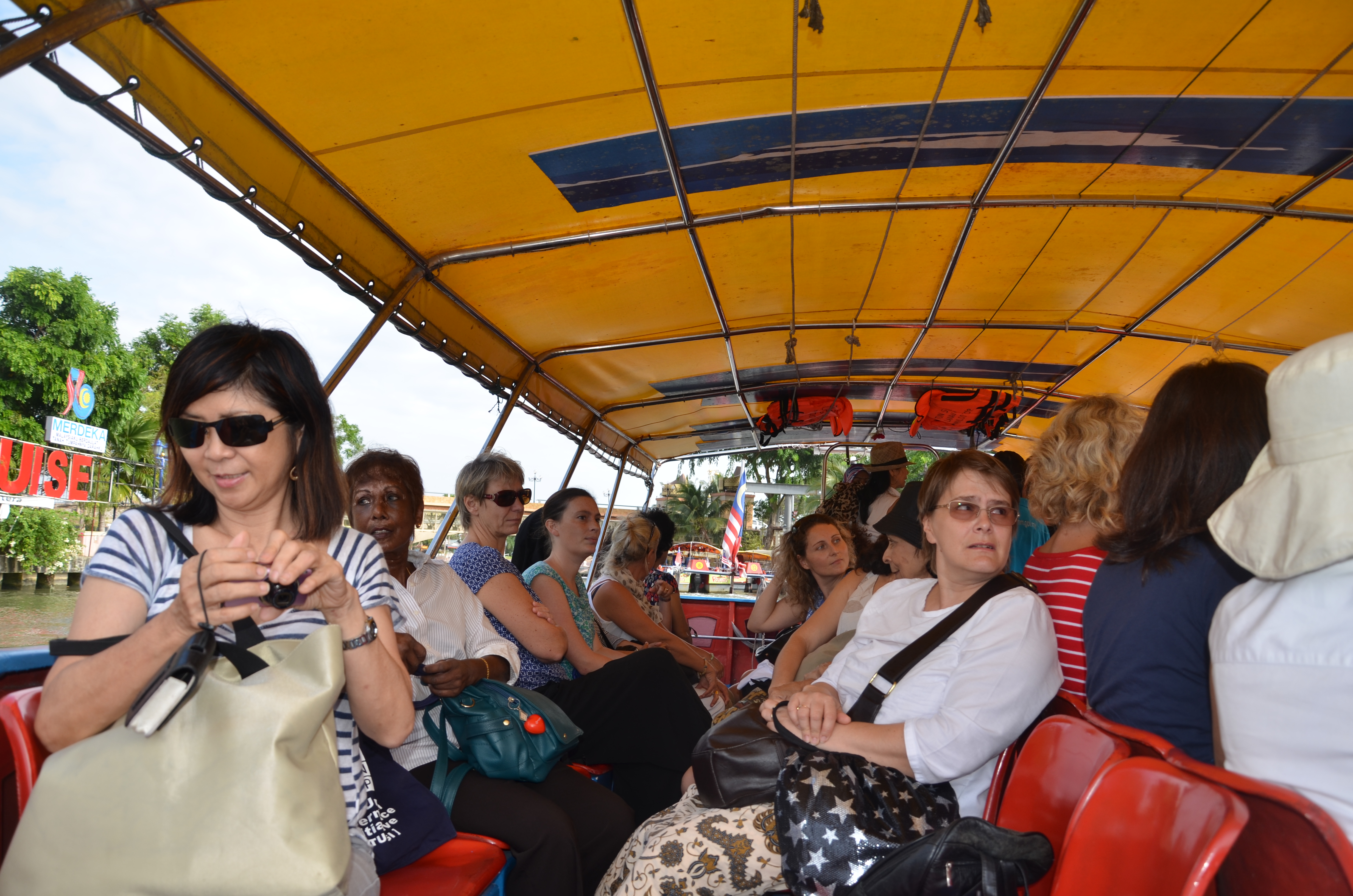
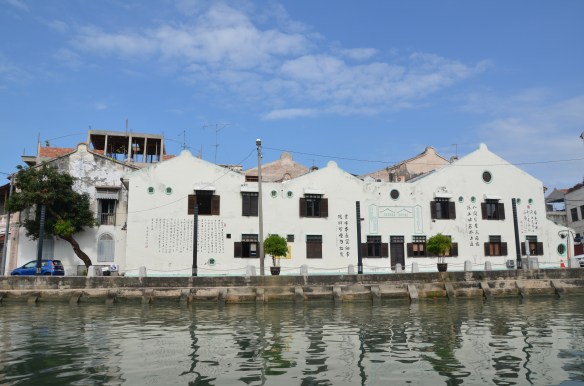
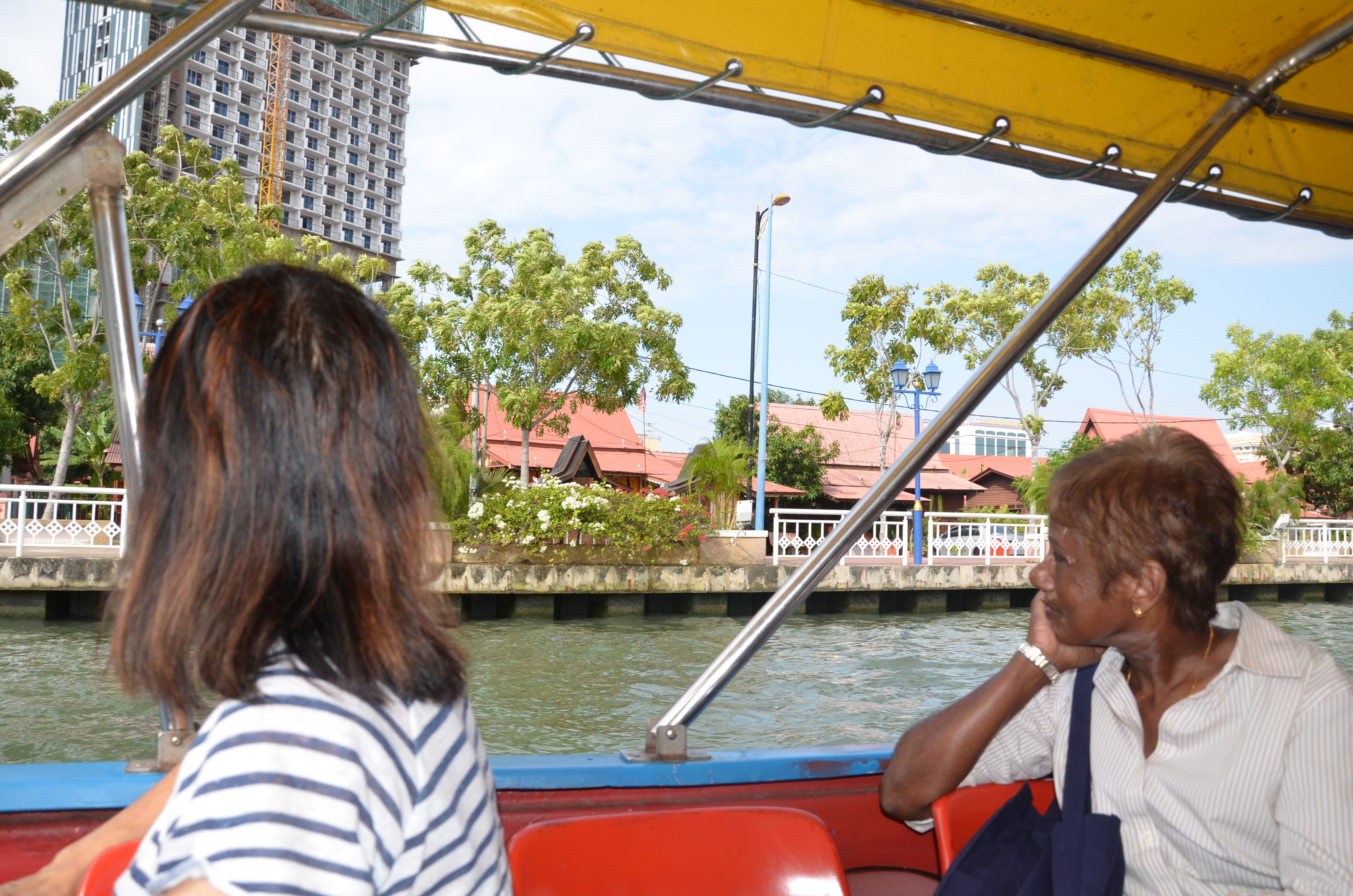
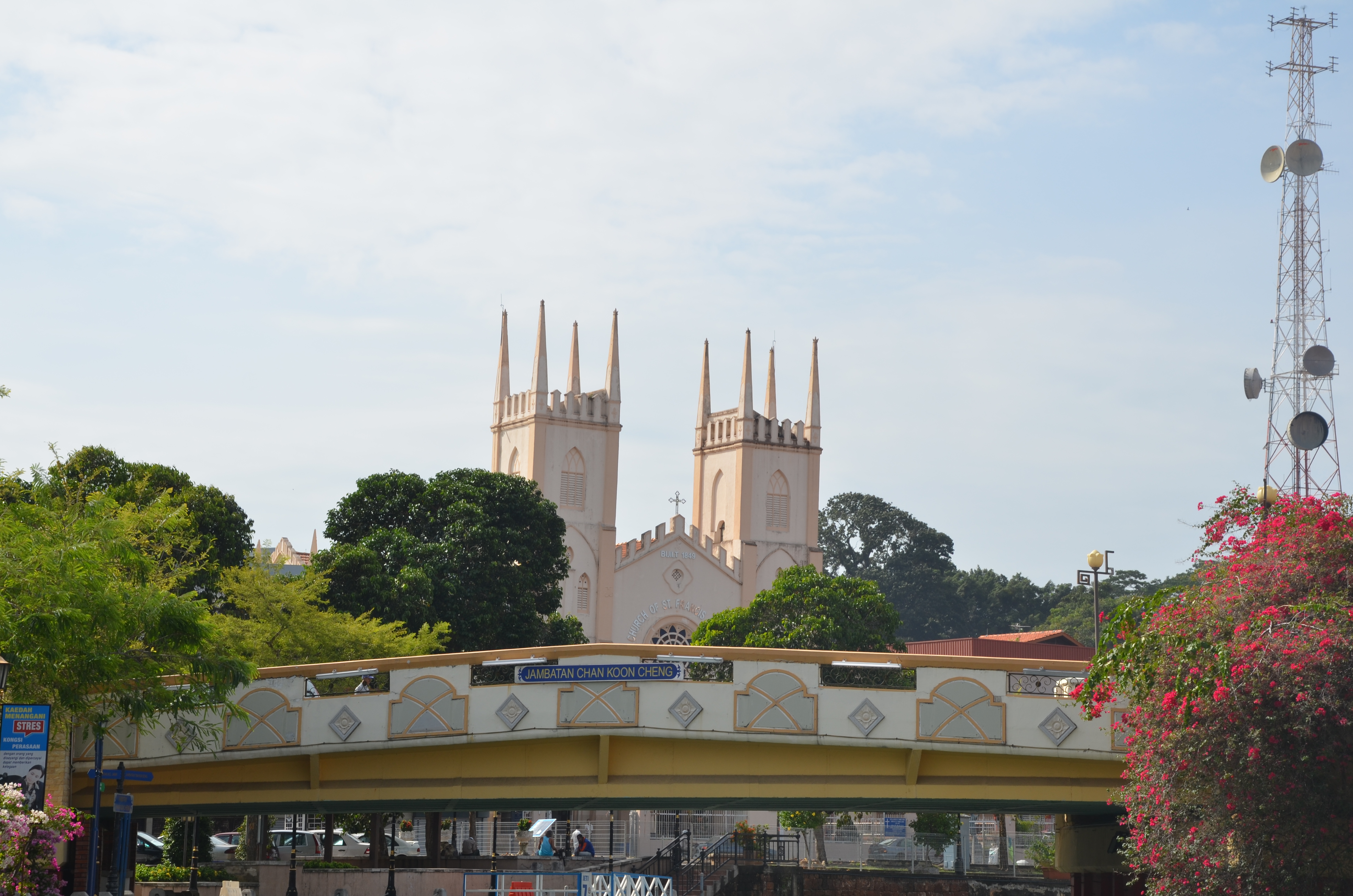
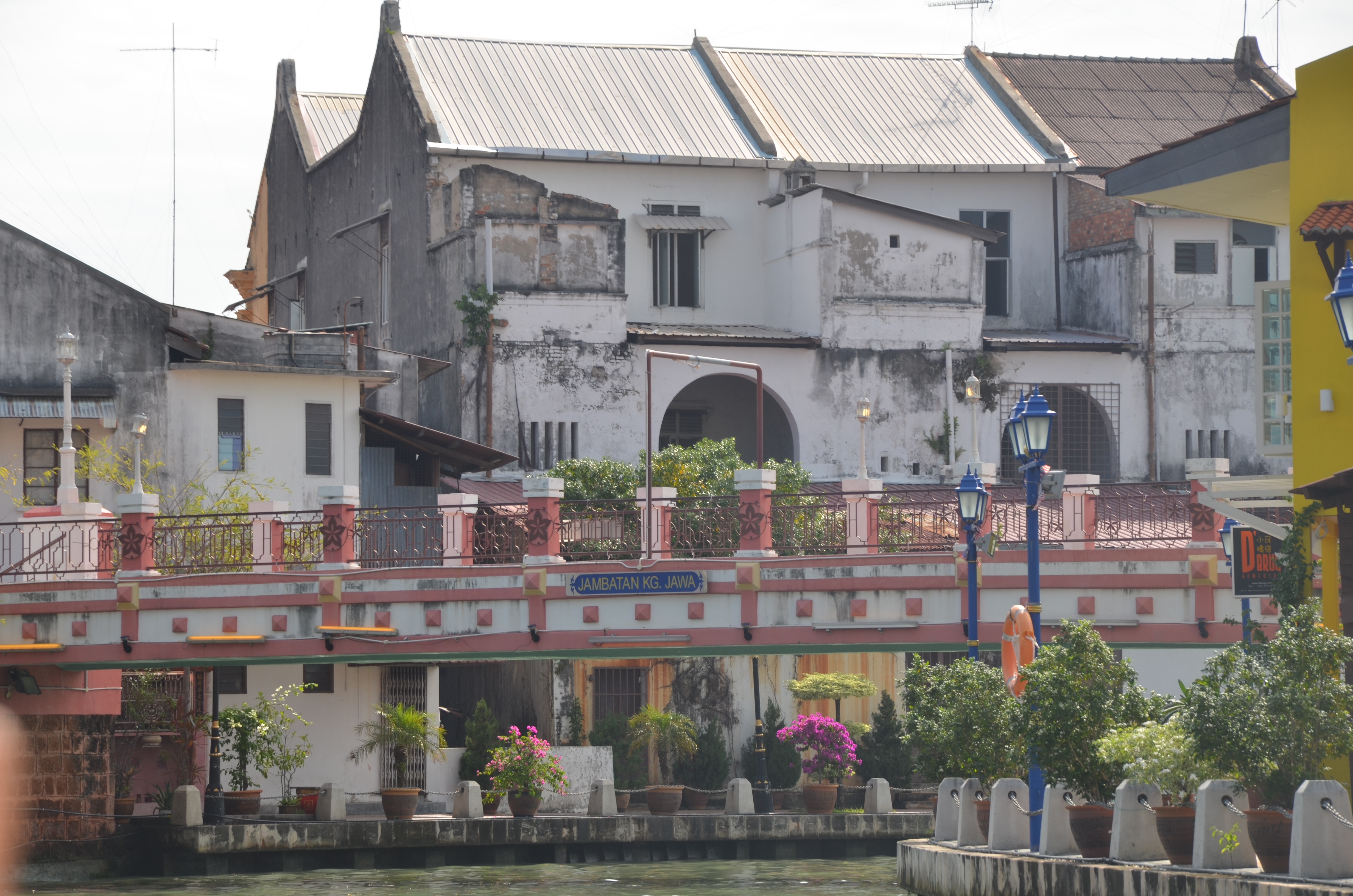
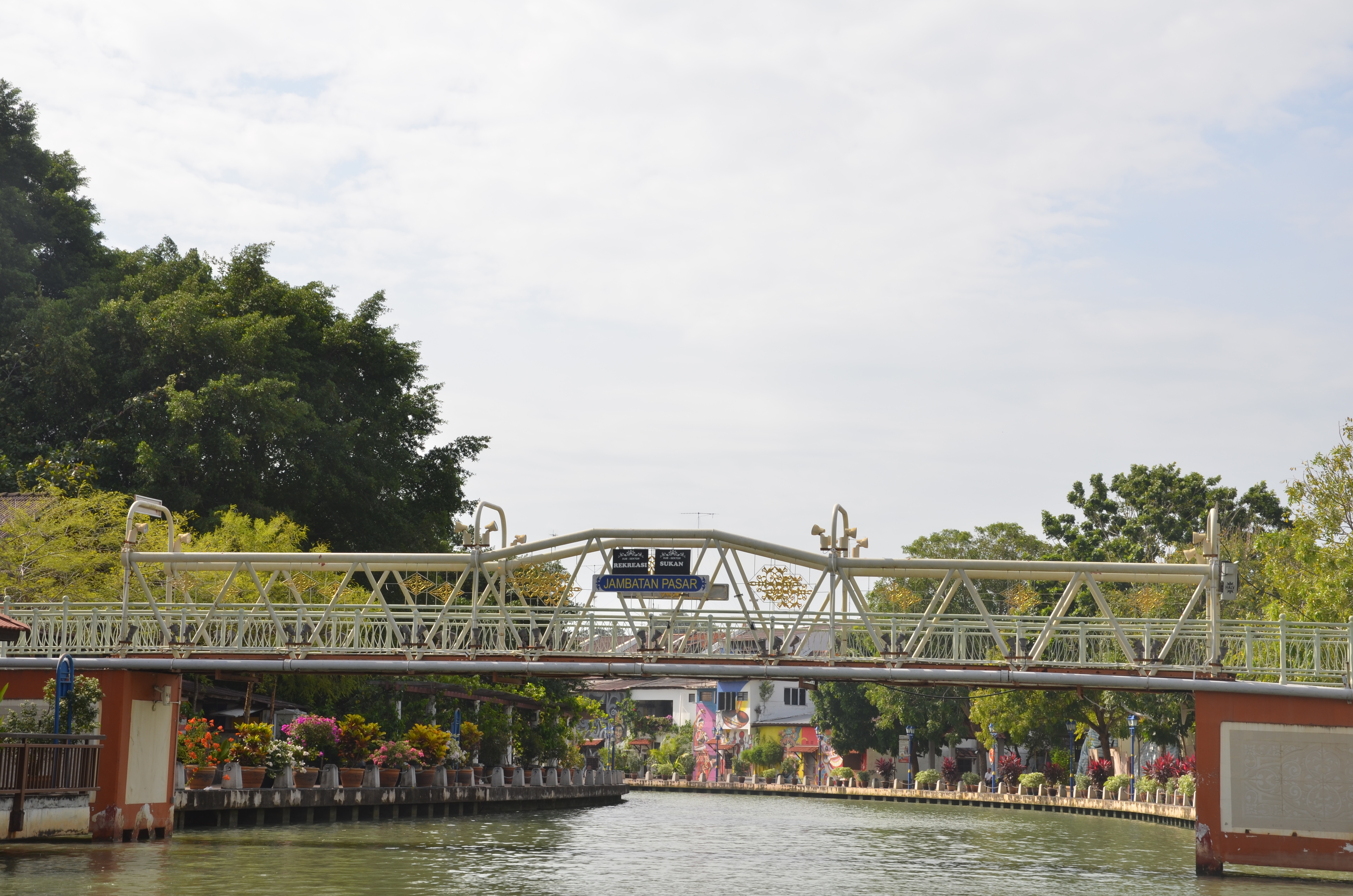
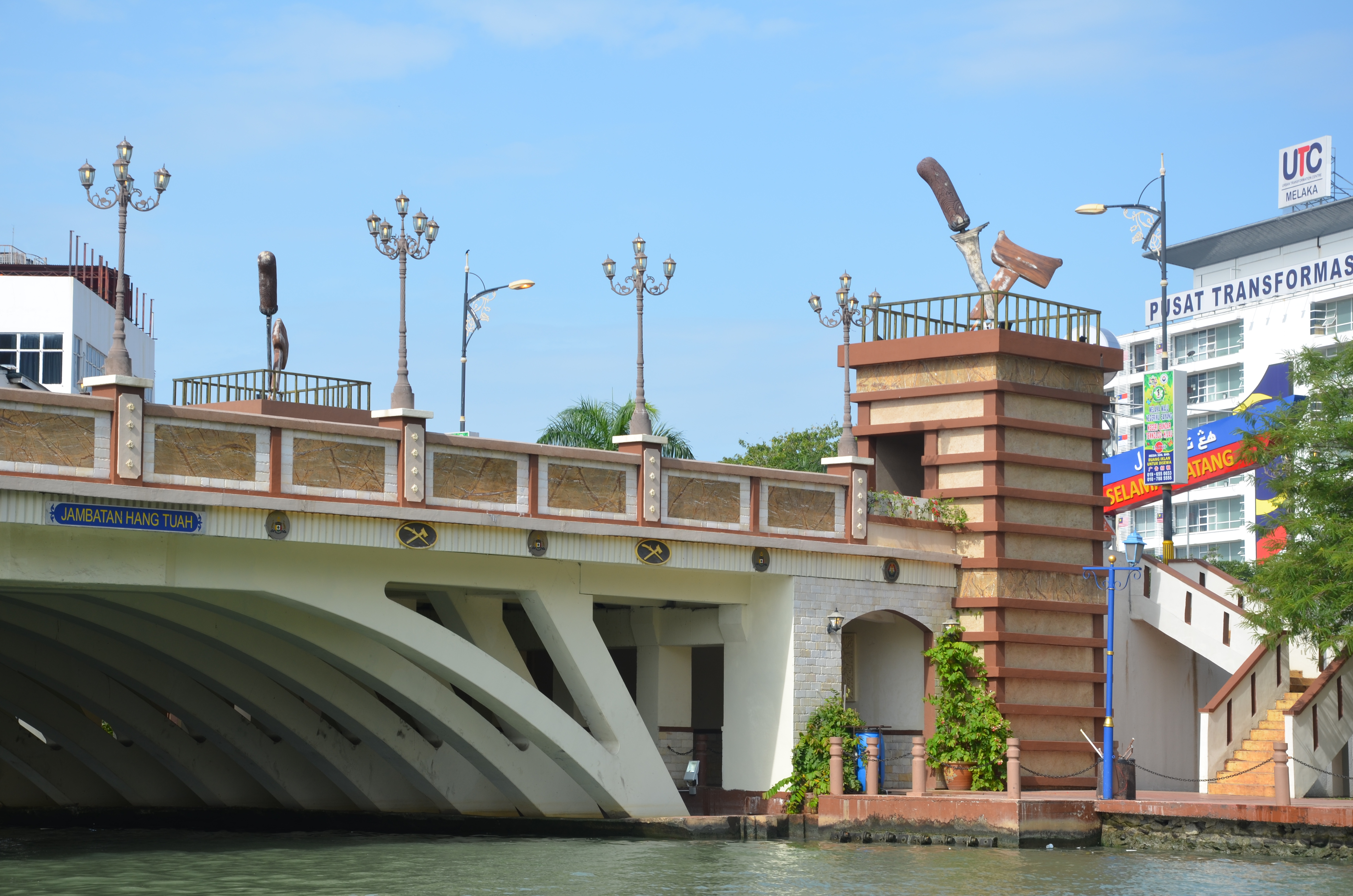
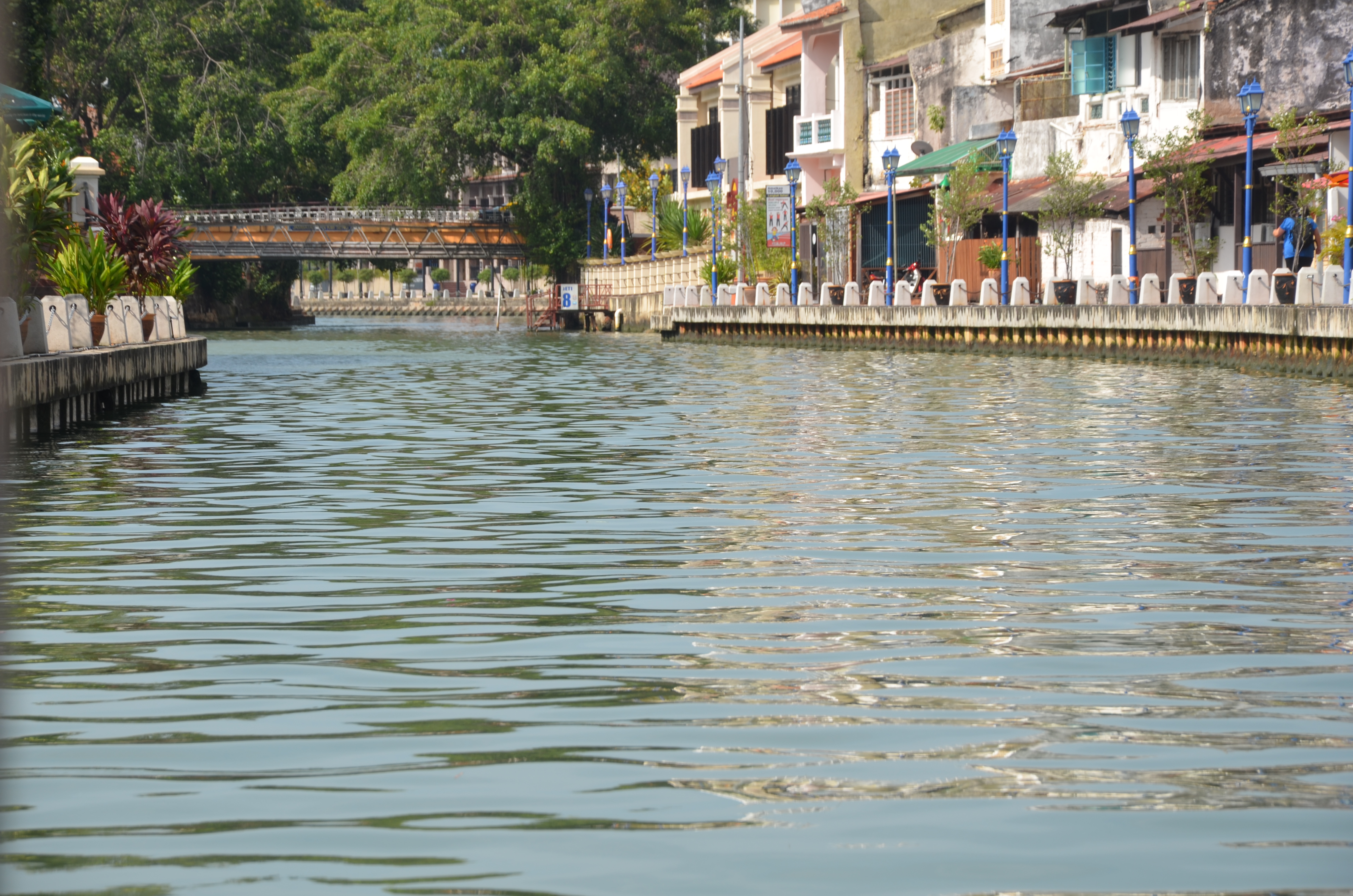
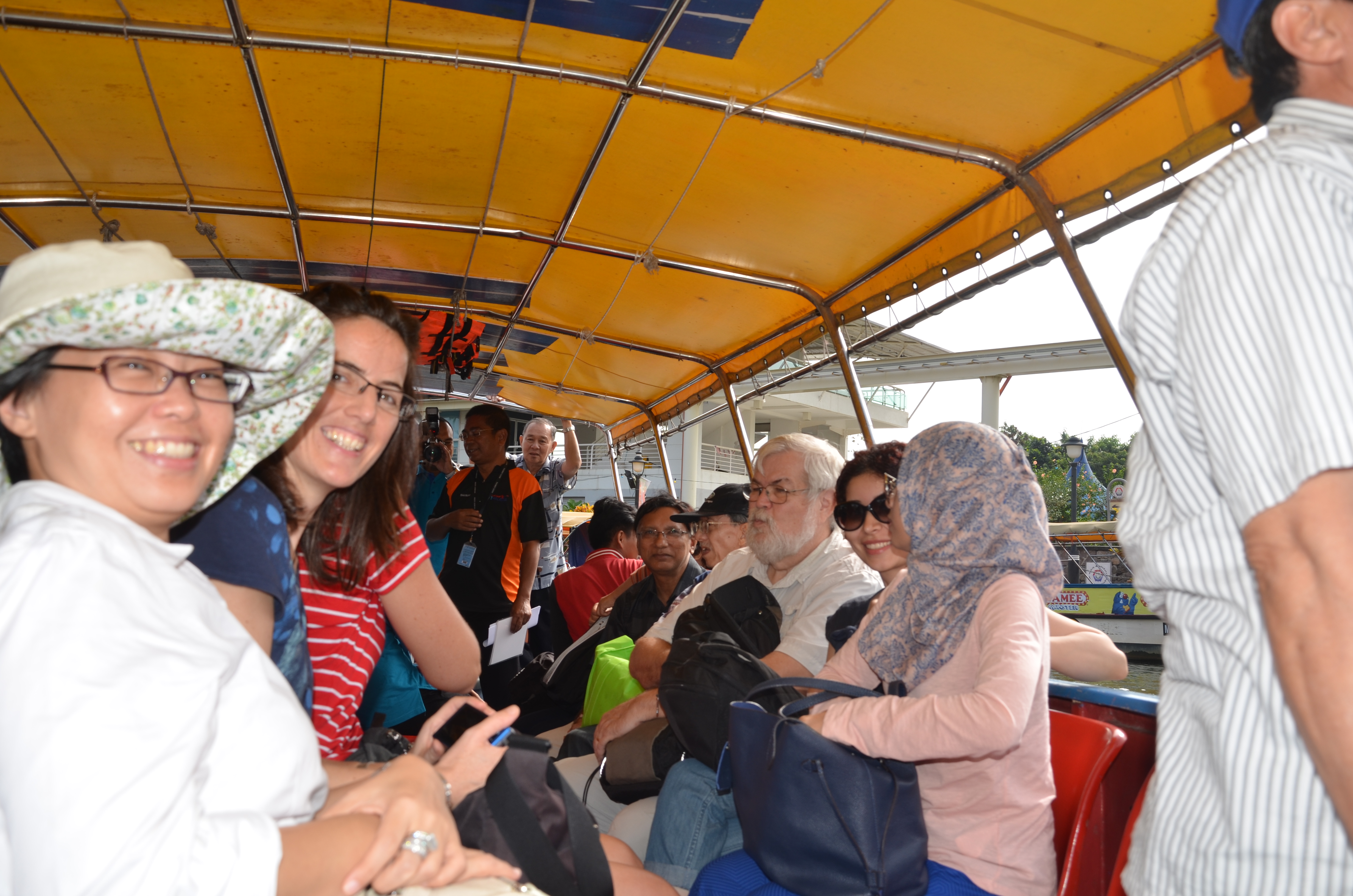
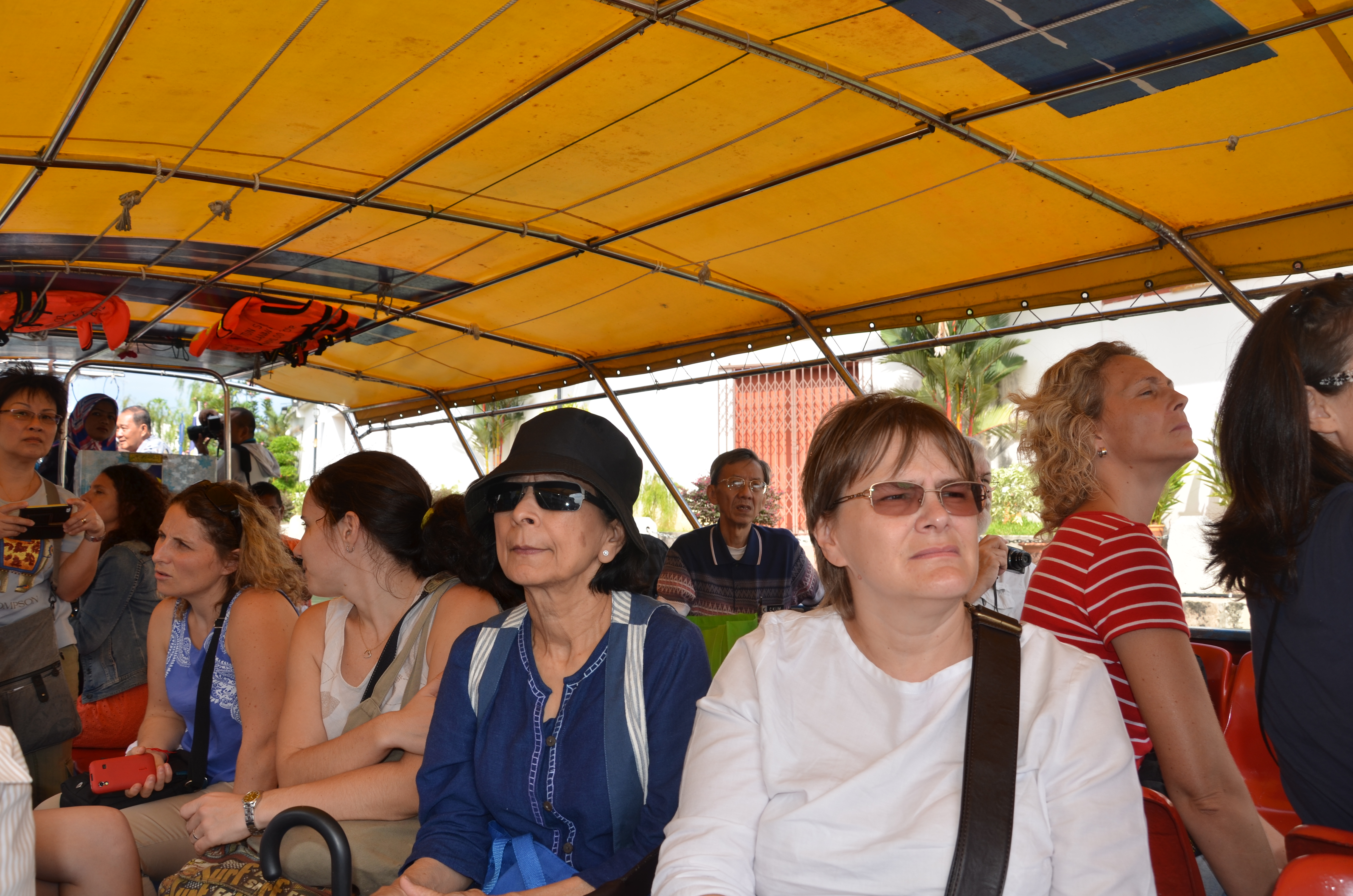
The tour started with a cruise on the Melaka River. Lined with historic buildings and villages, this is a river steeped in history and which saw the battle for Melaka being fought.
The Melaka government spent Rm320 million cleaning up and beautifying the river and, I think, tourists will agree that it was money well spent.
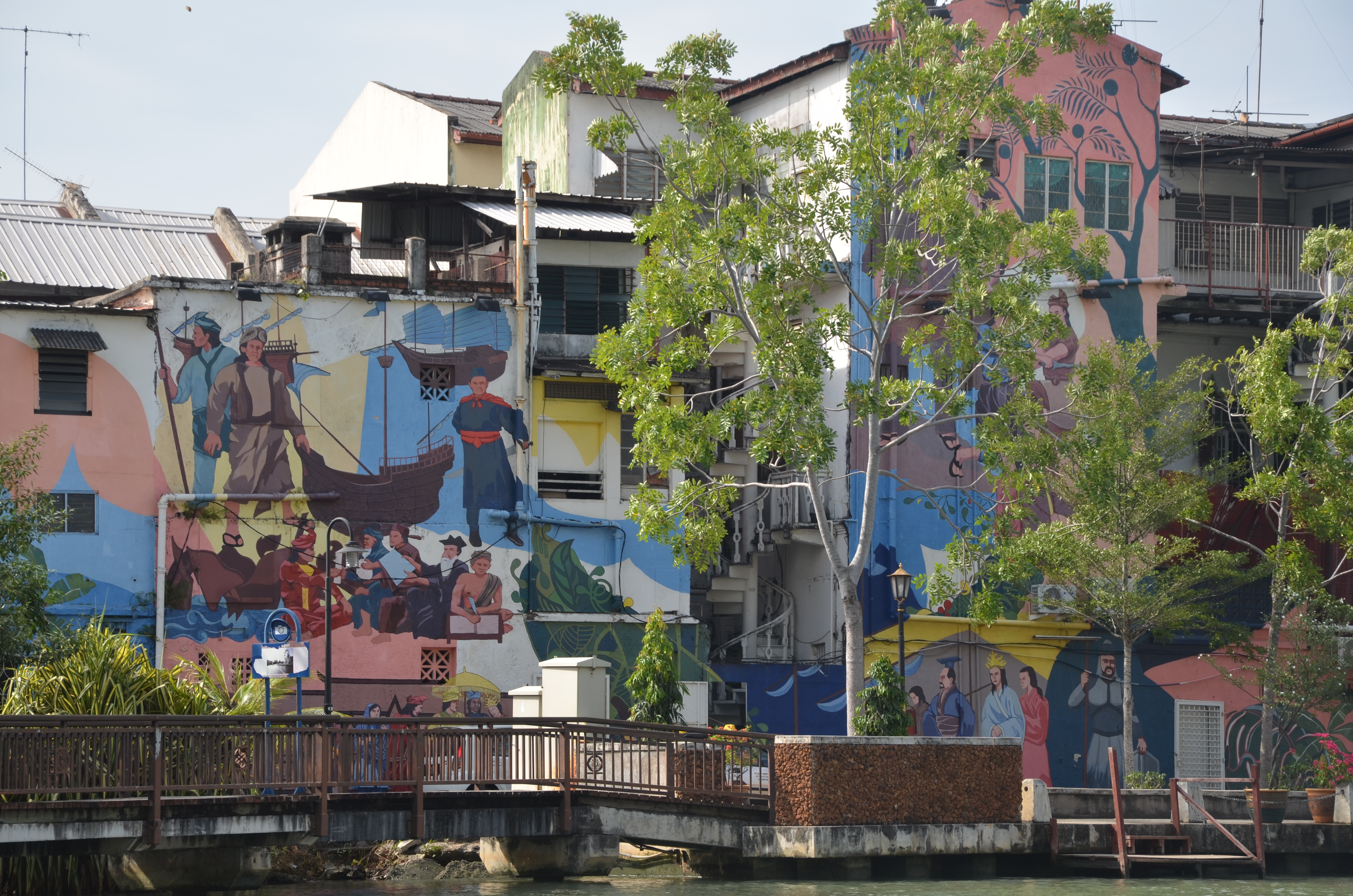
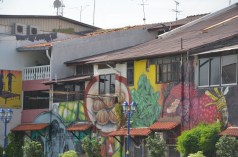
Paintings on the buildings alongside the river certainly gives the street art of Penang a run for its money.
Kampung Morten is a Malay village dating back to the 1920s. It was named after a British Land Commissioner who is credited with providing houses for at least 85 locals. This village, having houses built using traditional Malay design with long roof and tiled stairs, can be glimpsed from the river.
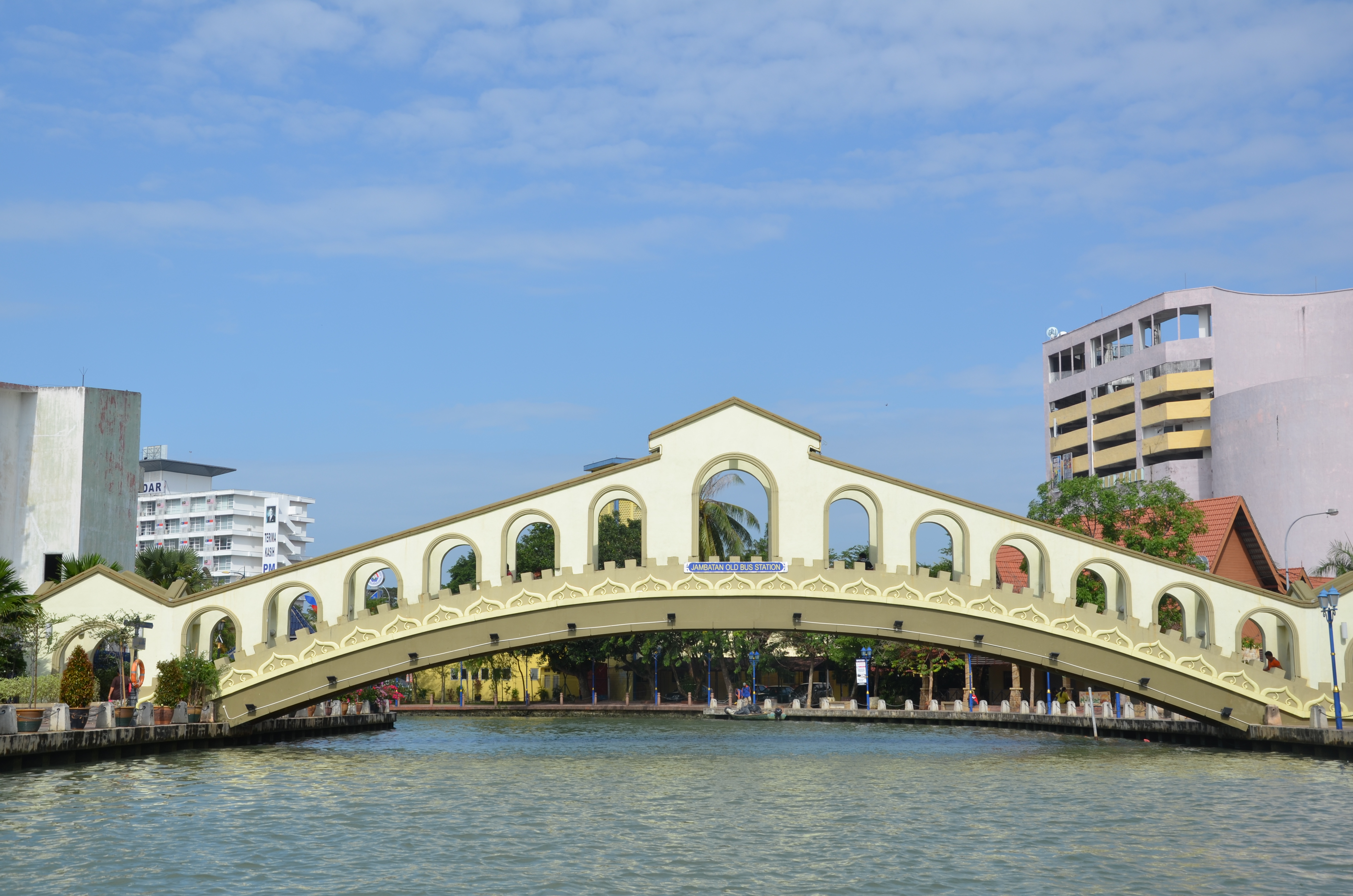
Eight bridges cross the Melaka River – some simple and some elaborate.
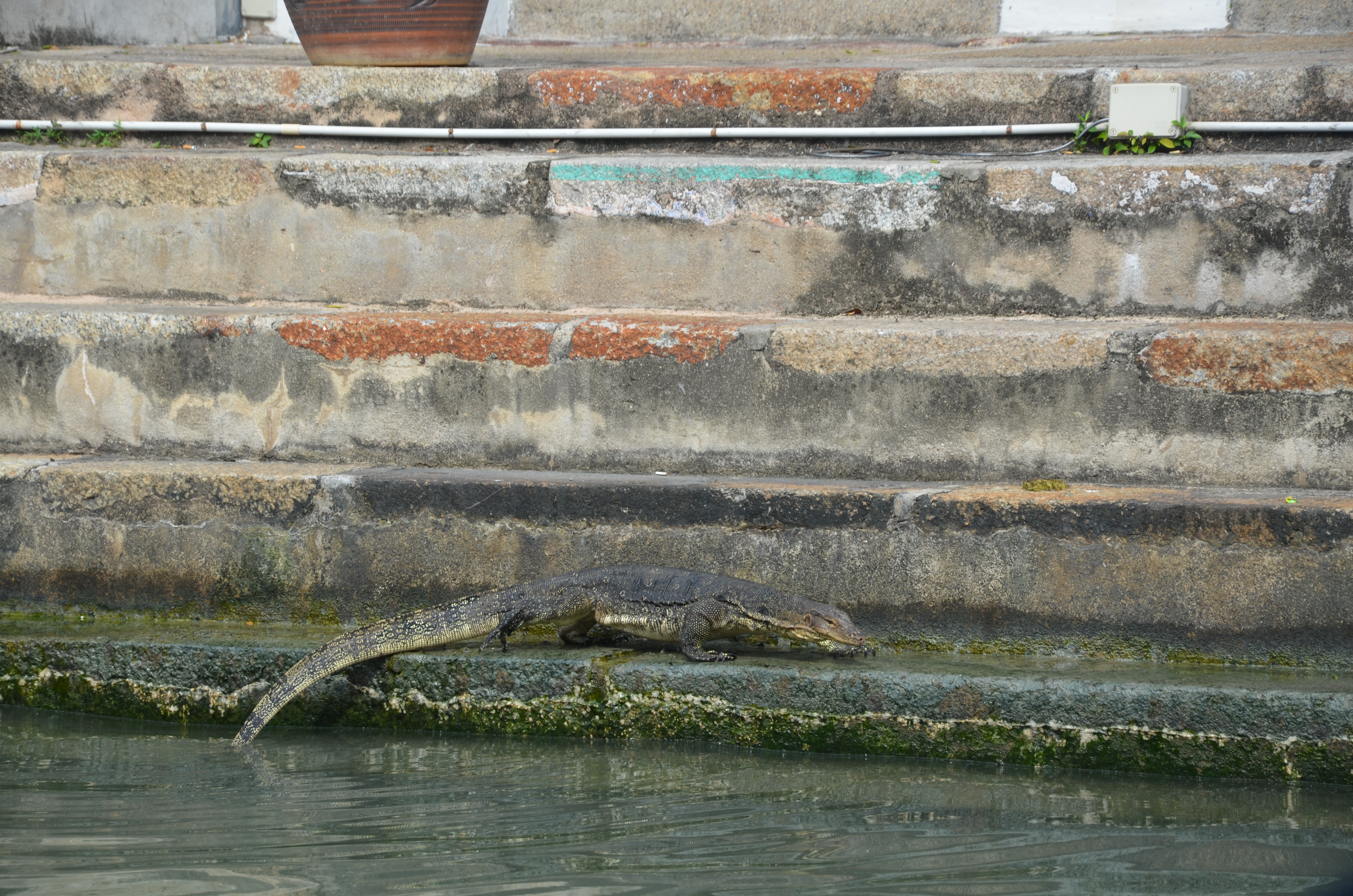
Monitor lizards, being a protected species, abound in the river and are easily spotted.
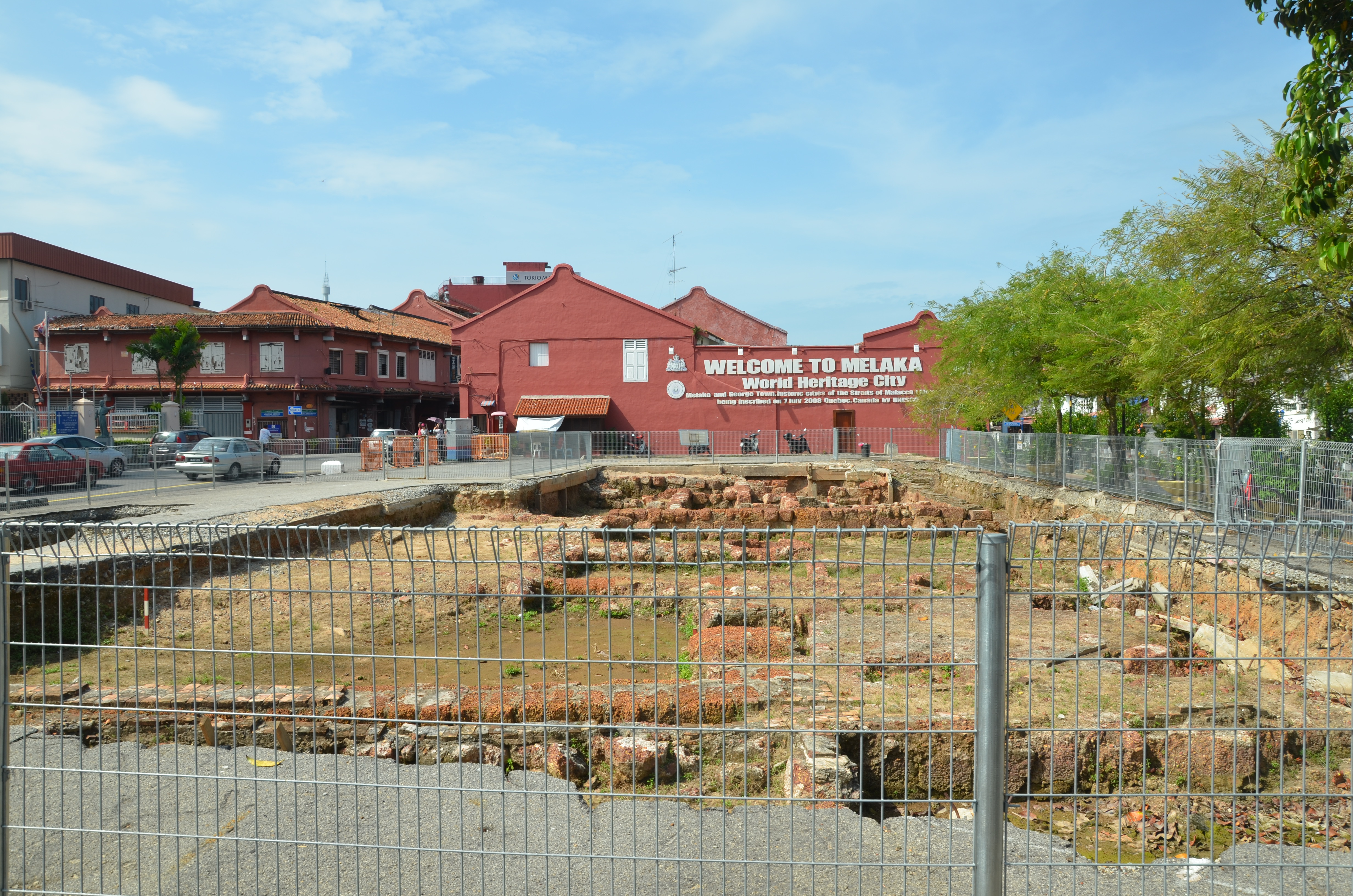
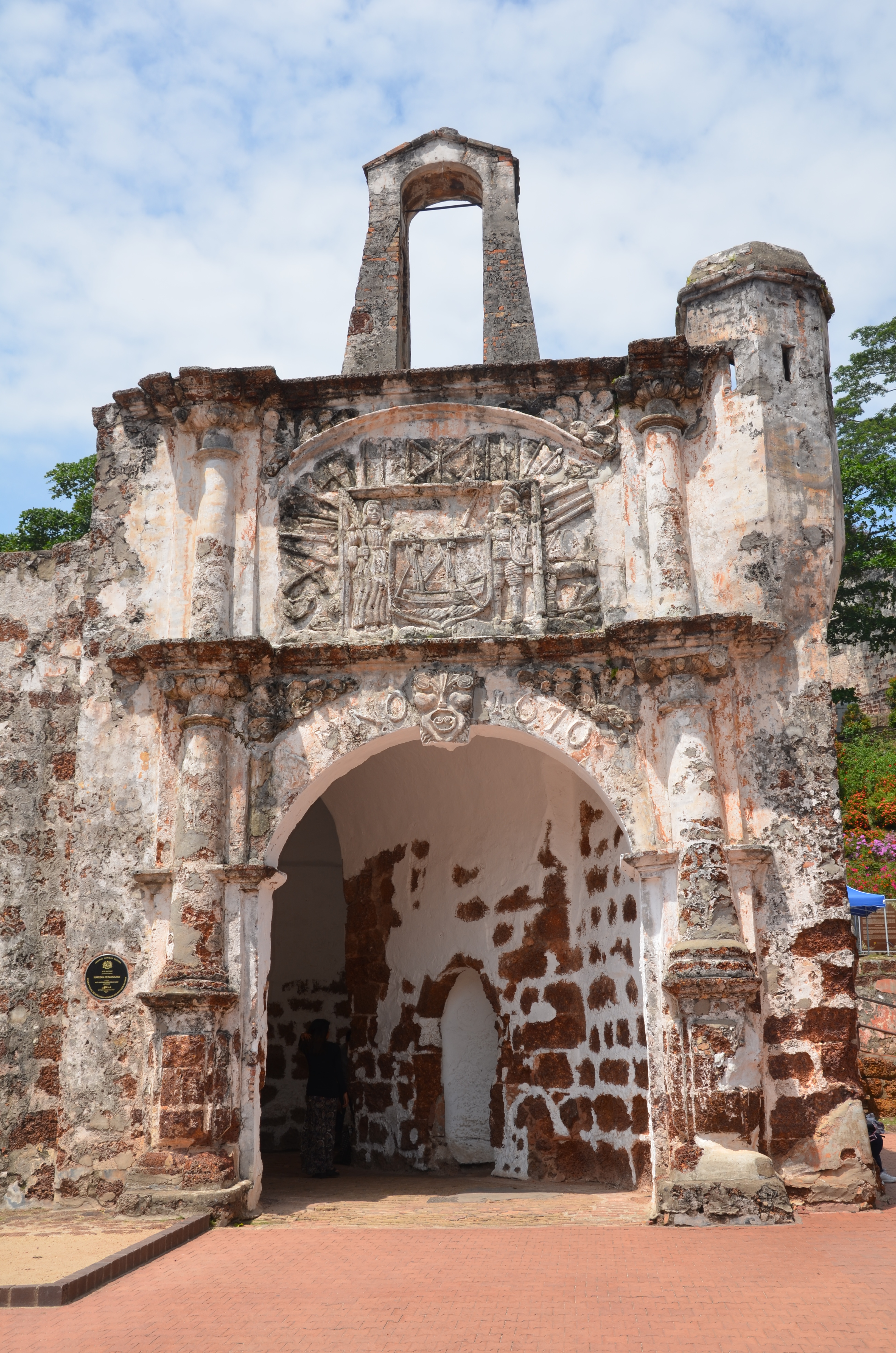
As we know the Fortaleza de Malaca, or more commonly known as A Formosa, was destroyed leaving only the Porta de Santiago standing. However, a few years ago, the ruins of Bastion Victoria were discovered at Padang Nyiru. Bastion Victoria, which was originally named St. Domingo by the Portuguese, was the place where the Dutch entered and conquered the fort. Although the bastion was damaged in the attack, the Dutch later repaired and even enlarged it as it was important to the fort’s defence.
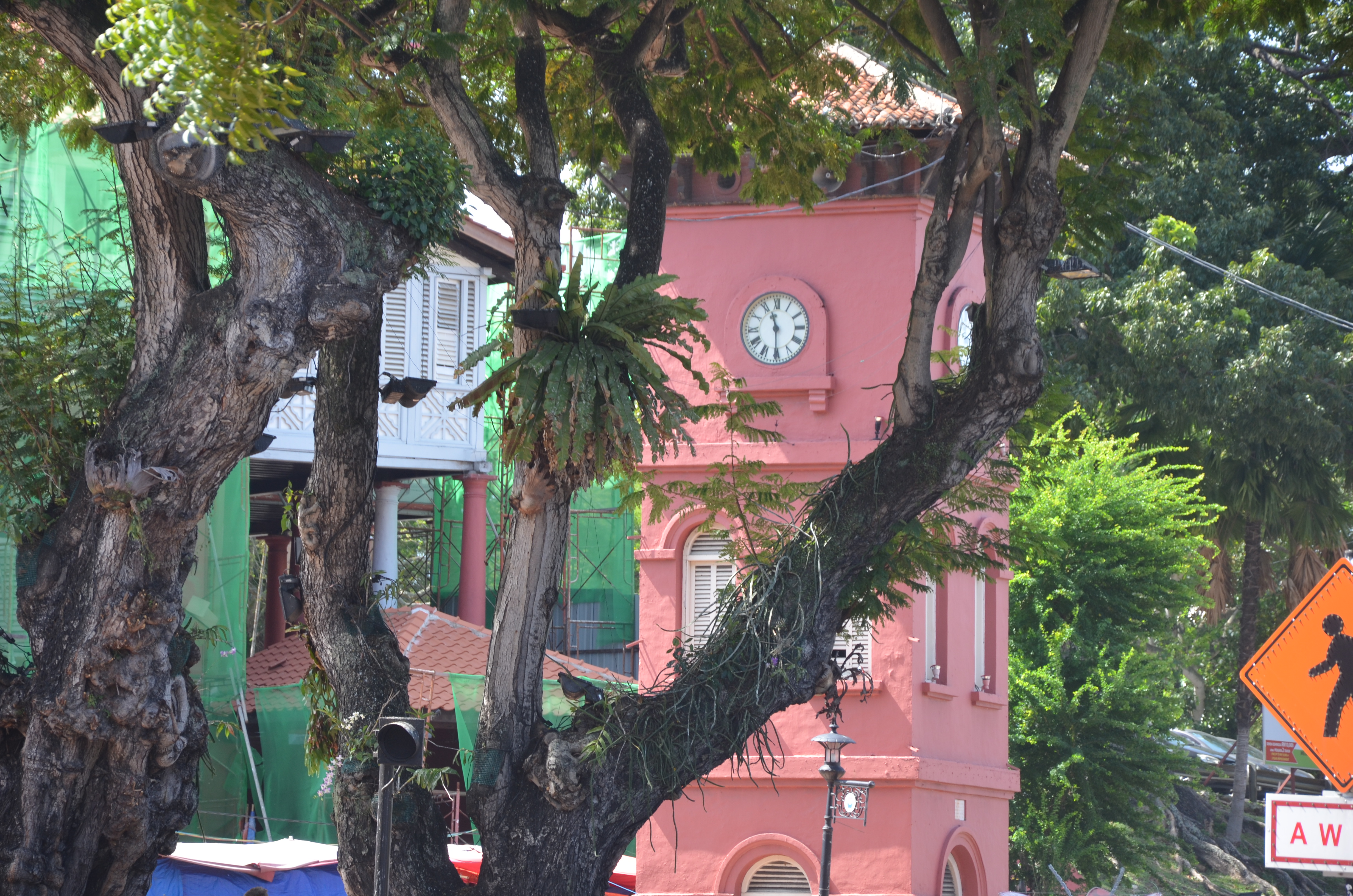
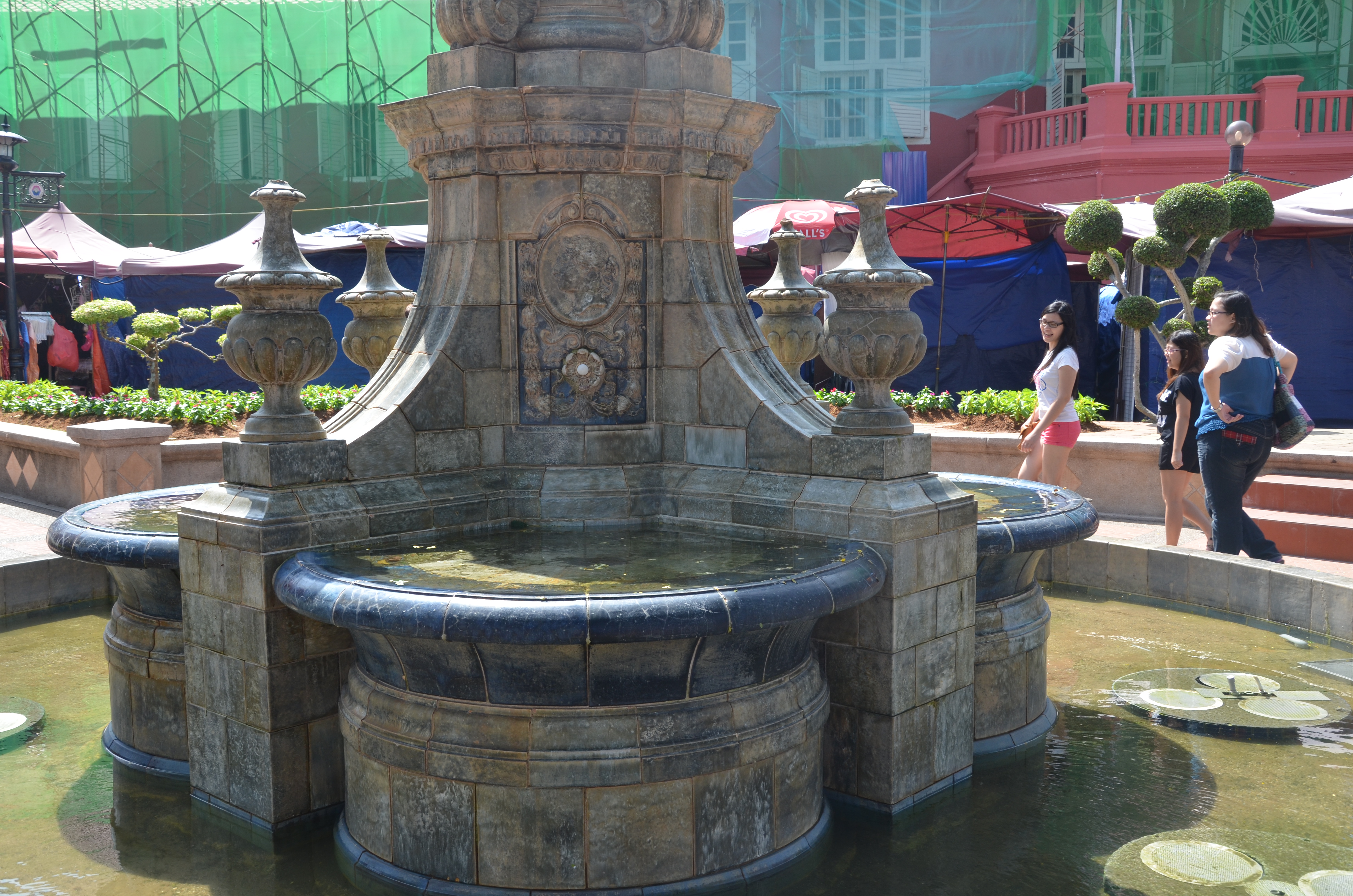
The Stadthuys is under restoration but the clock tower and the fountain are intact.
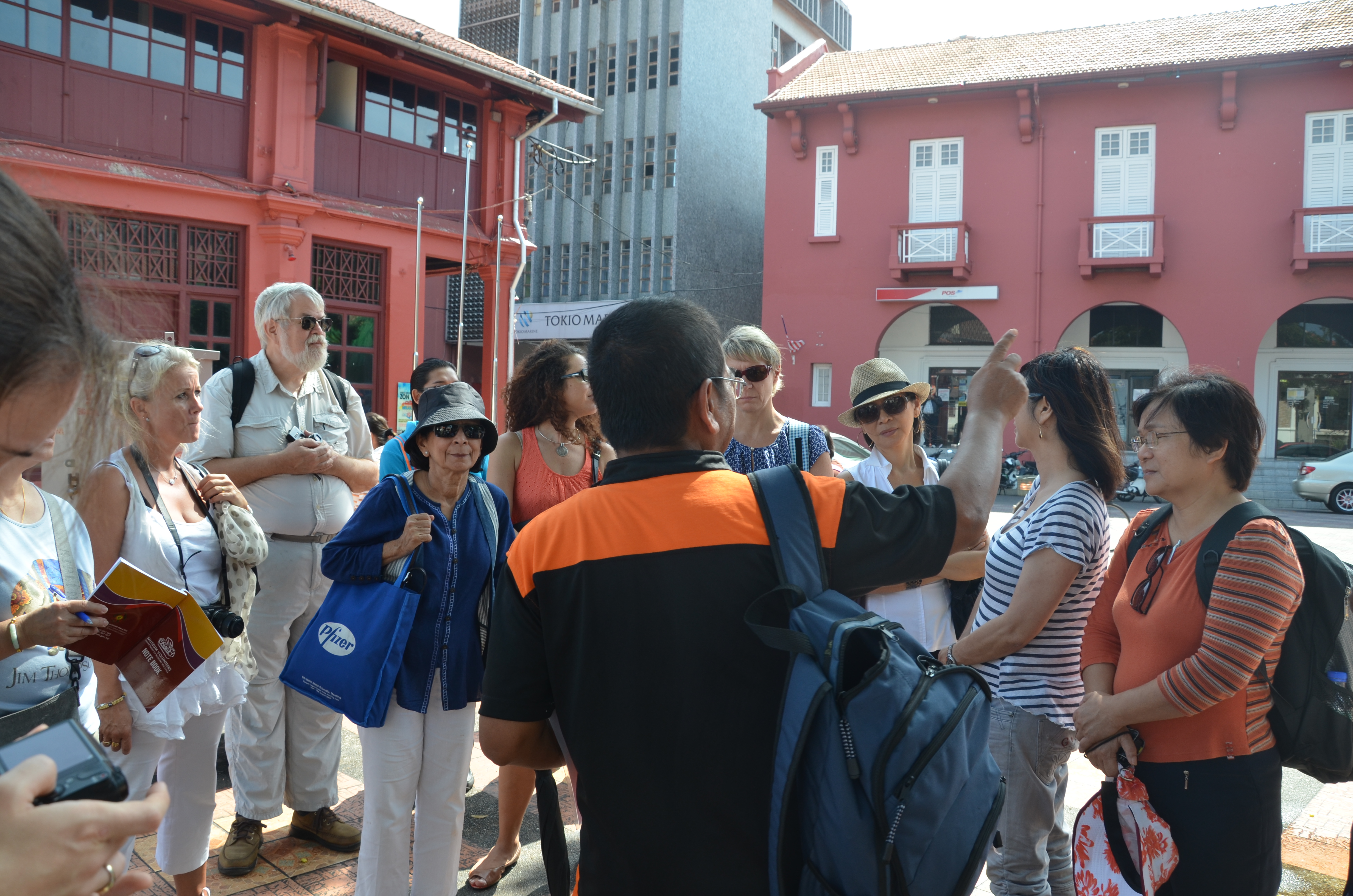
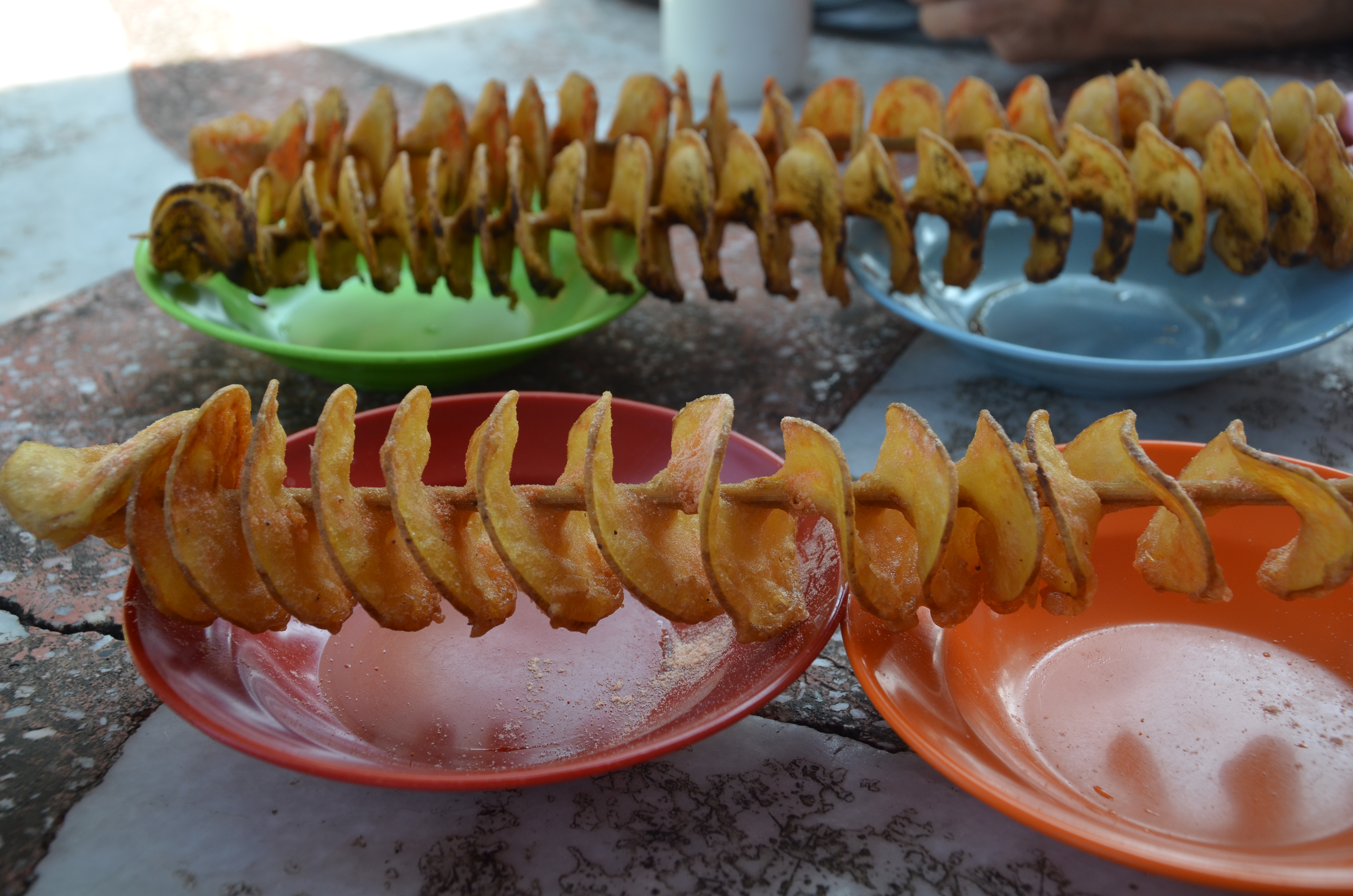
After a couple of hours listening attentively to our tour leaders, Shaukani and Eddy, it was time for a durian cendol. At the stalls, we discovered an interesting potato skewer thingy that comes coated with flavours of our choice including cheese and black pepper. Delicious but I forgot what it is called. Anybody remembers?
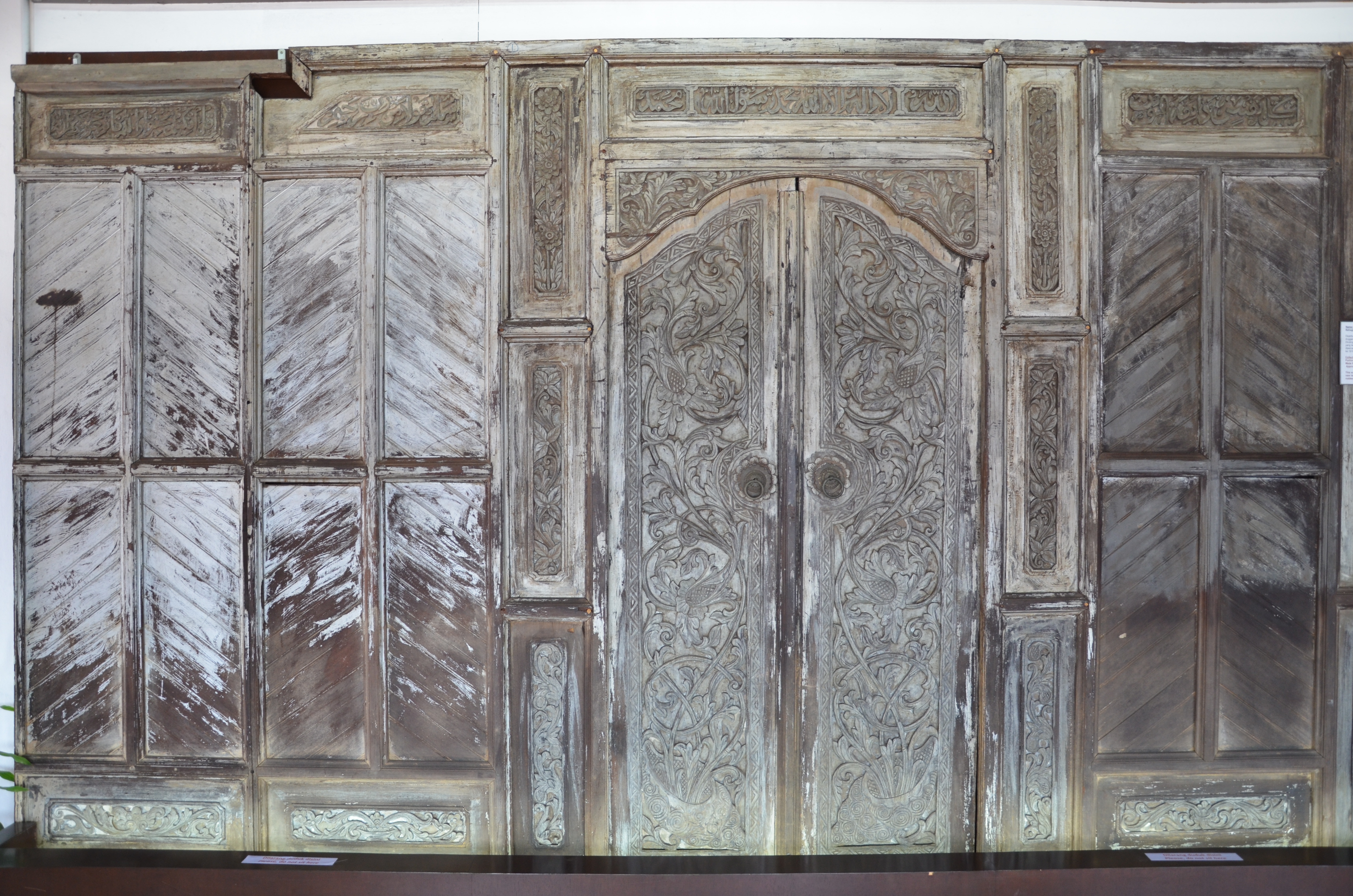
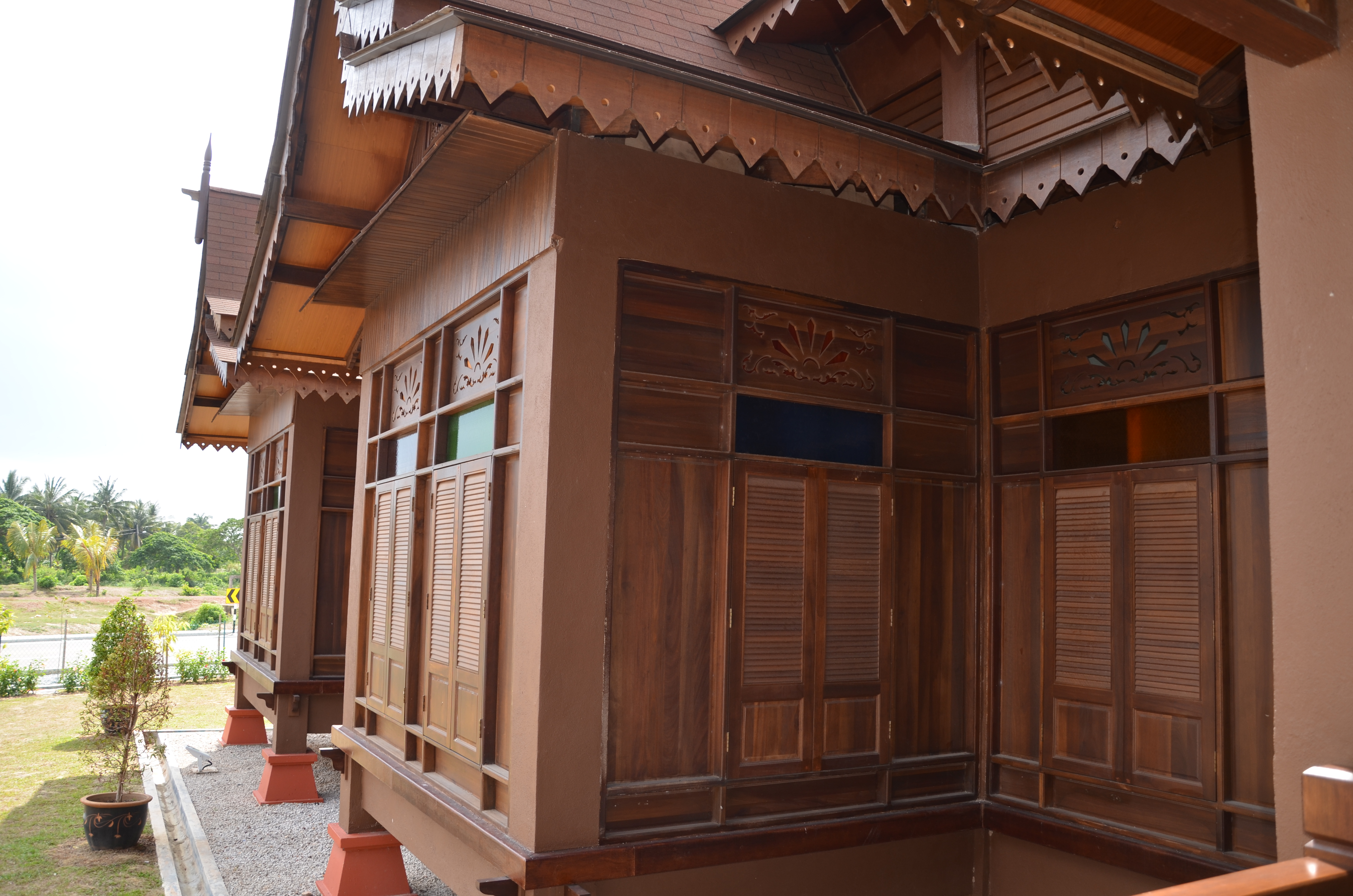
The Architecture Museum (Muzium Seni Bina) showcases the architectural heritage of Malaysia and houses models of significant historical buildings as well as models of traditional houses. The picture below shows a wall taken from a traditional Kelantanese Malay house which was located near Istana Jahar in Kota Bahru.
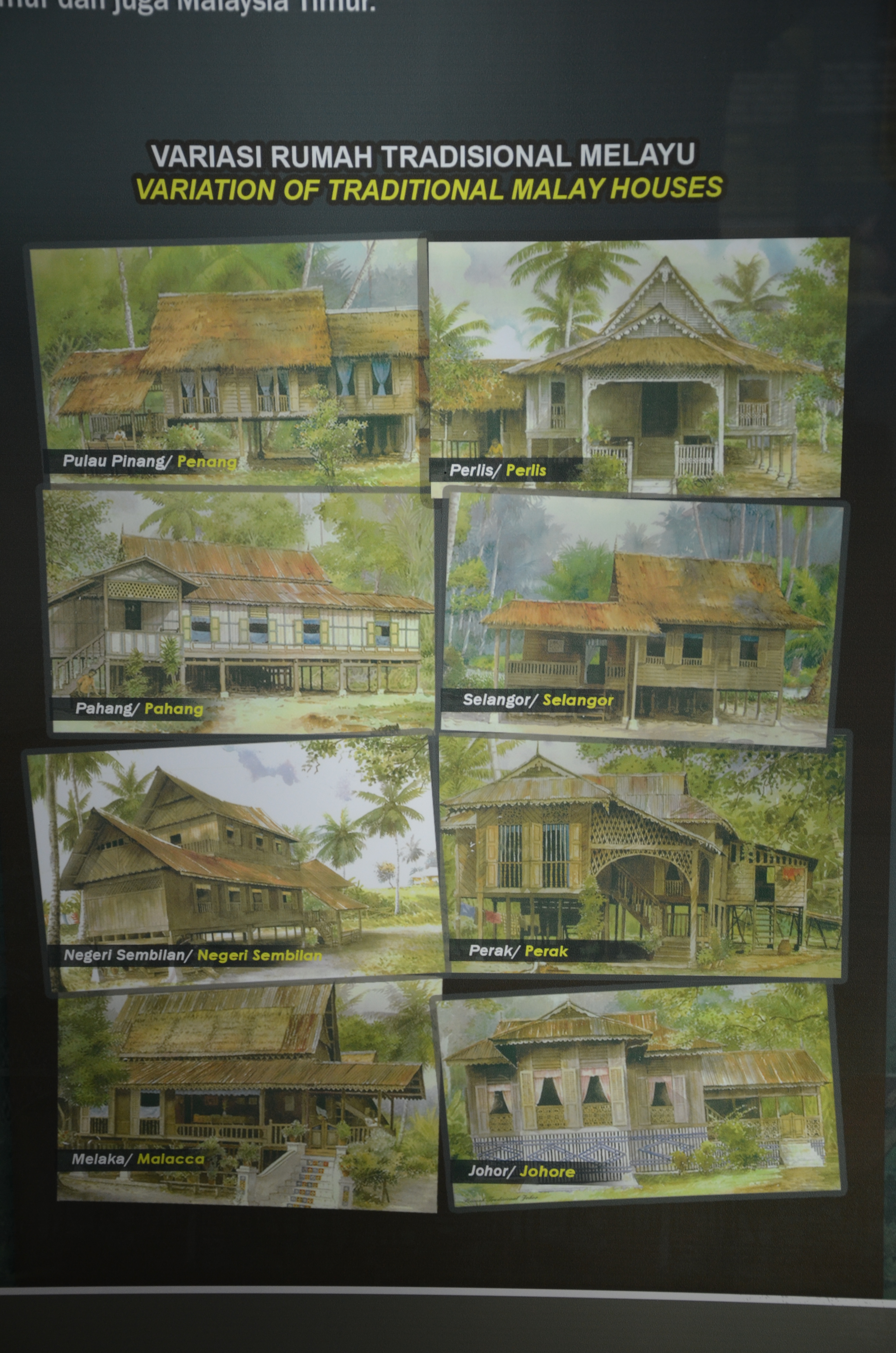
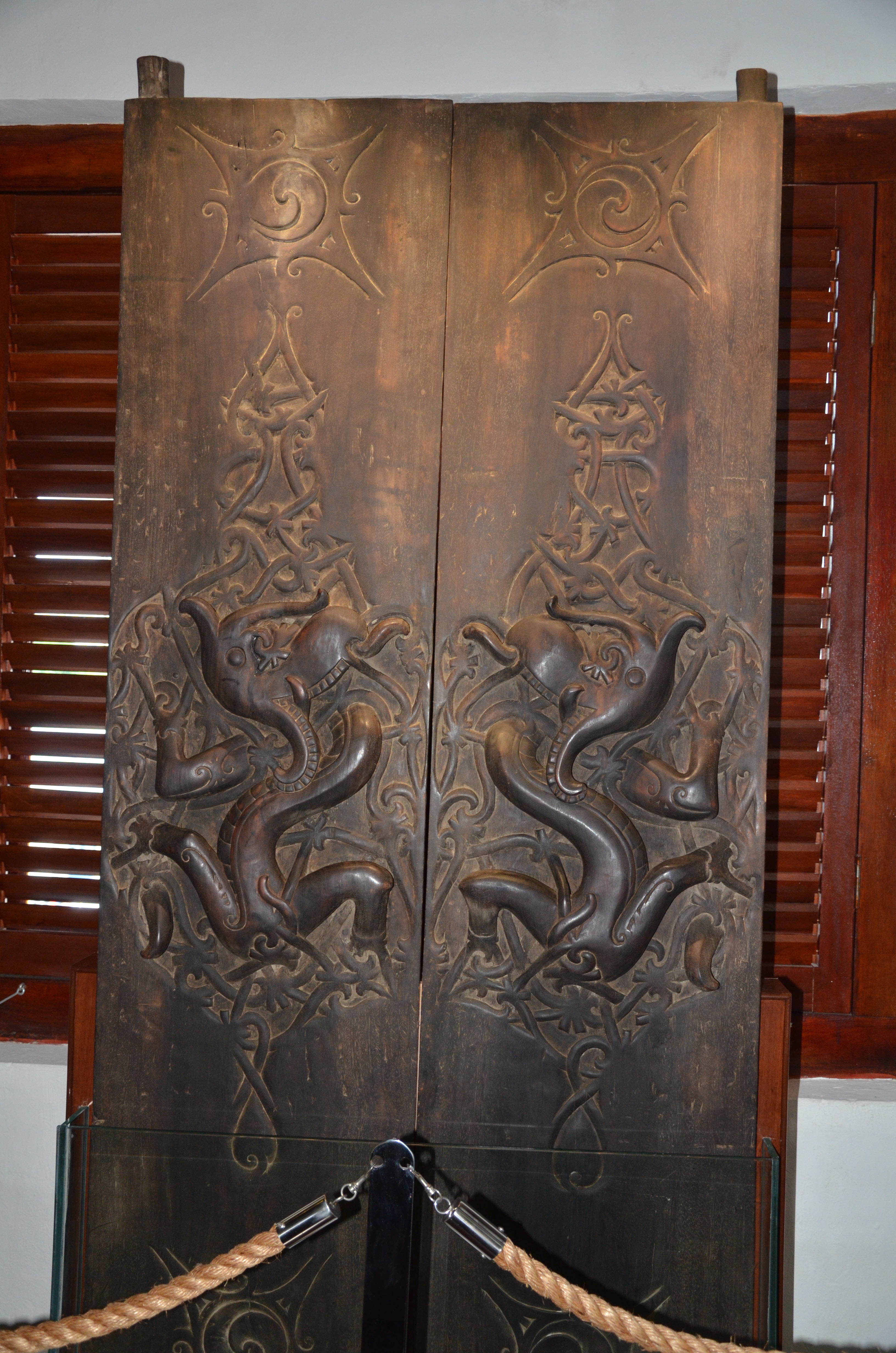
Traditional Malay houses from the various states.Door in a longhouse in Sarawak.
This door, taken from a longhouse in the Bukun district of Sarawak, was used by the Orang Ulu Chief.
It is made from ironwood and is engraved with dragon and leaf motifs which are said to provide protection and bring good luck.
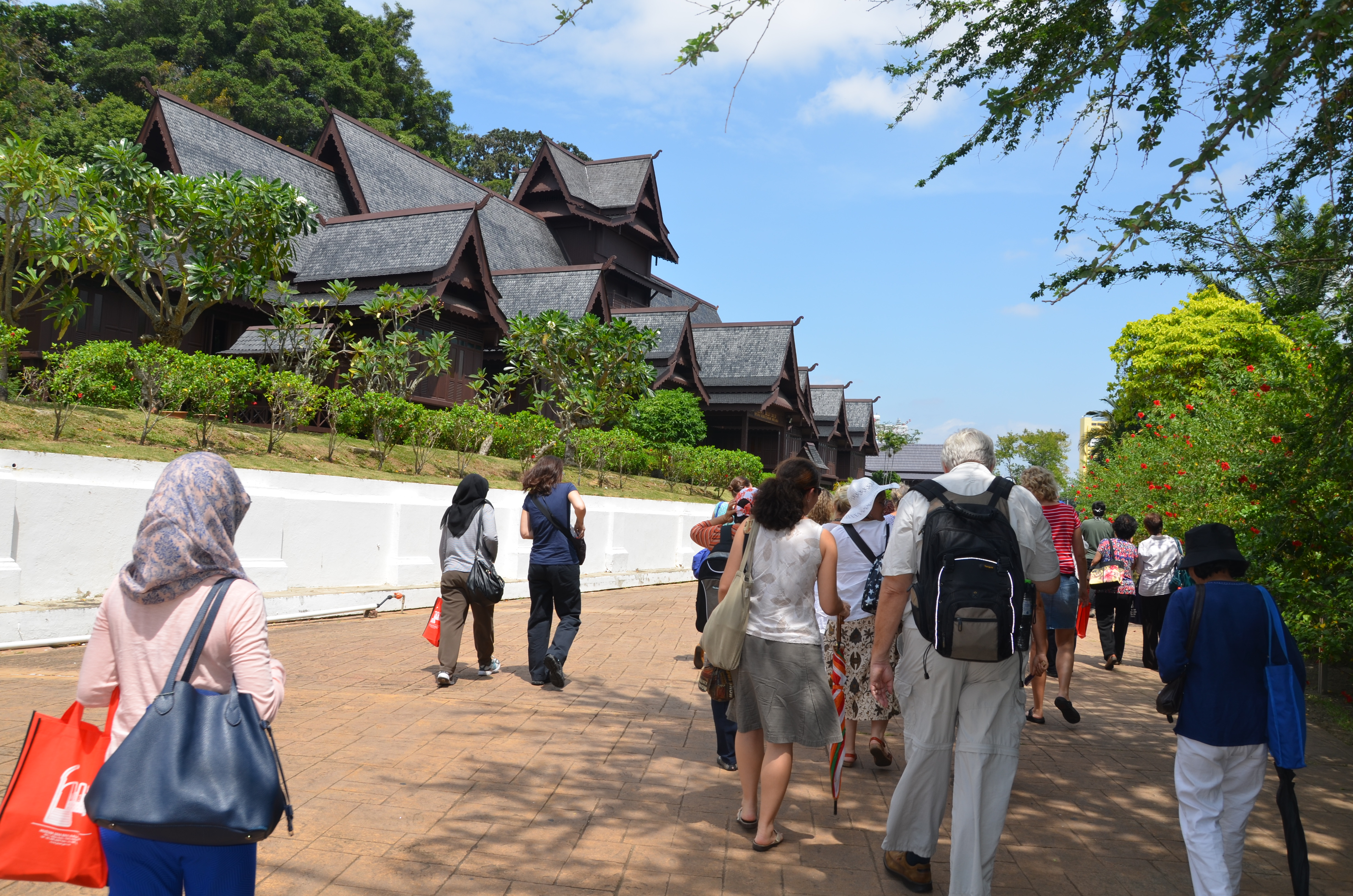
Walking towards the Melaka Sultanate Palace. This is a replica of what is believed the palace of the Sultanate of Melaka looked like. It houses the Cultural Museum.
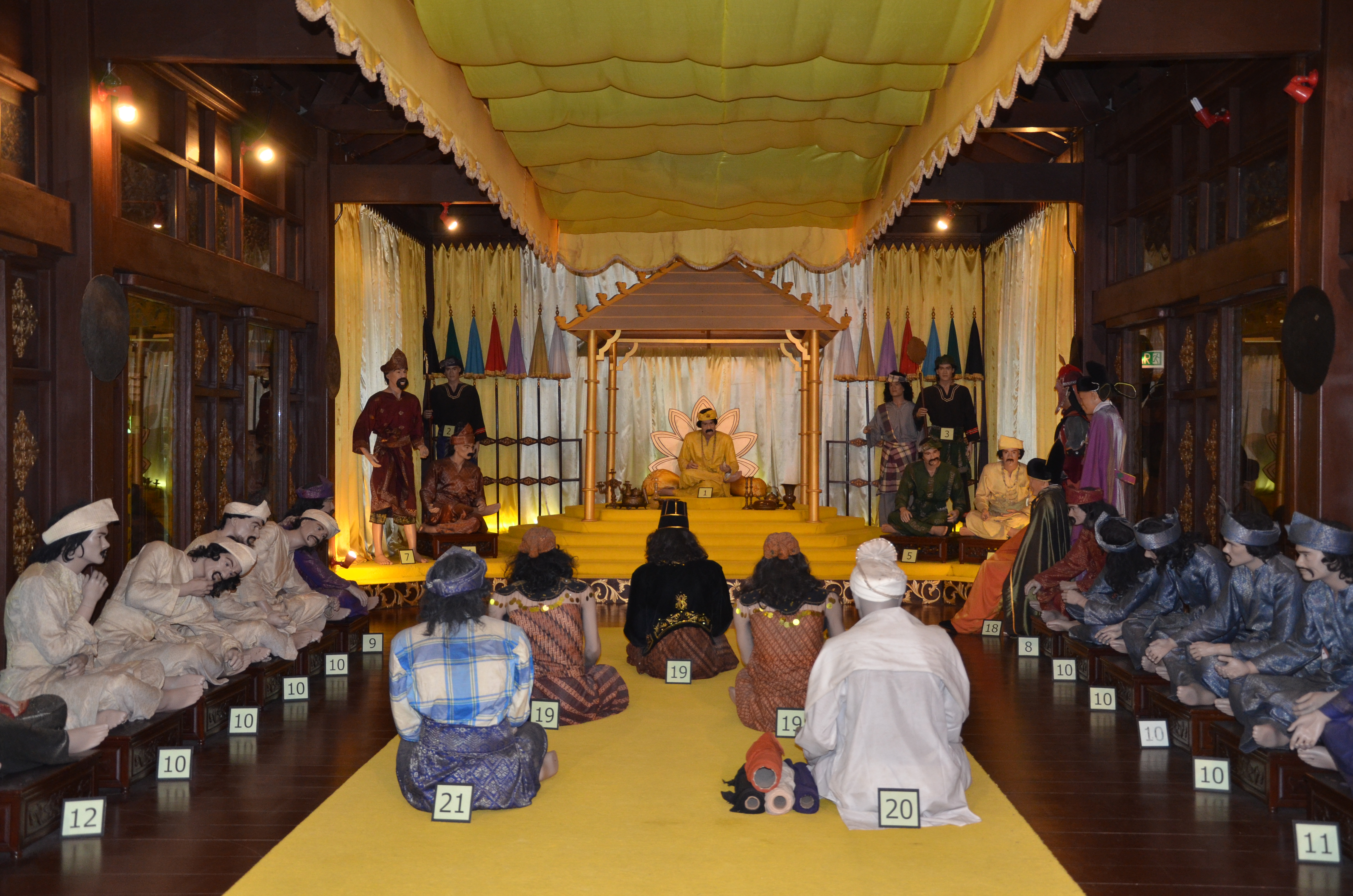
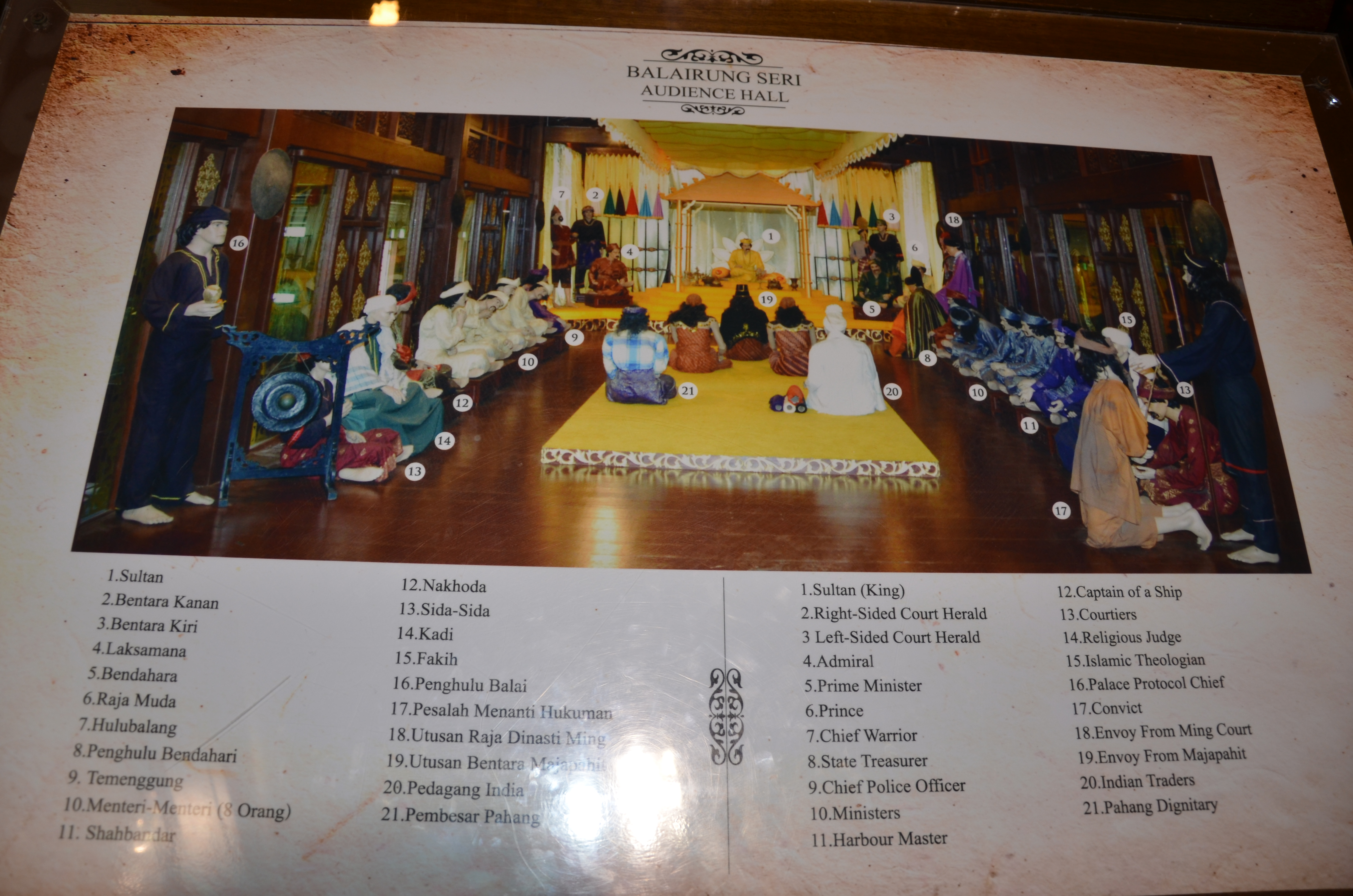
As the pictures below show, seating at the Balairung Seri (Audience Hall) was by no means arbitrary.
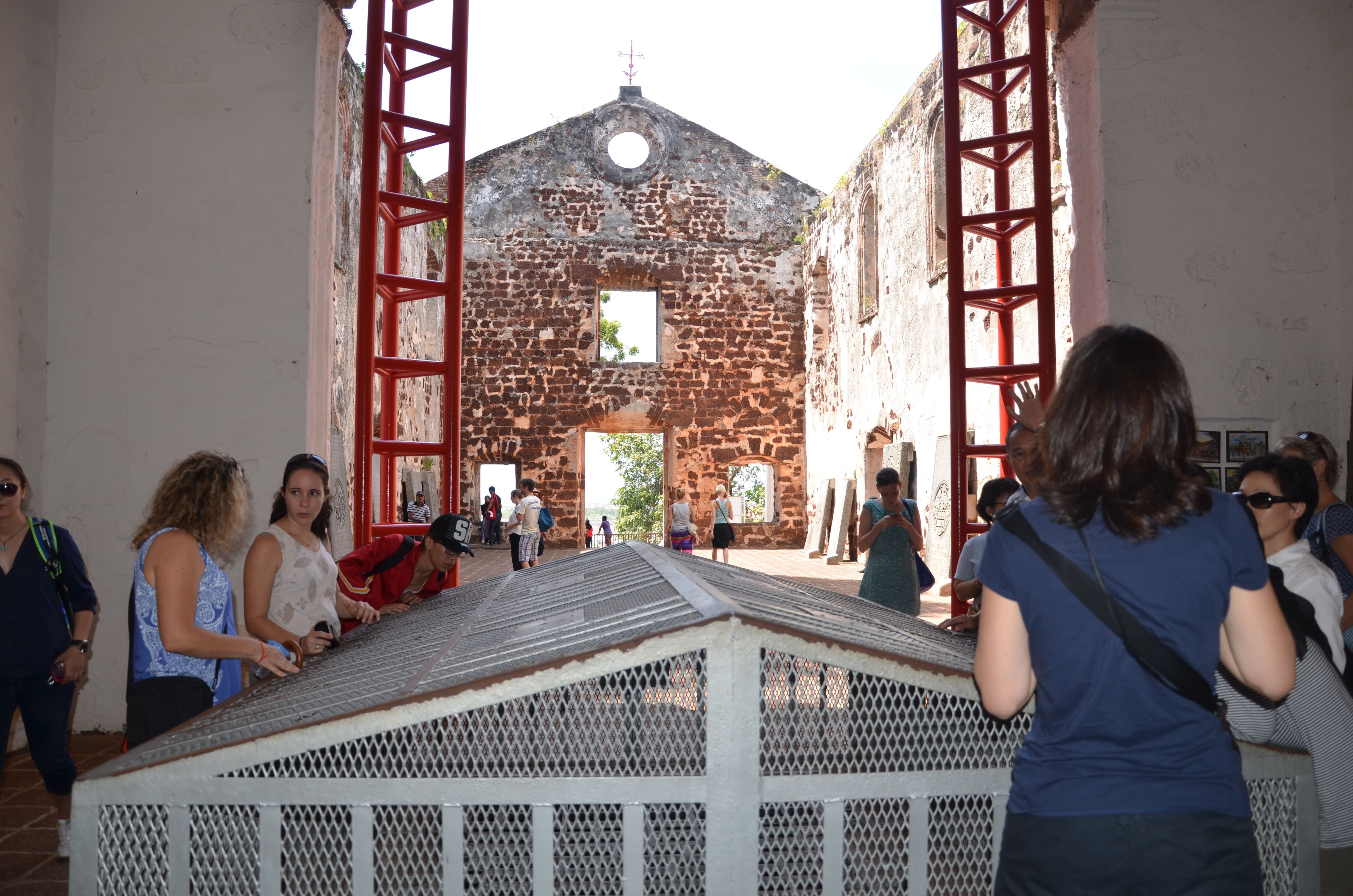
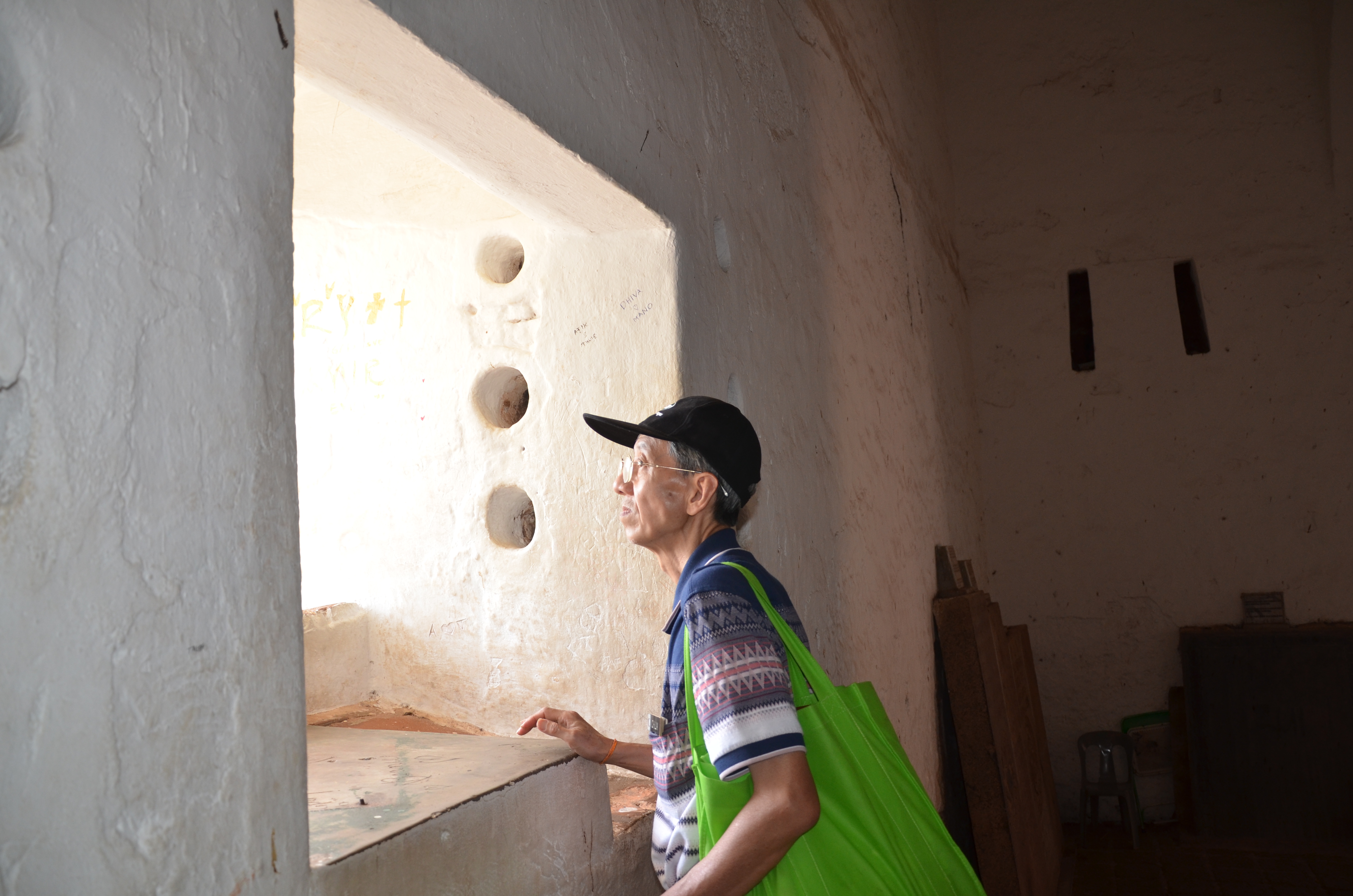
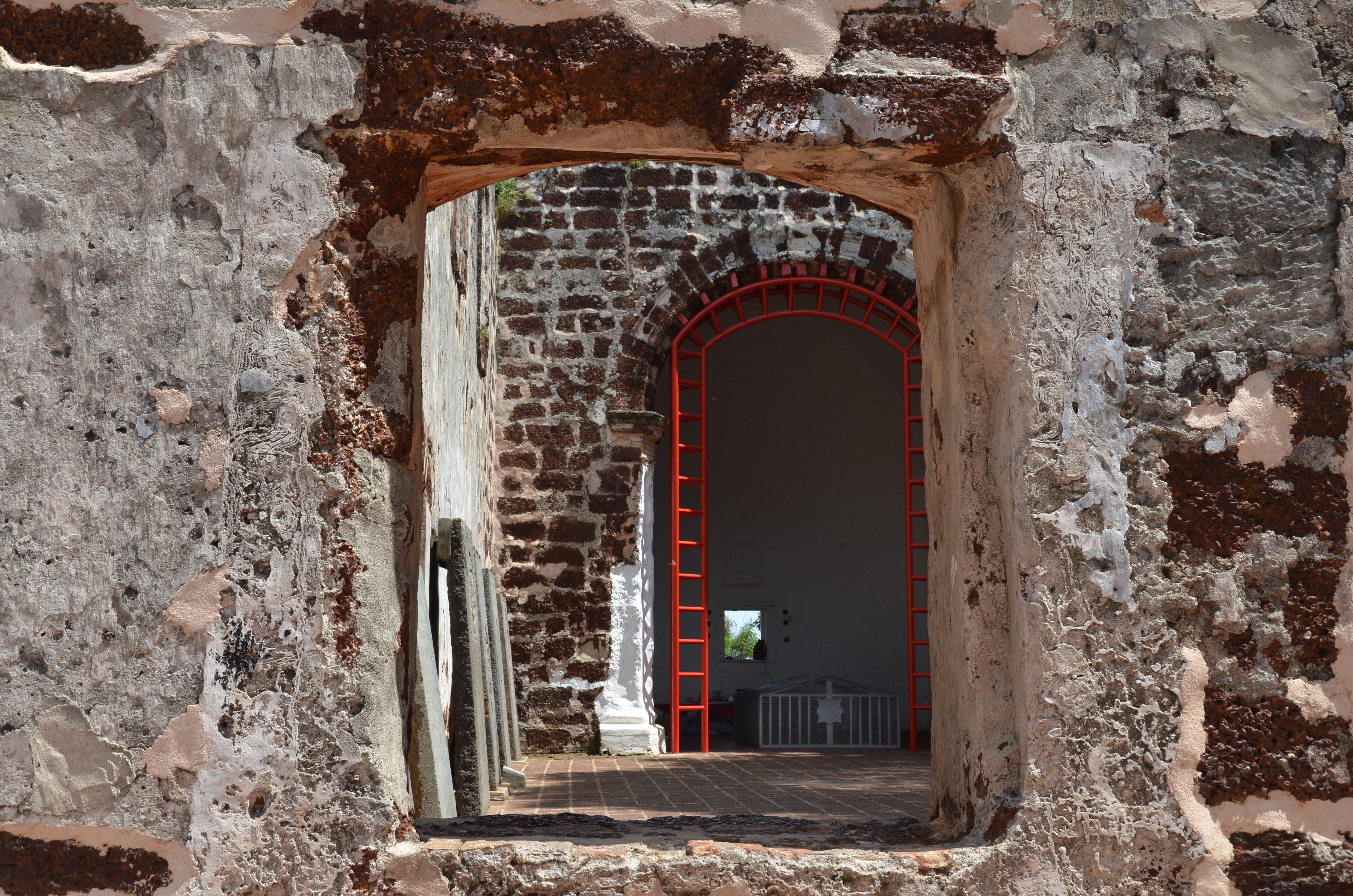
Walking up the hill to view the ruins of St Paul’s Church was a must. The metal cage in the picture below currently houses a wishing well of sorts. However this was originally the temporary tomb of St. Francis Xavier, a Jesuit missionary, and the tomb was here for nine months before his body was sent to Goa, India.
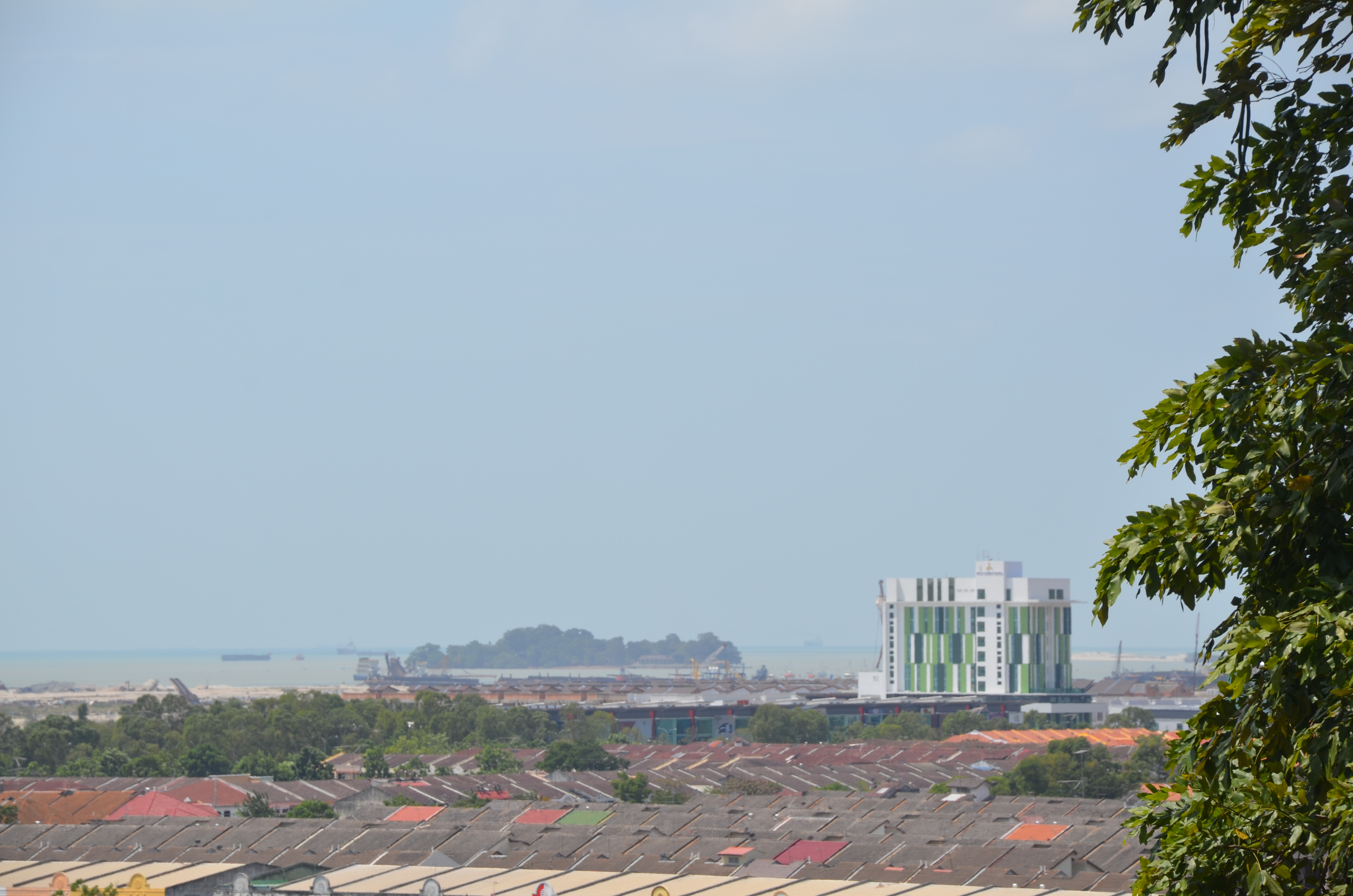
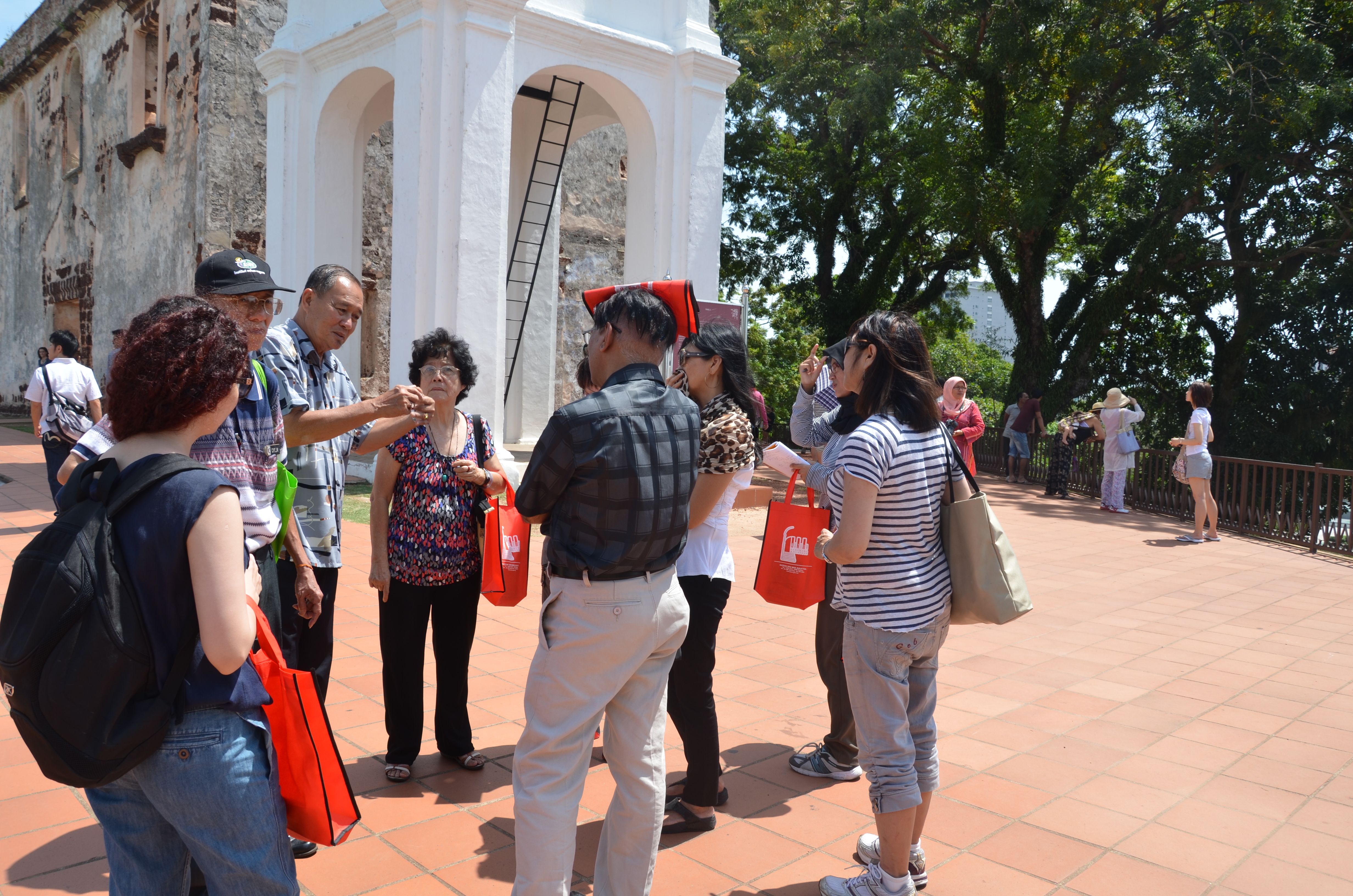
It was a very hot day but this did not bother the volunteers who listened attentively as Eddy recounted St. Xavier’s journey. As the day was clear, Pulau Upeh was clearly visible from up the hill. This was an important island as the fort was built using sandstone from this island and the island was also important for turtle nesting.
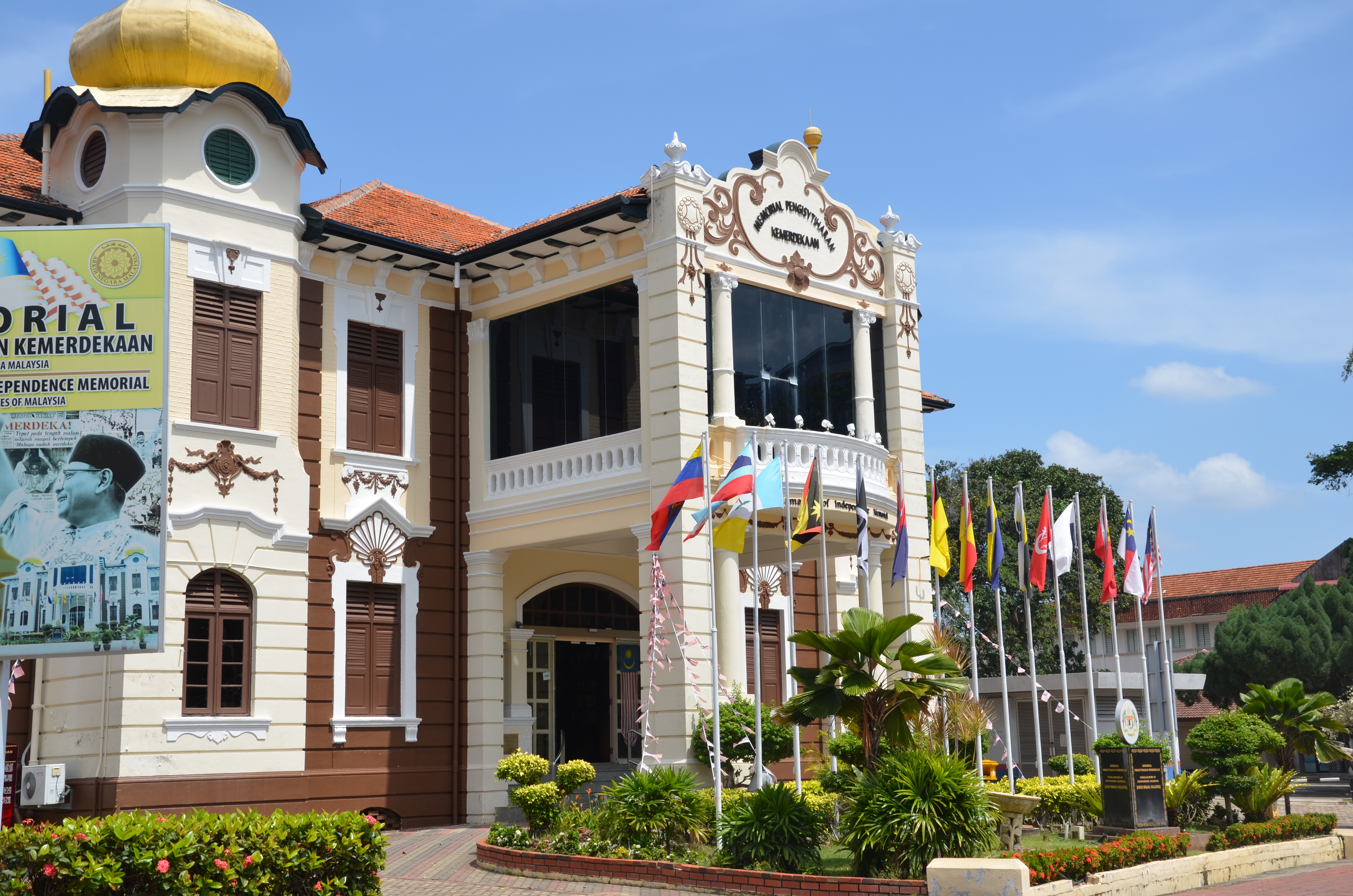
The much photographed Porta de Santiago and the lesser photographed Proclaimation of Independence Memorial which is a colonial building that housed the Malacca Club.
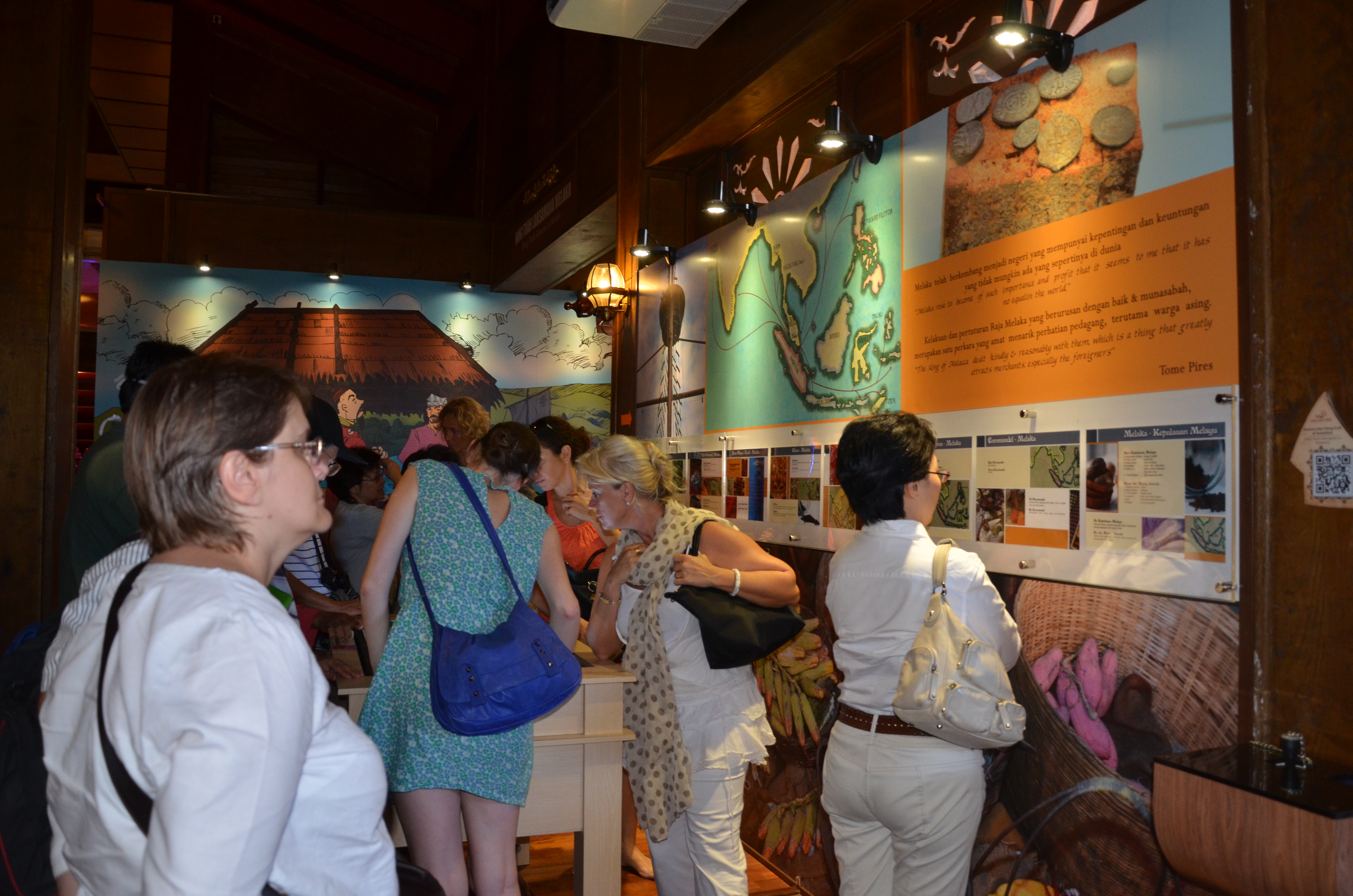
Our last stop was the Hang Tuah Centre. The centre includes five houses, one for each of the five famous Malay warriors – Hang Tuah, Hang Jebat, Hang Kasturi, Hang Lekir and Hang Lekiu.
Volunteers browsing through the exhibits at the centre
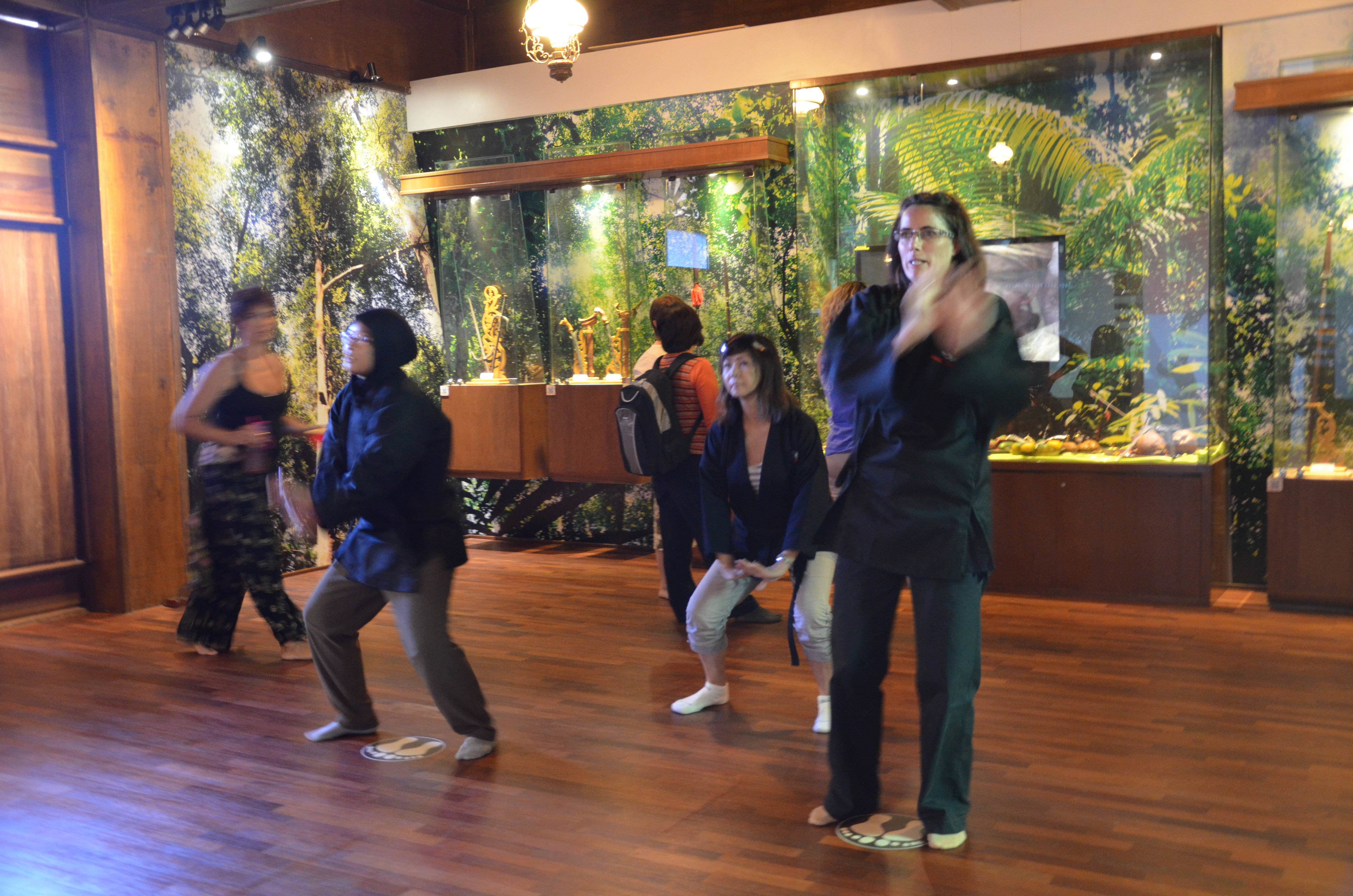
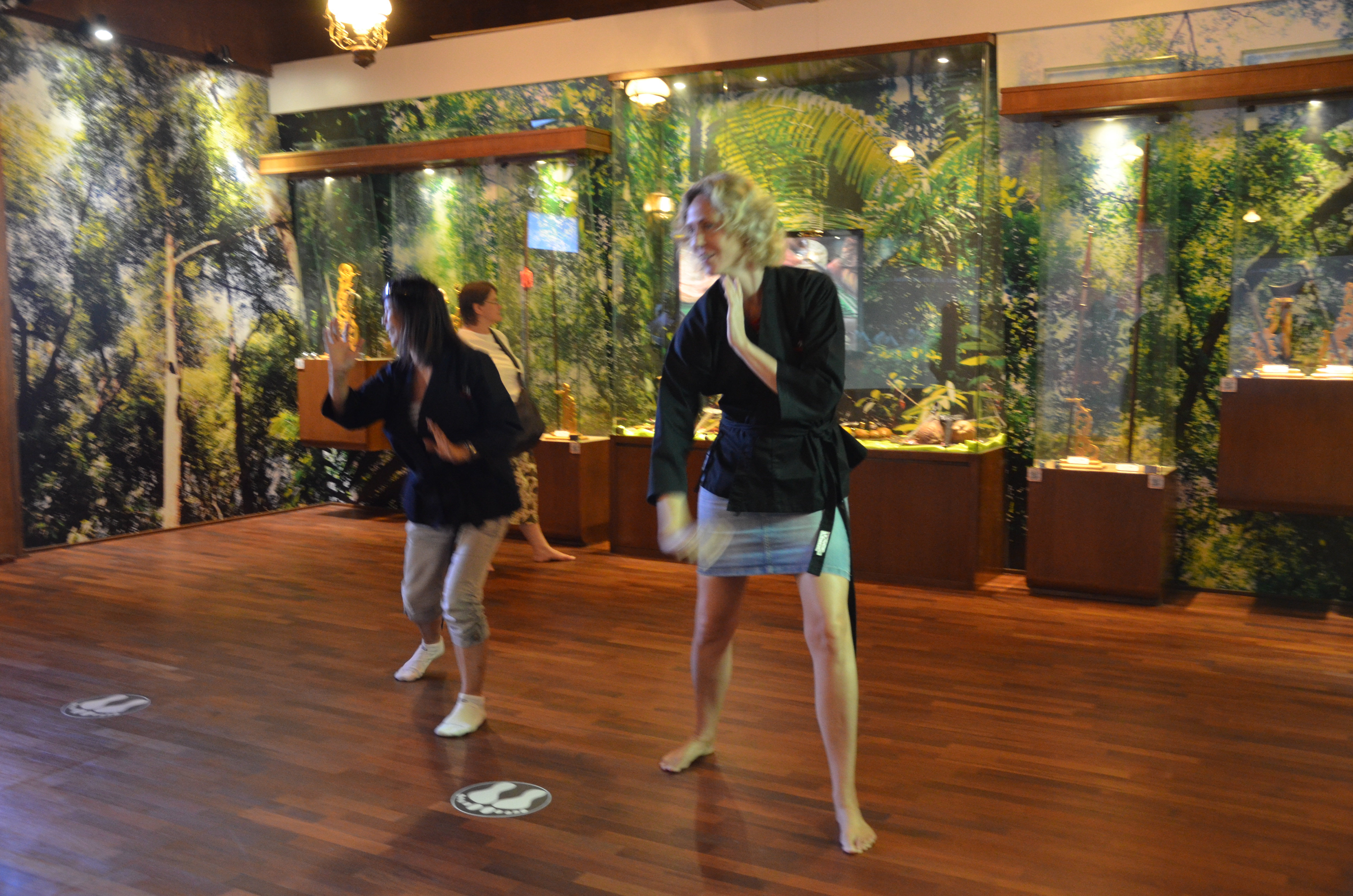
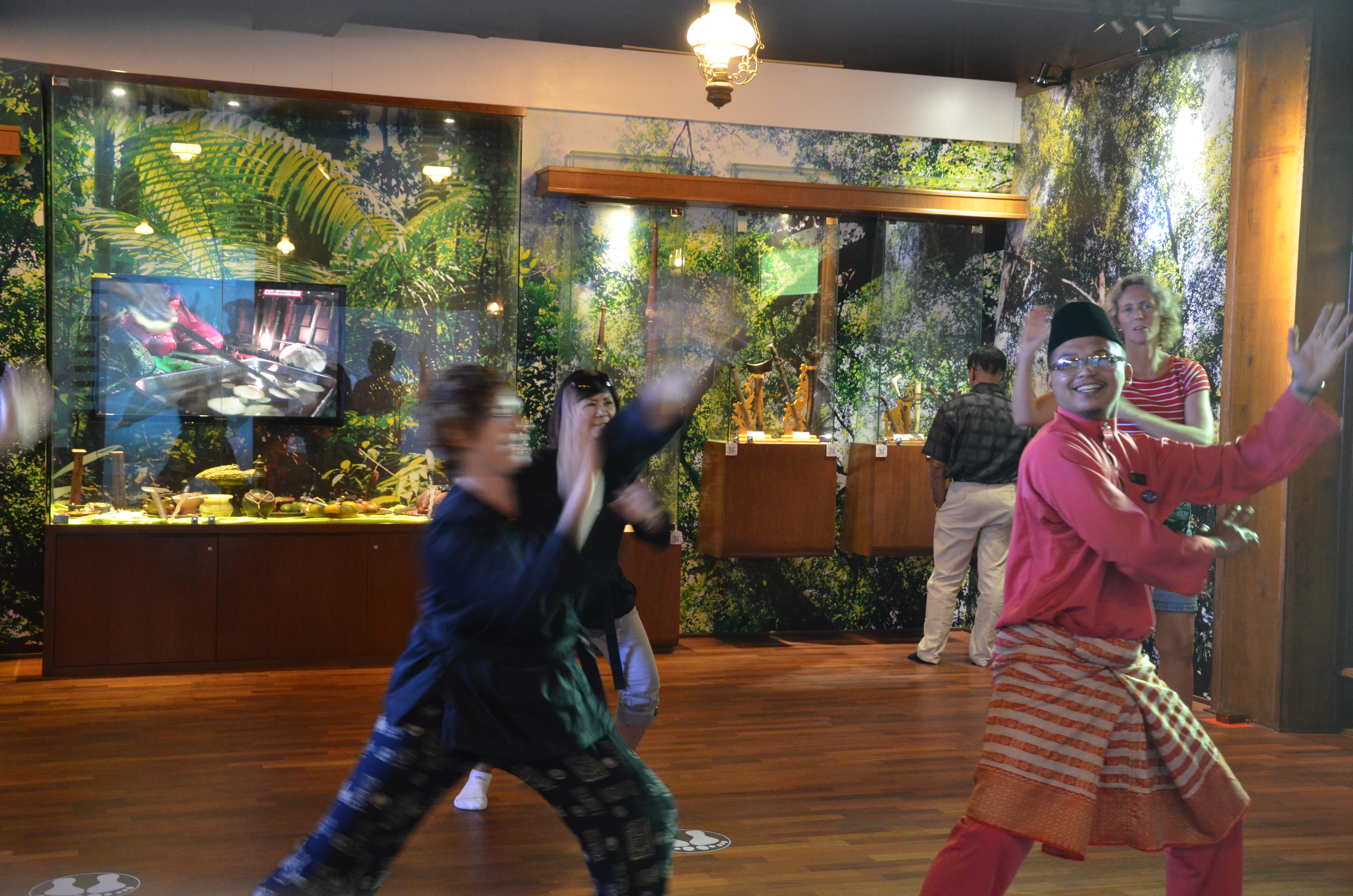
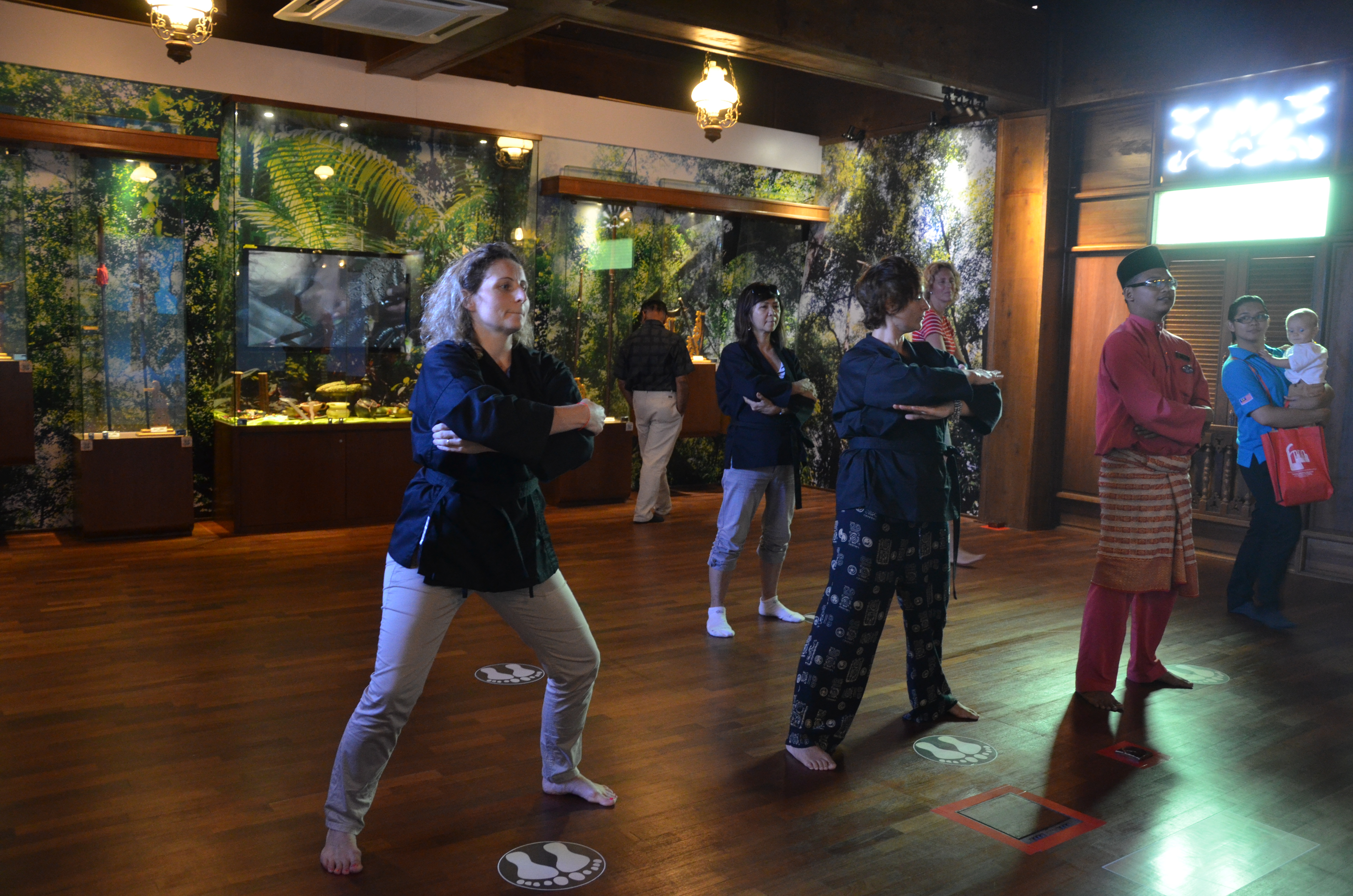
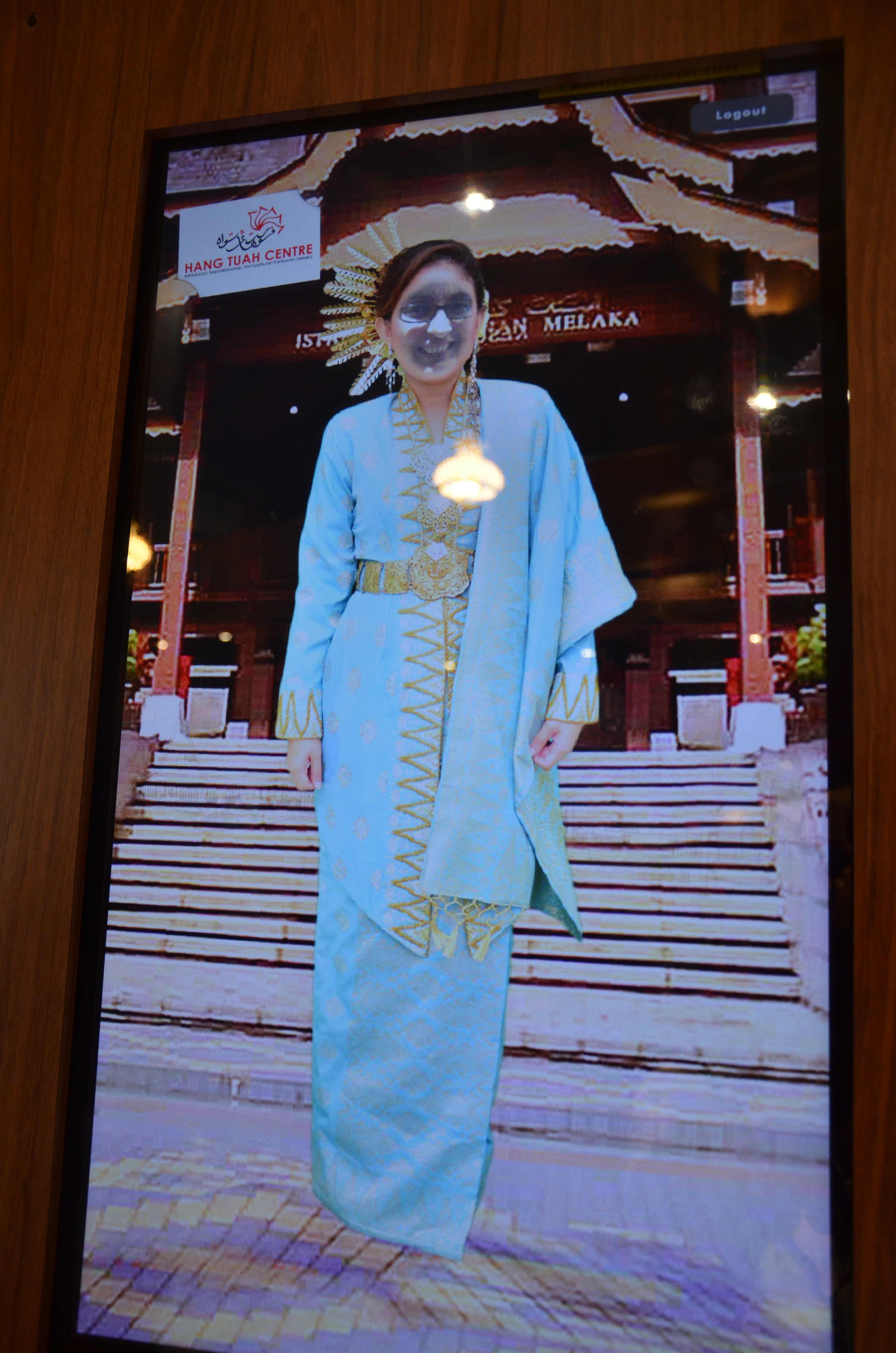
Exhibits at the centre includes spices, keris from different locations and clothing worn by different segments of Malay society. Perhaps the area that attracted the most attention was the silat training hall where volunteers followed the steps performed in a video. We had a number of silat aspirants who took to the art very quickly.
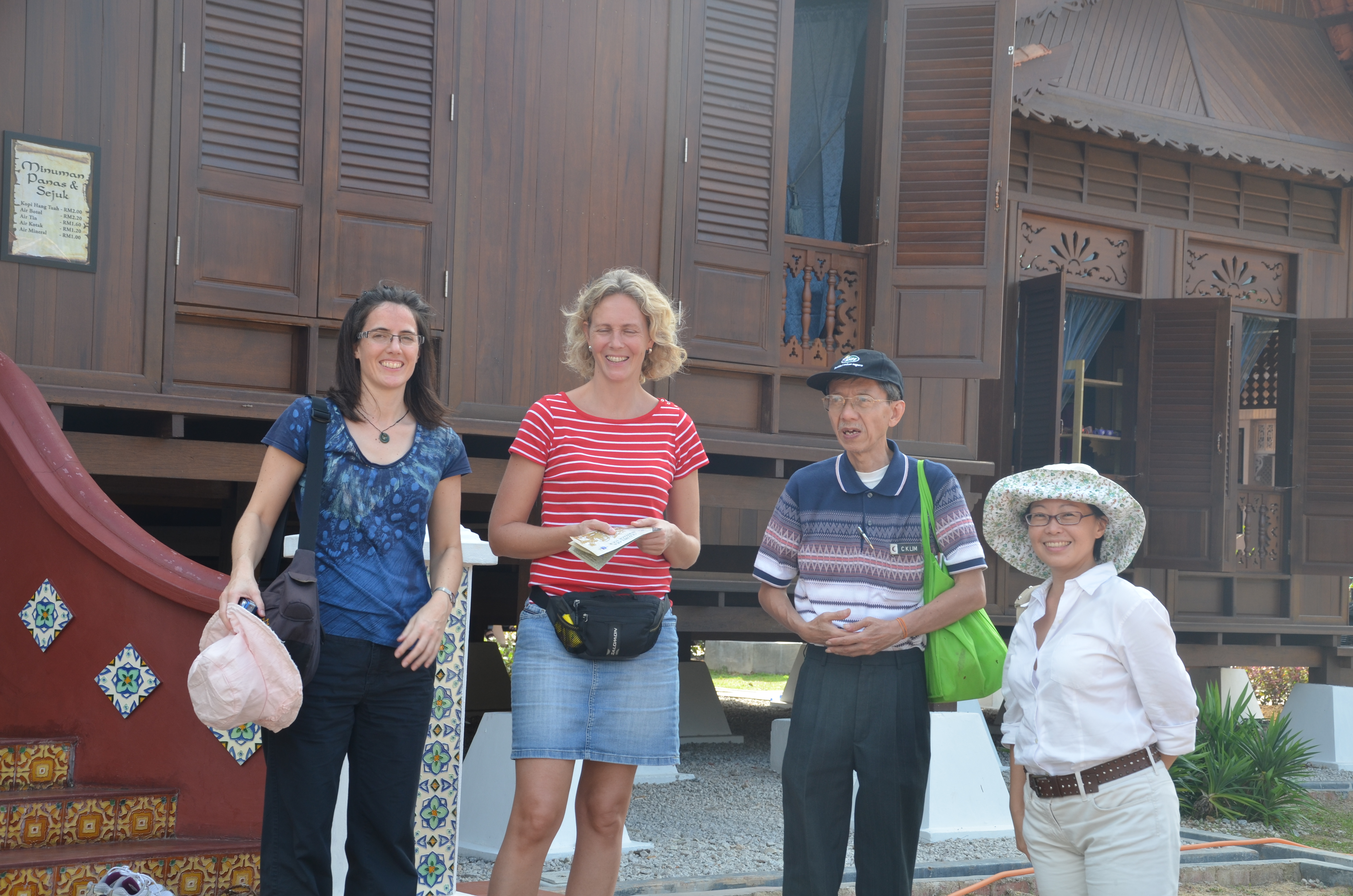
Hanging out outside one of the houses (I forgot which one)
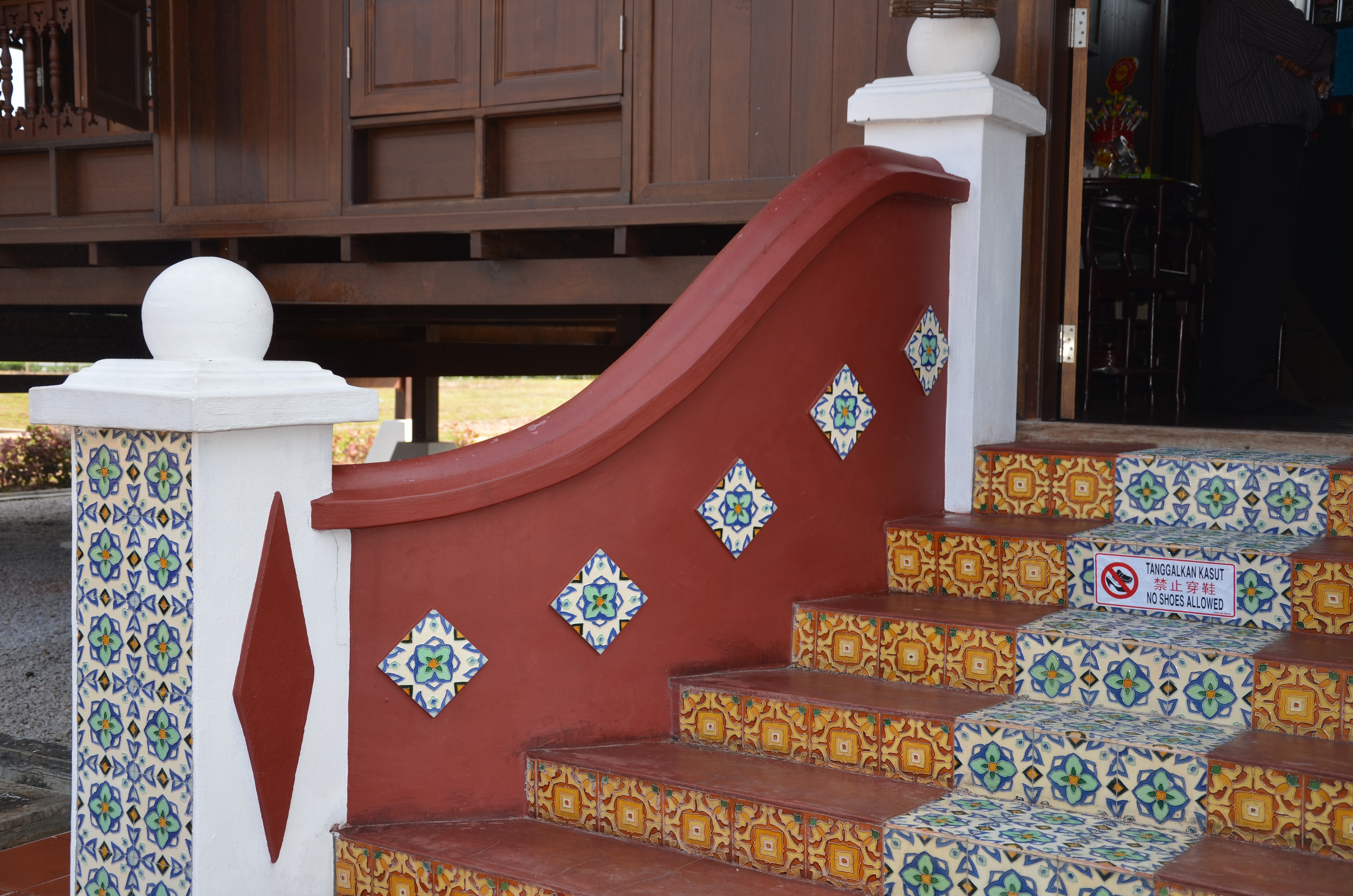
A typical fully-tiled entrance to a traditional Malay house
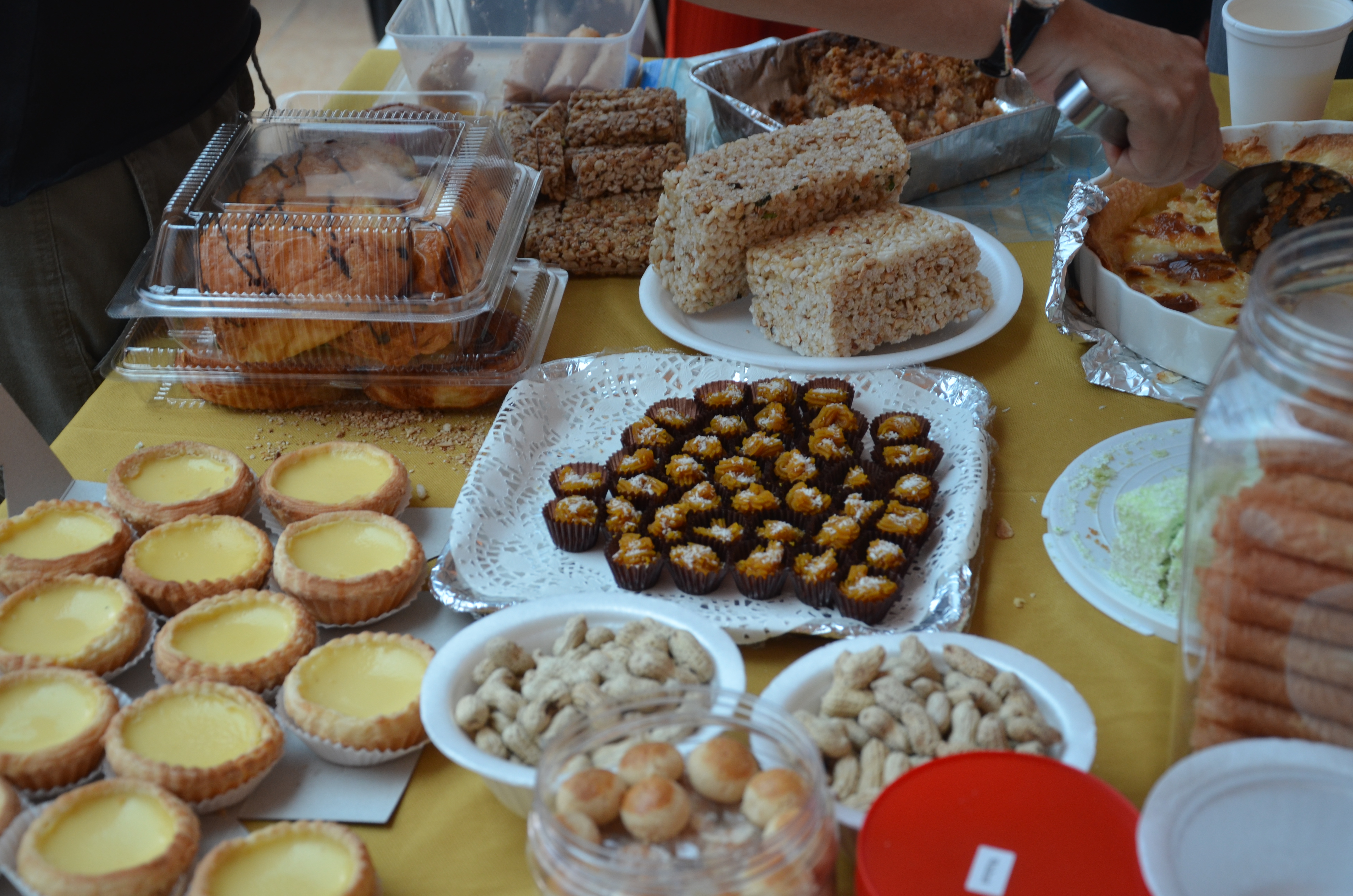 Representative of the different races of the museum community, we were treated to French quiches, Danish rolls, Portuguese egg tarts, idaly (Indian bread made from rice flour) served with traditional Indian lentil curry and coconut, pulut panggang (glutinous rice with coconut wrapped with bananas leaf and fragrantly grilled), fish cutlets, soya chicken wings, almond cookies, sushi rolls and much more. In keeping with the forthcoming Chinese New Year, we also had a big box of Mandarin oranges. Jabatan Muzium not only generously sponsored the roti jala (a Malay pancake made of flour that has been artistically interwoven to form a lacy pattern) eaten with chicken curry, the Malay seri kaya dessert and refreshments but added a platter of delicious fried noodles. The trainees of Batch 20 and 21 were happily exchanging notes of their experience whilst learning more from each other on the origin of the dish each had brought.


 Museum Volunteers, JMM