Graduation – Batches 28 and 29

The graduation ceremony for Batches 28 and 29 took place on 10 March. Karen, in her opening speech, was happy to note that a high percentage of trainees graduated this year – 27 out of 30 from Batch 28 and 8 out of 9 from Batch 29. In addition, 16 out of 18 trainees  from Batch 30 received their certificate of completion. She also noted that Batches 28 and 29 were the only batches to have trained in February and that the training programme will revert to September this year with Batches 31, 32, and 33. Karen highlighted that the current two-tier graduation will no longer be practised and that Batch 30 will be the last batch to receive course completion certificates. Moving forward, trainees will only receive graduation certificates. Moving forward, JMM has requested more Mandarin-speaking guides. In addition, Karen is looking at the MV extending tours to Muzium Tekstil and Muzium DiRaja.
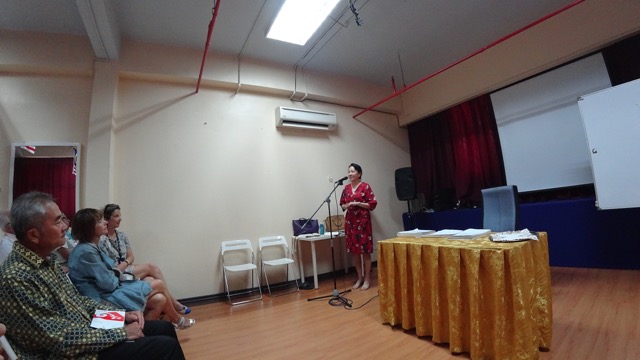
Karen

Representatives of the various batches shared their experiences. Below are the speeches made by Rama and Afidah, both from Batch 28.


Ramanathan L Manickavasagan (Batch 28)
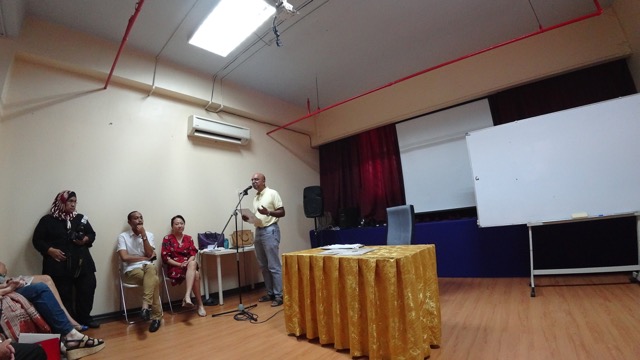
Rama

About 14 months ago, on the 21st of January, 2017, the group known as “Batch 28 volunteers” met together for the first time. We were shown the schedule of training which we must attend and we were told what we must fulfil in order to qualify as guides.

We gasped when we heard that we would have to submit written texts and give oral presentations lasting 3 minutes for one artefact, 5 minutes for two artefacts and 15 minutes for a whole gallery. We shuddered when told we had to present without notes.

We were pleased when we learned that we would have mentors who would teach and encourage us. Our pleasure grew over the weeks as we realised how capable our trainers were, just as our anxiety grew because we saw they exhibited such high standards.

On 20th June 2017 we completed our formal training. By then

  • We had written 3 papers, varying in length from 500 words to 3,000 words
  • We had communicated often through WhatsApp messages.
  • We had accompanied at least 3 guides as they conducted public tours.
  • We had read much both in books and through online research.
  • We had completed our single gallery, 15 minute presentations and received feedback from our classmates as well as our trainers.
  • We felt like “maybe we can do this.”

Then we scheduled time with our trainer-mentors for us to do solo guides of the whole museum so they could watch us, give us feedback and decide when we would be ready to be rostered as museum guides.

Today each of us from Batch 28 has conducted at least 3 tours on our own. We have guided visitors from across a wide spectrum of humanity: young, old, eager, passive, aggressive, silent, interrogative, patient, impatient, well-read and unread.

We’ve often had the interaction I again had yesterday when I was guiding:

  • 10 am
    • Guide: What made you come to the museum?
    • Visitor: Reading about how much visitors enjoyed the free guided tours.
  • 12 noon (it usually takes 2 hours, not the hoped for 1 hr 20 minutes)
    • Guide: Did the tour meet your expectations?
    • Visitor: Oh, it’s even better than I expected.

We reverberate with joy when that happens. The joy comes not only from personal satisfaction. It comes also from the fact that each guide is a member of a community of guides who strive to excel in knowledge, presentation and service.

As I lay in bed last night thinking about the discourse during the morning’s guided tour, I recalled this passages from a book I read some years ago:

History is the study of humans and time, indeed, of humans changing over time. Furthermore, history is the memory of the stories about people changing over a time span. In a certain sense, history would not be possible if it were not for the telling of it. … History untold is not history at all. History … is vital to our human existence. To have no story is, almost, to have no life. People suffering from amnesia can live and function, but they lead pitiable lives because they have lost contact with their own story. (Wells, History Through the Eyes of Faith, page 2)

A year on, I realise we are story tellers, our subject matter is history and our goal is the removal of amnesia.

Becoming a museum guide has made us more thoughtful persons, more careful in what we say and driven to study. This is a day to be celebrated. I thank all of you, trainers and trainees alike, who have made it possible for us to join the ranks of amnesia-removers.


Afidah Zuliana bt Abdul Rahim (Batch 28)
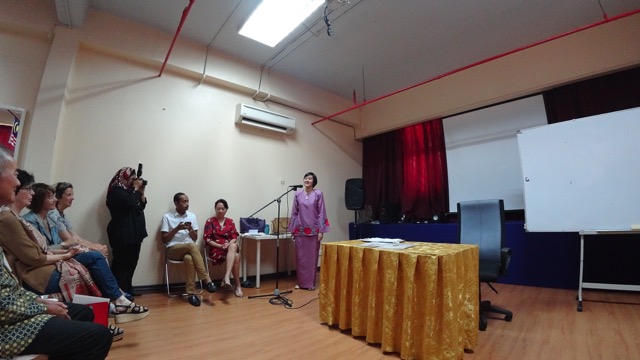
Afidah

It has been my secret ambition to be a museum volunteer for about 22 years now. In 1996, the President of Korea Gas Corporation, Mr. Han Kap-Soo requested a visit to Muzium Negara. As a young Petronas executive, I was assigned to show Mr. Han around the museum. It was a daunting task as I had to rely on my Form 3 Malaysian history to inform this distinguished gentleman. Thankfully, I managed to pull through and surprisingly enjoyed myself, so much so that I secretly wished to be able to do more museum tours. Of course, the MV did not exist then. It was only last year that I finally had the opportunity to sign up as an MV trainee.  Thank you Karen and team for making my dream a reality.

It has been a challenging journey for Batch 28 but I am sure you would agree that it has been well worth the effort. Thanks to our inspiring lecturers, MV trainers and librarians, our knowledge of Malaysian history has improved tremendously. Also, our presentation skills have been honed over the past year.  Special thanks to my mentor, Jega. Thank you Poh Leng, Jean-Marie and Douglas for your dedication and patience in training us. Thank you to En. Jamil, Fiza & Jane of JMM for hosting us.

This MV training has certainly pushed me out of my comfort zone. Notably, when one of my visitors, having been on my tour, decided to introduce me to a Harvard-trained anthropologist so that we can talk shop! With nerves of steel, I drew upon my MV training to get through our lunch and I am happy to say that we are still in touch. The training also gave me the confidence to seek out a curator from the Asian Civilisations Museum and engage in conversations with Singapore docents.

My world has expanded with this experience. I joined the MV trips to Sin Sze Si Ya temple and Royal Museum – places I had not visited, even as a local. Above all, the MV training has given me a deeper appreciation of Malaysian history and culture. As a Malaysian, I am proud of our rich heritage.

So far, I feel that I have gained more than I have given. Now, it’s payback time! I tell almost everyone I meet about our free guided tours. I look forward to my monthly guiding duty and to future MV events. There is still so much more to learn.

Thank you for sharing this journey with me.

Sama-sama, kita berkhidmat untuk negara.
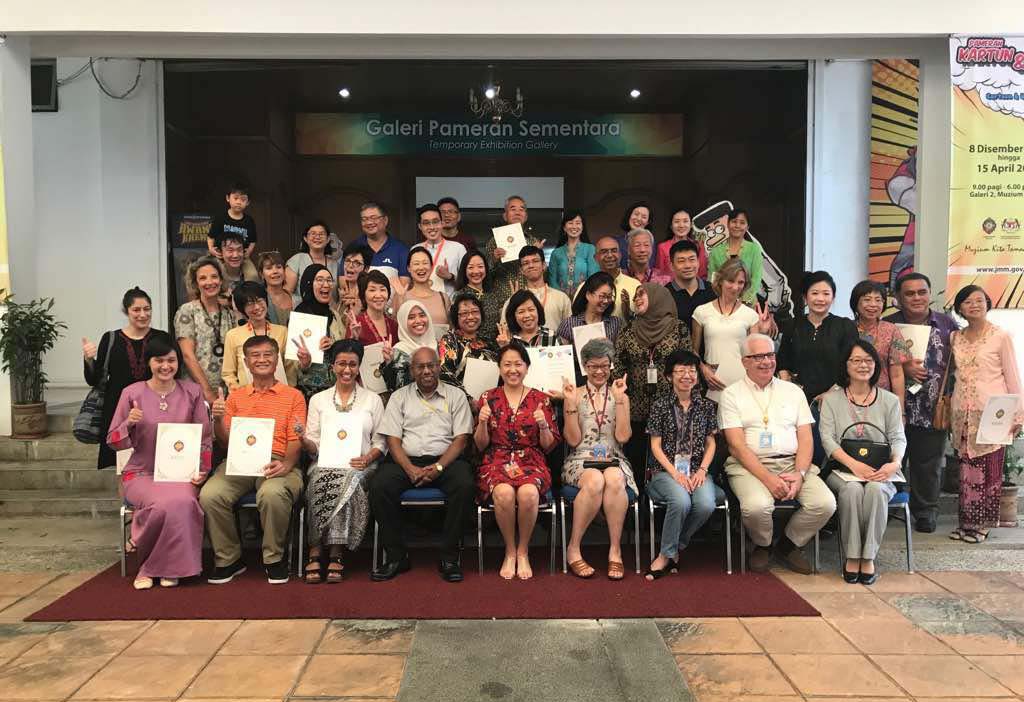
The three batches together with their trainers


Hidden Gems: The Magic Square Bowl

by Marianne Khor

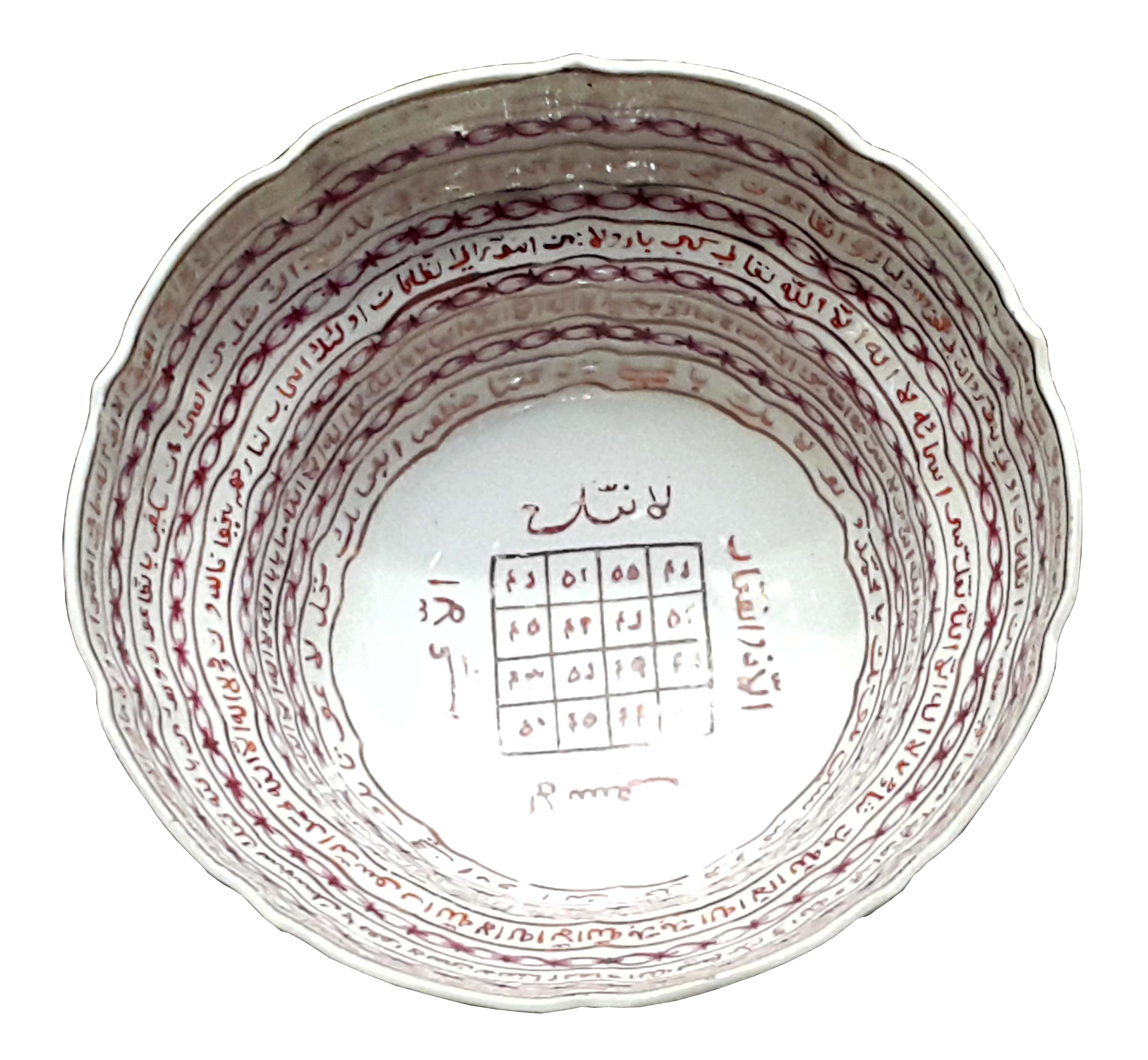
Amidst a number of examples of the Islamic influence on metal and ceramic wares in a showcase in Gallery B, a small bowl can be found with the intriguing description ‘Magic Square Bowl’. It looks like a small Chinese rice bowl but is decorated with Islamic script. On the inside of the bowl is a square consisting of sixteen smaller squares, also containing Islamic writing. Was it used to perform magic, or was it magical in itself?

During the Tang Dynasty (618-907) Chinese ceramics with Islamic script were already produced in China and transported along the maritime trade routes by Arab and Persian traders. After the Tang Dynasty, ceramics with Islamic inscriptions were no longer produced. Only in the early 16th Century did they appear again. The Magic Square Bowl in Gallery B is from the 18th Century Qing Dynasty.

The Magic Square, or Buduh tradition, predates Islam. The early Magic Square is thought to be of Chinese origin and consisted of a 3×3 square with 9 smaller squares. The numbers 1-9, with the number 5 in the centre, add up to 15 in each row, column and the two diagonals. An early version of Sudoku? A Magic Square was used to find love, prevent fears, attacks and poisoning. It helped during childbirth and also in finding lost objects. In short, it could be quite helpful for many occasions. Later, there were Magic Squares of 4×4, 6×6, 7×7, and 10×10, and even 100×100 squares with an arrangement of letters and numerals.

Islamic mathematicians in the Arab world already knew about the Magic Square as early as the 7th Century. This knowledge may have come from India through the study of Indian astronomy and mathematics, or from China. The earliest Magic Squares were written in ‘abjad’ letter-numerals. The four corners of the square were marked with the letters ba’, dal, waw (or u) and ha. Therefore, this particular square was known as the ‘Buduh’ square.

The name ‘Buduh’ itself was so powerful that it was regarded as a most effective talisman, and so was the letter B with its numerical equivalents 2,4,6,8. This arrangement of letters and its corresponding numbers is believed to protect travellers, babies, postal letters and packages. Even today in some Islamic countries, one can find packages marked with the numbers 2,4,6 or 8 in the corners, or just the letter B added under the address to ensure that the items arrive safely. This might be something worth trying out!

Magic Squares were used by Muslims as religious mandalas, meditation devices, talisman, and amulets. They were drawn on a variety of objects, even on skin.

The Arabic letters and numerals in the Magic Square can also be read as one of the ninety-nine names or attributes of God. The numerical value with a certain specific meaning can be obtained by adding the corresponding letters of any of the columns of the Magic Square in a horizontal, vertical or diagonal way.

One wonders what the inscriptions in the Magic Square Bowl in Gallery B represent…

Do they have a religious meaning?

Or are they just meant to bring good luck in any situation?

Bibliography:

Invulnerability, Federation Museum Journal, Volume XVI new series 1971

Arts and Crafts Company, Global Arts and Crafts, Antiques, Design and Art, Kho- antiques ( Singapore)

Islamic Medical Manuscripts at the US National Library of Medicine, Catalogue: Astrology/Divination/Magic, Author: Emilie Savage-Smith PH.D. Senior Associate, The Oriental Institute University of Oxford

Hypernumber Buduh: hypernumber.blogspot.my

Peking man disappears

by Maganjeet Kaur

A pharmacy may seem an unusual place to look for petrified fossils but palaeontologists in China used to frequent these shops to get leads on possible sites for archaeological digs. This is because farmers coming across ‘dragon’ bones would sell them to medicine shops where they were pounded into a remedy for a wide range of ailments. The palaeontologists recognised that these dragon bones were in actuality fossils of extinct animals. Peking man was discovered through such a lead.

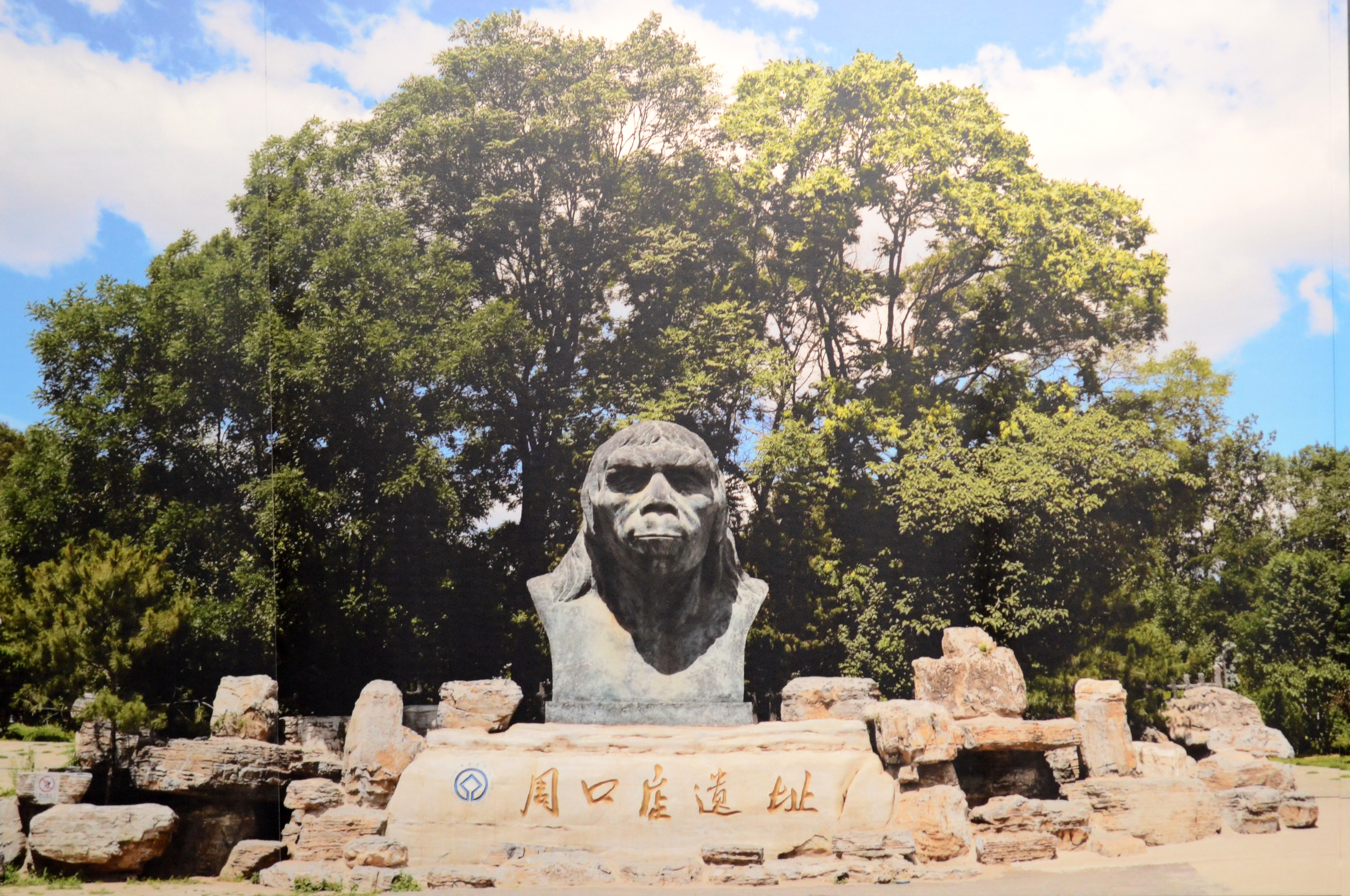
In 1923, Otto Zdansky, an Austrian palaeontologist, unearthed a rich hoard of fossils at Chou Kou Tien (now Zhoukoudian), which is located around 50 kilometres southwest of Peking (now Beijing). The hoard consisted of at least twenty species of animals, majority of which are extinct. This impressive find was made momentous by two small teeth – a molar and a premolar. The teeth were those of a hominid (primitive man) said to have lived around 500,000 years ago (Chinese scientists later revised this to 700,000). The moniker ‘Peking man’ was coined. The importance of Peking man prompted the establishment of a formal programme to continue the exploration at Chou Kou Tien. The programme was led by the Peking Union Medical College (PUMC) and funded by the Rockefeller Foundation.

Zhoukoudian site

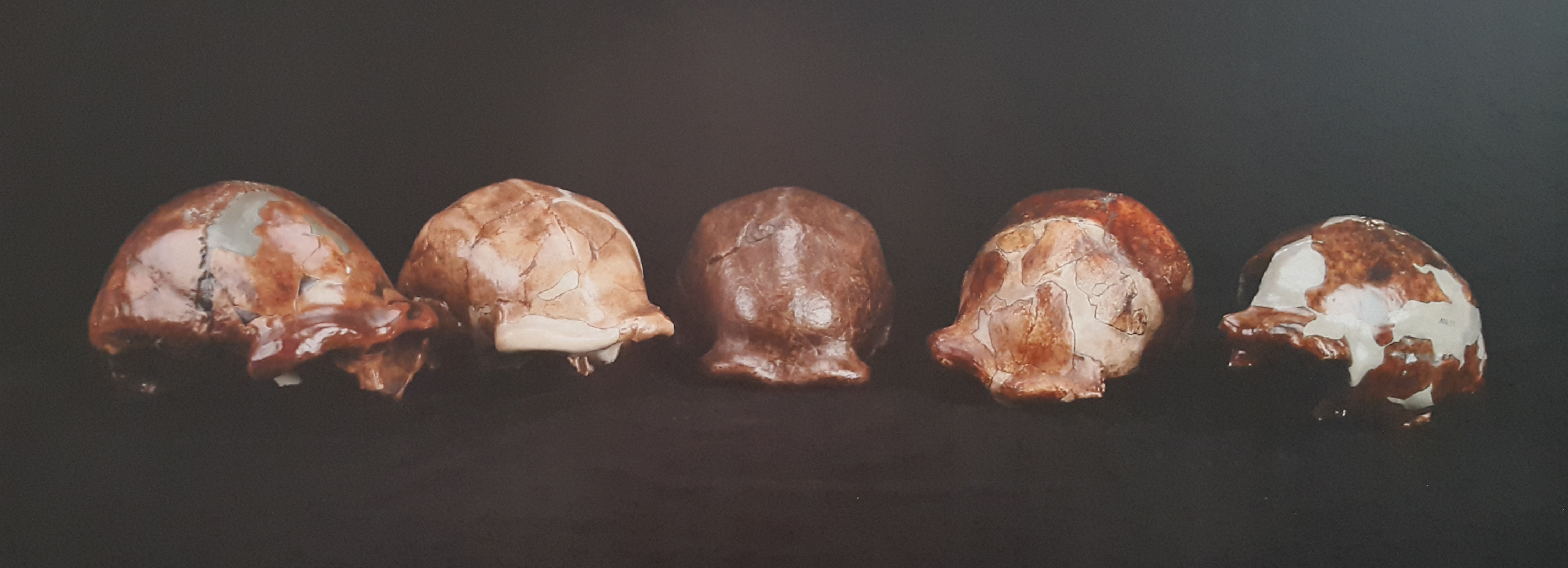
Further excavations led to more hominid finds. In 1929, Pei Wen Chung found the first complete skull. By 1937, the collection of bones had grown to represent 40 separate individuals – men, women, and children. These individuals were all part of a single population group. Finding an array of bones which represents a single population is very rare and this further illustrates the importance of Chou Kou Tien. Peking man is not so much an individual but rather an epithet used to represent this population. Although initially given a separate genus, Sinanthropus pekinensis, Peking man is now accepted within the genus Homo with the species name Homo erectus Pekinensis.

Replica of five skulls found at Chou Kou Tien

Excavations had to be halted in 1937 because of growing tensions between the Chinese and Japanese. The PUMC had so far escaped raids by the Japanese as the institution was American; Japan was not at war with America. However, there was a growing sense of danger and in 1941 this became so pronounced that the Chinese appealed to the Director of PUMC to send Peking man to the US for safekeeping. This, the Director was reluctant to do as the understanding between PUMC and the Rockefeller Foundation was that all finds from Chou Kou Tien would remain in China. However, in August 1941, the Chinese managed to persuade the American ambassador to ship out the fossils.

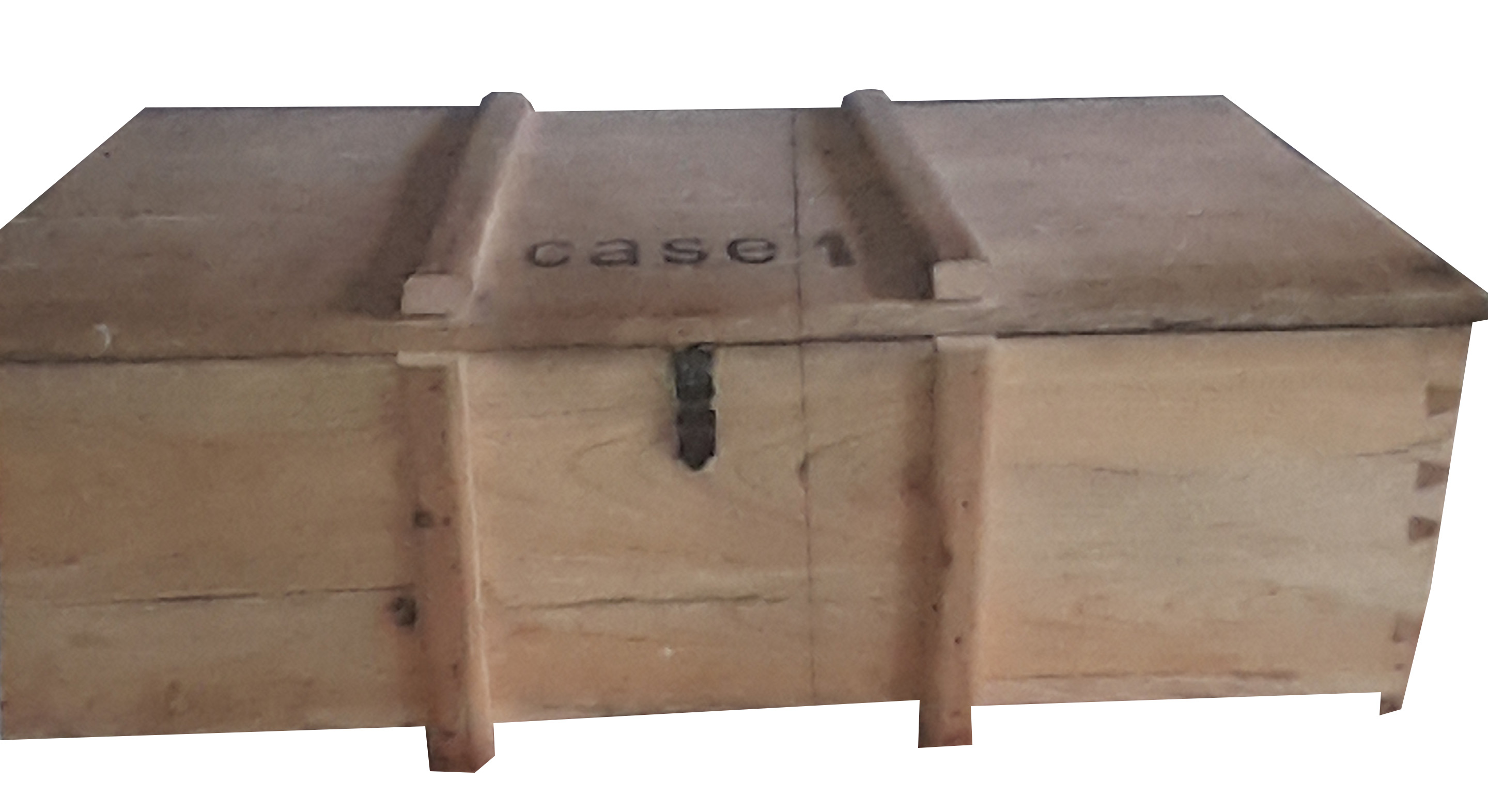
Due to some unknown delay, the fossils were only prepared for shipment in mid-November 1941. They were wrapped in cotton and packed in small boxes. These boxes were then placed in two wooden boxes, similar to the footlockers used by the U.S. Marines for their personal effects. The footlockers were sent to the U.S. Marines barracks in Peking as the marines were entrusted with taking them safely out of China. The marines, though, were not aware of the contents of the footlockers or of their importance.

Replica of a footlocker in which Peking man was packed

The marines were to rendezvous with the SS President Harrison, which had been commissioned to transport them to Manila and which was due in the port of Chingwangtao (now Qinhuangdao) on 8 December. But time had run out. Japan bombed Pearl Harbour on 7 December and the two countries were now at war. American property and personnel were no longer inviolate. The SS President Harrison, captured by the Japanese near the mouth of the Yangstze River, never made it to Chingwangtao. The footlockers are believed to have reached Camp Holcomb, a U.S. military base in Chingwangtao. However, this camp was taken over by the Japanese on the morning of 8 December. The Peking man fossils disappeared, never to be seen again.

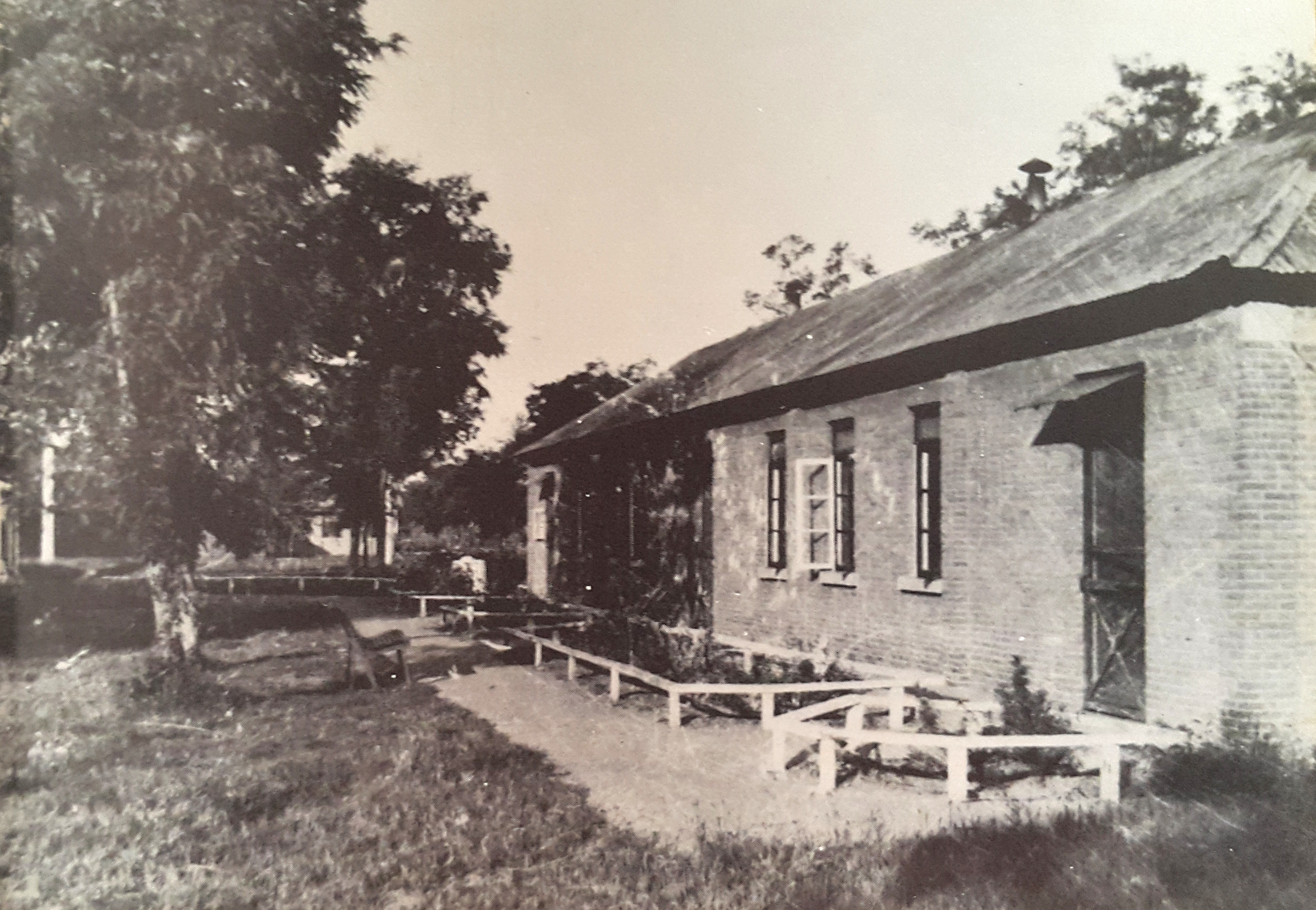
Camp Holcomb, U.S. Marine base, the last know location of Peking man

With the fossils missing, what is being displayed at the ongoing exhibition at Muzium Negara? The team at PUMC had photographed the fossils, made detailed drawings, and created casts. These had been safely taken out of China. The artefacts at Muzium Negara are replicas of the Peking man fossils, recreated from the casts. Also displayed at the exhibition are replicas of skulls from Upper Cave, located southwest of the Peking man site. These are skulls of humans (Homo sapiens) that lived 30,000-10,000 years ago. They were packed together with the Peking man relics and, hence, suffered the same fate. Do visit the exhibition which ends on 16 June 2018. See how Peking man looked like. Learn to differentiate Homo erectus from modern Homo sapiens. Understand the environment in which Peking man lived and the animals with which he shared this environment. Appreciate the tools they made and how they controlled fire. Learn about other archaeological sites in China, from Palaeolithic to Neolithic. Find out the earliest known location where shoes were worn.

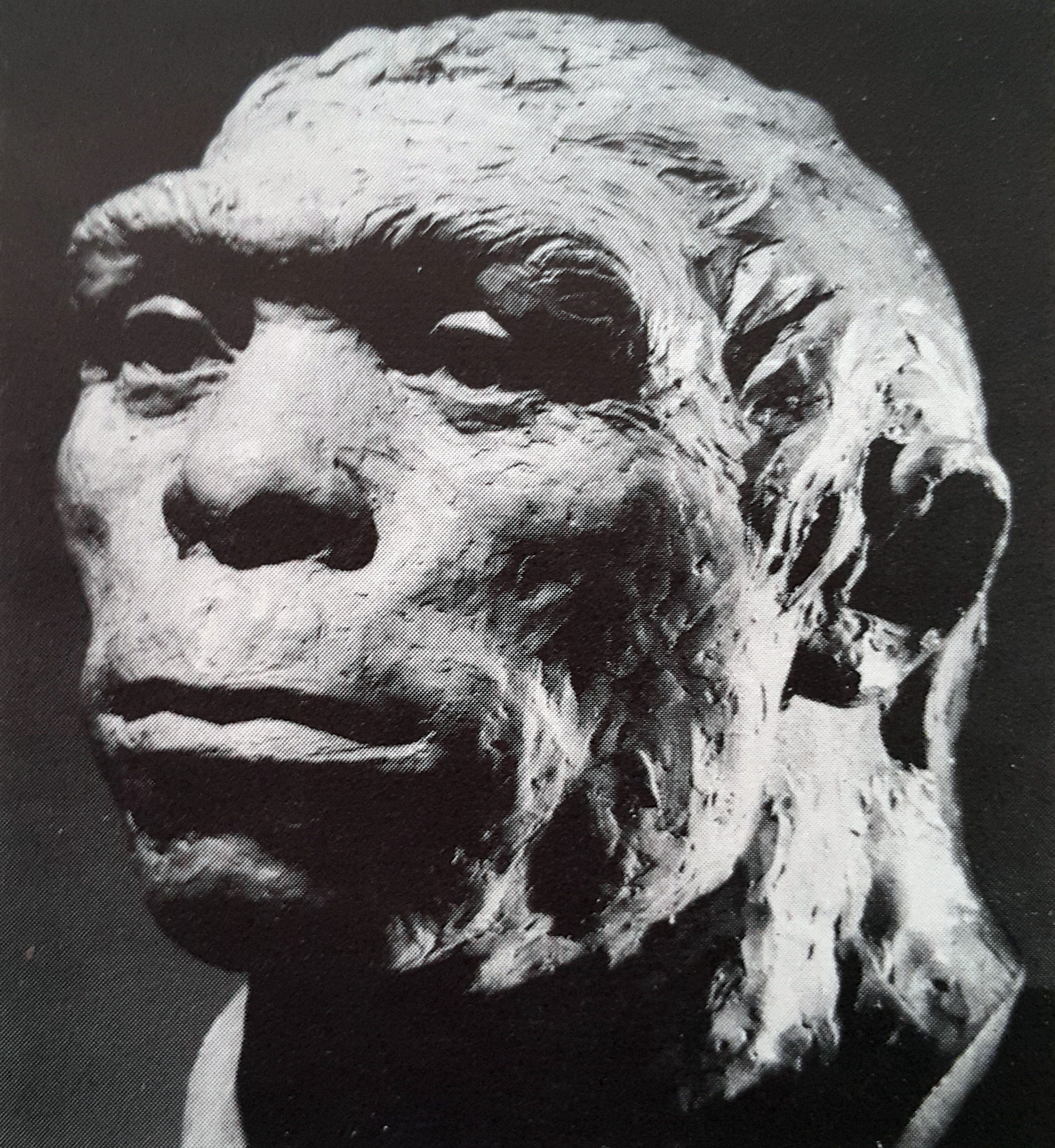
A reconstruction of Peking man by Harry Shapiro. Peking man was short, muscular, and broad-shouldered. He had a low brow which projected prominently just above the eyes. His skull was flat and small compared to modern humans. His neck was thick, almost bull-like. His arms, which reached his knees, were longer than his legs.

In retrospect, it may have been better to have left the fossils in PUMC and allow the Japanese to acquire them. The Japanese were aware of these fossils and came looking for them on the morning of 8 December. Some of the Chou Kou Tien fossils of lesser importance had been left behind and the Japanese confiscated these. After the war, the Americans found these fossils at Tokyo University and returned them to China. The Japanese would not have destroyed Peking man as they had wanted the fossils for their own research and study. If taken by the Japanese, the fossils would have been, in all likelihood, eventually recovered. Over the years, some have claimed to either know the location of the fossils or to have them in their keeping. These claims were made mostly by people seeking huge rewards. The leads were followed up but did not pan out. Among the latest claims is that Peking man is buried under an asphalt parking lot in Qinhuangdao (formerly Chingwangtao).

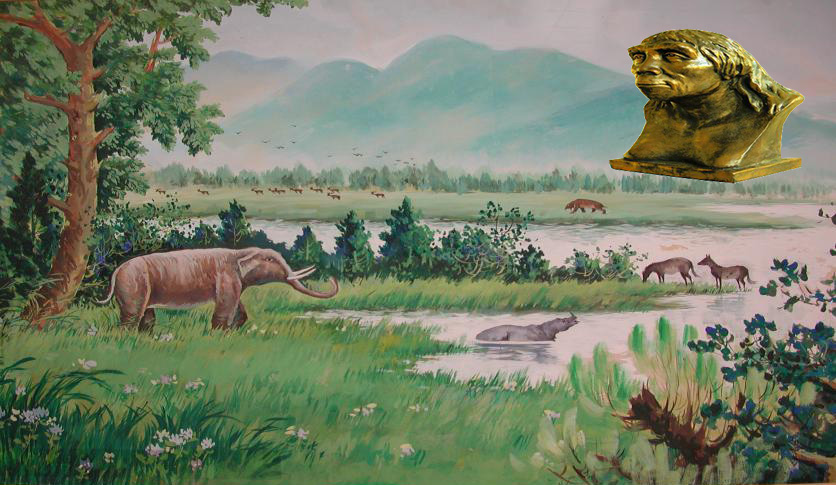
The environment Peking man lived in, shared with animals now extinct

Primary source: Shapiro, Harry L. (1976) Peking Man: The Discovery, Disappearance and Mystery of a Priceless Scientific Treasure, Suffolk: Book Club Associates.