KL Car-Free Morning: Part 2 – Colonial Walk

by Eric Lim

This article continues on from “Part 1 – Morning Run”, which can be viewed at https://museumvolunteersjmm.com/2019/11/17/kl-car-free-morning-part-1-morning-run/
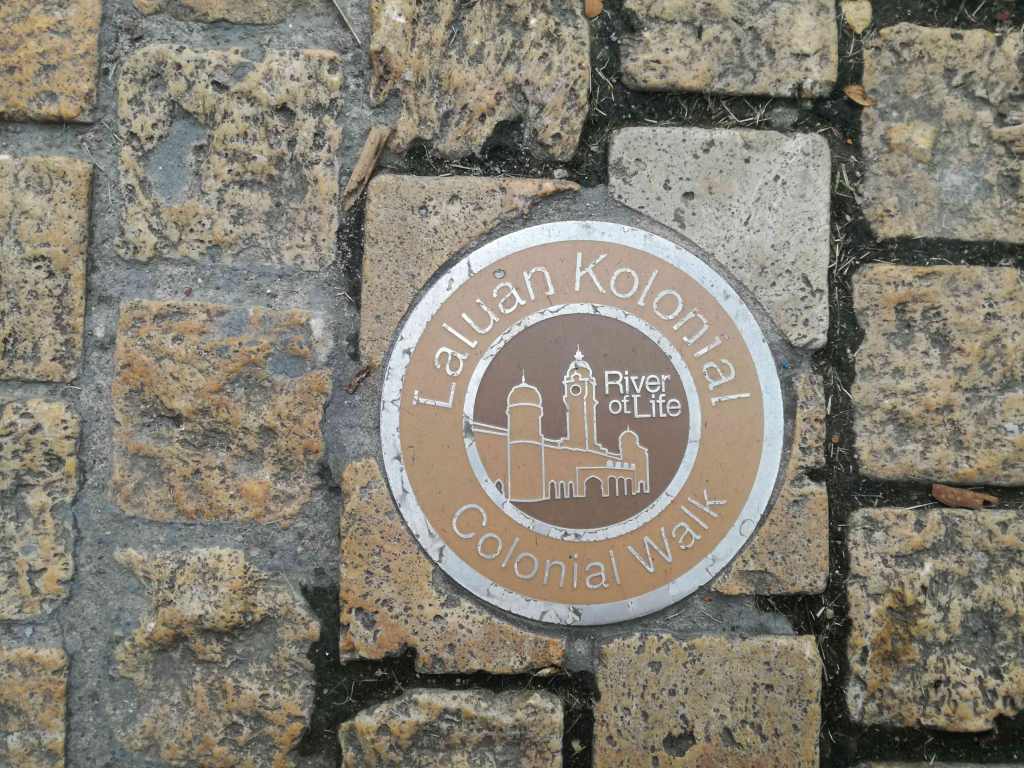
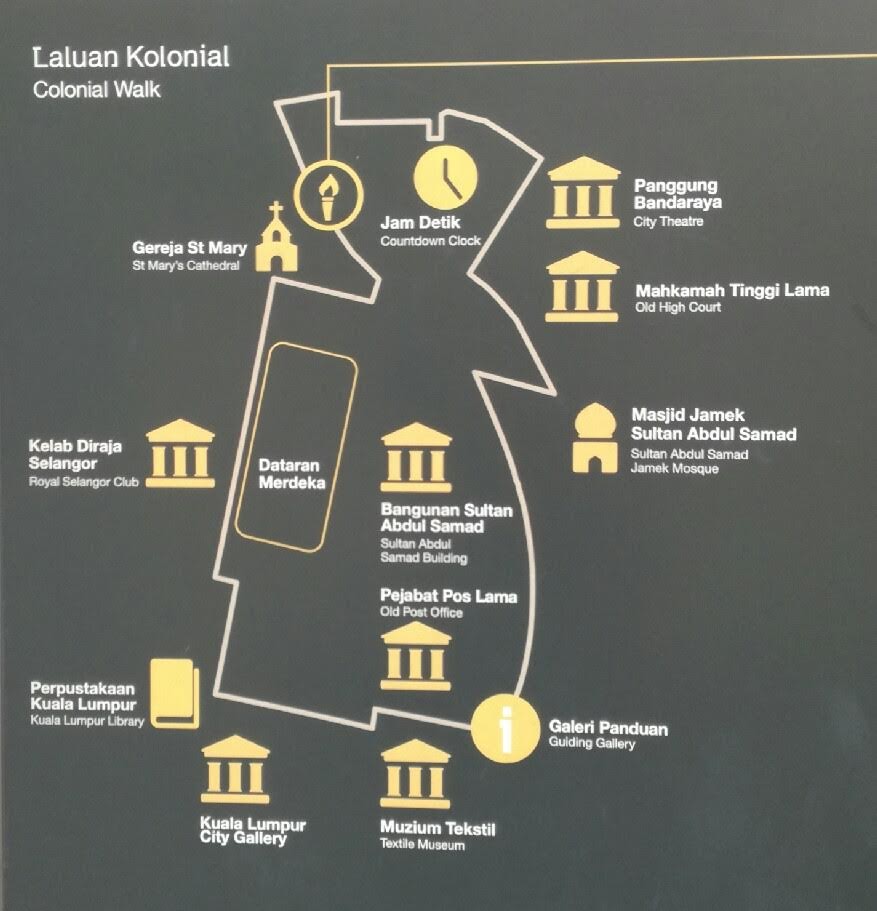
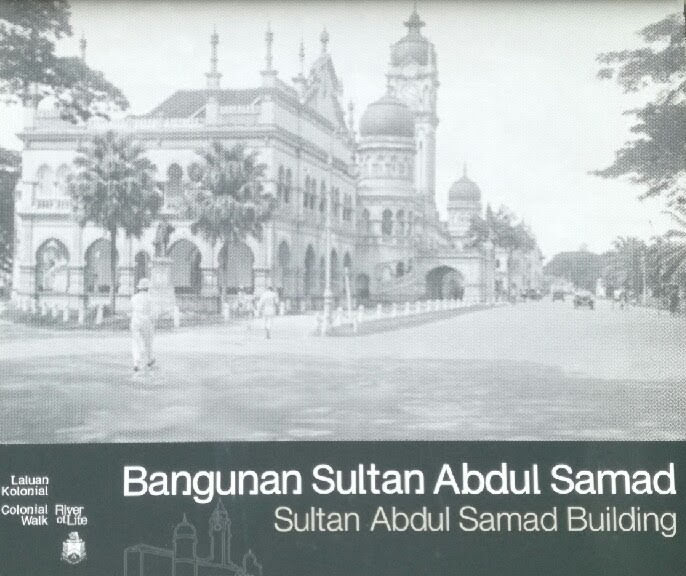
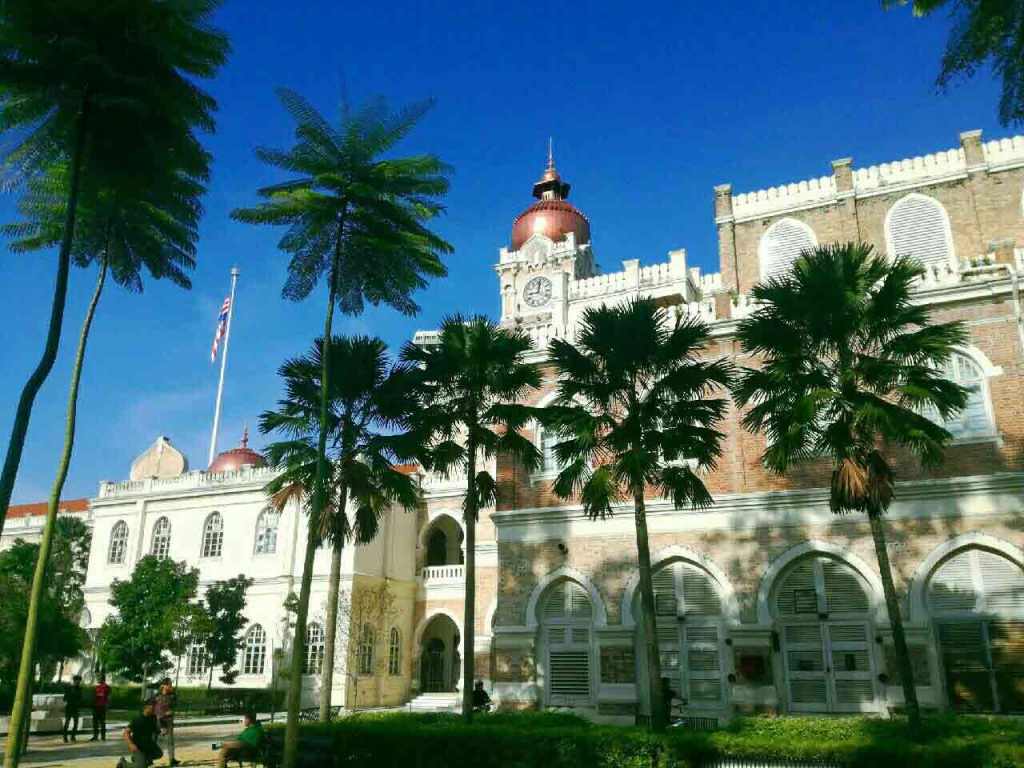
There is no better way to start the Colonial Walk around Dataran Merdeka than to start at Sultan Abdul Samad Building (SASB) – the most iconic and instagrammable landmark in KL. The building was officially opened on 3 April 1897 by Sir Frank Swettenham who was then the Resident General of the Federated Malay States (FMS), and it was at the time known as The Government Offices. The name changed to Sultan Abdul Samad Building sometime after independence in honour of Sultan Abdul Samad, the fourth Selangor Sultan (1857-1898) who reigned when the building was constructed.

The famous features of the building include a 43.6-metre clock tower with a large magnificent copper dome, two smaller staircase towers also with copper domes at either side and smaller domes made of white cement on top of pillars in front of the building. The building’s design is a blend of Indian and European architecture. On record, the building was designed by British architects Arthur Charles Alfred Norman, Arthur Benison Hubback and Regent Alfred John Bidwell of the Public Works Department. The SASB now houses the office of the Ministry of Information, Communication and Culture.
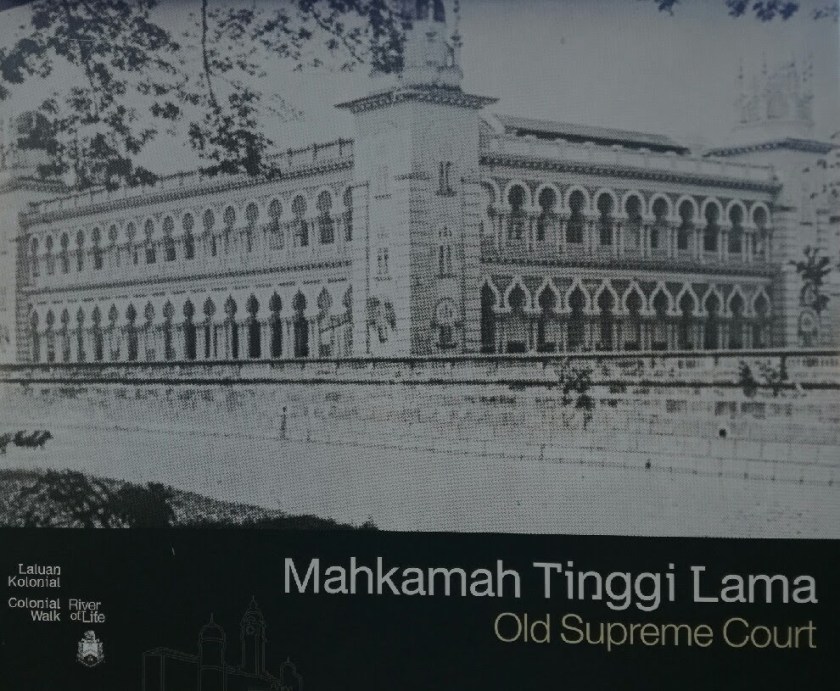
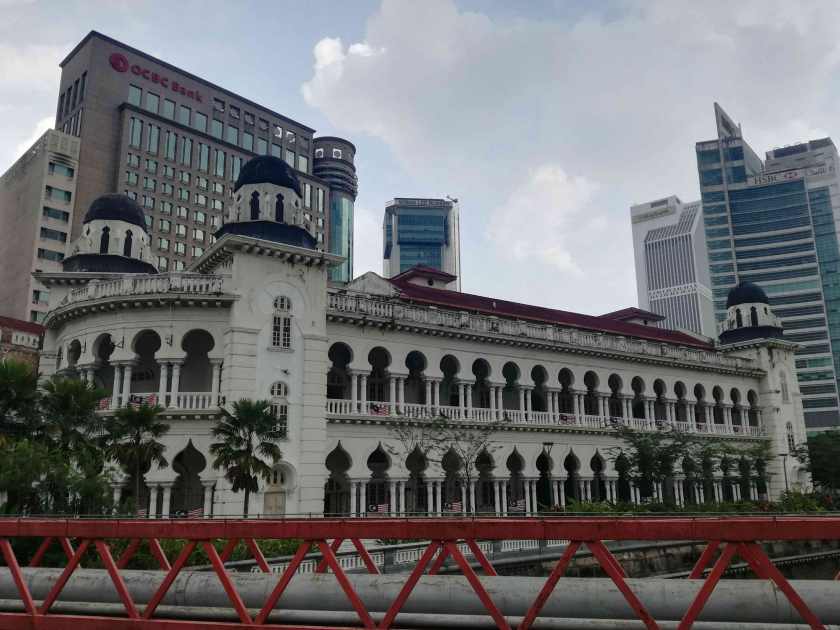
Next stop – the Old Supreme Court. This two-storey building was built on the bank of Gombak River and it took 2 years and 9 months to complete – in 1915 to the cost of $208,500.00 Straits Dollars. It replaced the first High Court building located at Court Hill (currently where Menara Maybank is situated). A.B. Hubback did the design and Ang Seng Mooi was the contractor. Ang was also the contractor for the Government Offices. Hubback designed it in the Indo-Saracenic style, which blended well with other buildings of similar style in its vicinity. This building is now being used by the Ministry of Tourism and Culture.
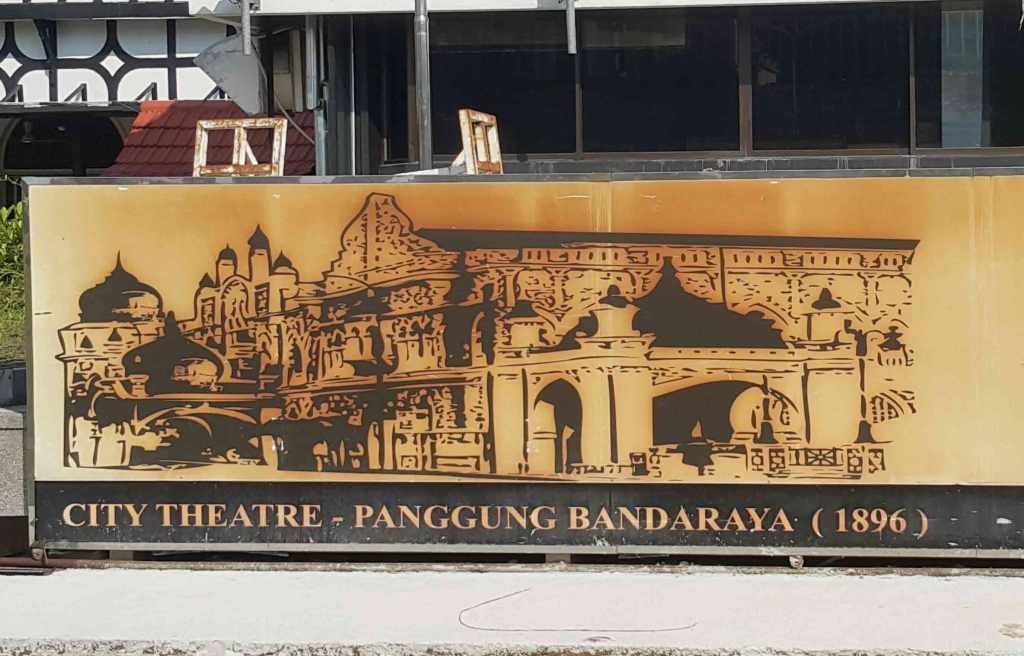
Located next to the Old Supreme Court is the Old City Hall. Again, it was A.B. Hubback who was given the responsibility to design the building. Construction began in 1896 and it was completed in 1904. Again, Hubback used the Indo-Saracenic eclectic style including the use of different arches and chatri (domed-shaped pavilions) on the roofline. It was occupied for a time by Panggung Bandaraya DBKL to stage plays and musicals. The interior of the theater was destroyed by fire in 1992 and City Hall restored it soon after. The building is vacant at the time of writing.
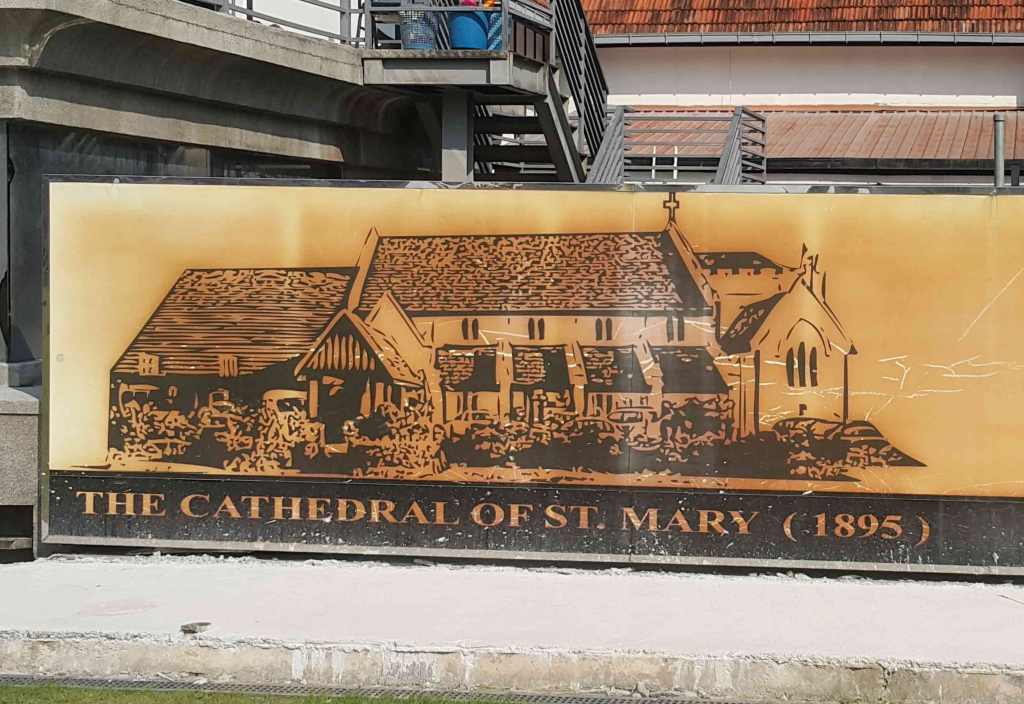
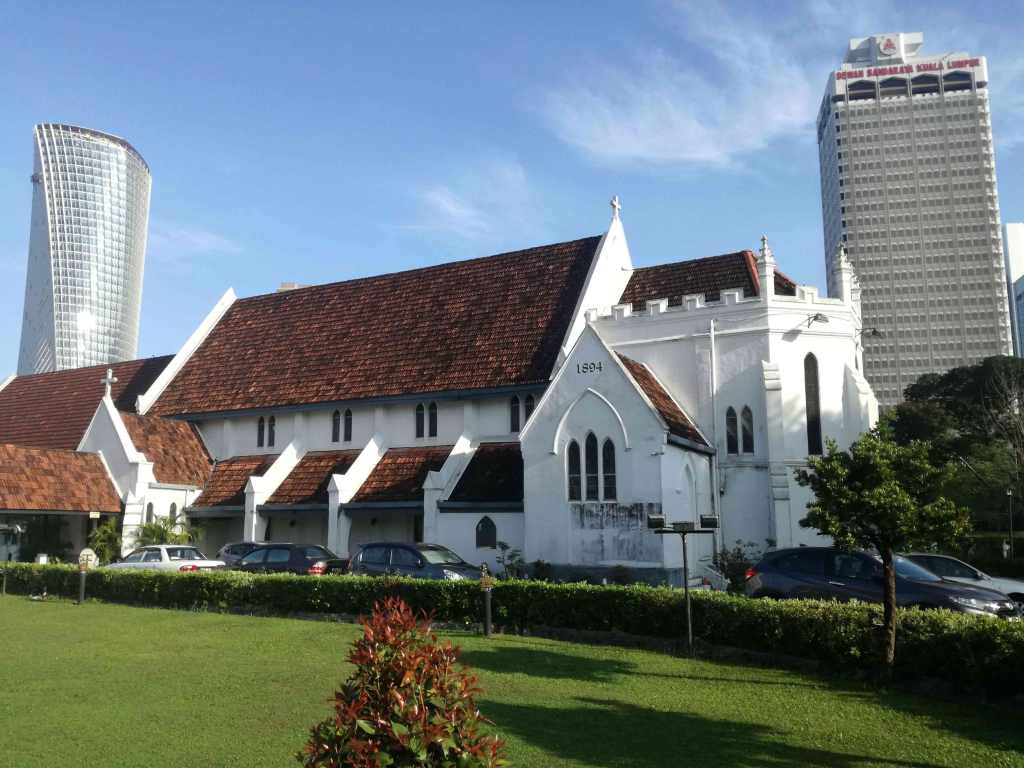
Moving across the busy street of Jalan Raja on the north of Dataran Merdeka is the Saint Mary’s Anglican Cathedral. The original St Mary’s was a simple wooden building, built in 1887 and located on a hill on Bluff Road (now known as Bukit Aman). In order to cater to a larger expatriate congregation, the church was moved to the current site where the first brick church in the Federated Malay States (FMS) was built in 1894, designed by none other than A.C.A. Norman. The following year, a pipe organ built by Henry Willis was installed in the church. Willis also made the organ for St Paul’s Cathedral in London as well as the grand organ of the prestigious Royal Albert Hall. Today, the church conduct services in English, Iban, Nepali, Bahasa Malaysia and Mandarin.
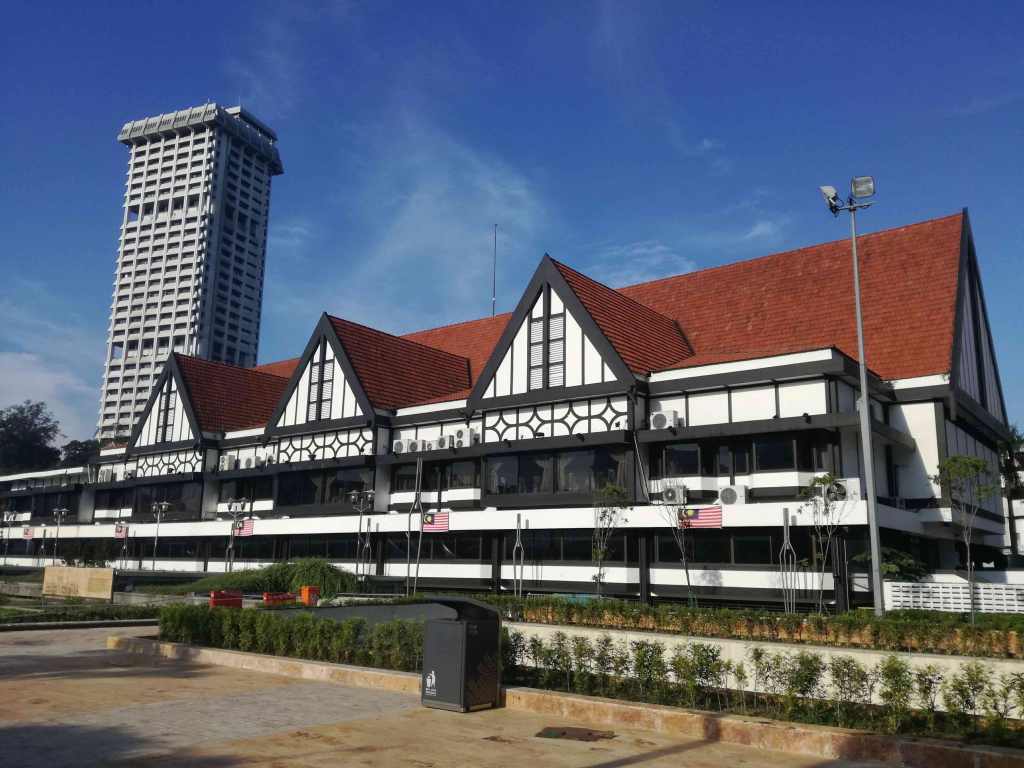
The Royal Selangor Club was my next stop. It was originally known as The Selangor Club, and opened in a tiny wooden building with attap roof in October 1884. Five years later, a two-storey Clubhouse was completed at the current location thanks to a donation made by the Selangor Government. By 1910, the Clubhouse had been extended and redesigned in mock Tudor-style. The original building was designed by A.C.A Noman while A.B. Hubback redesigned it to mock-Tudor. In its early years, the club was fondly known as “The Spotted Dog”, purportedly named after the two Dalmatian dogs owned by the wife of one of its founding members, Captain Harry Charles Syers. Over time, the club was simply called “The Dog”. At its 100th Year Anniversary in 1984, it was granted a royal charter by DYMM Sultan Selangor and from thereon, it is known as the Royal Selangor Club. The club was further expanded with the opening of the Royal Selangor Club’s Kiara Sports Annexe at Bukit Kiara in 1998. Today, RSC is regarded as one of Asia’s oldest sporting institutions.

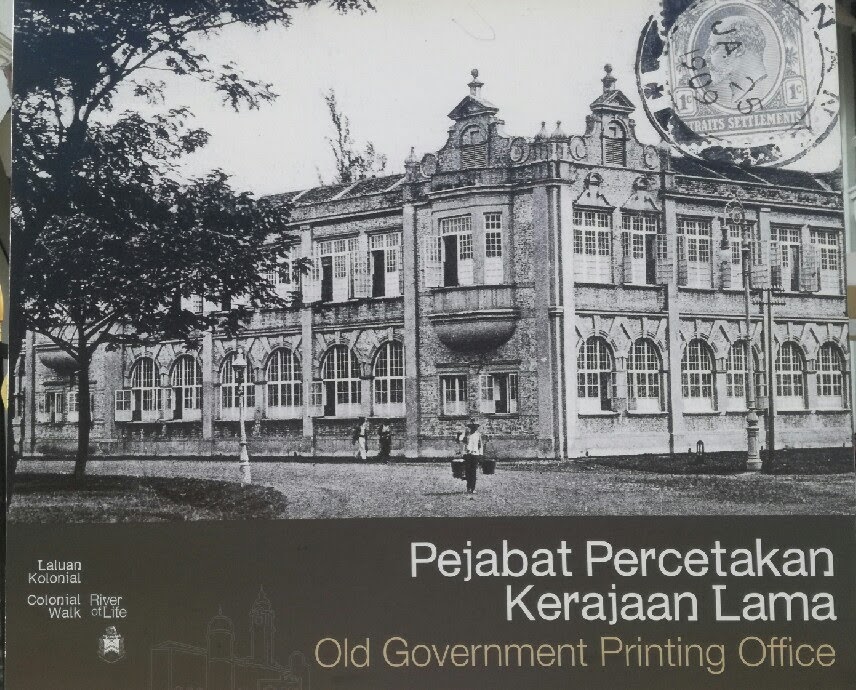
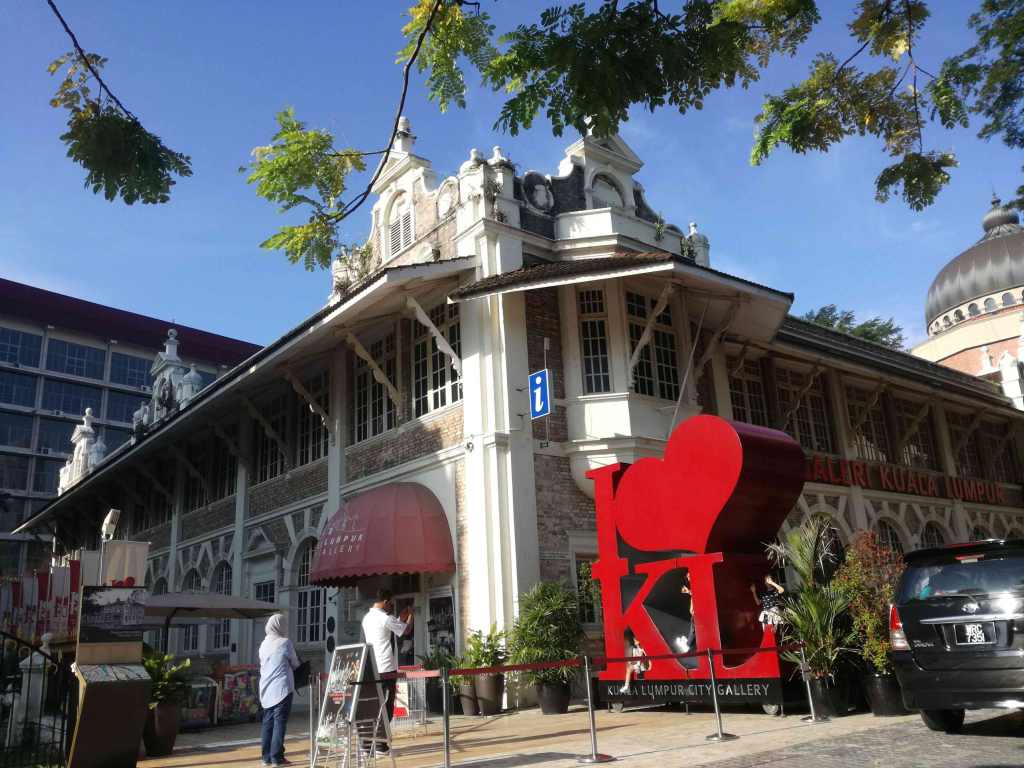
Moving past the 100-metres flag pole and large outdoor screen, and located next door to Perpustakaan Kuala Lumpur (KL Library) is the Old Government Printing Office (GPO). The Selangor Printing Office was initially established on Bluff Hill (now Bukit Aman) in 1890. John Russell who arrived from England was put in-charge of the Selangor Printing Office, and he helped A.C.A. Norman to design an ideal building to fit the large printing machines and this building was completed in 1899. The Perak Printing Office, established earlier in 1888 in Taiping, was consolidated with the Selangor Printing Office in 1904 and the single Federal department was housed in this building. In 1961, the Ministry of Labour took over the building until 1977 when it was converted to the Metropolitan Postal Security Office. DBKL purchased the building in 1986 for a sum of over RM3 million and turned it into Memorial Library, then renamed it KL Library in 2000. In 2004, a new building was constructed for the KL Library. The Old GPO now houses the Kuala Lumpur City Gallery and has become a popular tourist destination.
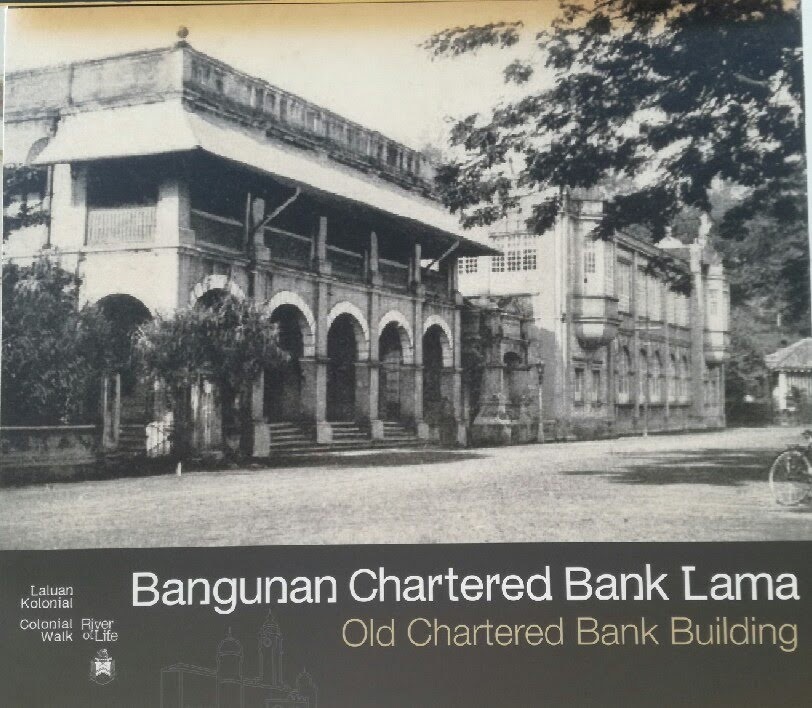
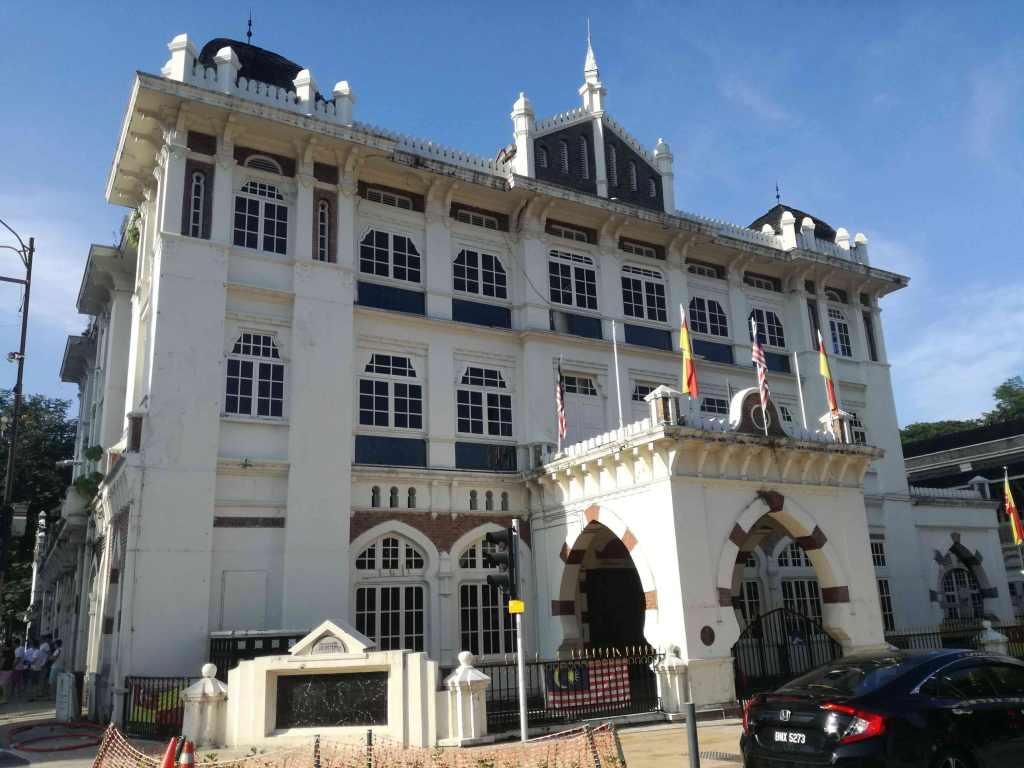
Just before reaching the traffic lights, the building on the right is the Old Chartered Bank Building. The Chartered Bank of India, Australia and China (later known as Chartered Bank and today, Standard Chartered Bank) was the first bank in KL. It started operations in 1888 at Clarke Street (Jalan Mahkamah Tinggi), then shifted to Market Street (Lebuh Pasar Besar) before moving to the current site in 1891. It then expanded into a three-storey building designed by A.C.A. Norman in 1909. In the 1960’s, it housed the National History Museum before it was turned into a restaurant and later, became the Music Museum in August 2014. Floods in this part of the town were very frequent due to the close proximity to the Gombak and Klang River, right behind Sultan Abdul Samad Building. During a flood in December 1926, the strong room of the bank was inundated. After the flood water receded, currency and documents had to be taken out to the Padang (now Dataran Merdeka) and dried in the sun. Again, bank staff had to do the same when another flood disaster happened in January 1971, even though they had moved to a new location!
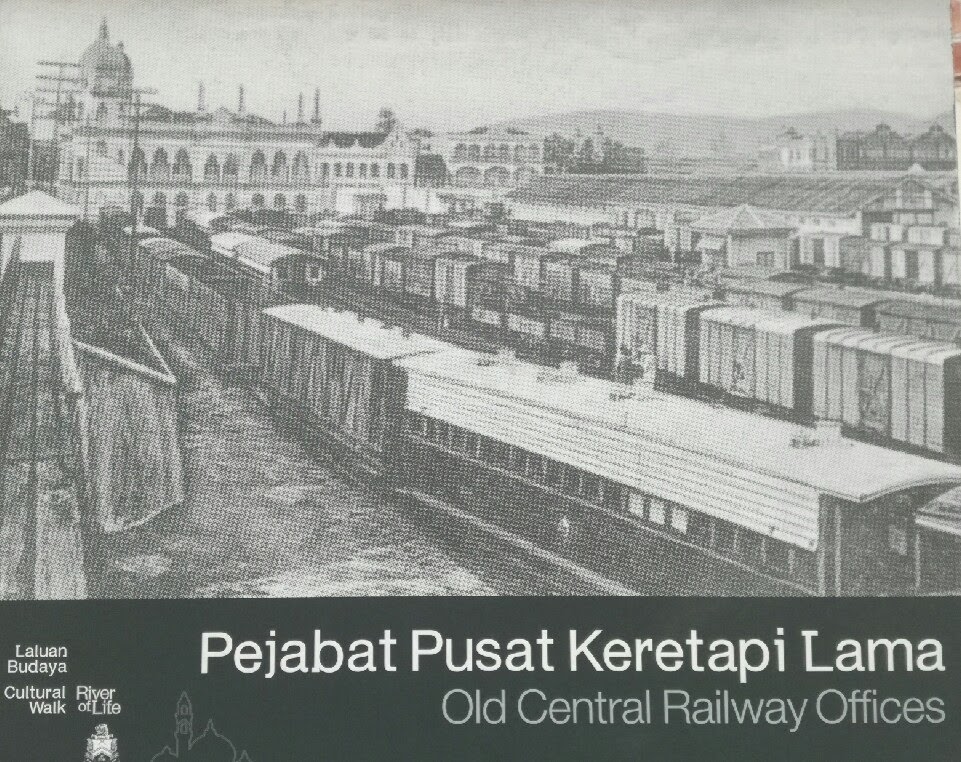
After crossing the traffic lights, I reached the Old Central Railway Offices & North Goods Yard. The previous building on this site was single storied that housed the Railway’s offices and it was designed by A.C.A. Norman. The building was extended in 1905 to cater for the expansion of the tin industry and railway requirements. This time, it was designed by A.B. Hubback and built by contractor Ang Seng for $116,122.00 Straits Dollars. Besides the North Goods Yard, there was a South Goods Yard located at Brickfields where KL Sentral stands today. The Railways Central Offices then moved to the present KTM Headquarters in 1917, subsequently FMS Public Works Department occupied the building. From 1959 to 1971, this building was the first headquarters of Bank Negara Malaysia. It is now the National Textile Museum, having started its operations in 2010.
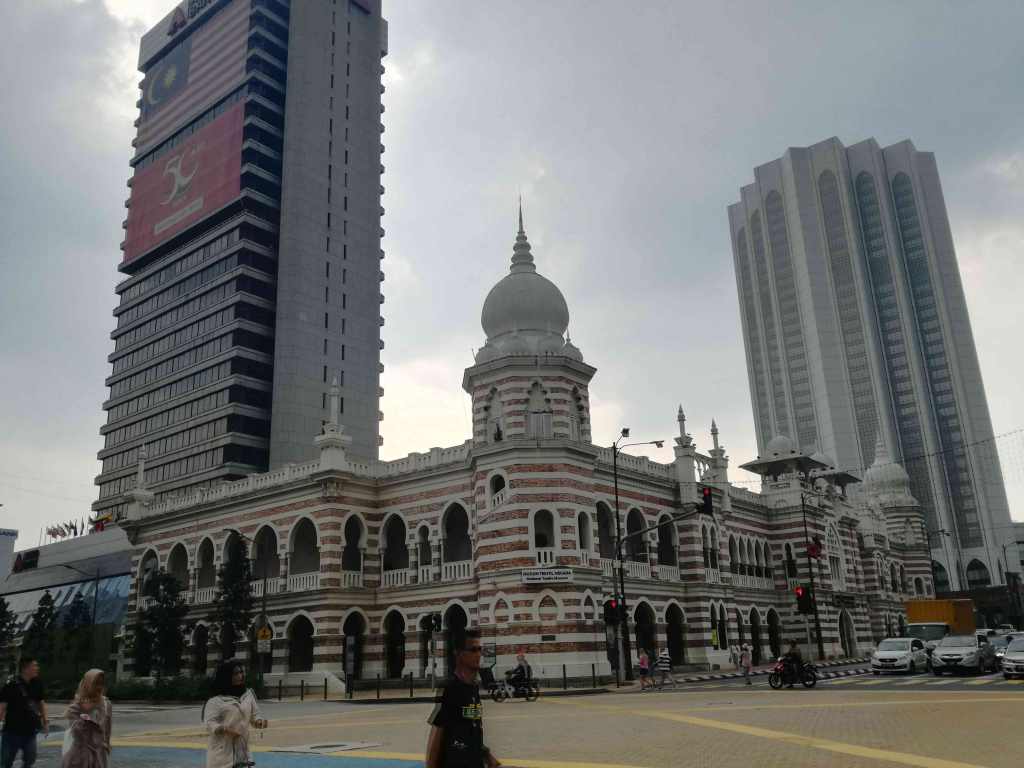
And the last stop of the Colonial Walk is the giant field now known as Dataran Merdeka / Merdeka Square / Independence Square that sits at the centre surrounded by the colonial buildings that I had visited earlier. The British called it the Parade Ground when it was cleared in 1884 but it later evolved into the Malay word “Padang”. DBKL acquired the field in 1987 and named it Dataran Merdeka in October 1989, to coincide with the Visit Malaysia Year 1990 campaign. History was made here at 12.01 am of 31 August 1957 when the Union Jack flag was lowered for the very last time and the flag of the Federation Of Malaya was hoisted up for the very first time to the world. It marked the end of British rule of our country and the end of colonisation. Since then, many of our Independence Day parades were held here. Also located at the Dataran Merdeka, is the Queen Victoria Fountain. It was supposedly built to commemorate Queen Victoria’s Diamond Jubilee in 1897 but it was only assembled in 1904 by which time Queen Victoria had passed away. Queen Victoria was Victoria Regina and she lived from 1837 to 1901. There is another Queen Victoria Fountain in Melaka, this one was erected by the people of Melaka.

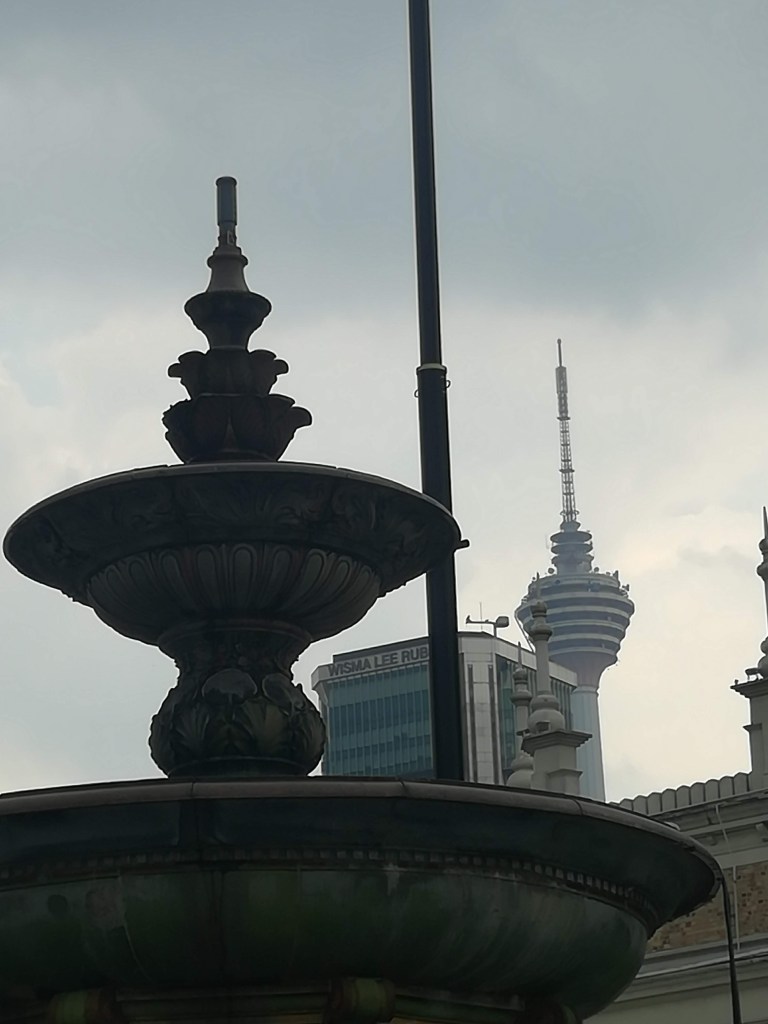
Top Queen Victoria Fountain at Dataran Merdeka. At a glance, the top of the fountain looks similar to the top of KL Tower in the background. 
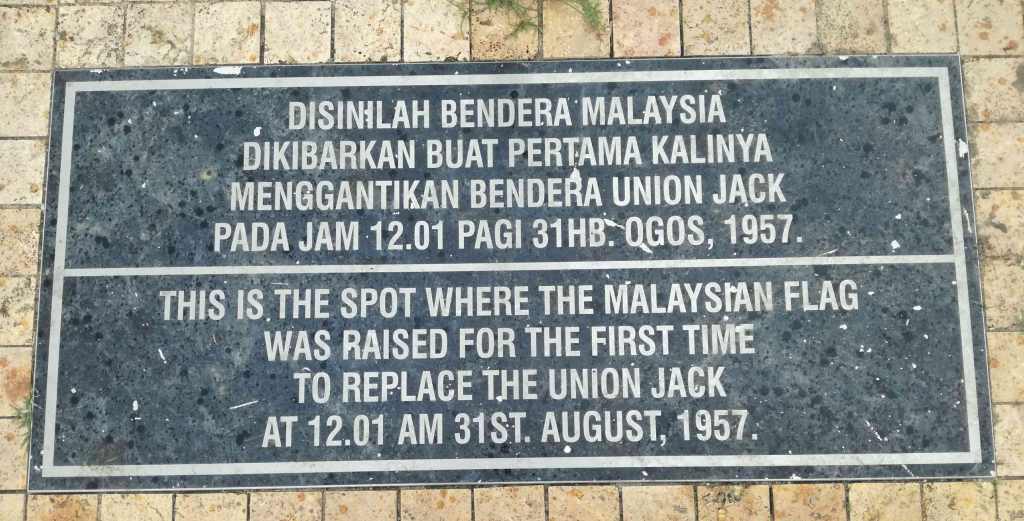
Do not miss this spot when you visit Dataran Merdeka.

I had finally completed my morning run and Colonial walk, with a time of 1 hour 59 minutes. And that was the time it took Eliud Kipchoge to complete the marathon (42 km) run recently. Eliud is the first man to run the marathon in under 2 hours, and for this great effort, he is now the Greatest Marathon Runner of All Time. With that, it was time for me to enjoy my breakfast.

KL Car-Free Morning: Part 1 – Morning Run

by Eric Lim

“Hi hi hi, beautiful Sunday. This is my, my, my beautiful day”, lyrics from the song “Beautiful Sunday” sung by British pop singer Daniel Boone, and it became a hit song in 1972. 

Moving forward to November 2, 2019, it was also a Sunday and it was to be a beautiful day for me as I managed to complete two of my favourite activities in just under two hours. For the first part, I ran in the KL Car Free Morning and right after, took a walk round Dataran Merdeka, marvelling at the colonial buildings surrounding it.

KL Car Free Morning was introduced in 2013. Over the years, this initiative by DBKL has received good support from KLites/Kuala Lumpurians and currently, it attracts about 3,000 participants each time. It is held on the first and third Sunday of each month and the circuit is approximately 7 kms long, covering the major streets of KL Golden Triangle. Participants can walk, jog, cycle (free rental of bicycles provided by OCBC Bank), hand-cycle, roller skate, rollerblade and even go skateboarding, including using of two-wheel smart self-balancing scooters drifting board.

When I reached the starting point at Dataran DBKL, it was already crowded and participants were all eagerly waiting for the start of the event. We were flagged off at exactly 7.00 am; for safety reasons, joggers had to keep to the left and cyclists as well as skaters to the right.

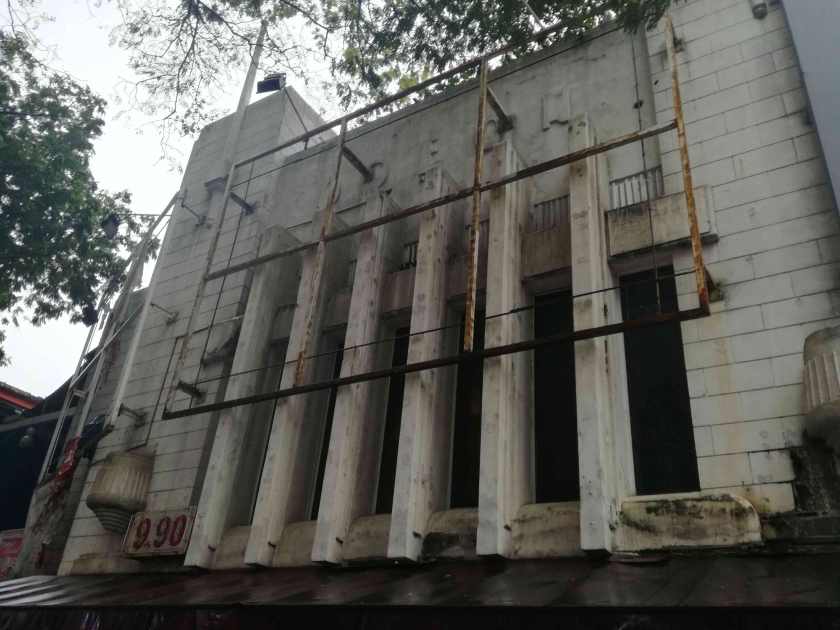
The start of the circuit took us through the straight stretch along Jalan Raja Laut, passing Sekolah Kebangsaan (L) Jalan Batu, formerly known as Batu Road School (BRS) [1]. BRS was established in 1930 to serve as the preparatory school for Victoria Institution. Today, part of its premises has been converted into a school for students with special needs and visual impairment. At the intersection, we turned right into Jalan Sultan Ismail and at the first intersection, we turned right again into Jalan Tuanku Abdul Rahman, KL’s Golden Mile. Two KL landmarks are located at this road’s intersection with Jalan Dang Wangi. On the right is Pertama Complex [2]. It is one of the earliest shopping malls in KL and I remember having bought my first pair of Adidas sports shoes here. On the left, is the building of the old Odeon Cinema [3]. This cinema was designed by architect A.O. Coltman and it opened in 1936. It closed temporarily in 2010 but reverted to screening movies a year later with a new management until it was finally shut down in 2015. The building is slated to be demolished to make way for a retail-apartment building.

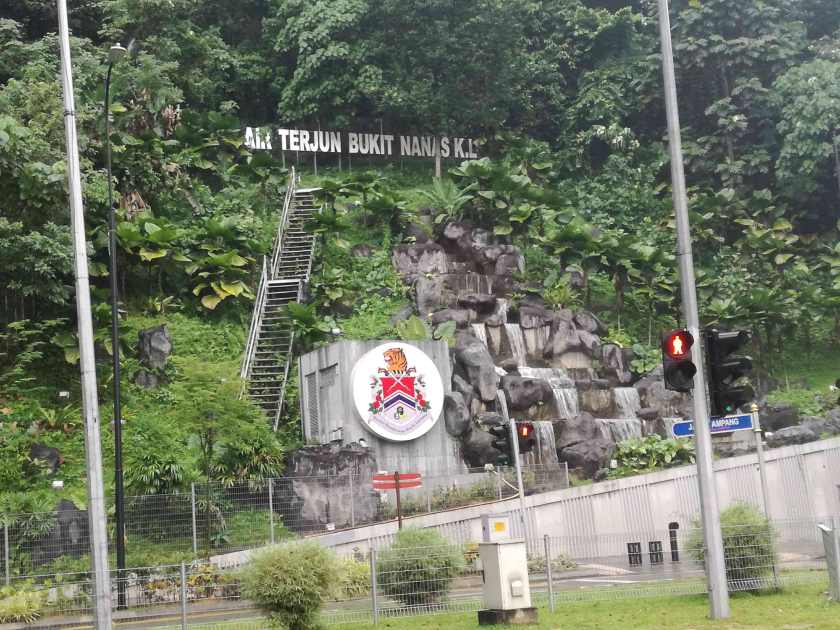
Next, we turned left into Jalan Dang Wangi and passed by Campbell Complex [4], Dang Wangi Police Station [5] and Kompleks Wilayah [6], all located on the right. Jalan Dang Wangi was previously known as Campbell Road. Straight ahead is Bukit Nanas [7], where KL Tower is located. It is here in this small hill that one can see the only virgin tropical rainforest left in the city of KL; this rainforest dates to 1.3 million years. At the T-junction, we turned left into Jalan Ampang and, at the next intersection, we turned right into Jalan Sultan Ismail where we soon arrived at Hard Rock Café [8] and Concorde Hotel [9] on the left; and Shangri-La Hotel [10] further up, on the right. Fans of Michael Jackson will remember that The King of Pop came to KL to perform as part of his History World Tour, a solo concert tour that spanned the globe with concerts in 57 major cities in 35 countries, on 5 continents! MJ was in KL from October 27 to 29, 1996 and he stayed at Concord Hotel.

At the traffic lights, we then turned left into Jalan P.Ramlee, one of the nightlife hotspots in the city. It was known as Jalan Parry until the name changed in 1982. About 500 metres ahead is the iconic Petronas Twin Towers [11], once the tallest skyscraper in the world (1998 to 2004) and now the tallest standing twin towers in the world (at 452 metres). In the olden days, the area surrounding KLCC used to be the site of the Selangor Turf Club. At the next traffic lights, we turned left into Jalan Ampang and headed towards its intersection with Jalan Sultan Ismail. We turned right at this intersection and headed towards Jalan Tuanku Abdul Rahman intersection. On the way, we could see Quill City Mall KL [12] on the right and Sheraton Imperial KL [13] on the left.

At the same intersection that we passed earlier on, we turned left back to KL’s Golden Mile (Jalan TAR) and this time, we went straight to the end of the street. Another standalone cinema is located at this section of the street, and it is none other than the Coliseum Theatre [14]. It was built by businessman and philanthropist Chua Cheng Bok in 1920 to become the first cinema to open in Malaya; it opened in 1921. Today, the cinema specialises in screening Hindi and Tamil films. Located next door is the Coliseum Cafe and Hotel [15],which opened at the same time as the cinema. It was a popular social hub for British planters and miners. It is here that KLites come to do their festive shopping, at places such as Globe Silk Store, Emporium Selangor and Mun Loong.

At the end of Jalan TAR, we arrived at Jalan Tun Perak where we turned right and just a short distance away, we turned right to Jalan Raja Laut to the finishing point at Dataran DBKL. I took about 42 minutes to complete the circuit, averaging 6 minutes for one kilometre and I was quite pleased with the timing. Then I went over to get a cup of free refreshing isotonic drink and hurried across the busy Jalan Tun Perak to Jalan Raja for my next activity, the Colonial Walk.

This article continues to Part 2 – Colonial Walk at https://museumvolunteersjmm.com/2019/11/26/kl-car-free-morning-part-2-colonial-walk/

An MV’s report on ANMA7

by Afidah Zuliana binti Abdul Rahim

Social Unity through Culture, Art and History: The Museum Challenge

This gripping theme prompted me to sign up for the first conference of its kind in Malaysia. I was excited to hear and learn from the experiences of National Museums across Asia. Luckily, Jega said he would hold up the fort for training the new volunteers so thanks to my fellow Tuesday trainers for releasing me.

Premiera Hotel was a bustling place on the morning of October 29th. Around 10MVs were dotted around the conference hall. I met some Korean representatives from ICHCAP, UNESCO whom I quickly introduced to Angela Oh, our Korean MV trainer.

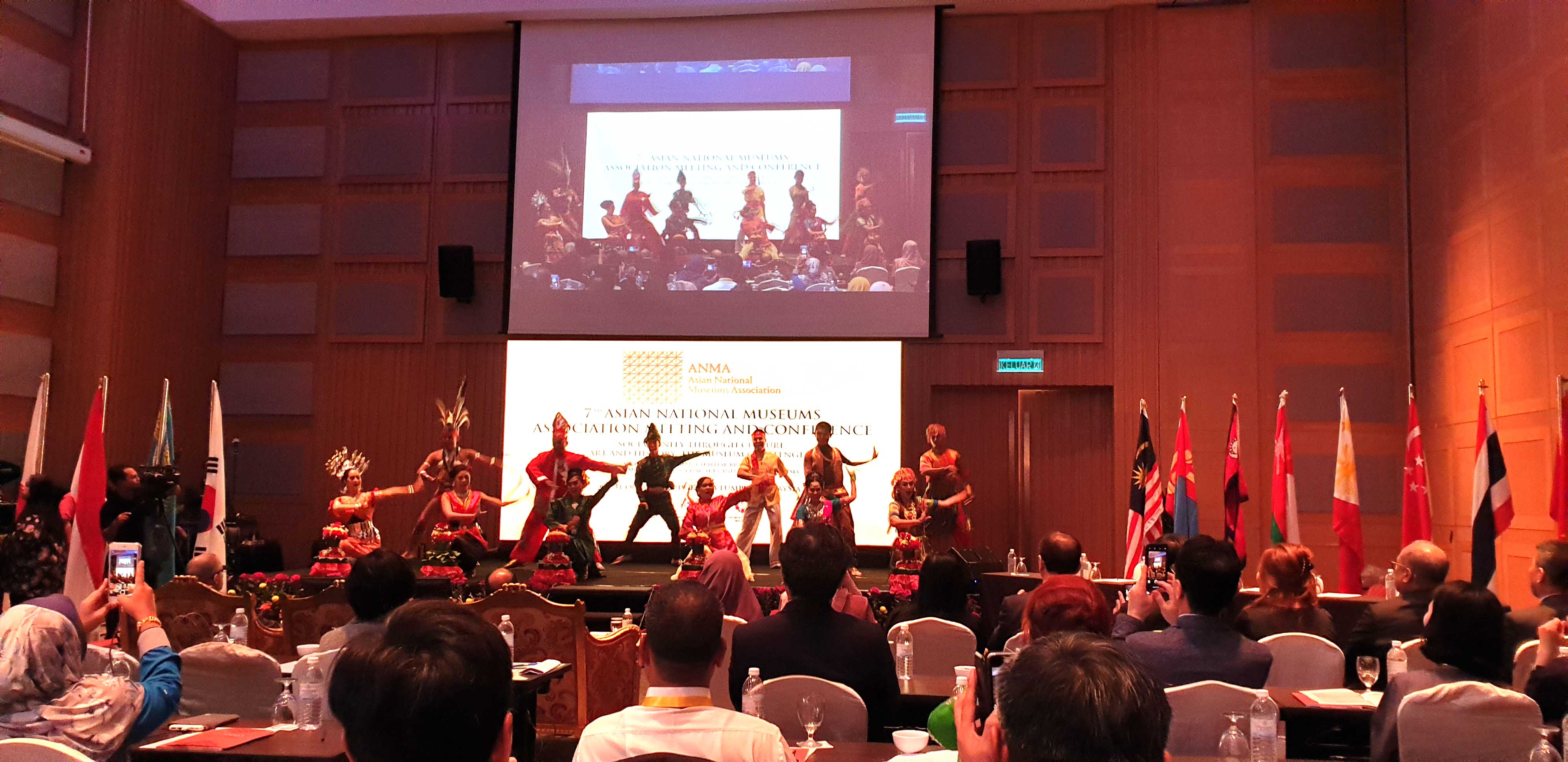
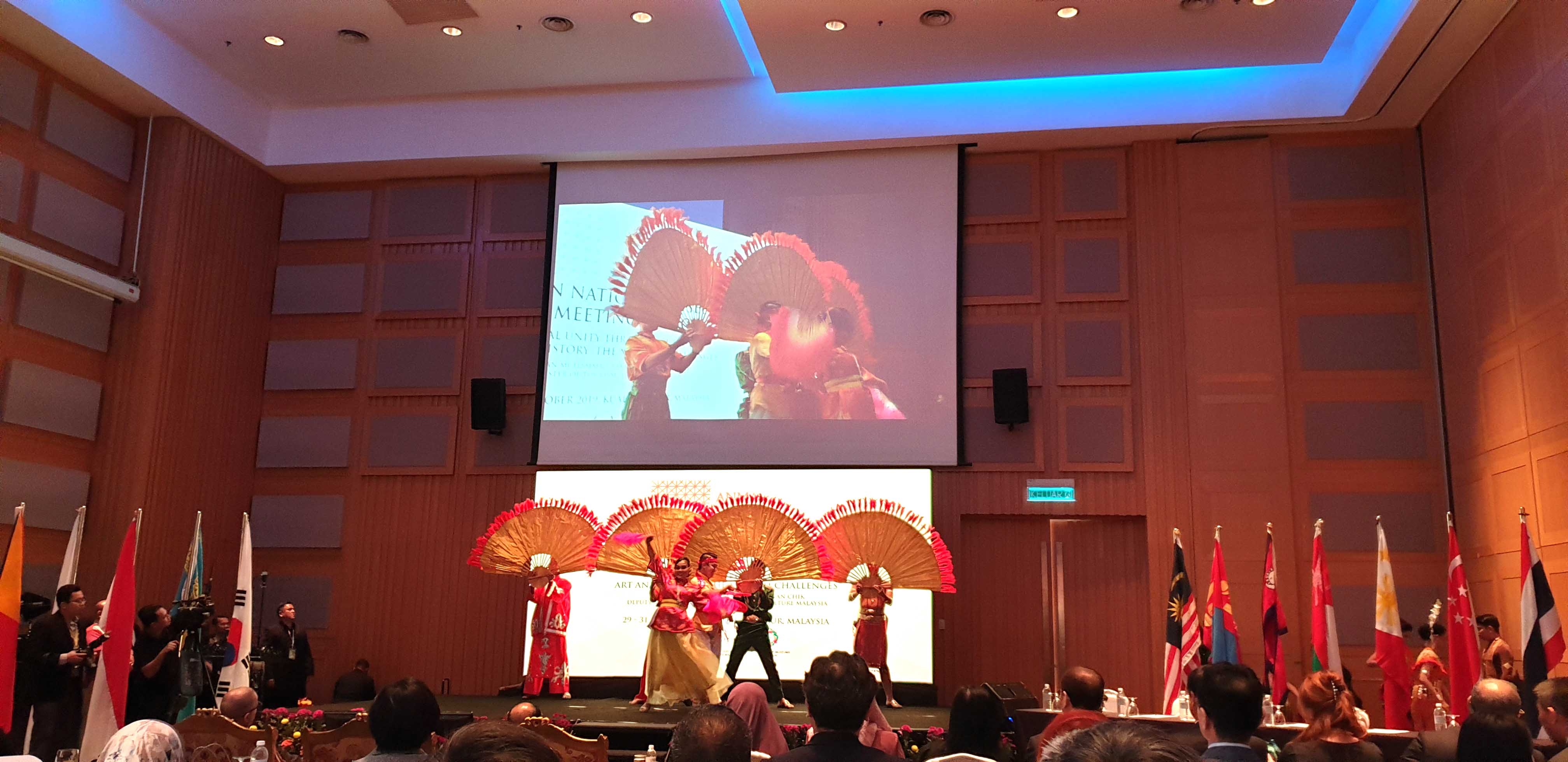
The opening ceremony was grand with a spectacular cultural performance by our tourism dancers. The Deputy Minister of Tourism graced the occasion and delivered the keynote address. He acknowledged the challenges to the role of museums in promoting social unity considering the competition from other forms of entertainment available.

Subsequently, session one began. The representative from Mongolia shared a list of overseas exhibitions they had run since 1989, mainly with the Genghis Khan tagline. The most notable development he mentioned was the barcode inventory project they undertook between 2017-18, which has greatly eased storage and retrieval of their massive artefact collection.

The Japanese rep focused on the Asian Gallery at the Tokyo National Museum which houses 20% of their total collection. They connect viewers with artworks through exhibitions and related events. The goal is to provide the experience of different cultures towards a greater understanding of cultures. They hold multi-faceted events on unique themes eg. special tours by curators and Indonesian wayang kulit performance on the theme of love. Also, yoga sessions were held at the museum for better appreciation of Buddhist artefacts.

Our Penang State Museum rep shared her cross-cultural project, ‘Silang Budaya’ which redefines the museum perspectives through the interpretation of artefacts by young people. For example, students had used a tiffin box as inspiration for creating a multi-level phone accessories carrier. The project has instilled a love of history amongst polytechnic students, whose core subjects would be more technical. Museum staff supported the students to set up and curate their exhibition. She welcomed collaborations with other museums for future projects.

A cultural performance at the start of the conference

Next, the Philippines rep shared the experience of heritage building restoration at their National Museum. Even though there were many challenges, the restoration has brought recognition and appreciation of museums by the public through partnerships and donations. She also shared how they disseminated their national hero stories via a tour for school teachers, who could then translate their passion for the hero on to their students. So many ideas shared in just one morning!

Lunch time was networking time again. We sat with a gentleman from UiTM who has initiated the survey on Muzium Negara; and also, with some police officers who are now administering the Police Museum in KL.

Session 2 was moderated by a well-spoken Malaysian lady. In fact, we were impressed by all 3 moderators who were of retirement age. Next, China astounded us with its exponential growth of museum visitors. Customer service is at the top of their agenda. We were treated to a video on their Joint Asian Civilisation exhibition.

The Indonesian reps showed how their culturally diverse 700 ethnic groups considered themselves “different but still one”. Museums feature traditional games, batik workshops and theatre stories to engage their audience. There are dance performances every Sunday and university students play traditional musical instruments. Their outreach programme allows the blind to touch artefacts with gloves.

Social inclusion through multi-disciplinary aspects are echoed at the National Museum of Nepal. Homestays are offered to enhance their cultural experience.

The Malaysian Ministry of Tourism held a “keretapi sarong” movement, which encouraged millenials to wear their sarongs on the train to a secret destination– a nod to traditional wear in a fun environment.

The annual Sabah Craft Exotica programme has been running since 2005. It features local handicraft by Sabah’s 35 ethnic groups. The Korean rep was impressed by the bottom-up approach to culture-sharing in Sabah. With 115 sub-ethnic groups, Sabahans are eager to demonstrate their particular crafts, enabled by Craft Exotica. This programme also helps to preserve ethnic crafts.

Vietnam has 54 ethnic groups, unified in diversity. Their museum connects communities in order to build a cultural identity and to preserve national cultural values. However, they face difficulties in approaching the public in terms of budget for IT since young people would connect better with ancient objects through technology. Also, their staff needs training to obtain professional skills and to overcome language barriers. They are keen to cooperate with foreign museums and to combine museum with other social and cultural activities.

In session 3, the rep from Thailand introduced us to the ancient city of U Thong, located in central Thailand. With 20 sites found along with many Dvaravati (Indian-influenced) artefacts, U Thong museum is now a cultural hub. The museum serves as a learning centre, which develops critical thinking skills, encourages innovation and instils a love for history amongst the public, especially children. They organise family activities on Sundays and integrate efforts with the local government in experiential learning. Also, their museum places importance on social media presence.

Personally, I found the final presentation by South Korea most impressive. In an increasingly multi-cultural Korea, museums have increased their role in diversity education. They have embraced these changes by offering targeted activities for immigrant workers, marriage immigrants and members of the international community. Also, to encourage mutual understanding and respect, their folk museum has culture discovery boxes for children, which can be loaned to schools, libraries and kindergartens. The National Museum of Korea has many exhibition exchanges with numerous countries around the world, bringing a myriad of cultural diversity experience to its people.

We left the conference with plenty of food for thought. There is no doubt that the ANMA executive closed-door meeting can build on the conference proceedings. Hearty congratulations to Department of Museums, Malaysia (JMM) for a successful conference!

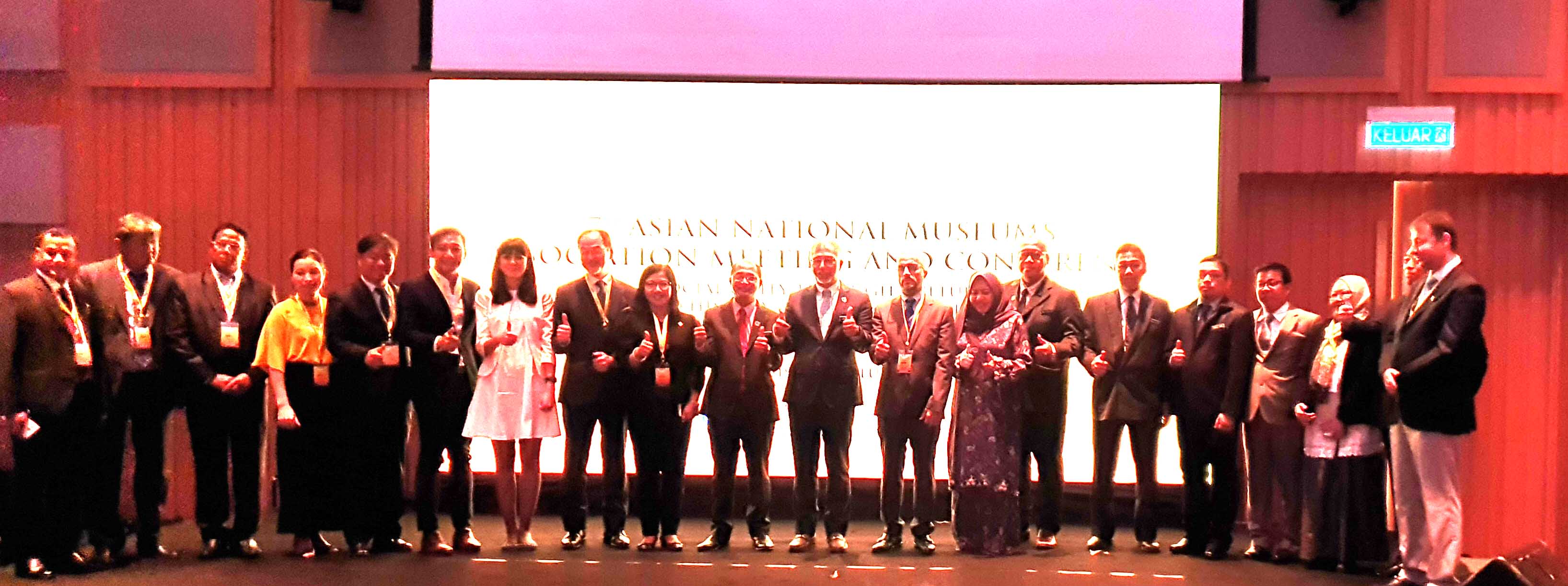
Speakers and officials