by Annie Chuah Siew Yen
Early Malay Kingdoms
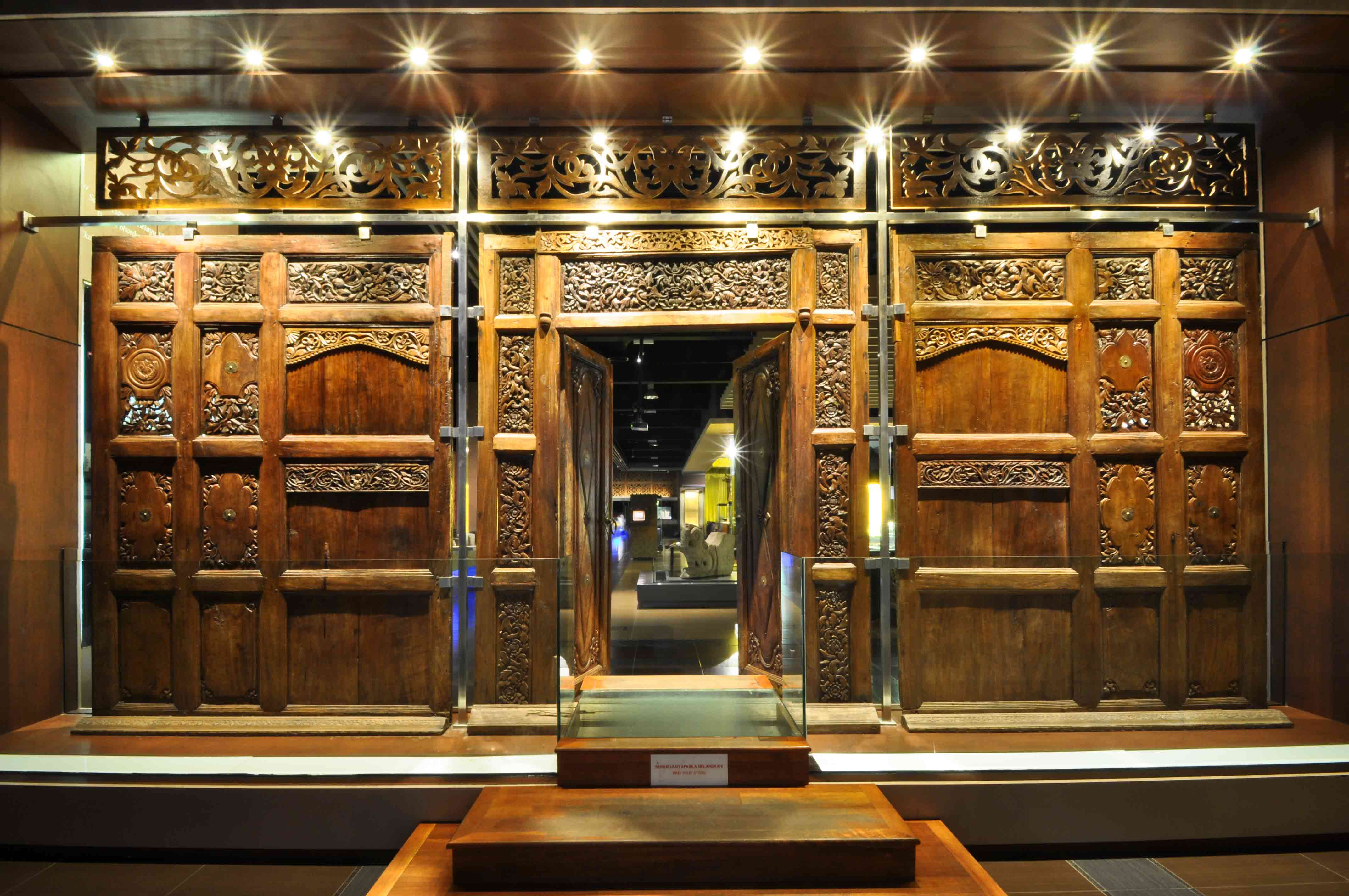
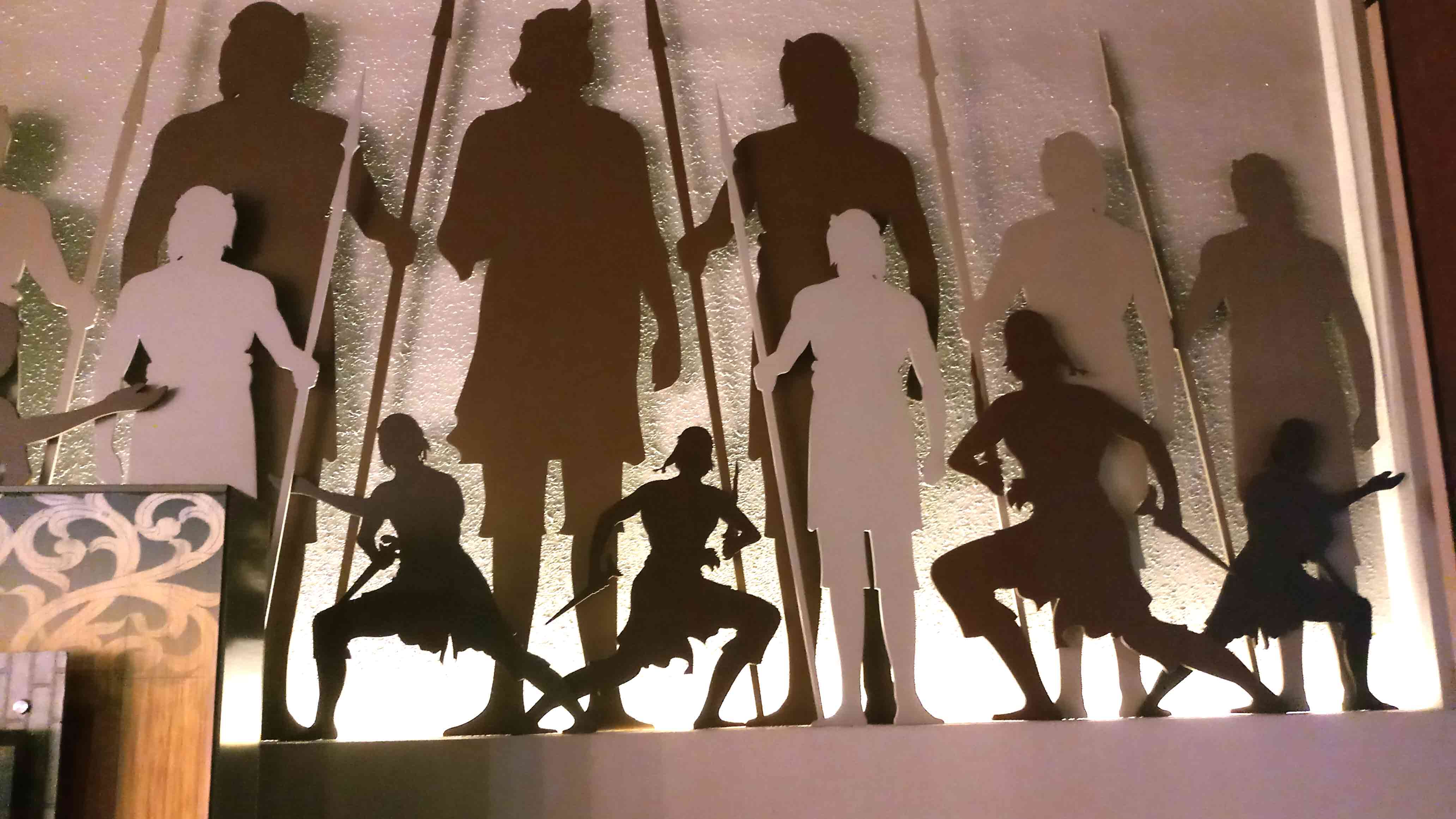
As you enter Gallery B through the portal of a door from the Palace of Setul, you will be transported to the first millennium of the Common Era (CE) when small polities dotted the Malay World, some of which grew to become empires and shaped the world we know today.
Historical records and surviving artefacts provide evidence that these early Malay kingdoms possessed organised systems of government; they participated in the Indian Ocean trade and they had established relations with Arabia, China, India and Persia. The society was cosmopolitan, more so than what we would have imagined.
Welcome to the Malay World
What and where is the Malay World where these kingdoms flourished? Jim Baker aptly describes it as archipelago South East Asia – comprising present day Malaysia, Indonesia, Singapore, Brunei, southern Philippines and south Thailand.
The people who founded these maritime polities and kingdoms were descended from the Malayic-speaking Austronesians. The kingdoms started as coastal city-states, developing as emporia to service traders from east and west. Their lifeline revolved around trade and each sought to dominate the region. The archipelago was rich in natural resources and its products, such as tortoise shells, gharuwood, rhinoceros horns and camphor were highly sought after in China, India and beyond. The strategic location of the region, between its key markets in the east and west, made it a suitable meeting place for traders from outside the region. The cultures of their trading partners, initially Hinduism and Buddhism and, later, Islam would also play a large part in shaping the local societies.
A notable early kingdom on the Malay peninsula was Langkasuka (2nd – 6th century CE). This name is of Sanskrit origin, and the kingdom was closely tied to the Indianised kingdom of Funan in Cambodia. Langkasuka, believed to be located in the Pattani-Songkla area, traded with China through ports on the east coast but it also had links with trading communities on the west coast, just across the isthmus. It was a rich and prosperous state and it may have founded the early settlements in the Bujang Valley. There are scant records on Langkasuka; its demise could possibly be linked to the rise of polities in Sumatra and Java.
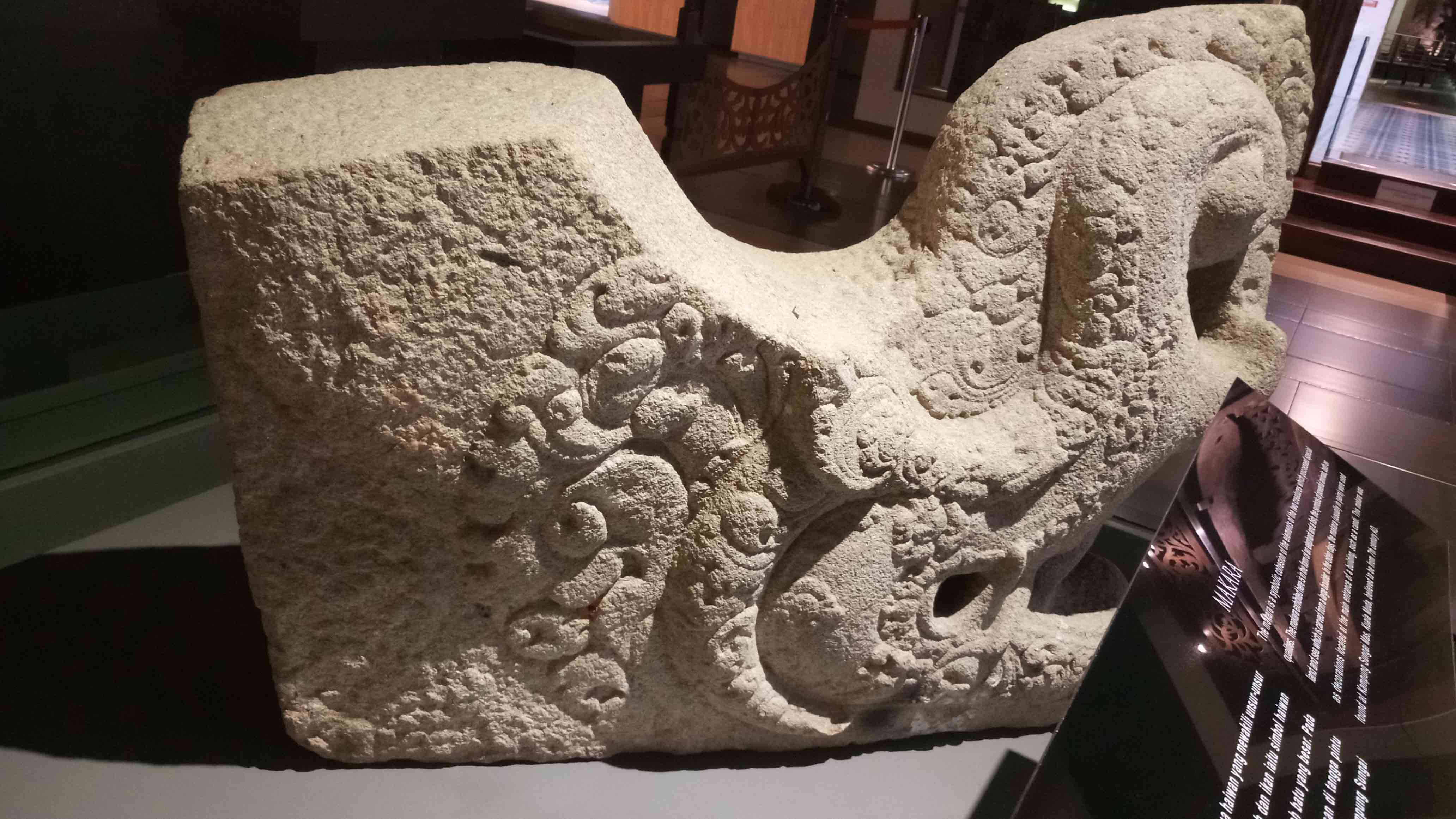
The Bujang Valley civilisation was a significant trading kingdom in Kedah with iron smelting as its main activity. By 800 CE, Bujang Valley had come under the influence of Buddhist Srivijaya and, by the early 11th century, the Indian Chola Empire. We can see vestiges of this civilisation at excavation sites and in a museum at Merbok, Kedah; some artefacts are also displayed in Galleries A and B.
According to the Malay Annals, a Khmer prince founded the kingdom of Gangga Negara in the 8th century. Its location is uncertain, but believed to be at modern-day Beruas, Perak, through findings of various significant Buddhist bronzes in the Kinta Valley. The kingdom fell after the Chola attacks in the 11th century.
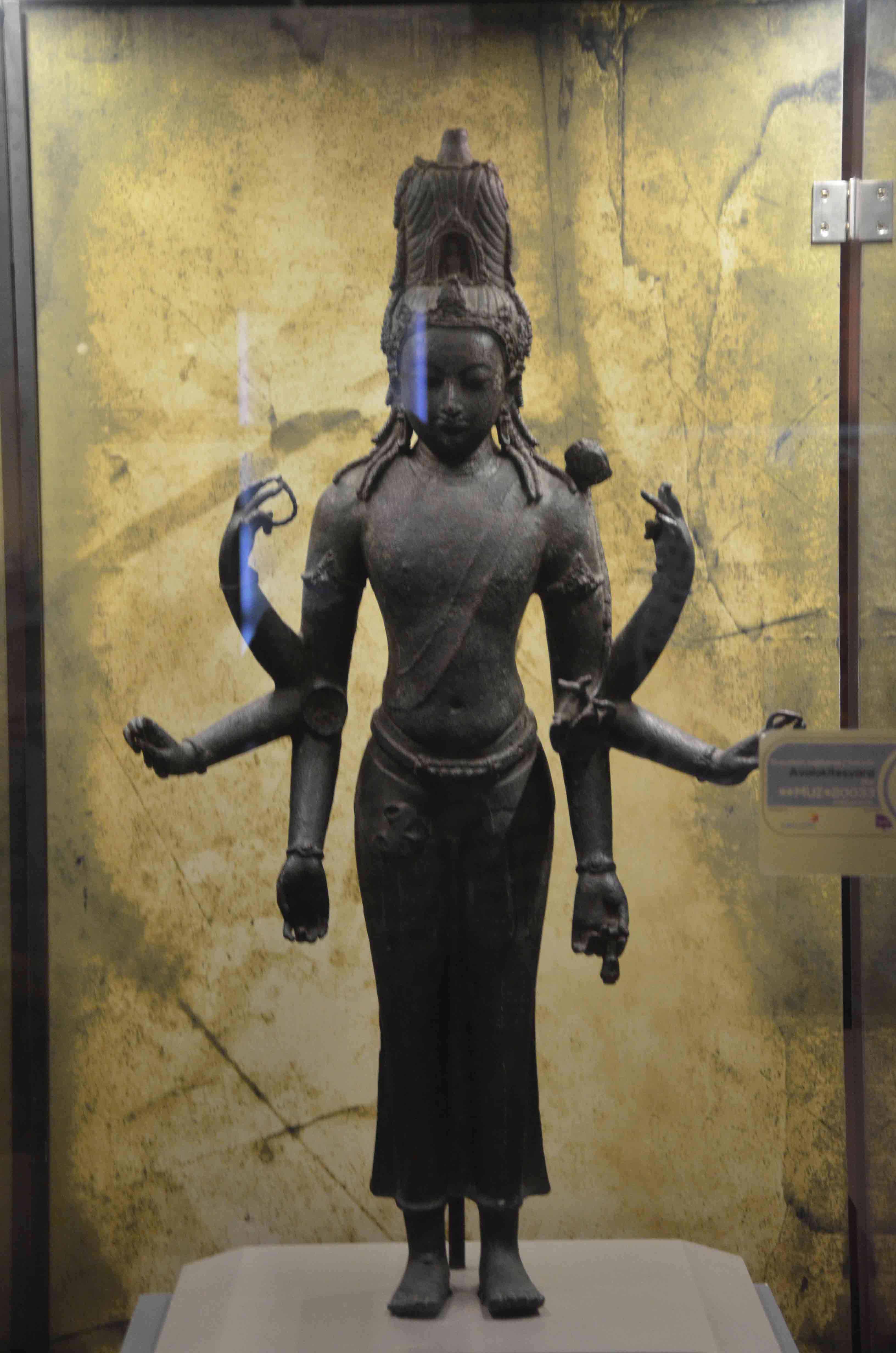
Into the Second Millennium
Srivijaya was a dominant maritime empire based in Sumatra, but influenced much of Southeast Asia. It was founded in the 7th century after the demise of Funan. The Chola attacks destroyed its capital at present-day Palembang, but its centre moved further north to Jambi where it lasted until the 13th century.
Majapahit was founded by Raden Wijaya in around 1293. It was the last major Hindu empire in the region and among the most powerful empires in the history of the archipelago. Majapahit society developed a high degree of sophistication in both commercial and artistic activities. Its capital was inhabited by a cosmopolitan population among whom literature and the arts flourished. Its power began to wane in the 15th century when Islam spread in the region. Sumatra resented Majapahit’s control, so the conversion to Islam was an opportunity to extricate from Hindu Majapahit. The Majapahit Empire was unable to compete with its Muslim neighbours, and began to disintegrate, finally collapsing in early 16th century. After the fall of the empire, Majapahit kings and nobles, priests and artisans took refuge in the interior mountains of East Java and across the narrow straits to Bali. It can be said that the kingdom of Bali was the successor of Majapahit.
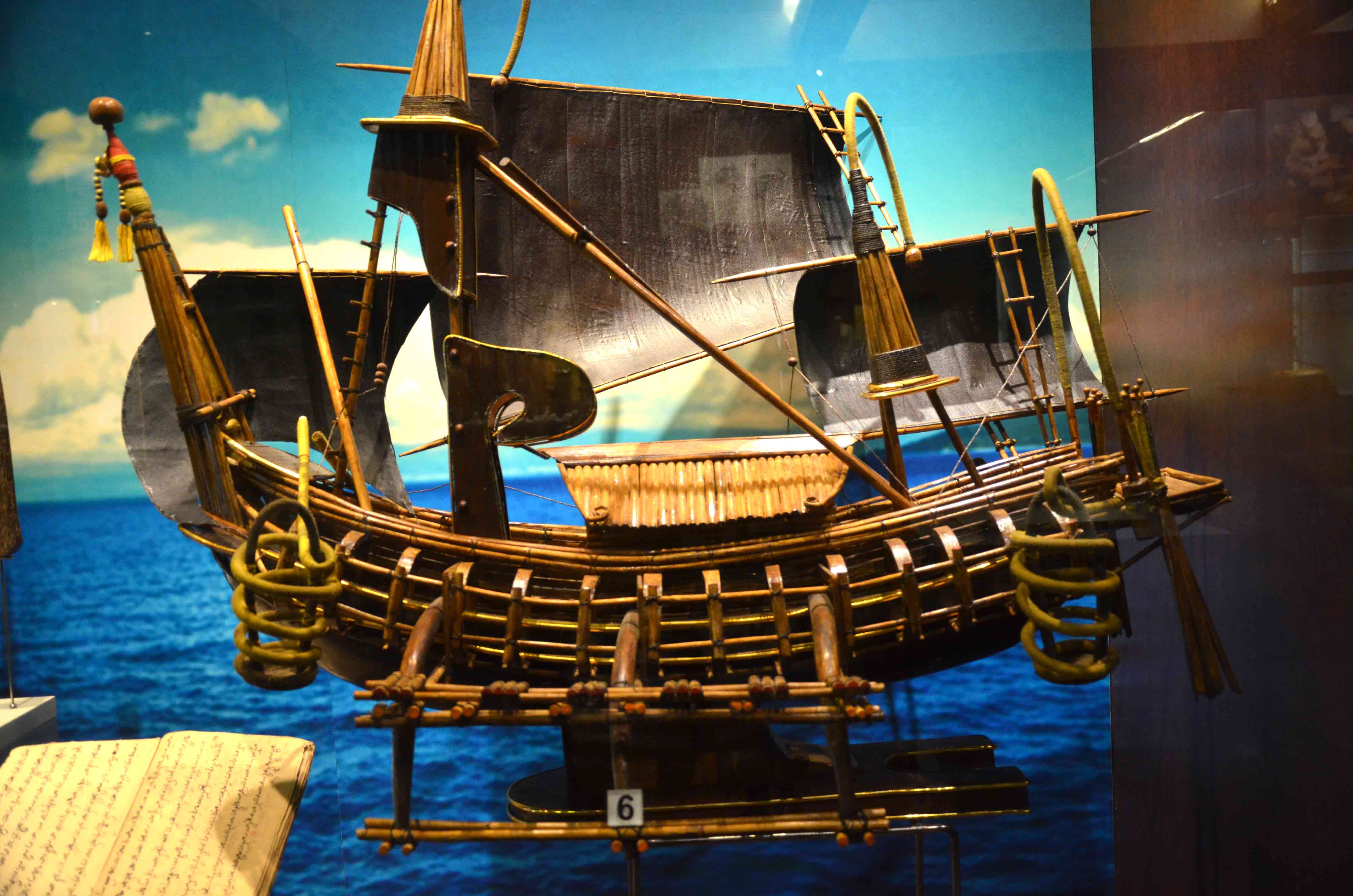
The grandeur of some early kingdoms is evident in the monuments they left behind. Among these are Candi Borobodur, a 9th-century Buddhist temple in Central Java, the world’s largest Buddhist temple; and Candi Prambanan, the largest temple complex dedicated to the Hindu Trimurti, (Brahma, Vishnu, Shiva) also in Java, built in the 10th century.
Melaka Sultanate, a later Malay Kingdom, was a celebrated Malay empire. Melaka was founded around 1400 by Parameswara, a prince who fled from Sumatra and established a port in the Straits of Malacca, which attracted trading ships from China, India and Arabia. It was a popular port as it was well administered by the Bendahara, Shahbandar, Laksmana and Temenggong. At around this time, the Ming Emperor was sending out fleets to expand trade. Admiral Zheng He called at the port of Melaka on each of his seven voyages. In exchange for regular tribute, the Ming emperor offered Melaka protection from the constant threat of Siamese and Javanese attacks. The court of Melaka gave prestige to the Malay language and the language became the lingua franca of the region.
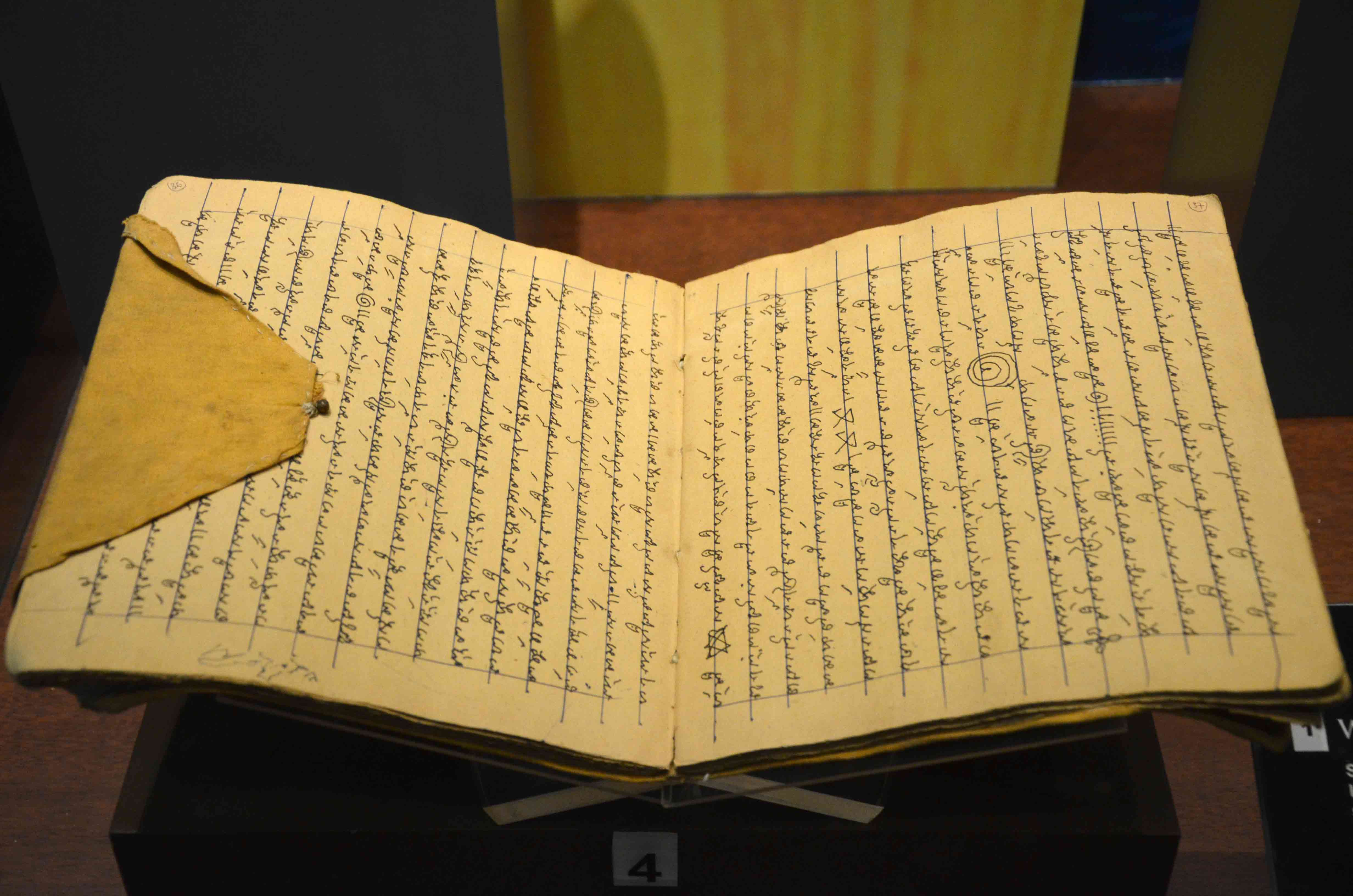
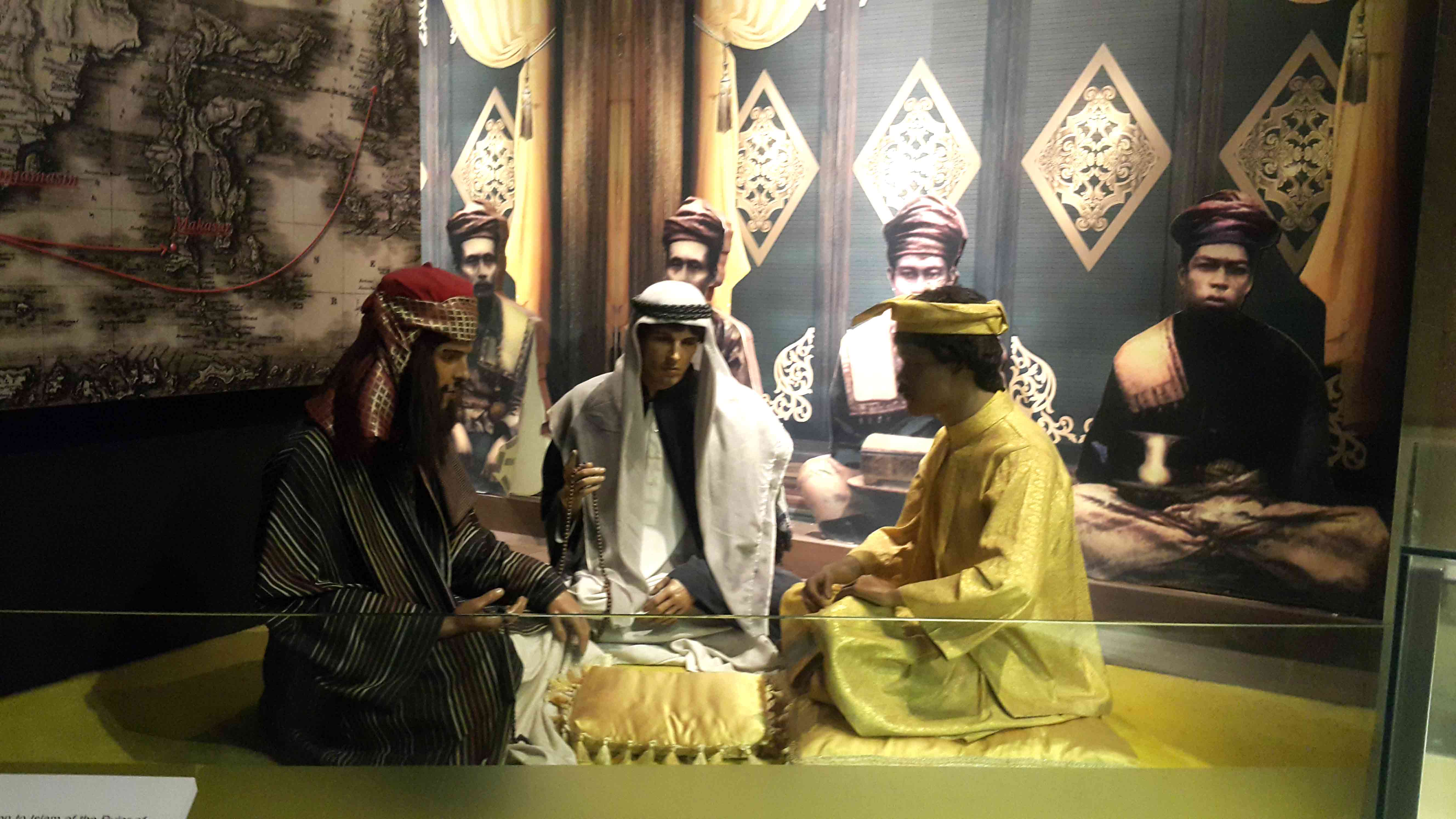
By the late 15th century, Islam became integrated in the daily life of the people in Melaka. The palace, mosques and religious schools became centres for the study of Islam. The Jawi script became widely used in the Malay Archipelago. Melaka’s growing commercial and political influence helped spread Islam to Melaka’s dependent territories. The Melaka kingdom lasted little more than a century, but during this time it became the established centre of Malay culture and identity, and of Islam.
Brunei existed as early as the 6th/7th century; its power waxed and waned throughout the centuries. Once subjected by Java, it later became a vassal of Majapahit. Brunei was an independent kingdom from the 15th to the 17th century, reaching its height of power under its 6th Sultan, Sultan Bolkiah (1485 – 1524), when its domains included Sulu and southern Philippines.
When Melaka fell in 1511, traders who formerly traded in Melaka turned to Brunei, resulting in it becoming more prosperous. Brunei had influence over Sulu until the arrival of the Spanish in the 16th century. Brunei’s power began to decline in the 18th century and it lost a great deal of its territory – North Borneo and Sarawak – due to internal power struggles and foreign intervention, especially by the British.
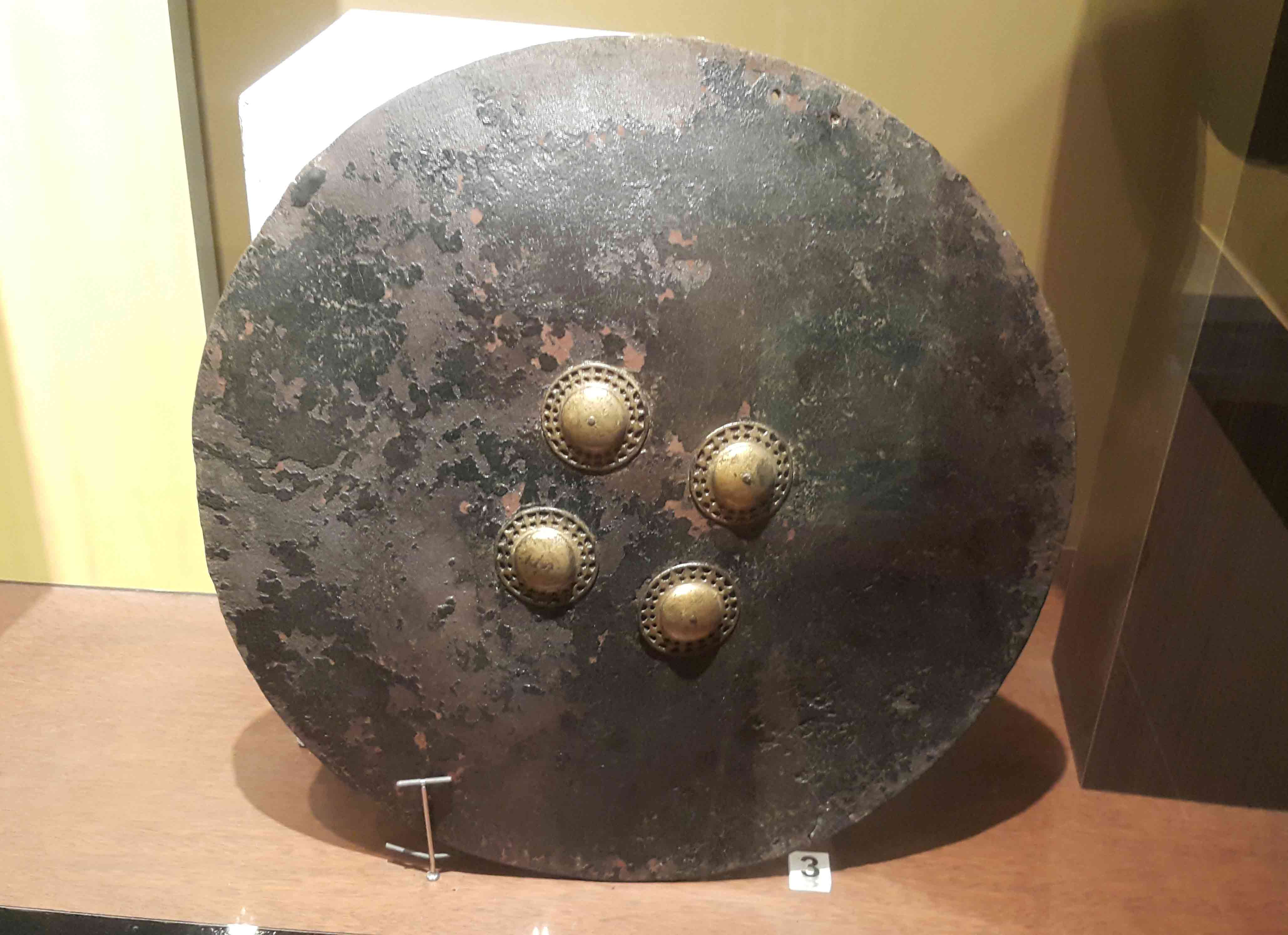
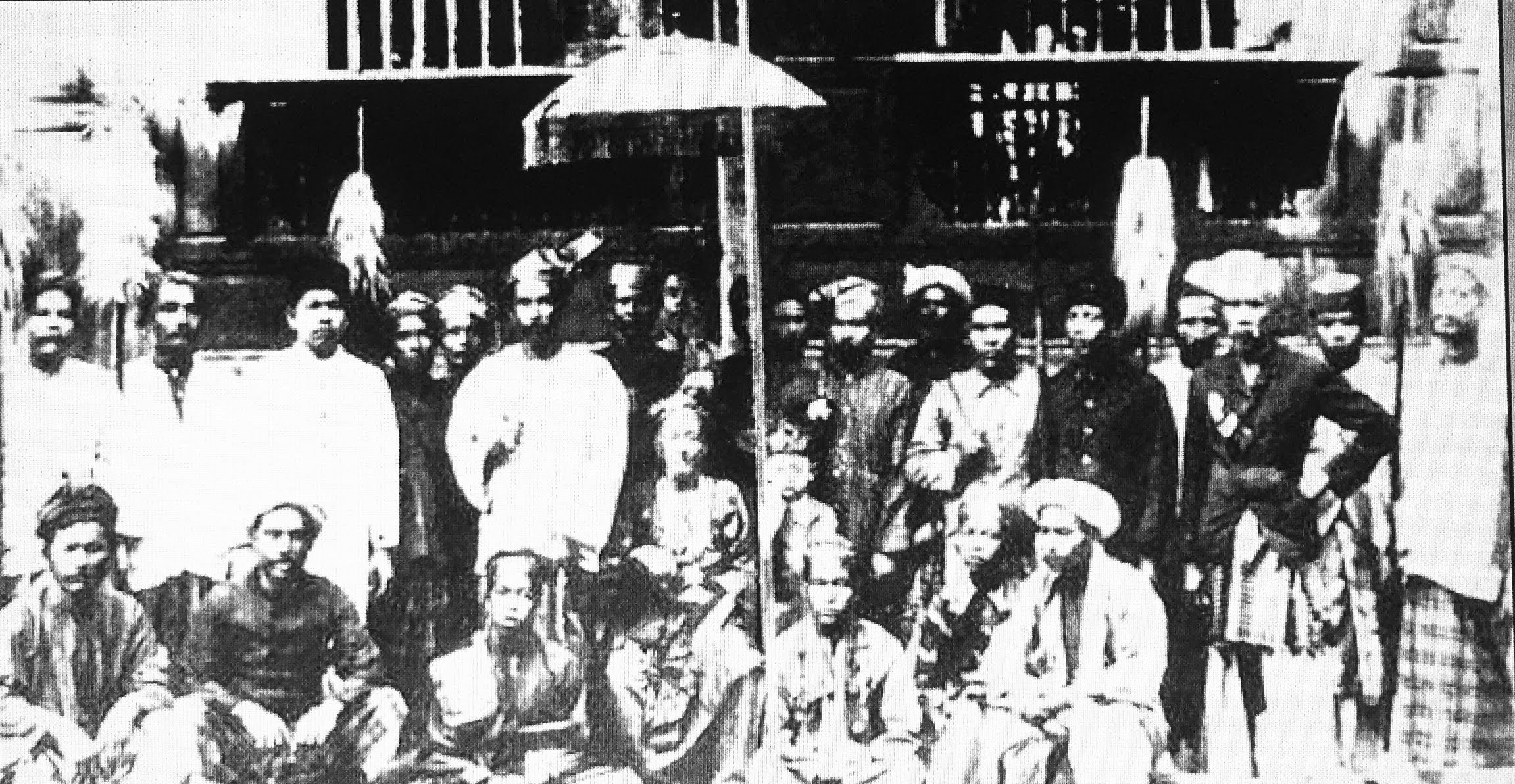
Setul Mambang Segara, was among the last of the kingdoms in the Malay peninsula. It was a traditional Malay kingdom founded in the northern coast in 1808 because of the partition between the rulers of the Royal House of Kedah. It was governed by the Malay Sultanate of Kedah from 1843 until 1909 when it was ceded to Thailand. The sovereignty of the kingdom ended in 1916, following the dissolution by the Siamese government. The state border was inherited by Satun, the successive province.
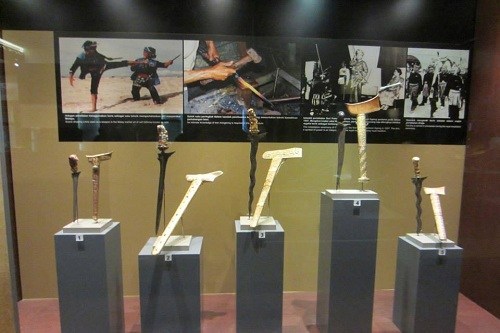
In this third millennium, the sovereign nations of archipelago South East Asia are the beneficiaries of the Malay kingdoms. The cultural blending of the different beliefs and practices of the Malay World has created a cultural compromise. The traditions that were brought into contact throughout the years of co-existence and assimilation have resulted in a common heritage which we see in the Kris, Wayang Kulit , Tepak Sireh, Batik –Sarong, among others. These are the shared heritage of the region, so should the people fight over their origins and ownership?
Evolution of Demographic Composition
The demographic composition of Malaysia is represented by the multiple ethnic groups that exist in the country as a result of the migration and intermingling of the people in the archipelago through the past two millennia.
In the first, there was significant migration from Sumatra and movement from outside, in the form of Indian and Arab traders, many of whom intermarried and settled along the west coast.
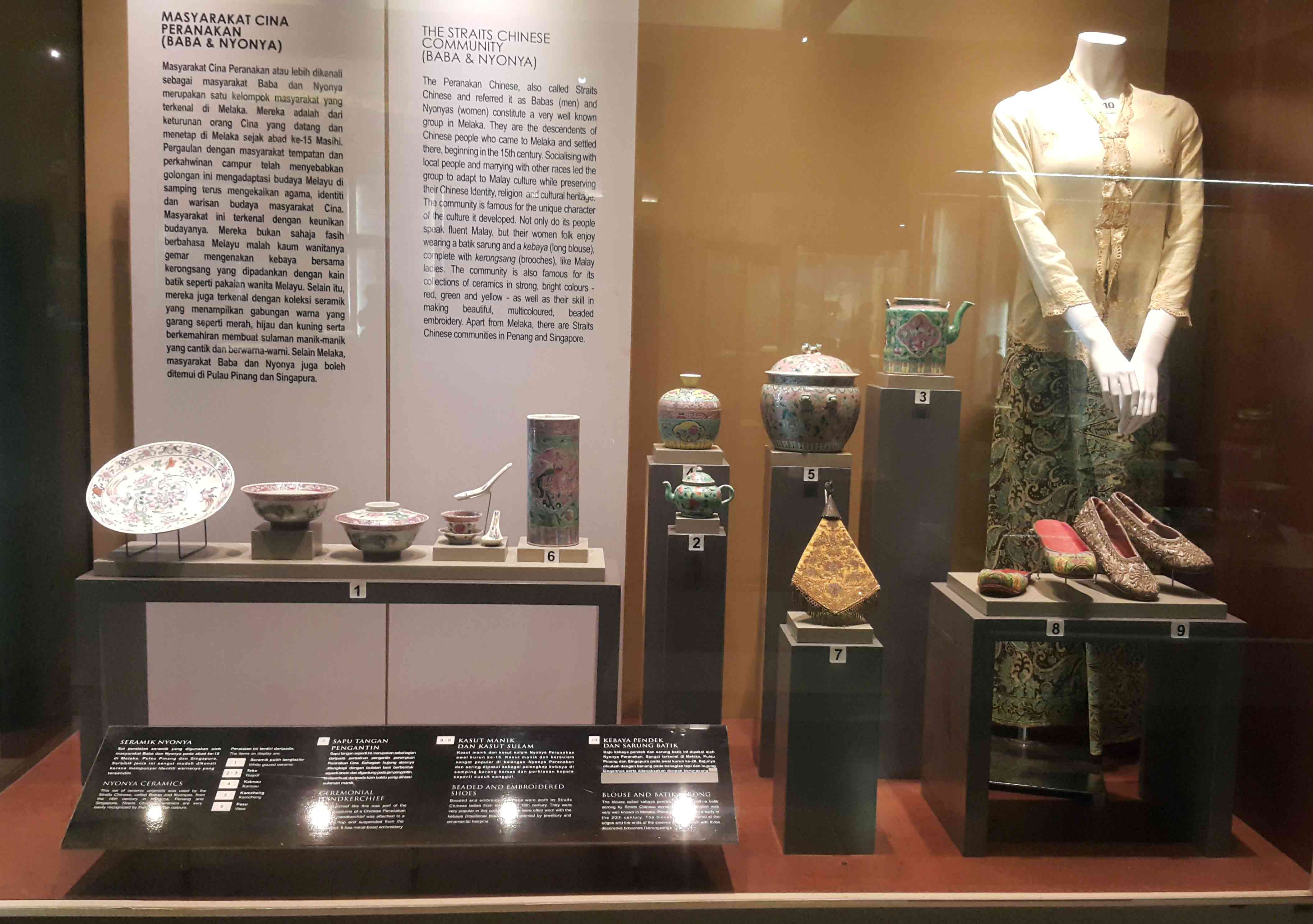
The second millennium saw further migration of Malays to the peninsula from central Sumatra and the eastern archipelago. Muslim and Indian traders from India, the Arabs, Persians and Chinese, European missionaries, the Portuguese and Dutch of the colonial years, some of whom inevitably married local women, have all left their mark in the country. Indian Muslims, Baba-Nyonya, Chitties and Kristangs, Dutch and European Eurasians and Jawi Pekan have added to the demographic composition of multi-racial Malaysia.
References
Videos: My South East Asia with Dr Farish
Book: Didier Millet Editions ̈Noor, Farish A: What Your Teacher Didn’t Tell You, (2009)
Book: Crossroads (1st Edition): A popular history of Malaysia & Singapore by Jim Baker
Book: The Encyclopaedia of Malaysia: Volume 4 Early History (1998);
Article: GLIMPSES INTO THE HISTORY OF MALAYSIA, New Nation, 22 February 1973, Page 8
Article: ASEAN Youth Organization – Malaysia 14 September 2015
 Museum Volunteers, JMM