M is for Mulu National Park

by V. Jegatheesan

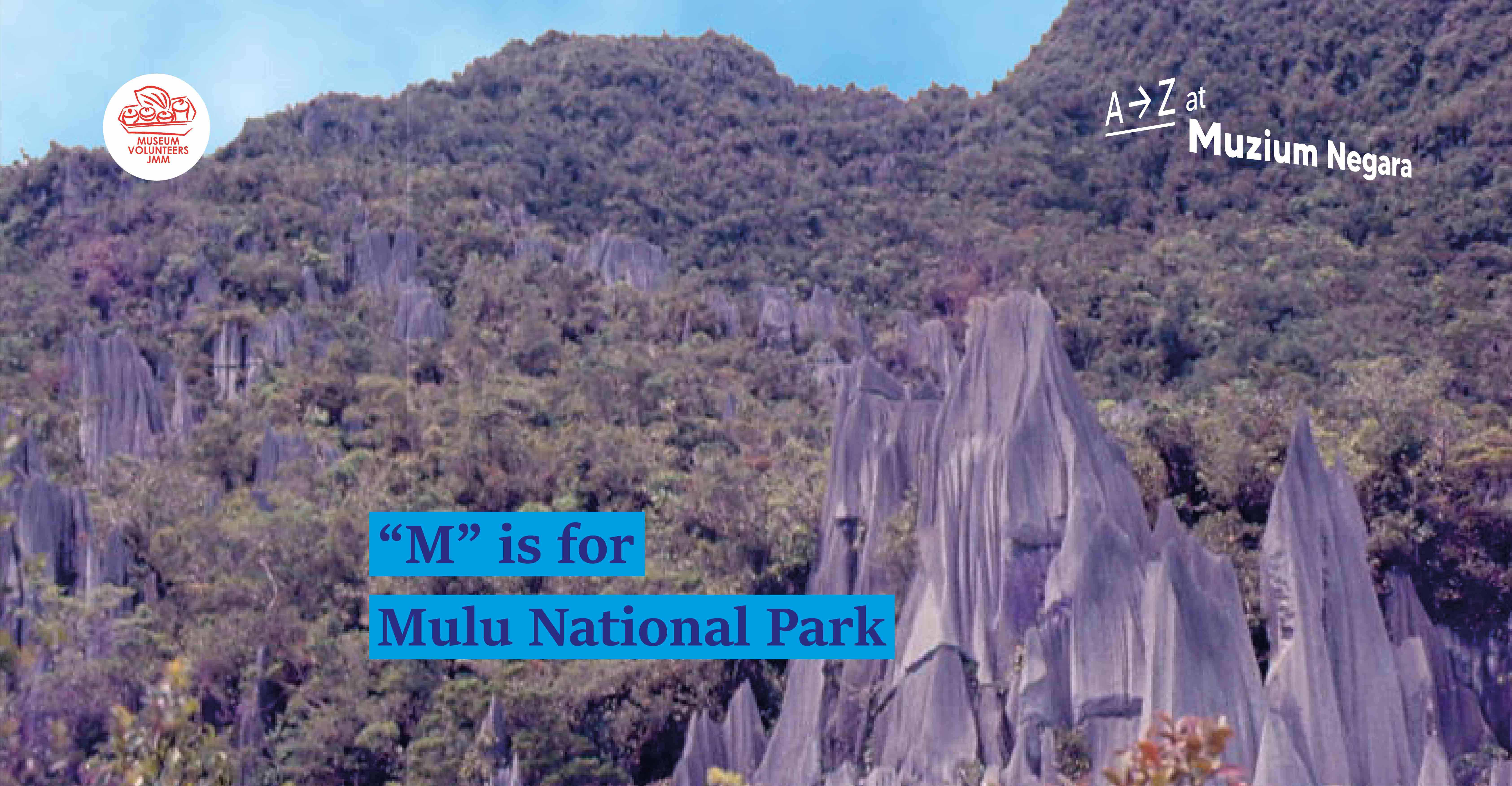
Toward the end of Gallery D is an information board indicating the UNESCO Heritage Sites in Malaysia. One of the sites listed is Gunung Mulu National Park. The accompanying description states that it was gazetted in 2000. Situated in the north of Sarawak, it is 528 sq. km. with 17 vegetation zones and 3,500 types of plants. The 109 palm species alone are within 20 main genus. Gunung Mulu itself is a 2,377-metre sandstone pinnacle. Virgin rainforests cover an extensive network of caves and underground rivers, as well as a limestone pinnacles. However, the most attractive features of interest to an average traveller are the caves and the pinnacles.
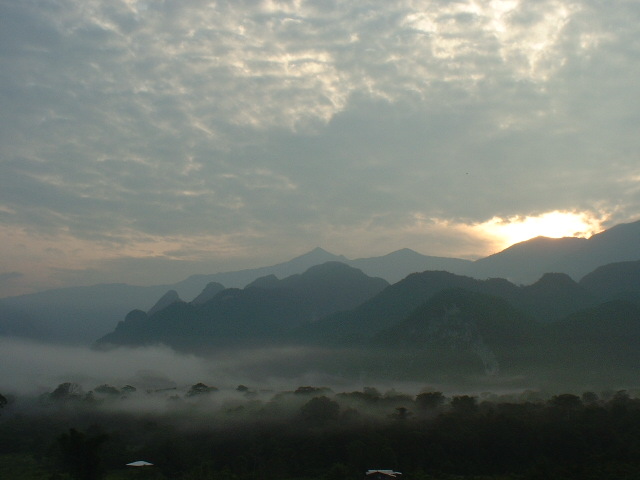
Gunung Mulu National Park in 2004. Image credit: Juanita, CC BY-SA 3.0, via Wikimedia Commons

Gunung Mulu was first referenced in 1858 by Spenser St. John, the British Consul in Brunei. However, it was only in 1932 that it was finally ‘conquered’ by Edward Shackleton in an Oxford University Expedition. The Sarawak Government gazetted Gunung Mulu and the surrounding areas as a national park in 1974. The first formal study was conducted in 1978, when the Royal Geographic Society started a scientific expedition. Over the course of the next 15 months, some 50kms of caves were discovered, among which were the Deer, Clearwater, Wonder and the Prediction caves. Beginning in 1980, another expedition discovered the Sarawak Chamber. The Clearwater Cave passage, at 102kms, is believed to be one of the largest interconnected cave systems in the world. Over the years, more passages and connections between the caves were discovered over a wider area. In 1984, the Gunung Mulu National Park was declared an ASEAN Heritage Park. Expeditions are still continuing with fascinating discoveries of caves and passages, as well as underground pools, and an immense variety of flora and fauna.
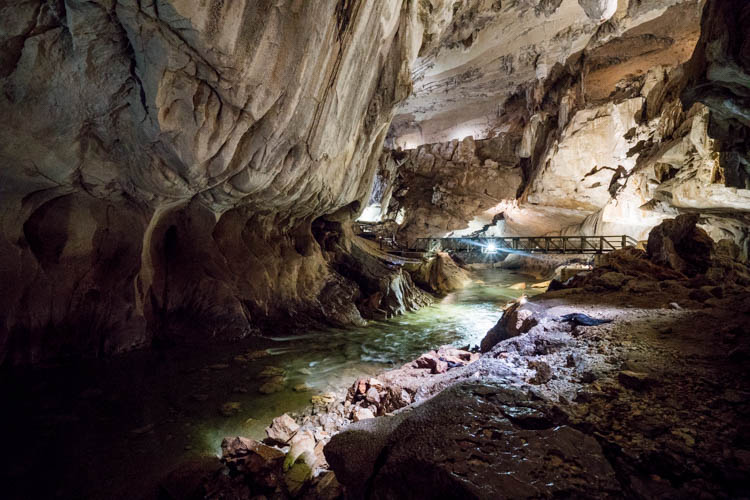
Interior of Clearwater Cave. Image Credit: Sunrise Odyssey from Singapore, CC BY-SA 2.5, via Wikimedia Commons

In 1985, the park was opened to the public and managed by staff located at the park headquarters. Initially, one had to fly to Miri. Then downgrade from the B737 to a Twin Otter to fly to Marudi. From there, it was a daylong journey starting in a river ferry followed by a cramped long boat to the Benarat Inn, which was the only accommodation available for a long time. Over the years, as more tourists became interested in Mulu, one could fly directly to Mulu from Miri and other airports, unfortunately, taking away some of the fun. Early trips to caves were by an engine-driven long boat up to a point after which there was a long trek to the cave entrances. There are more resorts now and the boats are better. Tours are packaged and include not just the caves but also overnight stays in a longhouse and a tough climb to the Pinnacles. But for the more adventurous spelunkers, as those who specialise in cave exploration are called, there are special trips to places where no ordinary person would go. This needs guts.
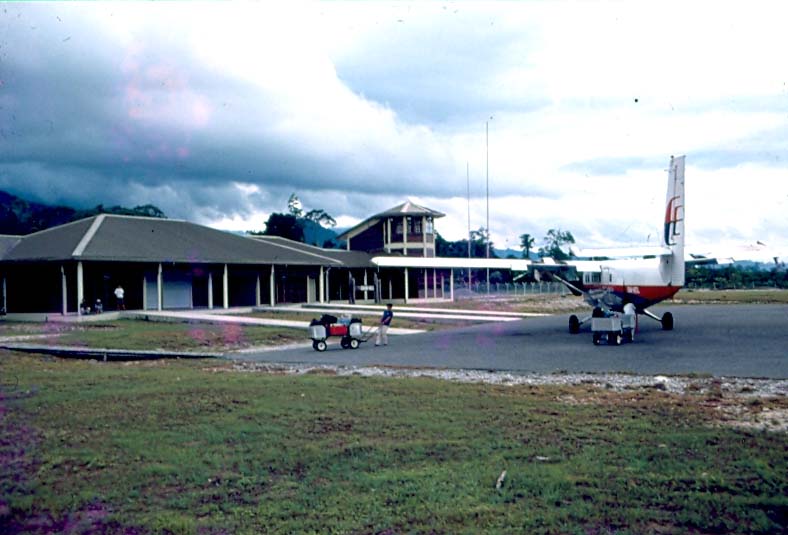
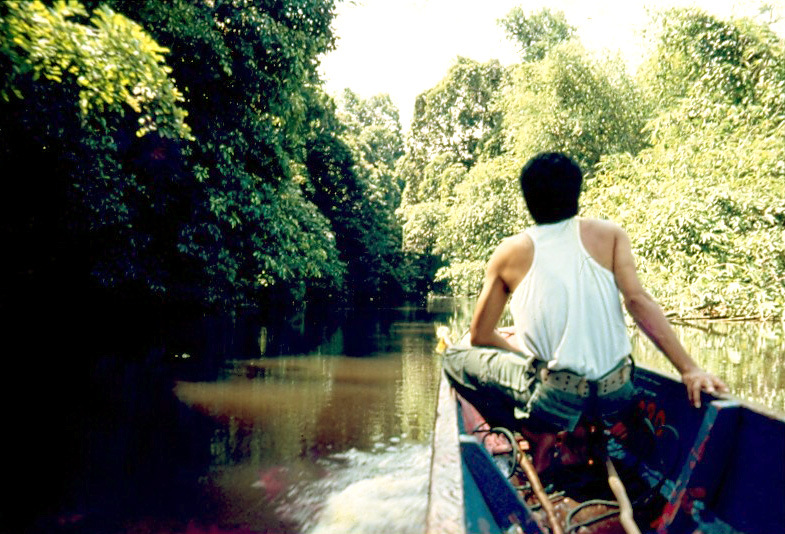
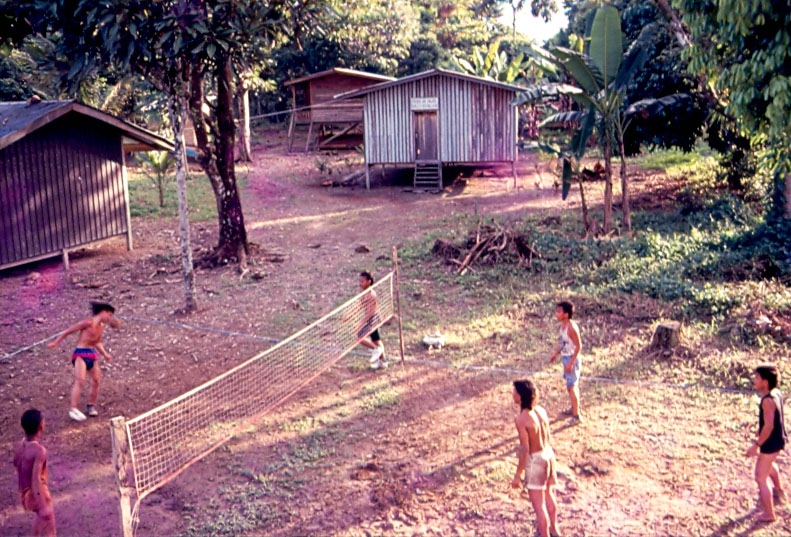
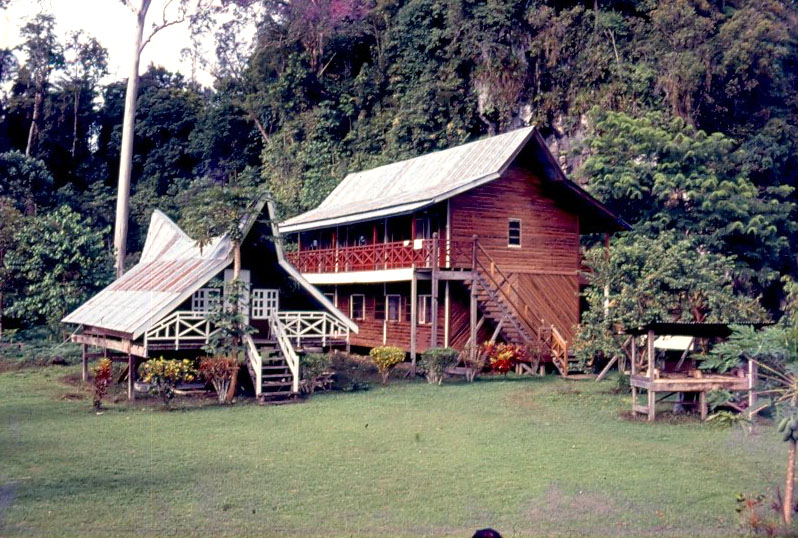
Photos from the author’s trip to Gunung Mulu National Park in 1993. Clockwise from top left: Mulu Airport in 1993 with a Twin Otter plane in the foreground; on a long boat on the serene river; arriving at the Benarat Inn jetty; Benarat Inn; local village life. Credit for all images: V. Jegatheesan

The caves are usually wide and some lead to caverns. Bats of various species inhabit the caves; the ground and rocks have years of bat dung deposits. Initially, one walked along the natural ground, but now there are well-lit wooden walkways. The Deer Cave is popular as while in it and looking out at the wide entrance, the rocky side appears to be a profile of Abraham Lincoln. The Sarawak Chamber is a gigantic cavern. It measures 600 metres long, 435 metres wide and a maximum of 115 metres high making it the largest cave in the world by area. Guides impress visitors with the fact that eight B747 Jumbo jets can be arranged in it end to end.
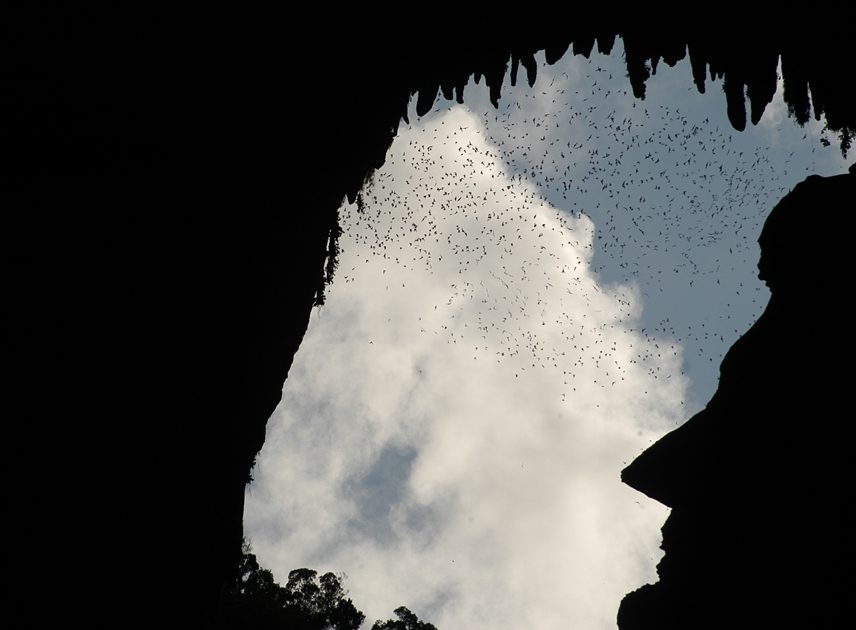
The ‘Abraham Lincoln profile’ observed when looking out from Deer Cave’s entrance. Bats can be seen flying in the background. Image credit: Sarawak Tourism Board

Every evening at about 6pm, bats will fly out of the caves for their nightly foraging. The Deer Cave is the most popular for viewing this scene. This simple statement does not come anywhere near the actual sight. Unknown numbers, hundreds of thousands, some say millions, fly out in a continuous stream for an hour at least. It seems they have groups, as one large cloud of bats will fly out, hover and when a group is formed fly off. It is as though they have a predetermined formation.
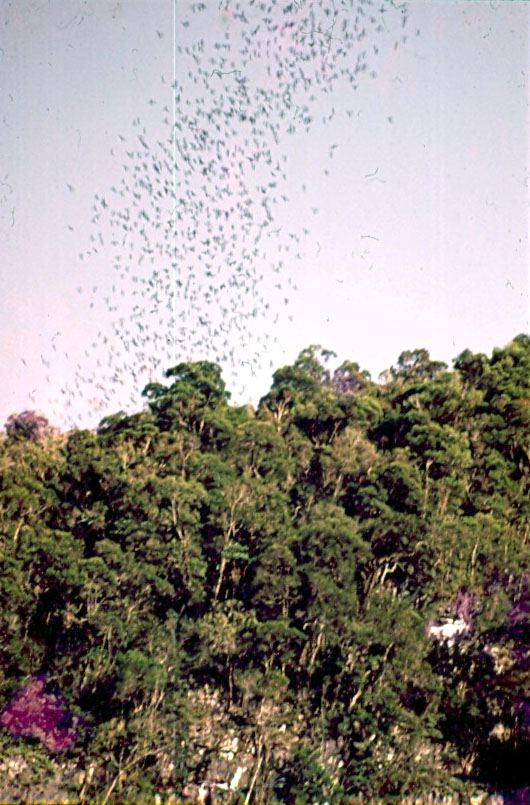
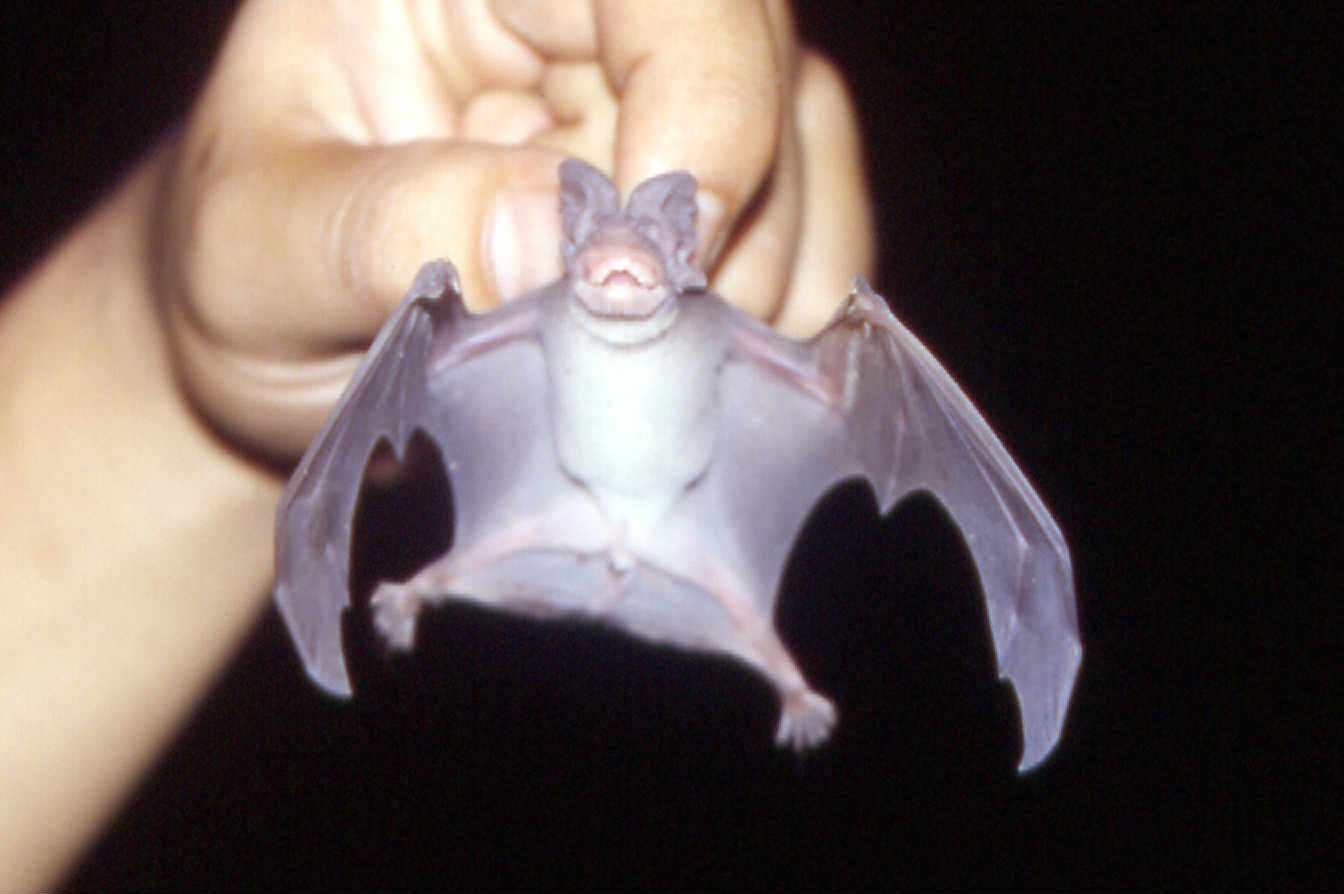
left: Bats flying out of Deer Cave (1993). Image credit: V. Jegatheesan. right: A bat from Deer Cave (1996). Image credit: Slimguy, CC BY-SA 4.0, via Wikimedia Commons

Going to the Pinnacles is a journey in itself. From the resorts, one starts on a riverboat trip, then on average a three-hour walk to a campsite. The next day’s climb up a pinnacle is a continuous steep climb, then a clamber and finally a crawl. However, when one reaches the top, the view of massive pinnacles on the hillsides, stretched out like cathedrals, is well worth the effort. After absorbing the view and having a packed lunch, it is back to camp. The return trek and boat trip is done the third day.
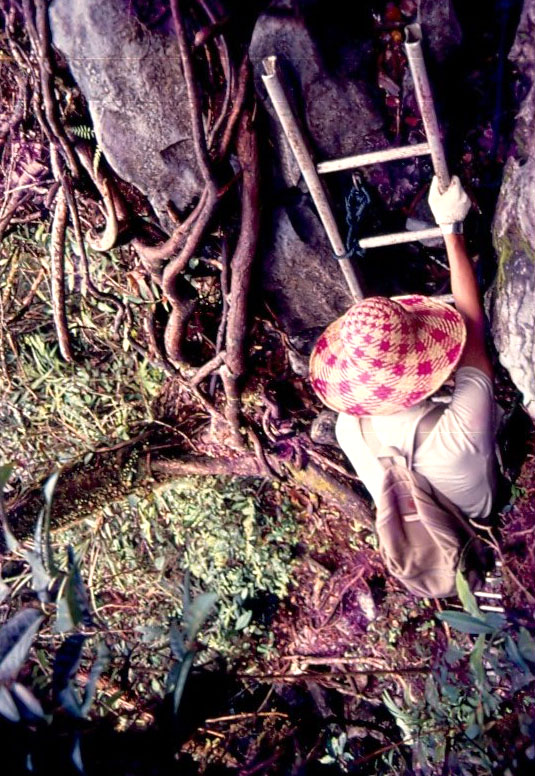
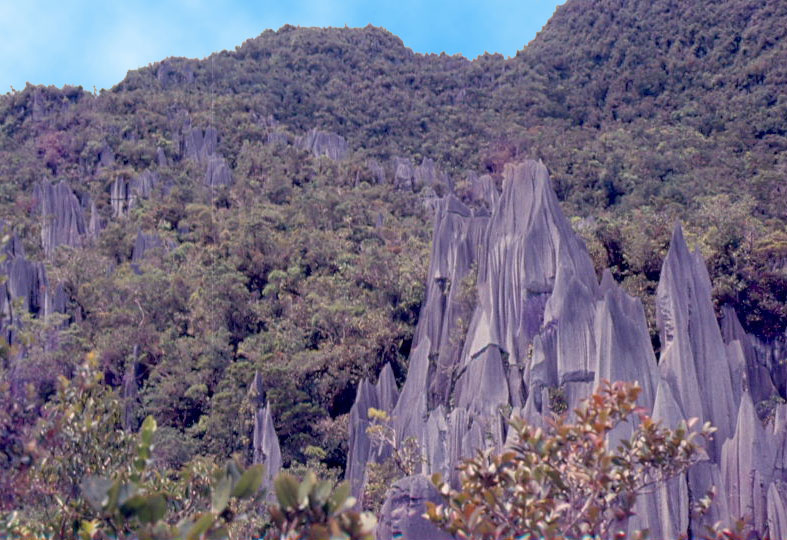
left: Steep ascent to the Pinnacles. right: Pinnacles in 1993. Credit for images: V. Jegatheesan

Despite a large tourist flow in certain caves and rivers, the National Park is preserved in its pristine form. It is continuously under study with the deeper caves and caverns not accessible to the public. It is certainly worth a trip.

In this Series

Click HERE for a list of articles in the ‘A-Z at Muzium Negara’ series.
L is for Longquan

by Karen Loh

Image credit: Dennis Ong

The Longquan Shipwreck c1400

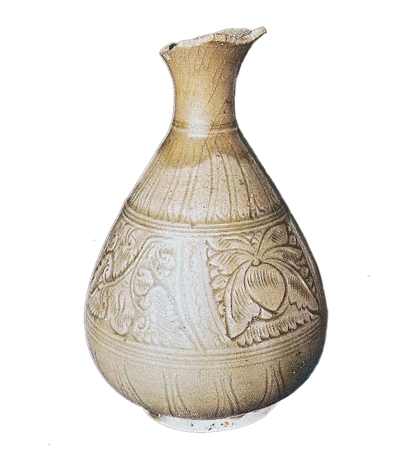
Celadon bottle vase from Sisatchanalai with elaborate lotus blossoms incised around the body, recovered from the Longquan Shipwreck. Image credit: Sten Sjostrand

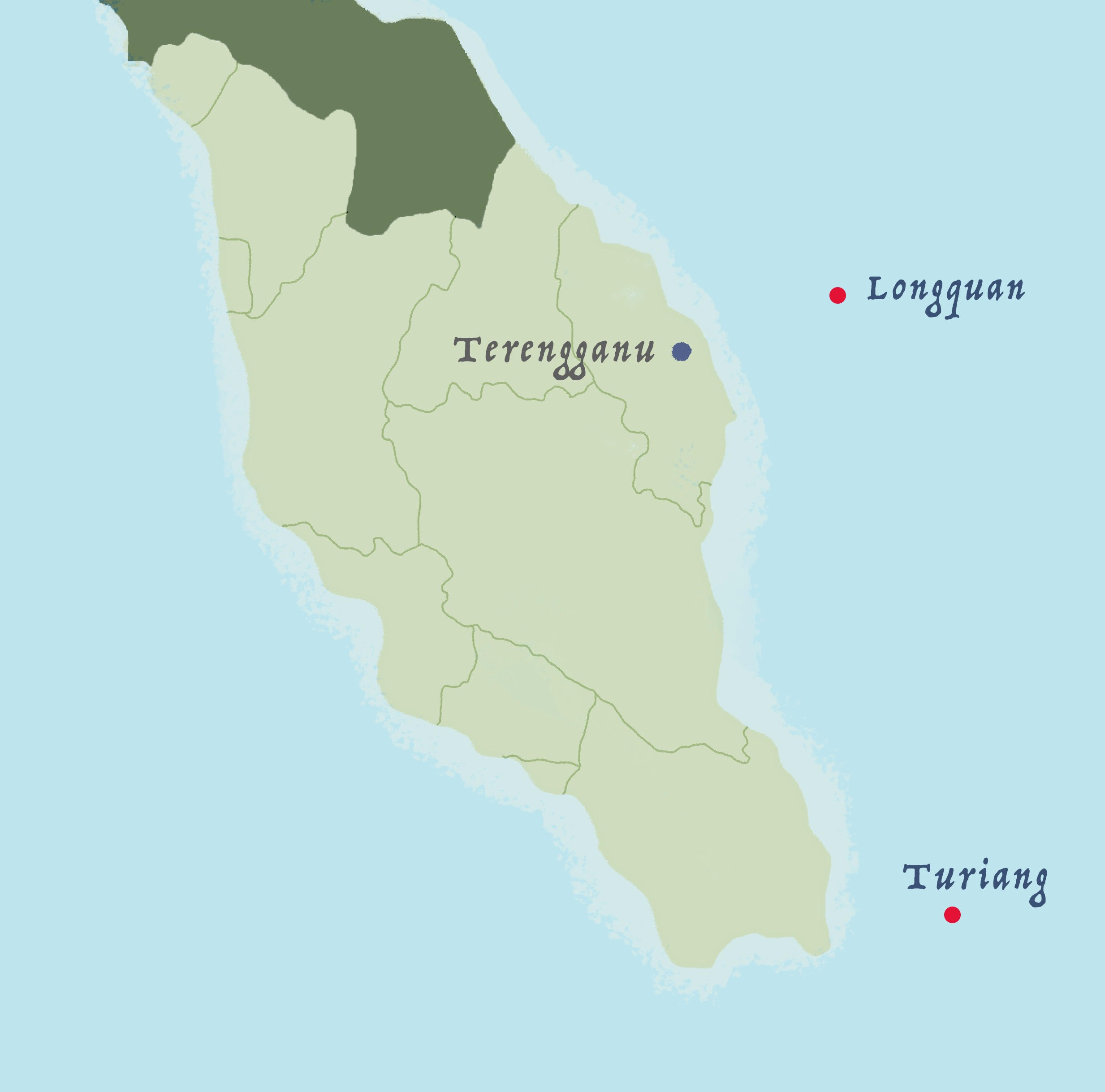
Not to be confused with the kilns in Longquan, China, some of the celadon pieces exhibited here at the Shipwreck vitrine in Gallery B were recovered from the Longquan Shipwreck. It was naval architect, historical shipwreck explorer, and salvor, Sten Sjostrand, who discovered this shipwreck in 1996, about 23 nautical miles off the coast of Terengganu. He had just begun searching a new line along the seabed when the wreck first appeared as a big, black image on his side scan sonar printer. Following that, the next step was to send divers down to investigate this black image. In Sjostrand’s own words, “The first dive revealed an enormous ceramic mound rising 1.80 metres above the seabed. It was thirty metres long and eight metres wide. We had never seen, or even heard about so much pottery being found in one place before. The volume of the mound suggested more than 100,000 antique pieces.”

Location of the Longquan Shipwreck site (23 nautical miles off the coast of Terengganu). Image credit: Kayla Lee

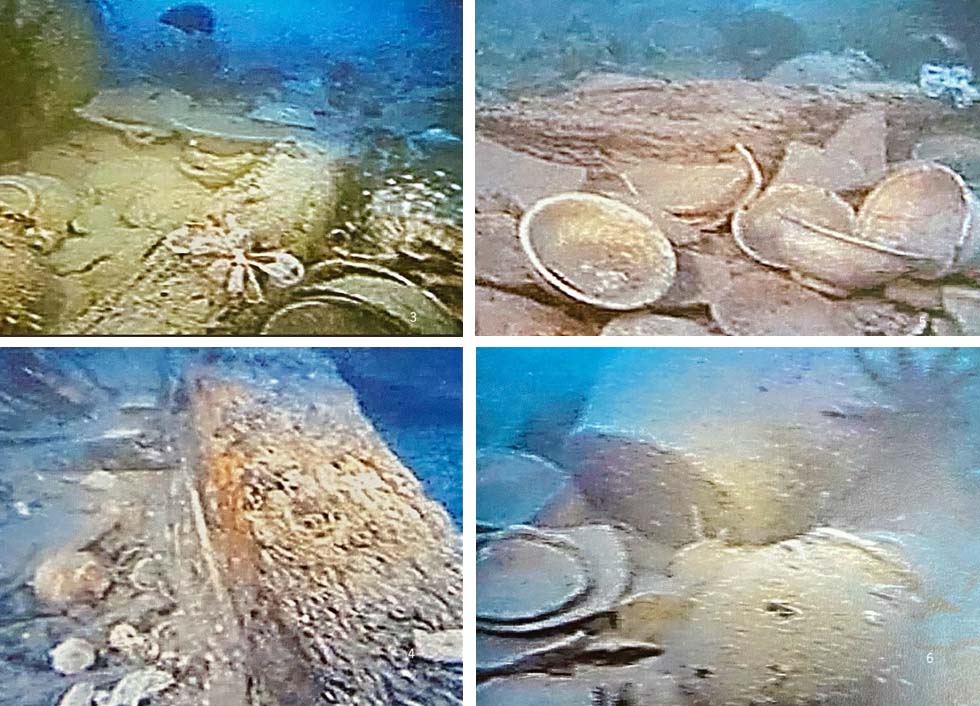
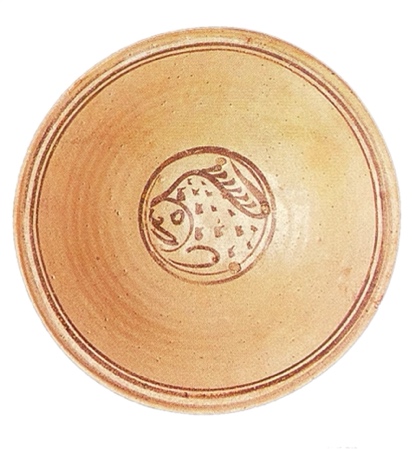
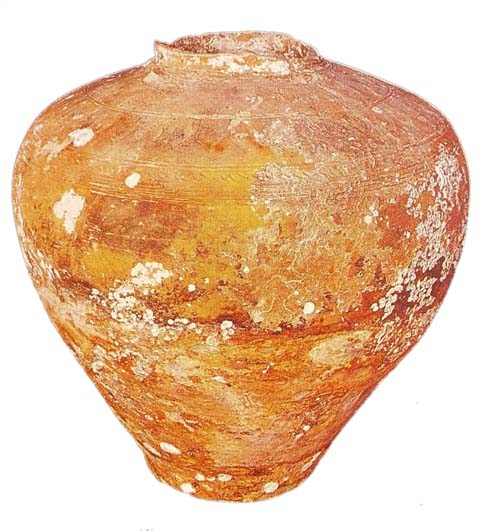
A surface sample of the ceramics was collected, which revealed that it was most probably a merchant ship carrying a large assortment of pottery consisting of Chinese celadon from the Longquan kilns, white-glazed bowls from southern China, Sisatchanalai celadon, fish and flower black underglaze plates fromSukhotai and Thai Suphanburi storage jars. In terms of cargo ratio, it was estimated to be 40% Chinese, 40% celadon from Sisatchanalai and 20% underglaze ware from Sukhotai. Due to the presence of Chinese Longquan celadon ceramics in the sample survey, it was decided that the site would be named Longquan, in honour of the Longquan kilns in China. As the Chinese celadon on board were dated to early Ming and judging from the style of the Sukhotai pieces, it was concluded that the ship dated to c1400 CE.

Photos taken during the initial surface investigation on the Longquan Shipwreck site. Image credit: Sten Sjostrand (from the book Mysteries of Malaysian Shipwrecks, 2006)

The Longquan shipwreck lies at a depth of 63 metres (equivalent to the height of an 18-storey building), which is very dangerous dive, even for professional divers. The Professional Association of Diving Instructors, popularly known as PADI, does not recommend diving beyond 40 metres for advanced recreational divers. Understandably, there are many dangers of deep diving, which include decompression sickness (DCS or better known as the bends, which all divers fear), nitrogen narcosis (which has an intoxicating effect), and running out of air (which can be fatal) either caused by faulty equipment or encountering underwater obstacles. As for the ship, it was of a South China Sea design, built from tropical hardwood, complete with transverse compartments separated by bulkheads and joined by the use of wooden dowels. The wreck was relatively intact, and according to Sjostrand, had a “few side boards, which had never been seen before”.

The Longquan was carrying more than 100,000 pieces of pottery, which was considered a very large amount those days. For comparison, this ship was carrying at least 15 times more pottery than the Turiang Shipwreck. Sjostrand discovered the Turiang shipwreck, which dates to c1370, in 1998. Unlike the Longquan, the Turiang was a Chinese-built vessel. The pottery mix carried was also slightly different. She was carrying celadon, green-glazed, and brown-glazed ware from China, Thai pottery from Sukhotai (especially fish plates) and Sisatchanalai, but unlike the Longquan, also had black underglaze Vietnamese ware on-board. Furthermore, unlike the Longquan wreck, the Turiang has been fully excavated.

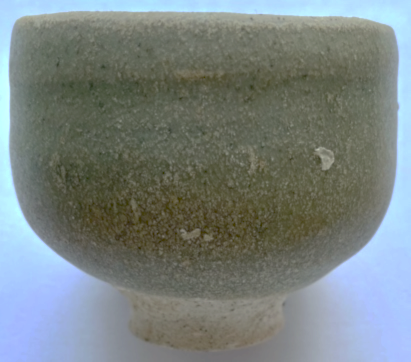
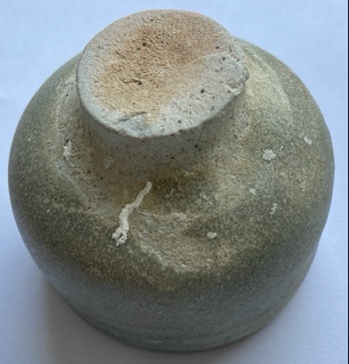
Sisatchanalai celadon cup from the Longquan Shipwreck; side and bottom view. Image credit: Karen Loh

After the initial survey, the shipwreck site was left alone. Plans were being made to excavate the shipwreck properly with safety of the divers in mind. In Sjostrand’s own words again, “I had been looking forward to unravelling the secrets of this mighty ship and had spent a lot of time devising a way to fully excavate her in shallower water as there are few divers who could work safely at the depth, she was lying in. The plan was to build an ‘A’ frame with some jackets underneath, then to pull steel sheets under the wreck and tie wires to the lifting frame – like a cradle. Then the cradle containing the whole ship would be lifted and placed in a specially prepared trench in three metres of water off Pulau Tioman.” The frame, once lifted could have been a working platform for a maritime team and maybe a tourist observation deck as well, built around the wreck frame.

Unfortunately, these plans were not to be. In April 2001, Sjostrand went to check on the Longquan wreck site and, to his horror, found that the mound of pottery had been levelled, smashed, and broken. He estimated that only 10,000 out of the 100,000 pieces were left! So, what happened to this shipwreck site? Sjostrand soon found the answer. Fishing trawlers had been seen at the site, trawling the seabed with their nets with little regard for the pottery they picked up, damaged or moved. The mound of pottery would no doubt have been trawled on and flattened by their nets. That was more than twenty years ago. It is doubtful that the cargo is still there, which makes the few pieces we have on display in this gallery a limited edition.

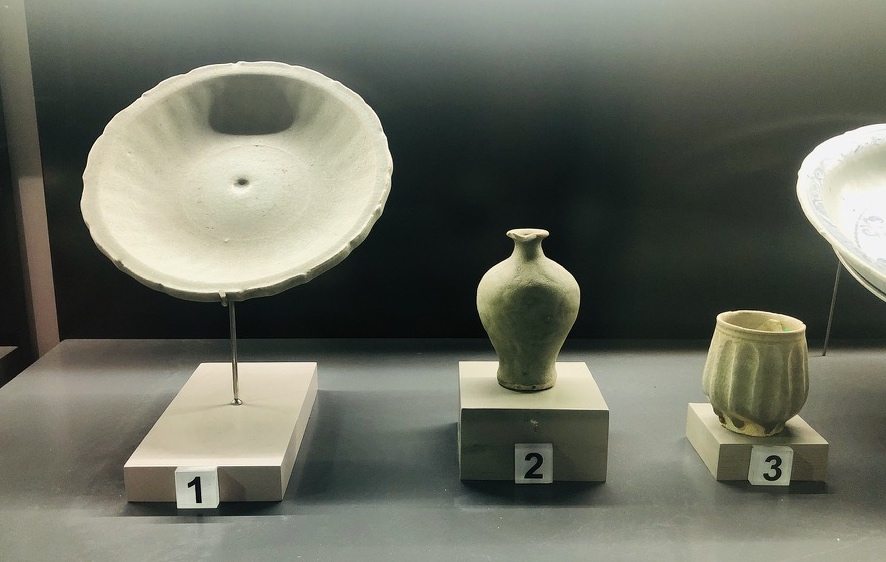
Longquan shipwreck recovered pieces on display at Gallery B: 1. Longquan Celadon dish 2. Longquan Celadon bottle 3. Sisatchanalai celadon cup. Image credit: Karen Loh

Why is Longquan Celadon famous?

Celadon or greenware from Longquan was much sought after and exported in large quantities to many countries during the Song Dynasty (1127-1279 CE). The celadon pottery made here was famous for its greenish or grayish blue glaze, which has a jade-like resemblance, and the surface was ‘as smooth and lustrous as jade’. Though the clay body was heavy and thick initially, it was perfected by the late Song period. By then, the kilns had succeeded in producing thinner bodies, maintaining its transparency and even incorporated glaze. Other similar tones such as pale green, bean green and plum green were equally popular. During the Song Dynasty, celadon pottery such as dishes, plates, vases, jars, and bowls with this jade-like glaze were very much in demand. Carved lotus, lotus petals, or stylized floral motifs on bowls, and fish and dragon motifs on dishes and plates were favoured and were the prevalent design choices at that time. So favoured were these pieces then, that even Japan and Korea emulated the style and shapes of pottery from Longquan.

Celadon production in Longquan County began during the fifth to sixth century with its production increasing rapidly and flourishing during the Northern Song period before reaching its prime during the Southern Song dynasty. Longquan County is situated in the Lishui prefecture, along the Lishui River in southwestern Zhejiang, in the south of China. The best-known Longquan celadons have been produced here at the Dayao and Jincun kilns. Longquan kilns have been recorded to have the longest history of celadon production in China with 400-500 kilns discovered by archaeologists since the 1950s. The emergence of Jingdezhen’s blue and white porcelain during the Yuan Dynasty (1279-1368 CE) saw declined demand for celadon pottery and hence its production.

left: Sukhotai underglaze black decorated fish plate; right: Suphanburi storage jar with stamped decoration on the shoulder; both recovered from the Longquan shipwreck. Image credit: Sten Sjostrand

References

Brown, Roxanna & Sjostrand, Sten. (2004). Maritime Archaeology and Shipwreck Ceramics in Malaysia. RECCEX.

Davis, Aran. Dangers of Commercial Diving and How to Stay Safe. Divers Institute of Technology http://www.diversinstitute.edu

Koh antique blog site, Late Southern Song/early Yuan (2nd quarter to end of 13th Century) Longquan wares. http://www.koh-antique.com/celadon/longquana.html

Sjostrand, Sten & Adi Haji Taha, & Samsol Sahar. (2006). Mysteries of Malaysian Shipwrecks. Pujangga Design & Communications, pp. 82-87.

Xu Naiqing, Wang Youbu & Wu Ying (editors). (2006). The Art of Chinese Ceramics. Long River Press, pp. 130-147.Becoming a Certified Scuba Diver faqs https://www.padi.com/help/scuba-certification-faq

In this Series

Click HERE for a list of articles in the ‘A-Z at Muzium Negara’ series.
Muzings 2021

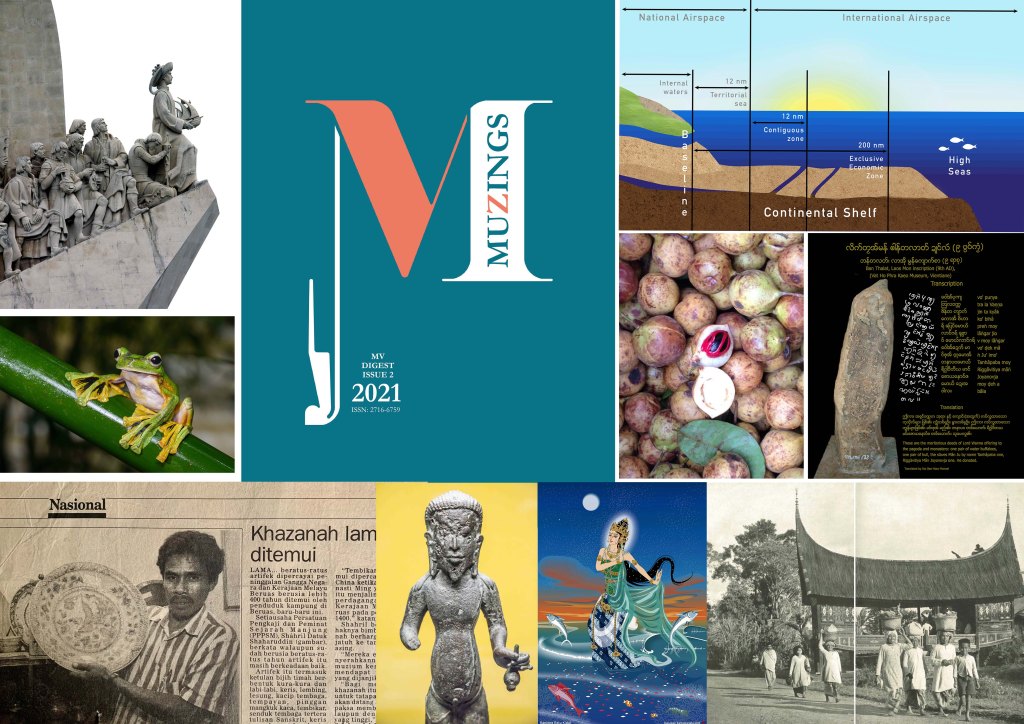
Our second issue of Muzings has been published! Print copies will be made available to all volunteers shortly; in the meantime, you can download a copy or read online. Muzings is our annual magazine containing short articles related to history, heritage and culture. The inaugural issue was published in 2020; all issues can be found here.

For this issue, our primary focus is on the Seas. In Muzings 2021, you will navigate Sundaland and peek behind Wallace’s Line. You meet the pirates cruising in the area and learn why the Law of the Sea is important in settling territorial disputes. The deep unknown always attracts legends, myths and fables; those found in Muzings 2021 will leave you enthralled. Be fascinated at how the Dutch, instead of rounding the Cape of Good Hope and sailing to India like the Portuguese, braved the Roaring Forties to reach the Sunda Straits. Two charming towns, Beruas and Fraser’s Hill, wait to be explored. Understand two symbols of Malay hospitality – rosewater sprinklers and tepak sirih. Delve into Portuguese shenanigans outside Melaka, a Terengganu Al-Quran, a Malay medicinal manuscript, ancient scripts and the adat perpatih of the Minangkabau. What is the connection between the Swatow bowl exhibited in Gallery B and the maritime Sultanate of Aceh and why are there Persian ceramics at Bujang Valley? These and many other interesting revelations await you in Muzings 2021.

Dragon (a novel by Rose Gan)

by Maganjeet Kaur

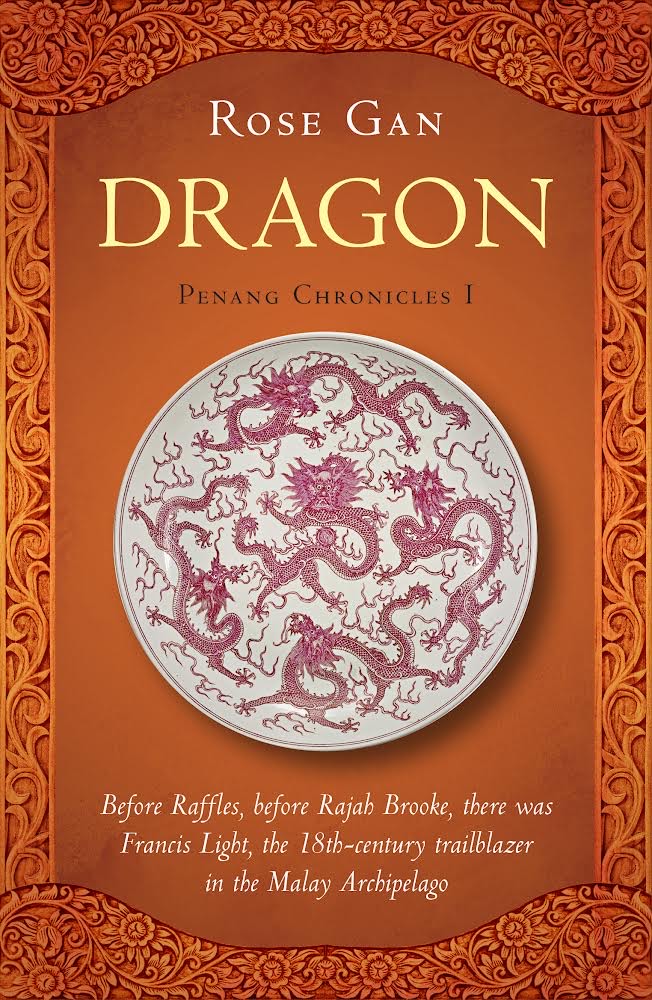
Francis Light is no stranger to us. We know him as a buccaneer and the founder of a British colony on Penang. But who was he really? Where did he come from? What drove him? These questions are explored in Rose Gan’s thrilling novel Dragon: Penang Chronicles 1. The book will be available at the local bookshops by the first week of November 2021 but it is possible to pre-order it online.

I have had the pleasure of reading an advance copy; as a historical novel, it satisfies both the need to have beauty of language in a book as well as the desire for historical information. Rose is adept at creating atmosphere – her description of places, people and events immerses the reader in the time-period in question and, thus, appreciate the story at a deeper level. The novel also fleshes out the many facets of Light’s personality allowing us to understand him better than through the two-dimensional character typically depicted in history books.

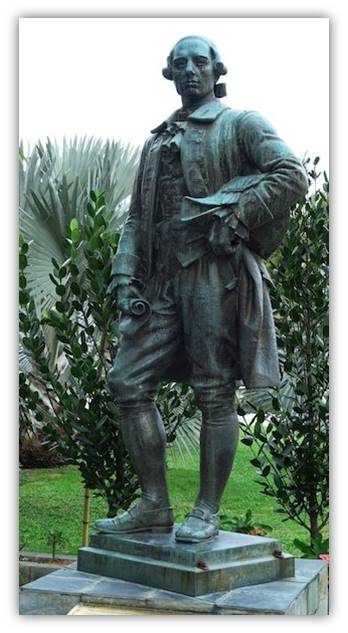
The story is so real and engrossing that one may forget this is a work of fiction. We must remember though that there is a lot unknown about Light especially of his early life. We don’t even know how he looks like – the statue at Fort Cornwallis is based on the likeliness of his son, William. Rose’s filling in the gaps based on the in-depth research she has undertaken seem very plausible. Overall, although the book is filled with facts, it is an easy and pleasant read.

Book Launch at Ubud Festival – 10 October, 6.30pm (GMT +8)

Rose will be sharing her journey writing the book on 10 October at the Ubud Festival (click here for details).

Her talk will be streamed live on Facebook, Instagram, and YouTube. Do tune in; you can interact with Rose at this time and ask any questions you may have. If you are not free on the 10th, the recording will remain available online at the links above.

I have written a short summary below if you want to understand the story before the talk (no spoilers, I promise).

The Story in short

The story opens in Suffolk, England, in 1740 with the impending birth of Light, conceived through an illicit love affair. The soon- to- be father sought help to place the unwanted child in adoptive care with the directive that the child be brought up as a gentleman (or a lady, if female). Thus, upon birth, the baby became the son of Mary Light, a young widow, with Sir William Negus as his guardian. Sir William, fond of the boy, provided him with a grammar school education as befitting a gentleman.

We first meet Francis Light at Seckford School in Woodbridge, Suffolk, and quickly come to realise that even at the tender age of fourteen, Light was no pushover; his careful planning and execution to extract revenge on a bullying schoolmate shows the single-minded deviousness with which he later grabbed Penang Island from the Sultan of Kedah. He was a poor student. Although obviously clever, he could not apply attention to the likes of Greek and Roman verbs or religious education. Hence, the principal of the school felt it better if he withdrew from school and focussed on learning a trade. However, he yearned to join the Royal Navy thinking he could, through hard work, climb up the ranks and, in time, command his own ship in spite of his lowly illegitimate status in life. A war could make this a reality.

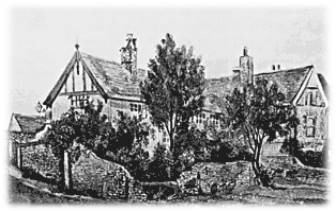
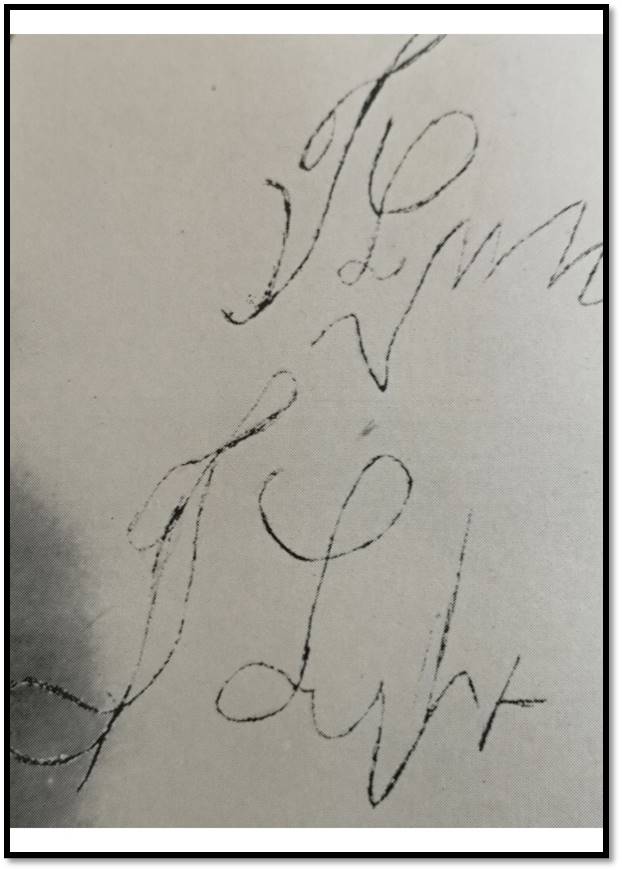
left: Seckford’s Free School, Woodbridge, a sketch by Thomas Churchyard  c. 1800; right: A small windowpane from the original school, later town library, etched with the names of Francis Light and James Lynn. It was donated to the Penang Museum. Rose has weaved the windowpane into the story in the scene where Light extracts revenge.

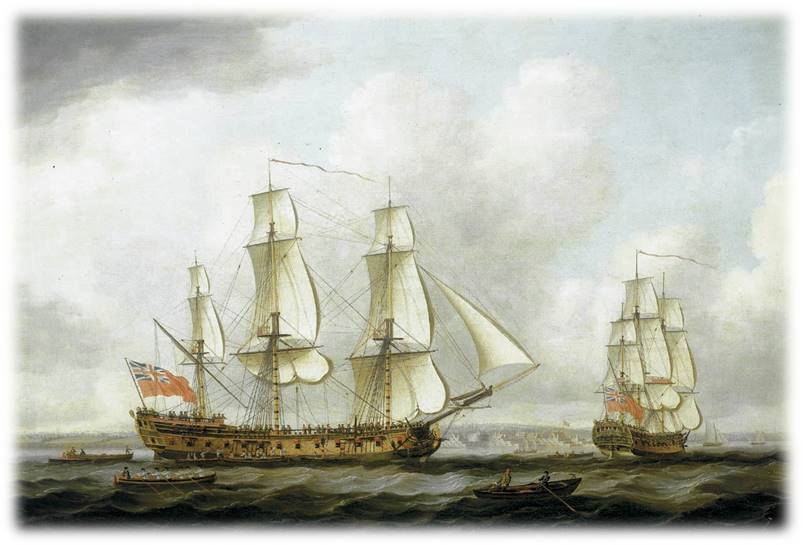
In October 1754, he joined the HMS Mars as a surgeon’s assistant. Although bitterly disappointed that he could not join at the rank of midshipman because of his low social status, he made the best of the situation and sought to learn quickly. Here, we catch a glimpse of life on board a warship and understand the importance of rank in eighteenth century British genteel society. We also see his character unfold further – he is observant, calculative, learns quickly and is a good judge of character. He is no fool and does not trust people easily. When the ship runs aground, Light’s singular act of bravery saves all the men on-board and earns him the friendship of Captain John Amherst, which would help his naval career over the next few years.

Example of an East Indiaman, c. 1770. This was a generic term for European ships headed to India.

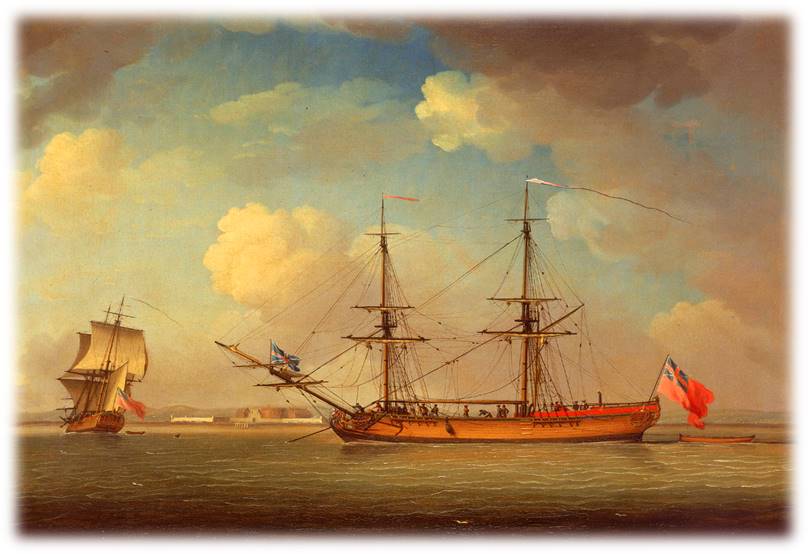
An appointment with Sir John Cleveland, the First Secretary to the Admiralty, put him in high hopes of getting his name on the List and entering the ranks of an Officer. He was to be disappointed. Then, a chance meeting with James Scott, a former shipmate on the Arrogant, got him thinking of a career path outside the navy. Scott had been offered a position with the East India Company (EIC), also known as the Honourable Company, and was due to sail out shortly. He suggested Light follow his lead as there was opportunity for making lots of money out East. Being illegitimate, however, his application to the EIC was rejected and, so, he went to India as a common sailor on the Clive, an East Indiaman headed to Madras (known also as Fort St. George to the British, today Chennai). In Madras, Light landed a job with the country traders Jourdan, Sullivan and DeSouza, and he finally realised his ambition of captaining a ship.

Representative of the Speedwell type of ship, a country ship captained by Light

Rose fleshes out more of Light’s character. We see a soft side to him when he adopts a starving, orphaned child after he stumbles over him at the entrance of his lodgings. The kid was around ten years old, possibly Bugis, spoke Malay and answered to the name of Soliman. They teach each other their languages and Light’s mastery of Malay would hold him in good stead when he started trading along the Straits of Malacca. We also see that he is not averse to profiteering and smuggling when he sneaks into Dutch-controlled Ceylon. In a run-in with a Bugis ship in which not only his ship and goods were in danger of being seized, but he and his crew potentially slain, we see Light as a silver-tongued orator sweet-talking the Bugis into doing business with him and outsmarting the Dutch.

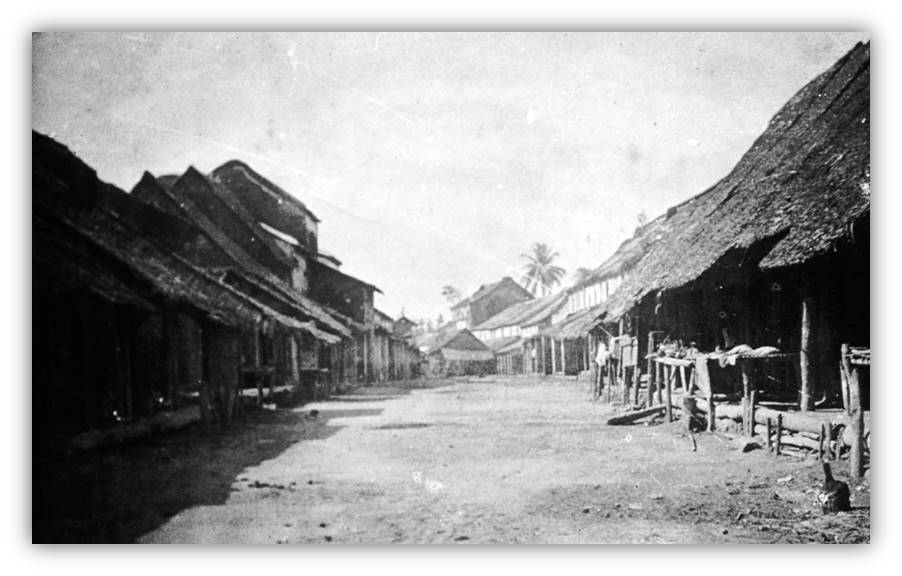
His old friend, James Scott, had left the Honourable Company and had become an entrepreneur. Light catchs up with him in Junk Ceylon (Phuket today, known previously as Thalang to the Siamese and Ujung Salang to the Malays). Scott wanted Light to partner with him but Light prevaricated. His conversations with Scott reveal his motivations – he wants to be accepted as an equal and to go back to England in glory as a gentleman. Unlike Scott, who had married a Malay and does not care for approval, Light was not willing to be cast out of genteel English society. Hence, we see the motivation behind his willingness to work hard in supporting a British settlement in the Straits.

Through his trading trips down the Straits, we get to understand the political undercurrents and the jostling for power in the region – Siam rising under a new king (Tak Sin), the Bugis-Dutch rivalry for control over the Straits, dissent among the chiefs under Sultan Alaudin of Aceh, and the courting of foreign powers to keep local enemies at bay. With Junk Ceylon taken over by Bugis Riau and Kedah beleaguered by a rebellion as well as by Bugis Selangor, Sultan Muhammed Jiwa of Kedah suggests the EIC set up a trading post at Kuala Kedah and promised that all trade would pass through British hands. He reasons that this will keep other powers at bay and he enlists Light’s help to forward the proposal to the EIC. Is this the chance Light has been seeking for so many years?

19th century Phuket

Light’s attention also turns to marriage. In his typical calculative fashion, he singles out Thong Di – her mother is a member of the Kedah royalty and her father’s family is well connected politically and economically in Thalang. Thong Di herself is a widow with two children; her deceased husband, Martim Rozells, was a good friend with whom he had previously done business. However, Thong Di throws him a curve ball when she suggests an alliance between Light and her daughter, Martinha. Light initially baulks at marrying a girl half his age but eventually comes around after weighing the advantages of the union.

The book ends with Scott suggesting the time was right to ask the Sultan to bestow on him the pearl that he had always wanted – the island of Penang, which he could develop into a settlement. His success in obtaining Penang and his relationship with Martinha is explored in Pearl: Penang Chronicles 2, which will be published next year.

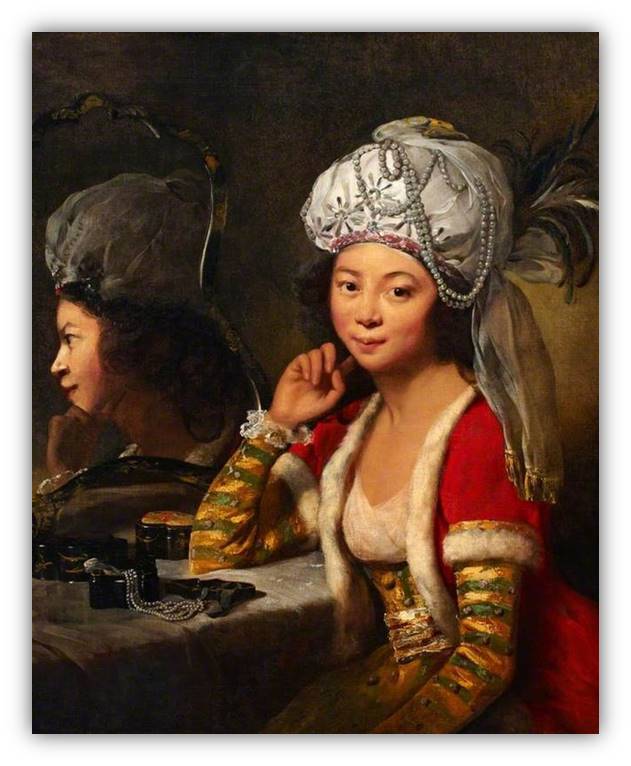
left: statue of Francis Light at Fort Cornwallis; right: portrait of a Malay woman by Robert Home, c. 1790. Could this be Martinha?