By Ringo Wong Yun Teng
“Here lies the Perak Man.”
This could be a standard script when we take visitors to Gallery A of Museum Negara, passing by the corner from the entrance, before the Dong Son drum. Perak Man is a complete skeleton found in Lenggong Valley, dated 10,000 years ago. We all know about the ‘told’ stories of the bones, i.e., the skeleton, the excavation site and the pelvic bone that signify that the bones belong to a man. We also learned the ‘untold’ stories, such as the genetic disorder of the Perak Man and the respect he gained from his tribe in our classroom or publications. However, there is still a bundle of stories lying in Lenggong Valley, underneath the soil layers, to be revealed.
Hence, the trip to Lenggong Valley took the Museum Volunteers out from museums and publications, to be like an archaeologist, at least for a few hours.
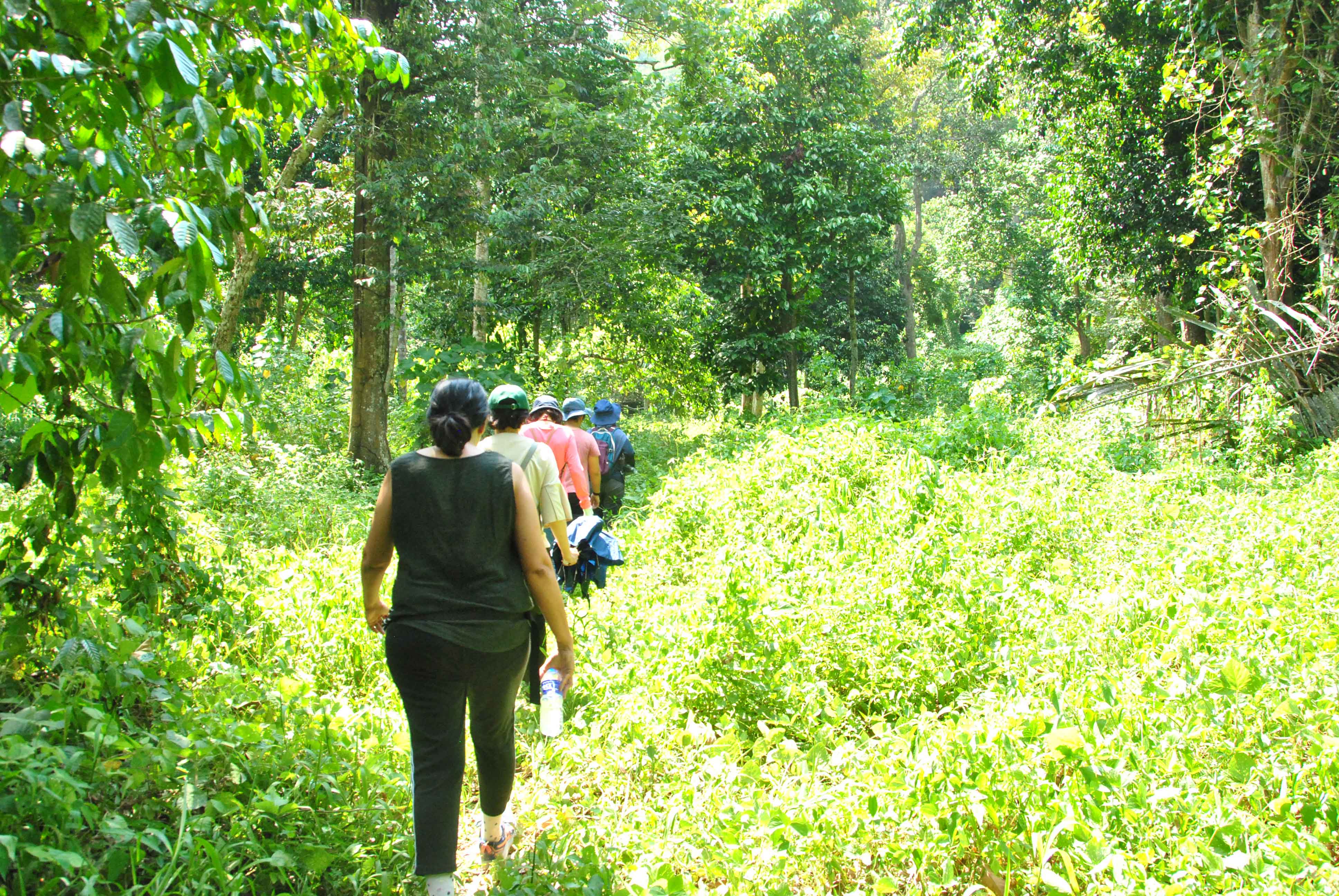
The trip was under a ‘summer-like’ hot sun, but we took it as a summer camp excitedly. The group of volunteers were from different batches, and we hardly knew each other before this trip; but we had lots of precious bonding opportunities at this campsite. Our ‘battery’ wore off slightly early on the first day because we visited a lot of caves in only three hours during the late afternoon. Thus, we faced the reality of our stamina – we missed the stargazing activity and slept soundly, lights off at 11 pm (or earlier).
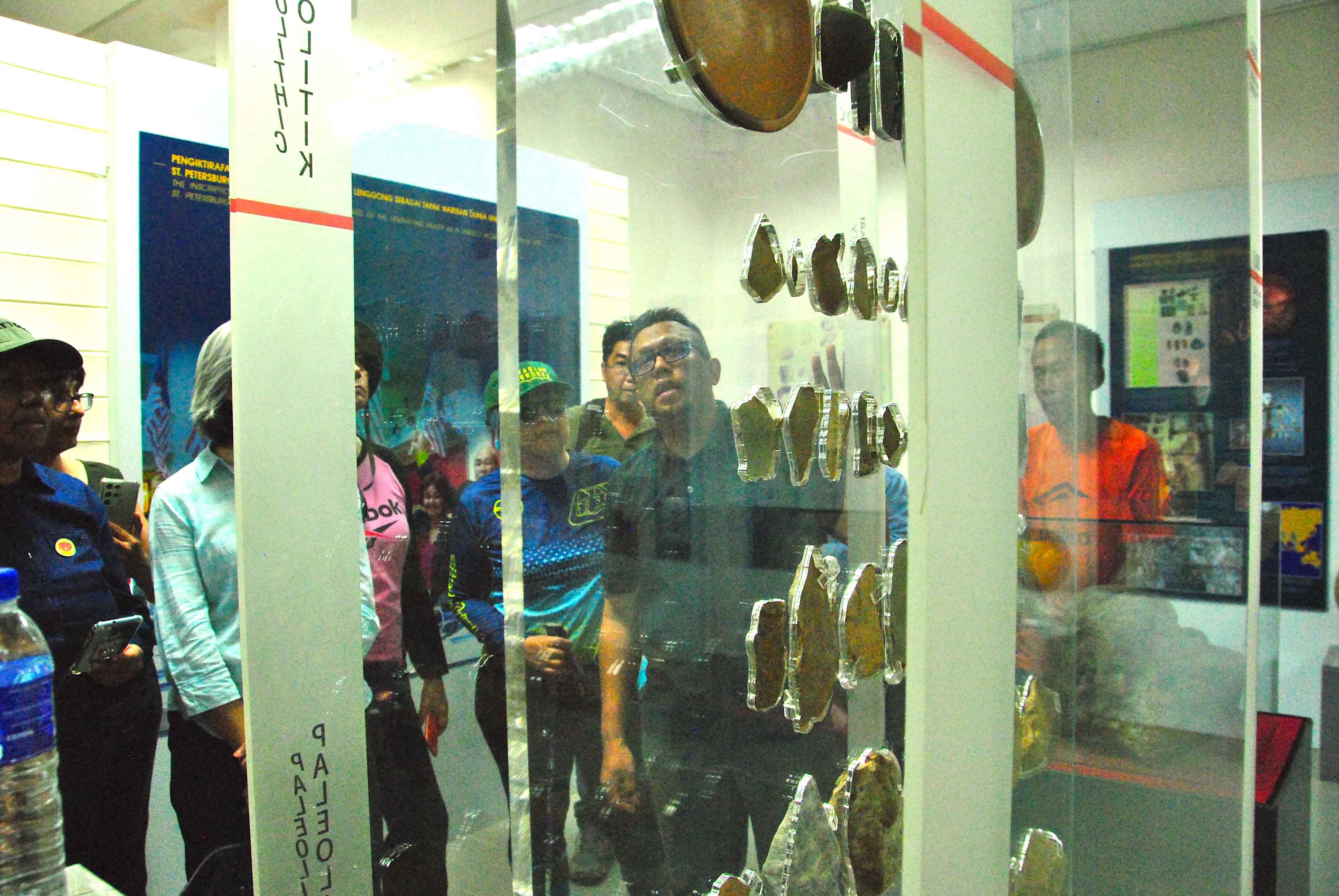
The Lenggong Temporary Gallery was the ‘appetizer,’ specially prepared for the museum volunteers since the Gallery had not been opened to the public in the last few years. At this gallery, we got to know some precious stones and tools from the Palaeolithic age, including the 1.83-million-year-old suevite rock, which we learnt more about on the following day.
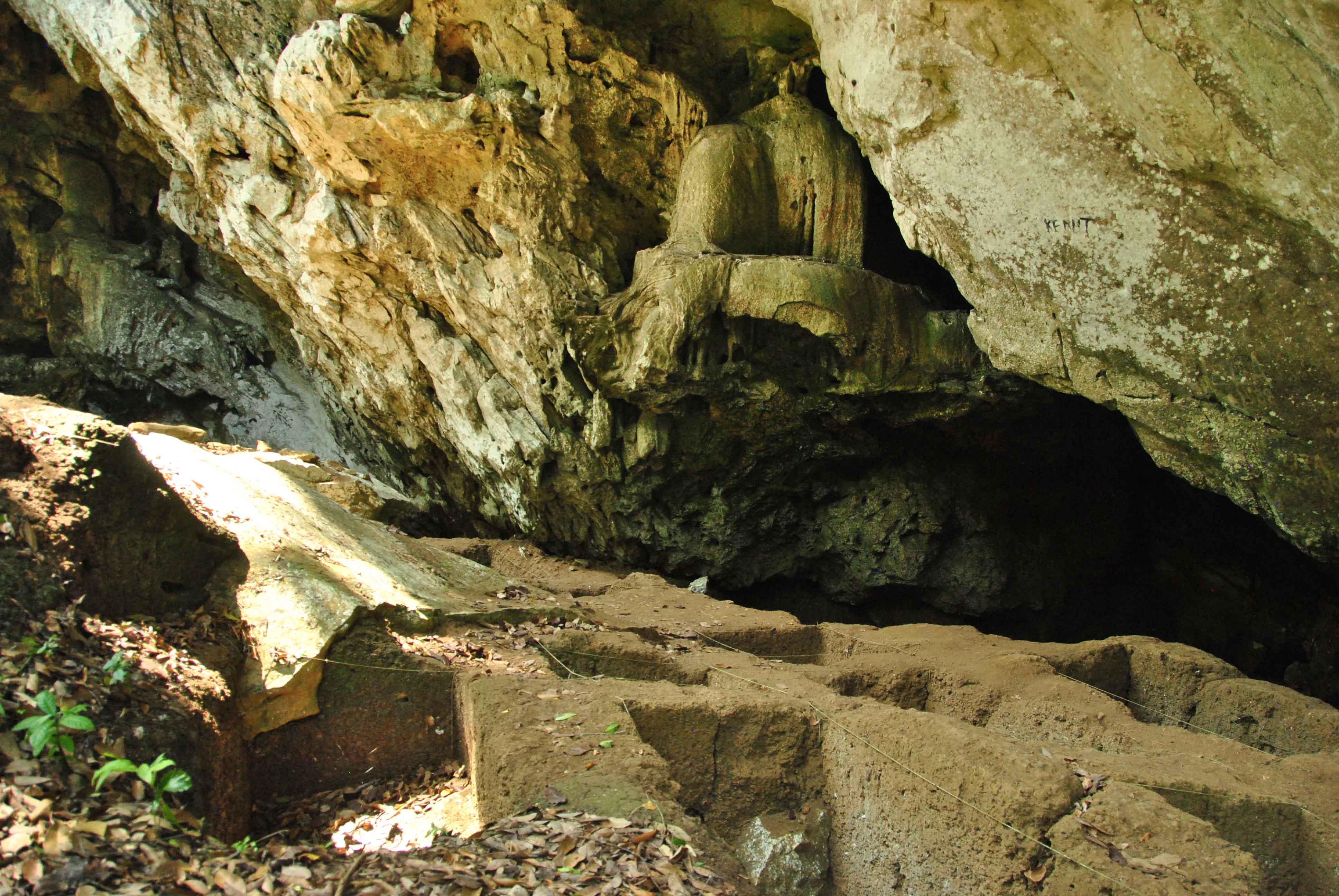
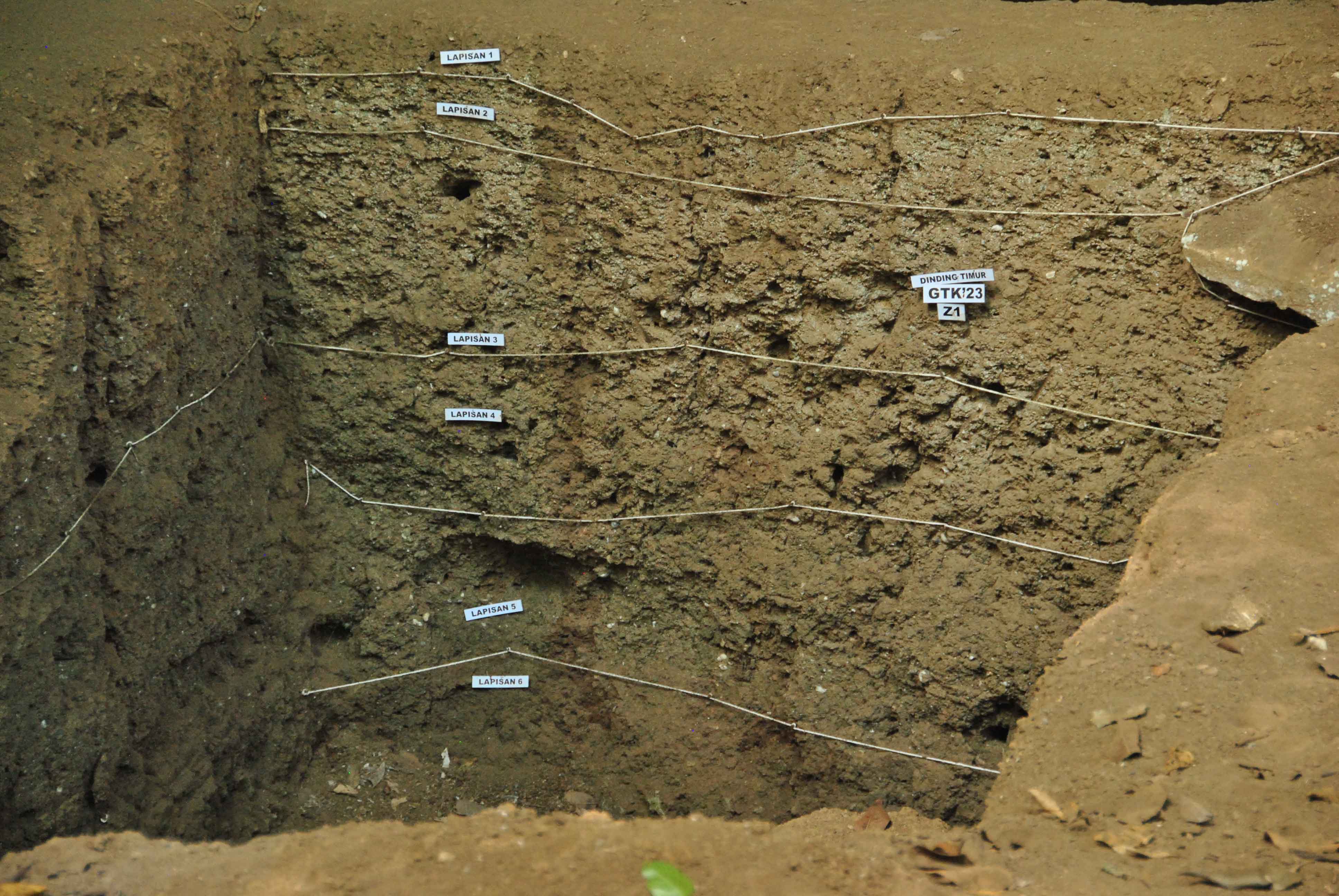
The highlight of the day was Gua Kelawar (Bat Cave), where the 8,000-year-old Perak Woman was found. This site provided us with some ‘out-of-textbook’ information on the ancient people. We learnt that Perak Woman’s burial was covered by later habitation levels on the same site. We saw shells embedded in the soil and understood the connection between the sea level and the habitation choices of the ancient people. The caves also gave us a picture of how it has been selected as a shelter, cohabiting with other creatures such as snakes and bats. However, the mountain and caves are now deformed, possibly due to geographical movements and human activities such as quarries.
There was a shortcut from Gua Kelawar A (Bat Cave A) to the exit, where the whole journey could be shortened to only a 500m walk under the home of bats, but we were brought through another route, which was full of adventure in the caves. These caves are all located in the Bukit Kepala Gajah limestone complex, named as such because an elephant head is outlined from afar.
We walked past Gua Kelawar B (Bat Cave B), to reach Gua Ular (Snake Cave), named as there are a lot of snakes in this cave at night. We had a bit of ‘team building’ in this cave, helping each other navigate the dark cave.
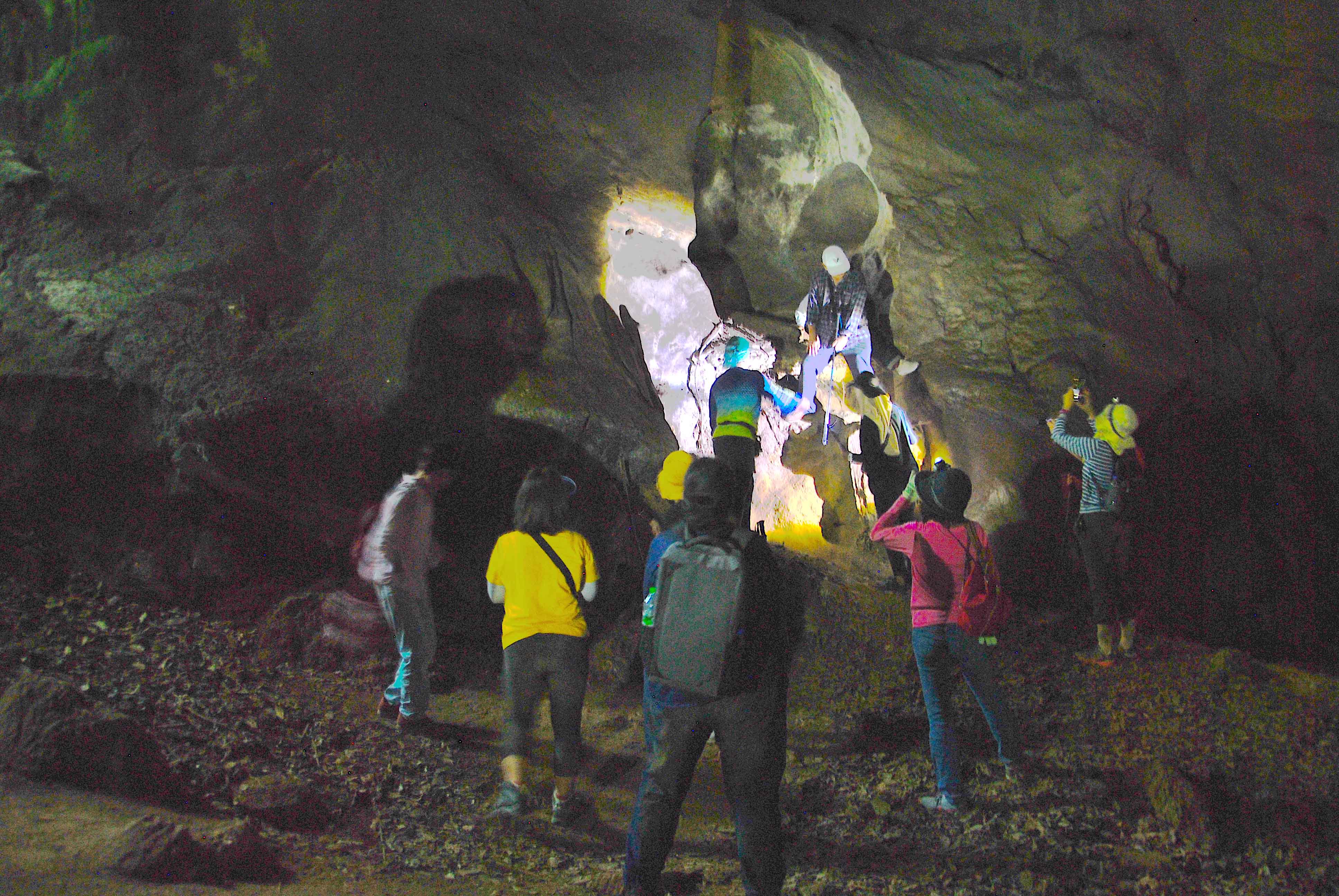
Caves here are normally named after an animal commonly seen there; Gua Ngau (Ngau Cave) got its name after a tiger’s roar was heard. Despite the tiger, the faunas that I wished I could encounter are two snail species – Sinoennea lenggonegensis and Diplommatina lenggonegensis – as well as a lizard, Cyrtodactylus lenggongensis, which is a unique species found only in Lenggong Valley. Read more here.
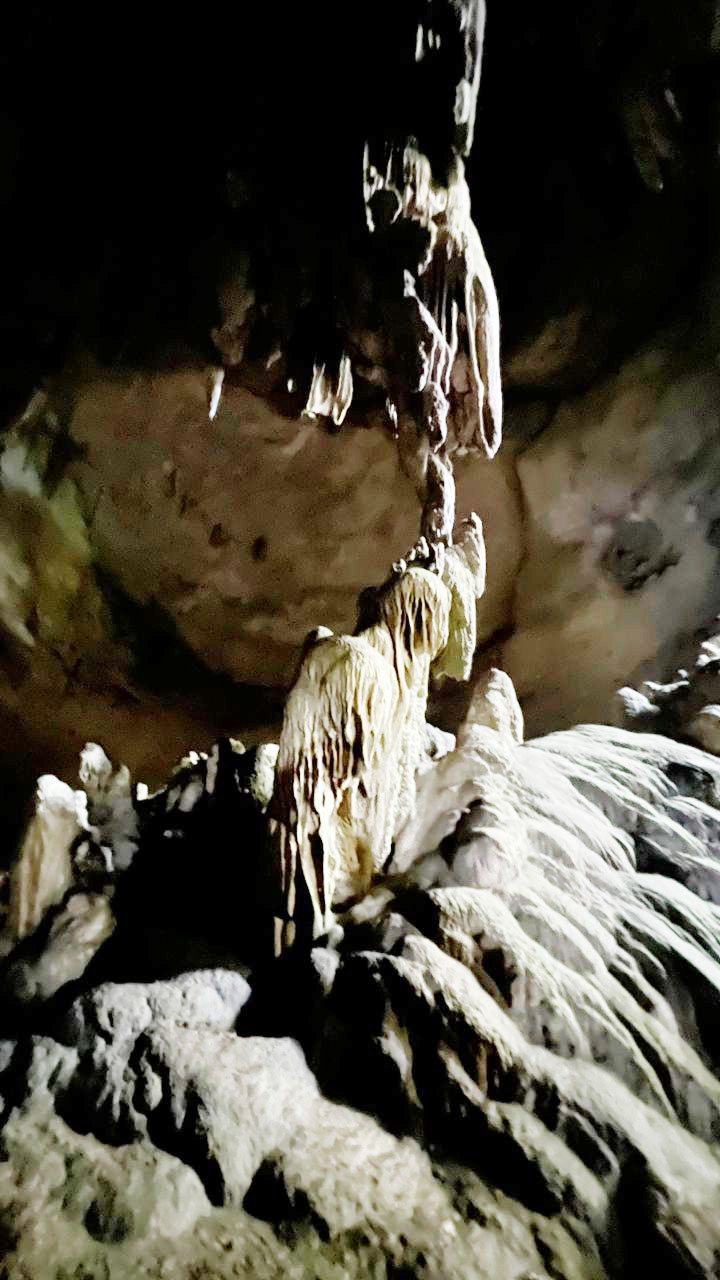
After Gua Ngau, we had a choice of continuing straight to Gua Kajang, the last cave on our list, or taking a detour via Gua Puteri; only seven of us took this rock-climbing challenge. The cave is associated with a lot of folk tales, stories made up around the stalagmites and stalactites seen in the cave.
We have to thank En. Rosli (also known as Pak Li or Encik Li), the living ‘Perak Man’, for all the adventures and stories. En. Rosli was also the man who found the stone in which Perak Man’s tooth was embedded, a day before Prof. Zuriana Majid and her team’s project was closed, hence opening another huge chapter for the team.
We would like to express our deepest gratitude to Dr. Nisa, Dr. Shaiful and Research Officer En. Shyeh for sharing their knowledge and ‘stories’.
“Here lies the Perak Man.” was my line where I brought museum visitors through Gallery A, but after this trip, I think I will have to enhance my script with the following:
“Here lies the Perak Man, and also Perak woman (or women), they are all found in the caves of this World Heritage Site known as ‘Lenggong Valley’.”

 Museum Volunteers, JMM
Thank you Yun Teng, lovely story. Now I missed Lenggong and regret not climbing Gua Puteri:(
Hani