An Unbroken Mind: Sybil Kathigasu GM

By Marianne Khor

This year marks the 80th anniversary of the end of a terrible war that affected the entire world.

Brave men and women tried to withstand the horrors in their respective countries by joining the resistance and helping those most at risk to suffer from their oppressors, even at the danger of losing their own lives.

In Malaya, the Japanese occupation was a time of extreme hardship for the people.

Arrests and torture were happening daily, and people lived in fear of the unpredictable actions of the Japanese army, particularly the Kempeitai, under whose terror Sybil Kathigasu suffered physical and mental torture.

Sybil Kathigasu was born Sybil Medan Daly in Medan, Sumatra, on September 3rd,1899. Her father, Joseph Daly, was an Irish-Eurasian planter, and her mother, Beatrice Matilda Martin, was a French-Eurasian midwife.

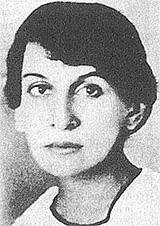
Sybil Kathigesu (Image from Sybil’s book titled No Dram of Mercy)

Sybil trained as both a midwife and nurse, and her fluency in Cantonese proved invaluable in the medical practice that she and her husband established together.

Sybil’s husband, Dr Arumugam Pillay, was a second-generation Malayan Tamil. To be able to get married in church, Dr Pillay converted and was christened Abdon Clement Kathigasu. They married in Kuala Lumpur on January 7th, 1919, in St John’s Church on Bukit Nanas.

After their first child died only 19 hours after his birth, the couple adopted William, an infant at the time. They later had two daughters of their own, Olga, who was born in 1921, and Dawn in 1936. The family then moved to Ipoh along with Sybil’s mother, where they established their own private practice.
When the Japanese forces, who had advanced from the North, reached Ipoh and started bombing, Sybil decided to move with her children and mother to Papan, a small mining town near Ipoh, while her husband stayed in Ipoh to continue to work in his practice.

Life became harder day by day, and many people in Papan needed Sybil’s help but were quite destitute. Sybil therefore decided to treat those who could not afford much free of charge.

All this while the people of Malaya were quite cut off from any news, as they were not allowed to own any radios or any type of communication with the outside world. Despite this, Sybil managed to get her hands on a shortwave radio to listen to news from the BBC daily. Only her family and a close friend knew about the radio, which she eventually replaced with another two sets. She nicknamed these shortwave radios ‘Josephine’.

They would listen to the radio every evening, after which it would be taken apart and hidden away in a secret compartment under the floorboards to be assembled again the next day. Her family warned her if the Japanese found out about the radios, it would be disastrous.

But she insisted on the need for this sole connection to the world. Her strong faith in God and her belief that the British would soon return to Malaya convinced her to take these risks. Unfortunately, the existence of these radios contributed to Sybil’s arrest.

The Kempeitai immediately arrested anyone who was suspected of committing any crime against the laws they had imposed. Suspects were subjected to various methods of interrogation. Many prisoners endured severe beatings and water torture, leaving them in excruciating pain and barely clinging to life.

Sybil was always very careful not to disclose any of her actions to anyone who was not necessarily involved. She did not want to put them in a situation where they would be forced to give away information under torture.

The area around the town of Papan was where one of the local headquarters for MPAJA (Malayan People’s Anti-Japanese Army) detachments operating in Perak was located.

Despite the dangers, Sybil and her family became increasingly involved in the resistance against the Japanese occupation.

These guerrillas had to hide in the jungle and often needed medical assistance, which was when Sybil was approached to treat them. The sick and wounded guerrillas were brought in through the back entrance of her dispensary, often under the cover of night to avoid detection.

This was extremely dangerous for her and her family, but she strongly believed that it was her duty to help them. The guerrillas trusted her, and she became very close to them, passing on messages and medication.

All this while Sybil was aware of the risk she was taking and was prepared to be captured and put to death by the Kampetei. Her only fear was that anything might happen to her family, and she prayed for their safety daily. Her unwavering faith kept her strong and firm in voicing her opinions and continuing her secret work against the Japanese.

When Sybil was eventually detained by the Japanese police, it was the beginning of two long years of physical and mental torture, but she never gave away any information. Even when her husband and son were arrested, she remained unresponsive to any questioning under torture and kept praying for strength.

Only when Sybil’s youngest daughter Dawn was captured and taken to her in prison did she nearly lose her resolve. The Kempeitai strung the little girl from a tree with a fire burning below while Sybil was forced to watch. The child begged her mother not to give in. After Sybil’s desperate pleading, some Japanese soldiers took pity, cut the rope and freed the child.

Sybil was then sent to Batu Gajah prison, which provided slightly better conditions than the Ipoh Kempeitai facility. At this time, she was already suffering from an injured spine and a broken jaw caused by the boot of a Kempeitai soldier. Sybil eventually lost her ability to walk.

When Sybil, her husband, and son faced trial, she was prepared for the possibility of receiving the death penalty. She was, however, given a life sentence, while her husband was sentenced to 15 years in prison and her son to just 3 years.

On August 15th, 1945, the Japanese capitulated, and the British were back in Malaya. British officers from the military intelligence became aware of Sybil’s experience and offered their help. She asked for her husband and son to be released from Taiping Gaol and for medical treatment for herself.

Sybil was then flown to Britain, where she was treated at the government’s expense. During this time, she began to write her memoirs, “No Dram of Mercy”.

On November 7th, 1947, Sybil Kathigasu was awarded the George Medal by King George VI

at Buckingham Palace for her bravery during the Japanese occupation. She is the only Malayan woman who received this award.

While doctors in Britain treated her for two years, she was eventually able to walk again.

Before she could make a full recovery, septicaemia resulting from her fractured jaw, led to her death in June 1948. She was 49 years old. Sybil was initially buried in Lanark, Scotland. In 1949 her body was returned to Ipoh where she was laid to rest at the cemetery of St. Michael’s Church.

There is very little firsthand knowledge of women’s lives during the Japanese occupation. Sybil Kathigasu’s memoirs are therefore an important source of information. Her remarkable story of strength and courage should not be forgotten.

Sybil Kathigasu died of the injuries inflicted on her by the Japanese Kempeitai. They broke her body, but they could not break her mind.

The House of Sybil Kathigasu in Papan, which housed her clinic, has been turned into a museum and can be visited upon request. Sybil Kathigasu’s story was adapted into a TV drama titled ‘The Price of Peace’ as well as a 10-part miniseries called ‘Apa Dosaku’ starring Sybil’s grandniece Elaine Daly.

Bibliography

Art on the Rocks

By Shirley Abdullah

Dr. Saw Chaw Yeh is a Malaysian archaeologist specializing in prehistoric rock art and cultural heritage. She is the author of The Rock Art of Kinta Valley, a comprehensive examination of one of Malaysia’s most significant prehistoric art regions.

Rock art offers a profound glimpse into the lives, beliefs, and artistic ingenuity of ancient communities. According to Dr. Saw, the long-held belief that artistic expression originated in the West has been challenged by discoveries in Southeast Asia, particularly in Indonesia. Caves in Sulawesi and Borneo have revealed animal paintings and hand stencils dating back at least 40,000 years. These findings demonstrate that artistic expression flourished independently in multiple regions, contesting the Eurocentric narrative that art originated in Europe. This shift in perspective underscores Southeast Asia’s vital role in the history of human creativity, further evidenced by the abundance of prehistoric art found in Malaysia.

The Kinta Valley, located in central Perak between the Titiwangsa and Kledang Ranges, is rich in alluvial tin deposits and archaeological treasures. Excavations in its caves and rock shelters have uncovered human remains, stone tools, and pottery shards, indicating human activity spanning at least 10,000 years. Over time, these sites have served diverse purposes for various groups, including the Orang Asli, villagers, traders, and soldiers. Today, some caves have been repurposed as temples, while others face threats from quarrying activities.

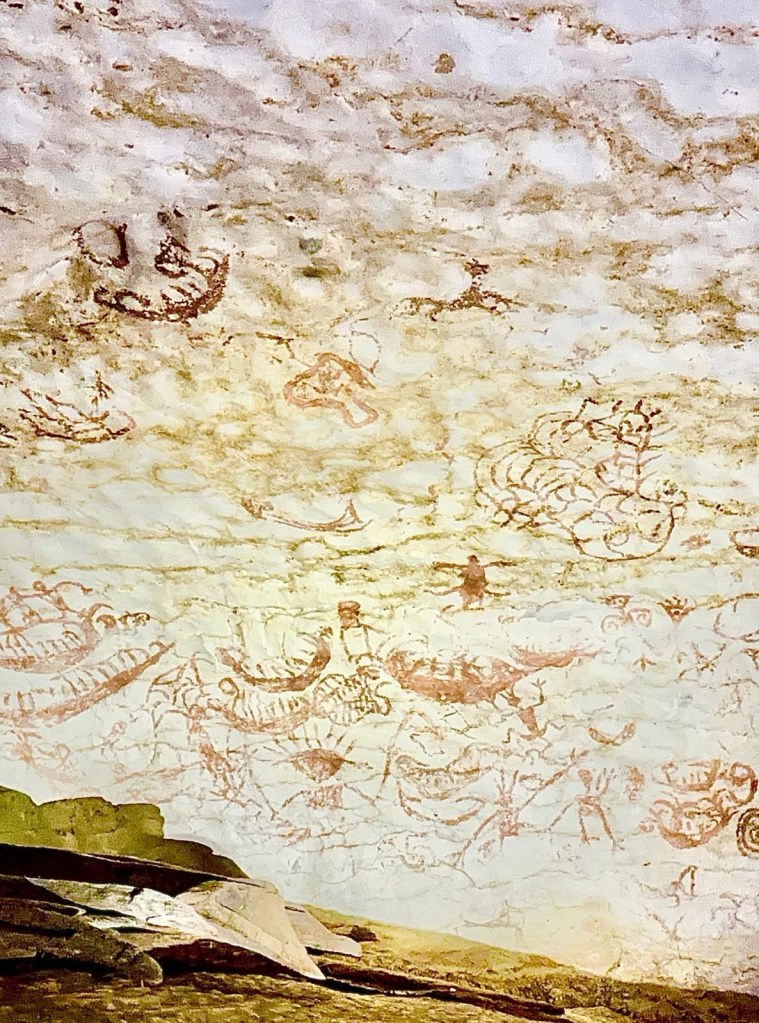
Gua Tambun, a limestone rock shelter perched on a cliff in the Kinta Valley near Ipoh, is among Southeast Asia’s most extraordinary prehistoric rock art sites. It features over 600 paintings, providing a window into the lives and artistic expressions of ancient communities.

The vibrant reddish-orange hues of the paintings, derived from hematite, a natural iron oxide, stand out against the limestone surface. Ancient artisans ground hematite into powder and mixed it with water or organic binders to create durable pigments. The protective overhang of the cliff, combined with the enduring quality of these pigments, has preserved the artwork for millennia. The techniques employed reflect remarkable ingenuity, with fine lines and intricate details suggesting the use of brushes made from plant fibers or animal hair. Broader strokes may have been applied by hand or with pads. The sheer scale and positioning of the paintings, some located at significant heights, imply the use of scaffolding or ladders, indicating a deliberate effort and considerable skill in their creation.

Estimated to date back to the Neolithic period, the Gua Tambun rock art reflects a profound connection to nature and spirituality. The depictions include animals such as deer, tapirs, and fish, often portrayed in dynamic poses suggesting vitality. Human figures, typically shown in ritualistic postures, hint at communal activities or spiritual beliefs. Hand stencils, created by spraying pigment around a hand placed on the rock surface, add a personal dimension, symbolizing identity, community, or spiritual protection. The rare depictions of elephants stand out for their potential symbolic significance. In Southeast Asian traditions, elephants are often associated with power, wisdom, and memory, suggesting these images held special ceremonial or narrative importance.

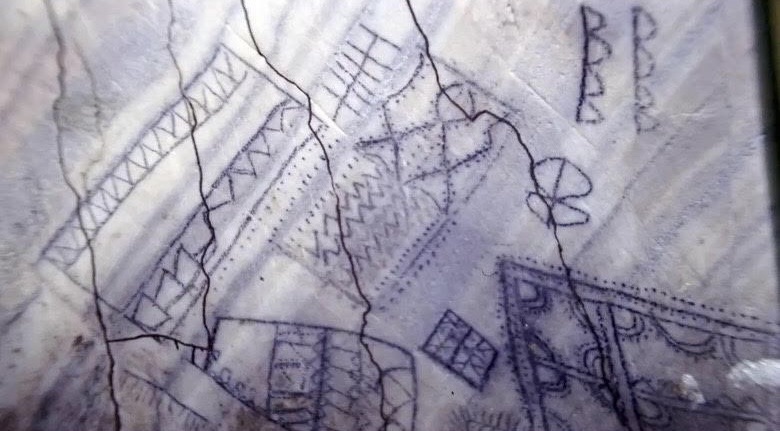
Other Malaysian sites studied by Dr. Saw further reveal the diversity and complexity of prehistoric rock art. For example, Lumuyu Rock in Sabah, a sandstone outcrop nestled within dense rainforest, features intricate geometric patterns and stylized anthropomorphic figures. These abstract designs, characterized by interlocking lines and symmetrical forms, may carry ritualistic or cosmological meanings. For the local Dusun community and other indigenous groups, Lumuyu Rock remains culturally significant. Beyond its archaeological importance, it symbolizes ancestral heritage, often embedded in oral traditions that preserve community identity and history.

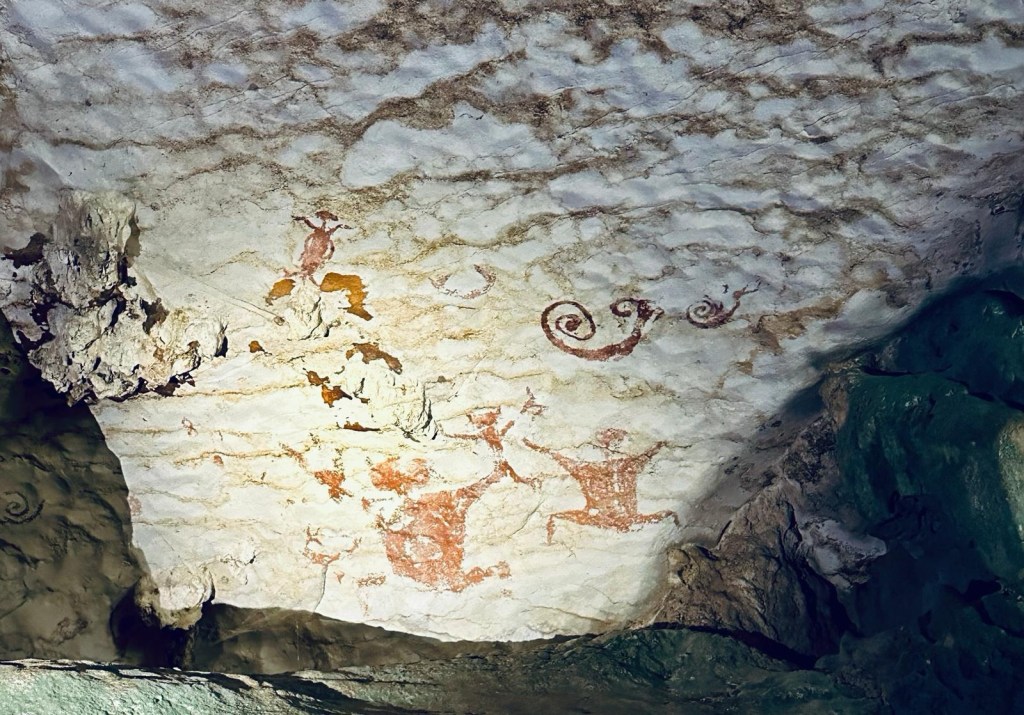
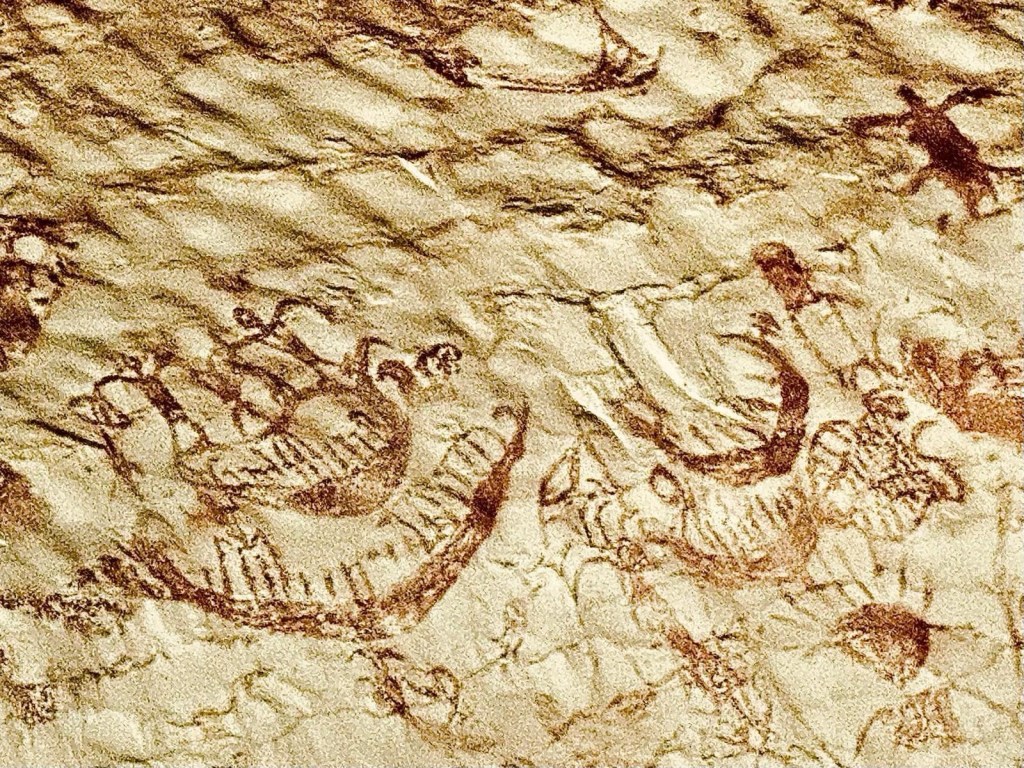
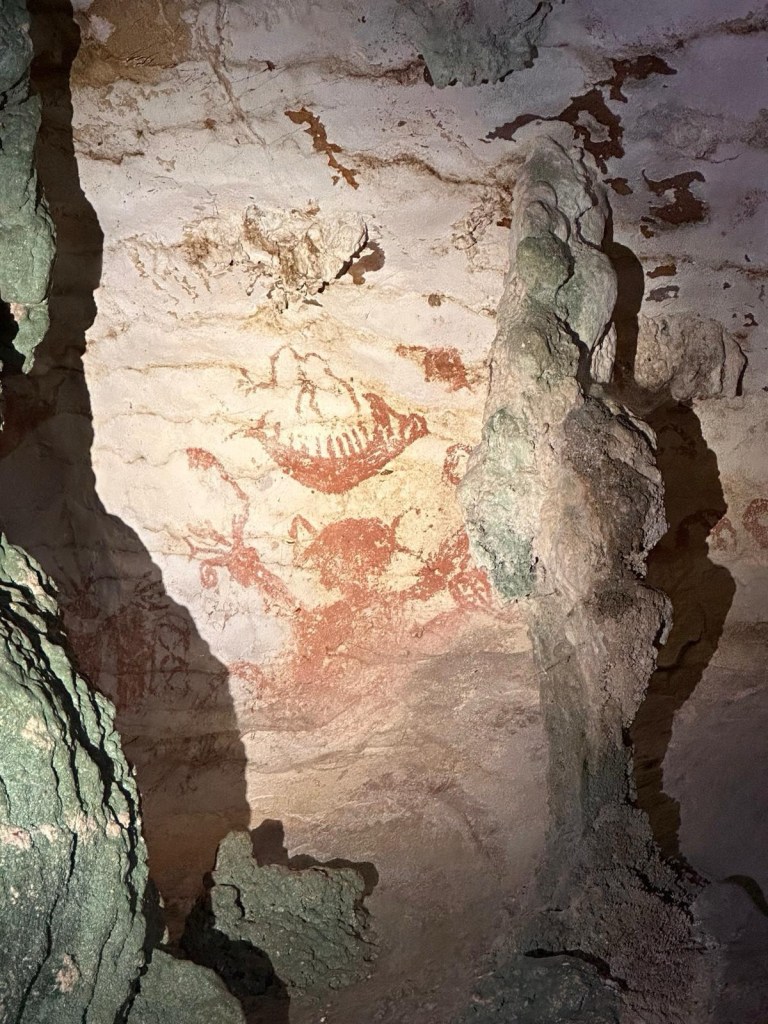
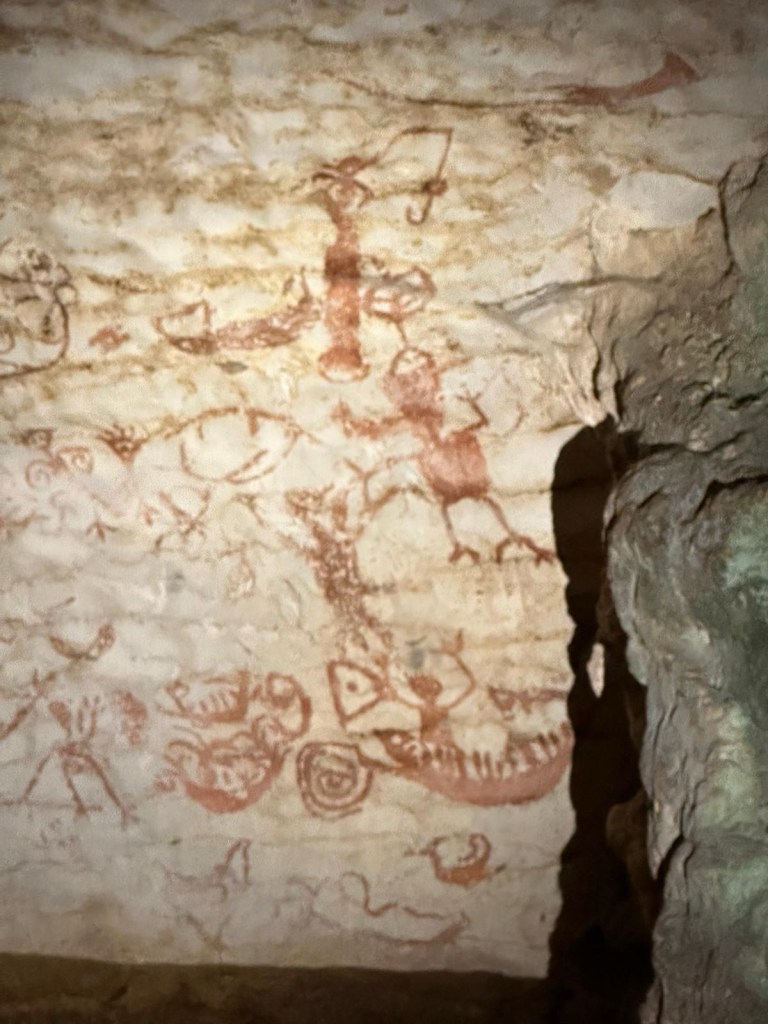
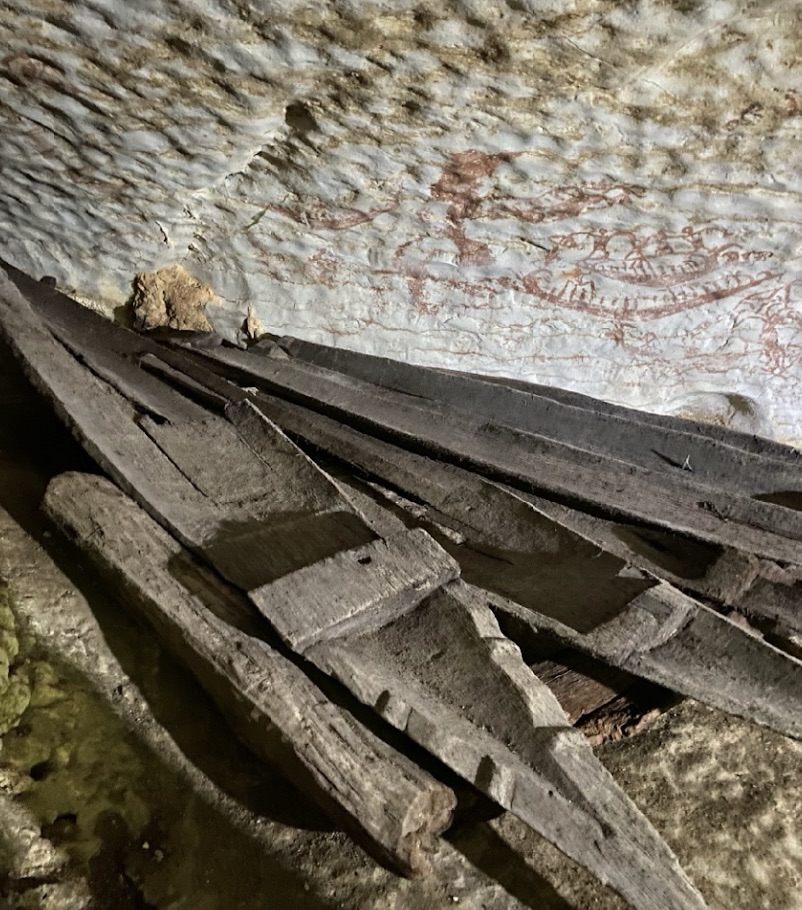
The Niah Caves in Sarawak contain rock art predominantly painted in red hematite, depicting anthropomorphic figures, boats, and abstract motifs. These images resonate with artefacts found within the caves, including boat-shaped coffins and canoe burials, underscoring the cultural and symbolic importance of boats as tools for travel, trade, and spiritual journeys.

Photos of cave art at NIAH CAVES, by courtesy of KAREN LOH

Photo of boat-shaped coffins and cave art at GUA KAIN HITAM, NIAH by courtesy of YUN TENG

The Pengkalan Kempas megaliths in Negeri Sembilan add another dimension to Malaysia’s prehistoric art. These standing stones, adorned with enigmatic carvings, likely served as burial markers or ceremonial artefacts. Their arrangement in clusters suggests a communal purpose, reinforcing their role as focal points of memory and identity. The three-dimensional nature of these carvings offers a contrast to the predominantly two-dimensional imagery of rock art, showcasing the diversity of artistic expression in prehistoric Malaysia.

The choice of specific locations for rock art is deeply rooted in phenomenology, a concept that explores human sensory experiences and interactions with the art, its location and the surrounding landscape. Many sites are near water sources, elevated vantage points, or within naturally sheltered areas, suggesting that their selection was purposeful and symbolic. The acoustics, light, and accessibility of these locations likely enhanced their ceremonial or communal significance. The positioning of Gua Tambun, overlooking the Kinta Valley, imbues it with prominence, likely making it a focal point for community gatherings.

Dating Malaysian rock art presents challenges, particularly in the humid, tropical environment, where organic pigments rarely survive, and weathering accelerates rock surface degradation. Direct dating methods, like radiocarbon analysis, are often impractical, leaving researchers to rely on relative dating techniques. These include stylistic comparisons with other Southeast Asian sites and the analysis of associated artefacts, such as tools or pottery. While current estimates suggest that the rock art at Gua Tambun dates back between 2,500 and 5,000 years, these remain approximations, highlighting the need for advanced, non-invasive dating methods tailored to tropical conditions.

Interpreting prehistoric rock art remains inherently complex. Abstract or ambiguous motifs defy straightforward identification. For instance, some animal depictions lack anatomical precision, prompting debates about whether they represent specific species, imagined creatures, or abstract symbols. 

The ambiguity surrounding such depictions underscores a broader challenge in rock art interpretation. Dr. Saw suggests that the artistic choices of prehistoric communities may not have aimed at creating literal representations of their world. Instead, the motifs may have served symbolic, ritualistic, or narrative purposes, conveying meanings that are now largely inaccessible to modern observers. 

Dr. Saw’s research identifies parallels between the motifs found in rock art and Orang Asli material culture, hinting at cultural continuity or shared symbolism. However, even these connections are difficult to substantiate fully. According to her, the only direct ethnographic evidence of rock art creators comes from the Lenggong Valley, Perak, where the Lanoh Negrito Orang Asli were historically associated with certain rock art. Dr. Saw deduced that earlier rock art depicting wild animals, large human figures, and geometric shapes aligns with the hunter-gatherer traditions found throughout Southeast Asia. However, determining the creators and meanings of rock art from later periods remains an elusive task .

The Kinta Valley, with its rich history of human occupation, illustrates this complexity. While traditionally inhabited by the Temiar and Semai Orang Asli, direct links between their material culture and the valley’s rock art remain unproven. Unfortunately, modern Orang Asli communities are generally unaware of the origins or meanings of these ancient artworks, reflecting the gradual loss of cultural connections over time.

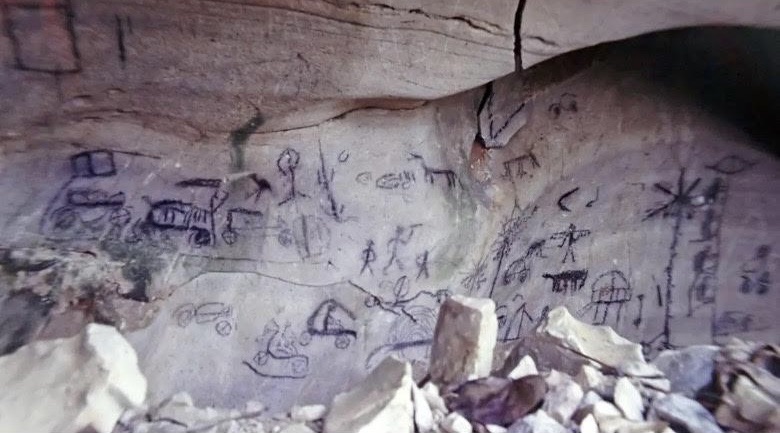
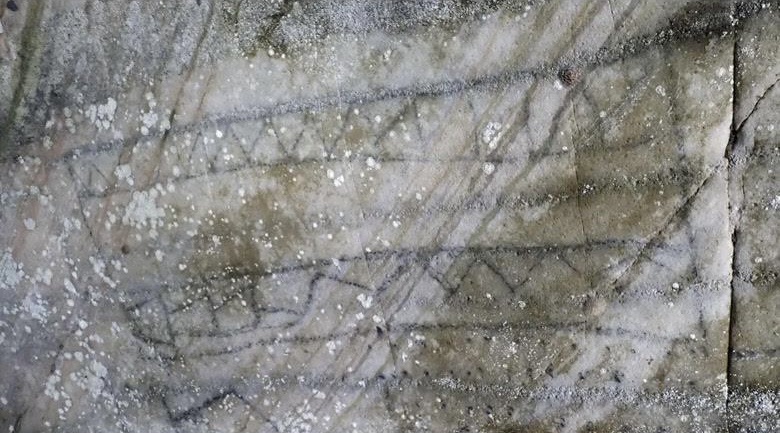
In addition to these prehistoric examples, some Malaysian rock art sites feature imagery from more recent periods. These include depictions of flags, human figures holding weapons, ships with sails, and individuals with hands on their hips. Such motifs reflect the dynamic and adaptive nature of rock art traditions, capturing moments of cultural contact, conflict, and transformation. Flags may symbolize colonial or national identity, while weapon-bearing figures evoke themes of resistance or dominance. Ships with sails highlight the region’s maritime connections, emphasizing trade, exploration, or migration. The assertive postures of figures with hands on their hips suggest changing social hierarchies or power dynamics.

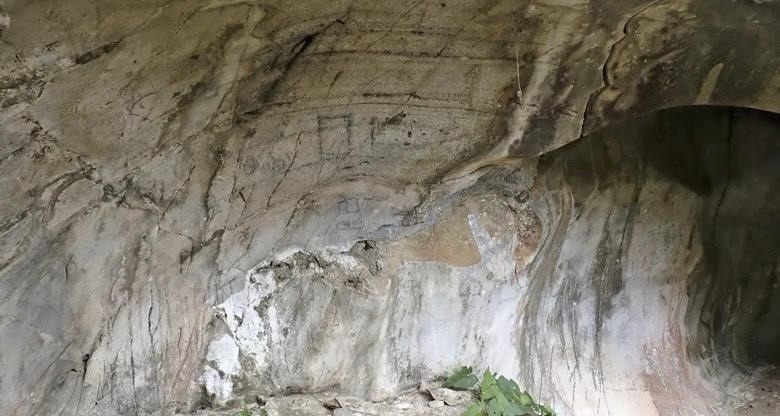
Dr. Saw emphasizes the urgent need to preserve rock art in the face of environmental and human threats. Malaysia’s tropical climate, with its high humidity and heavy rainfall, accelerates pigment and rock surface degradation. Urban development, quarrying, unregulated tourism, and vandalism further jeopardize these fragile sites.

Photos of GUA BADAK, LENGGONG VALLEY – by courtesy of YEE CHUN WAH

Malaysia’s National Heritage Act provides a legal framework for protecting cultural sites, but enforcement remains inconsistent. Designating rock art sites as protected heritage zones can help shield them from development and exploitation. Enhanced surveillance, stricter penalties for vandalism, and public awareness campaigns can deter damage and promote respect for these cultural treasures.

Digital technologies, including high-resolution imaging, photogrammetry, and 3D scanning, offer invaluable tools for conservation. These methods create detailed records, enabling researchers to monitor changes, explore restoration options, and make rock art accessible through virtual archives. 

Effective site management can mitigate environmental damage. Protective shelters, such as canopies or rain-diversion systems, can shield rock art from direct exposure to the elements. Controlling vegetation and water runoff around sites helps minimize erosion and biological growth. Additionally, barriers and designated viewing areas can prevent direct human contact with the artwork.

Indigenous communities, particularly the Orang Asli, are key to effective preservation. Their involvement in monitoring programs, workshops, and educational initiatives fosters a sense of ownership and pride, ensuring sustainable heritage management.

Tourism can be both a threat and an opportunity for rock art preservation. Sustainable tourism models prioritize heritage conservation while offering meaningful engagement for visitors. Visitor centers with digital replicas, guided tours, and interpretive signage provide alternative ways to experience rock art without compromising its physical integrity. Revenue from such initiatives can benefit local communities and fund conservation efforts.

Interdisciplinary collaborations between archaeologists, conservationists, and cultural organizations are vital. Innovative techniques, such as non-invasive graffiti removal, offer promising solutions. International partnerships can bring resources and expertise to address unique challenges in preserving rock art in tropical environments. Although Malaysia’s rock art heritage is in a fragile state, the advent of rapidly advancing technology and wider community involvement offers hope for their protection.

Shirley Abdullah

04 December 2024

From Seed to Spirit: Tadau Ka’amatan

By Manjeet Dhillon

Celebrating the Harvest

Sabah’s annual harvest festival, Tadau Kaamatan, is a celebration deeply rooted in the Kadazandusun community’s cultural heritage. Centred around the rice harvest, the month-long event features rituals, traditions, and myths that highlight the grain’s significance. These myths, though diverse in origin, often share a unifying theme: the sacrifice of a beloved female relative. 

Historically and traditionally, Kaamatan was held at the first sighting of the full moon following the harvesting season. This period, known as “tawang” (literally meaning “full moon”), signified the perfect timing for the festival. The month-long celebration culminates on May 30th and 31st, highlighting the profound significance of rice for the indigenous communities of Sabah.

Credit: Sabah Tourism / Tsen Lip Kai

Rooted in Legend

The roots of Kaamatan stretch back centuries, intertwined with the Kadazan legend of Huminodun. This tale tells of a time when harmony reigned between a benevolent god, Kinoingan, and his people on earth. However, Kinoingan’s son, Ponompulan, disrupted this peace, leading to his banishment to Kolungkud, or the underworld, and a series of devastating plagues upon humanity.

Credit: Sunduan Do Huminodun (The Spirit of Huminodun) by Pangrok Sulap

Faced with drought and famine, Huminodun, Kinoingan’s daughter, made the ultimate sacrifice, she offered her own body to nourish the people. Through Huminodun’s sacrifice, her body transformed into various food sources: rice from her flesh, coconuts from her head, tapioca from her bones, ginger from her toes, maize from her teeth, and yams from her knees. and a variety of other edible plants sprang forth, ensuring the community’s survival.  

This bountiful harvest marked a turning point, and Kaamatan became an annual celebration to honour Huminodun’s sacrifice and express gratitude for the blessings of the land.

While the details differ, a similar theme of sacrifice for the community’s well-being emerges in the Murut (tagal) genesis myth of siblings, Olomor and Sulia. In this narrative, Olomor sacrifices his sister Sulia, following a vision during their rice field clearing. Seven days later, various plants sprout, including rice, highlighting the theme of sacrifice for the community’s well-being.

(While the details differ, a similar theme of sacrifice for the community’s well-being emerges in the Murut (Tagal) genesis myth of siblings, Olomor and Sulia. In this narrative, Olomor sacrifices his sister for the same purpose. As the story goes, Olomor and Sulia were clearing land to cultivate rice. Later that day, while resting, Olomor had a vision in which he saw Sulia being sacrificed to produce rice seedlings. Despite his guilt, he felt compelled to follow through with the vision. He brought Sulia to the clearing and killed her. Her body rolled on the ground, and her blood flowed to every corner of the cleared land. Seven days later, Olomor returned to find that various plants had sprouted, one of which was rice.)

Both Kadazan and Murut legends tell of sacrifices made for the community’s well-being. These stories highlight the deep respect these cultures have for the land and the rice harvest it provides.

A Journey of Rituals

The heart of Tadau Kaamatan unfolds through a series of rituals performed by the Bobohizan, a traditional priest or priestess. The six distinct rituals described below are typical of the Kadazandusun community of the “tangara” in the Penampang-Papar area.

  • Kumogos: Before harvest, a Bobohizan (priest/priestess) chooses the seven best rice stalks. These are left scattered in the field to appease any spirits and promise an offering after harvest.
  • Kumotob: Following Kumogos, the Bobohizan selects the best unharvested rice stalks. These are tied together and stored in a tadang (rice basket) for next season’s planting.
  • Posisip: The Bobohizan carries seven tied rice stalks to the rice hut and inserts them into a bamboo pole kept in the tangkob (container) while chanting prayers for Bambaazon, the rice spirit, to stay and bless the harvest.
  • Poiib: the Bobohizan carefully pours rice into the tangkob within the hut. This continues until all the rice is transferred, accompanied by chants beseeching the rice spirits to watch over the stored harvest.
  • Magavau: The most significant ceremony, Magavau restores Bambaazon’s spirit and offers food as a gesture of respect.
  • Humabot: This final stage explodes with joyous celebrations, featuring traditional dances, sports competitions, and the crowning of the Unduk Ngadau, a maiden who embodies the spirit of Huminodun.

Credit: https://mpu2015kadazandusun.blogspot.com/

Credit: The Borneo Post

A Look at Specific Traditions

The Kadazandusun are not alone in celebrating this bountiful season. There are other indigenous communities that have each developed unique traditions to express gratitude for a bountiful crop and appease the spirits who ensure their success.

The names for the harvest festival vary across ethnicities. The Rungus call it “kokotual” and the Timugon Murut celebrate “orou napangaan nanantab.” While the festival’s core message of gratitude remains constant, the names and traditions vary across ethnicities. The Lotud Dusun of Tuaran focuses on intimate rituals with animal sacrifices and symbolic dances, while the Timugon Murut of Tenom holds a communal feast with “mansisia” celebrations. The Tagal Murut holds a lively seven-day celebration with activities like cockfighting and dancing. Meanwhile, The Rungus of Kudat perform rituals involving animal sacrifices and a “mongigol sumundai” dance throughout the night. Despite these ethnic variations, all celebrations share a common thread of thanksgiving and respect for the land.

A Celebration of Community

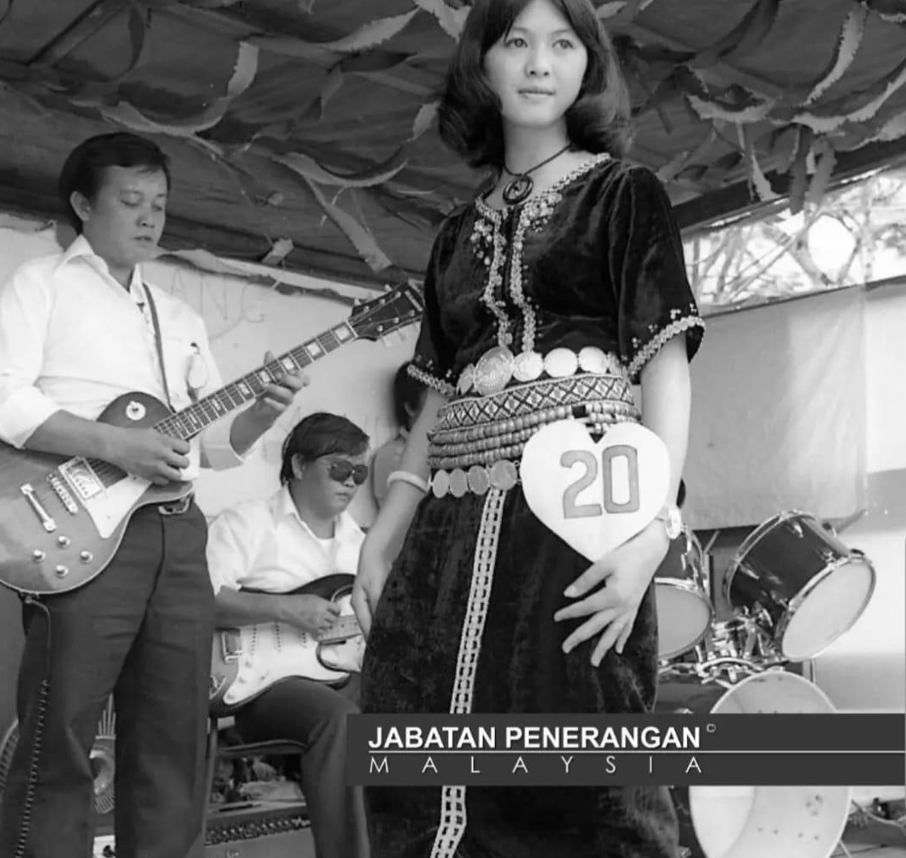
As Tadau Kaamatan reaches its peak, the Unduk Ngadau pageant takes centre stage. Held on May 31st, contestants from various districts embody the spirit and grace of Huminodun, the mythical figure who sacrificed herself for the harvest.  Through their elegance and cultural knowledge, they compete to be crowned the Unduk Ngadau, literally meaning “the sun at its zenith—the brightest point of the day” in Kadazandusun. 

While the Unduk Ngadau pageant captures the spotlight, Kaamatan also celebrates the rich musical heritage of the Kadazandusun people through a vibrant singing competition known as Sugandoi. The Sugandoi competition features age-group categories, ensuring traditional music resonates across generations.

Credit : Jabatan Penerangan Sabah

Fun Fact: The Spirit Behind the Song: Did you know Sugandoi has a fascinating history?  For the KadazanDusun community, Sugandoi was once a “spirit” invoked by the Bobohizan (priestess) and housed in a large jar called a “Kakanan” by the Kadazan Tangaah tribe. This spirit was believed to watch over families and bring good fortune through a ceremony called “Moginakan.” During this ritual, the Bobohizan would chant incantations called “Monugandoi,” which praised the creator (Kinoingan) and the spirit of Sugandoi. These chants laid the foundation for the modern Sugandoi singing competition. No wonder the name stuck!

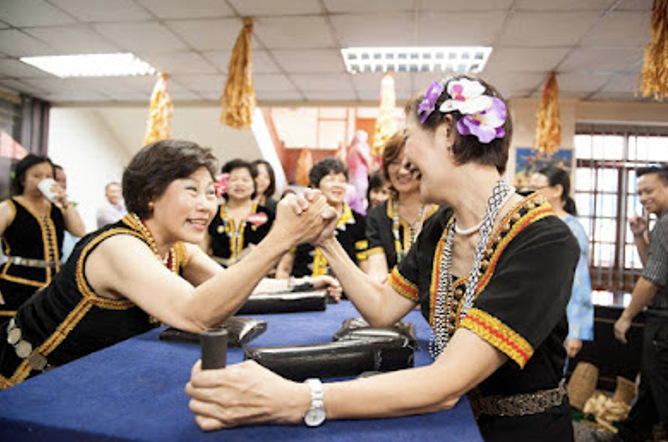
Adding to the atmosphere are traditional games and competitions. From displays of strength in arm wrestling (mipulos) and knuckle wrestling (mipadsa) to showcasing skills in blow piping (monopuk) and catapulting (momolositik), these games provide a fun and interactive way to experience Kadazan Dusun culture. Teamwork is tested in tug-of-war (migayat lukug), while balance and agility are on display during bamboo stilt walking (rampanau).

Credit: https://makangang2015.blogspot.com/

A Feast for the Senses

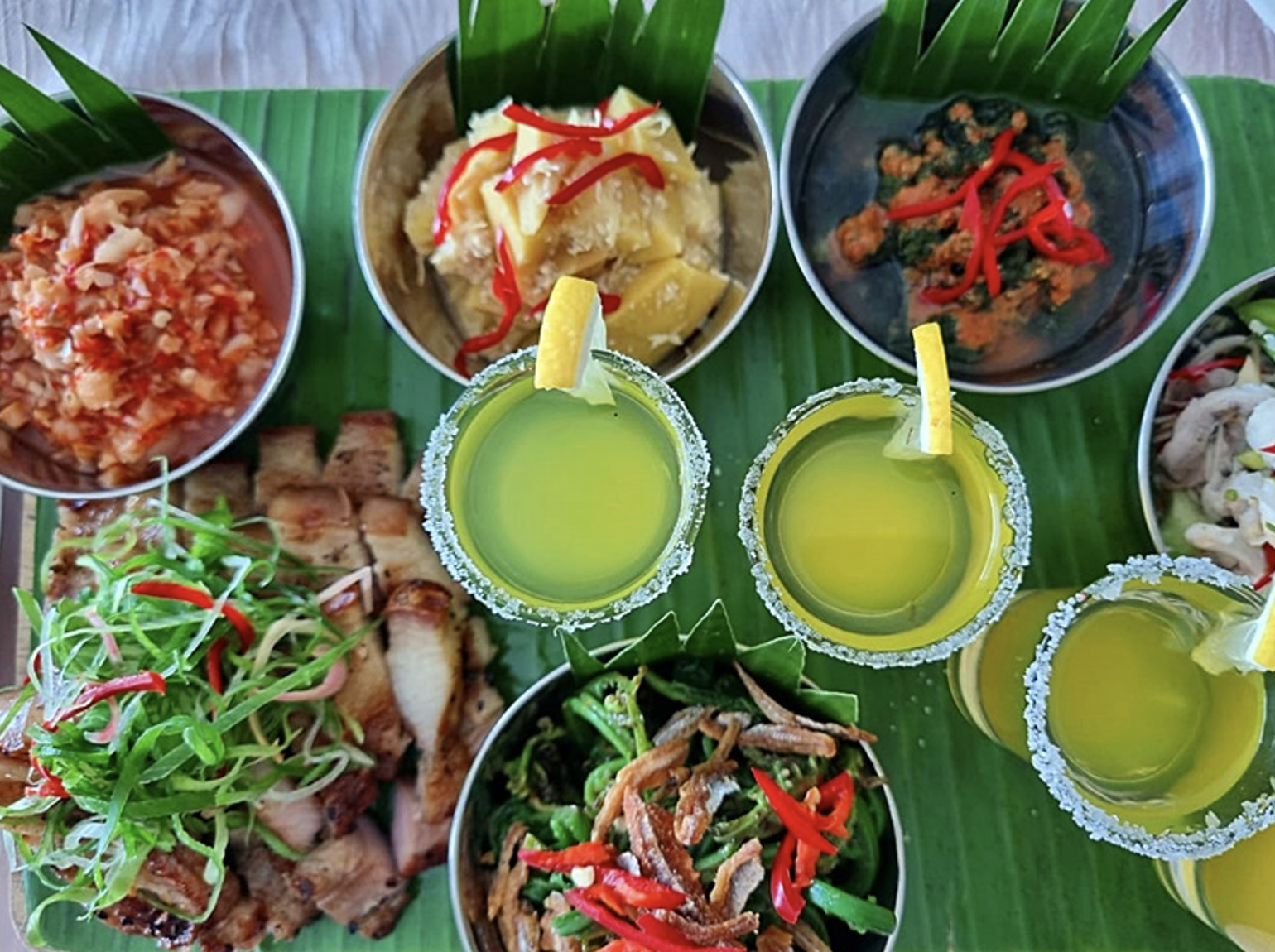
No festival is complete without a feast for the senses, and Tadau Kaamatan doesn’t disappoint. From the tangy zing of Hinava (raw fish) to the textures of Butod (sago grubs), the flavours of Pinasakan (braised fish), the tart tang of ambangan (wild mango), and the earthy warmth of Tuhau (wild ginger), Tadau Kaamatan is a feast for the senses. Lihing, a rice wine made from fermented rice and stored in clay jars, adds a special touch to the celebratory spirit.

Credit: https://borneonews.net/

A Legacy Endures

Tadau Kaamatan is more than just a harvest festival; it’s a cornerstone of Kadazandusun identity and other ethnicities in Sabah. These age-old traditions, a vital link to the past, ensure their shared cultural heritage continues to thrive for generations to come. It’s a celebration of the land, its bounty, and the enduring spirit of these communities. 

References

  1. Kaamatan Special: The Rituals of Tadau Kaamatan (Harvest Festival) from http://www.e-borneo.com/insideborneo/leisure0205.shtml
  1. Huminodun: The Mystical Origin of the Kadazandusun People from https://www.flyingdusun.com/004_Features/010_Kaamatan02.htm
  1. Sabah’s Culture (Harvest Festival) from https://sourcesofknowledge.wordpress.com/2013/06/02/sabahs-culture-harvest-festival/
  1. Keningau, The Guide from https://pubhtml5.com/xvgw/junm/Keningau_The_Guide_2023/18
  1. Apa It Sugandoi from http://www.sentiasapanas.com/2019/05/sejarah-sugandoi.html#ixzz7UwYVDatb
  1. The Anthropological Profile of the Kadazandusuns of Borneo: The Kaamatan Rituals compiled by Allan G Dumbong from https://wayaantokou.blogspot.com/2005/12/
  1. Who is Huminodun?. Sumandak. Sino. Kadazan from http://borneobonita.blogspot.com/2017/01/who-is-huminodun.html
  1. Barlocco F., 2011. A Tale of Two Celebrations: The Pesta Kaamatan as a Site of Struggle between a Minority and the State in Sabah, East Malaysia. Asian Journal of Social Science from https://www.jstor.org/stable/43497845?seq=1
  1. Dusunology from https://www.facebook.com/sundayak777northborneo
  1. Kaamatan highlights spirit of peace and friendship this season by By Mariah Doksil from https://www.pressreader.com/malaysia/the-borneo-post/20160514/282411283538614
  1.  The Encyclopedia of Malaysia: Peoples and Traditions

The Sounds of Museum

By Sarjit Kaur

As visitors walk through the halls of the museum, they become enveloped in a symphony of sounds that pulse with centuries’ past. Each artefact and diorama emit a vibration, a sensation, telling stories of triumph and defeat, rituals and practices, layering and blending of cultures. Every journey is the start of a story… and what better way to pay homage to our stories than through the art of listening. 

Whispers of Stones and Ancient Artworks

The museum walls hold a world of ancient mysteries and forgotten civilizations, with stone tools and ancient artworks offering glimpses into the lives of our ancestors. Stones, once raw and jagged were skillfully crushed, smoothened, sharpened and refined, like a Chef’s set of knives that crush, cut and slice. 

Rock art, that adorn cave walls speak of a time when black charcoal and red hematite were splashed across limestone canvas, like a mural, capturing and documenting rituals and ceremonies. Each whispered their stories, the heart-beat of the people. 

Larger rocks were artistically sculpted into stone tablets, makaras and statues of beauty and grace. Towering megaliths, inscribed with salient iconography stand as silent custodians, bearing witness to the diverse layering yet harmonious practices that bound humanity.  

The sounds of diversity and harmony

Dong Son Drum and Bell

The Dong Son bronze drum and bell, found in various states of the Peninsular, bear motifs similar to those from Dong Son, North Vietnam, indicating long-distance land trade in South East Asia.

The Dong Son drum, a sacred instrument, was used during harvest festivals, weddings and burials to call upon nature and ancestral spirits. When struck, it produced a powerful, resonating vibration that filled the air.

The bell, likely hung around a ceremonial animal’s neck, served as a war warning and also used to store food for the wealthy. The bell’s rich, resonant tones marked its value and the social class of its owner, similar to today’s luxury items. 

The resonance of the Dong Son bell and drum

Gamelan: A Percussive Symphony

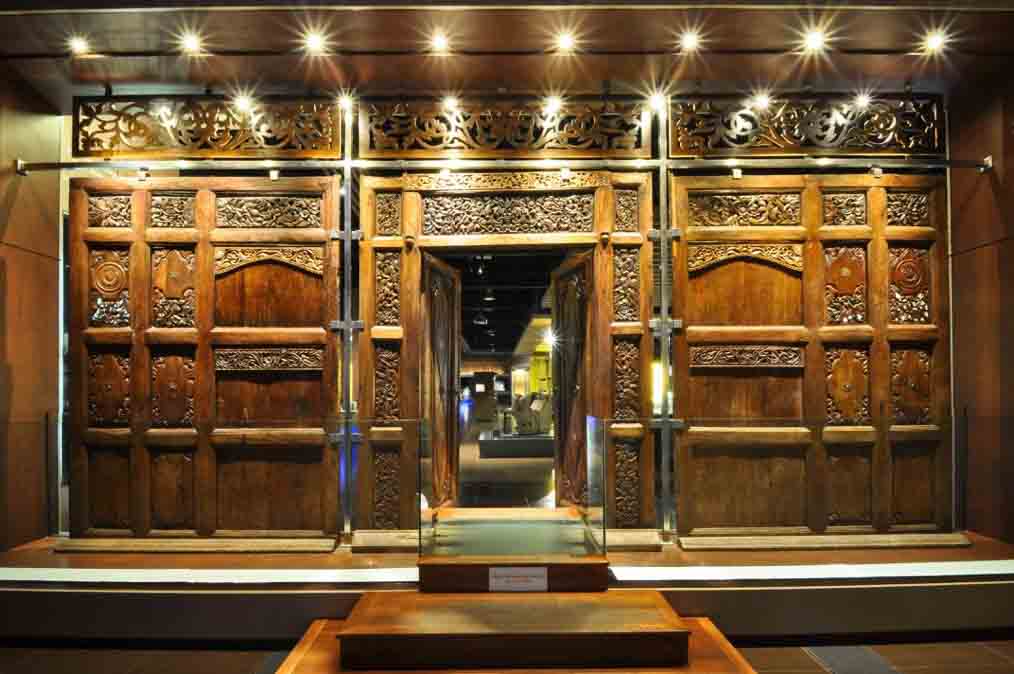
The Malay palace door invites visitors with its tranquil and grounding sound of the gamelan. Echoes of this ancient melody resonate with the soul of the Malay world. Where it was once the exclusive domain of aristocrats; the gamelan is now enchanting music for all!

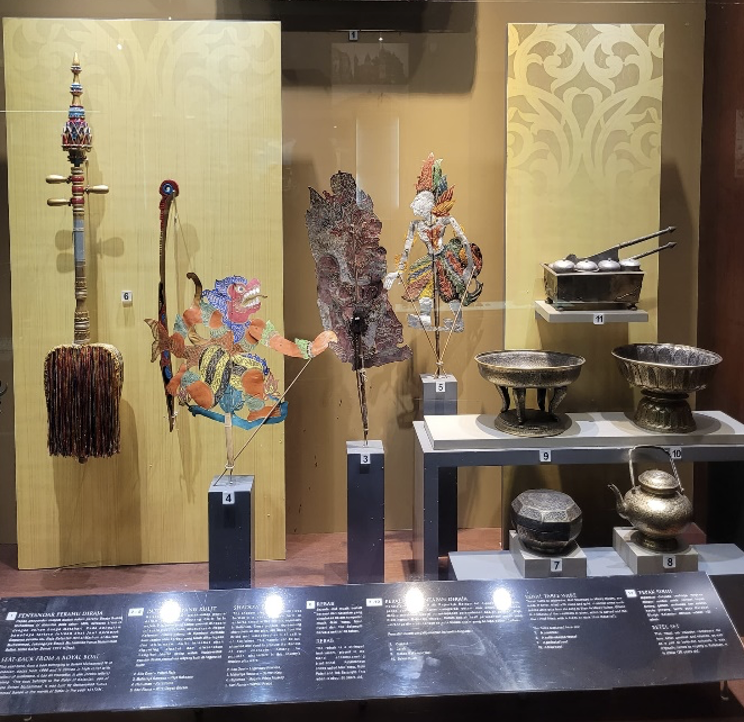
Meanwhile… accompanied by an orchestra of gamelan music, the ‘Tok Dalang’ weaves epic tales in his Shadow Play; as audience cheered, laughed and reflected on the moral and spiritual lessons conveyed. 

The enchanting sounds of ancient instruments

The Sounds of Trade

The bustling trade activity in the Straits of Malacca resonated with the voices of Captains as they navigated and competed for harbouring space amongst ships. In this maritime symphony, traders conversed in 84 languages, striking deals and exchanging goods from distant lands. 

Spices like pepper, cloves, nutmeg and cinnamon were measured meticulously with conventional weighing instruments for proper governance. These aromatic treasures were sought-after in the markets of Europe, their scents mingling with the salty sea breeze. Silk fabrics and gold brocade, known for their luxurious feel and vibrant colours, were another commodity transported from the Silk route of China. Delicate and beautifully crafted porcelain ceramics exchanged hands, their chime ringing through the marketplace. 

Within the hustle and bustle, foreign traders forged connections with the land and its people. They fell in love not only with the promise of prosperity but also with the allure of the local women. While they settled amidst the shifting winds of trade and romance, they blended and became part of this vibrant Malay Archipelago. 

Waves of Tales

Seafarers braved and navigated open and treacherous seas. Their courage come alive through the sounds of their flowing sails and crashing waves on uncharted waters.  Their heroic journeys were threaded with peril and adventure, heavily relying on monsoon winds as their compass and invisible force.  

Stars twinkle overhead in the limitless sky, reflecting their aspirations for trade opportunities in distant lands. Yet, some never reach their destinations, as storms and hidden reefs swallow their voyage quest. Their ships sank together with their precious cargoes. 

The marine gateway of South China Sea holds treasures of countless blue cobalt porcelains. Though discoloured, they stood the test of time, telling sunken tales of their journey. Yet many goods were never discovered and remain thrones of the sea. Maybe they needed to be laid to rest, closer to their home…

Arms of Conflict

Iron ore which were smelted under fiery heat, gave birth to the legendary ‘keris’ Local artisans carved each sheath into superior pieces of art. Each blade carried stories of origin and purpose, evoking accounts of power, loyalty and friendship. The clashing of metal on metal, tells of battles fought and victories won or redeemed. 

Weapons evolved into modern instruments of war such as guns and large cannons, which ultimately met the same fate of devastation, whether it was the conquest of Melaka or the devastation of Pearl Harbour.  These events underscored the transformation of humanity from ‘hunters for survival’ to ‘conquering hunters’, driven by the pursuit of power and wealth. However, history teaches us that every rising power eventually faces its downfall…

Turning Wheels: A Twist of Fate

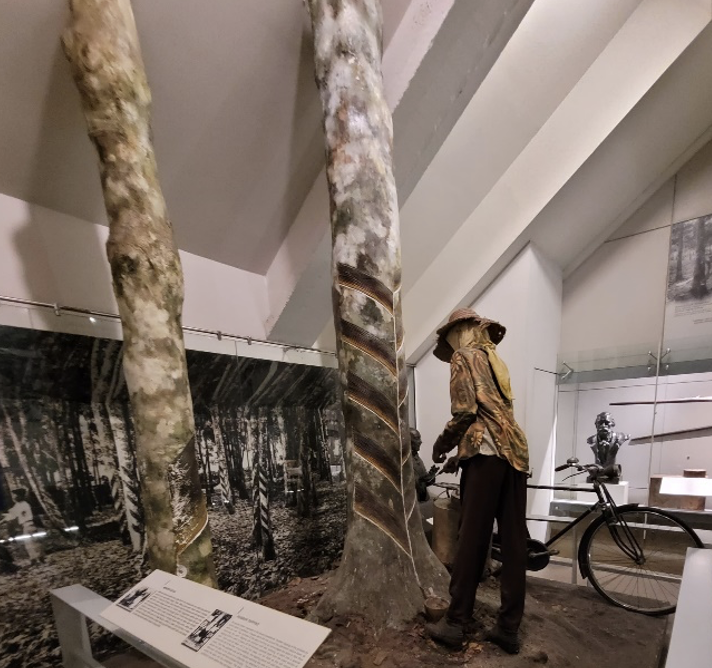
The wheels of the bicycle tirelessly spin in the terrains of rubber estates accompanied by a sonata of insect sounds. Where needed, the bell attached to the bicycle rings out, signalling the arrival of workers to tend to the rubber trees. The latex from the cup is collected and poured into a metal container, flowing like thick milk. Each drop was precious. Amidst the tranquillity of the estates, the occasional rustle of leaves and movements of wild animals, remind visitors of the natural yet tough conditions surrounding them. 

The industrious sounds of bicycle and latex

As the nation’s income surged from the export of rubber and tin, Malaya embarked on a transformative journey of infrastructure development, constructing railway tracks and roads to facilitate the transportation of these vital commodities. The rhythmic clatter of steel wheels on tracks and the hum of engines became the soundtrack of progress, echoing the promise of prosperity. This era witnessed an influx of migrant workers, their voices mingled with the sounds of construction, embodying the spirit of resilience and determination.  

However, a shadow loomed over Malaya on 8 December 1941. Bicycles – once the symbol of peaceful transportation; were swiftly transformed into instruments of war, as infantry soldiers mounted on them for battle. It forever altered the landscape of Malaya. The terror of war wounded many, a stark reminder of how fragile life can be, when peace is robbed of humanity. 

Education – The Song of Catalyst 

Schools served as reservoirs of knowledge, sparking enlightenment and offering a future, brighter than that of their ancestors. Within the walls of Malayan classrooms, a symphony of languages reverberated, celebrating diversity. 

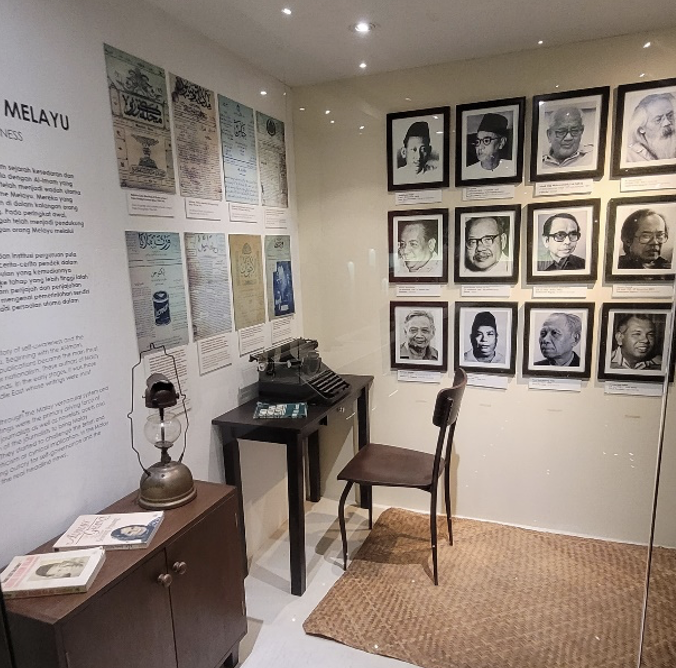
Education served as the catalyst and bridge for expanding minds, fostering awareness and laying the groundwork for Malaya’s independence. From these halls, emerged writers, poets, activists and peacemakers who reshaped societal norms and fuelled the collective dream that – “We too can be the Masters of our Land!”

The liberating sounds of typewriter-keys clacking

Timeless Reminders of Songs

Amidst the echoes of the past, cultural songs and anthems serve as reminders of the more recent history.  ’Dondang Sayang pantuns’ and ‘Jingling Nona’ songs represent the rich cultural tapestry of Baba Peranakans and Portuguese Peranakans respectively – the blend of various cultures with the Malay culture.

‘Negaraku’ – our national anthem, symbolised the birth of a nation and became a uniting force among the people. It echoes thru the halls of the museum, for all to hear. And yet it brings goose bumps to older visitors and people of the land, who walked the pre-independence journey with courage and strength. 

The sounds of unison of an independent nation

The Sounds of Silence and Rhythm

In the silence of the museum, the sounds of history come alive, inviting us to immerse in the richness and diversity of the human history. 

Each sound, each note tells a story.  As visitors pause and listen, they become part of that story. Their own experiences merging with those of the past. It is a testament to the power of sound – both the silence and rhythm, to connect with our shared heritage, learnings from the past and into the future. The sounds of museum echoes thru the walls … a moving reminder of the beauty and resilience of the human spirit. 

Photo credit: Sarjit Kaur

The mines

By Katia Luccin

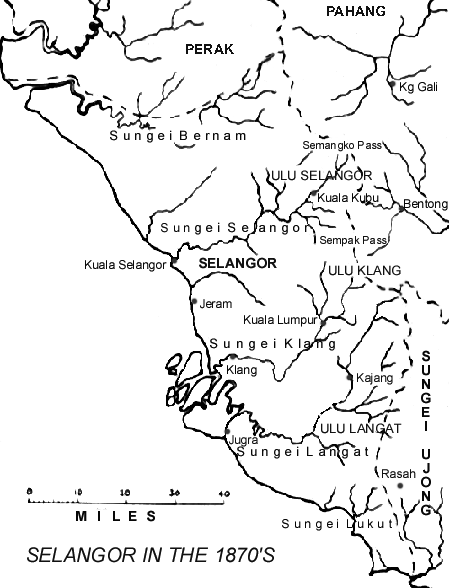
Selangor in the 1870’s – source: https://yapahloy.tripod.com/the_selangor_civil_war.htm

Tin, an attractive resource

Tin has been extracted for centuries in the Malay world. Less precious than gold but found in larger quantities, cassiterite is the ore that made Malaya known. Alloyed with copper to become bronze, it was used for the making of tools, weapons, bells and statues. At the beginning of the 19th century, the Industrial Revolution witnessed the birth of the tin can industry (invented by the Frenchman Nicolas Appert (1749-1841)), marking the beginning of the tin rush in Malaya.

In the Klang Valley and around Kuala Lumpur, tin was already extracted before the 19thcentury but it was rudimentary, with no permanent installation. By 1824, several mines existed in the Klang Valley: Penaga, Petaling, Serdang and Gua Batu (Batu Caves).

Kanching, the first mine

Tin mining played a pivotal role in the development of Kuala Lumpur. In 1840, the discovery of a Chinese tin mine in Kanching attracted activity in the area. This mine was  located a few kilometers north of Kuala Lumpur, in the northern part of the Selangor basin, distinct from the Klang River Valley that now runs in the city.

At that time, miners rowed upstream along the rivers to their sources, navigating the Selangor River until they reached Kanching. Boats were left at the bandar (as the port was known then) and miners walked the short distance to the Kanching mine. Although moderate, the success of the Kanching mine showed interest for the mining of possible deposits in adjacent rivers, notably, upstream Klang river. That was how the Ampang mine, located east of Kuala Lumpur City Center (KLCC), started. The production rapidly became so substantial that soon, trade regulations for Kuala Lumpur were established. This success contributed to the development of the kampung of Kuala Lumpur; likewise for the Pudu kampung and the Batu kampung, with the discovery of tin in those areas. Chinese traders and shopkeepers flocked to Kuala Lumpur. They came from every part of South China to escape the misery of their country.

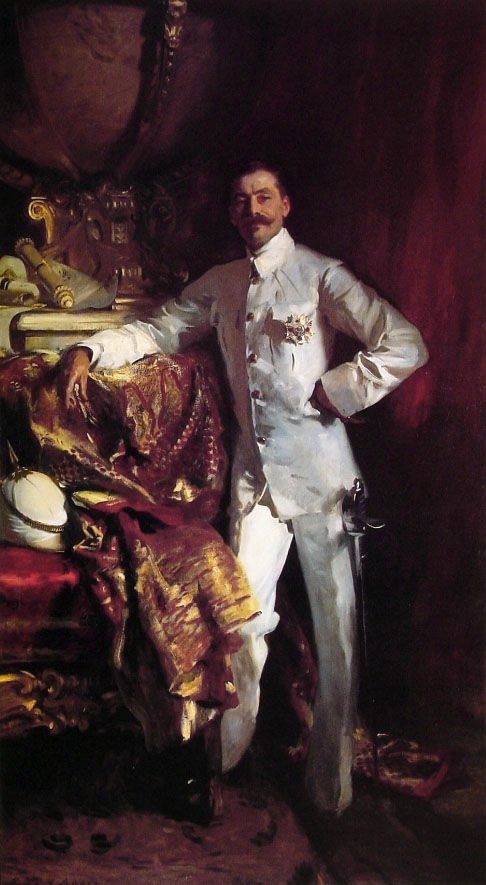
The war for the control of the mines (Selangor war 1867-1873) created economic disorder and a decline in investment, paving the way for British control in 1874. This new historical chapter saw the appointment of British colonial officers (Residents) in Perak and later Selangor along with the establishment of a police force by the British to restore order. J.G Davidson, the first British Resident, was appointed at Klang, while Sir Frank Swettenham, was sent as an adviser to Sultan Abdul Samad. Swettenham will play a crucial role in developing Kuala Lumpur to increase the social and economic benefits from tin mining.

Sir Frank Swettenham, 1904, by John Singer Sargent, Oil on canvas, 258 x 142.5 cm (101.57 x 56.10″), National Museum in Singapore – Source Wikimedia

Kuala Lumpur, the new heart of Selangor development 

After the war ended in 1873, Kuala Lumpur was to prosper again. Between 1880 and 1890, the population increased from 4,500 to 20,000 driven by the boom in tin mining. Consequently, Kuala Lumpur became the largest city in Selangor.  Bloomfield Douglas, the second British Resident of Selangor, moved to Kuala Lumpur in 1880, officially making the city the capital of the state.

Tin production reached such levels that it became necessary to develop infrastructure for transporting tin ore to meet the rising global demand for tin. Frank Swettenham, now British Resident, recommended the construction of a railway spanning 30 kilometers between Kuala Lumpur and Bukit Kuda. The purpose was to connect inland mining activities and trade centers to the west coast port of Klang. Initially, the manpower for this project was Indian labourers. They were reinforced by Chinese coolies to speed up the completion. The railway line was inaugurated on 10th September 1886, becoming the second line built by the British in Malaya. The line was extended from Bukit Kuda across the river to Klang town in 1889 and subsequently extended to Port Swettenham (now Port Klang/Pelabuhan Klang) when it opened in 1901.

Kuala Lumpur-Bukit Kuda line inauguration. Source: serial.malayanrailways.com

Today, Port Klang remains as one of the main ports on Malaysia’s west coast and holds significance as an international port. The city has grown along the Kuala Lumpur-Port Klang axis in the “Klang valley” throughout the 20th century. With a population of eight million, it constitutes a quarter of Malaysia’s overall population. The new infrastructures around Kuala Lumpur (roads, waterways and railways) were mostly financed by taxes on tin. Other developments stemming from the tin industry include the implementation of water piping and electricity in Kuala Lumpur.

To meet the growing demands of American and European industries, tin production must modernize. The British introduced new technologies like the tin dredge in 1912 and the gravel pump.

In 1937, a new mine was opened near Kuala Lumpur and the “Berjuntai Tin Dredging Bhd” factory was built at Sungei Selangor, north of Kuala Lumpur.

By the beginning of the 1990s, Malaysia produced around two million tons of tin, with approximately 90% originating from the West Coast belt. This production was divided between the Kinta Valley in Perak (at the center of the peninsula) and Selangor, mostly concentrated in Kuala Lumpur.

Tin mines and rehabilitation, a second life!   

In the 1980s, the price of tin began to drop due to the emergence of new producing countries such as Brazil. Over 300 mines, including those around Kuala Lumpur, were closed. The intensive mining activities had left these sites wide open, with wells and tin residues rendering the fields unsuitable for agriculture. 

For an extended period, these plots were neglected, leading to issues like degradation and illicit occupation. It wasn’t until the boom in Malaysia’s economy that the government took an interest in these lands, whose real estate value had increased over time. Major projects were then entrusted to the private sector to develop parks, hotels, and golf courses.

Created by Rio Takahashim, a Japanese architect, in 1980, the garden of Titiwangsa lake was built as an alternative to Taman Botanic Perdana in central Kuala Lumpur. The park is 95 ha, half of it occupied by a lake, heritage of a tin mine from the British era.

Titiwangsa Park, photo taken by Katia Luccin

Developed by Jeffrey Cheah Fook Ling (13th wealthiest person in the country?), the theme park of Sunway City Kuala Lumpur was built on a former site that he had mined until 1980`s. The park, with an area of 30ha, is today one of the favorite destinations of Malaysian families.

Formerly the largest open mining center in the world, the site, called Sungei Besi, is located in the South-East periphery of Kuala Lumpur, spanning both the Federal territory of Kuala Lumpur and the state of Selangor. Tin was produced there for several centuries before the involvement of British in mining in 1911, and ending in the 1980s. In 1990 a private entrepreneur, Lee Kim Yew, was mandated by the government to transform the mines of Hong Fatt at Sungei Besi into a tourist site including a five-star hotel, artificial beach and a golf course.

Lee had the mine flooded to make a huge lake. The estate project, The Mines, is arranged around the lake to give birth to The Mines Wellness City, Golf Club and Mines Resort.

If Kuala Lumpur city is so green, it owes it to those projects!

One of Malaysia’s wealth is the diversity of its population acquired following several waves of immigration; (one of which was attributed to tin mining). A good example of “vivre ensemble” despite the difficulties met to build a nation.

References

Kuala Lumpur, Wkipedia, Wikipedia.org/wiki/Kuala_Lumpur, read on 22/12/2020

“L`etain: 1100 mines et des cours fluctuants » Le Monde Diplomatique, monde-diplomatique.fr ?1969/08/A/29171, read on21/12/2020

A history of Malaysia, barbara Watson Andaya, Leonard Y. Andaya, Red Globe Press 3rdedition, 2017

Journal of the Malayan Branch of The Royal Asiatic Society n28, J-M Gullick, Malaya Publishing house, 1955, Myrepositori.pnm.gov.my/bistream/123456789/2265//1/JB1865_MBRA.pdf, read on 21/12/2020

Interview with Datin Paduka Chen Mun Kuen, Director of Royal Selangor international Sdn Bhd news.sma.org.sg/4211/Datin_ChenMK.pdf, read on 24/12 2020

Southeast Asia: A historical Encyclopedia, from Angkor Wat to East Timor, Kin Gin Ooi, ABC Clio, 2004

Young Koon, Royal Selangor Heritage, eu.royalselengor.com/heritage, read on 22/12/2020

Sir Franck Swettenham, British colonial officer, Britannica, Britannica.com/biography/Frank-Athelstane-Swettenham, read on 22/12/2020

The imperial locomotive: A Study of the Railway System in British Malaya, Tse Siang Lim, 2010, academia.edu/1517283/The_Imperial_Locomotive_A_Study_of_Railway-System_in_British_Malaya_1885_1942, read on 28/12/2020

Sunway Lagoon Resort, sunway.com.my/sunway-at-a-glance, read on 23/12/2020

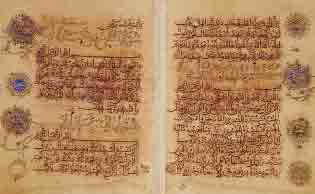
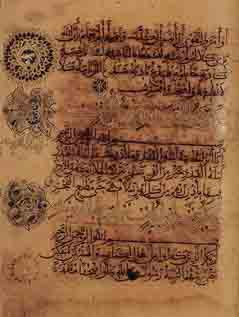
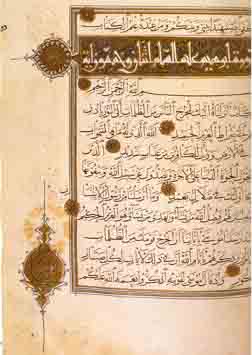
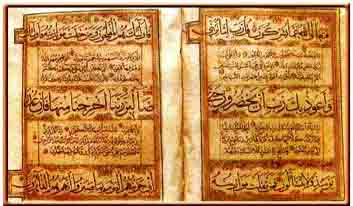
The Beauty and Legacy of Arabic Calligraphy: An Artistic Odyssey

By Emna Esseghir

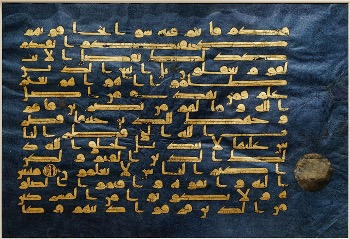
Leaf from the Blue Quran of Tunisia showing Sura 30: 28–32, Metropolitan Museum of Art, New York. (Photo: Wikimedia Commons)

Human is Social by Nature

Ibn Khaldun, the distinguished Tunisian historian and scholar, expounded in his seminal work, the “Muqaddimah,” the profound idea that humans innately gravitate towards forming social groups, tribes, and communities. He persuasively argued that these intrinsic social bonds not only define our human nature but also serve as the bedrock for the development and sustainability of entire civilizations. This notion of social cohesion finds resonance in our broader human proclivity for connectivity, which echoes resoundingly throughout history.

The fascinating evolution of human communication further underscores our fundamental need to express and safeguard knowledge. This captivating journey commenced with rudimentary visual storytelling through cave paintings and progressively evolved into more structured forms of writing, including early pictograms and ideograms etched in cuneiform and hieroglyphics. As human societies advanced, the emergence of abstract scripts, epitomized by the Phoenician alphabet, substantially enhanced the efficacy of communication. The pinnacle of this progress was reached through the artistry of calligraphy, where skilled artisans elevated writing into a form of visual expression. Through the medium of calligraphy, they crafted exquisite manuscripts, sacred texts, and official documents, eloquently illustrating our unwavering commitment to conveying ideas, sharing wisdom, and etching an enduring legacy on the tapestry of human history.

To explore the captivating world of Arabic calligraphy, which serves as a testament to the beauty of written expression, In this article, I will explore the history and evolution of Arabic calligraphy. Additionally, I will elucidate various aspects of Arabic calligraphy exhibited within the Muzium Negara.

What’s Arabic Calligraphy?

Based on the definition given by the Unesco, Arabic calligraphy is the artful practice of elegantly writing Arabic script, aiming to convey a sense of harmony, grace, and beauty. This tradition, passed down through both formal and informal educational channels, involves the skillful arrangement of the twenty-eight letters of the Arabic alphabet in a flowing, cursive style, typically from right to left. Initially designed to enhance the legibility of written text, it gradually evolved into a revered form of Islamic Arab art, applicable to both traditional and contemporary works. The flowing nature of Arabic script offers endless creative possibilities, allowing letters to be elongated and transformed in various ways to create diverse visual patterns.

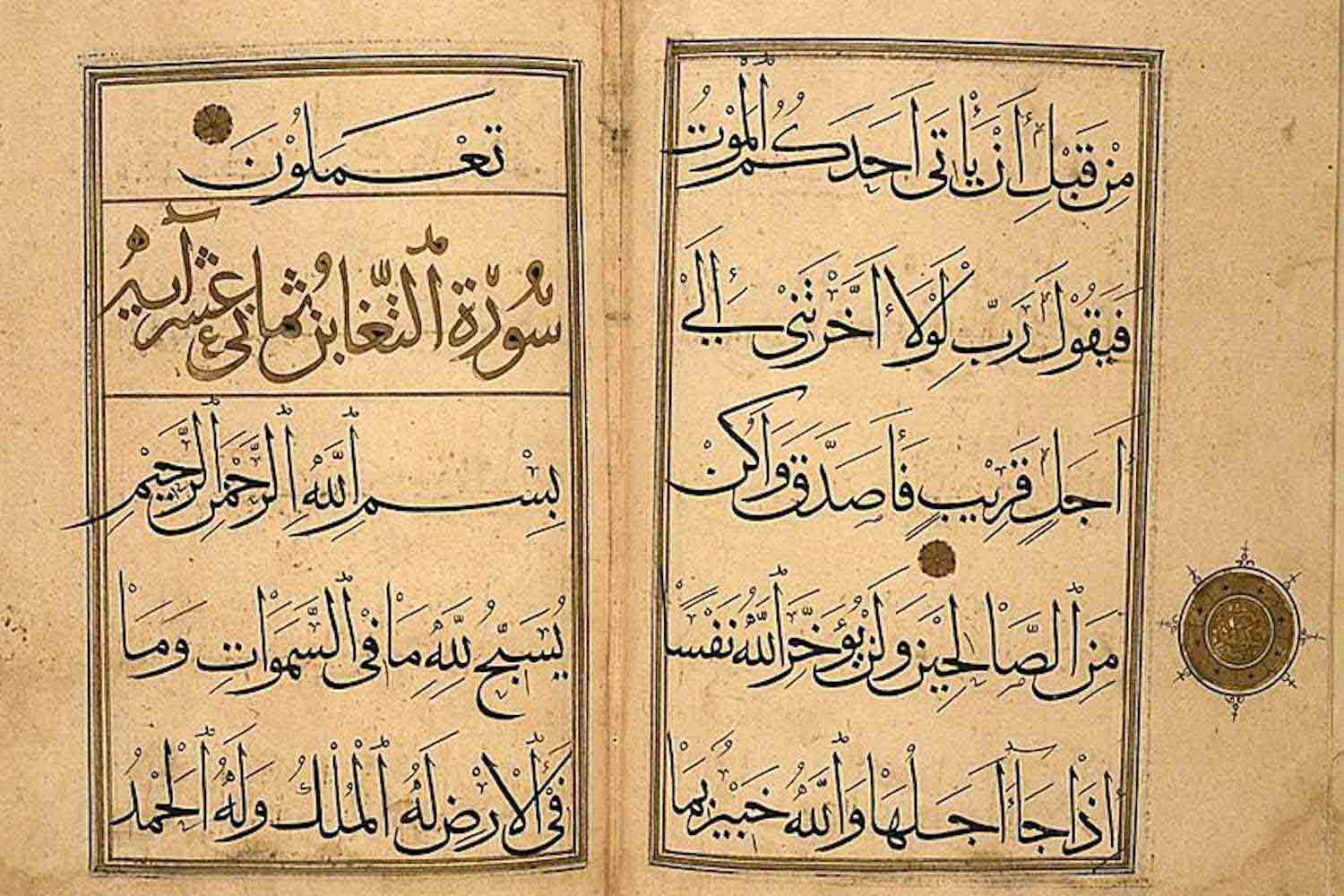
Text from a 14th century Quran written in the Rayhani script
(Photo: Wikimedia Commons)

Traditional techniques employ natural materials like reeds and bamboo stems as writing tools, while ink is meticulously crafted from a mixture of honey, black soot, and saffron. The paper used is handmade and treated with starch, egg white, and alum. In contrast, modern calligraphy frequently employs markers and synthetic paints, and spray paint becomes the medium of choice for calligraffiti, which adorns walls, signs, and buildings. Artisans and designers utilize Arabic calligraphy to enhance various art forms, including marble and wood carving, embroidery, and metal etching.

Origins of Arabic Calligraphy

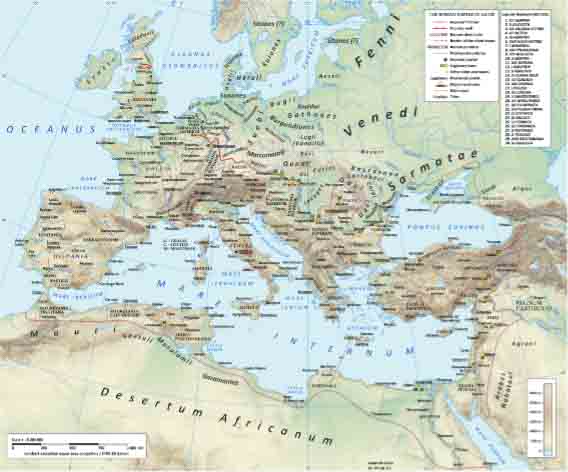
The pre-Islamic period in the history of Arabic calligraphy was characterized by a relatively rudimentary form of the Arabic script. During this time, the Arabian Peninsula was home to various tribal communities, and the Arabic script, which had evolved from the Nabatean script, was used primarily for practical purposes such as inscriptions and basic record-keeping.

Map of the Roman empire under Hadrian (ruled CE 117–138), showing the location of the Arabes Nabataei in the desert regions around the Roman province of Arabia Petraea

This script had a limited number of characters and was written from right to left. Over time, as the Arabian Peninsula became more interconnected through trade and cultural exchange, the script began to evolve to accommodate the Arabic language.

In pre-Islamic Arabia, the primary means of communication and cultural preservation was through oral tradition. Poems and stories were passed down orally from one generation to the next. Writing was less developed, and the use of the Arabic script was limited mainly to practical purposes such as inscribing names, tribal markings, and important declarations on stones and other surfaces.

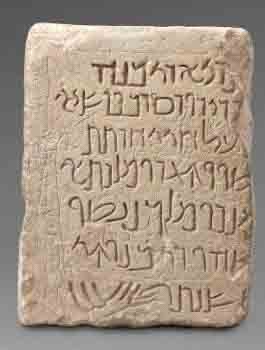
Examples of Nabataean inscriptions from Petra (Source: https://www.swissinfo.ch/spa/multimedia/tras-las-huellas-de-scheich-ibrahim_petra–esplendor-del-desierto/34695166)

The early Arabic script bore the influence of neighboring scripts like Aramaic and Syriac, evident in some of the shapes and characters present in early Arabic inscriptions.

These initial instances of Arabic script dating from that era are observable in inscriptions on pre-Islamic artifacts, including tombstones, coins, and the foundations of structures. These inscriptions tended to be straightforward and pragmatic, serving functional purposes rather than showcasing the artistic finesse associated with calligraphy.

It’s worth highlighting that the development of Arabic calligraphy as a refined and artistic tradition occurred later, coinciding with the rise of Islam. The Quran, revealed to the Prophet Muhammad, played a pivotal role in elevating the Arabic script to a higher status. This transformation ultimately gave rise to the diverse calligraphic styles and forms that we now associate with Arabic calligraphy.

Arabic Calligraphy’s Zenith

The early development of Arabic calligraphy represents a captivating narrative of artistic evolution that defies linear progression. Across geographically dispersed regions like Damascus, Baghdad, Morocco, and Spain, a rich tapestry of scripts flourished and waned in popularity. Among these, Kufic, originating from the city of Kufah in Iraq, emerged as the initial universal script, holding sway over Arabic calligraphy from the 7th to the 11th century. However, during this early period, Kufic retained a certain ruggedness and lacked the systematic refinement that would characterize its later incarnations during the “Golden Age” of calligraphy.

The turning point in the journey of Arabic calligraphy arrived in 762 when the Abbasid Caliph Mansur embarked on a grand endeavor—the construction of Baghdad, a meticulously planned city positioned strategically along the banks of the Tigris River. Baghdad swiftly ascended to the status of the cultural nucleus of the Middle East, attracting scholars, artists, and intellectuals from far and wide. It was in this vibrant and intellectually charged atmosphere that Arabic calligraphy reached its zenith of development.

This illustrious “Golden Age” of Arabic calligraphy is often epitomized by the contributions of three iconic calligraphers:

1- Ibn Muqla (886–940) introduced groundbreaking principles of proportion and aesthetics to the art, elevating it beyond mere utility.

2- Ibn al-Bawwab (believed to have lived from 961–1022) pushed the boundaries of script and composition, further enhancing the art’s visual appeal and complexity.

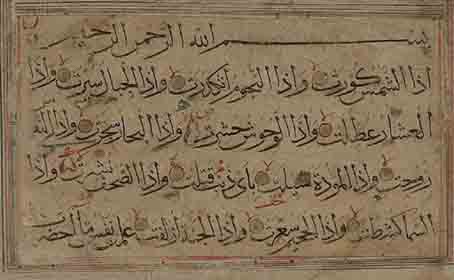
Two folios of the Quran, written by Ibn al-Bawwab in 1001 CE. The original copy is preserved in Chester Beatty Library, Dublin (Credit: Chester Beatty Library, Dublin)

A folio from the Quran written by Ibn al-Bawwab (Chapter 971 Al-Qadr and Chapter 98: Al-Bayyinah) (Credit: Chester Beatty Library, Dublin)

3- Yakut al-Musta’simi of Amasya (d. 1298) left an indelible mark with his intricate and ornate calligraphic works, exemplifying the pinnacle of the craft.

A folio of the Quran, written by Yaqut al-Mustasimi, preserved in Topkapi Saray Library, Istanbul

Two folios from the Quran, written by Yaqut al-Mustasimi in 1269 CE, are preserved in Khuda Bakhsh Library, Patna, India

In this era, Arabic calligraphy transcended mere writing; it became an art form that harmoniously blended form, function, and artistic expression. It was not merely a conduit for conveying words but a source of visual beauty and cultural significance.

The “Golden Age” of Arabic calligraphy refined the art to such an extent that it continues to inspire admiration and scholarly inquiry, standing as a testament to the enduring marriage of creativity and tradition. This legacy endures in the intricate and elegant calligraphic works that grace Islamic architecture, manuscripts, and various forms of artistic expression today.

4- Arabic Calligraphy different style

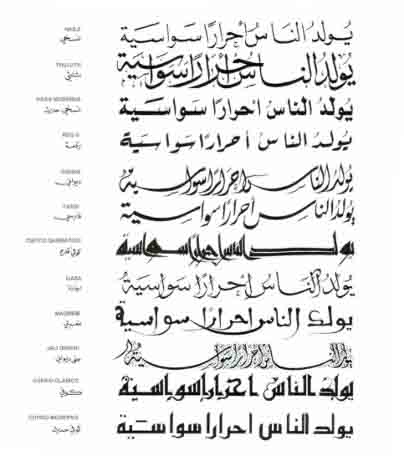
Arabic calligraphy encompasses an array of script styles characterized by cursive forms, vertical extensions, and intricate geometric designs. Some scripts adopt more pronounced curves and intricate linkages between letters. Each style of Arabic calligraphy serves a distinct purpose, tailored to the specific intentions of the calligrapher.

Same sentence written in 12 different styles
(Source: https://www.pinterest.com/pin/321514860892971724/)

5- Examples of fusion with the Arabic Calligraphy:

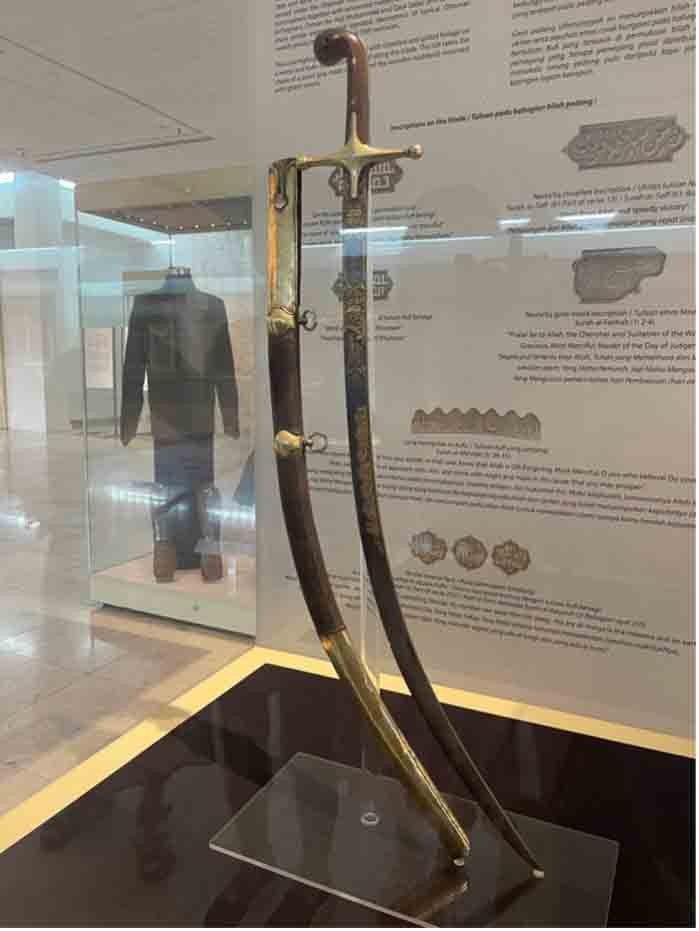
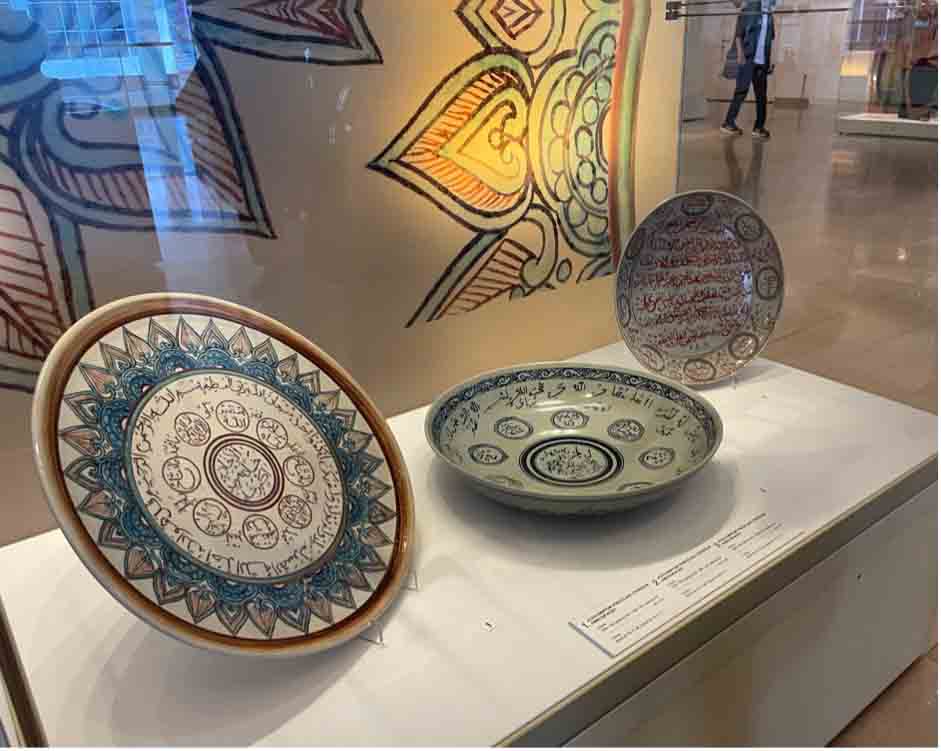
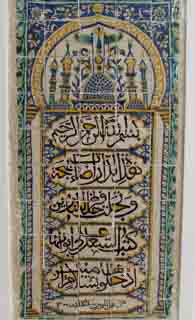
Here are photos of several buildings, ceramics, weapons, and artefacts adorned with Arabic calligraphy. They come in various forms and styles, usually designed to convey moral messages through Quranic verses.

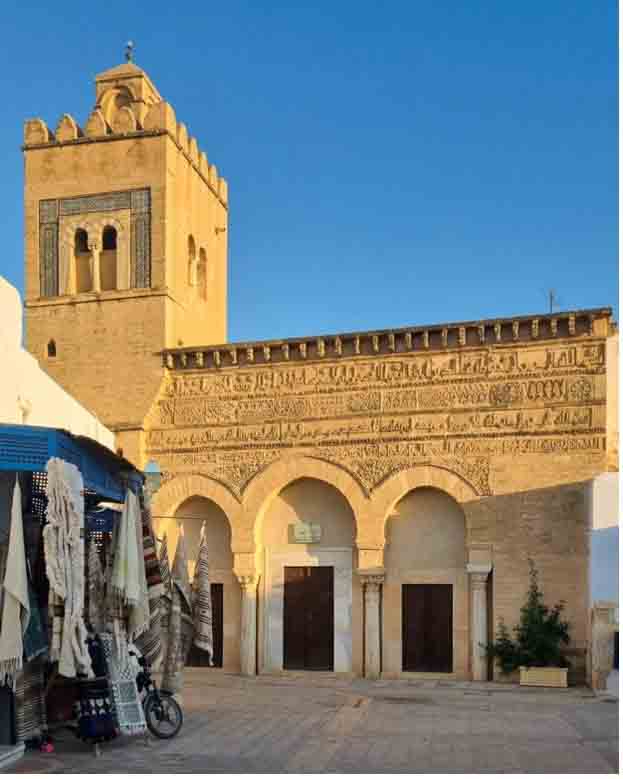
Facade of Mohamad Ben Khairoun El Maarefi’s Masjed in Kairouan – Tunisia With Kufi Script (Photo: Issam Barhoumi)

Calligraphic mosaic, Iran
(Source : https://www.sciencephoto.com/media/83654/view/calligraphic-mosaic-iran)

Ottoman Sword By Ahmad Al Khurasani with Arabic calligraphy, exhibited at IAMM (Photo: Emna Esseghir)

Aceh plate with Arabic calligraphy exhibited at Islamic Arts Museum, Malaysia
(Photo: Emna Esseghir)

Tiles with Quran verses exhibited at Bardo Musuem Tunisia
(Photo: Mohamed Yazid Ben Abdessalem)

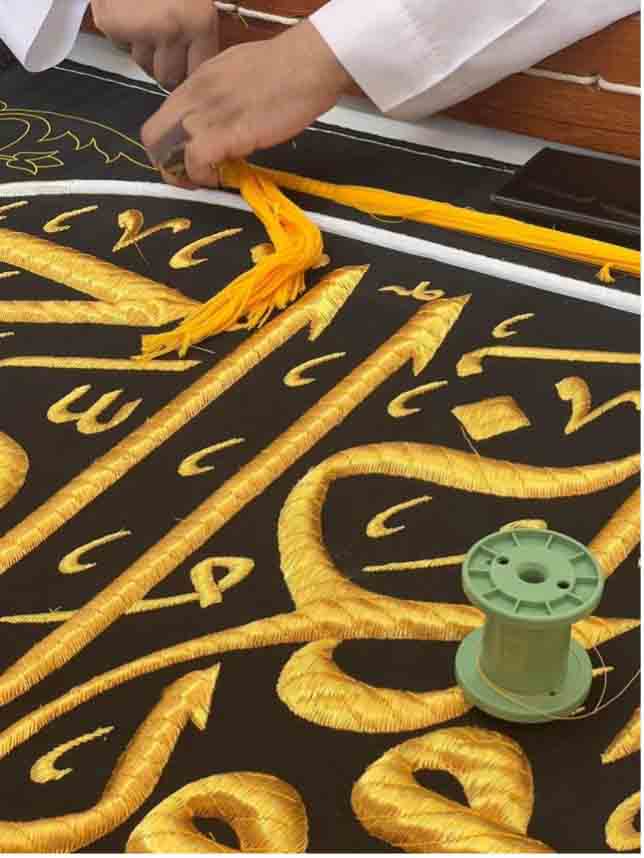
The Kaaba’s gold laced cover
(Photo: Sami Mansour)

The calligraphic inscription between the zigzag designs and medallion reads: Blessings to Allah and praise be to Him, Blessed be Allah the Great, Oh, Lord who give us riches, There is no God but Allah and Prophet Muhammad is the Messenger, Surah al-Baqarah (2:144), and Oh, Sultan.

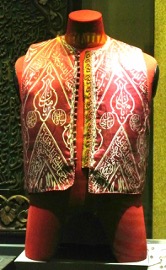
Red vest with verses displayed in Gallery B, Muzium Negara
(Photo: Emna Esseghir)

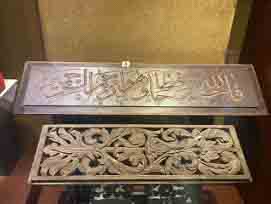
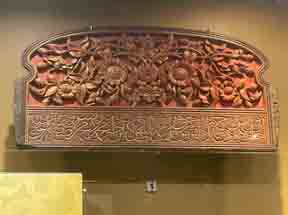
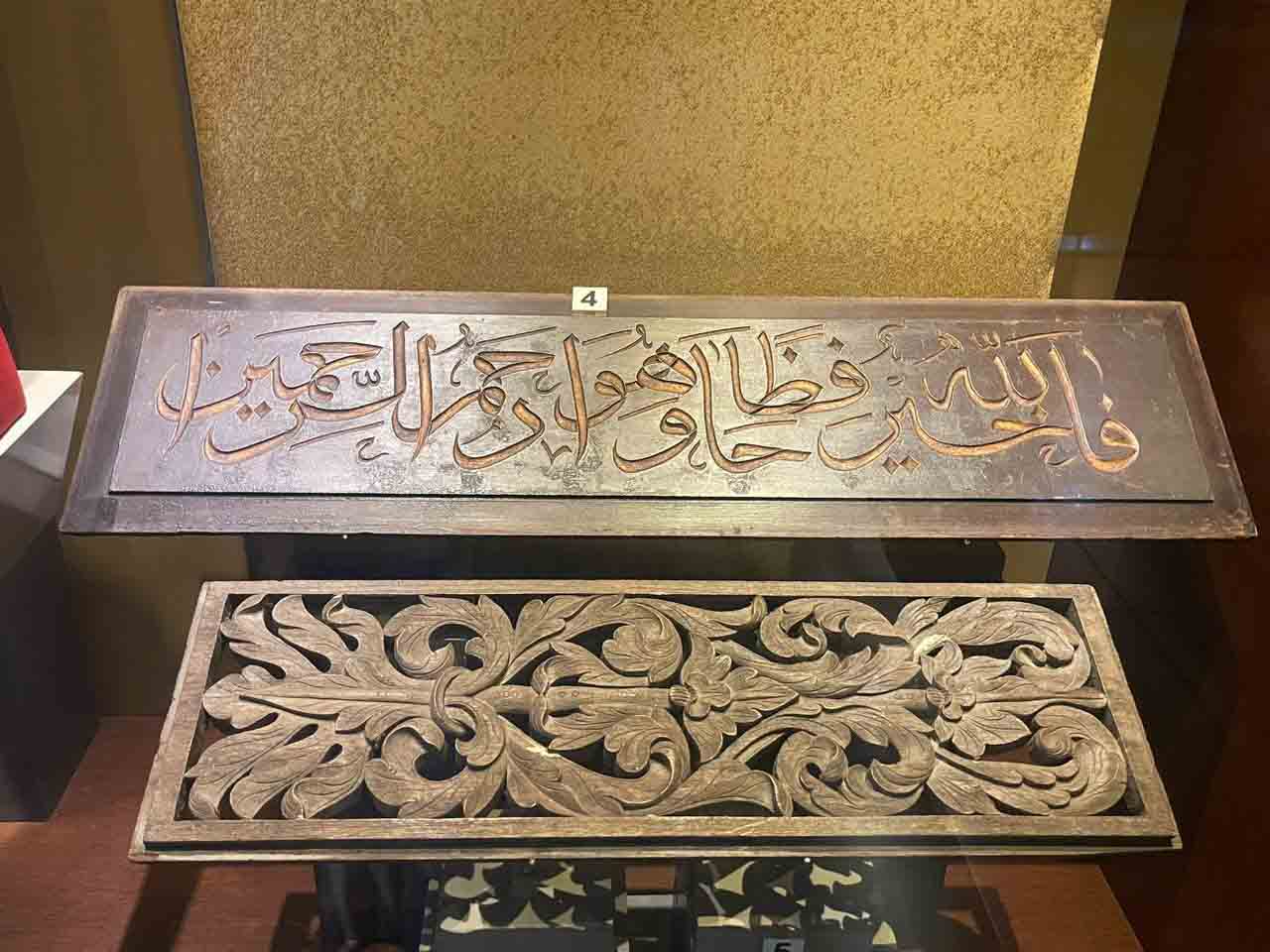
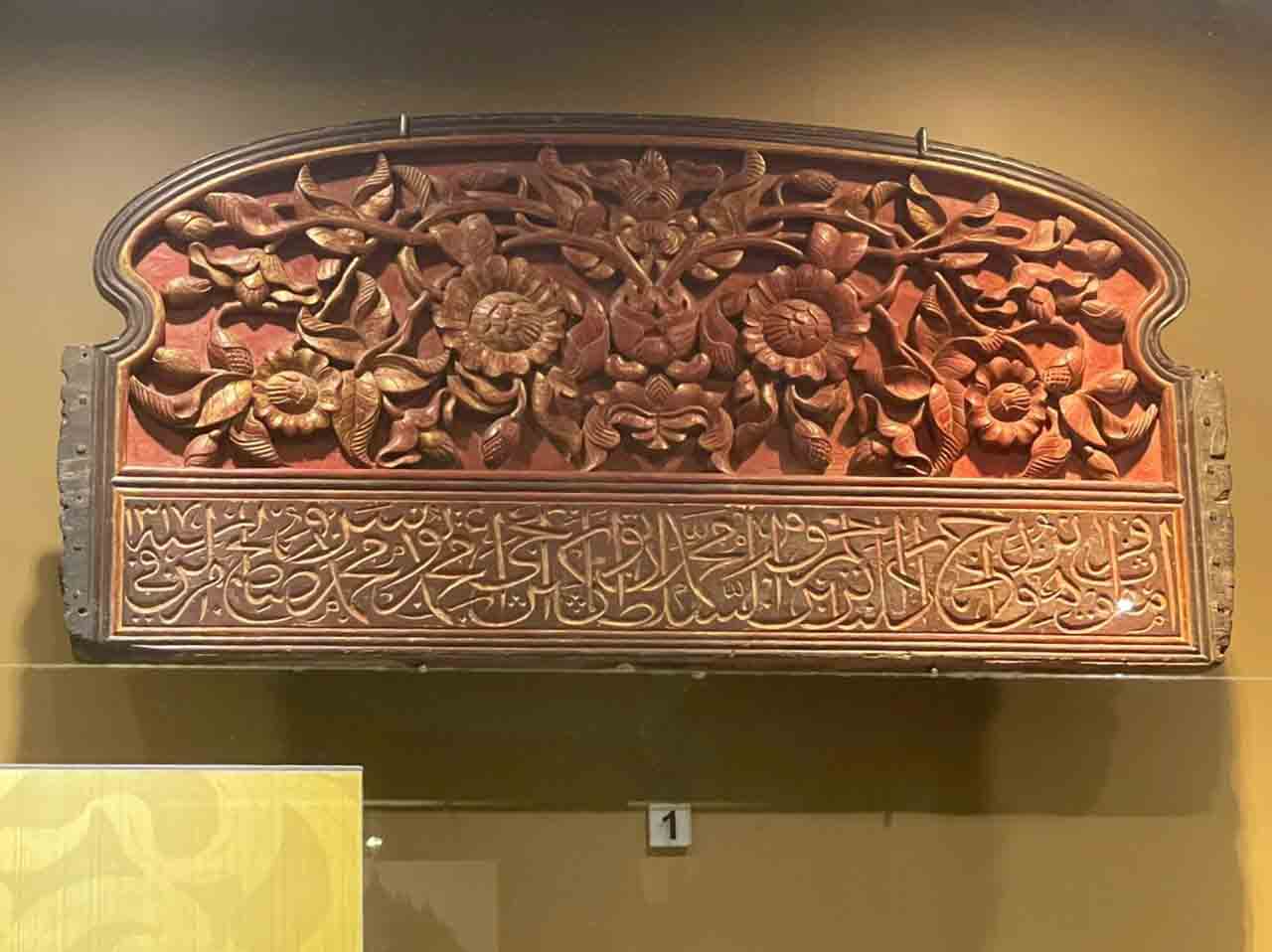
*woodcarving is influenced by the moral ethical values with Quranic verses:

Wood carved plates, Gallery B Muzium Negara
(Photo: Emna Esseghir)

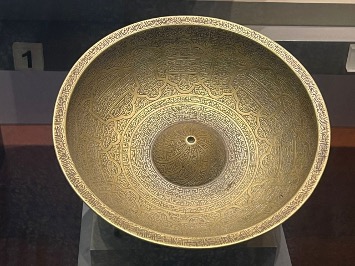
Persian or Iranian Brass Islamic Magic Bowl, Gallery B, Muzium Negara
(Photo: Emna Esseghir)

References

  1. Blue Quran: https://en.wikipedia.org/wiki/Blue_Quran
  2. THE MUQADDIMAH by Abd Ar Rahman bin Muhammed ibn Khaldun: https://delong.typepad.com/files/muquaddimah.pdf
  3. Arabic calligraphy: knowledge, skills and practices: https://ich.unesco.org/en/RL/arabic-calligraphy-knowledge-skills-and-practices-01718#:~:text=Arabic%20calligraphy%20is%20the%20artistic,cursive%2C%20from%20right%20to%20left
  4. A Brief History of Arabic Calligraphy: https://www.skillshare.com/en/blog/a-brief-history-of-arabic-calligraphy/
    https://www.metmuseum.org/learn/educators/curriculum-resources/art-of-the-islamic-world/unit-two/origins-and-characteristics-of-the-arabic-alphabet
  5. Ibn Muqla: https://artcalligraphy.net/en/ibn-muqla/
  6. Ibn Muqla: The prophet of Arabic Calligraphy by Md. Monirul Islam: https://ocd.lcwu.edu.pk/cfiles/Arabic/Min/FA-101/IbneMakla.pdf
  7. Hasan Celebi, Turkey’s Master Calligrapher by Professor A. R. MOMIN: https://www.iosminaret.org/vol-8/issue21/Hasan_Celebi.php
  8. Arabic Calligraphy Styles: https://www.arabic-calligraphy.com/arabic-calligraphy-styles/
  9. Some Islamic Artefacts at Muzium Negara: https://museumvolunteersjmm.com/2020/04/01/some-islamic-artefacts-at-muzium-negara/

Unlocking the Eight-Pointed Star’s Mystery

By Emna Esseghir

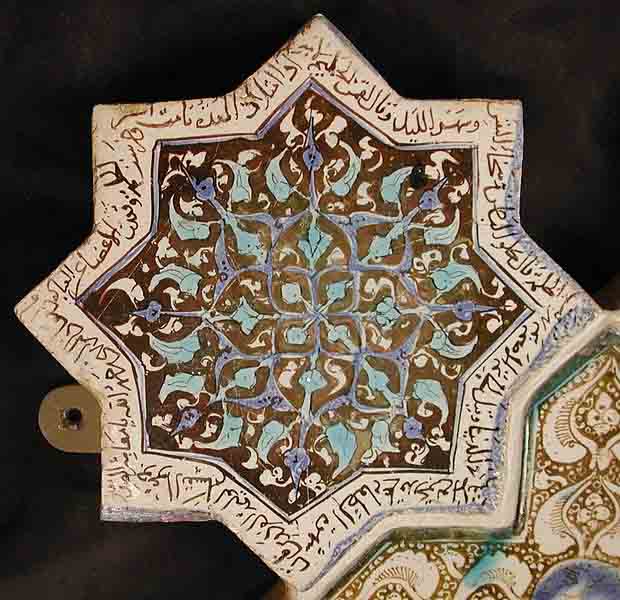
An eight-pointed star-shaped tile.
Image source: https://www.metmuseum.org/art/collection/search/444459

Introduction

Stars have perpetually held a captivating allure for humanity, drawing us into realms of scientific fascination, artistic ingenuity, and profound spiritual significance. These celestial entities have not merely fueled our scientific explorations, revealing their diverse classifications and intricate life cycles, but have also ignited the creative flames of art, poetry, and mythology, enduring as timeless symbols of hope and beauty.

In the realm of religion, stars occupy a revered position across various faiths and cultures, embodying divine manifestations, celestial emblems, and sources of spiritual guidance. Beyond these multifaceted dimensions, stars serve as a unifying thread that transcends both time and cultural boundaries, binding us together through our insatiable curiosity, our enduring spiritual connection to the cosmos, and our collective awe at the enigmatic mysteries of the universe.

In this article, I will delve deeper into the study of the eight-pointed star, a compelling exemplar of how celestial objects like stars can carry profound significance for humanity, owing to their rich history of symbolism across diverse cultures and religions.

What’s an eight-pointed star?

In geometry, an 8-pointed star is a geometric shape formed by the intersection of two squares, typically with one square rotated at a 45-degree angle relative to the other. It features eight distinct points or vertices radiating outward from a central point. The resulting figure often resembles an octagonal star and is commonly referred to as an octagram. This shape exhibits symmetry and can be constructed using various geometric methods.

The regular octagram is characterized by equal-length sides and angles, lending it a balanced and uniform appearance. It can also exhibit different variations.

Different variations of 8-pointed star.
Image source: https://www.outofstress.com/8-pointed-star-meanings/

Meanings and origins of the 8-pointed star

Its octagonal structure serves as a distinctive emblem, signifying both protective qualities and guidance, owing to its direct alignment with the eight cardinal directions. Moreover, this celestial symbol maintains a profound connection with the number 8, a universally recognized symbol of significance and good fortune across diverse cultural landscapes. Furthermore, the star’s octagonal shape has been associated with the eight phases of human spiritual growth.

Consequently, the 8-pointed star emerges as an exceptionally versatile symbol, possessing multifaceted applications encompassing realms such as spiritual healing, the facilitation of manifestation, and the attraction of positive energies.

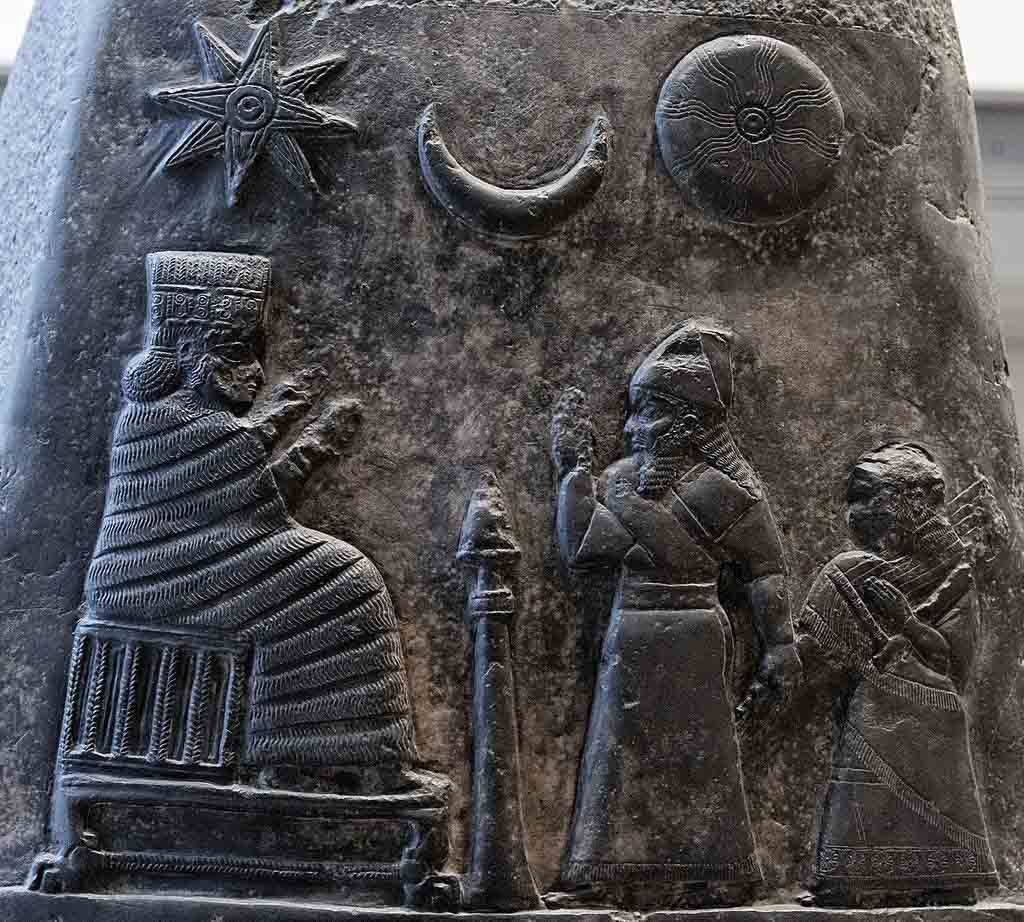
The 8-pointed star holds immense cultural and religious significance across various historical contexts. It symbolizes celestial entities like the moon, sun, planets, stars, and comets. Its origins trace back to ancient Mesopotamia, particularly Babylon, where it was closely associated with the goddess Ishtar. Ishtar held sway over domains such as love, fertility, and warfare, and she bore a connection to the planet Venus, often referred to as the Morning Star.

Depiction of the star of Ishtar (Image source: Jastrow via Wikipedia)

The eight-pointed star’s significance is not confined to a single cultural sphere, but rather extends its influence across diverse global civilizations. For instance, among Canada’s indigenous peoples, the eight-pointed star serves as a representation of the sun radiating its brilliance in all directions. Furthermore, several formerly Soviet republics, upon gaining independence, incorporated the eight-pointed star into their national flags, symbolizing the sun, as exemplified by the flag of Azerbaijan.

The flag of Azerbaijan (Image source: Wikipedia)

The 8-pointed star holds a prominent position within Islamic art and architecture. Emma Clark, as detailed in her book “The Art of the Islamic Garden,” elucidates that this symbol signifies God’s Throne. This symbolism is rooted in a Quranic verse that prophesies the presence of 8 angels flanking God’s Throne on the Day of Judgment, correlating with the 8 points of the star. Remarkably, upon the Throne, an inscription reads, “My Mercy Supercedes My Wrath,” instilling a profound sense of hope in God’s boundless mercy and the prospect of salvation.

“And the angels are at its edges. And there will bear the Throne of your Lord above them, that Day, eight [of them]”

SURAH AL-HAQQAH AYAT 17 (69:17 QURAN)

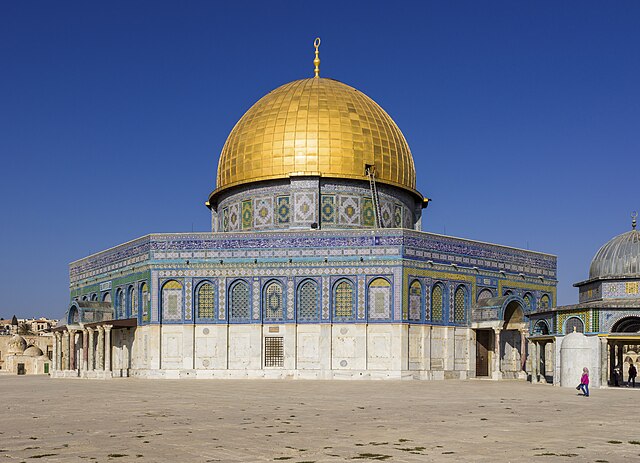
This numerical symbolism extends to the architectural layouts of various mosques, with notable examples including the Al-Aqsa Mosque and the Dome of the Rock with Najmat al Kods, traditionally believed to occupy the site of Solomon’s Temple.

The Rub-el-Hzib and the more floral Najmat-al-Quds

(Image source: https://farbound.net/najmat-al-quds-star-of-jerusalem-humayuns-mausoleum-nizzamuddin-east/)

Also, its predecessor, the symbol Rub El Hizb, characterized by two intersecting squares enclosing a central circle, holds particular significance within the Islamic context: in Arabic, the expression “Rub El Hizb” signifies an object or concept divided into quarters, visually reflected in the symbol itself, where two squares have their edges divided into segments.

Historically, Muslims employed the Rub El Hizb as a tool for the recitation and memorization of the Quran. The symbol serves to represent each quarter of a “Hizb,” which designates a distinct section within the holy Quran.

Rub El Hezb Symbole (Image source : LACMA/Wikimedia Commons/Public Domain)

In the world of Central Asian art and culture, the eight-pointed star enjoys prominence in numerous blue ceramic mosaics, exemplifying its enduring cultural appeal.

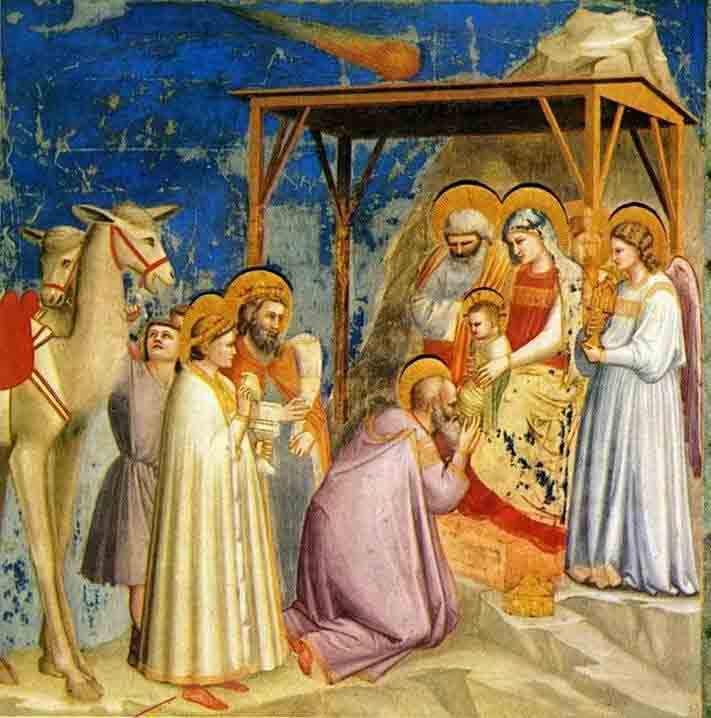
Within Christian sacred art, the eight-pointed Star of Bethlehem plays a pivotal role, guiding the three wise men to the birthplace of Christ and symbolizing the nativity of Christ and the redemption he offers to humanity.

Adoration of the Magi by Florentine painter Giotto di Bondone (1267–1337).

The Star of Bethlehem is shown as a comet above the child. 
(Image source: Hohum via Wikipedia)

In Hinduism, the Ashtha Lakshmi, also known as the star of Lakshmi, is a symbol made of two squares placed on top of each other at a 45-degree angle. This symbol represents the eight different forms of the goddess Lakshmi. Lakshmi is highly regarded as the goddess of fortune, wealth, and abundance.

This symbol is widely recognized and appreciated for its simplicity and is shared among various religions and civilizations around the world.

The initial emergence of the eight-pointed star in Islamic symbolism

Built between 687 and 691 A.D. during the rule of Arab Caliphs Abd-al-Malik and Al Walid I of the Umayyad dynasty, the Dome of the Rock stands as a significant achievement in Islamic architecture. It also served as an educational hub for Arabian architects and artists.

Inspired by Sassanid Persians, the Arabs embraced features like grand arches, ornate ornamentation, and Persian-style gardens. They also learned from the Byzantines how to construct large domes on tall drums, a technique seen in later Islamic structures worldwide, including the mausoleum of Humayun in Hindustan and the Taj Mahal.

The Dome of the Rock.
(Image source: Andrew Shiva via Wikipedia | CC BY-SA 4.0)

The Dome of the Rock took cues from early Roman-Byzantine structures with an octagonal floor plan, a fusion of circle and square. It was crafted by Byzantine Christian artisans following Islamic guidelines, fostering the exchange of construction techniques, interior design, and a passion for mathematics, especially geometry, among the Muslim Arab community.

Inside, the shrine featured intricate marble works, glass mosaics, and Arabic calligraphy. The eight-pointed star emerged as a symbol, blending into the decor and architectural design.

The most famous eight-pointed star in Malaysia

At the outset, the twin towers were conceived with a modest height of 1400 feet (427m) in mind. However, it was the vision and determination of Dr. Mahathir that transformed them into a global architectural marvel. He saw the potential for these towers to not only be significant structures but also iconic symbols of Malaysia’s ambition and identity on the world stage.

The design of Petronas tower.
(Image source: https://www.petronastwintowers.com.my/)

The PETRONAS Towers’ connection to Islamic symbolism is strikingly evident in their design, which forms an eight-pointed star when viewed from above. This architectural choice holds profound cultural and symbolic significance in Islamic tradition. The eight-pointed star symbolizes unity, harmony, and stability, reflecting the principles of balance and togetherness. Islamic art and geometric patterns heavily influence the towers’ aesthetics.

This incorporation of Islamic symbolism and aesthetics is a testament to the architects cultural sensitivity, acknowledging Malaysia’s Islamic heritage while simultaneously projecting the nation’s modernity and ambition on the global stage. The PETRONAS Towers stand not only as architectural marvels but also as iconic representations of Malaysia’s rich cultural tapestry and its its harmonious blend of tradition and progress.

References

  1. Eight Pointed Star Rug Design: https://nazmiyalantiquerugs.com/area-rug-guide/motifs-symbols/eight-pointed-stars-rug-design-motif/#:~:text=Christianity%3A%20In%20Christianity%2C%20the%208,the%20birth%20of%20Jesus%20Christ.
  2. Giotto – Scrovegni – -18- – Adoration of the Magi: https://commons.wikimedia.org/wiki/File:Giotto_-_Scrovegni_-_-18-_-_Adoration_of_the_Magi.jpg?uselang=en#Licensing
  3. Juz’ 1 of the Quran : https://www.learnreligions.com/juz-1-of-the-quran-2004552
  4. Learn About the Meaning of an Eight Pointed Star : https://mythologian.net/learn-about-the-meaning-of-an-eight-pointed-star/#:~:text=The%20eight%2Dpointed%20star%20represents,Hope%20symbol%20as%20Star%20Knowledge.
  5. PETRONAS Twin Towers: https://www.petronastwintowers.com.my/
  6. Rub el Hizb : https://en.wikipedia.org/wiki/Rub_el_Hizb
  7. Star of David : https://www.researchgate.net/publication/304113265_Star_of_David
  8. Symbolic attribute of the eight-pointed star and its relation to Imam Reza (AS) based on the numbers science (abjad) : https://hsi.kashanu.ac.ir/article_111923.html?lang=en
  9. The star that is a landmark in Islamic architecture. : https://farbound.net/najmat-al-quds-star-of-jerusalem-humayuns-mausoleum-nizzamuddin-east/
  10. What You Should Know About Octagrams – Eight-Pointed Stars : https://www.learnreligions.com/octagrams-eight-pointed-stars-96015

Tanjung Tualang Tin Dredge No. 5 (TT5) – A Refurbished Dredge in All its Glory

By V. Jegatheesan

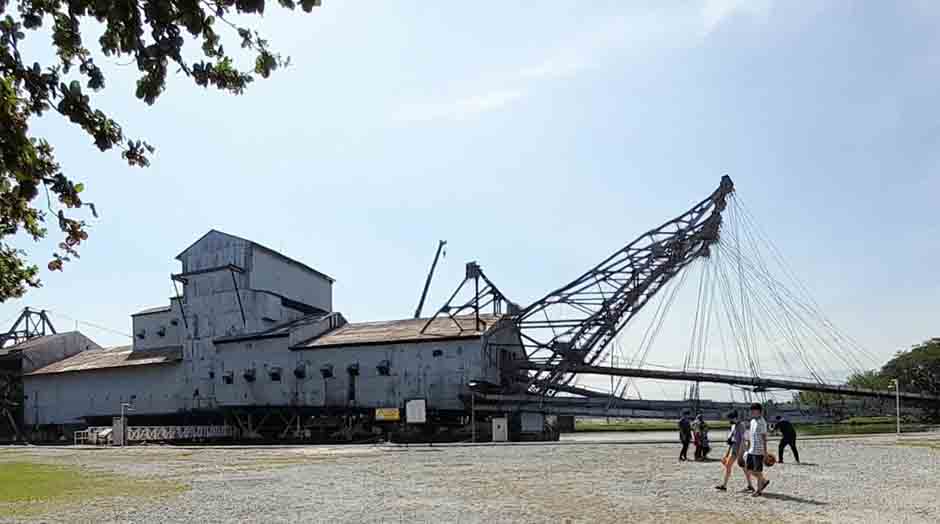
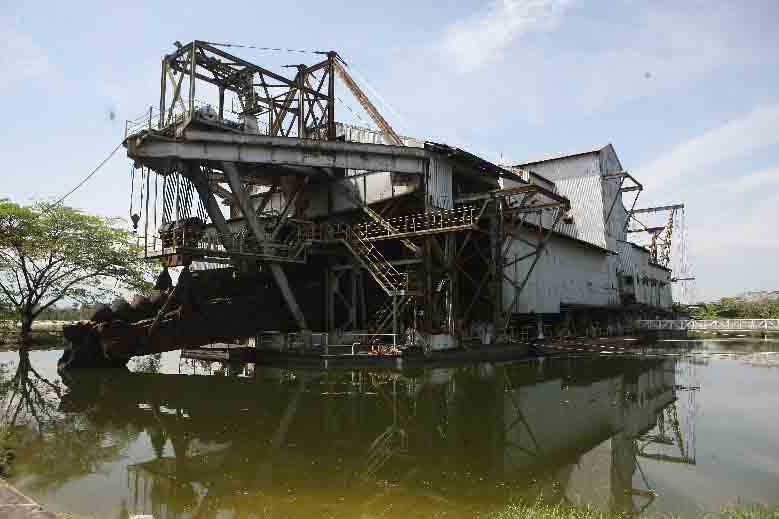
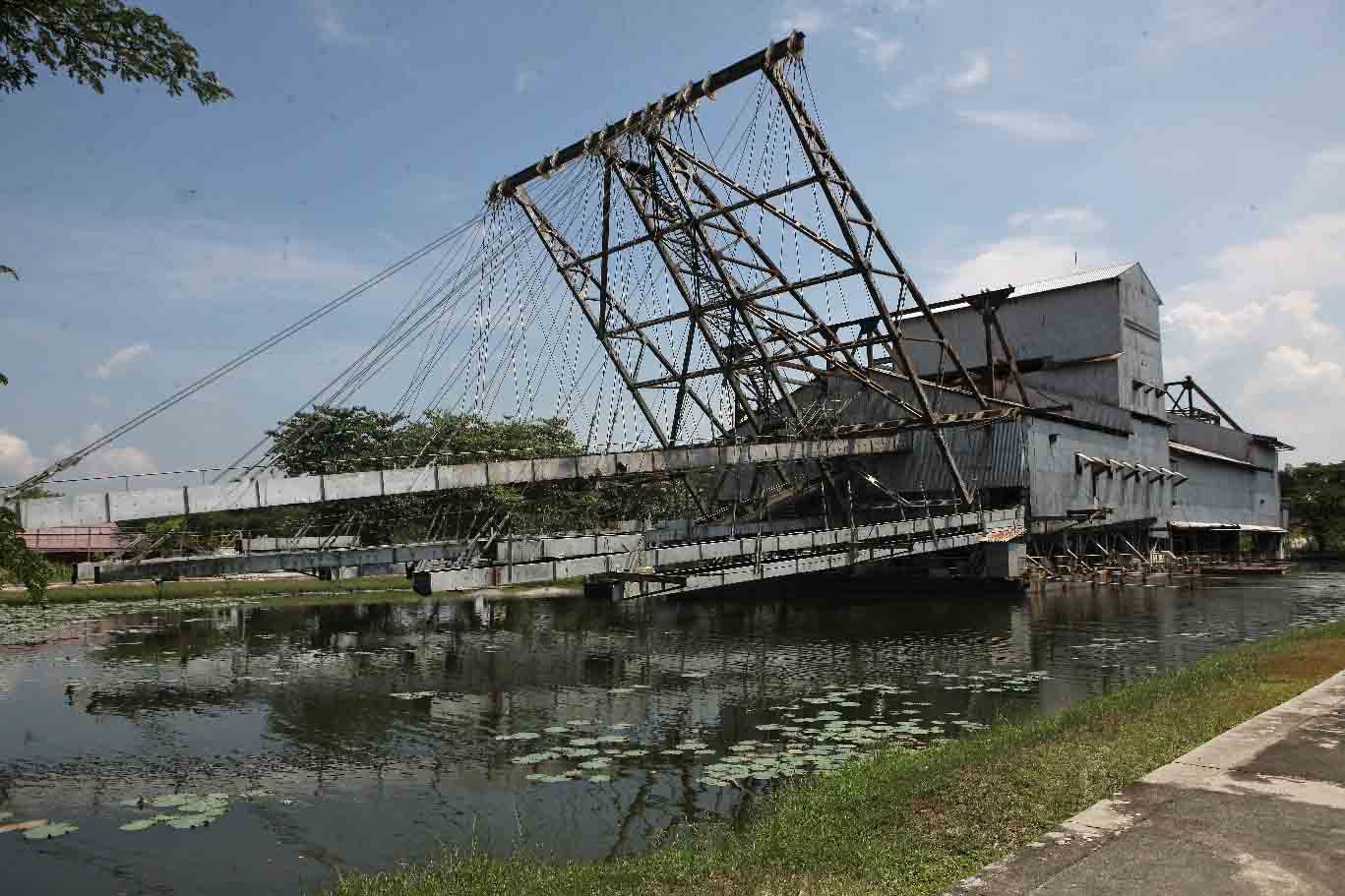
Tanjung Tualang Dredge No. 5. Image credit: V. Jegatheesan.

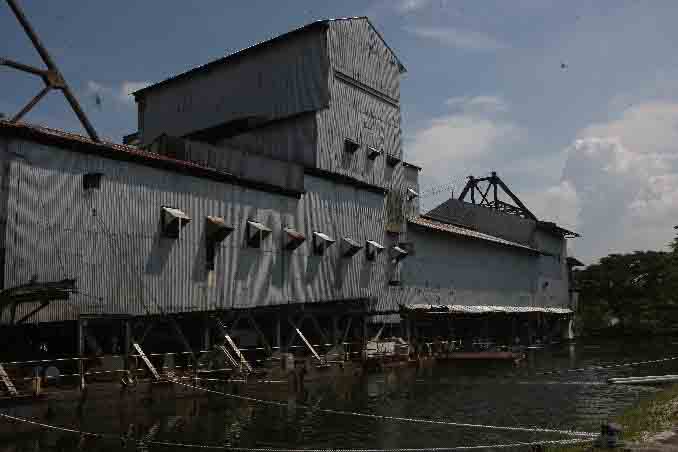
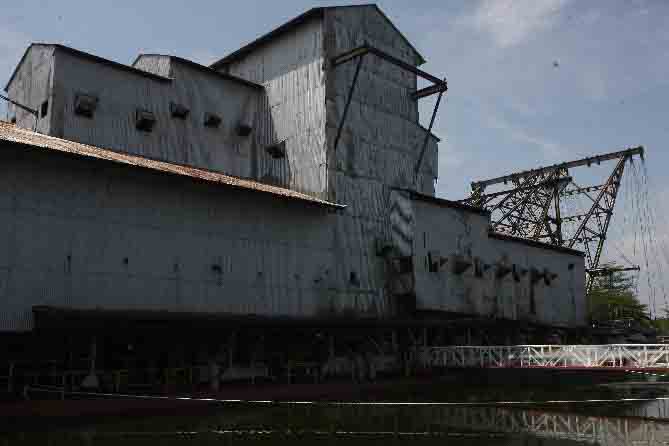
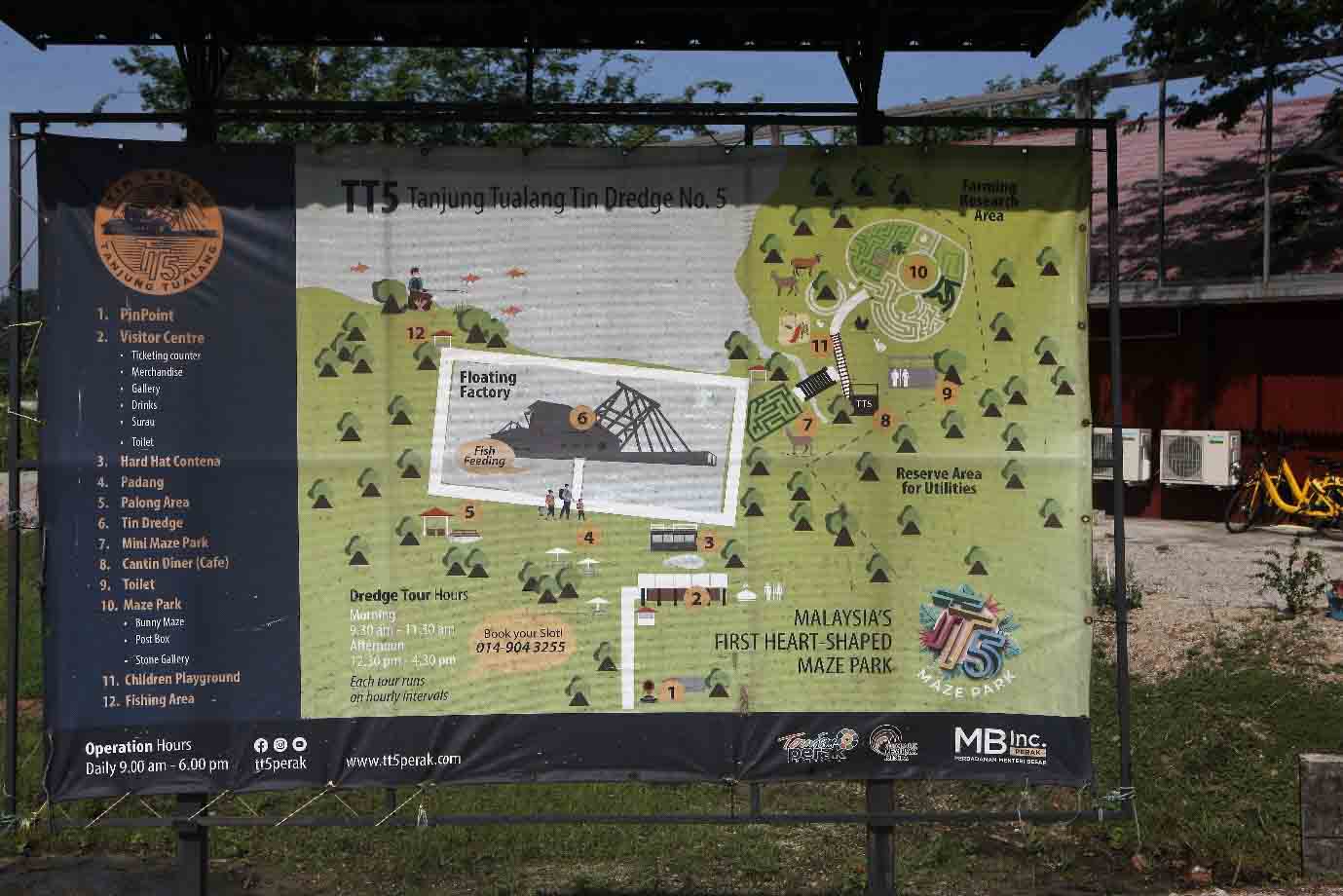
The Tanjung Tualang tin dredge, also popularly referred to as TT5, is an old dredge that went out of use as the tin industry faded away in the 1980s, with tin giving way mainly to aluminium. Nostalgia and a keen interest in preserving this machinery, led to its refurbishment, so as to give the populace a chance to see how it worked and how it helped the tin mining industry. It is now located on the 9th Km, Jln Tanjung Tualang, 31000 Batu Gajah.

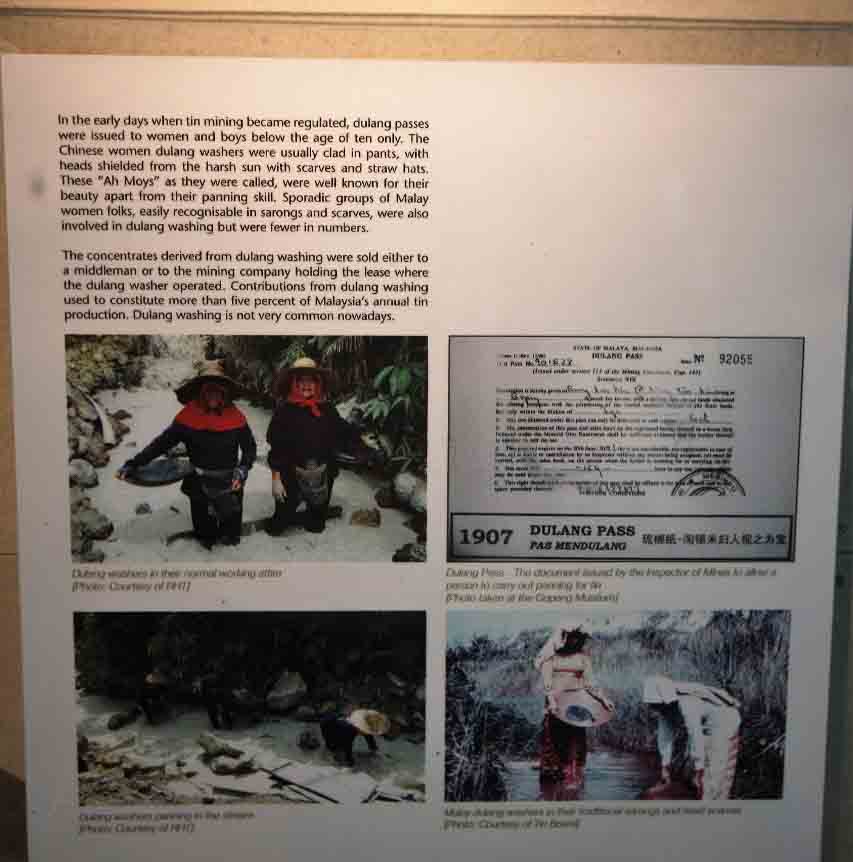
Tin has been a lucrative product in Malaya for a long time. The Dutch of the 18th century were well known to have negotiated agreements for tin supplies from the areas around Pulau Pangkor and Kuala Selangor. However, mining methods, such as panning, were very basic. A large tray or dulang, was used to scoop water and sand in the rivers. The sand and earth would be filtered out and the heavy ore would remain. This would be further processed to make ingots and then sold, ending up ultimately as tin products. Tin has had many uses. Its main usage was in the canning industry, making bullets and, nowadays, in the electronic industry in solder. Interestingly, while many think a tin can is all tin, it is actually a tinned can – a steel can, which gives it strength, plated with tin, which prevents corrosion!

Dulang washing was of course an arduous process and not very productive. Subsequently, better technology emerged including opencast tin mining in which pumps shoot water at high pressure onto the sloping ground. The loosened earth or slurry is conveyed to the top of a sluice – palong – andwater pushes it down trellises; the heavier ore is held back by wooden slats while the rest of the earth and sand flows into a large lake. The recovered ore is then sent to a smelter for further processing and export. This was still labour-intensive. These methods were used until the end of the large-scale tin-producing era. Dulang washing is back in practice with the current rise in demand for tin.

Image credit: A poster in the TT5 Visitor Centre

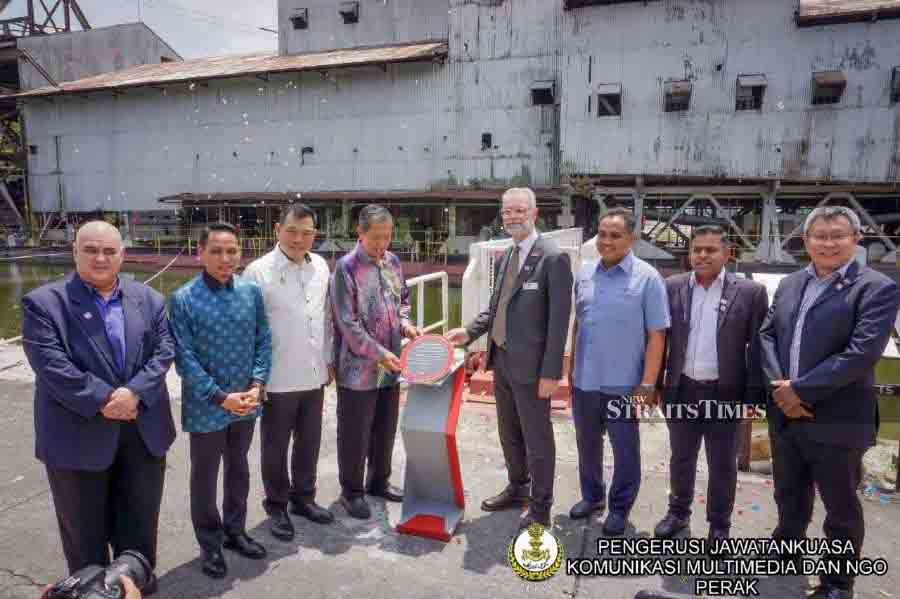
The dredge evolved from a simple ‘spoon dredge’ in 1862 through to the bucket dredge of the 1880s used in New Zealand and Australia. Since 1891, attempts were made to construct a dredge in Kinta, but all failed. In January 1913, Malayan Tin Dredging Ltd. initiated the first operational dredge in Batu Gajah; it later owned six of them. These were steam-operated. The TT5 is one of the five owned by its sister company, Southern Malayan Tin Dredging Ltd. It was built in 1938 by F. W. Payne and Company. Upgraded and electrified in 1963, it ceased operations in August 1982. In 1997, the Malaysian Mining Corporation (MMC), which subsequently owned the dredge, donated TT5 to the Perak State Government, which, since 2017, has spent almost Rm 10 million on its repair and maintenance.

A dredge in those days typically cost Rm 40 million to build. At today’s prices, a dredge would cost Rm 200 million. This behemoth could scrap up tin-bearing earth, 24/7, as is said nowadays. In very large quantities too. However, the cost was prohibitive so only companies with the ability to lay out large capital could afford the dredge. These were usually European companies, mainly British. This is why, other tin-mining methods continued. In due course, 123 dredges produced 60% of the tin, while other methods produced the remaining 40%. In 1912 some 80 per cent of Malaya’s tin production was under Chinese management, by 1931 British firms accounted for more than 60 per cent of total tin production.

Those who travelled along the Penang Singapore trunk road would remember seeing these dredges. But we all drove past assuming they would always be there. But not so. Over the years, greater use of aluminium, falling tin prices as well as increased production in Indonesia and China adversely affected the production in Malaysia. It was simply not economically viable.

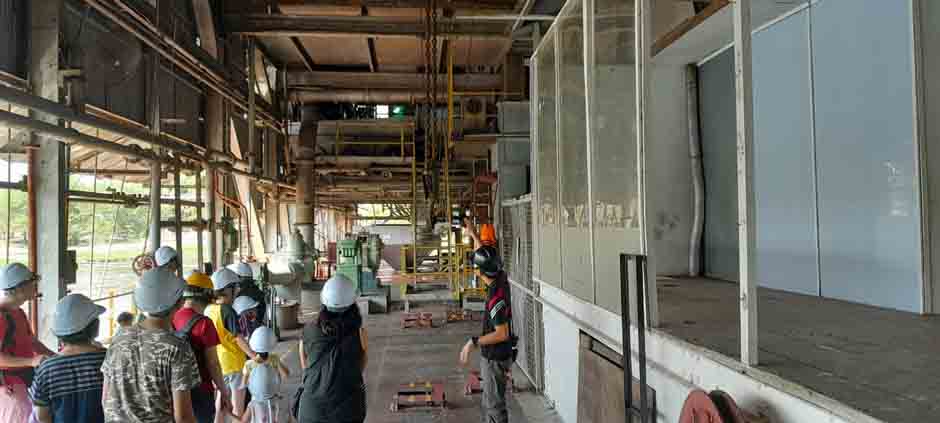
TT5 is now restored to showcase how these mighty machines worked to contribute to the economy of Malaysia. Its actual operation area was not far off from where it is now located. A guided tour is provided and takes about 30 minutes. In fact this article transcribes the tour by Volunteer Guide, Encik Hafizal Arif. Note that this article describes TT5 only as other dredges will differ in size and equipment.

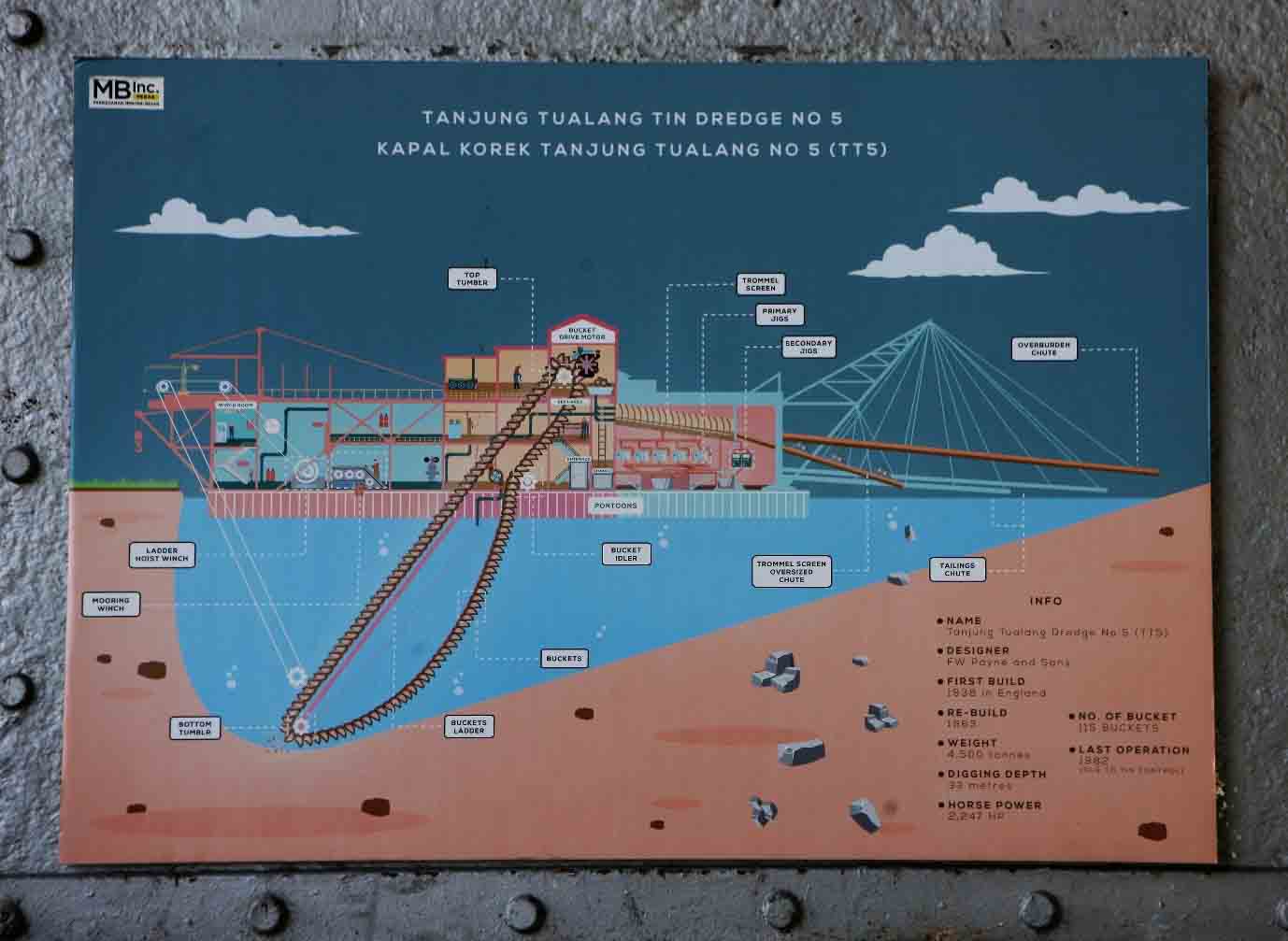
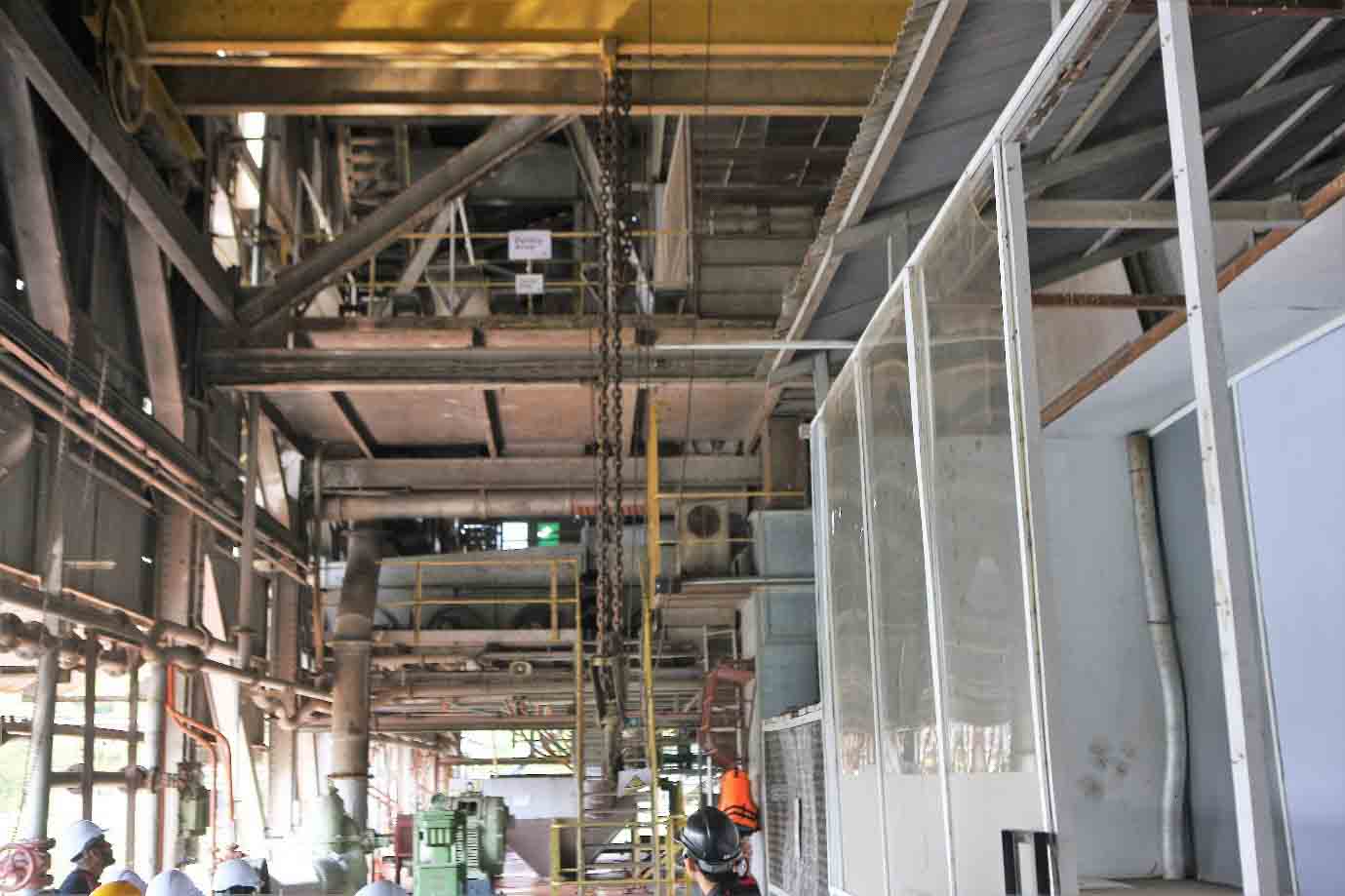
The process in its elements is very simple. Large quantities of tin-bearing earth were continuously scrapped from the ground by a conveyor made up of large metal buckets, processed mechanically to separate the tin from the earth, collect the tin and discharge the rest back into the lake on which it floats. A more detailed description, avoiding technicalities, is transcribed from the guided tour.

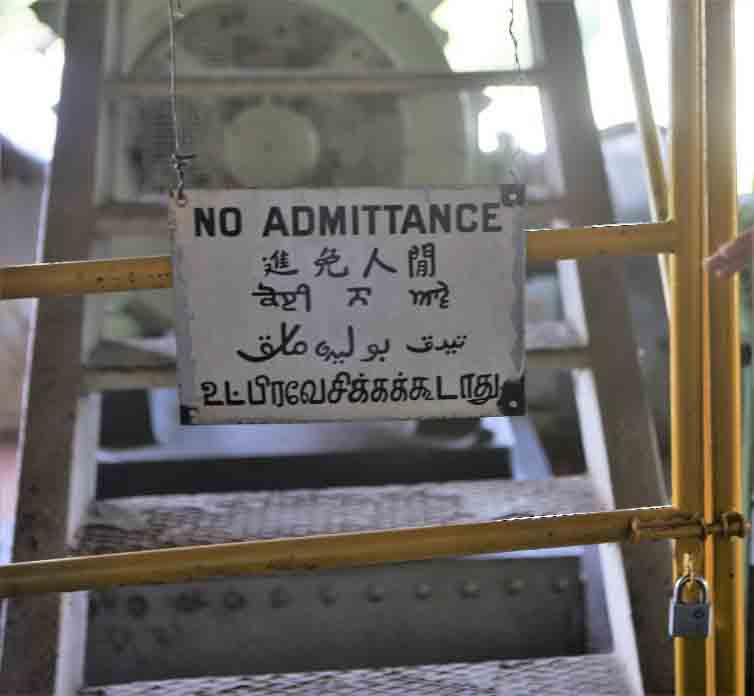
The dredge weighs 4500 tons and is 75m in length, 19.5m in width and four floors in height. A NO ADMITANCE signage at the entrance is in English, Chinese, Punjabi, Jawi and Tamil, reflecting the various groups of people working on this dredge.

Signage reflecting the various groups working on the dredge.
Image credit: V. Jegatheesan.

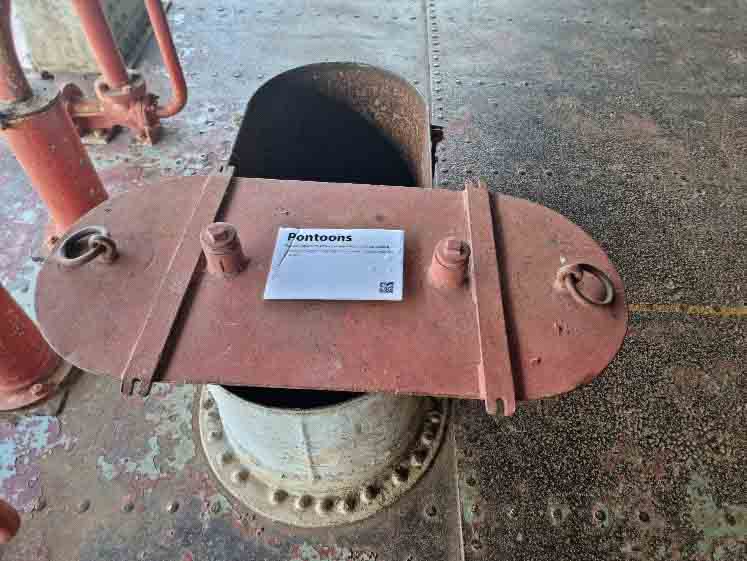
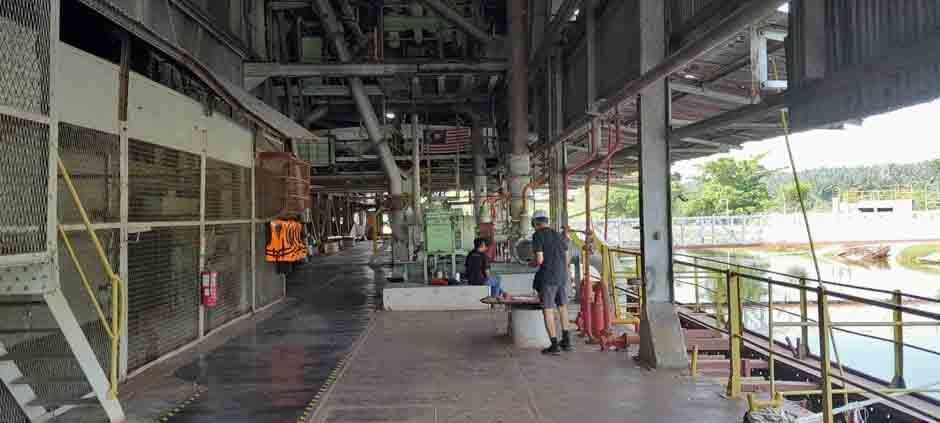
The entire structure floats on 47 pontoons. These are hollow tanks which keep the dredge afloat in the water. In this dredge, the pontoons are 3.1m deep and are accessible for maintenance, mainly patching leaks.

           Pontoon top with the cover off. Image credit: Maganjeet Kaur.

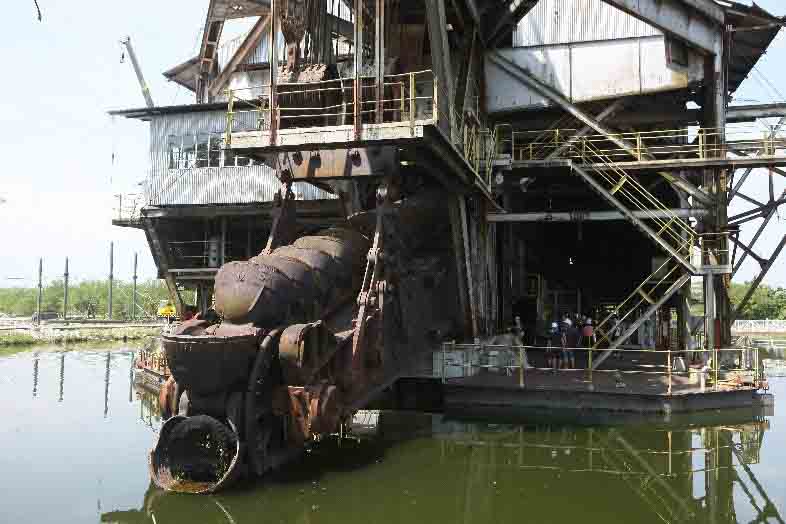
TT5 has 115 buckets. These two-ton buckets are set on a looping chain, or ladder, in the front of the dredge. The ladder continuously circulates and can be lowered for the buckets to scrape the lake bed or the earth face on the lakesides beneath the water. Being a moderately-sized dredge, TT5 can scrape down to 33m. Other dredges can go down to even 100m.

Buckets on the looping chain. Image credit: V. Jegatheesan.

As the now three-ton buckets move up the ladder, they carry the scooped earth to the top of the dredge into trommel screens. These screens are cylindrical and perforated.

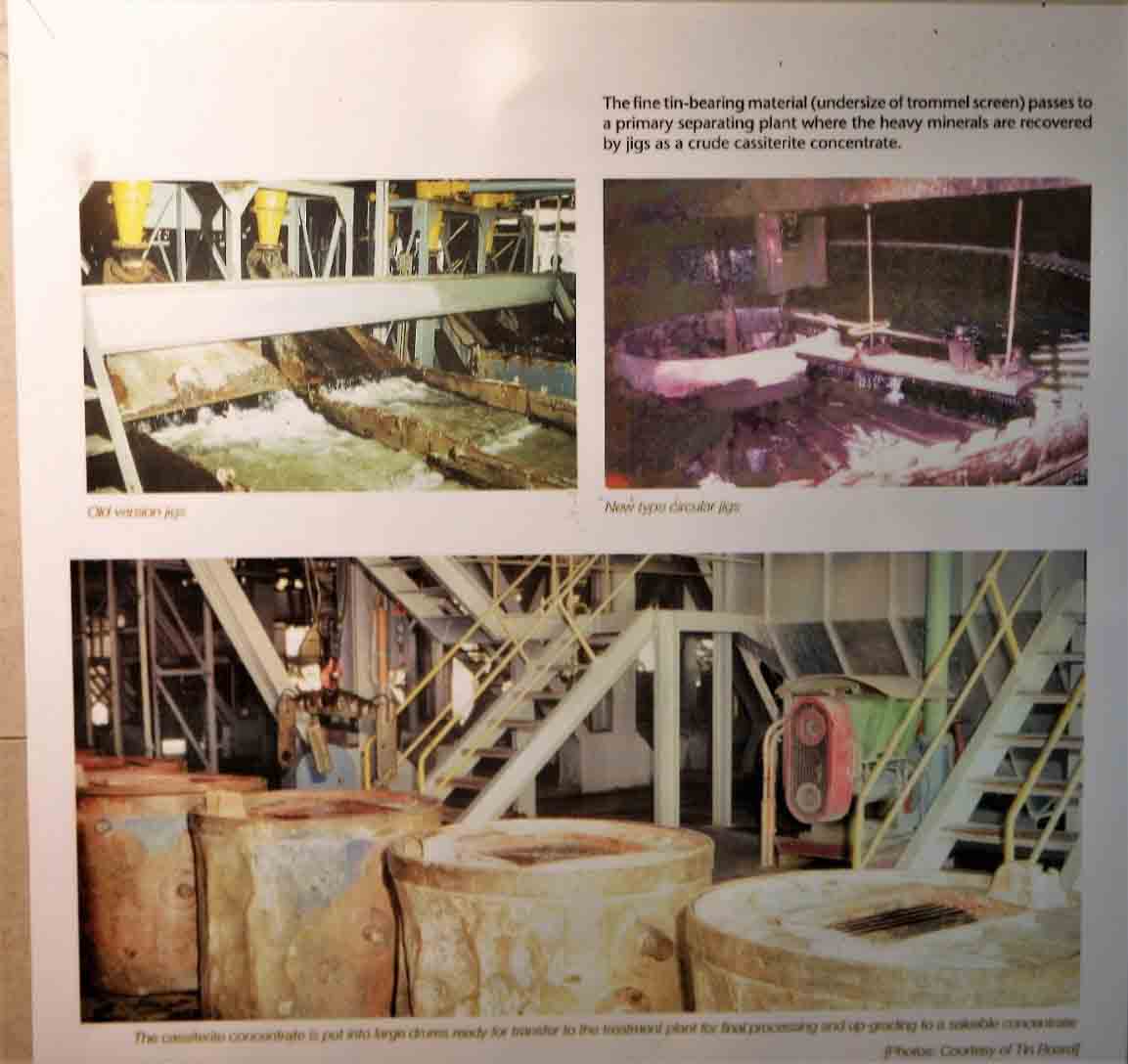
Jets of water wash through the earth in the trommel screen to separate the heavier tin ore. The ore is passed into vibrating jigs to further filter the ore. The jig is equipped with a screen or sieve that allows smaller particles to pass through while retaining the larger, denser particles. After a second jig, the purer ore (Cassiterite Concentrate) is channelled to be stored in tanks. We were restricted from visiting this area. The water used in the screen and jigs is pumped up from the lake itself. The sand and unwanted material after these processes, called tailings, are discharged through the chutes out at the back of the dredge into the lake.

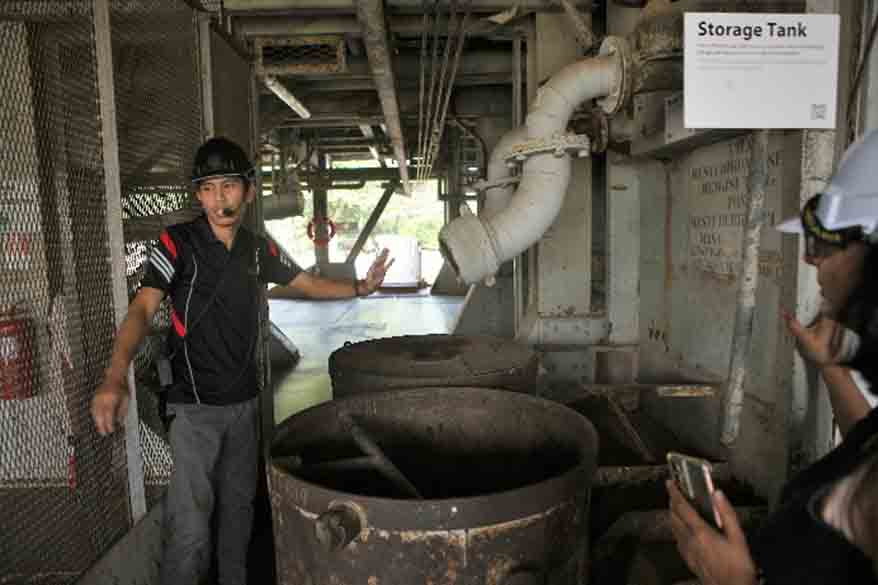
The tank can hold one ton and one day’s dredging produced 30 tons. A crane on either side will carry the tanks out to the lakeside. It is later sent to the smelting plant in Penang. The resulting ingots are then exported.

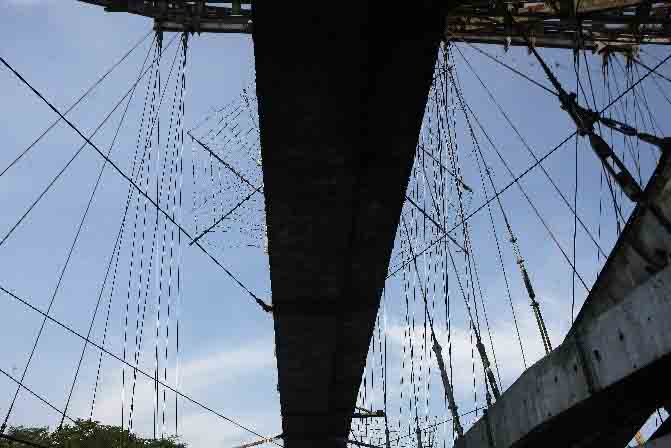
A rough estimate values a day’s production at 30,000 to 35,000 USD of the time. It seems that a year’s production could recover the cost of the dredge! This is the reason that the tank area access is limited only to authorized personnel to prevent theft by stuffing ore into pockets or helmets. Even the discharge chutes for the tailings have a spider web netting to prevent anyone from climbing in.

Hafizal Arif explaining the storage tank for the ore. Image credit: V. Jegatheesan

Spider netting encircling the discharge chutes. Image credit: V. Jegatheesan.

A description of the dredging process. Image credit: Maganjeet Kaur

              Poster in the Visitor Centre. Image credit The Tin Board.

The operation is managed by a Dredge master. Employees work in three shifts and do not live on board. They are ferried by a small boat. Each shift has 20 people. There is a pantry area for them to rest and have their meals, which are brought by them as there are no cooking facilities. There is a toilet at the back, over the lake.

Pantry at the top. Image credit: Maganjeet Kaur.

Though TT5 is tethered to the lakeside by ropes today, the dredge had cables in front and sides. The cables were attached to a mooring winch. The dredge could be moved by winching in or out.

Tethering of dredge to the side. Right image shows the gangway to the dredge. Image credit: V. Jegatheesan.

Views of either side of the dredge decks. Image credit: V. Jegatheesan.

Over the years, dredges have been sold to Thailand or Indonesia, while some have even been scrapped.In 2015, the Perak State Government mandated the Menteri Besar Incorporated (MB Inc.) to conserve the TT5. Visitors can go onto the dredge and its workings are explained by guides. Visits can be made by calling ahead and specifying a time slot or walking in to join the next group.

Board showing layout of the TT5 Park. Image credit: V. Jegatheesan.

Since 2018, TT5 has been part of the Kinta Valley National Geopark. The Visitors Centre and TT5 tours are managed by the Operation Executive, Encik Aizad Azeli.

To cap the extensive works to preserve the TT5, in March 2023, the Institution of Mechanical Engineers United Kingdom, presented Tanjung Tualang Tin Dredge No.5 an Engineering Heritage Award for being well-maintained, contributing to the state and national economy and having its own heritage characteristics. It is the first tin mining dredge to receive such an award.

Image credit: New Straits Times 2023, March 23

In 2023, TT5 received the Travellers Choice Award from Tripadvsor.

TT5 is well worth a visit.

References:

Last surviving tin dredge TT5 receives IMechE award from UK. (2023, March 23). The New Straits Times. https://www.nst.com.my/news/nation/2023/03/892188/last-surviving-tin-dredge-tt5-receives-imeche-award-uk#:~:text=BATU%20GAJAH%3A%20The%20iconic%20Tanjung,Engineers%20(IMechE)%20United%20Kingdom.

EARLY 20TH CENTURY TIN MINING DEVELOPMENT. In Economic Heritage Malaya. https://www.ehm.my/publications/articles/about-tin-mining#:~:text=EARLY%2020TH%20CENTURY%20TIN%20MINING,much%20of%20the%2020th%20century.

A gold mine in tin. (2007, August 30). In Malaysian Bar. https://www.malaysianbar.org.my/article/news/legal-and-general-news/general-news/a-gold-mine-in-tin

Tanjung Tualang Tin Dredge. (2023). httpstt5perak.com

The Islamic Art of Wood Carving

By Emna Esseghir

Introduction

God is beautiful and He loves beauty.

— Tradition (hadith) of the Prophet Muhammad from Sahih Muslim

Within the Islamic theological framework, a core tenet asserts that God possesses the attribute of beauty, and this inherent beauty finds manifestation in His creations. It is a frequently reiterated notion that God is intrinsically beautiful, and He exhibits an affinity for aesthetics and beauty. This theological premise underscores the significance of aesthetics, harmony, and beauty across diverse facets of Islamic culture, encompassing art, architectural design, and the ethical comportment of individuals.

The concept that God cherishes beauty is intrinsically associated with the idea that human beings are encouraged to both recognise and cultivate beauty in their actions and environmental milieu. This is prominently exemplified in the rich artistic and architectural traditions of Islamic civilisation, wherein intricate designs, eloquent calligraphy, and geometric patterns are judiciously employed to embellish religious edifices, palatial structures, and various other architectural forms.

One of the major elements used to express this beauty in Islamic art was wood carving.

1. What is wood carving?

Wood, as the most abundant natural resource, has historically captivated the attention of humankind. Intriguingly, in numerous regions of the Islamic world, wood is relatively scarce, yet it enjoys a distinguished status and necessitates a high degree of craftsmanship. Within the context of Islamic art and architectural construction, woodcarving emerges as a prominent technique, particularly in the context of mosque construction. This art form exerts a profound influence, elevating the aesthetic appeal of these religious edifices while imbuing them with profound symbolism.

Woodcarving, at its core, entails the intricate creation of designs in wood, achieved through manual dexterity and specialised carving implements. The array of motifs ranges from the intricate and traditional to geometric precision or abstract patterns. A pivotal preliminary step in woodcarving involves the meticulous identification of the wood’s grain and texture before embarking on the carving process. The resulting carved elements consistently manifest in an abstract fashion, representing botanical elements or geometric configurations and can be categorised into three distinct architectural components: structural, elemental, and ornamental.

Woodcarving serves as both a technique and a final product, in which wood is meticulously shaped into decorative and artistic forms. Wood, as a widely accessible and sustainable resource, is available in diverse sizes suitable for crafting objects of various scales, from minor artefacts to grand architectural structures. Its intrinsic robustness enables it to bear substantial loads and span extensive areas. Furthermore, wood is amenable to manipulation by a judicious application of manual labor and lends itself readily to precision shaping using rudimentary hand tools. Its innate spectrum of colors, tonal nuances, and susceptibility to diverse surface treatments enhance its allure, rendering it an aesthetically pleasing and adaptable material.

2. Historic evolution of wood carving art in the Islamic world

Undoubtedly, the artistic evolution of wood carving among Muslim artisans during the formative centuries of Islam constitutes a remarkable historical and artistic phenomenon. This creative metamorphosis was profoundly molded by the convergence of Hellenistic (in the eastern Mediterranean and Middle East, the period between the death of Alexander the Great in 323 BCE and the conquest of Egypt by Rome in 30 BCE) and Sassanian artistic influences (officially known as Eranshahr was the last Iranian empire before the early Muslim conquests of the 7th–8th centuries AD).

The amalgamation of these disparate traditions ignited the development of a distinctive Islamic wood-carving style that left an enduring imprint on the artistic panorama of the Islamic realm.

A prominent exemplar of early Abbasid wood carving, symbolising the culmination of these influences, resides in the prayer pulpit enshrined within the Qairawan mosque in Tunisia. This masterful creation, likely transported from Baghdad during the third/ninth century under the patronage of influential figures from the Aghlabid dynasty, stands as an epitome of wood-carving craftsmanship affiliated with the Baghdad School.

Adorned with meticulously crafted panels featuring geometric motifs and designs, it is believed to have been commissioned during the reign of Harun, the Abbasid Caliph.

This architectural marvel remains a source of inspiration for contemporary abstract art, serving as a testament to the enduring relevance of its patterns and designs.

An old postcard (1900) showing the carved teak 
Minbar and the Maqsura. Photo source: Wikimedia

The intricate detailing of the minbar.
Photo source: Issam Barhoumi- Wikimedia  

Over time, Abbasid artists developed their own unique style, breaking away from the artistic traditions of the Sassanian and Hellenistic periods. This new Abbasid style became popular among Egyptian craftsmen during the Tulunid era (935-969), especially in Cairo.

As the Abbasid artistic style matured, Egyptian craftsmen refined it further, creating a distinctive artistic expression by the 10th century. They began carving deeper and creating more rounded shapes, showcasing their creative skills.

Assessing how Egypt’s rich heritage of crafts and arts influenced the advancement of wood-carving by Egyptian artists is a complex task. Egypt’s legacy offered fertile ground for innovation, contributing to the mastery of Egyptian wood carving.

Over time, geometric patterns gave way to different forms of decoration, like intricate carvings of animals and arabesque scrolls. These works demonstrated the artists’ meticulous attention to detail, combining technical expertise and hard work.

During the Fatimid era, some wood panels stood out for their exquisite artistry. They portrayed typical Egyptian scenes, with a strong focus on birds and animals, reflecting the ancient Egyptian tradition of revering specific animals as deities, adding a cultural dimension to the wood carvings.

In the Ayyubid period, the influence of the Fatimids continued in wood carving, with arabesque scrolls becoming more intricate. The use of nasj script instead of Kufic inscriptions reflected evolving artistic tastes. This period also saw a greater commitment to intricate detailing, emphasising the dedication of the artists.

Panel with Inscription probably 13th century
Photo source: https://www.metmuseum.org/art/collection/search/448499

In Egypt, wood carving reached its peak over time but gradually declined in the 15th century, marking a significant turning point in its evolution.

Conversely, in Iran, wood carving was mature even during Mahmud of Ghazni’s rule during Ghaznavide empire. A preserved door from his tomb in the Agra Museum demonstrates the innovative approach of Iranian artists, characterised by deep undercutting and multiple planes, showcasing an Iranian stylistic imprint.

Gates of the tomb of Mahmud of Ghazni, (James Atkinson in 1842)

Although there are relatively few wood carvings from the Saljug period, it’s reasonable to believe that artists in Asia Minor during the 12th and 13th centuries crafted exceptional works, resonating with the quality seen in Egypt and Syria.

Wooden Sarcophagus from the Seljuk Period
the Museum of Turkish and Islamic Art in Istanbul.
Photo source: https://www.alamy.com/stock-photo/seljuq-period.html?sortBy=relevant

While wood carvings from the early Mongol period are scarce, historical evidence suggests that Iranian artists in Western Turkestan achieved remarkable technical perfection in the 14th century. The zenith of wood carving persisted during the Safavid period, although signs of decline appeared in the 17th and 18th centuries. During this era, panels transitioned from intricate carving to painting and lacquering, marking a transformative phase in the history of Islamic wood carving.

Wood carving from Safavid Period. Photo source: Hayk – Wikimedia

3. Wood carved artefacts with Islamic influence at the National Museum

The practice of traditional Malay wood carving represents a seminal facet within the domain of Malay cultural heritage, encompassing profound and substantive cultural importance.

It predates the arrival of Islam, but since the adoption of Islam as the religion of the Melaka Sultanate, we can distinguish some specific characteristics:

Integration of Arabic Calligraphy: A defining feature of Malay wood carvings within Islamic art is the sophisticated integration of Arabic calligraphy. These carvings frequently incorporate Quranic verses or excerpts from Islamic texts, meticulously inscribed with exceptional finesse. The utilisation of calligraphy transcends mere ornamental aesthetics; it serves as a conduit for the visual representation of sacred Islamic scripture, infusing these wooden artefacts with profound religious significance. The interplay of script styles, such as Kufic or Naskh, further underscores the artistic and spiritual dimensions of these carvings.

Doors panels inscribed with Quranic verses, on display at
Gallery B, National Museum. Photo source: Emna Esseghir

Wooden panel with sentence from the Holy Quran used to
decorate a muslim chapel, on display at Gallery B, National Museum.
Photo source: Emna Esseghir

The Setul palace door, displayed at Gallery B, National Museum.
Photo source: Maganjeet Kaur

Harmonious Synthesis of Malay and Islamic Aesthetics: A salient feature of these carvings is their ability to harmoniously blend indigenous Malay motifs with Islamic artistic elements. This synthesis culminates in a unique visual language that encapsulates the multifaceted cultural identity of the Malay-Muslim community. By seamlessly interweaving Malay flora for example with Islamic motifs, these carvings offer a nuanced expression of both regional and religious identities, emphasising their role as cultural artefacts and religious conveyors.

Wooden panel with flora and sentence from the Holy Quran,
on display at Gallery B, National Museum. Photo source: Emna Esseghir

To conclude, Arabic Calligraphy meticulously inscribed with Quranic verses adds profound religious significance, while geometric precision reflects metaphysical themes. The harmonious synthesis of Malay and Islamic aesthetics highlights cultural identity. But beyond aesthetics, these carvings serve functional roles in Islamic architecture, enhancing sacred spaces and connecting the physical and spiritual realms. In essence, Malay wood carvings contribute significantly to the artistry and spirituality of the Malay-Muslim heritage.

References

A Study of Woodcarving Motifs on Traditional Malay Houses in Kuala Pilah, Negeri Sembilan: https://melaka.uitm.edu.my/ijad/images/PDF/1.pdf

DEVELOPMENT OF MALAY WOOD-CARVING MOTIFS FROM ISLAMIC PERSPECTIVES: https://oarep.usim.edu.my/jspui/bitstream/123456789/14524/1/4.BI.%20SAIS2021%20-%20Development%20Of%20Malay%20Wood-Carving%20Motifs%20From%20Islamic%20Perspectives.pdf 

Fatimid Wood-Carvings in the Victoria and Albert Museum: https://www.jstor.org/stable/862433

Gates of the tomb of Mahmud of Ghazni, by James Atkinson in 1842: https://commons.m.wikimedia.org/wiki/File:Gates_of_the_tomb_of_Mahmud_of_Ghazni,_by_James_Atkinson_in_1842.jpg

JULFA i. SAFAVID PERIOD: https://www.iranicaonline.org/articles/julfa-i-safavid-period

Panel with Inscription: https://www.metmuseum.org/art/collection/search/448499

The Islamic Art of Wood Carving: Exquisite Patterns on Furniture and Decorative Objects: https://russia-islworld.ru/en/kultura/the-islamic-art-of-wood-carving-exquisite-patterns-on-furniture-and-decorative-objects-2023-08-01-34970/

Wooden Sarcophagus from the Seljuk Period: https://etc.usf.edu/clippix/picture/wooden-sarcophagus-from-the-seljuk-period.htm

Malaysia Tanah Airku – Curator’s Tour

Article by Subramaniam a/l A V Sankar

Curator Encik Nasrulamiazam giving us a walk-through of the exhibition.

The exhibition poster. Source: Muzium Negara

6 fortunate MVs who could respond to a 1-day notice were fortunate to have had a conducted tour of the exhibition Malaysia Tanah Airku (Malaysia, My Homeland) on Thursday 7th Sept, by the exhibition Curator himself, Encik Nasrulamiazam, the Deputy Director of Muzium Negara, now being held at Gallery 2 in Muzium Negara until October 2023.

The exhibition is shown through 7 sections within starting with the early history of Tanah Air – the archipelago and island territories of South east Asia stretching from Indo-China to Indonesia.

At the introduction section of the exhibition.

These lands were also referred to as Nanyang in the Chinese records, Suvarnabhumi and Golden Chersonese in Indian and European records and comprised lands populated by expert Malay seafarers who facilitated trade all the way from China to India.

In this 1st section, Tanah Airku, our own part of that world, Malaysia is highlighted! Various texts by varied international scholars and traders are exhibited in the 1st gallery to show the importance of our nation in the ancient world.

There are many rare, 1st edition copies of Merdeka news and Articles here to capture the mood of independence in 1957.

In the next gallery is a fascinating insight into various selected flora and fauna in our country.

A display of the taxidermy collection.

The flora shown is mostly of those used as herbs with medicinal qualities, a very educational insight into the richness of our tropical flora.

A replica of the rafflesia.

The fauna is shown through expert taxidermy work on various birds, reptiles and mammals and highlights the colourful diversity found here. It is a great chance to get close to wild animals in safety!

The hawksbill turtle.

In section 3, we get to see panoramic photos of iconic buildings in places around the country both as stills and videos. The quality of the photography is breathtaking and gives a unique, bird’s eye view of many familiar, iconic features, like the KL Mosque, to give a fresh insight and a 3D view to provide mesmerizing new angles to sights we thought we knew.

The exhibition then moves to the entertainment scene and highlights particularly the versatility of our cartoonist, Lat and film and acting legend, P Ramlee through their many cartoons and films, a nostalgic reminder to all.

The last gallery shows our sporting legends like Lee Chong Wei and other sports achievements in the country with displays of some of the old soccer and rugby trophies that were gloriously earned.

The exhibition is a work of love and done with passion by the Curator and well worth a visit to get the ‘feel good’ effect we enjoyed.

Our group photo with the Curator.

Heartfelt thanks to Curator Encik Nasrulamiazam for his efforts and explanations.