Day 3 – Bujang Valley Archaeological Museum

by Yong Khee Chong (KC)

Having experienced field activities the day before, we were all excited and looking forward to visiting the Bujang Valley Archaeological Museum. Along the route, the presence of Gunung (Mount) Jerai and the padi-fields were mesmerizing and helped set the mode for more excitement ahead. It is the first archaeological museum in Malaysia and it was opened on January 23rd 1980 by His Royal Highness Tuanku Abdul Halim Mu’adzam Shah, the Sultan of Kedah. It was built to exhibit proto-history artefacts found in Bujang Valley which was considered  a leading entreport in its time.
575
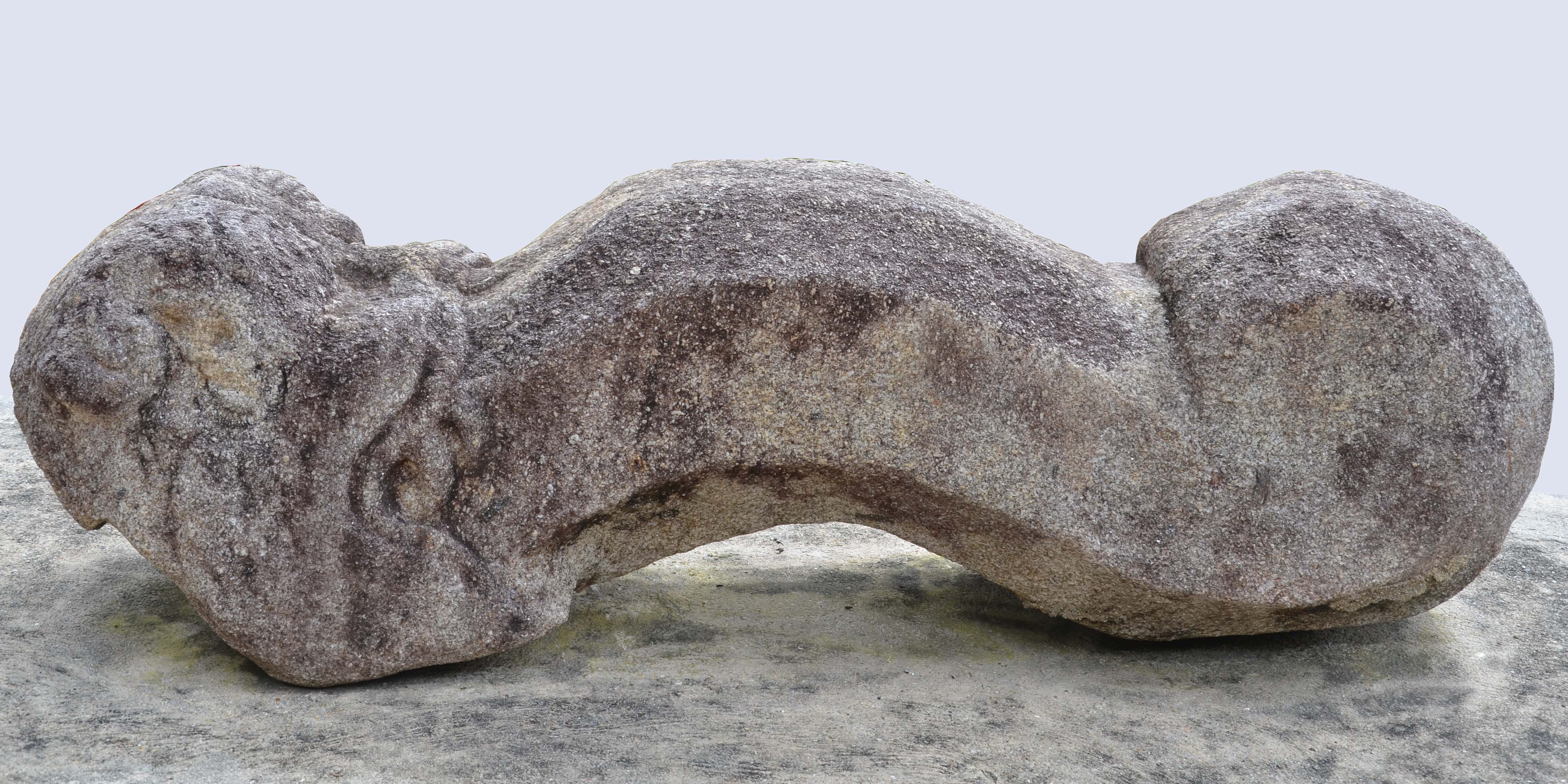
Singha Mukha

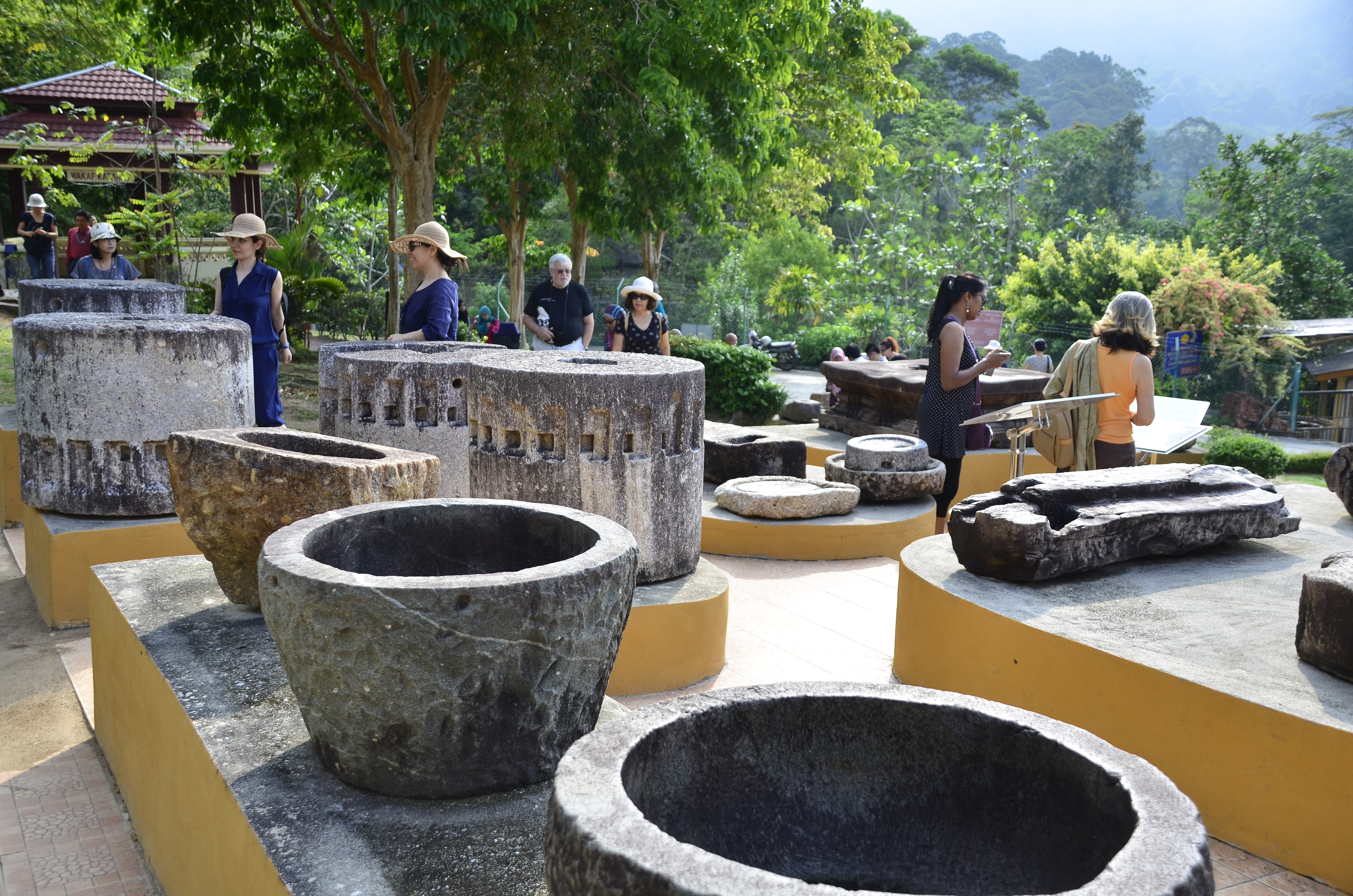
Upon arrival, we were warmly greeted by the museum staff and the sunny weather. After group photos, we started with an outdoor walk, admiring those ancient stone artefacts and the reconstructed candi from the glorious Bujang Valley era. Among the stone artefacts on display are the Singha Mukha (carved stone with face of a lion that served as the guardian of temple), various types of pillar and statue bases, granite blocks, stone mortars, and even giant sugarcane juicers from 19th CE.
Amidy252

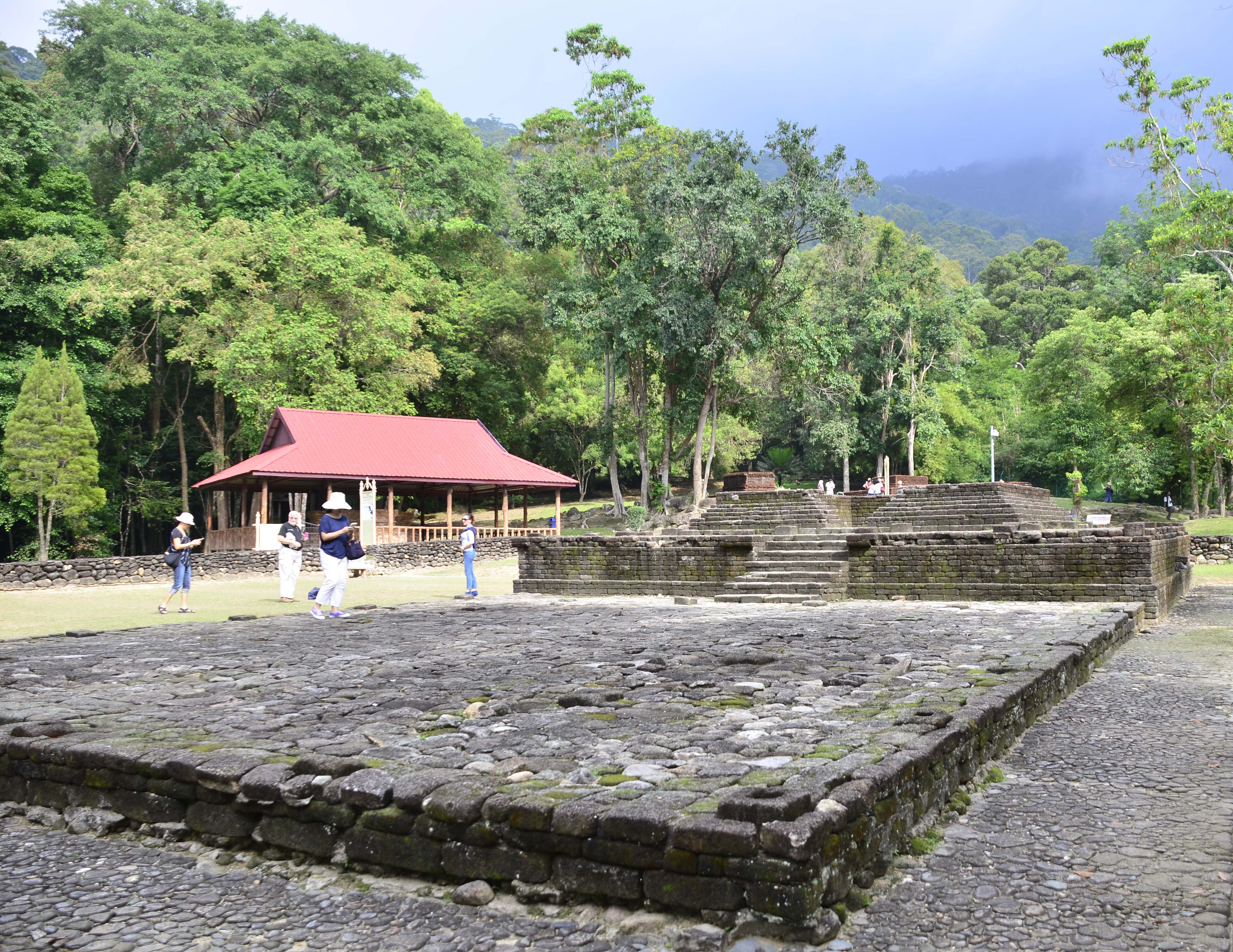
There are 4 temple ruins or candi within the museum compound and we followed the walking trail that led to them.
Amidy293
Candi Bukit Batu Pahat

Candi Pendiat (Site 16) was discovered in 1940 by Quaritch Wales at Kampung Pendiat and it was relocated to the museum compound in 1974.

Candi Bukit Batu Pahat (Site 8) is the most well-known candi in Bujang Valley. It was excavated by Quaritch Wales from 1936 to 1937 and was reconstructed in 1960 at its original place.

Candi Pengkalan Bujang (Site 21), also discovered by Quaritch Wales in 1936 as a pair with Site 22 at Kampung Pengkalan Bujang, was relocated here in 1976.

Candi Bendang Dalam (Site 50), excavated sometime in 1960s at Kampung Bendang Dalam, was relocated to the museum in 1976.

En. Azman, who is the museum curator, guided us through the walk and patiently explained the various candi, their components and functions. He had to repeatedly point out the position of mandapa (lower platform), vimana (higher platform which housed with lingga and yoni), and somasutra (the flow of holy water) – we were like a bunch of school kids all over again.

The Gallery

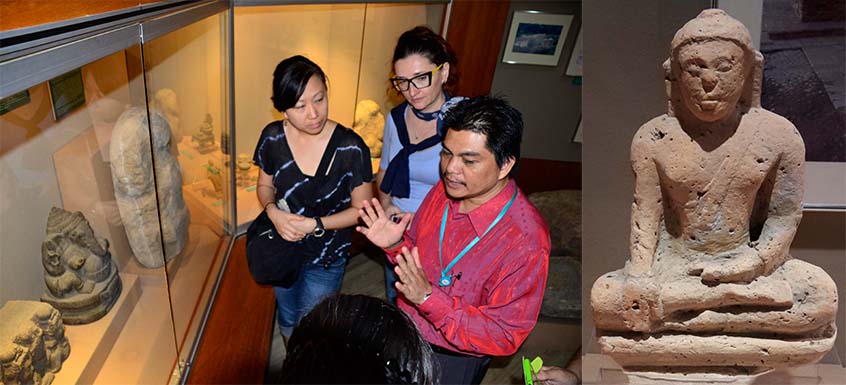
We were then ushered to the main building and given a tour of the objects on display. A model of a map of Bujang Valley is placed at the entrance to give visitors an idea of the geographical landform.

Remnants of various religious artefacts as well as inscription stones are displayed at the gallery. Hindu figurines, Buddha statues and inscription stones highlight the influence of Hindu-Buddhism in the early era. Various other treasures such as ceramics, porcelain, beads and coins indicate that Bujang Valley was indeed a thriving entreport.
combined

As we departed, the museum not only reminded us of the architectural and archaeological marvels found in Bujang Valley but the surrounding lush tropical rainforest and the magnificent Gunung Jerai backdrop left us with a lasting impression and a peaceful mindset.

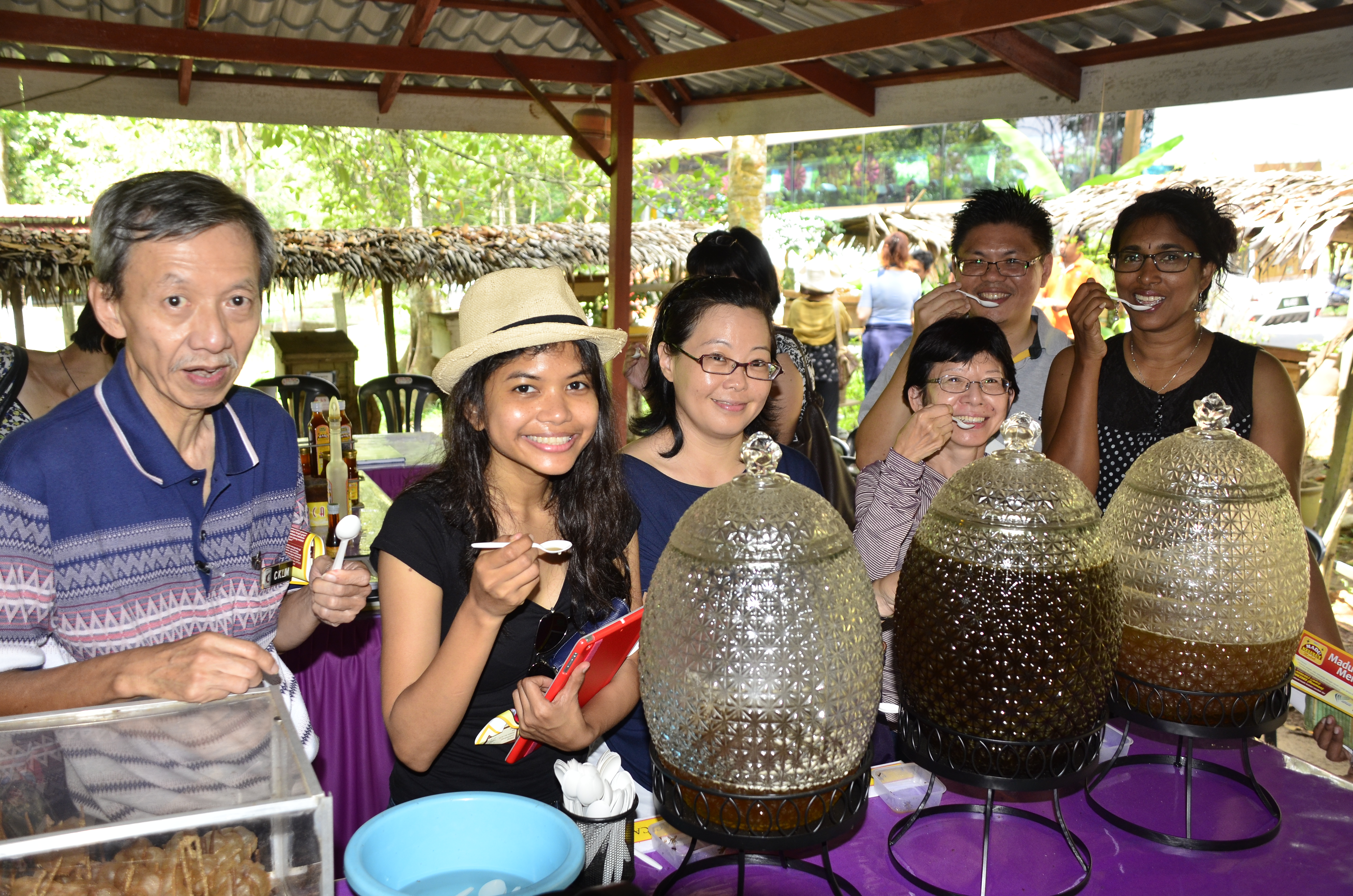
Soon after leaving the museum, we were treated to some nice surprises before our journey back to Kuala Lumpur: a quick stop at the Kelulut Honey Farm in Merbok followed by a lunch stop at Tanjung Dawai for seafood.

We, as Museum Volunteers, are certainly a privileged lot with all the warm welcomes and hospitality received throughout the journey. As the bus headed south to Kuala Lumpur, we felt blessed that we now have more stories to share with the rest of our museum friends and visitors.

Until the next journey then…
Amidy325
Honey tasting at the Kelulut Honey Farm

Museum Volunteers at Sungai Batu

by Deanna How

A visit to Sungai Batu excavation site is the menu for day 2 of our field trip to Lenggong and Bujang.  Oil Palm plantations whizzes past and excitement was already in the air as excavation sites started coming into view.  Sg Batu came into prominence in 2009 when excavation works unearthed evidence of the existence of a civilisation predating the Langkasuka Kingdom of the 2nd century in Kedah. Covering a four square kilometer, carbon dating done on the site suggest that civilisation could have existed as early as 50 BC.

SAM_6659Upon arrival we were met by Associate Professor Mokhtar Saidin, Director of USM Global Archaeology Centre (PPAG).  According to Prof. Mokhtar, “We have proof of civilisations existing as early as 50 BC, but we do not rule out an earlier time period.  Therefore, the Sungai Batu site, based on the estimated timeline, appears to be the oldest civilisation in South East Asia”.

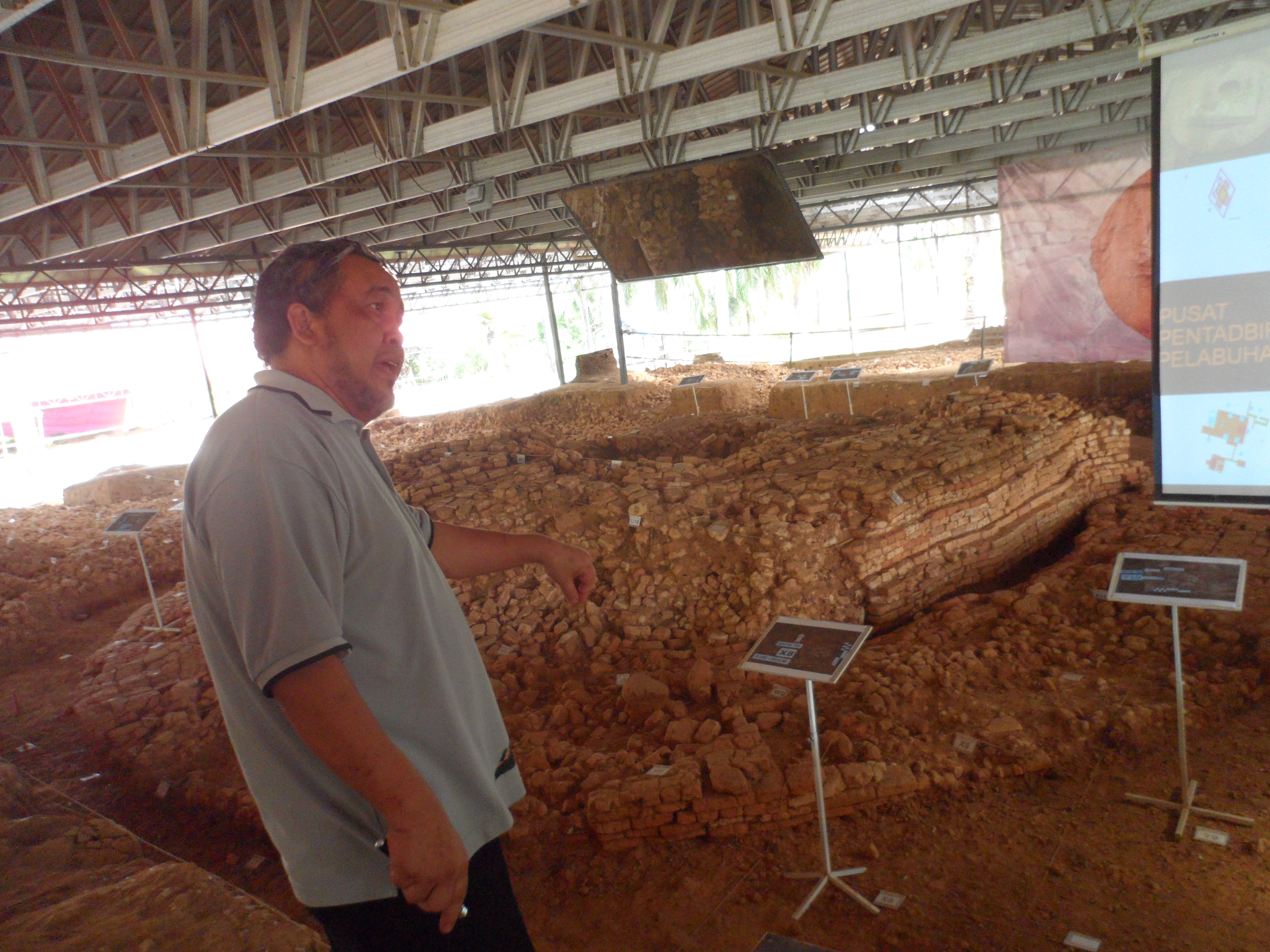
97 sites were identified and within these sites were discovered remnants of a ritual site which had a circular base with a square structure built on top of it. Strong evidence of early Hindu-Buddhist influences were evident with entrances aligned towards the East West direction facing Mount Jerai, the highest peak in Kedah at 1217m above sea level.

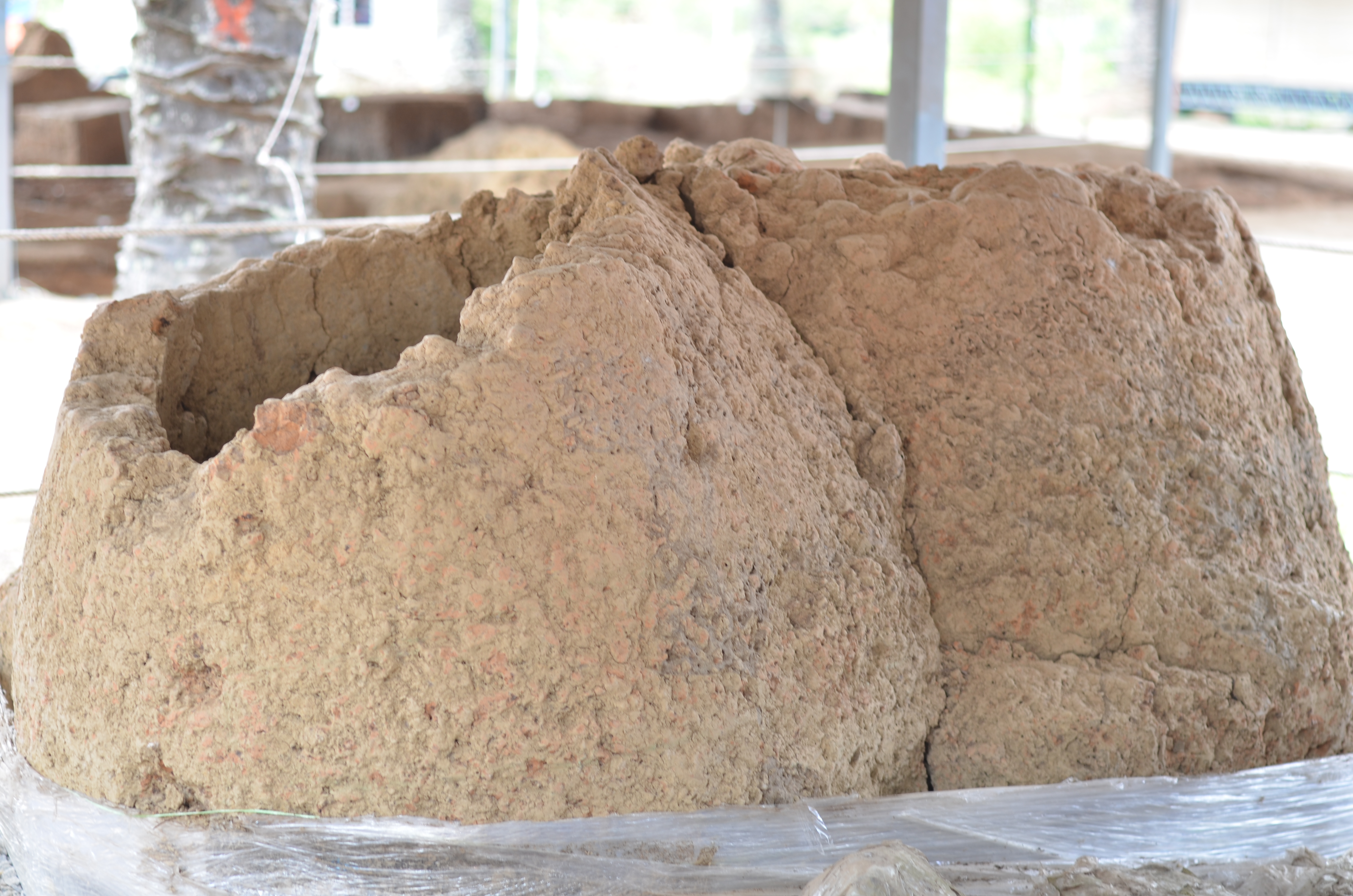
Iron smelting remnants were also found in abundance at these sites, pointing to strong evidence of trading and economic activities that were conducted here during those days. Not too far were discovered remnants of structures resembling its adminstrative functions with differing sizes of rooms, in total 12 buildings.  To further strengthen the theory of an iron smelting industry that could have existed back then, iron smelting furnaces were also discovered, much to archaeologists amazement, fully intact.

DSC_8700

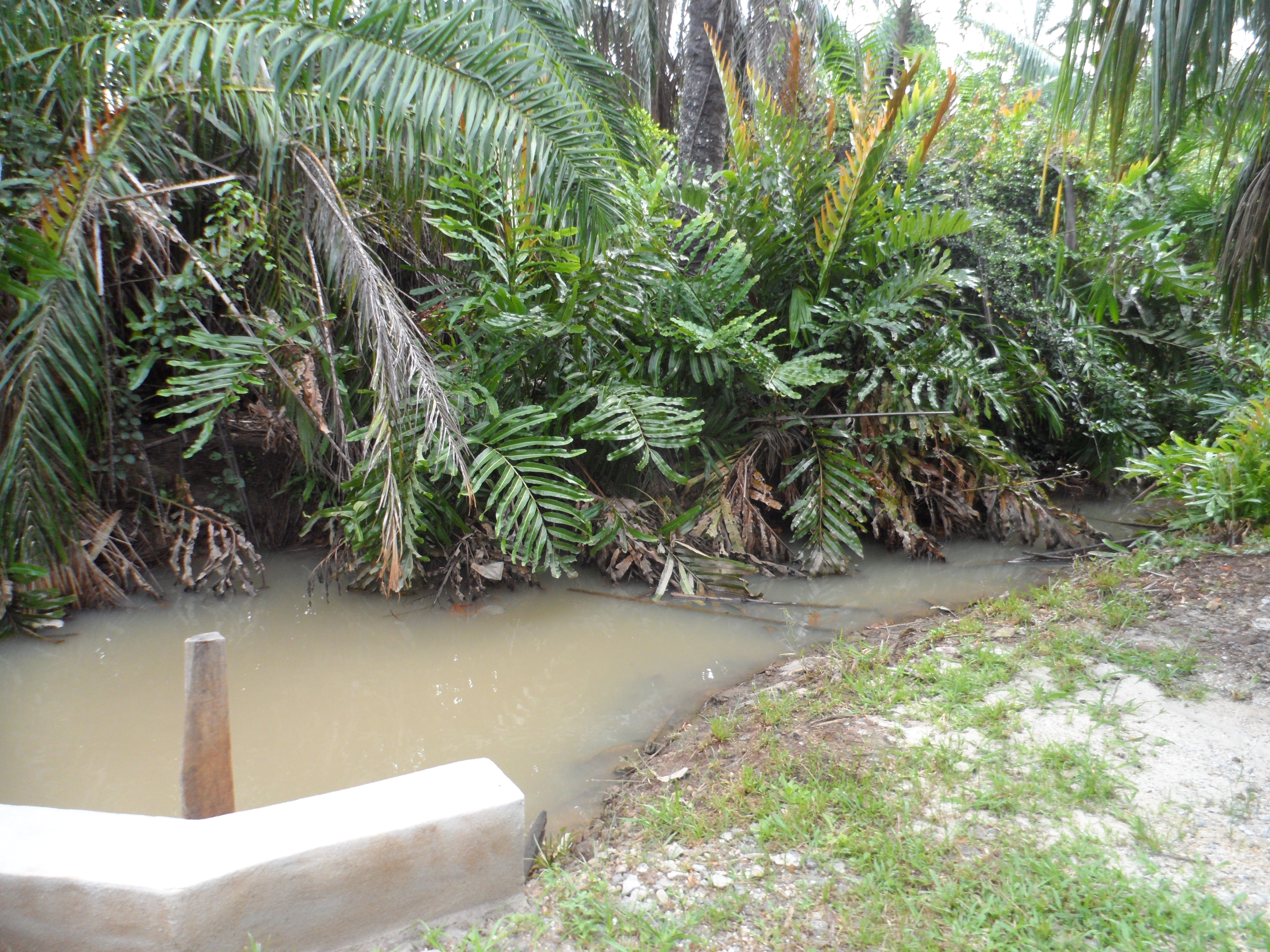
SAM_6670According to Prof. Mokhtar, the river could be very much closer that what it is today as some of the remaining brick structures resemble jetties, thereby confirming the theory that Sg Batu may have once been a prosperous iron smelting entrepot. Today a swamp and a tiny stream are the only indications of its past.

Why this civilisation disappeared could be attributed to a tsunami which hit around the 9th century, according to Professor Mokhtar. Underwater excavations were also conducted and ship wrecks were discovered.

As we walked through the sites, small iron remnants could be seen strewn all over the ground, along the path.  What looked like normal stones to untrained eyes like ours, is actually iron.

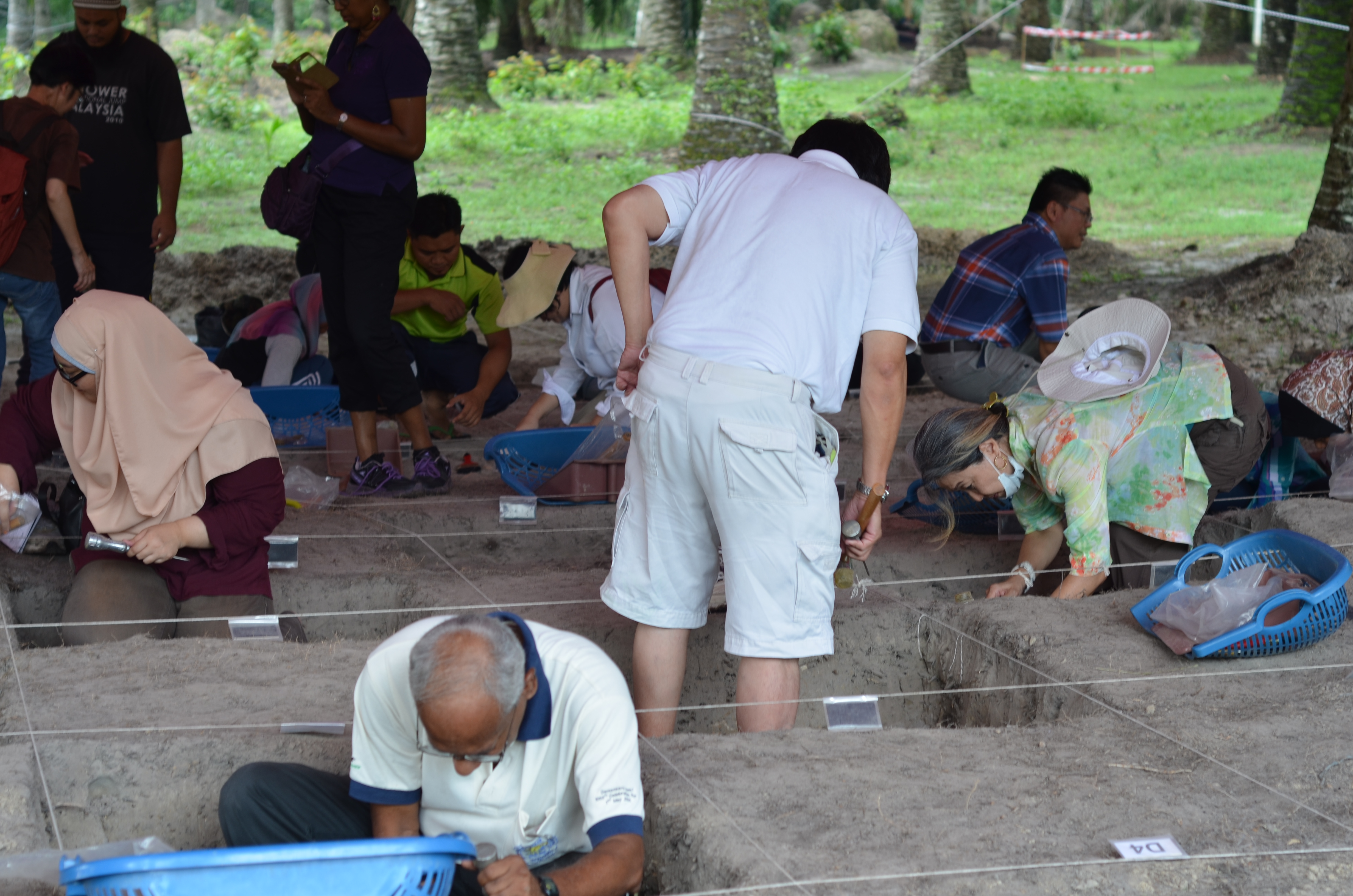
The most exciting activity for the day must be the hands-on experience of being an archaeologist.  Prof. Mokhtar introduced us to his team of students who are presently studying for their masters and PHDs at USM. At the site, we were introduced to archaeological terms like, site, trenches and quadrants. Once a site has been identified by archaeologists for excavation, it is  carved into trenches of 1 metre by 1 metre.  From this trench, it is further divided into 4 quadrants of 50 cm by 50 cm. Archaeologists would then meticulously work on one quadrant at a time, patiently and painstakingly recording their findings with every 10 cm downwards.  Students were given a specific site as their responsibility for their research on their papers.

So when Professor Mokhtar told us that we were given this hands-on opportunity to get down on our knees, boy! were we excited!  We could also pick our own trench! As no shoes were allowed in the trench, many of us sportingly kicked off our shoes, ready to “start work” as an “archaeologist” for a moment! Armed with the tools for the day, mallet, brush, scrapper, and a dust pan, we clumsily imitated the movements of archaeologists, brushing off dust, sand and what-have-you into the dustpan provided.  It was certainly no fun, if passion is not the underlying emotion of the task, I discovered.  Having gone through this back breaking experience, though short, gives us an appreciation of the work of archaeologists in uncovering our history. Kudos to them!

DSC_8664

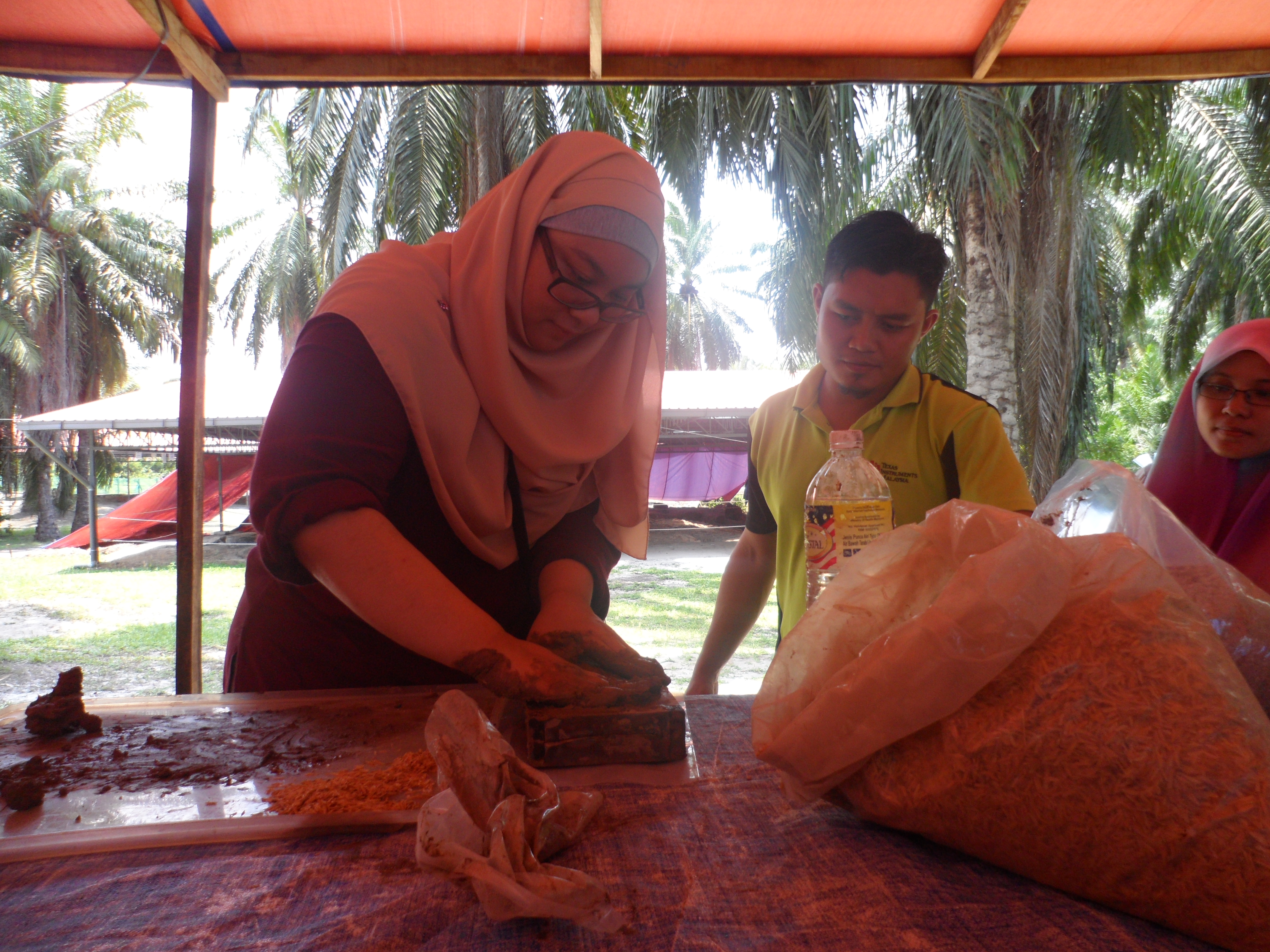
After lunch, we had the opportunity to try our hands at brick making, which was taken SAM_6706up by only a handful of us.  Very much like making bread, clay is the main ingredient utitilised. It is then mixed with sand and paddy husk and kneaded into a dough and placed into the brick mould to be allowed to dry for at least 2 days. It is then baked in open fire of 600 degrees till reddish brown. Voila! there is your completed brick, your own masterpiece which you can display in your home.  A point to note is, it will take at least 2 weeks for this process to complete.  For that, you will have to make a return trip to Sungai Batu to collect it if you really want to. That’s something for the individual to ponder.

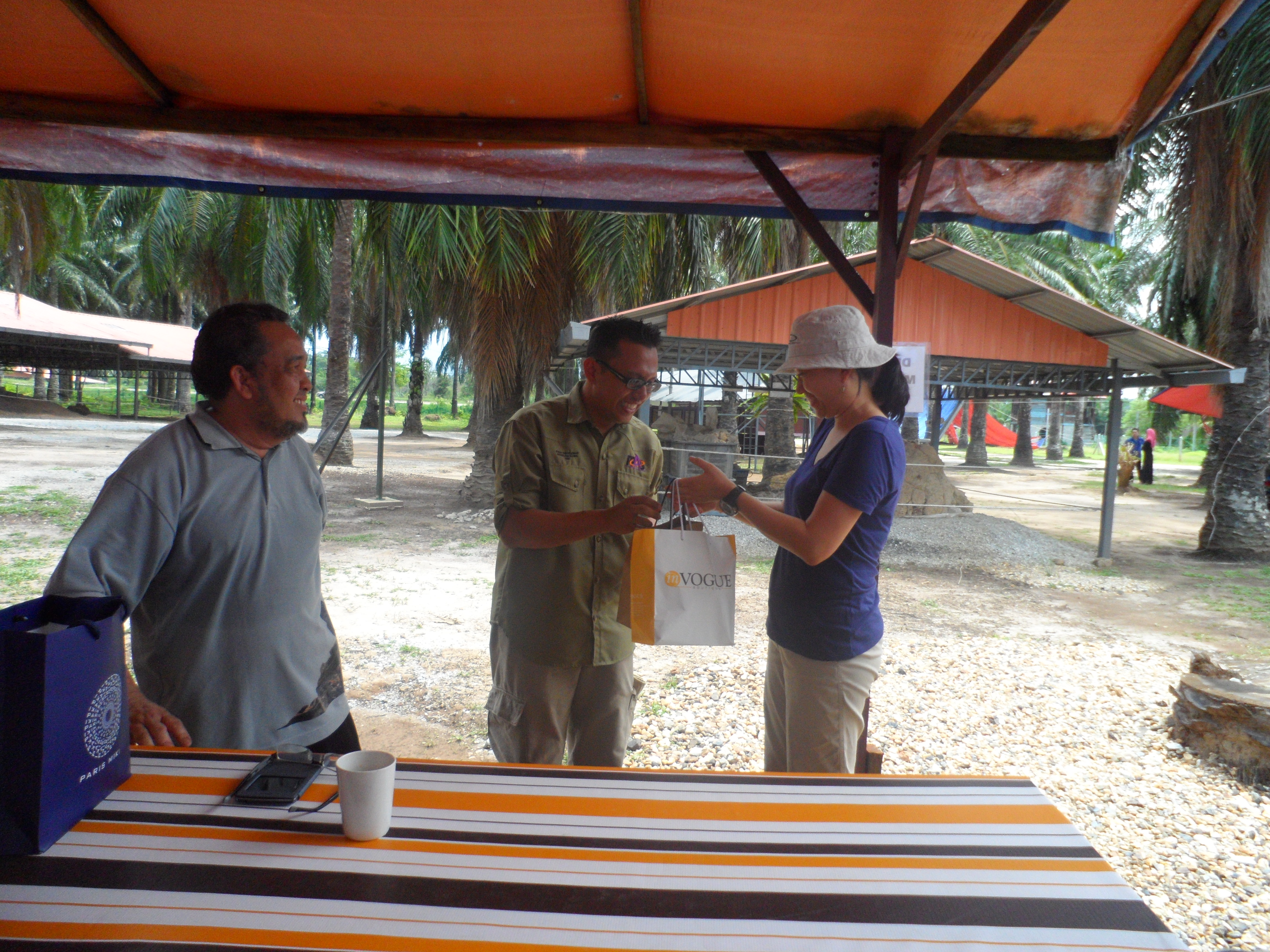
SAM_6691In appreciation of Professor Mokhtar and his team for their warm hospitality, Karen, our MV President presented tokens to them.

Continuing our archaeological trail, we visited Site 23. Artefacts discovered in the site includes Arabic lamp glass fragments. Carbon dating indicates that this site was there even before the arrival of Islam in this region.

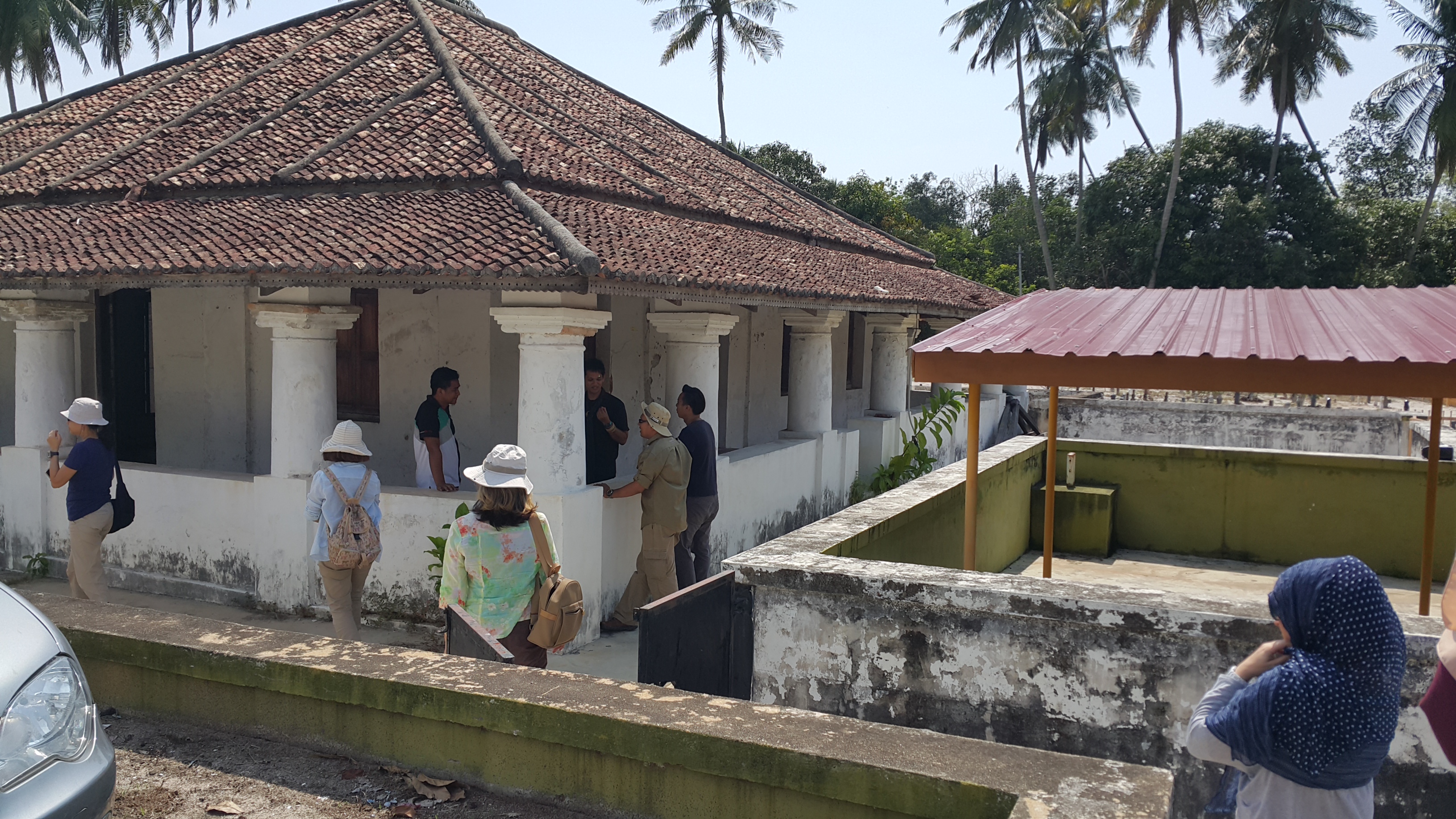
Before we headed back to the hotel, we made a last stop along the way to one of the oldest mosque here in Kedah, located in the village of Pengakalan Kakap in the Kuala Muda District.  Known as the Masjid Lama Pengkalan Kakap, it was built around the 1800s. Located slightly below street level, it underwent successful conservation works by the Department of Museums and Antiquity in 1994.  Unfortunately this mosque is not in use anymore as there was a newer mosque constructed just next to it.

20150419_152122

As we made our journey back to the hotel, flashing back on the day’s activities , it has indeed been an eye opening and informative day all rolled into one word—EDUCATIONAL!