MV Trip to Kuala Terengganu – Day 2

The Museum Volunteers organised a study trip to Kuala Terengganu between 19 – 22 Apr 2016. Chen Poh Leng has the story for Day 2 (20 Apr).

Day 2 of our visit started with a hearty buffet breakfast at the hotel that included delicious local fare such as nasi dagang (rice) with gulai ikan tongkol (fish in gravy), pulut kelapa (coconut covered glutinous rice balls) with salted fish and cucur ikan bilis (fried dough with anchovies). With much stored energy, we headed off to the Terengganu State Museum, the highlight of our trip.
26015979223_d3947da737_k
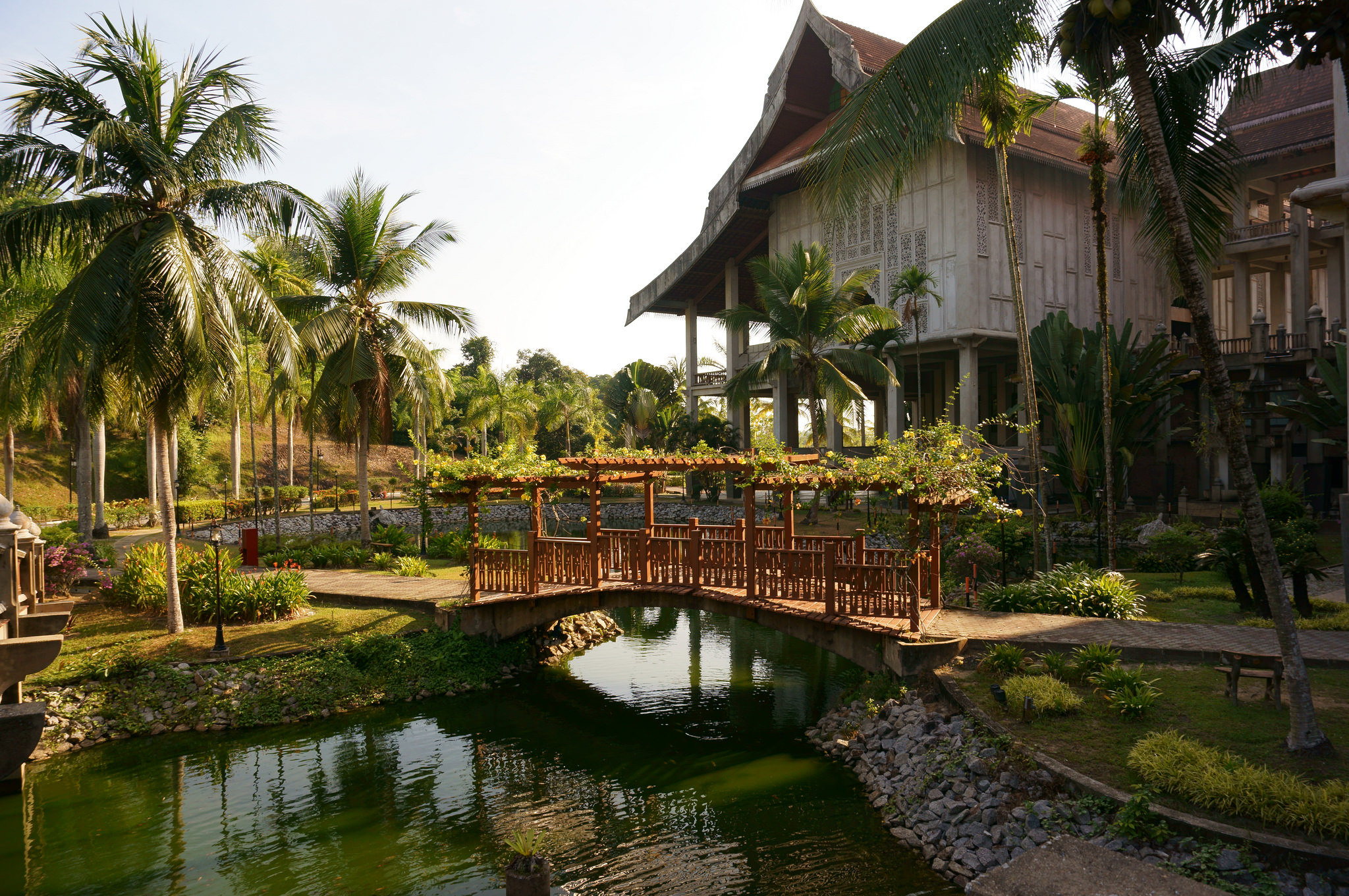
Muzium Negeri Terengganu

We were all awed by the main museum building’s beautiful architecture and the very first thing we did was to take a group photo with this beauty. The architect, Raja Dato’ Kamarul Baharin Shah, incorporated Terengganu’s old palace design into this creation. The museum complex spans over a land area of 27 hectares and consists of a main museum, a fisheries museum, a maritime museum, four traditional houses with herbs and botanic gardens. The grounds of the museum is so beautiful we were told that wedding photography is a common occurrence there. There are a total of 9 galleries covering textiles, royal, Islamic, craft, petroleum, natural history, seafaring and trade and finally, fisheries and marine park.
20160420_092336_2
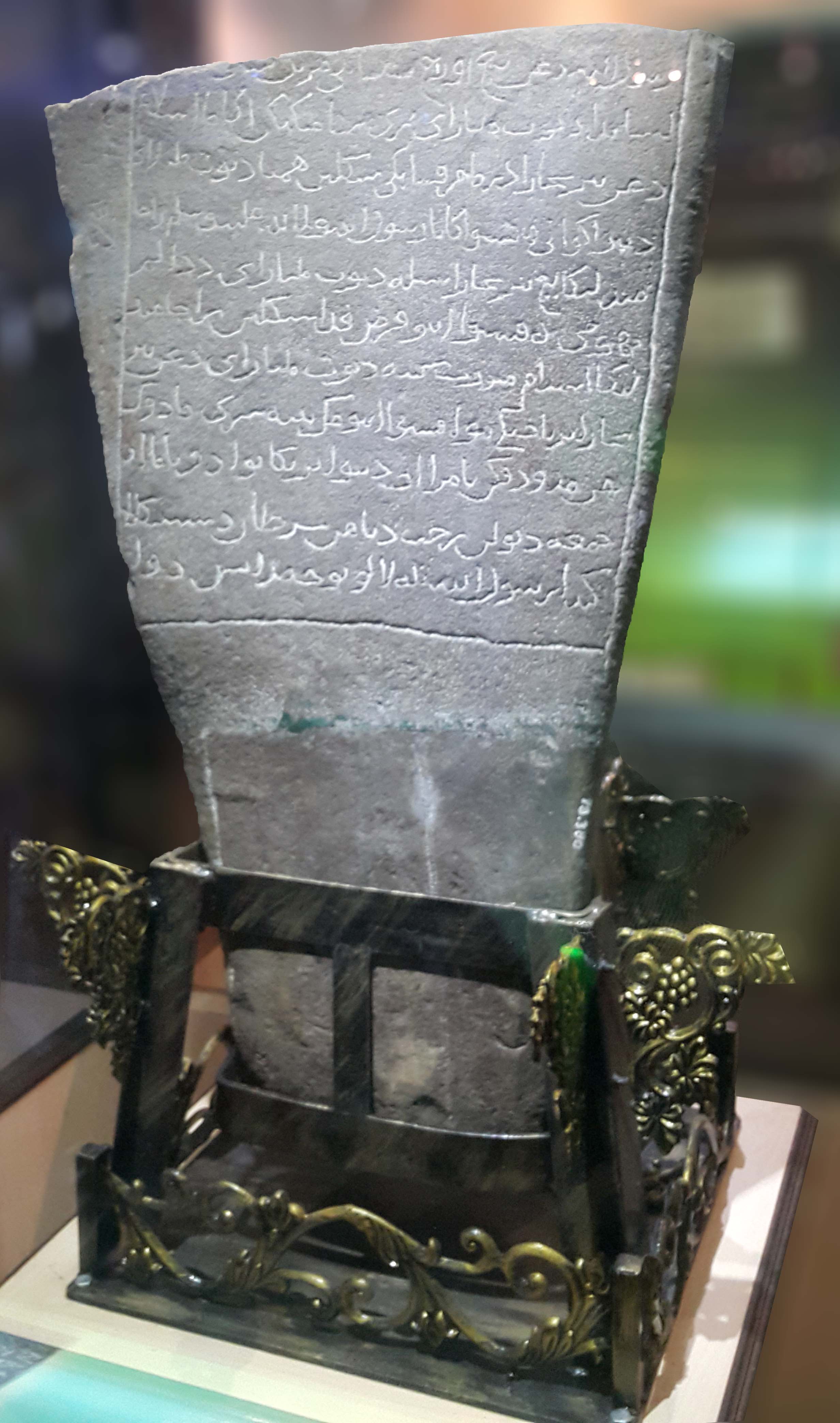
Batu Bersurat Terengganu

We were privileged to be warmly welcomed and guided by the director of the museum, Tuan Haji Mohd Yusof bin Abdullah. He told us that the concept of the architecture was based on the local dwelling concept where houses could easily be extended and connected with corridors as families grew. The houses could just as easily be dismantled. He shared with us that the main purpose of building the state museum had to do with the inscribed stone Batu Bersurat first discovered in 1887 in Terengganu. This is the most famous artefact of the state. It has the Malay language inscribed using Jawi script on dolomite stone. He highlighted that one of the main reasons of the ease of the spreading of Islam in the Malay Archipelago was the writing of the Malay language in Jawi script. According to him, the Malay language had additional 5 Jawi ‘symbols’ or characters compared with the Arabic language.
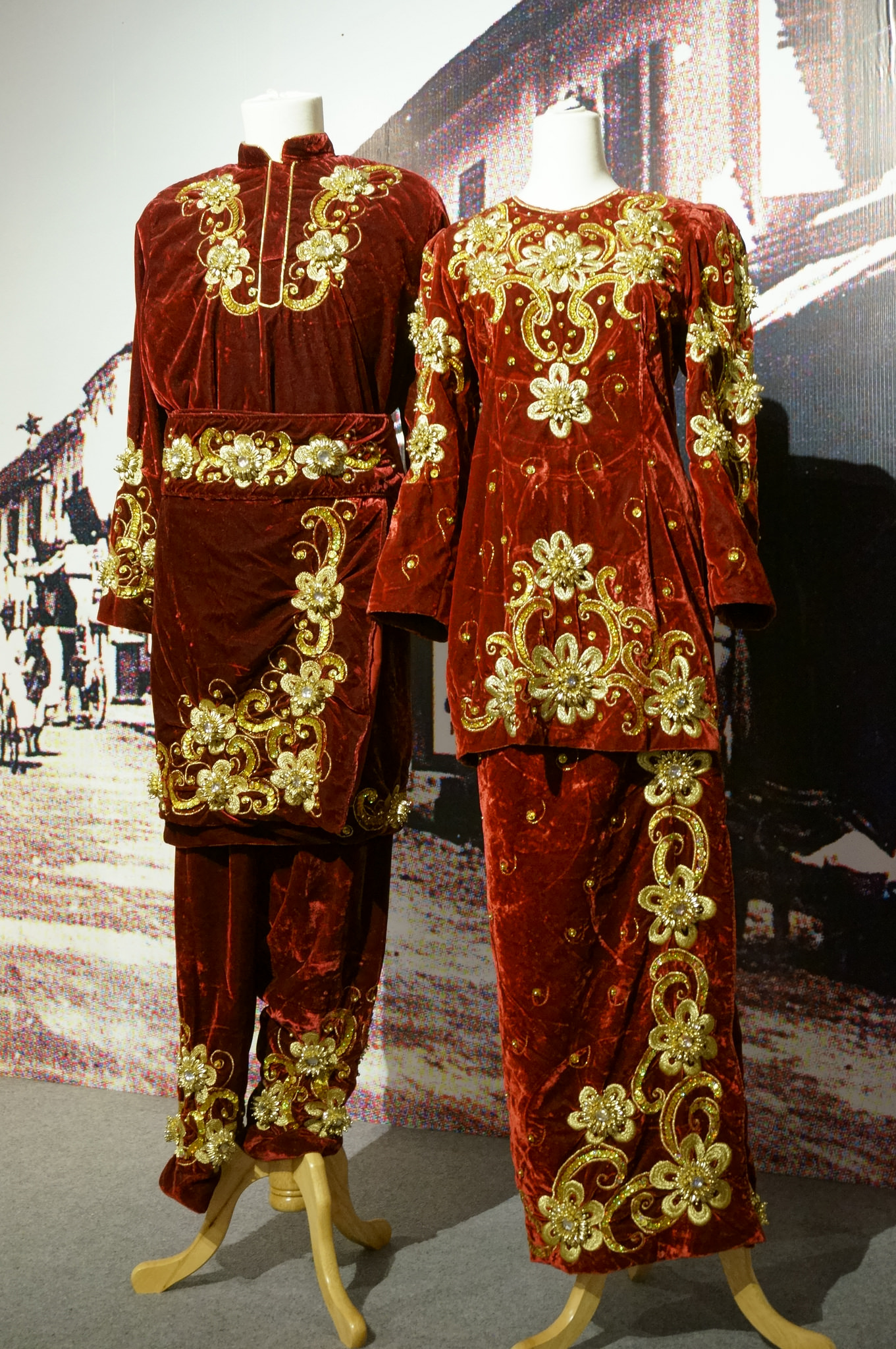
26593019206_d5bee08185_kAs we moved into the craft gallery, we learned:

  • the use of natural dye in the making of batik material
  • Malay traditional cloth weaving, although with a weaving machine, was labour intensive
  • the use of brass ware in everyday life was common while that of silver ware was less common

In the maritime museum, we climbed into an actual cargo boat on display and were introduced to some sea faring facts within the south east Asian region. We were also introduced to various types and characteristics of different types of perahu (boats), the most famous being perahu payang. We were told that the boat building skill was special in that no plans were drawn. It was all ‘within the head’ passed down from one generation to another.
26013436804_59d647ea53_k
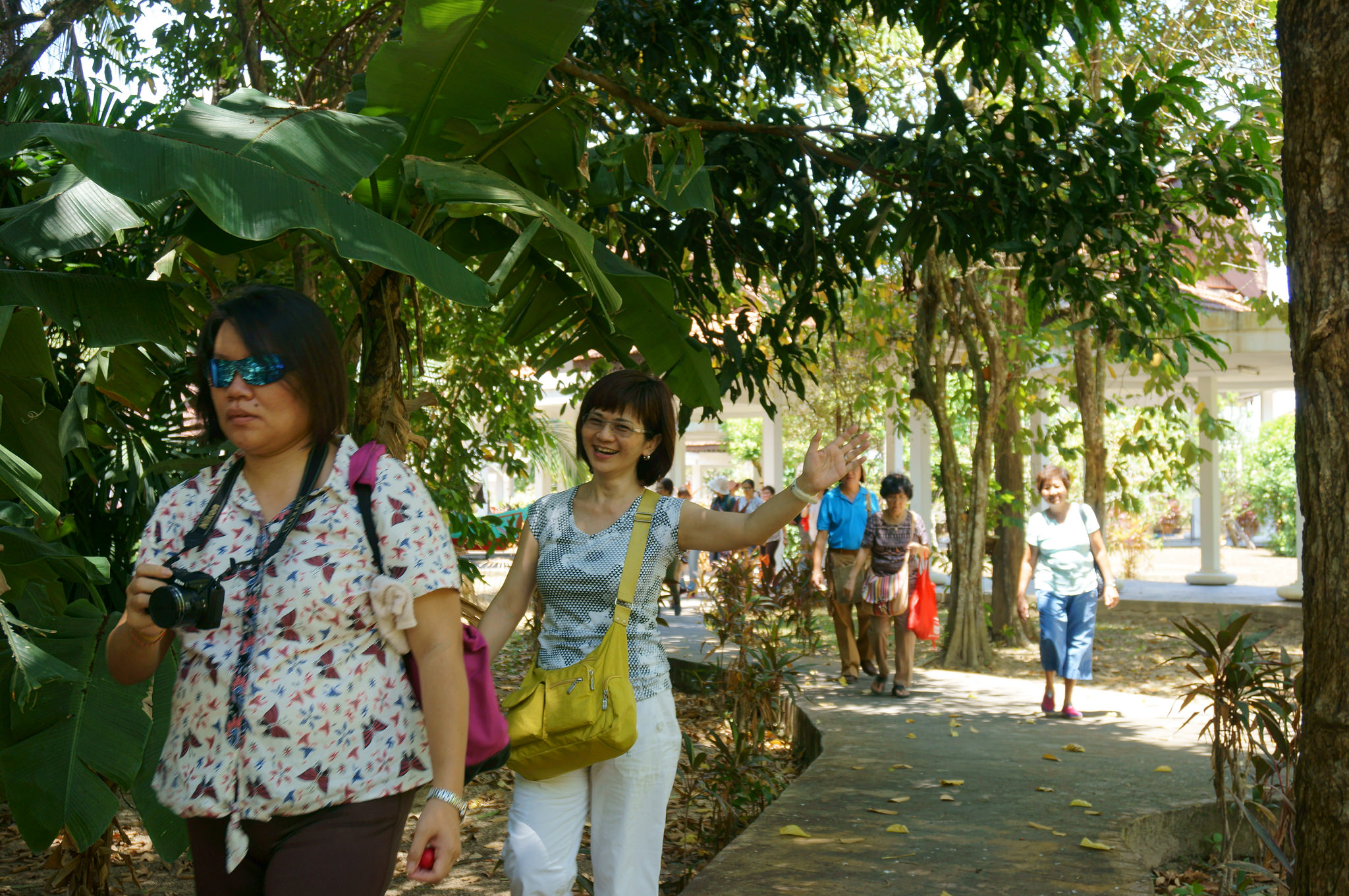
Walking the museum grounds

As we moved along the grounds we could see many different fertile flora around us. We were introduced to various fruits trees and herbal plants by Tuan Haji Mohd Yusof who shared the benefits of consuming them. He had special interest in this subject and thought preserving these plants would complement the museum complex’s grounds while being environment friendly. Fruit trees we saw included the belimbing, the tropical fig as well as tropical olive trees.
20160420_102224
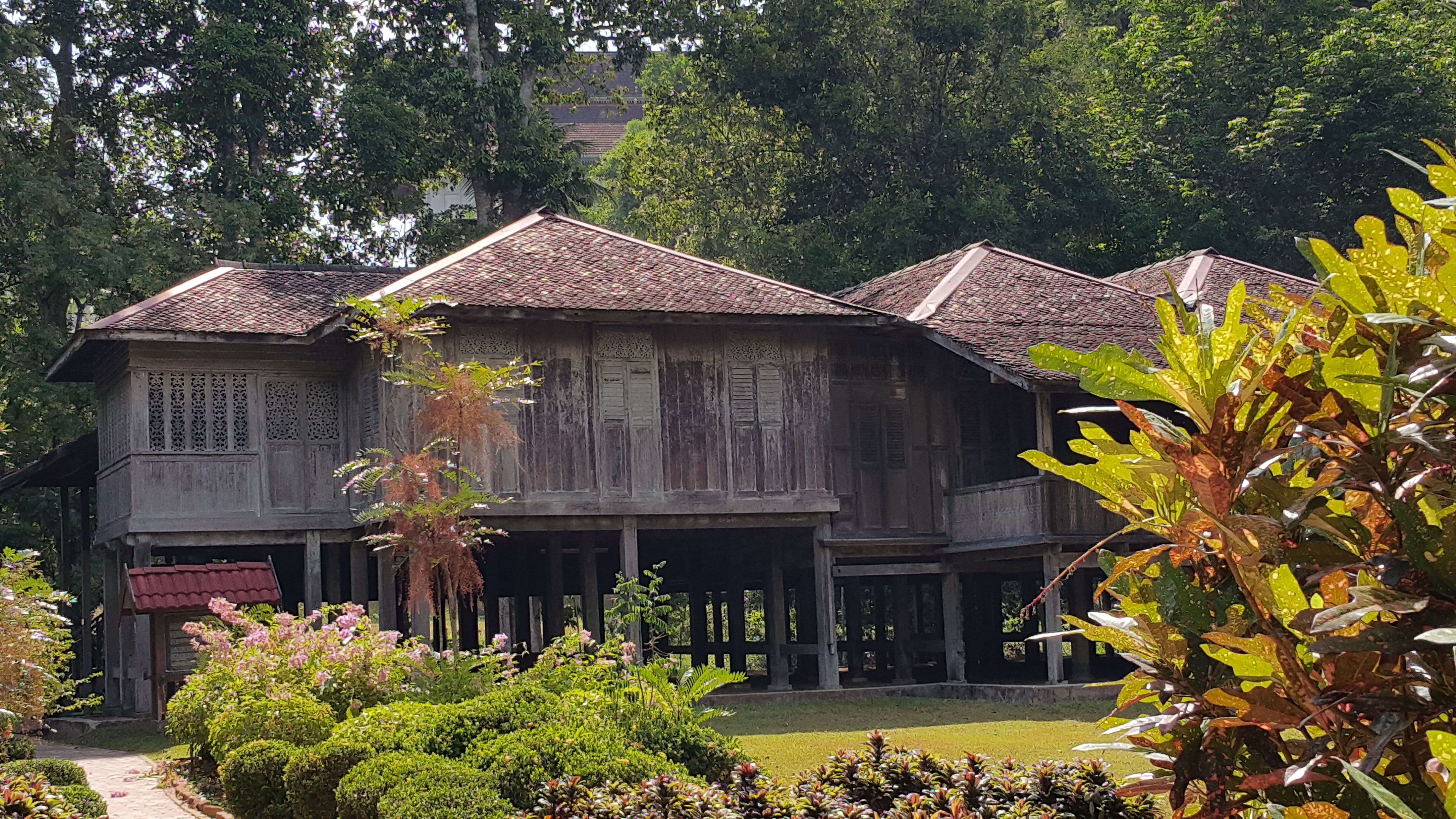
Istana Tengku Long. This traditional house was relocated to the museum’s grounds from its original location at Sungai Besut.

The museum excursion took up the whole morning and by the time we finished, it was time to refill our tummies. The authentic Peranakan lunch we had at On The Way Kopitiam, located in Chinatown, was most enjoyable. Everyone was delighted with the delicious local Peranakan fare. Dishes included, laksa, laksam, rojak as well as lekor (fish cake) served in 2 versions; steamed and fried. The satisfying meal was finished off with a bowl of ice kacang desert which helped cool down our bodies.

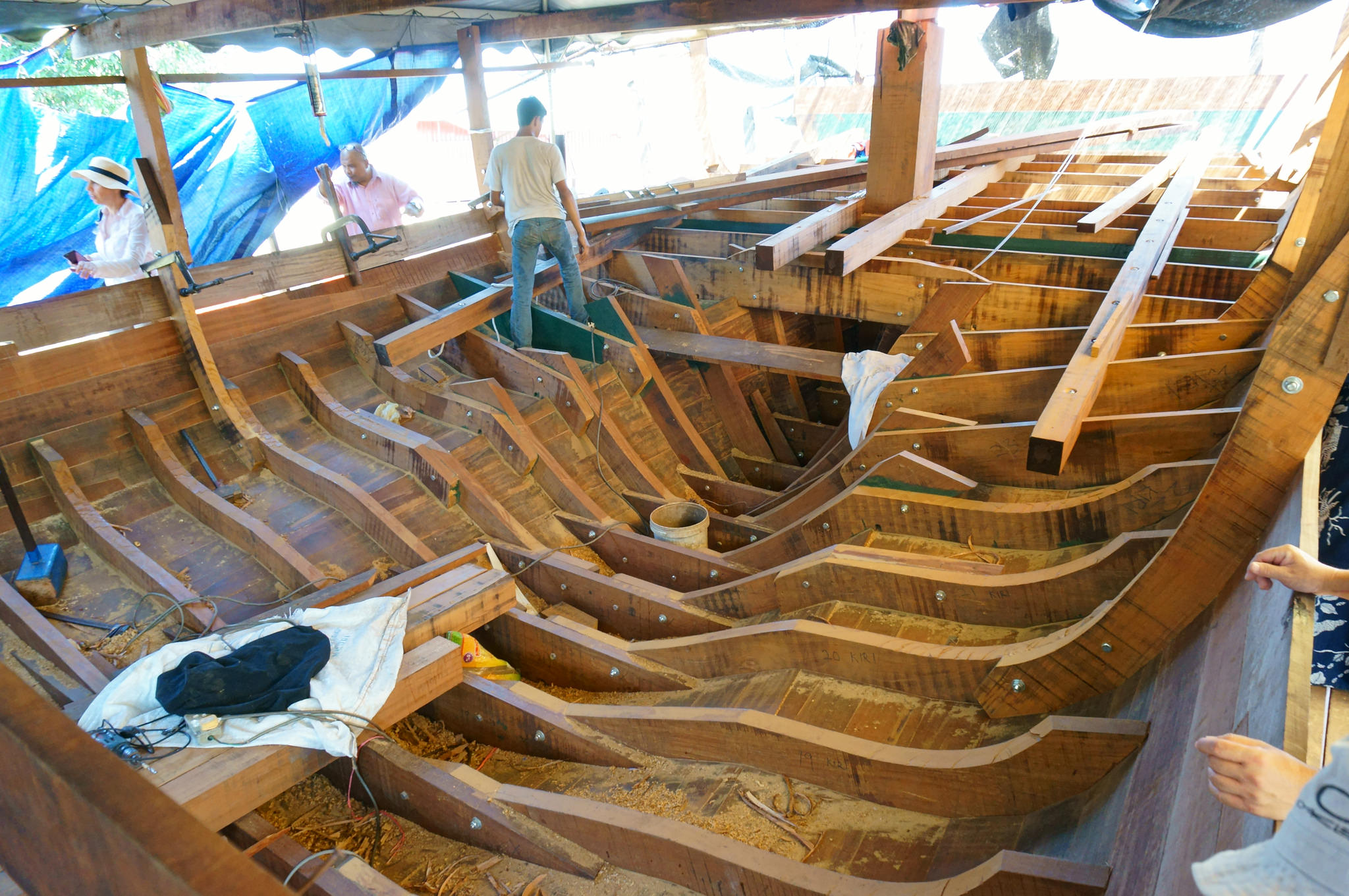
Following lunch, we were led to Pulau Duyung by the museum staff to witness the building of a wooden perahu (boat) the traditional way. The type of wood used was the cengal which is a type of hardwood. The wood type is also used to build Malay houses. The cengal, just like teak wood, is able to withstand harsh weather and does not attract insects. The visit ended with warm appreciation and goodbye wishes extended to the hospitable museum staff from the MV group.
26404728400_1fa0aae6f4_k
At Pulau Duyung – a boat in the process of being built

Our next stop was that of Masjid Tengku Tengah Zaharah, the floating mosque. It was built by the late Sultan Mahmud Al-Muktafi Billah Shah, father of the current sultan of Terengganu in 1993 and opened in 1995. Named after the mother of the current Sultan, it was yet another beautiful mosque and a photo snapping spot for us.

26585334052_c6cc73b0f1_k
Masjid Tengku Tengah Zaharah
26678338305_af14082eb5_k
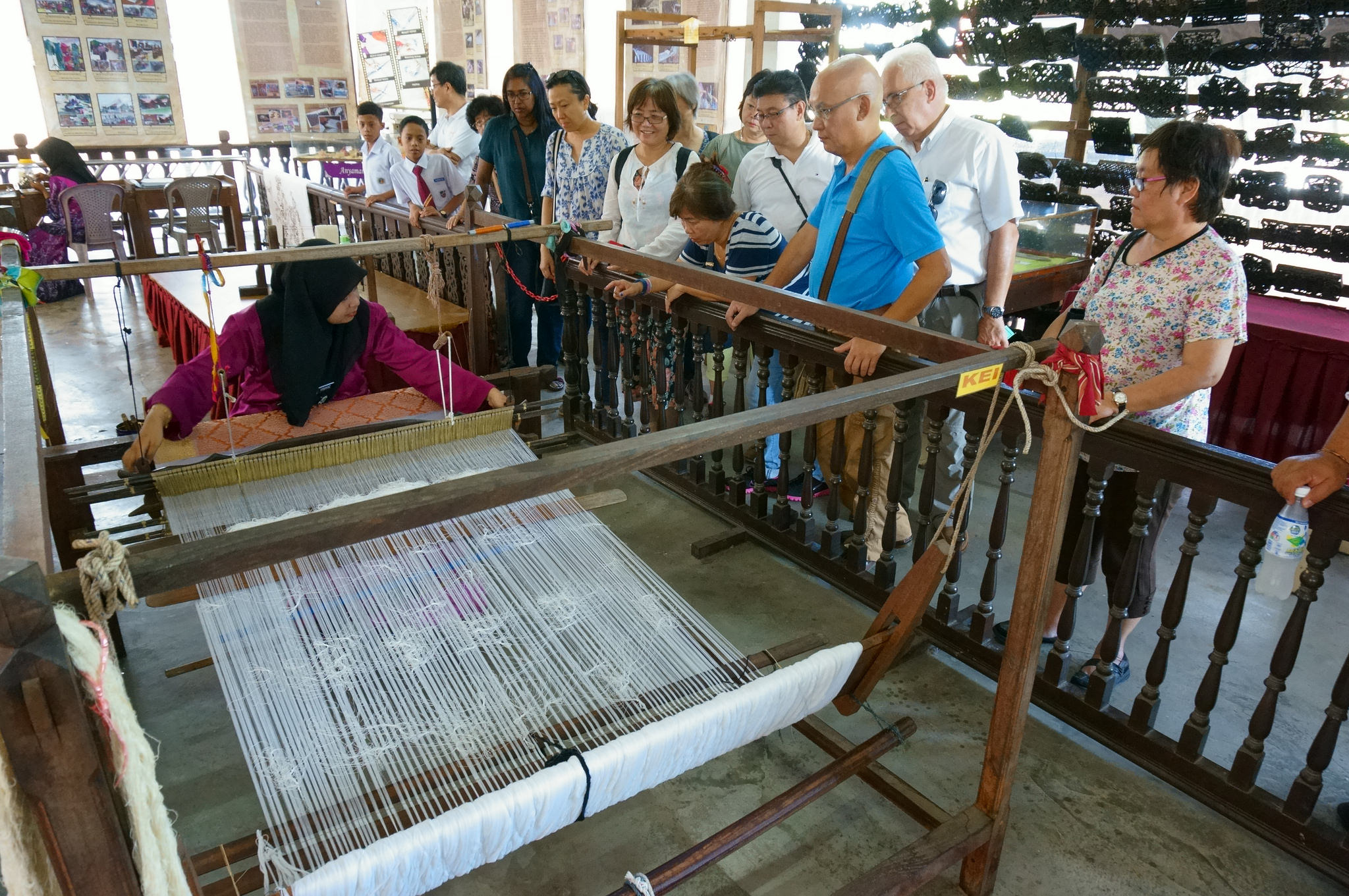
Weaving at Nor Arfa Craft Complex

Next on our itinerary was the Nor Arfa Craft Complex where we witnessed 2 demonstrations relating to the cloth industry – the printing of batik as well as the weaving of the songket cloth. After this, our retail therapy commenced. Most of us ended the visit with items to bring home. The combined purchases entitled us to some complimentary items which were then given to the lucky ones resulting from a lucky draw following this visit.
26678332145_a86692ebfe_k
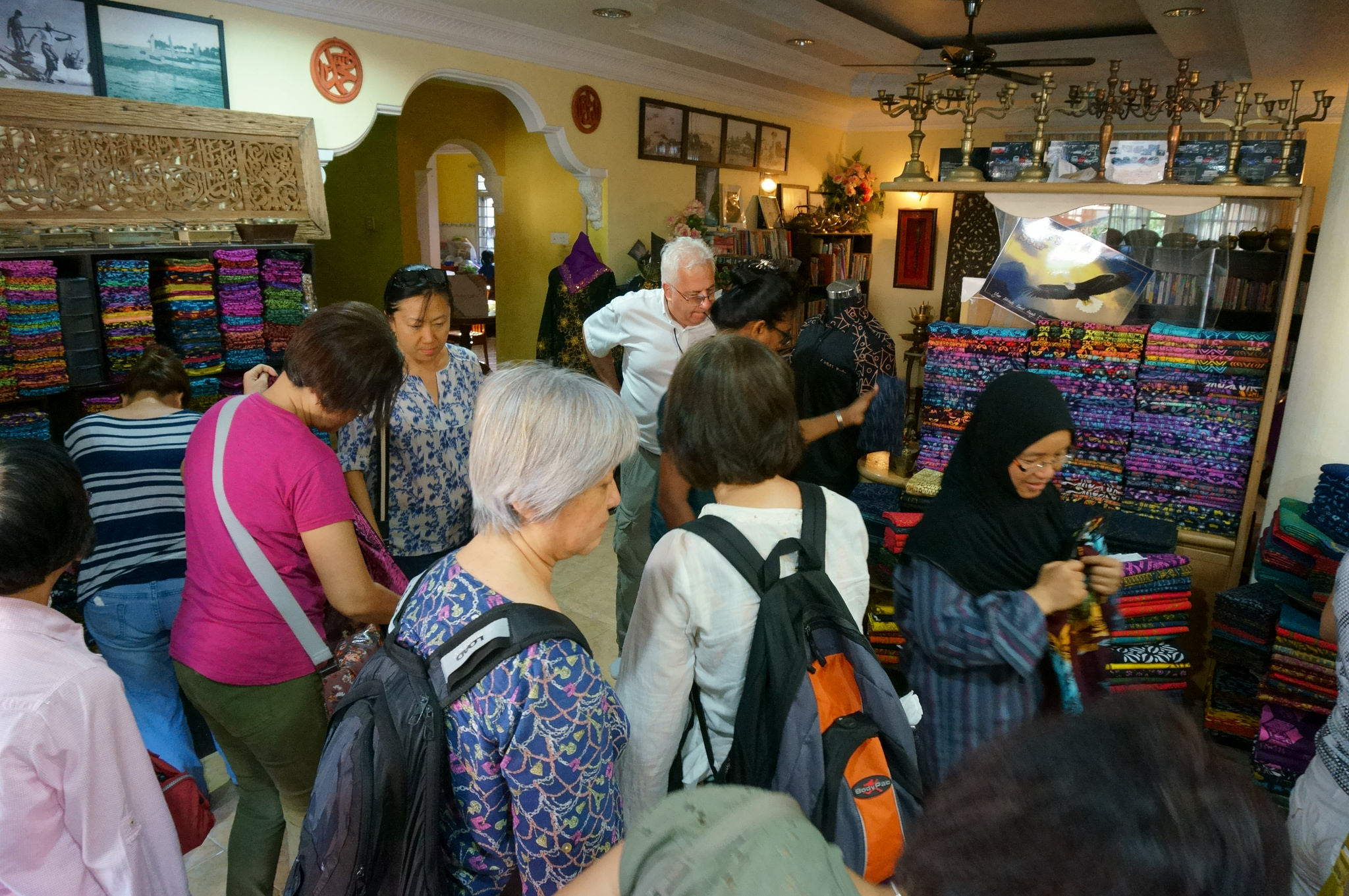
Batik galore!

The last visit for the day was to a home family business. This is the home of a young family that is in the batik business. We were welcomed into more retail therapy. This time a warmer welcome as we were served local snacks and drinks. I was impressed with the young children helping out their parents in conducting business.

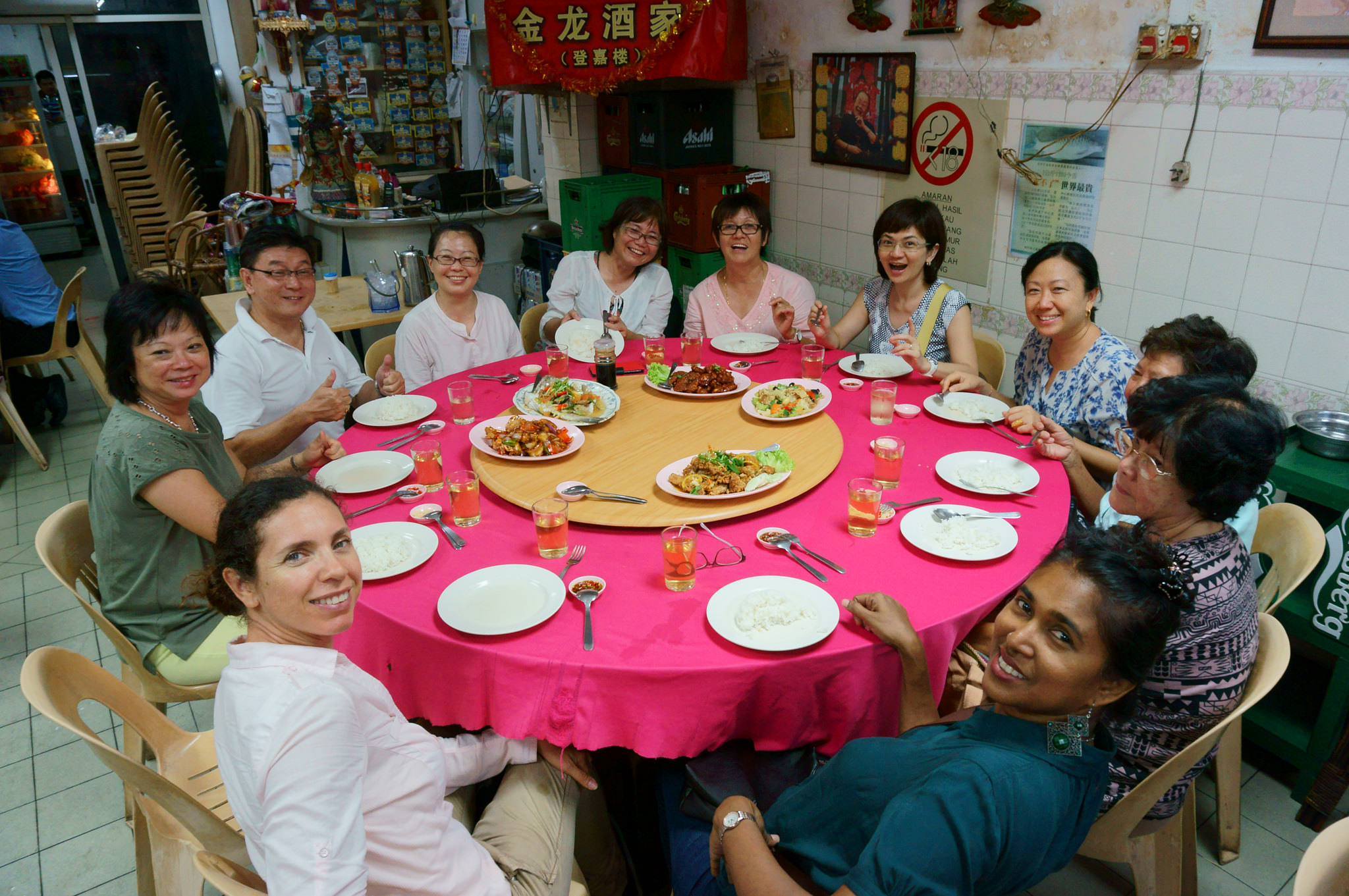
The day ended with yet another but final meal for the day. Our dinner was at the Golden Dragon Restaurant, also in Chinatown, before heading back to the hotel for much a needed shower and a good rest. While it was tiring, the day was indeed enjoyable. We were enriched knowledge wise, experience wise, vitamin D wise (due to the intense sun) but NOT wallet wise, thanks to retail therapy. At day end, we were a happy bunch for sure – a day well spent and money well spent.
26074225733_77cdf3b21a_k
A satisfying end to Day 2

The Minangkabau of Negeri Sembilan

by Rose Gan

The state of Negeri Sembilan lies south of Kuala Lumpur International Airport. Its original founders were ethnic Minangkabau émigrés from Sumatra who probably arrived during the heydays of the Melaka sultanate, which attracted Muslims from around the region to seek their fortune. Negeri Sembilan possibly refers to the people of nine townships of West Sumatra that settled the area. The present sultan and his family are all of Minang ancestry, their culture is matrilineal, and their palace is a grand version of the distinctive bull-horned Minangkabau Rumah Gadang house.

8-3 Minang Songket
Songket (wikiwand.com)

The Minangkabau ethnic group occupies the province of West Sumatra, famed for its beautiful landscapes of lakes, tropical rainforests, and the Bukit Barisan mountain range. They speak Bahasa Minangkabau, which shares many common features with Malay. Most Minang are farmers; those living in the coastal areas work as fishermen. They are known for their handicrafts such as cane work, silverware, embroidery and most of all, woven traditional textiles, particularly songket cloth.

The Minangkabau embraced Islam early on; they were one of the first conversions in the archipelago, following Aceh. Islam is central to their culture, distinguishing their adat from that of other animist ethnic groups. However, following Islamic law, representations of human forms are not allowed and animals feature only in stylised form. Unlike other ancient cultures of Sumatra, the Minangkabau have been in contact with outside influences for centuries, widely assimilating from cultures with which they came into contact. Arabic, Indian and Chinese influences can be observed in their textiles and arts, particularly those of the coastal areas.

West Sumatra is divided into nagari (negeri or autonomous townships). Their culture is matrilineal, unusual especially within an Islamic community. Kinship and inheritance are passed down through the female line, giving the women of the Minangkabau a unique importance and great respect. The Minangkabau people are also distinguished by their arts and philosophy which are both expressive and dynamic, yet hold closely to their prevailing traditional values and the belief of ‘alam takambang jadi guru’ (nature is mankind’s best teacher), meaning that the natural world should guide their lives.

In a Minangkabau extended family, children belong to the maternal line. It is the responsibility of the mother’s brother to raise them. Throughout his married life, a husband maintains close contact with his own mother’s family, often leaving his work tools and other possessions at her home and helping out his own family in agricultural tasks. After marriage, he gradually moves his belongings to his wife’s home and increases the time spent there only when the marriage seems secure, i.e. after daughters are born. Divorce is common usually instigated by the woman if her husband fails to provide her with a daughter, without which the kinship line would be broken.  Men tend to hold little property themselves because of complications arising in inheritance matters, especially after a divorce, when they can lose everything to their wife.

8-9 ns
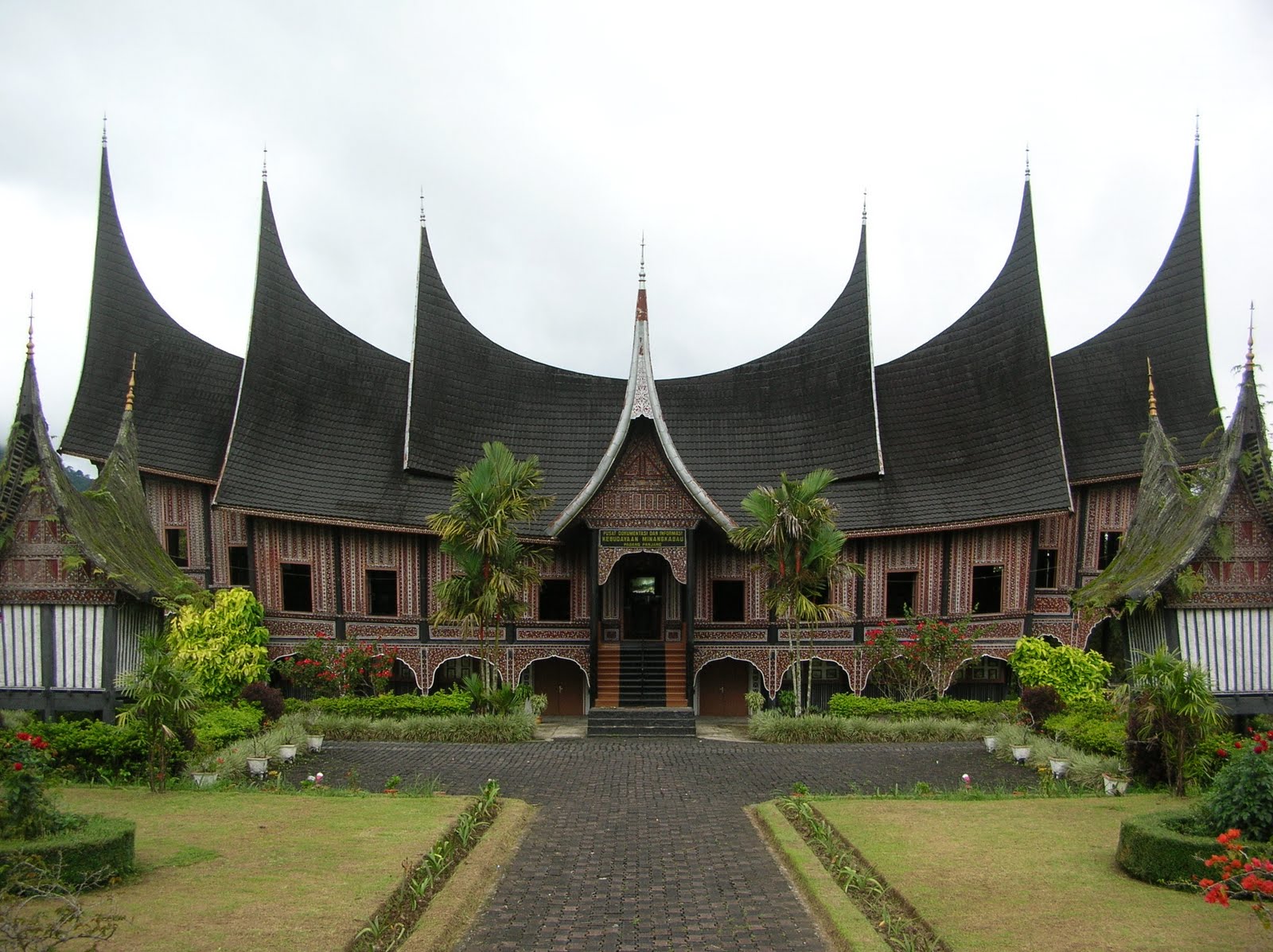
An example of a Rumah Gadang in Sumatra (photo sourced from pinterest.com)

The Rumah Gadang, or Big House, is a communal home shared by the extended matrilineal Minangkabau family. This type of house is often lyrically referred to as gajah menyusu anak (‘elephant suckling her offspring’), referring to the juxtaposition of the large house with its soaring upswept roof and the miniature rice barn nestled in its shade. The unusual roof shape is often compared to a mountain, perhaps reflecting the towering peaks of the surrounding Bukit Barisan range. The ornate wall panels are adorned with richly coloured stylised plant and animal motifs symbolising such qualities as bravery (buffalo), co-operation (duck), alertness (cat), good luck (cicak) taken from the domestic animals that feature in their daily lives, typical of the homespun folklore of the Minang people.

The buffalo horn gonjong decorative feature on the roof is a distinctive element of Minangkabau design, referencing the legend of their origin as well as demonstrating the importance of daughters. The gonjong is associated with women: the traditional female Minang headdress, the tengkuluk tanduk has a similar shape. This is particularly unusual because in most cultures the bullhorn has male connotations. The number of bullhorns on the roof of a Rumah Gadang indicates the number of married daughters belonging to the house.

8-2 Female Headress
Female headdress – tengkuluk tanduk (atonaru.blogspot.my)

West Sumatra is regarded as one of the most notable regions for the production of songket cloth; historically Koto Gadang, Payakumbuh and Bukittinggi in the highlands were at the centre of manufacture. The songket from Koto Gadang is considered to be the best quality in terms of technical skills, materials and the various and distinctive motifs that make them difficult to copy.

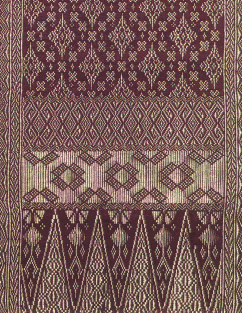
The uniqueness of songket lies in the supplementary weave of gold and silver thread and the complexity of its designs, rich in motifs of an affirmative and natural theme. Songket weaving is commonly done by women. Motifs on Minangkabau songket conform both to their philosophy of the natural world, and their folklore, steeped in traditional wisdom. The common sense of women is noticeable in the symbolism of their songket designs and in the wearing of the cloth. The male sisamping (Malay: samping), the short sarong, must be tied with a large hanging fold at the front, shaped like a tongue. This is a warning to men to guard what they say in public. One can almost hear the admonitory voice of a wife! Many Minangkabau songket motifs retain delightful meanings that have probably been lost elsewhere. The teluk berantai linked chain motif, known to the Minang as saluak berantai, signifies the strength of a community when its members cooperate and work together. Itiak pulang patang ‘ducks returning home at dusk’ reminds that wherever one travels in life, one always returns to one’s home or traditional values. The ubiquitous triangular pucuak rabuang, or young bamboo shoot, represents the usefulness of bamboo in all its stages just as members of the community should be ‘useful in youth and beneficial in old age’.

songket patterns
Songket patterns: (left to right) Itiak Pulang, Pucuak Rebuang, Saluak Berantai. Sketched by Daniel Gan

The Minang people have a great respect for learning, demonstrating an openness to external ideas and influences that is rare in traditional cultures. One interesting practice is the tradition of merantau, where young men are encouraged to leave their home villages and travel either to other islands, or even further afield. In modern times this has even extended to young women. This temporary exile exposed the young to fresh ideas and new skills, which on their return would benefit the community at large.  The Minang are a dynamic culture, and although their population is small, they have made an exponentially large contribution to the archipelago. In Indonesia and Malaysia, many professionals, politicians and intellectuals were traditionally of Minang origin, particularly women of note. Minangkabau communities are to be found all over the archipelago, set up by those who travelled and settled elsewhere, hence the prevalence of Padang food (nasi padang, a speciality of the region) on many other islands. The famous dish beef rendang is arguably of West Sumatran origin although many Malaysians might disagree!

sri menanti
Sri Menanti (virtualmalaysia.com)

The Minangkabau people of Negeri Sembilan maintain a matrilineal customary system unique amongst Malay, called the adat perpatih, Although in Islamic law the husband of the matriarch would be the ultimate authority, amongst the Minangkabau he is considered orang semanda (an outsider). The authority of the family stays firmly with the maternal side, although the husband would support and assist in decision-making. This might appear to be unworkable arrangement but amongst Minangkabaus it becomes a courteous social collaboration that encourages cooperation and discussion between the two families.

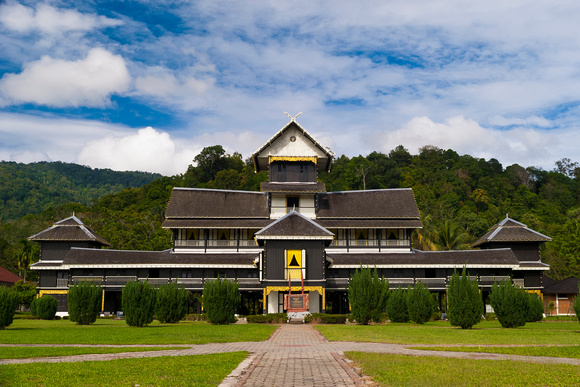
In Negeri Sembilan and other parts of Malaysia, one can still see examples of the gonjong or bullhorn finials on upswept roofs in the Minang house style both on private houses and public buildings. A stylised version, known as ‘silang gunting’ or crossed scissors, is more common as can be seen on the gable ends of Sri Menanti, the old palace of the sultans of Negeri Sembilan.

8-7 Bunga Suntiang
Bunga Suntiang (pinterest.com)

Although songket of fine quality is produced in Malaysia, it is still customary for Malays of Minangkabau descent to source their cloth from the Bukittinggi region, especially for weddings. The Chinese-inspired Minangkabau wedding headdress, bunga suntiang has also become popular for brides.

The matrilineal Minangkabau have made a distinctive mark on Peninsular Malaysia, not the least in the example of female empowerment within a Muslim community. Their dynamic influence has enriched Malay culture until today it has become an integral part of the Malaysian identity.