There are two handwritten copies of the Quran in Gallery B. Both these Malay Qurans are from the 19th century CE. Our curator will be explaining these manuscripts in a journal article next year. As an addendum to my blog article regarding the Prophet’s traditions, this article highlights the content displayed on the Qurans in gallery B to illustrate the sunnah (the ‘way of the Prophet’). Prophet Muhammad (saw) recited these particular surahs (chapters) on different occasions. Sunnah denotes the actual actions, practices and sayings of the Prophet.
Muslims believe the Quran text is the divine, unaltered Word of God, as revealed orally to Prophet Muhammad (saw) via the Archangel Gabriel in the 7th century CE. Upon memorising the revelations, the Prophet’s closest companions proceeded to transcribe them on palm wood, parchment, bones and later, onto paper. Al-Quran derives from the Arabic word qara’a meaning ‘to read’ or ‘to recite’.
The act of writing occupies an esteemed place in Islamic tradition. Much effort is placed on glorifying the Word of God through calligraphy and manuscript art. Some Ottoman and Indian Qurans were illuminated on every page with gold and colours. Malay Qurans have a defining feature in that only the beginning, middle and end pages are ornately decorated. This is in keeping with Malay values of understatement, restraint and balance. Some Malay Qurans, as in the case of our Javanese Quran in gallery B, do not even make the central pages a feature. Looking at our gallery B Qurans, we note the significance of the four illuminated pages: two at the beginning and two at the end.
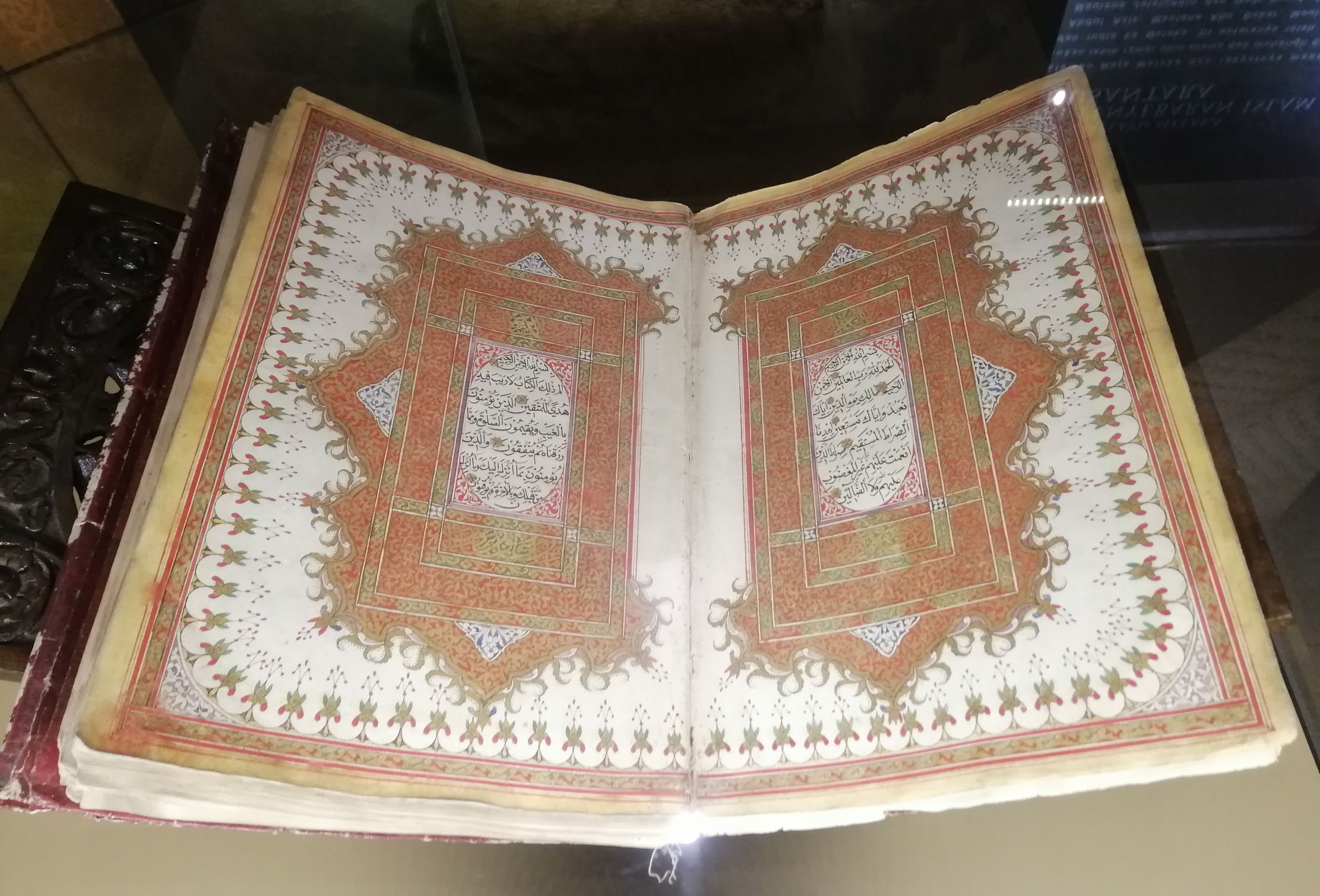
The Terengganu Quran in gallery B displays the first surah, Al-Fatihah (the Opener) on the right-hand side and the start of the second surah, Al-Baqarah (the Cow) on the left-hand side. Al-Fatihah is a summary of the entire Quran. Its key verse translates to ‘You (solely) we worship, and You (solely) we ask for help from’. This oneness of God is the essence of Islamic faith. The second verse of Al-Baqarah means ‘That is the Book, in which there is no doubt, guidance for the God-conscious’. Therefore, Muslims consider the Quran as the sacred book for complete guidance, relevant for all time.
Terengganu Quran displaying the first two pages
The Quran explains when and which direction one should pray, while Prophet Muhammad (saw) showed by example what words and movements to use during prayer. Following the Prophet’s sunnah, the Al-Fatihah is recited whilst standing within every prayer. There are exceptions and modifications to standing e.g. for the elderly and in certain circumstances. However, the words recited remain the same.
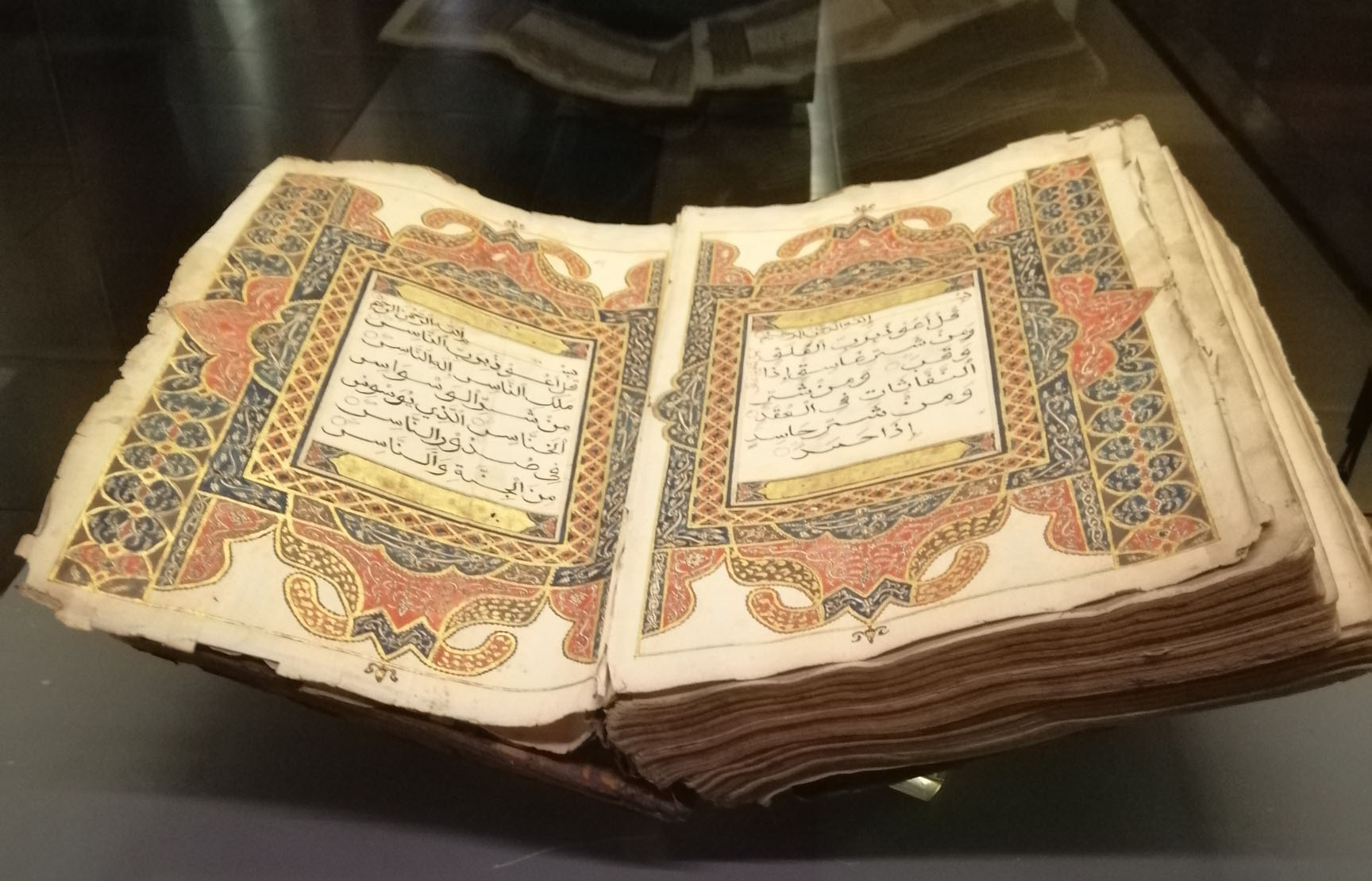
The Javanese Quran in gallery B exhibits the final two surahs, Al-Falaq (the Daybreak) and An-Nas (Mankind). Both these surahs are words of protection from evil: Al-Falaq against external elements and An-Nas against evil from within. These two surahs are known as al-Mu’awwidhat (the Refuges). According to Hadith Sahih Al-Bukhari 5016/7, the prophet’s wife Aisha’ narrated that Prophet Muhammad (saw) used to recite both these surahs when he became sick and also, before sleeping every night. Hence, these acts are examples of the Prophet’s sunnah, which Muslims should follow.
Javanese Quran showing the final two pages
In the shahada, Muslims profess that there is no god but God and that Muhammad is the Messenger of God. Muslims believe Prophet Muhammad (saw) was the best role model and the Quran confirms his exemplary character. We wish ‘peace be upon him’ by saying sallallahu alaihi wasallam (saw) after his name.
At Prophet Muhammad’s (saw) final sermon, he said: ‘I leave behind me two things, the Quran and the sunnah, and if you follow these you will never go astray’.
References
The Noble Quran translated by Dr Muhammad Taqi-ud-Din Al-Hilali and Dr Muhammad Muhsin Khan (1997) Riyadh: Darussalam
Gallop A.T. (2012) The Art of the Malay Quran. Arts of Asia. Jan-Feb 2012
Islamic Arts Museum Malaysia (2020) Mirrors of Beauty. KL. IAMM
M Uthman El-Muhammady (1998) The Quran and the Hadith. The Encyclopedia of Malaysia, Religions and Beliefs Vol. 10, KL: Editions Didier Millet
Natasha Kamaluddin (2018) The First Six: An Introduction to the Noble Quran. Back to Basics Vol. 2 KL: Dakwah Corner
Ros Mahwati Ahmad Zakaria (2005) Manuscripts: The Word Made Manifest. The Message and the Monsoon, KL: IAMM
Muzium Negara gallery storyboards & Wikipedia
Muhammad Azam Adnan, Muzium Negara Gallery B curator
Titi is in the district of Jelebu in Negri Sembilan and it is about 43 km from the state capital, Seremban, using Federal Route 86. From the Selangor side, Titi is accessible from Hulu Langat and Semenyih on the B32 (Selangor state route) that crosses the border to meet up with N32 (Negri Sembilan state route).
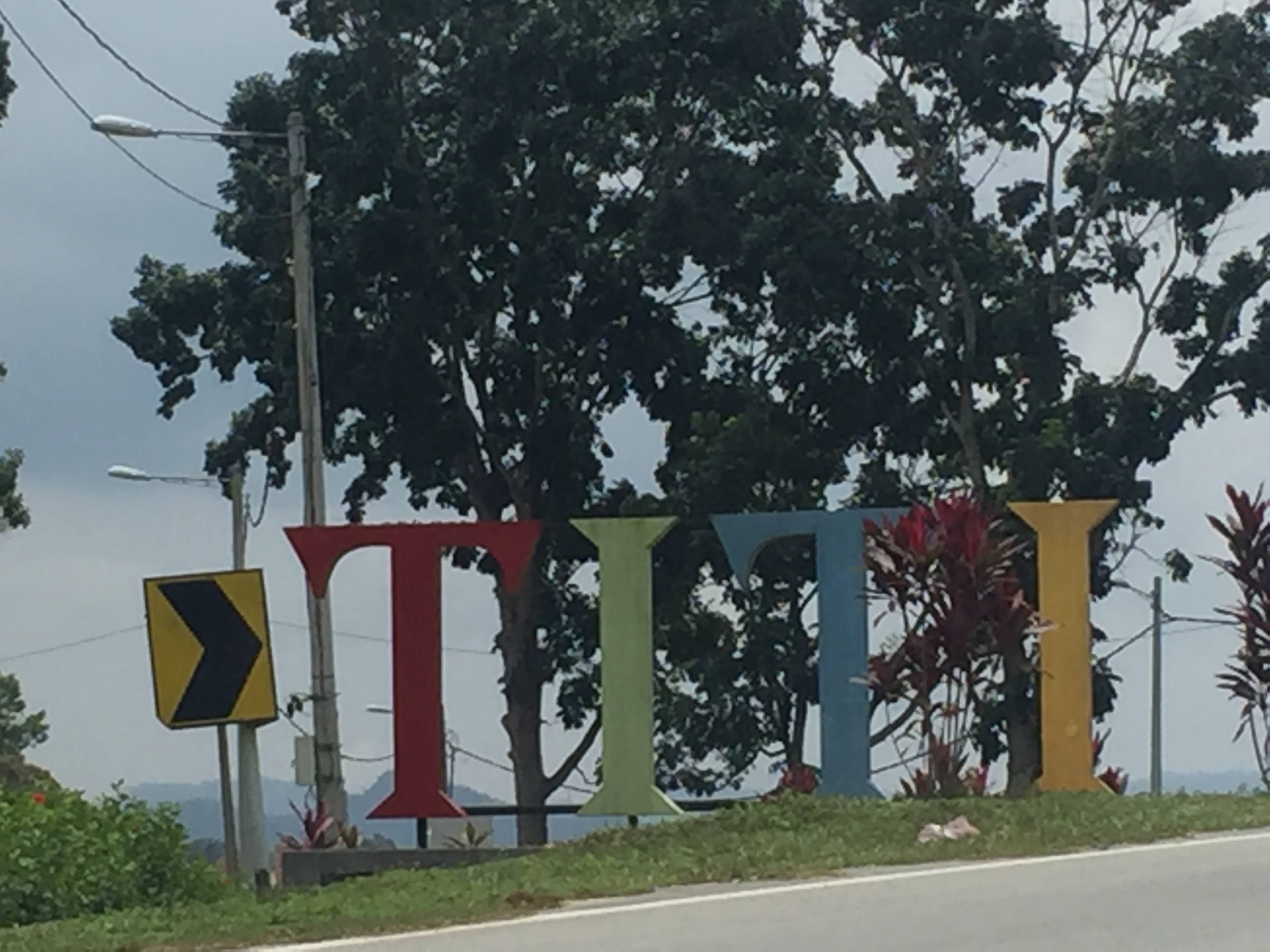
Titi sign at the south entrance / Photo source : Eric Lim
The name Titi comes from a Malay word referring to a narrow passage to cross a ditch, drain or a tributary and usually made from log of a palm or coconut tree. However, the Chinese call it Titi Kong (知知港) which could possibly be referring to jetty/jetties found in the town in the past. Sungai Glemi is a tributary that meanders gently across the town and flows to join Sungai Triang. It flows northeast and ultimately falls into Sungai Pahang and finally into the South China Sea.
The Orang Asli were the earliest inhabitants in this area and they were already using this waterway to supply tin and various jungle produce to the commercial centre at the mouth of Sungai Pahang. In the 17th century, Minangkabau from Sumatra migrated into the state in large numbers and Jelebu was dominated by them. They were mainly in agriculture with tin prospecting mostly a part-time work to make some side income. The Chinesefirst arrived in the district in about 1860 and the first Chinese temple, Lian Hua An, was built in 1876.
During British intervention, Sungai Ujong was the key mining area in the state even though Lukut fell under its control in 1878. Lukut was the chief tin producing area in the country between 1830 and 1860 but by the time it came under the jurisdiction of Sungai Ujong, tin was dwindling and it was in financial ruin because of the conflict between the Malays and Chinese. The then Acting Resident of Sungai Ujong, H.A. O’Brien reported in 1884 of an abundance of tin deposits in Jelebu and in June the following year, British took over the administration and appointed E.P. Gueritz as the first British Collector of Jelebu. Immediately, the district saw major developments like the construction of a bridle track to connect Sungai Ujong (later widened into a cart road in 1888), Jelebu Hospital built at Petaling as well as police stations at Bukit Tangga, Kuala Klawang and Titi. As for for tin mining in the district, two British-owned companies, Jelebu Mining and Trading Company and Jelebu Mining Company were given the monopoly over land and tax concessions. The special concessions ceased in 1893.
Next, it saw the arrival of small Chinese enterprises to prospect for tin. The towkays from Sungai Ujong and Malacca were not keen to invest in Jelebu due to its remoteness. This was a good opportunity for Siow Kon Chia to start tin exploitation. He was born in Lan-Lin village of Hui Zhou in Guangdong in 1864. He came to Malaya in 1892 where he worked in Melaka for two years. He then moved to Sungai Ujong where he met with Roman Catholic missionaries who offered him a job. It was during this time that he became a Christian. At the same time, he started tin speculating and eventually obtained permits to operate several mining sites in Titi. For his labour recruitment, he returned to his home village and offered to transport whole families out to Jelebu. During the first few years of the recruitment, over a thousand Siow clan families had migrated to Titi.
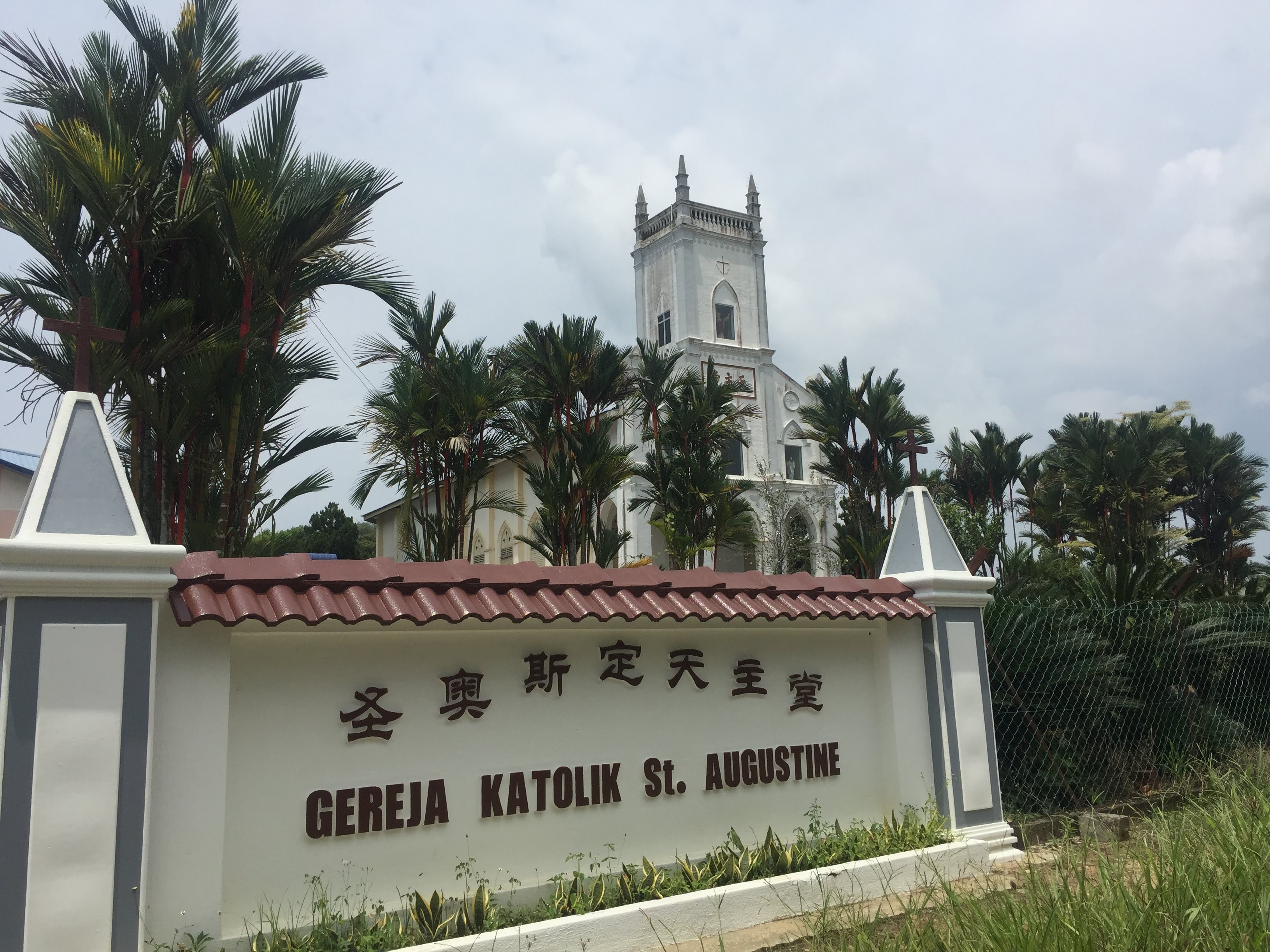
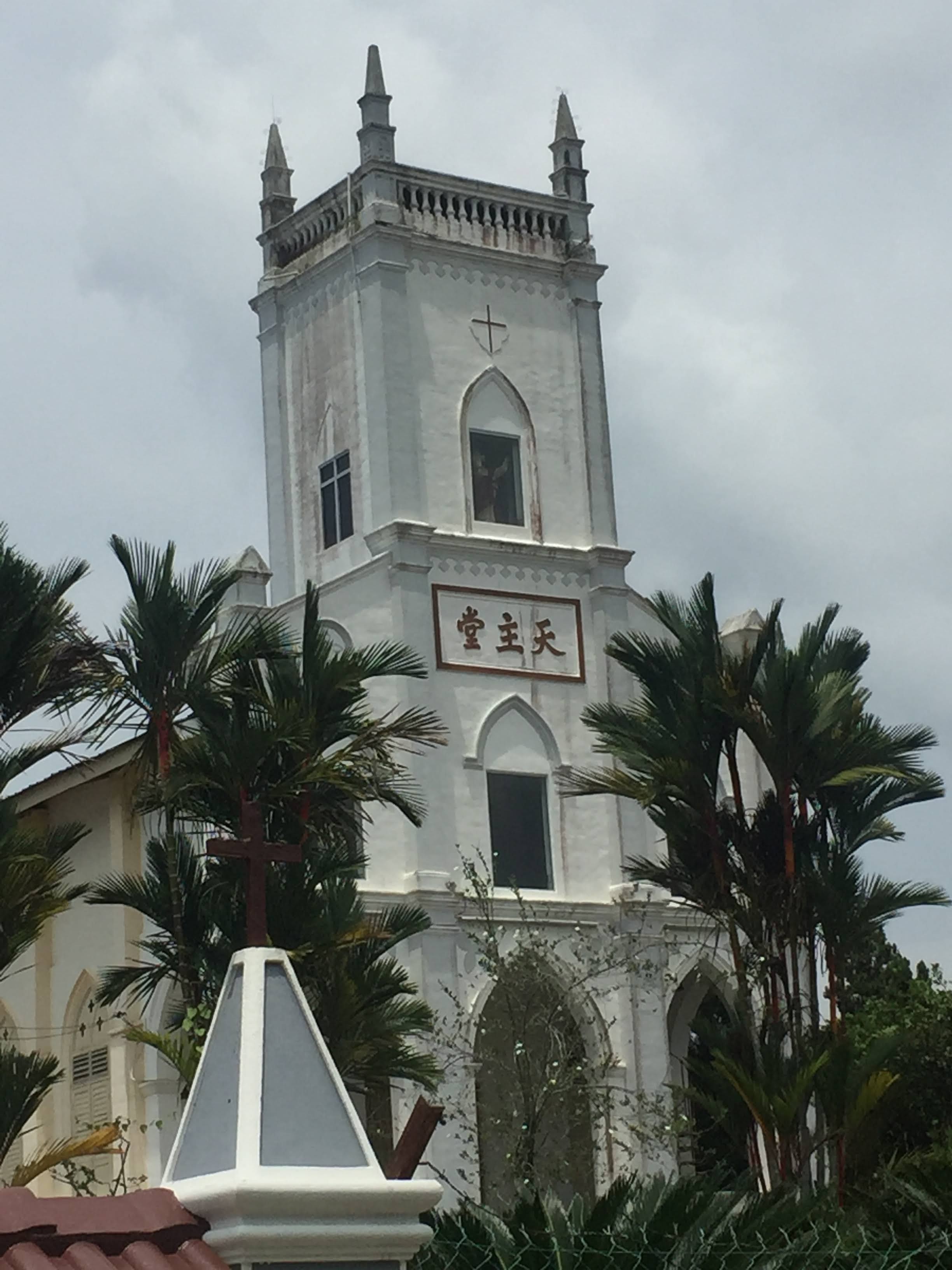
In 1905, Siow Kon Chia donated two acres of his land and financed the construction of a church. It is today the Saint Augustine Catholic Church. At the peak of his success, he married Maria Leong who was a Melaka born Baba Chinese. In time, Siow Kon Chia was regarded as the unofficial Kapitan China to help with the administration of Chinese in the area. Later, he moved his family to Seremban where he stayed until he died on 24 May 1929. His house located behind St Paul’s Institution had been used as the Headmaster’s residence; St Paul’s Institution was established in 1899 and was the first English school in Negri Sembilan.
Saint Augustine Catholic Church / Photo source : Eric Lim
Saint Augustine Catholic Church / Photo source : Eric Lim
When Siow Kon Chia’s business enterprises started to decline, it paved the way for a group of enterprising Siow men to emerge. Comprising five men – Min Foong, Piang Keow, Sin Tow, Lian Fook and Onn – they formed the Ban Lee Seng business enterprise with a capital of $100.00 per head. They started a provision store, selling work equipment and household needs. At the same time, they also operated a fish and vegetable stall at the local market. Later, they were involved in opening up land for rubber and cash crop growing. Within five years, they were very successful and opened another shop called Ban Yap Seng to cope with the business expansion. From 1920 to 1930, Ban Lee Seng was controlling the district’s transport services, groceries, meat and vegetable sales and equipment supplies. After a decade together, they decided to go their own way. They continued to prosper and became community leaders in Titi.
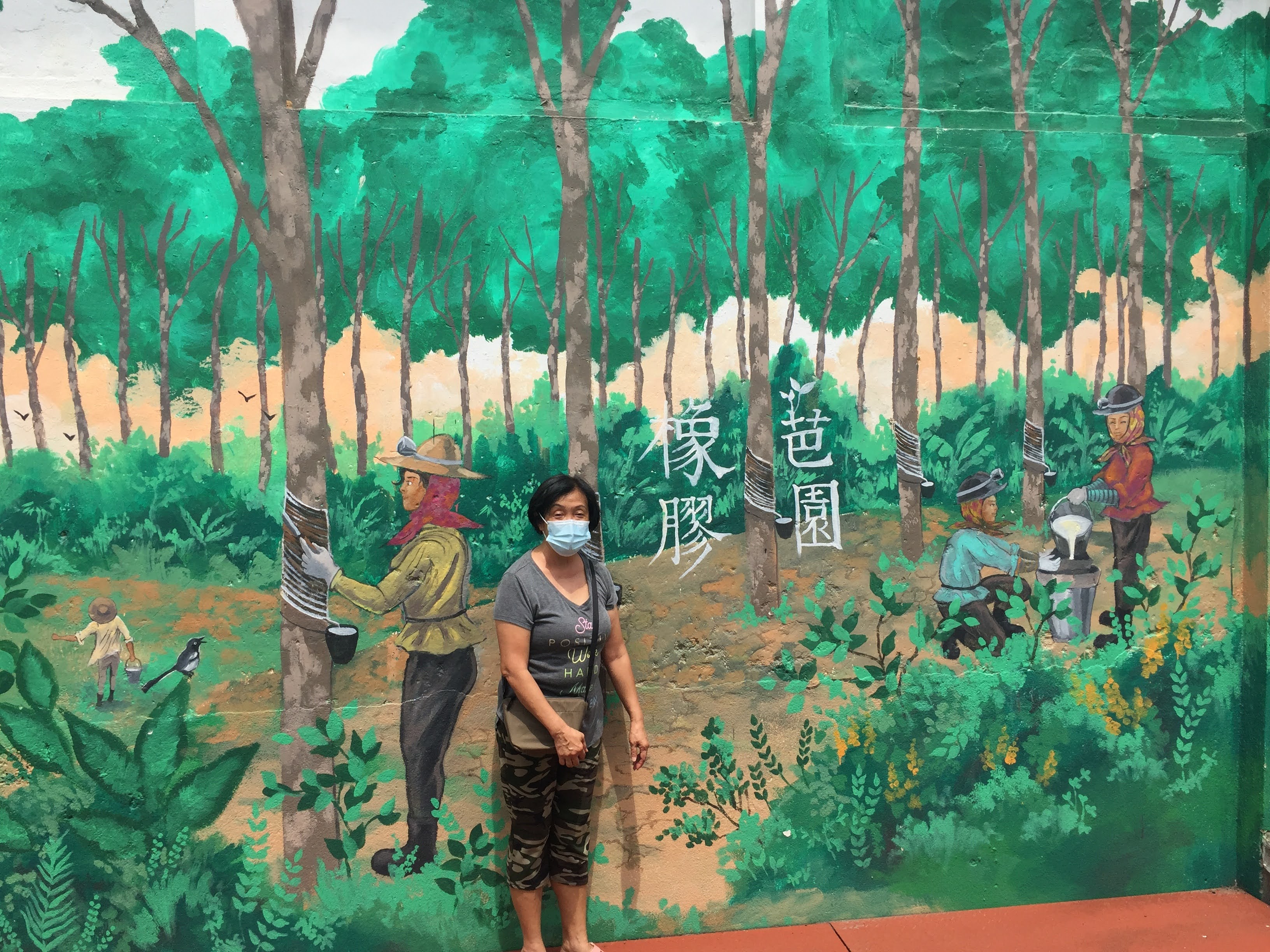
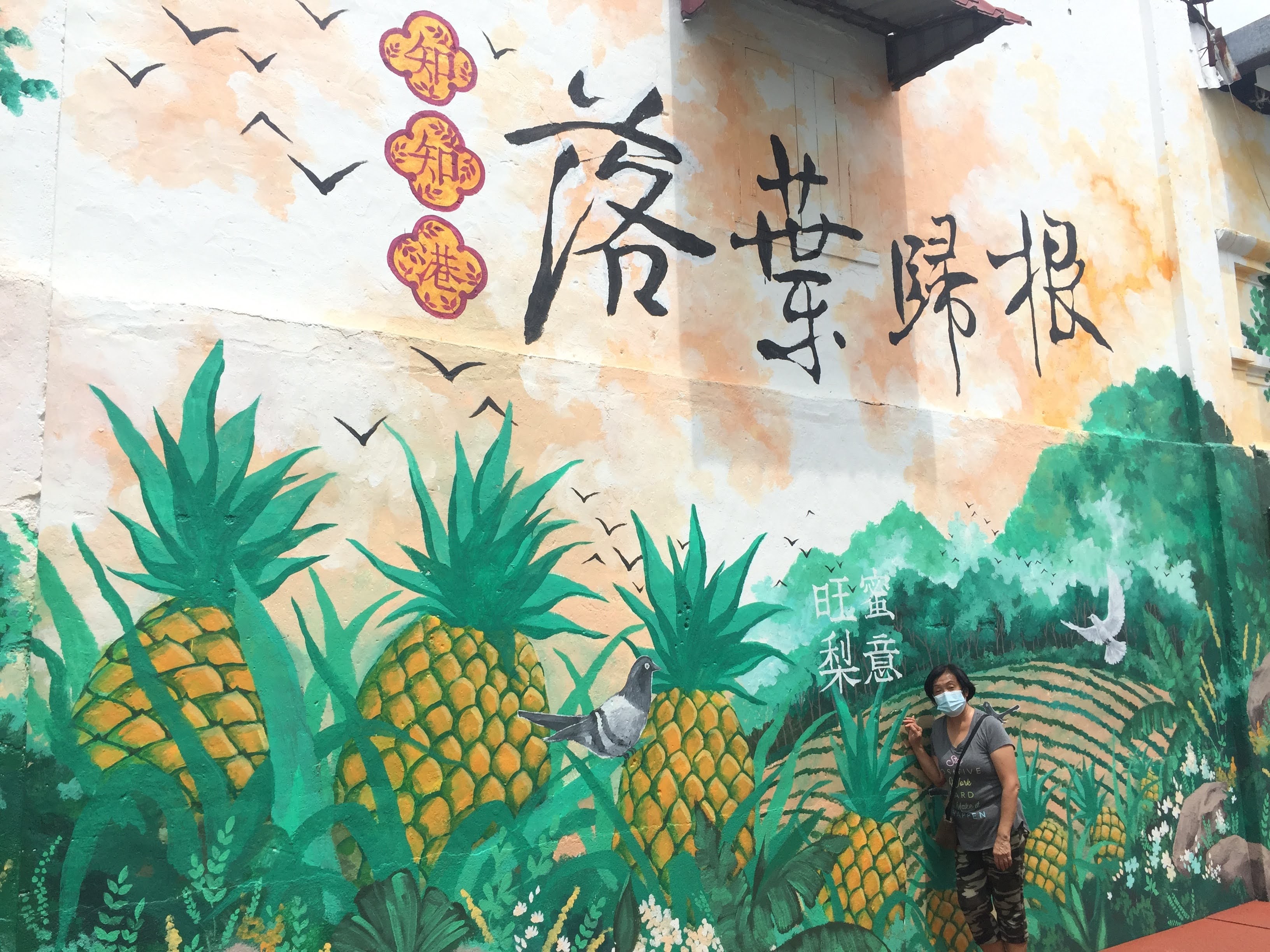
When the rubber boom started in the country, businessmen in Titi also took up rubber planting. However, rubber trees take about five to six years before they can be tapped. So while waiting, they planted cash crops like tapioca, vegetables, sugar cane and fruits like bananas and pineapples.
Mural of rubber plantation / Photo source : Eric Lim
Mural of pineapple farm / Photo source : Eric Lim
During the Japanese Occupation, Japanese soldiers arrived at the district on 7 January 1942, exactly one month from the date that they arrived in the Peninsular. It was early in the morning when about forty soldiers cycled into Kuala Klawang from Seremban. The troop was led by two guides who had stayed in Titi before the war and known by their Chinese names of Yah Te and Yah Ming, and had worked as a barber and photographer respectively. Within two weeks, the Japanese had formed a police force consisting of about one hundred men. The presence of the Japanese soldiers sent most of the Chinese in the area into hiding in the surrounding jungle.
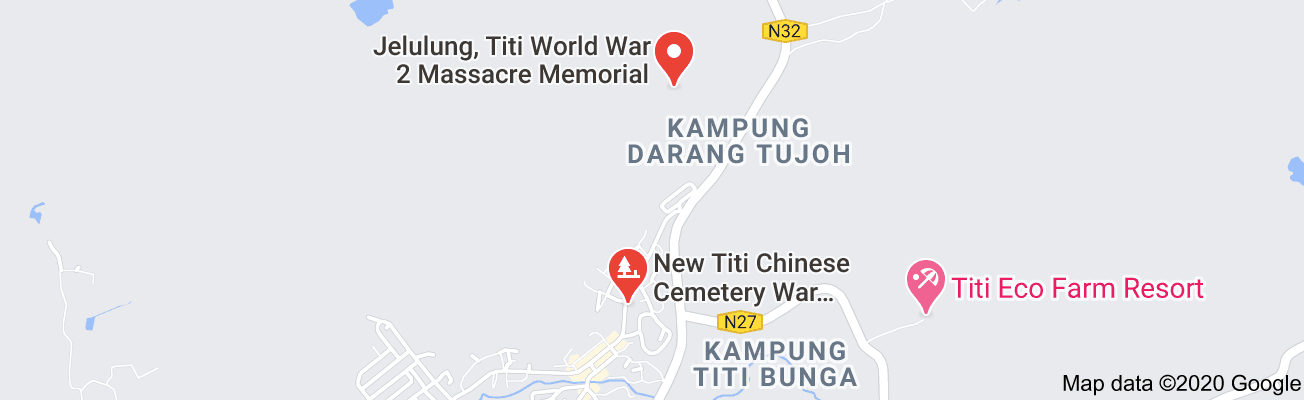
Google Map showing Jelulung village (top) and site of memorial (bottom)
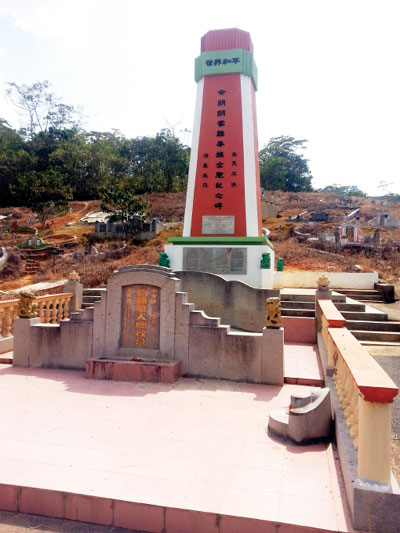
On the fateful day of 18 March 1942, about one hundred Japanese soldiers, who had cycled from Seremban the previous evening and joined by the soldiers stationed at the district police station, made their way to Jelulung village (余朗朗村) located next to Titi town. Due to its strategic location near the borders of Selangor and Pahang, Jelulung became a favourite hideout for resistance fighters. Japanese soldiers gathered the villagers at the marketplace on the pretext of meeting the people and conducting identity checks. Later, they went on a house-to-house search and when it was done, the villagers were herded into small groups and led away to isolated spots and nearby houses where they were stabbed to death by bayonets. Those who resisted were shot point blank. By dusk, the whole settlement was set on fire. A total of 1474 men, women and children were killed and the massacre was the highest single-day casualties recorded during the Japanese Occupation. In 1979, a memorial was built at the Titi Chinese cemetery and the exhumed remains were finally laid to rest there.
Memorial at Titi Photo source : Elaine Tan / Malaysia quiet remembrance / Asia Weekly / Elaine Tan
When the Japanese left Titi on 10 August 1945, MPAJA took control and set up the People’s Communist Government of Titi but just for a brief period. By 15 October 1945, British Military Administration (BMA) returned to power in Titi. By the time of the declaration of Emergency in the country, Titi and the surrounding settlements were already known for their communist activities. When the resettlement programme came into effect, squatters were evacuated into allocated housing sites in Titi New Village. By 1955, Titi New Village had grown in size and comprised Titi town, Titi-Mahfong, Titi-Hosapa and Titi-Kimloong; and the population had reached 5500. Next, it saw the re-emergence of secret society in Titi, the ‘new’ Hung Household and rival Wah Kee group until the next stage where the people of Titi had their first experience of democracy with the introduction of local government through a publicly elected committee of councillors.
Two notable people from Titi are the late Qui Yun (1947-2006), a popular Hakka singer most remembered for the song Ah Po Mai Ham Choi, and Tan Sri Dr Lim Wee Chai (born 1958), Founder and Executive Chairman of Top Glove Corporation Berhad.
References
Laurence K.L Siaw / Chinese society in rural Malaysia – A local history of the Chinese in Titi, Jelebu / thesis submitted to the Department of Anthropology and Sociology and the Department of History at Monash University.
Malaysia quiet remembrance / Asia Weekly / Elaine Tan / 4 April 2014 / www.chinadailyasia.com
It is a dream of many young boys to fly, soaring high into the wide-open and mysterious skies and feeling adventurous and free. Mine was not any different except that I thought that if I were to take up flying I would be done with books and examinations, which proved to be otherwise. My journey with the airline started in July 1971 when I was selected as a cadet pilot with Malaysia-Singapore Airlines (MSA). It was right after finishing my Form Six (A-Level) in Ipoh.
Unknown to many, the airline started as Malayan Airways and it was actually formed way back in 1937. However, it did not take-off until 1947 due to the Second World War. Its Headquarters was in Singapore. In 1963 with the formation of Malaysia, the airline was renamed Malaysian Airways. Two years later, with Singapore leaving Malaysia in 1965, it was again renamed, this time to Malaysia-Singapore Airlines (MSA). The airline was jointly operated by both Singapore and Malaysia. Malayan Airways Ltd (MAL) started with Airspeed Consul Aircraft and Twin Pioneers. Douglas DC 3 was later introduced into the airline fleet.
I was sent to the Philippines Airline Aviation School for flight training. After training, I was posted to Sabah as a young Second Officer flying as co-pilot on the Fokker Friendship F-27. The road system was not very good those days in East Malaysia. It was more convenient to travel by aeroplanes. As such, we have passengers coming on board carrying chickens in baskets and the next thing you know the chickens were running all over the cabin with the poor stewardesses chasing after them!
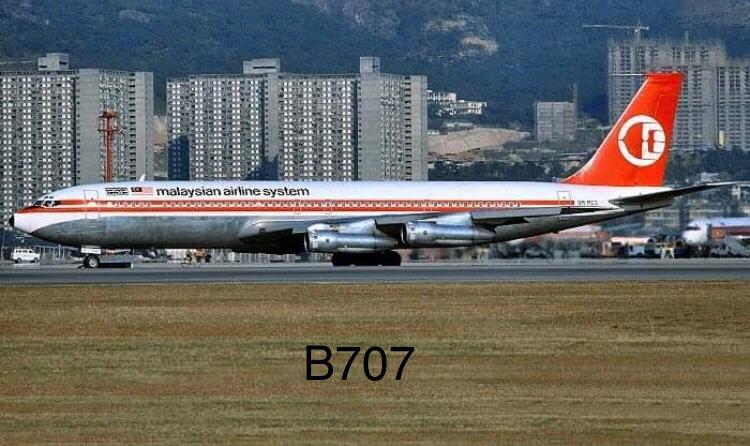
Most of the aeroplanes stationed in Sabah and Sarawak were Fokker Friendship F-27 that replaced the DC 3s and Britten Norman Islanders (BN-2). The B737-200 aircrafts were used for flights between East and West Malaysia and Singapore. The first jet aircraft was the de Havilland Comet 4 used for regional and international flights. Unfortunately, Comet 4 had some metal fatigue cracks in the wing structure, which was a safety concern for the airline. The aircraft was replaced with a couple of Boeing 707s.
As early as 1970, there were already differences in opinion between the two governments as to how MSA should be run. The Singapore government was interested in expansion of international routes whereas the Malaysian government was more interested in expansion of domestic routes for obvious reasons. Eventually, MSA was officially split on 30 September 1972 into Malaysian Airline System (MAS) and Singapore International Airlines (SIA). MSA was a very popular airline worldwide. Both governments wanted to utilise these alphabets in their new airlines. The Malaysian government used Malaysian Airline System (MAS) since mas in the Malay language means ‘gold’. The Singapore government called their airline Mercury Singapore Airline (MSA) but finally changed it to Singapore International Airline (SIA).
On 01 October 1972, MAS became operational with two flights taking off in the early morning. Utilising brand new B737-200, the first flight was from Subang Airport to Singapore piloted by Capt. Hassan Ahmad while the second flight from Subang Airport to Penang was piloted by Capt. Khairi Mohd. At that time, only 30 odd Malaysian pilots opted to come back to MAS from MSA. I was one of the pioneers. In my batch of 12 pilots, only three of us opted for MAS. As such, MAS had to recruit a number of expatriate pilots from Australia, New Zealand, Britain and Ireland. I was then stationed in Kuching, Sarawak still flying as co-pilot on the F-27. I was transferred back to Kuala Lumpur and I started my B737-200 conversion course. As part of the course, I was sent to Christchurch, New Zealand for simulator training with the New Zealand National Airline. MAS had only ground instructors and classrooms for ground school but did not have any simulators then. Being operational on the B737, I was promoted to the rank of First Officer.
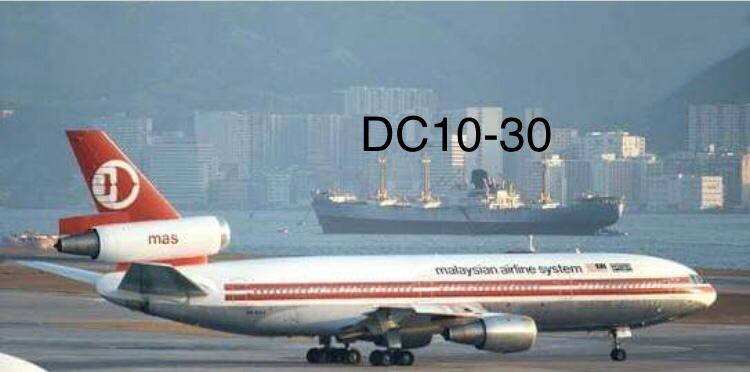
As the company expanded, MAS bought two B707 from Qantas. We were sent to Sydney for the conversion training with Qantas. MAS eventually bought a third one with the expansion of her international routes to Sydney, Melbourne, London and Europe. With upgrading to wide-bodied aircraft, MAS bought two McDonnell Douglas DC 10-30s. This time we were sent to Long Beach, California for a three months conversion-training course. This included flight training in Yuma, Arizona and ferrying the DC 10-30s back to Malaysia. MAS eventually sold off the three B707s and bought a third DC 10-30. The airline was becoming a well known and popular air carrier internationally. In 1981, we added the Airbus A300B4, a medium sized regional aircraft to our network. In the rural air services, the BN-2s were replaced with Twin Otters and the Fokker F-27s with Fokker F-50s.
In the late 1970s, I went down to the B737 fleet as a Captain. After three years, I was made a Flight Instructor conducting training and the checking of pilots. Pilots are checked for flying proficiency every five months in the simulator. Two years after that, I was appointed Fleet Manager for the B737 fleet. That was also the time the Malaysian government bought a B737-200 to be used as VVIP aircraft for the official use of the King and the Prime Minister. This aircraft had a Sitting room, Dining room, and Bedroom in the cabin with seats for 10-15 passengers at the back row. When not on VVIP flights, MAS would use the aircraft for normal service. The interior would be changed to the normal passenger-seating configuration. I have flown this special VVIP flights to many interesting places and destinations that were not commercially covered by MAS, for example Papua New Guinea, Solomon Islands, Fiji, Tonga, Western Samoa, Romania, Yugoslavia, Libya and even Timbuktu to name a few.
Most of the countries that we flew to would provide security personnel for our King or Prime Minister on arrival. We do, however, carry our ‘Mat Bonds’ (Malaysian James Bonds), as I like to call them, with us sometimes, all three of them from Bukit Aman. On the lighter side, during our flight to Port Moresby, Papua New Guinea, when the Prime Minister came down from the aeroplane, our national anthem was played but the Singapore flag was raised!!!! The next day, the newspapers in Port Moresby ran an apology on their front-page headlines, because it seemed the next week, Mr. Lee Kuan Yew, PM of Singapore was supposed to visit Port Moresby.
Another incident was during our recce trip to Tonga, we were told that there would be a large roasted pig as the centre dish of the traditional Tongan feast. We politely told them that our Prime Minister is a Muslim and does not eat pork. On our actual arrival day, it was announced on the Tongan radio that Malaysian Prime Minister has arrived and proceeding to the King’s palace for a Tongan feast and all the pigs were running about happily! For the Prime Minister’s flight, smoking and alcoholic drinks were not allowed in the aircraft.
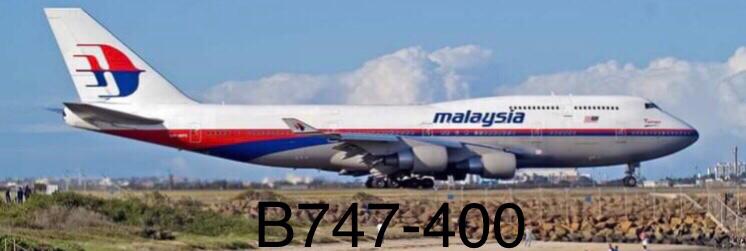
To be competitive in the aviation market, in addition to a disastrous air accident in America involving the crash of a DC-10 on take-off due to the opening of a cargo door, MAS replaced the DC-10s with two Jumbo jets B747-200 in the mid-1980s. A third jumbo jet that came into service was a B747-300 with an extended upper deck. This was the time we started our USA services into Los Angeles. With sufficient flying hours and seniority, I became the captain of the Airbus A300 for two years, captain of the DC-10 for a year and became a jumbo jet captain at a young age of 36. Two years later MAS bought the B747-400, which has no flight engineer, just 2 pilots in the cockpit. Eventually, MAS sold the two classic jumbo jets B747-200 and the B747-300 and replaced them with thirteen B747-400s. This aircraft can fly direct from Kuala Lumpur to London. On this long haul flight, we carry two sets of pilots. There is a bedroom right behind the cockpit for the pilots to rest. Most of the flight engineers, 40 years and below, were retrained as pilots.
The first two B747-400s were the Combi version. The first half of the cabin was filled with passenger seats and second half with space for cargo containers. It was during one of my flights from London direct to Kuala Lumpur that a Lamborghini belonging to a Sultan was in the cabin cargo compartment. Flying the B747-200/300/400 from 1987 until my retirement in 2011, has taken me to many interesting and lovely places. Unlike many other airlines, MAS flies to Johannesburg and Cape Town in South Africa and onwards to Buenos Aires in Argentina. In my years with the airline, I have seen and heard pilots and cabin crew complaining about the places and hotels we night-stopped, but that one place that I have not heard any complaints about is Honolulu, Hawaii. I guess, probably the only complaint would be not enough layover days there! I also had the honour of ferrying one of the new B747-400 aircrafts from the Boeing factory in Seattle, USA direct to Kuala Lumpur. It was almost a fifteen and a half hour flight.
Another interesting flight is operating cargo flights, which is a different cup of tea, and I enjoyed it thoroughly. MAS had two B747-400 full cargo aeroplanes. The whole cabin from the nose to the tail of the aircraft is loaded with cargo containers or sometimes animals like cows, sheep, goats and horses. For long haul flights, we carry two set of pilots and no cabin crew. The pilots had to heat up their own meals and make their own drinks. There was a flight I did that carried 400 cattle from Australia to the Middle East. The difficult part was to maintain the cabin temperature at 22°C. This is to ensure the cows did not develop too much gas in the stomach. False fire alarms in the cargo section had been activated on some previous flights due to excess gas produced by the many cows. Turbulence can cause anxiety to the nervous cattle too. Cargo flights also stop at destinations that normal MAS flights do not operate to for example, Milan, Italy and Tashkent, Uzbekistan.
When I retired in 2011 from flying, I had clocked almost 20,000 flying hours. MAS had bought six Airbus A380 superjumbo jets. With a shortage of flight instructors, I was re-employed to train pilots in the simulator conversion courses for the B737-400 and B747-400. I did this for three years and finally decided to enjoy my retirement even though MAS wanted me to continue for a few more years.
Malaysia Airlines has always been an excellent airline. The cabin crew has won six awards and its pilots and engineers are well sought after in the international market. The airline has encountered some bumps and thumps but it is still a good and favourite airline among the locals and foreigners.
Many airlines and businesses in the tourism industries are now facing difficult times in this pandemic period. Malaysia Airlines is no different and I wish the airline all the best. This national airline has touched the lives of all Malaysians near and far.
Early this month, after a round of golf, a friend invited us to his farm for lunch. In the midst of enjoying the food, another friend arrived bringing a bottle of whisky and immediately announced that it is a product of Malaysia!
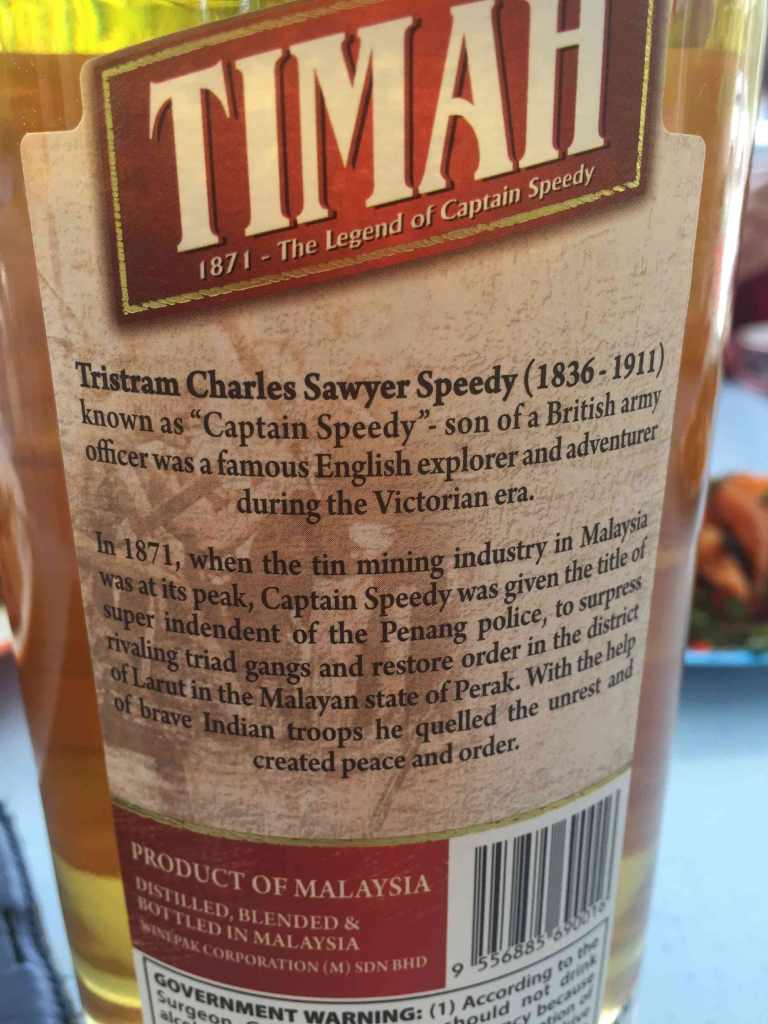
Indeed the whisky is distilled, blended and bottled in our country. The only difference is the spelling of whisky, which in this case is spelt ‘whiskey’. It carries a name ‘Timah’, Malay for tin, and, on the bottle, there is a picture and a brief write up on Tristram Charles Sawyer Speedy. In August this year, ‘Timah’ won a silver award at the San Francisco World Spirit Competition 2020. Intrigued, I decided to do a search on Captain Speedy, in short, and barely twenty-four hours later, there was a news article about a plea to restore a colonial structure in Taiping, and that structure was none other than the former residence of the man!
Write up and photo of Captain Speedy on the Timah whisky bottle. Image Credit: Eric Lim
James Speedy was 17 when he joined the Bengal army in 1828 where he stayed until 1835. In October that year, James married Sarah Squire, daughter of a Lieutenant Colonel, in Agra and he re-joined his regiment, which had moved to Meerut near Delhi in 1836. It was here that Captain Speedy was born on 26 November 1836.
1854 – 1871 (India, Abyssinia, Sudan, New Zealand)
Captain Speedy had his education in England and following his father’s footsteps, he joined the army at seventeen. He was sent to join the regiment in Meerut in 1854. He served in India until 1860, and during this time, he was awarded two medals for his regiment’s involvement in the Indian Mutiny in Punjab and Eusoffian Expedition. Here, he learned to speak Urdu.
He then left the army and moved to Africa where he was employed by King Theodore of Abyssinia (Ethiopia today) to train his army. He was given the Amharic name of ‘Basha Felika’ (meaning ‘speedy’). He worked here for eighteen months and he picked up Amharic. After a falling out with the King, he fled the country in autumn of 1861. He reappeared in 1863 in Kassala, a city in neighbouring Sudan, where he met Captain Cameron who was then the British Consul at Massawa, a port on the Red Sea coast (today Massawa is also known as Mitsiwa, and is in Eritrea). Captain Speedy was offered the post of Vice Consul and he worked until January 1864.
Next, he travelled to New Zealand where his parents had emigrated eight years ago and he was a member of the Waikato militia that fought in the New Zealand Wars. He was promoted to Captain and was awarded a medal for his service and land grant in the Waikato of confiscated lands. He later sold the land to Bill Cowan.
Speedy in New Zealand. Image Credit: Wikitree Free Family
Meantime, the relationship between Britain and Abyssinia had worsened. King Theodore had captured some Europeans and diplomacy had failed to release the prisoners. This led Britain to arrange a military mission to be headed by General Sir Robert Napier. Captain Speedy was found in Australia in 1867 and he was recruited into the mission in Abyssinia. Captain Speedy made a return to Africa in 1868 but this time as acivilian interpreter where his knowledge of the country and languages proved valuable. On 13 April 1868, British forces stormed through the stronghold of King Theodore at Magdala and discovered that the King had committed suicide. Empress Tiruwork Wube died a month later on the way to the coast, leaving behind an eight- year-old son, Dejatch Alamayou (Prince Alamayou) under the care of Napier. Having been friends with the late King during his service in 1860, Captain Speedy offered to look after Alamayou and Napier agreed. The Abyssinian War gained the fourth medal for Captain Speedy.
Upon his return to Britain, Captain Speedy was appointed as Guardian of the young Abyssinian prince by Queen Victoria. On 15 December 1868, Captain Speedy married Cornelia Mary, daughter of Benjamin Tennyson Cotton, a wealthy Isle of Wight landowner, at Freshwater and Alamayou was a groom. A few months later, in 1869, Captain Speedy returned to India with his wife and Alamayou. He was appointed the District Superintendent of the Oudh Police from 1869 to 1871. Captain Speedy had accompanied the Duke of Edinburgh who was the second son of Queen Victoria, on a shooting trip in Nepal. Captain Speedy had big game shooting experience in Sudan, when he fled from Abyssinia in 1861. He was given a kukri with an ivory handle by the Chief Minister of Nepal. Kukri is a type of machete with a distinct recurve in the blade and originates from the Indian subcontinent.
1871 – 1877 (British Malaya)
After his two years in India, it was time to move again. In 1871, Captain Speedy arrived at Penang to work as the Superintendent of Police. His first contribution to Penang was the planting of a baobab tree. This is regarded as the oldest non-indigenous tree planted in our country. When Frank Swettenham met them, he said ‘the boy (Alamayou) was in good hands, for Speedy and his wife were very fond of him’.
In December, Speedy escorted Alamayou to England where he was sent to Cheltenham College in the care of its headmaster, Dr. Jex Blake. Captain Speedy then returned to Penang while Alamayou continued his studies in England. In 1874, when Dr. Jex Blake moved to Rugby School, Alamayou followed him. Alamayou left in 1878 to the Royal Military Academy at Sandhurst and after a year, he left to Leeds to study under Cyril Ransome, a master whom Alamayou had met at Rugby School. He then contracted pleurisy and died on 14 November of 1879. He was eighteen years of age. The funeral took place a week later at the St. George’s Chapel, Windsor and Captain Speedy were present at the funeral. By the order of Queen Victoria, a brass plaque to his memory was installed and it bears the words ‘I was a stranger and ye took me in’.
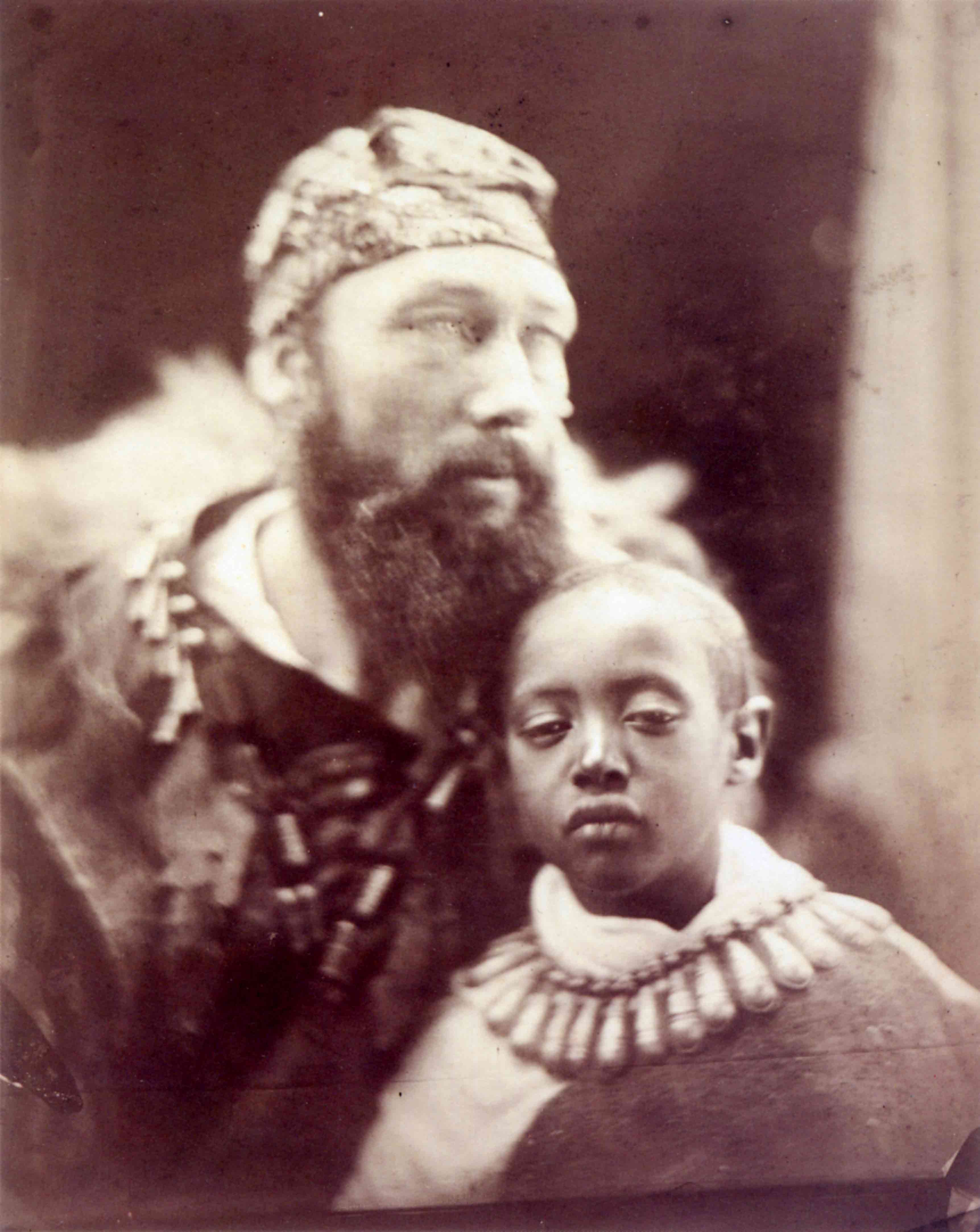
Prince Alamayou and Captain Speedy. Image credit: Wikimedia Commons
Long Jaafar was a tax collector in Larut. It was here that he accidentally discovered tin ore, first, while bathing in a stream and second, when he found his elephant! In 1848, Long Jaafar encouraged Chinese to mine in his land and, subsequently, Chinese capitalists from the Straits Settlements invested in these mines, bringing an influx of Chinese immigrants to Larut. Long Jaafar prospered and the Sultan made him the administrator of the district of Larut, Matang and Selama in 1850. He died in 1857 and he was succeeded by his son, Ngah Ibrahim, who was granted even more powers by the Sultan; he was installed as the Orang Kaya Mantri and given control over Larut.
At its peak before 1872, there were 40 000 Chinese working on the mines in Larut. The Chinese were divided into two rival clans – Hai San, comprising mostly Hakka and Hokkien, and Ghee Hin, predominantly Cantonese. They vied for control over the tin mines. The Malays were also fighting among themselves over collection of taxes and, like the Chinese, they were also divided into two groups, Ulu (up-river); and Hilir (down river). When Sultan Ali died in 1871, they also fought for the throne of Perak. The two Chinese groups allied with different Malay factions and the conflicts between the factions resulted in the Larut War.
With the situation getting out of control, Ngah Ibrahim went to Penang to offer an appointment to Captain Speedy to restore order in Larut. He was made an offer of a salary and one-third of the revenues of Larut. Captain Speedy immediately resigned from his police post and left for India on 27 July 1873 on a mission to recruit sepoys for his troop in Larut. He returned with a force of 110 sepoys in late September. The frequent clashes of the Chinese caused the disruption of the supply of tin and this led to the British intervention in January 1874. Organized by the then Governor of the Straits Settlements, Sir Andrew Clarke, the Pangkor Treaty was signed on board the HMS Pluto, near Pangkor Island. It managed to solve the Chinese tin mining conflict and the Perak succession dispute. The treaty also marked the start of the Resident programme in the Peninsular.
Captain Speedy in Larut. Image Credit: Wikitree Free Family
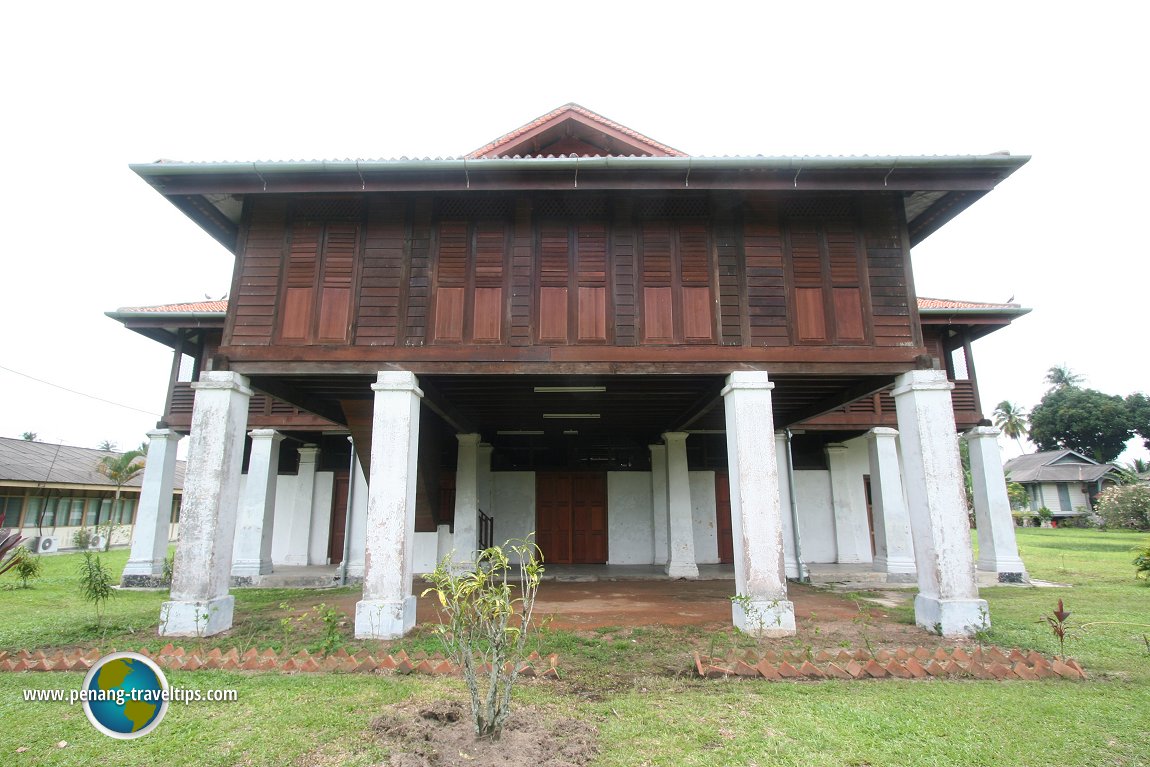
James Wheeler Woodford Birch was appointed the Resident of Perak and Captain Speedy as the Assistant Resident at Larut. Speedy’s top priority was to restore mining production. Next, he divided Larut into two – North (Klian Bahru) was awarded to Ghee Hin and the town was known as ‘Kamunting’; while the more prosperous South (Klian Pauh) was given to Hai San and Captain Speedy named the town ‘Thai Peng’(Chinese for Everlasting Peace, it is Taiping today). Next, Captain Speedy started construction of roads and erected Government buildings and quarters, which also included the new government headquarters-cum-residence completed in early 1875. Sir William Jervois who took over from Sir Andrew Clarke in 1875 commented that the residence was ‘a large and very comfortable house’ and Birch said it was ‘a very commodious residence’.
Cornelia arrived in the middle of 1874 to join her husband, as did Speedy’s younger brother James Havelock Speedy who spent about 18 months in Larut. At the end of May 1876, Captain Speedy took 6 months leave to return to England to settle the inheritance left behind by Cornelia’s father who had recently died. The Speedy’s were now ‘very comfortable off’. They returned to Larut in early December 1876 by which time, the post of Assistant Resident of Larut was held by W.E. Maxwell. Captain Speedy was then moved to Durian Sebatang in Lower Perak where he stayed until he resigned at the end of 1877. The Speedys left British Malaya for good in January 1878 – his superiors were happy to see him leave!
They arrived in Sudan where they stayed until July 1878. It was during this trip that Cornelia wrote letters back home to her mother, and shared with family and friends, and was later published into a book titled My wanderings in the Soudanin 1884. They also met some Germans and within a week, Captain Speedy could speak with them fluently in German, showing he had the gift of languages. In December of 1883, he was again called upon to join a diplomatic mission to Abyssinia (for the third time) as an interpreter, which he was ‘most happy to offer my services’, this time under the command of Vice Admiral Hewett. He was paid until January 1885. In March 1897, Captain Speedy took his final mission to Abyssinia under Rennell Rodd. The mission was over by the end of May. Cornelia had bought a house in the picturesque village of Chatsworth in Shropshire where they stayed until Captain Speedy died in August 1910 at the age of 73. Cornelia died seven years later at Berkhamsted, Hertfordshire.
References
John M. Gullick / Captain Speedy of Larut / Journal of the Malayan Branch of the Royal Asiatic Society / Vol.26 No.3 (163) Captain Speedy of Larut (November 1953) / https://www.jstor.org/stable/41503024
Plea to restore colonial structure in Taiping by Ivan Loh / Page 4, Starmetro – The Star / 8 October 2020
Tristram Charles Sawyer Speedy (1836 – 1910) / Wikitree Free Family /wikitree.com






 Museum Volunteers, JMM