Bukit Kutu a.k.a Treacher’s Hill

by Eric Lim

Ulu Selangor was one of the major tin mining districts in Selangor during the Colonial era and Kuala Kubu was a key mining town in the district. After the dam in this town broke in 1883, a new township was built nearer the Selangor River. The population grew in tandem with tin production and it soon became the administrative centre for the district.

William Hood Treacher was the British Resident of Selangor from 1892 to 1896 and, in 1893, he came on an inspection tour of Ulu Selangor. When in Kuala Kubu, he spent a night at Gunong Kutu and later commented that the hill could be a possible site for a sanatorium. His comment was followed up in an article in the Straits Times Weekly Issue (1893) quoting an official report by Selangor Gazette that Gunong Kutu had several advantages as a sanatorium which include fair accessibility via the construction of a bridle road, a good spring near the park and cool temperature.
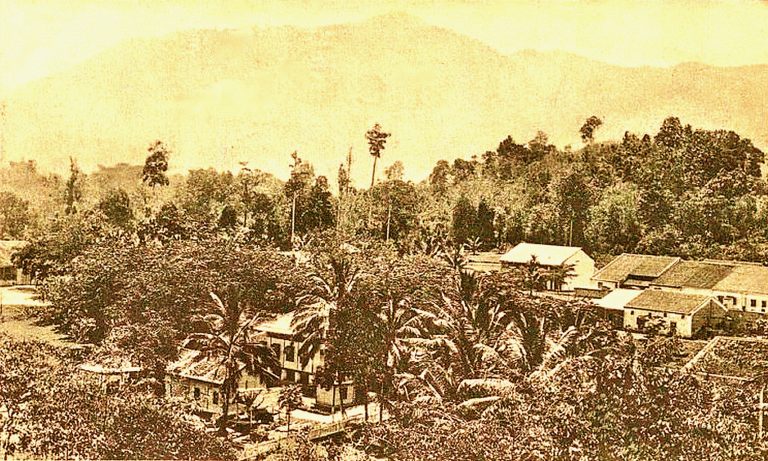
Kuala Kubu in 1906 with Bukit Kutu in the background. Photo credit: http://peskubu.org/latar-belakang-sejarah-kuala-kubu/
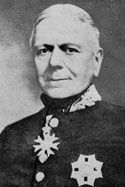
William Hood Treacher. Wikimedia Commons

The British also considered possible hill stations in other Federated Malay States (FMS), namely Gunong Kledang in Ipoh, Gunong Angsi near Seremban and Gunong Tahan in Pahang. However, they remained undeveloped as they were not high enough and had limited flatlands to accommodate many visitors. In the case of Gunong Tahan, the project did not even begin because part of the hill was located in Kelantan, which was not part of the FMS.

Gunong Kutu was also known as Treacher’s Hill. It was later renamed Bukit Kutu, probably because it was more appropriate than being labelled a ‘gunong / mountain’. Bukit Kutu remains the official name until today. The first bungalow was erected by the Selangor Government in 1895 and this was followed by another bungalow constructed in 1904. It was reported that in each of the bungalows, there were four bedrooms, a dressing room, bathroom and a good-sized living room with a fireplace. Each bedroom had two beds, which were supplied with blankets. The bungalows were also fixed with telephones connected to the Kuala Kubu Exchange. Activities in the daytime included going for walks, playing tennis, croquet and stump cricket. Badminton and ping-pong were added in the later years. At night, there were card games like bridge and board games such as chess. On a clear day at Bukit Kutu, the naked eye could easily locate Kuala Kubu town, Rasa, Serendah and even faraway places like Fraser’s Hill, Pangkor Island, Port Swettenham and Morib. A telescope was also made available.

As for the location of Bukit Kutu, the Singapore Free Press and Mercantile Advertiser in 1923 reported that ‘distance-wise, the route from Kuala Kubu Rest House to Bukit Kutu peak where the two bungalows were located took 8 ½ miles and 8 ¾  via a well graded path up the hill’. Permission to use the bungalows had to be obtained beforehand from the District Officer of Kuala Kubu and the rent was $1.00 per day per bungalow. Government officers were given free usage of the bungalows. The journey to the peak took no longer than 3 ½ hours and about 2 ¾ hours coming down. The Straits Times reported on 15 April 1930 that Rex Duncan and J.L Ross climbed to the peak on their motorcycles and they used a Matchless 250 cc motorcycle, one of the oldest marques of British motorcycles. Three years earlier, Mackenzie also used the same make of machine to reach the top.
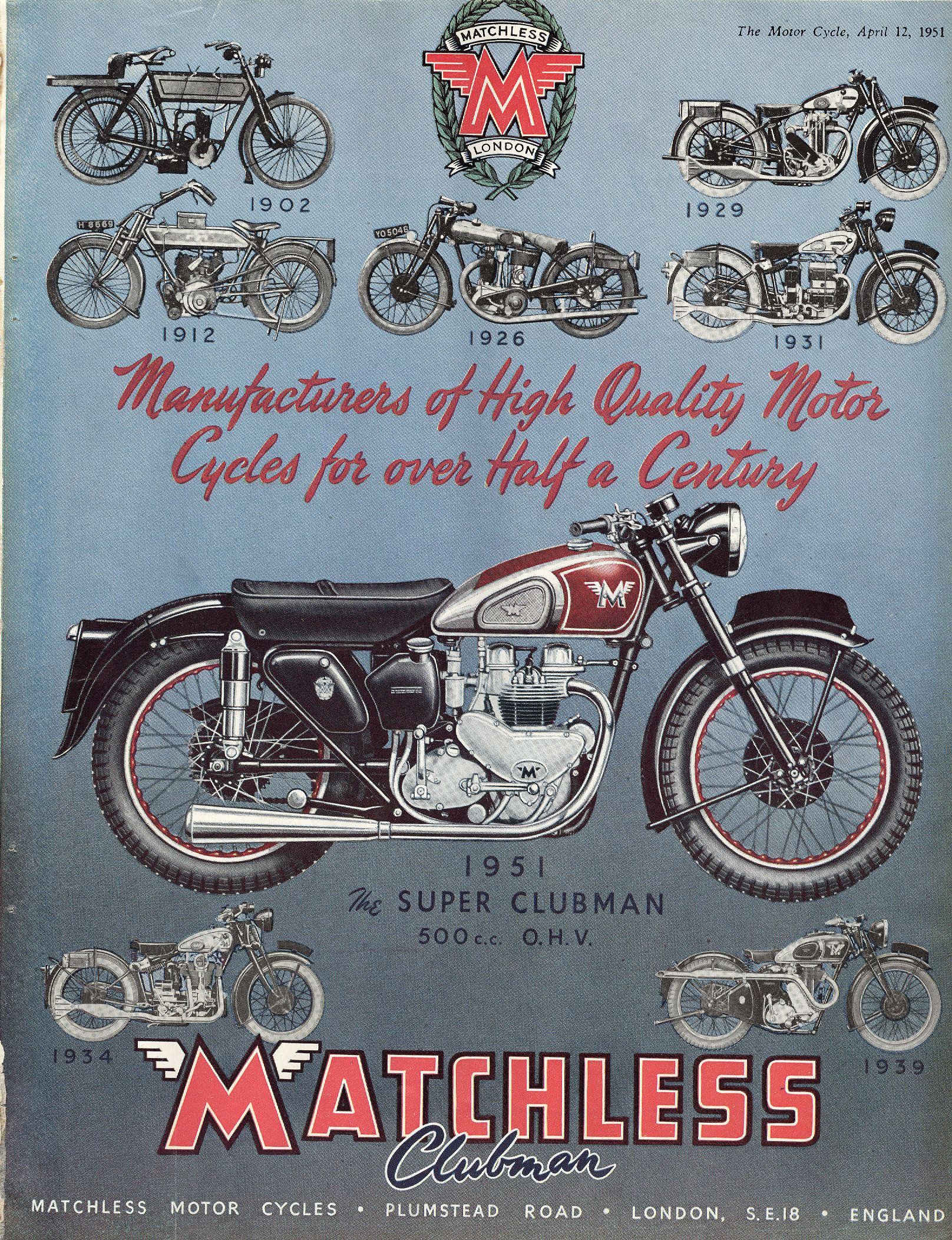
Matchless motorcycles. Photo source : Pinterest

The service of sedan chairs carried by coolies was also available for those who choose not to walk and the cost was $1.80 for each coolie. Separately, coolies could be engaged to carry provisions, letters, etc. and it cost $1.30 each. The train line to Kuala Kubu was established in October 1894 and this provided some convenience for visitors to Bukit Kutu. Prior arrangements could be made to send boxes of provisions, cold storage, etc. on stated days to the Kuala Kubu railway station and staff from the Rest House would collect them and deliver these up the hill.
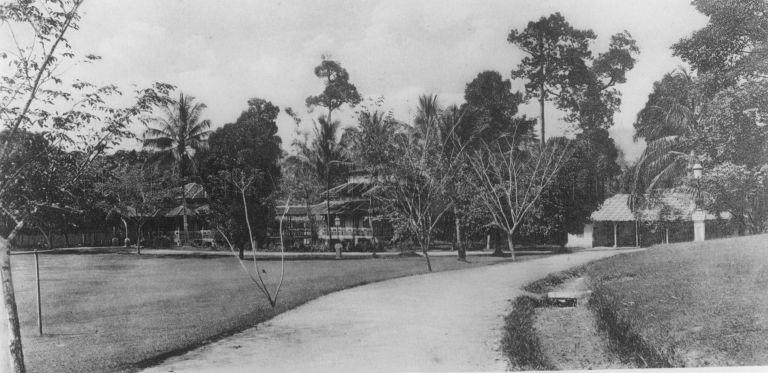
Kuala Kubu Rest House. Photo source : NATIONAAL ARCHIEF, THE HAGUE

It was reported in 1903 that a new breed of mosquito was found by Dr Daniel at Bukit Kutu, which closely resembled the malaria carrying Anopheles of Italy. It was named Anopheles treacheri. Bukit Kutu was rich in biodiversity with various kinds of flora and fauna and this led it being established as one of the earliest wildlife reserves in our country in 1922. The first in Chior, Perak was established in 1903, right after the Wildlife Animals and Wildlife Birds Protection Bill was formulated in 1902.

The popularity of Bukit Kutu started to decline when Fraser’s Hill opened to visitors in 1922. From 1926 onward, the site started facing problems of soil movement but requests for help from the state government did not materialize. Finally, on 31 December 1932, the resort ended its operations. In 1933, one of the bungalows was bought over by Mat Ripin at a price of $28.00 but, later, he had to return the property because he was a government servant. In 1936, the bungalows were again sold, this time at a price of $100.00 to T.E. Emmett who said he wanted it for his own private use. Since then, Bukit Kutu was abandoned and the path was lost in thick vegetation. A chimney and fireplace, main entrance steps and stone walls at the other end of the ridge are the only remnants of the bungalows.
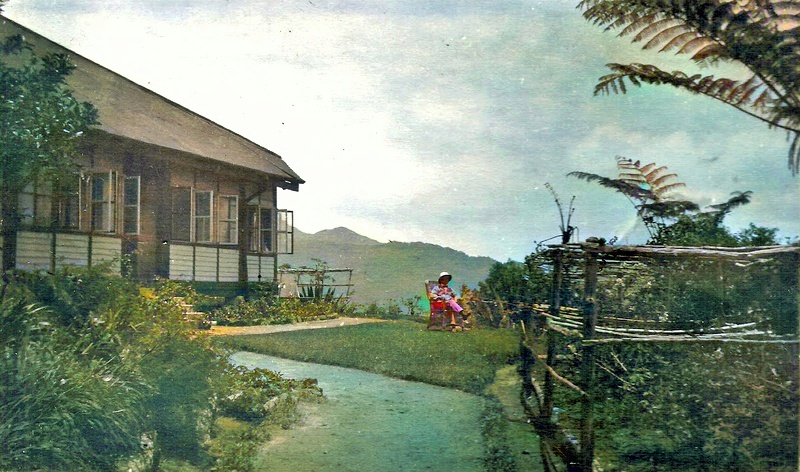
Bukit Kutu in 1921 (colorized edition of the black & white photo). Photo source : Wikimedia Commons

Today, Bukit Kutu is a popular hiking spot. The starting point is at Kampung Pertak, an Orang Asli settlement located near the Selangor Dam. The tradition of getting permission to visit Bukit Kutu since its inception is still in place until today whereby a permit is still necessary for the hike to the peak; it can be obtained from the Police Station in KKB town.

References

Jimmy Oddstuff. Remembering Treacher’s Hill (Bukit Kutu). Academia. 2012. (PDF) Remembering Treacher’s Hill (Bukit Kutu) | Jimmy Oddstuff

Bukit Kutu. The Singapore Free Press And Mercantile Advertiser (1884 – 1942). 13 February 1923. Pp 5.

A week end on Bukit Kutu. The Singapore Free Press And Mercantile Advertiser (1884 – 1942). 22 April 1931. Pp 1.

In praise of Treacher’s Hill. The Straits Times. 14 July 1896. Pp 3.

A Selangor sanatorium. Straits Times Weekly Issue. 14 March 1893. Pp 2

Untitled. The Straits Times. 13 July 1903. Pp 4.

The journal of wildlife and parks. 1996/97. https://www.wildlife.gov.my/images/document/penerbitan/jurnal/Jil151996_97.pdf

Siti Farrah Zaini, Zuraini Md Ali, Brit Anak Kayan. Site selection criteria for British Colonial Hill Stations in Malaya. Department of Building Surveyor, Faculty of Built Environment, University of Malaya. November 2017. https://umexpert.um.edu.my/public_view.php?type=publication&row=Njg3NzQ%3D

Persatuan Sejarah Kuala Kubu. Bukit Kutu – Treacher’s Hill / Pusat peranginan dan Sanatorium 1893. Tarikh Kuala Kubu 1780 – 1931. © Persatuan Sejarah Kuala Kubu (Peskubu). 2016. Pp 37 – 40.
The Importance of Taking Children to Museums

by Melissa Pereira

I remember it well – the day I took my daughter on her first visit to a museum. It was the National Science Centre in Bukit Kiara. She was two years old, barely out of her toddler’s gait, excitedly walking up and down the aisle, absorbing, gazing all around with wonder, taking it all in. I’m not sure what it was – the colours, the buttons to press, the lit up exhibits, the big pictures on the walls – the visit seemed like fun to her from the get go. She was too young then to have me explain much, or any, of the content, so we simply roamed the museum as I let her lead. It was truly memorable.

Many more visits followed, later with her younger brother in tow. As my children grew, our museum and gallery visits grew as well – in frequency, in the time spent as well as in attention to the exhibits.

Melbourne Museum. Image credit: Melissa Pereira

Something about their response to our trips propelled me to make these trips part of their growing up years. I found that museums did something to kids that books could not. While books inform and educate, museums, through large installations, interactive displays and the like, have the ability to capture the imagination and spark curiosity that written words on pages, cannot quite. The immersive learning experience museums and galleries provide are incomparable.

Numerous curators and directors of museums and galleries agree that exposure to museums among young children have tremendous benefits. “Bringing children to museums opens their eyes to different ideas and perspectives that are relevant to their lives. This kind of exposure can help develop higher critical and creative thinking skills, which are integral to future success.” —Rebecca Davidson, Manager of School and Educator Programs, Virginia Museum of Contemporary Art.

Maria Montessori put it beautifully when she said, “Our care of the child should be governed, not by the desire to make him learn things, but by the endeavour always to keep burning within him that light which is called intelligence.”

Museums, with their engaging exhibits, are a great place to spark a child’s curiosity. References to different places and times, displays of varying forms and styles and the weaving of captivating storylines around them, are powerful tools to capture a child’s imagination and can lead to lifelong learning.

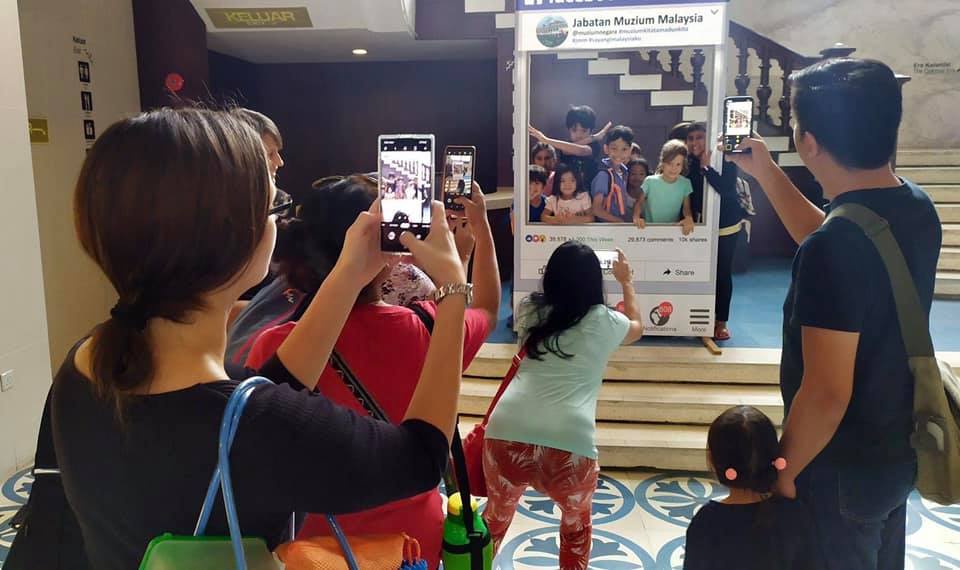
Parents, teachers, curators and museum guides like ourselves, all play a pivotal role in making museum visits educational and fun for kids. For some children and students that visit Muzium Negara, especially from outside the Klang Valley, we must remember that the visit is one rife with opportunity – to engage and to inspire.

Below are some tips to keep in mind when guiding children in museums:

Be clear on what the main content will be.

  • Children have short attention spans. No matter how interesting the exhibits are, resists the urge to want to show them all off. Be clear on what the main message or learning topic is that you would like to share and stick to it.
  • It might help to do a quick brief on what to expect, before beginning the tour.
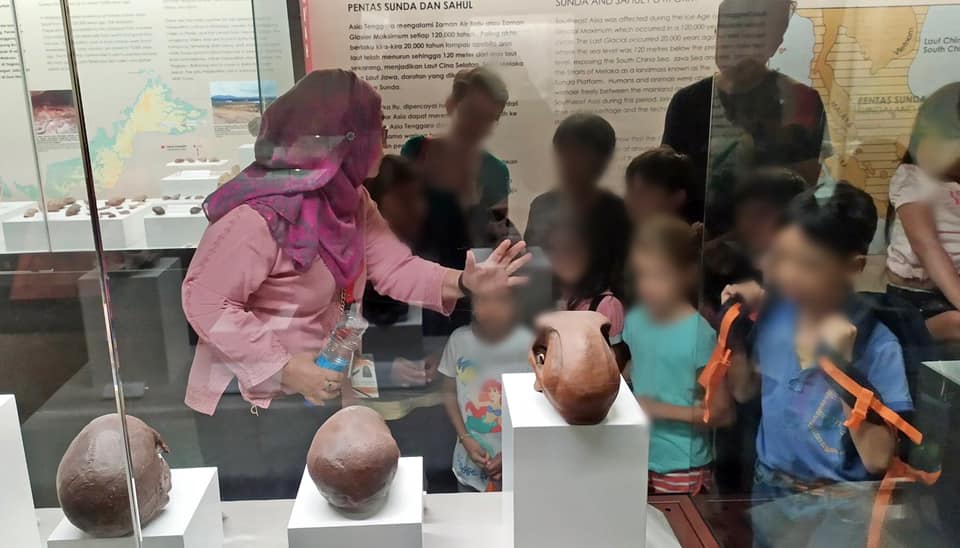
Children on tour at Gallery A, Muzium Negara. Image credit: Melissa Pereira

Pick pieces or exhibits that will allow bodily engagement. This does not necessarily have to be buttons to press or levers to pull. Large installations, the shape of which children can mimic or imitate with their bodies can have a tremendous impact too.

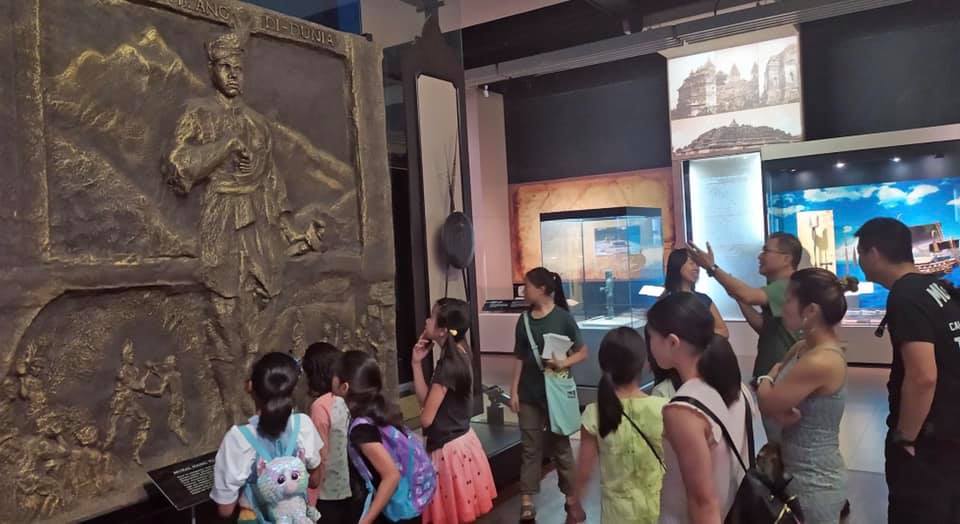
  • At the Makara, for instance, won’t it be fun to ask children how an elephant and a fish posing together might look like? Get a group of boys to show the others how Hang Tuah and his band of brothers might have looked together. Ask children to close their eyes and imagine what living in a New Village might have felt like. What modern cartoons or super hero would they depict with a Wayang Kulit puppet?
Hang Tuah mural, Gallery B, Muzium Negara. Image credit: Melissa Pereira
  • This is the time to have fun yourself! Embrace the child within and let your imagination be your guide. You’ll be surprised how refreshing the experience will be.
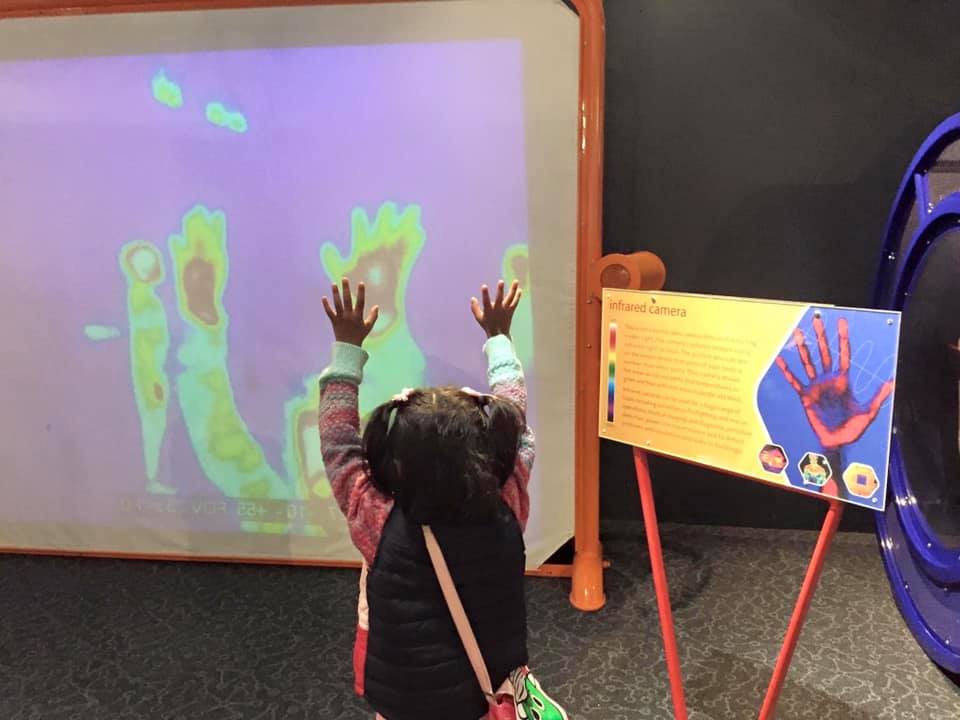
Scitech, Perth. Image credit: Melissa Pereira

Large exhibits over wordy signboards…. anytime!

  • Guide children toward larger exhibits to create a ‘wow’ moment, and one they are not likely to forget – the tin dredge and rubber tree in Gallery C, the diorama of the Melaka port in Gallery B and of the Pangkor treaty in Gallery C – these are sure to hold a child’s attention.
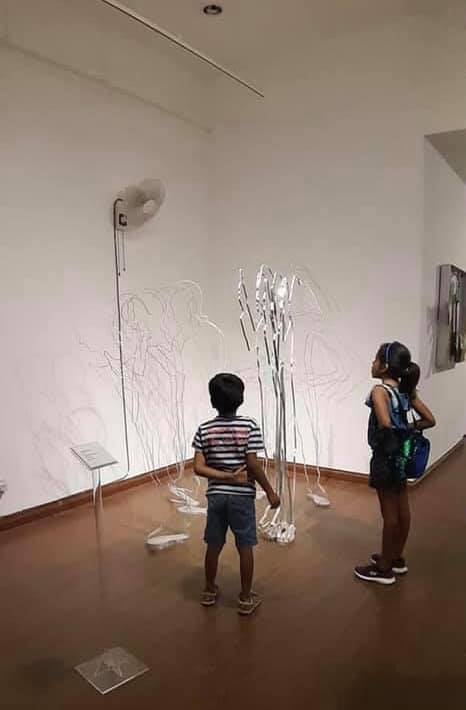
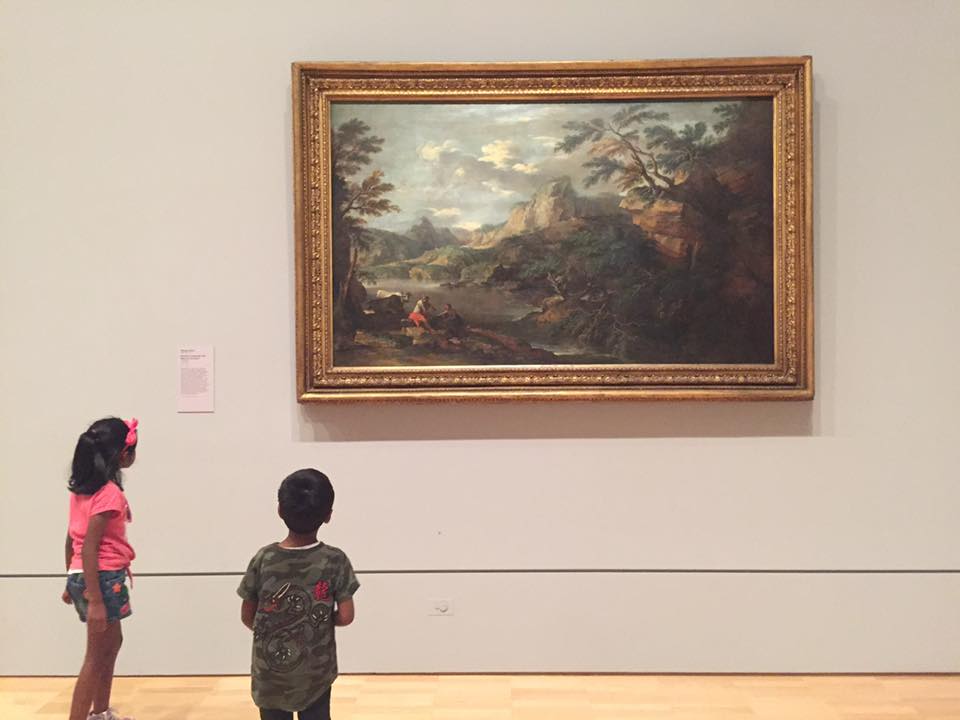
National Visual Art Gallery, Kuala Lumpur. Image credit: Melissa Pereira

Trust the child.       

  • Remember that learning is innate in human beings, especially so in children. Trust that they are whole, able and competent – capable of absorbing and processing information and making sense of what they see. History is a wonderful subject, filled with lessons to teach everyone, the young included. Do your best to prepare, but let the pieces, the content and the child’s natural learning desire, do the rest.
Children on tour at Muzium Negara. Image credit: Melissa Pereira

“It is very important to take children to museums and galleries. Exposing children to museums at a young age will inculcate a love for history and culture. A good museum is a great informal learning platform that can complement formal learning. For example, after learning about ancient civilizations in textbooks, it may be interesting for children to see the actual tools and ornaments used by people from those times. They might also be able to better picture scenes of daily life or important events from history by looking at relevant dioramas or exhibits; or listening to audio guides at various stops. Artefacts like actual fossils and dinosaur bones can also inspire awe and prod curiosity. This provides more learning touch points and better multi-sensory learning for children, versus just reading about something. It will fire up all their other senses, and lead to better retention and recall of important points.

Museums also provide opportunities for children to learn how to observe things carefully, digest information, and assess what they still need to find out and to ask relevant questions.

Guides play a role to enhance and optimize the experience by doing a little groundwork beforehand to help to set the scene for the visit. Without context to link what they see to what they know and what is important to them, children will just get bored very quickly looking at a bunch of “rusty and musty old things”! Activity sheets for kids also help.

Spend a few minutes thinking about how to relate the exhibits and artifacts to things children are learning about in school, what they are interested in. Encourage them to express their opinions. Ask them to compare and contrast what they see to things they use or do now. For parents, I think children will really value this kind of time spent with family. Just as we are curious about what our children think about things, they are also curious about our opinions and us. Creating a positive experience at the museum will also lead them to associate learning with happy experiences as a family. I think these visits to museums and galleries create a shared experience and memory as well as opportunities for family members to have real and meaningful conversations.”

Li Hsian, Co-Facilitator of Art Discovery Tours and Coordinator of Children’s Programmes, ILHAM Gallery

References

Website – https://www.arts.gov/stories/blog/2014/importance-taking-children-museums

Website – https://www.montessorieducation.com/montessori-quotes

Federated Malay States Railway

by Eric Lim

The introduction of railways in our country occurred in the second half of the 19th century and the British played an important role in its development. However, a Malay Ruler beat the British to the construction of the country’s first railway.

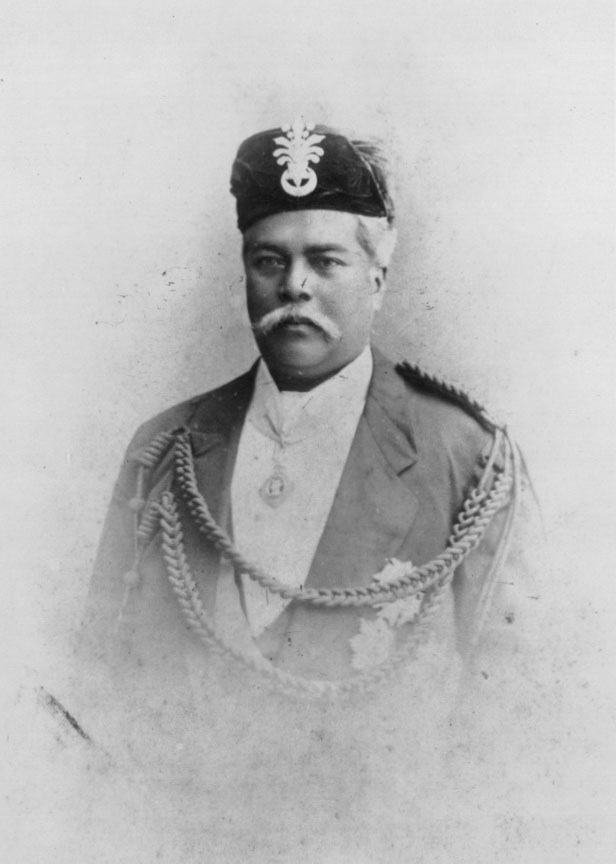
He was Maharaja Sir Abu Bakar of Johor who laid the foundation for the construction of the Johore Wooden Railway (JWR) line connecting Johor Bahru and Gunong Pulai where he had envisioned constructing a sanatorium and a hill resort in 1869. James Meldrum was given the task to build the line. In 1875, upon the completion of the first phase, he invited Sir Andrew Clake and his wife to ride on the steam locomotive, which was purchased from India and was subsequently named Lady Clarke. A few months later, the incoming Governor, Sir William Jervois was invited for a ride. An article in the Straits Observer (Singapore) dated 21 September 1875 reported the abandonment of the JWR line. The JWR was a short-lived railway line purposely built for the Maharaja and his guests.

Maharaja Sir Abu Bakar / Photo source : Wikimedia Commons

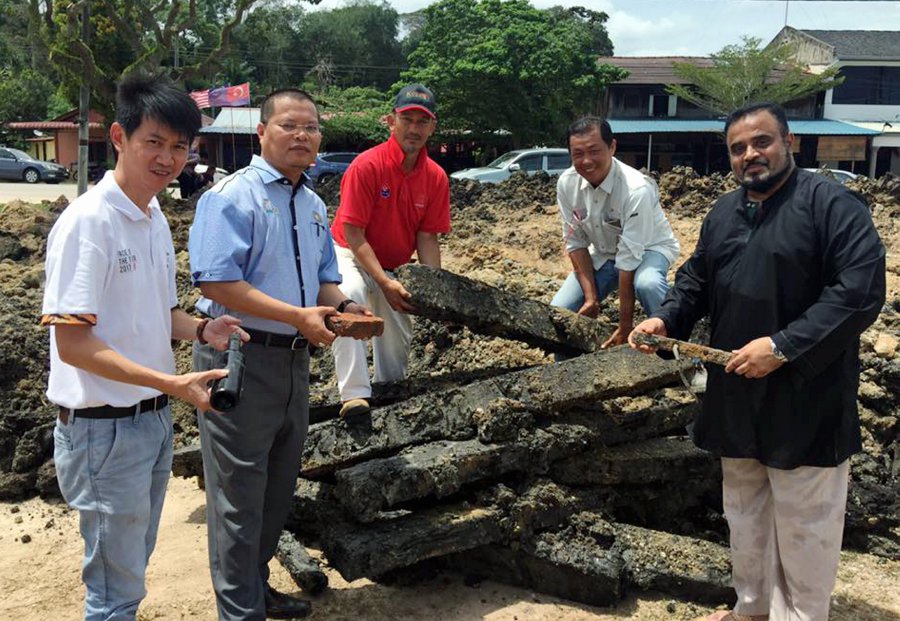
In 1880, Maharaja Sir Abu Bakar ordered the construction of another railway, connecting Muar town and the coastal settlement of Parit Jawa, to eventually link with Batu Pahat and Johor Bahru. It became known as the Muar State Railway (MSR).Both JWR and MSR were funded from the state’s coffers. The early construction was done by Malay and Javanese workers and the line began operation on 11 March 1890. MSR was very profitable due to the high traffic of passengers and goods travelling between the terminals. Children attending English school in Muar travelled free. The opening of Jalan Abdul Rahman in 1918, greatly affected the traffic of MSR and eventually the line was closed in 1929. Below, news reports of construction workers who uncovered railway sleepers believed to be part of MSR.

The development of the railway system by the British tied up closely with their involvement in the politics of our country. The first phase started after the Pangkor Treaty of 1874 that saw the start of the Residential System.In 1880, Hugh Low, who was the British Resident of Perak, sought the approval and fund for the first British-built commercial railway line linking Taiping to Port Weld. Construction began in 1882 with help from the Pioneer Corporations of the British Army stationed in Ceylon. The line was completed in 1884 and opened for traffic on 1 June 1885. The locomotive was named Lady Weld, which later became FMSR 1 and ended its service in 1916.

In Selangor, Frank Swettenham who was then the British Resident recommended the construction of the 19-mile line between Kuala Lumpur and Bukit Kuda. It was opened to traffic on 10 September 1886 and it became the second line built by the British. It was extended from Bukit Kuda to Klang, a distance of 2 ½ miles on 17 April 1890. Lady Clarke from the JWR was used on the construction of the Selangor state railway. It was renamed as FMSR 2 and it survived until scrapping in December 1912.

The third line was in Negeri Sembilan. This time, a firm by the name of Hill and Rathborne was granted a concession to construct and operate the 24 ¾ mile long line between Seremban and Port Dickson.Construction started in 1888 and it was completed in 1891. The name of the company set up to run this line was Sungai Ujong Railway Company Limited. The locomotive was aptly named Sungai Ujong and it was later sent to Selangor and was called FMSR 4. It was sold to a contractor in 1909.

Tin production in our country was the fourth largest in the world in the 1870’s, then we became the largest producer in the 1880’s and by the 1890’s, British Malaya was producing more tin than the world’s production combined. Also at this time, the country was heading into agriculture and rubber became the major crop. Commercial cultivation of rubber was developing rapidly and most of the rubber plantations were located along the railway lines.

Model of locomotive used in the Taiping to Port Weld line displayed at Gallery C, National Museum. Photo source : Eric Lim

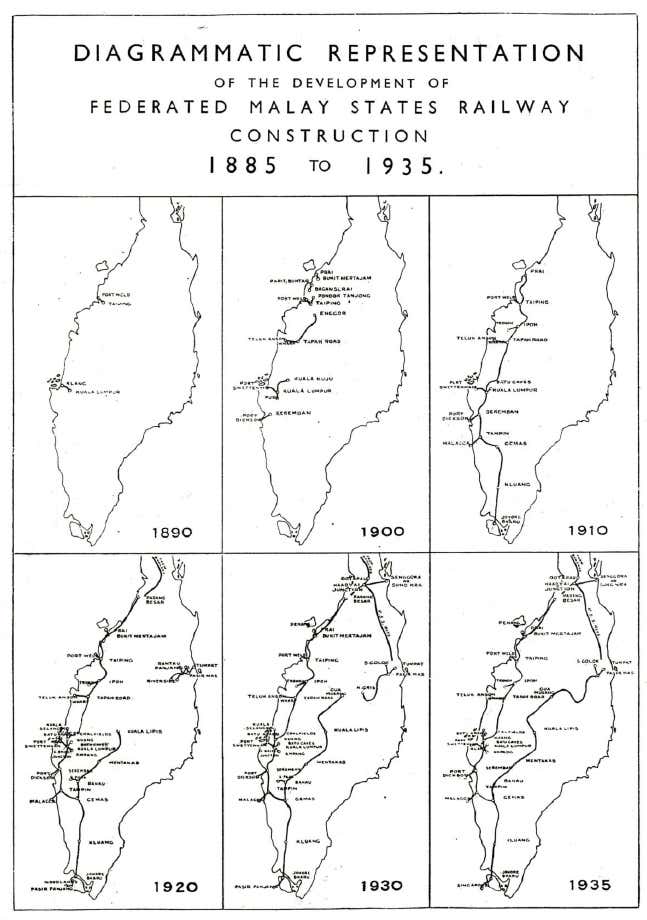
By the end of the first phase, twenty railway lines were already being constructed connecting all the major mining towns and districts in Perak, Selangor and Negeri Sembilan to their respective ports. The second phase started in 1896, which saw the amalgamation of Perak, Selangor, Negeri Sembilan and Pahang into the Federated Malay States (FMS)under one central administration headed by Frank Swettenham as the first Resident General.

Frank Swettenham, in a bid to unify the railway lines, put forth several suggestions. He suggested a line from Tapah Road to Kuala Kubu (thus linking Perak and Selangor railway system), a line from Taiping to Kuala Perai (Province Wellesley) and an extension of the Pudoh-Sungai Besi-Cheras to the south to connect to the Sungai Ujong line in Seremban. In 1901, saw the formation of the Federated Malay States Railway (FMSR) and two years later in 1903, Province Wellesley, Perak, Selangor and Negeri Sembilan were connected by rail, linking Perai in the north to Port Dickson in the south. Edwin Spooner was appointed as the first FMSR General Manager. By this time, an additional thirty-seven lines were constructed across the FMS.

On 1 December 1905, the section from Tampin to Malacca town was officially opened thus extending the North-South trunk line from one Straits Settlement to another. The Straits Times reported on 4 December 1905 that ‘it is now possible to leave Malacca at 1 pm and arrive in Penang at 6.21 on the following day instead of taking two to three days by steamer’. Malacca Government Railway was awarded the concession to construct the railway line. The following year, they extended the main line from Tampin to Gemas and upon completion, Malacca Government Railway was absorbed into the FMSR.

During the expansion of the railway lines in the FMS, Frank Swettenham had wanted to connect the FMSR from Penang to Singapore passing through Johore but it was turned down by Sultan Ibrahim, who took over the throne from Sultan Abu Bakar who had died in 1895. That impasse ended on 11 July 1904 when the Railway Convention was signed in London. Construction began northward from Johore Bahru at the end of 1904 and in March 1905, construction from Gemas moving southward started. The line passing through Johore was completed in August 1907. However, the line was opened to the public on 1 July 1909 and was known as the Johore State Railway. It later came under the FMSR when the FMS government managed to lease it for 21 years, starting from January 1912 with rental paid each year at an incremental rate. The section to cross the Straits of Johore was made possible with the construction of a causeway at the end of 1919. It was opened for goods trains on 17 September 1923 and later to passenger trains on 1 October 1923.

The next important event that took place was the signing of the Anglo Siamese Treaty a.k.a Bangkok Treaty on 10 March 1909. The treaty was intended to resolve the dispute over railway development and control in the Peninsula. For the latter, the states of Kedah, Perlis, Kelantan and Terengganu were ceded to the British. These four states became known as the Unfederated Malay States (UMS) and Johore was later added to this grouping.

Photo source / The Imperial Locomotive : A study of the Railway System in British Malaya 1885 – 1942

The stage was set for the next grand expansion of the FMSR into the UMS and to the last state in the FMS i.e Pahang. Construction of the railway line connecting Bukit Mertajam to Alor Setar started towards the end of 1912 and it was officially opened in 1915. It was then linked to Bukit Ketri in Perlis on 15 October 1917 and reached the border town of Padang Besar on 1 March 1918. The line from Padang Besar linked up with the Siamese Railway system and it was opened on 1 July 1918. This marked the start of international train services between the two countries, with an initial schedule of three times a week between Perai and Bangkok. The following year, saw the first international express train service from Thonburi to Malaya. By 1920, it was possible to transverse the entire West coast of Malaya, from Padang Besar to Johore Bahru, by rail.

Between 1910 and 1931 theEast Coast line was constructed from Gemas to Pahang and Kelantan, while in Kelantan, construction began from Tumpat. On 15 October 1917, the construction from Gemas had reached Kuala Lipis. In May 1920, it marked another important milestone for the FMSR, with the start of construction of the longest river bridge in the country, the Guillemard Bridge, as a crossing over the Kelantan River. This 600 metres bridge was completed in July 1924. The other river bridge built by FMSR is the Victoria Bridge in Perak, which was built in 1900. The date 5 September 1931 witnessed the completion of the East Coast line connecting Gemas and Bahau (in Negeri Sembilan) through to Mentakab and Kuala Lipis (in Pahang) and finally to Gua Musang, Tumpat and Sungai Golok (in Kelantan).

Guillermard Bridge / Photo source : Wikimedia Commons

By 1935, fifty years after the start of the first British built railway line, FMSR had laid 1321 miles of railway tracks and built 213 permanent stations and 76 halts across the Peninsula. Terengganu remained the only state not connected by the FMSR. (The new railway link infrastructure, East Coast Rail Link (ECRL) will be connecting all the East coast states namely Kelantan, Terengganu and Pahang to the West coast).

References

https://www.academia.edu/1517283/The_Imperial_Locomotive_A_Study_of_the_Railway_System_in_British_Malaya_1885_1942 / updates@Academia.mail.com

Kaur, A. (1980). The Impact of Railroads on The Malayan Economy, 1874-1941. The Journal of Asian Studies, 39(4), 693-710. doi:10.2307/2055178 

Postcards from the south : Memory and history of the Malaysian railways / Book by Mahen Bala / Originally published 2018