Archaeology in Malaysia – MV Training Tues 02 Oct

By Soumya Kalyani (Batch 16)

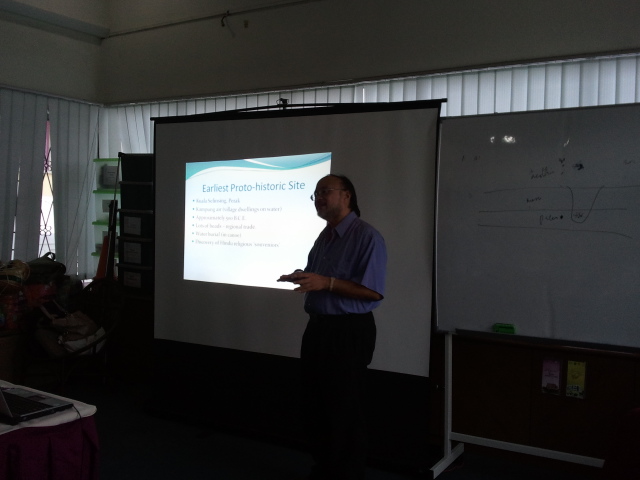
One of the speakers on Tuesday 02 Oct was En. Ahmad Hakimi Khairuddin who is with the Department of Malay Socio-Culture / Fine Arts, Academy of Malay Studies, University of Malaya.  En. Hakimi defined the meaning of archaeology and took us through the early phases of man, the Stone Age (Palaeolithic, Mesolithic and Neolithic) and the Metal Age (Copper, Bronze and Iron).  Although archaeology can mean different things to different people depending on their perspective be it a historical perspective, art history, antiquarian or anthropology, it is essentially a reconstruction of the past, to understand a way of life, to then preserve this knowledge for future generations being mindful not to do so for personal gain or for sensationalism.
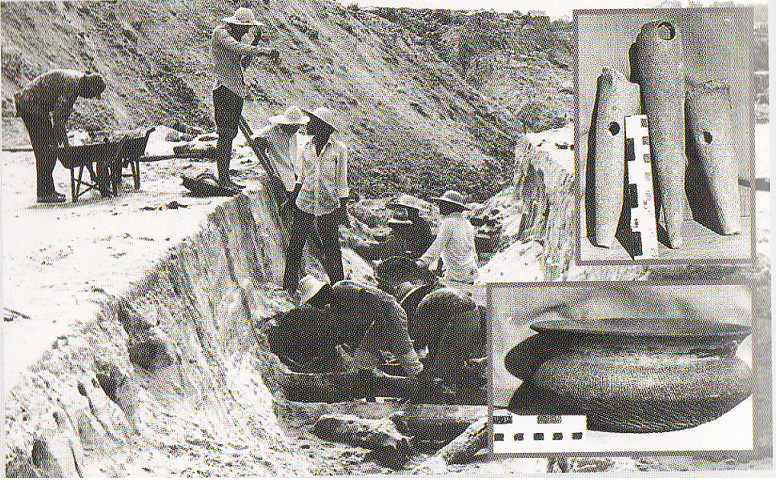
Neolithic artefacts discovered at an open site at Jenderam Hilir, Selangor (photo taken from the Encyclopedia of Malaysia – Early History, pp20)

Archeology provides through the study of the material remains, how man made sense of his environment and by providing a context through the material evidence, the study of archaeology can be streamlined by providing both the sequence of events and through stratigraphy, documenting as well as dating the sequence, thus providing a detailed analysis.

In Malaysian Archeology the three main time differences are Prehistory – a time period before the existence of written documents, roughly 2.5 million years ago until 1 B.C.E, history a time period with clear documentation, roughly 1,000 C.E until yesterday and Proto-History, a time period between Prehistory and History (i.e 1 C.E until 1,000 C.E), where history of the area can be reconstructed from external writings (mostly Indian, Arabian, Greek and Chinese) but local records do not exist.

En. Ahmad Hakimi then took us through the tools that were created during these early ages and the many sites in Malaysia where such evidence can still be found.
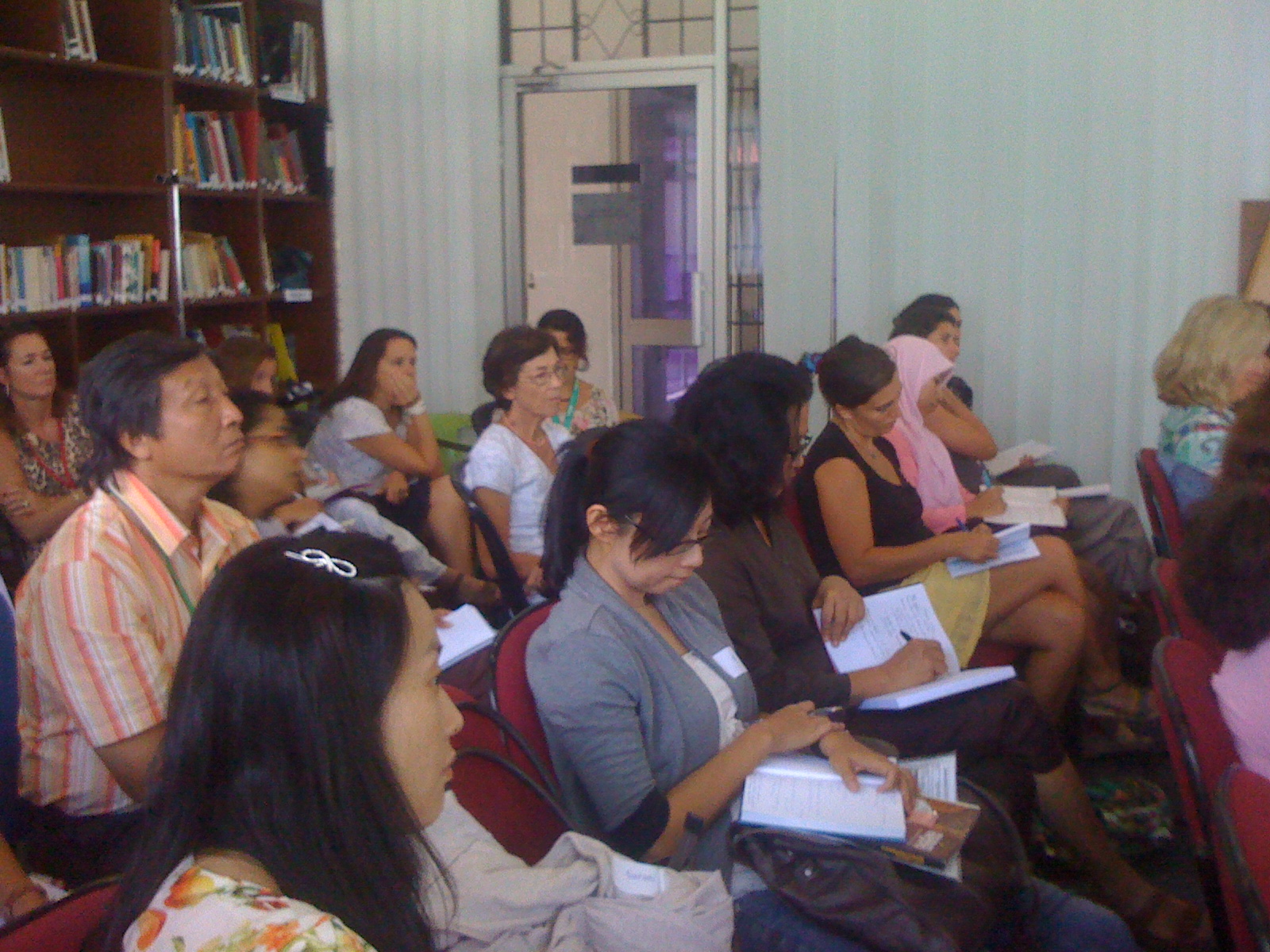
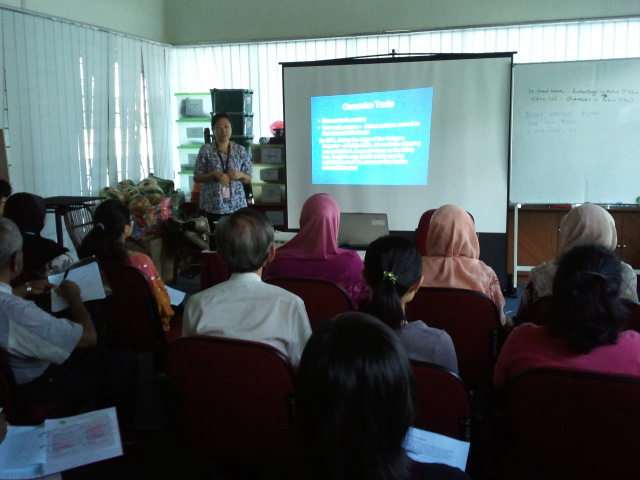
Batch 16 trainees

MV Training – 29 Sept 2012 (Batch 17)

Two interesting presentations had been planned as part of the MV training on 29 Sept and the trainees arrived bright and early.

First off was Karen Loh with an interesting talk titled Mysteries of Malaysian Shipwrecks.  Karen is the President of Museum Volunteers as well as the Director of Nanhai Marine Archaeology, which has salvaged 10 shipwrecks off the coast of Malaysia in collaboration with the Department of Museums and Antiquities.

Karen, presenting Mysteries of Malaysian Shipwrecks

She discussed some of the shipwrecks found around Malaysian waters as well as the reasons behind the many shipwrecks found in the region.  Most of the sunken ships excavated had been carrying ceramics from China, Thailand and Vietnam and Karen discussed the importance of these ceramics as time markers.  The designs and styles of the ceramics change over time and hence can be used to ascertain the time-period of an archaeological dig.  Karen also discussed the consequences of the Ming ban which saw a decrease in the supply of chinese goods.

Encik Ahmad Hakimi bin Khairuddin then discussed Archaeology in Malaysia.  Encik Hakimi is a lecturer with Universiti Malaya (Department of Malay Culture) with a keen interest in cultural anthropology as well as archaeology.  Encik Hakimi has a Masters of Arts in Anthropology from the Wichita State University and is currently pursuing his PhD.

En Hakimi with his riveting talk on archaeology in Malaysia

En. Hakimi started off by explaining the difference between prehistory, protohistory and history. He then briefed the trainees on the stone and metal ages in Malaysia touching on possible homo erectus sites in Malaysia, the Gua Cha burial site and Kuala Selinsing, the earliest proto-historic site in the peninsula.  He rounded off with a discussion on Lembah Bujang, the earliest Malay Kingdom in the peninsula.  Throughout the presentation, En Hakimi stressed the importance of looking at a broader context to explain an archaeological find as well as the importance of not jumping to conclusions but taking the time to understand all the variables associated with a find.  En. Hakimi left the audience with some thought provoking questions.

The trainees were engaged throughout both presentations and had lots of questions for both presenters.  Next Saturday 6 October, the trainees can expect two more interesting talks – a presentation on Gallery A of Muzium Negara by Lawrence Maille, vice president of MV and a talk on presentation skills by Stuart Wakefield, secretary of MV.

Schools Programme – 2012

MV runs a special programme for schools whereby schools, organising trips to Muzium Negara, can request MV’s help.  The volunteers will engage the students in activities that are fun and educational.  Led by Cay Maru, the MV School Programme Group has responded to the requests of many schools, both local and international.  Below are MV’s interaction with two of these schools in 2012.

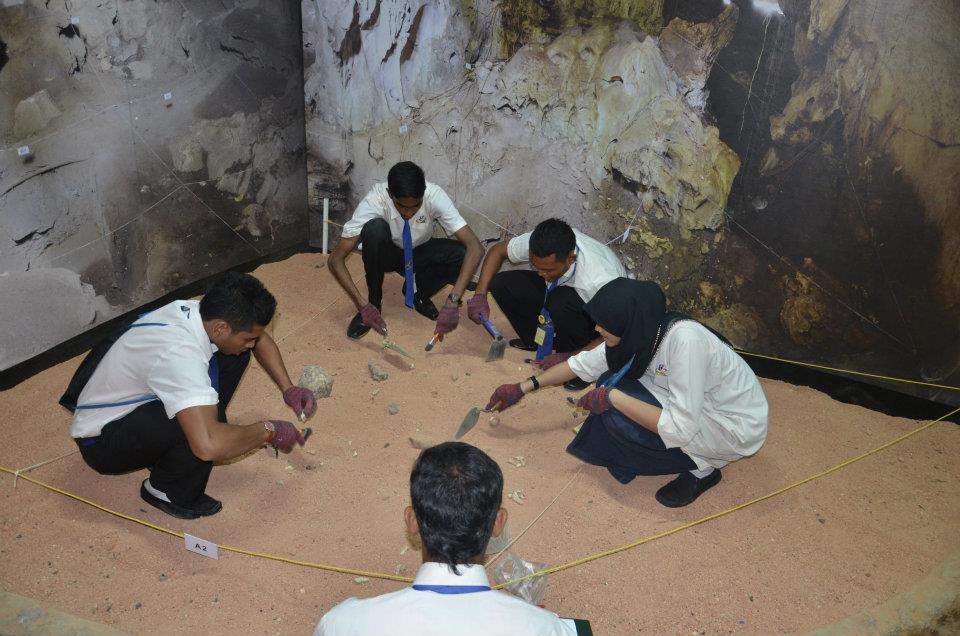
Bukit Jalil Students having a go at Archaeology

84 students and 4 teachers from Bukit Jalil Sports School visited Muzium Negara on 25 April 2012 and they were treated to a fun packed day.

In addition to interesting activities in the indoor galleries which included working through an activity worksheet, the students also had the opportunity to experience working as an archaeologist at the Discovery Room.

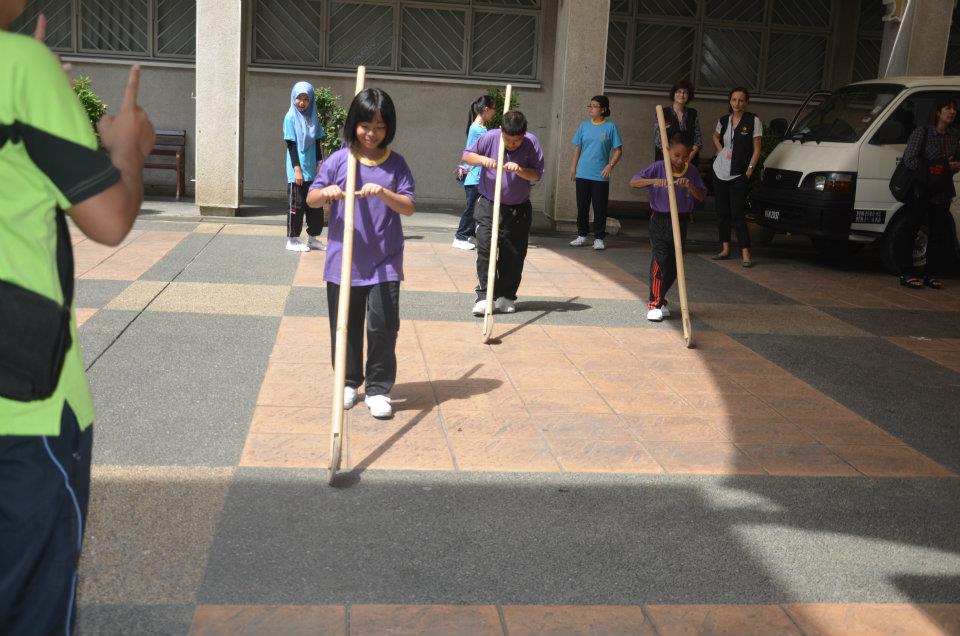
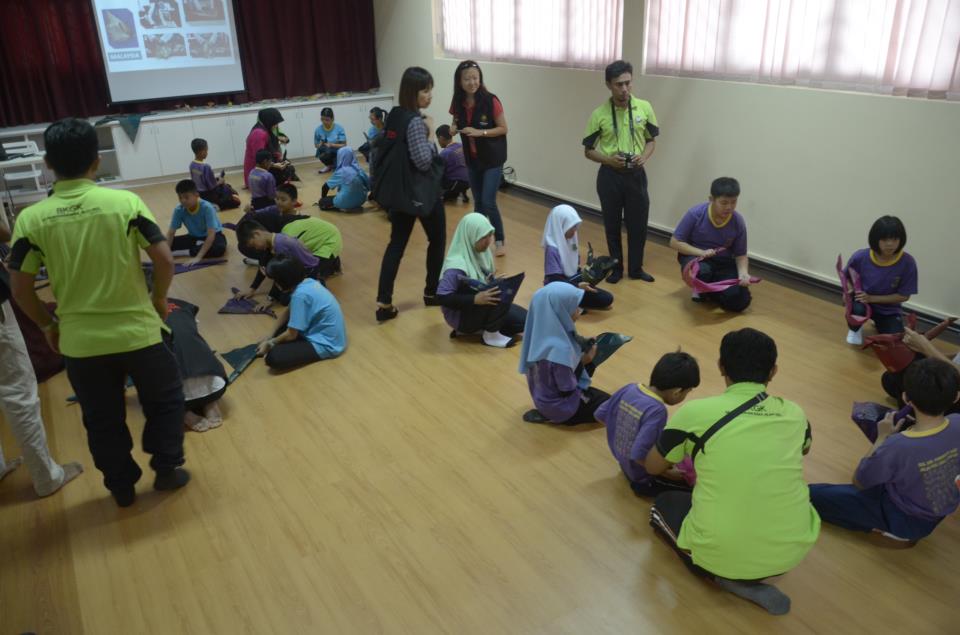
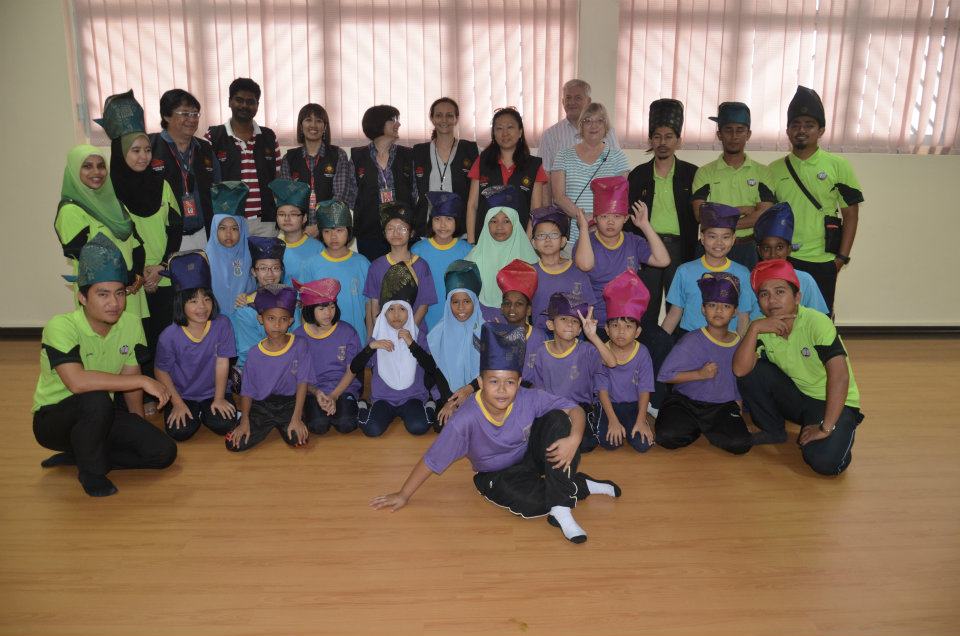
On 5 July 2012, MV played host to 21 students and 6 teachers from the Sekolah Kebangsaan Jalan Peel KL, which is a school for hearing impaired students.  The students were treated to a guided tour of the indoor galleries.  Other activities included folding a tengkolok at the Discovery Room and participating in traditional games at Dataran Muzium.

SK Jalan Peel students having fun with traditional games
SK Jalan Peel students folding tengkolok at the Discovery room
Volunteers posing with students of the SK Jln Peel for a group photo

MV Training – 25 Sept 2012 (Batch 16)

by Rose Gan

Batch 16 is now well settled into its course, having just enjoyed our second session of training. It was another full programme with the usual information overload. By the time 12.30 came round we were all extremely hungry (does brain work burn so many calories?) and our heads were spinning! But it had been a fun and rewarding morning’s work.

First up were Asma and Marie-Christine, who introduced the Whole Brain Principle and gave us the results of our Whole Brain questionnaires. Thankfully we all have them (brains, that is!) but unfortunately none of them are complete. Everyone tends to favour one of four aspects: Facts, Form, Future, or Feelings.  This will, of course, impact the way in which we approach research, planning and presentation. To correct this imbalance, we have now put ourselves into groups based on the results, mixing the brain types. Would that perhaps be a re-working of the old adage: ‘4 brains are better than one?’ With any luck we may now be able to put our heads together with our new partners to be more effective learners!

Rose and Hayley then gave specimen 3 minute presentations: Rose showing how not to do it by overrunning the time (hey, I had quite a task summing up the Bugis AND The Minangkabau in 3 minutes!) I promise to be more organized next time! Well done, Hayley, for being spot on 3 minutes with your interesting talk on gambier.

Our first main speaker was Encik Kamarul, the Director of Muzium Negara, who took us on a lively journey through the museums of Malaysia and the history of Muzium Negara. It was a thorough and enlightening talk. Thank you so much for giving so freely of your time – and even keeping the transport ministry officials waiting on our behalf!

The session was rounded off by Stuart with an in-depth study of the presentation skills we require for guiding. His talk was crammed with useful hints and very pertinent examples of the practical side of taking a tour, delivered in his usual charming, laid back style. There was so much that we needed to hear – thank you for preparing the notes and showing us how it’s done! By the way, I did notice that you broke one of your golden rules…’be interesting but not amusing’. Personally, I love your witty asides. It always makes it easier to learn when one is entertained as well as informed!

And now to do my homework reading….

MV Training 2012 Kicks Off

September saw the start of the 2012 MV new guide training.  A very big welcome to all our new trainees.  Batch 18, our Japanese Group, kick-started the training with 20 trainees on 12 September.

This was followed by Batch 16 which commenced training on Tuesday 18 September with 19 trainees and with another 8 expected next week.  This group consists of 8 different nationalities.  Although Malaysians make up the majority, there is a large contingent of French enthusiasts as well. We are also lucky to count among our new recruits experienced guides who previously volunteered at museums in Italy, Indonesia and Singapore.

The Tuesday Batch 16 had a very clear introduction of Gallery A by Laurence Maille, MV vice President.  Laurence gave an insightful overview of the archaeological dating system and the history of Malaysia with a focus on the storyline of Gallery A of Museum Negara which focuses on Prehistoric as well as Proto-historic Malaysia.

Puan Zanita Anuar giving a riveting talk on the history and structure of Muzium Negara and Jabatan Muzium Malaysia to Batch 17 on 22 September 2012.

Batch 17 commenced training on Saturday 22 September with 21 trainees. This group consists of Malaysians and 1 Polish national.  Batch 17 received a wonderful start with a welcome address and absorbing talk by Puan Zanita Anuar, Director of Museums Innovation on the history and structure of Muzium Negara and Jabatan Muzium Malaysia.

If you are a member of MV JMM and would like to refresh your knowledge, Laurence will be addressing the Saturday Batch 17 on October 6th.  Many other interesting talks have also been scheduled and the complete training schedule can be viewed on Yahoo Groups. All current guides are welcome to these sessions but, if you are coming, please do register your attendance with mvmqueries@yahoo.com.

Sling Bags Launched

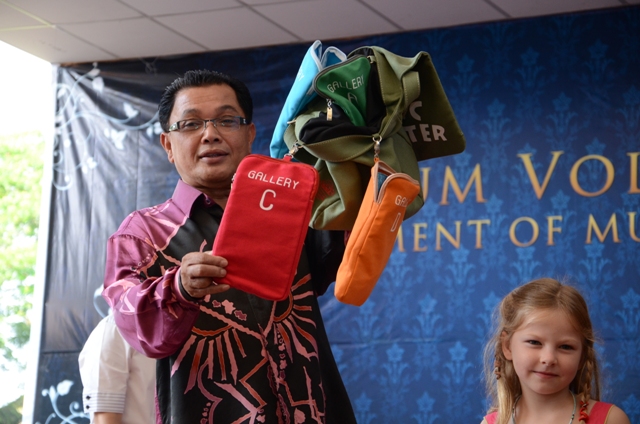
En. Wan Jamaluddin showing the contents of the slings bags during the official launch.

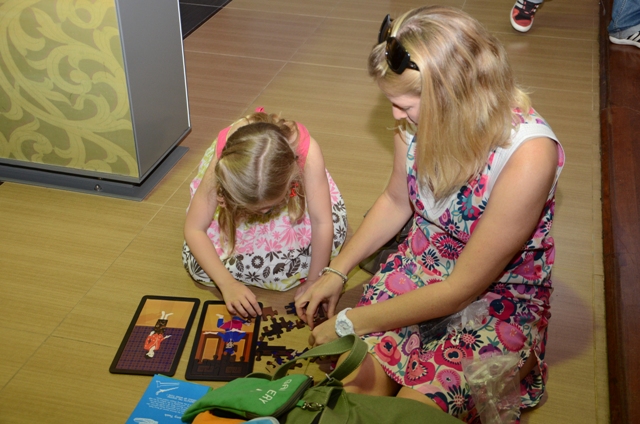
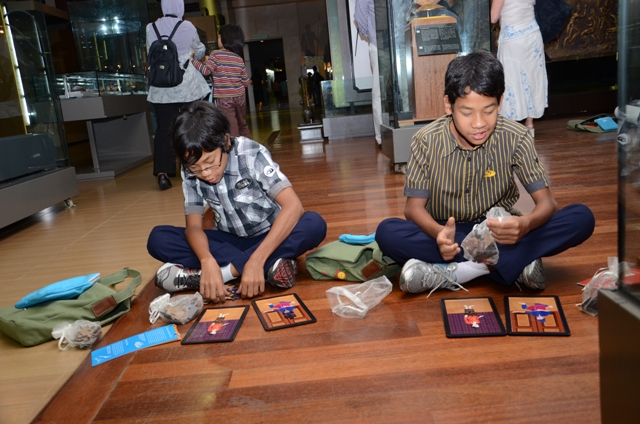
Sling Bags for families with young children was launched during the 6th Graduation Ceremony in Feb 2012.  This marked the culmination of two years of effort by Karen Loh and Zahara Shariman to make the museum more interactive, fun and educational for children.

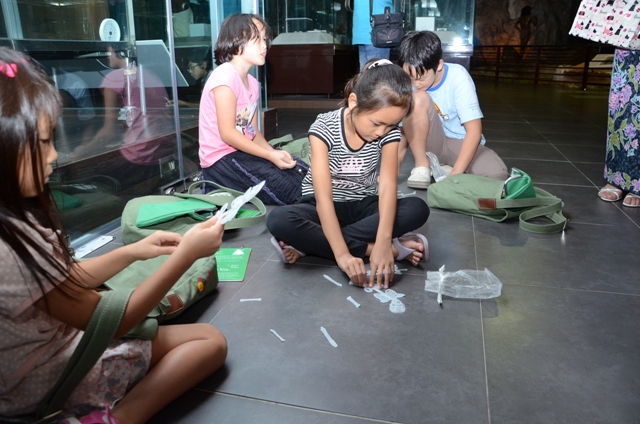
The sling bags contain games and puzzles and families can borrow the bags from the front desk at Muzium Negara.

Young volunteers tried out the slings bags during the launch and gave a thumbs up.

Museum Volunteers – 6th Graduation Ceremony

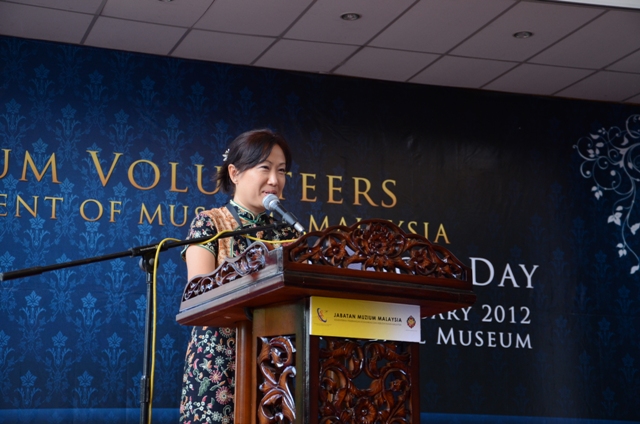
Speech from MV President, Karen Loh during the graduation ceremony

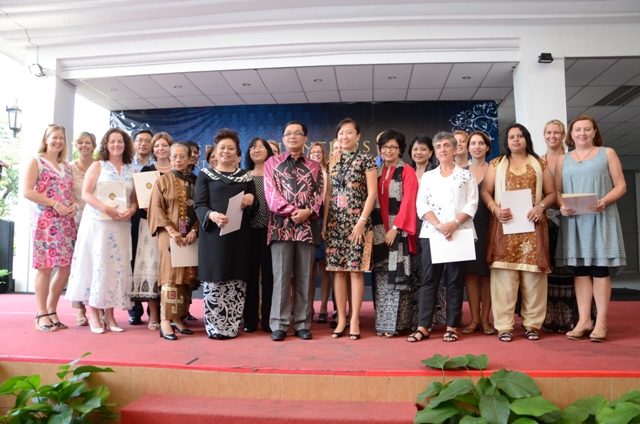
53 new volunteer trainees successfully completed their docent training and graduated in Feb 2012.  Kudos to Batches 13, 14 and 15.

In the words of Karen Loh, MV President: “For 16 weeks you have proved yourselves to be committed, attended the classes, worked hard in your research and presentations. I also commend those whose mother tongue is not English as you have had to work harder. Thank you all for signing up and welcome to our museum volunteer family.”

Congratulations to the all the graduates and happy guiding!

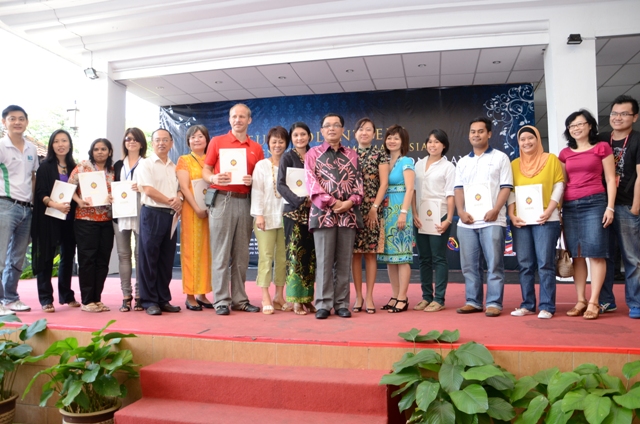
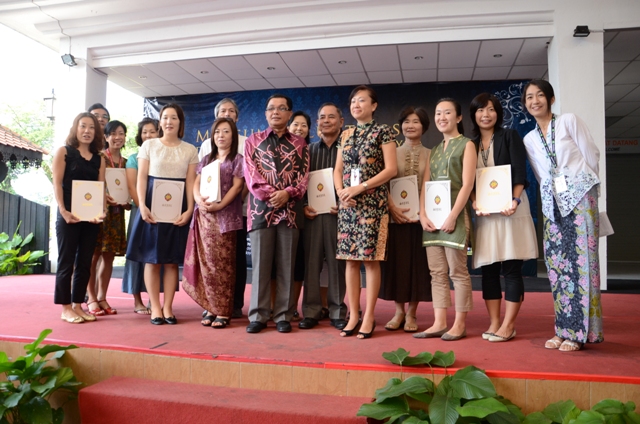
Graduates Batch 13
Graduates Batch 14
Graduates Batch 15

New Volunteer Training 2012 – Flyer

Our next volunteer training intake starts this coming September!  There will be an information morning on Sat 8 Sept at 10am during which you can ask any burning questions you may have.  Please click on the link below to view the flyer on this training.

MVM New Volunteer Training 2012

You can also get further information by clicking on the page ‘2012 Training‘ at the top of this website.

With sorrow, we mark the death of Dato Dr. Adi Taha

First MV Graduation 2007
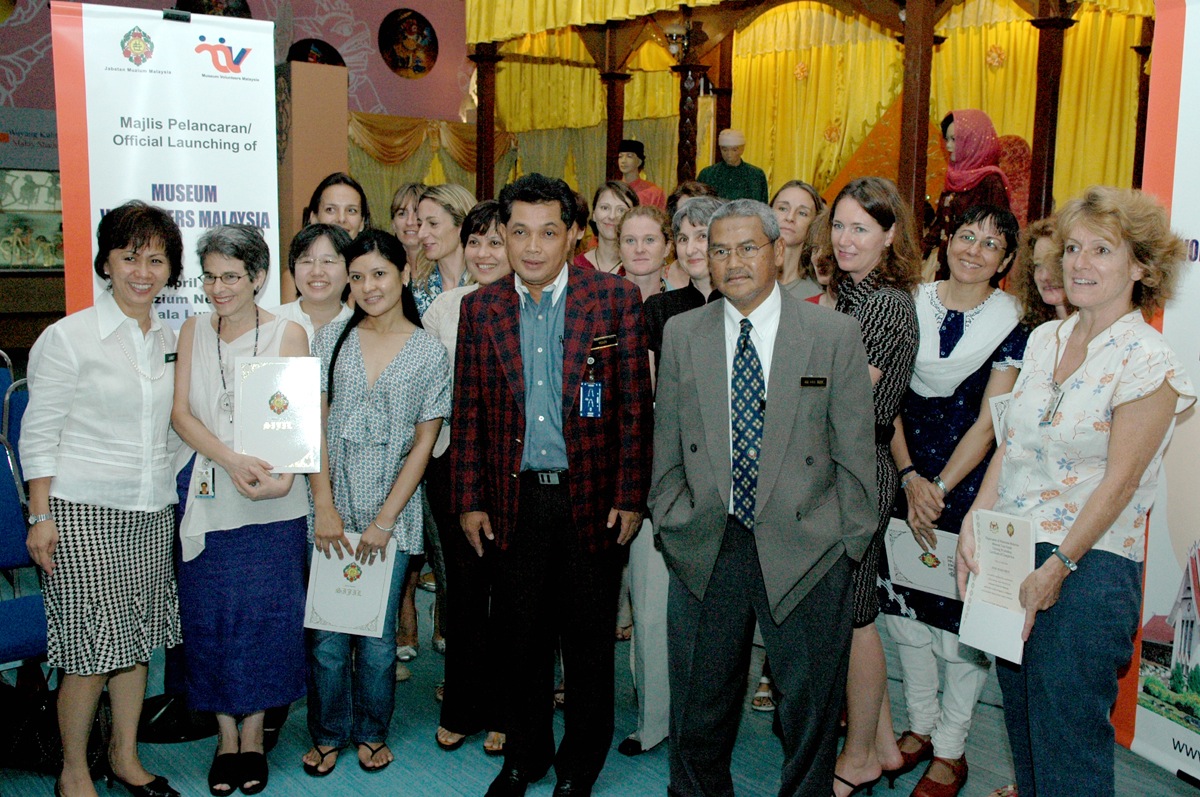
Dato’ Dr. Adi Taha with the first graduates of the Museum Volunteers Programme April 2007

Dato’ Dr. Adi Taha, former Director General of the Department of Museums Malaysia, died from cancer at his house in Setapak, Kuala Lumpur on 4  February 2012.

Dr. Adi joined the National Museum as a curator of archaeology in 1975 after graduating from the National University Malaysia with a Bachelor of Arts in Anthropology and Sociology.  In 1981, Dr. Adi enrolled at the Australian National University, Canberra, for his Masters and later obtained his Doctor of Philosophy from the same university in 2001.
During his tenure with the Department of Museums Malaysia, Dr. Adi had held several positions before culminating in the position of Director General in 2002, a position he held until his mandatory retirement in 2007. Dr. Adi pioneered museum work and research on prehistoric human artifacts, the Bujang Valley civilization and the establishment of new museums in Malaysia and several block buster exhibitions. He was also instrumental in initiating and supporting the establishment of the Museum Volunteers programme at Muzium Negara in 2006, which led to its official launch in April 2007, when some 20 docents graduated from the first training programme.
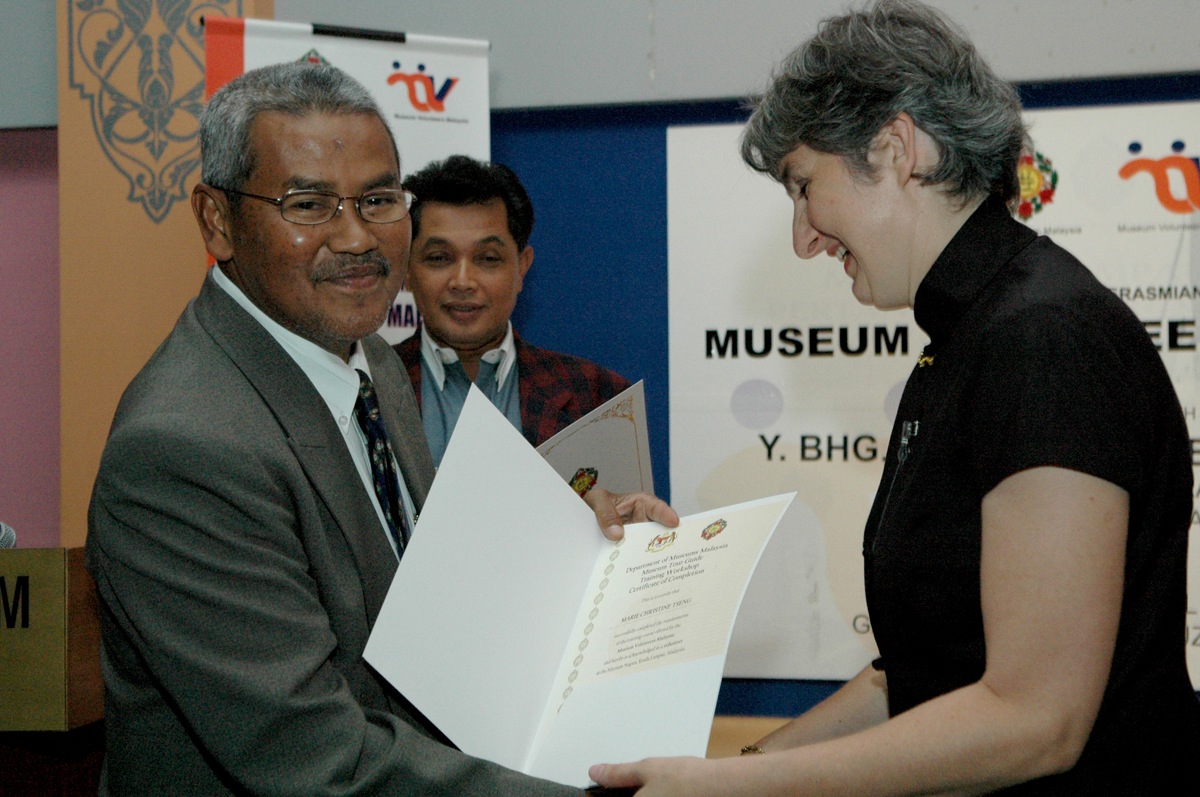
2007 first graduation
Dato’ Dr. Adi Taha presenting Marie Tseng with her graduation certificate April 2007
During his tenure with the museum department, Dr. Adi attended many general conferences and assemblies of the International Council of Museums (ICOM), and presented papers at international seminars and workshops abroad and locally.  Among his social and professional involvements were; Vice President of the Association of Malaysian Archaeologists (1997), President of the Indo-Pacific Prehistory Association (2002-2004) and President of ICOM Malaysia (2002 – 2010)
Although retired, Dr. Adi’s zeal and passion for the museum did not falter. He joined University Malaysia Kelantan as a principal fellow in the Faculty of Creative Technology & Heritage and continued to contribute to the field of museology and culture. His expertise on museums and archaeology was often sought by museum’s curators, academicians and individuals. Dr Adi also wrote several books and articles on the prehistory of Malaysia.
Born on Aug 3, 1951 in Kodiang, Kedah, Dr Adi died age 60 and leaves behind his wife, Wan Aminah Wan Yusof and six children. We will miss our eminent and affable curator Dato’ Dr. Adi Taha.
Adapted from an obituary written by Janet Tee Siew Mooi, Director of the National Textile Museum

The Pasir Gudang Kite Museum

Local kites, details of how they are made and legends connected to them are displayed.

A number of Indian kites are included in the museum’s collection.

THE Pasir Gudang Kite Museum houses hundreds of kites flown during the annual International Kite Festival at Bukit Layang- Layang.

The museum was built in 2002 to showcase local and foreign kite craftsmanship.

Local kites, such as wau merak, wau bulan and wau kapal, legends connected to them and information on how to make them are exhibited in the three-storey building.

Kite-making tools and the paraphernalia used to fly bigger-sized kites are also displayed. There is a multimedia section which offers a detailed description of the craft.

Visitors can buy kites at the souvenir shop.

The museum opens seven days a week. An entrance fee of RM2 is charged. Children under 12 are charged RM1. For details, call 07-251 3720 or fax 07-251 5260.