Dongson Culture Exhibition

Exhibition: 4 March to 4 May 2014

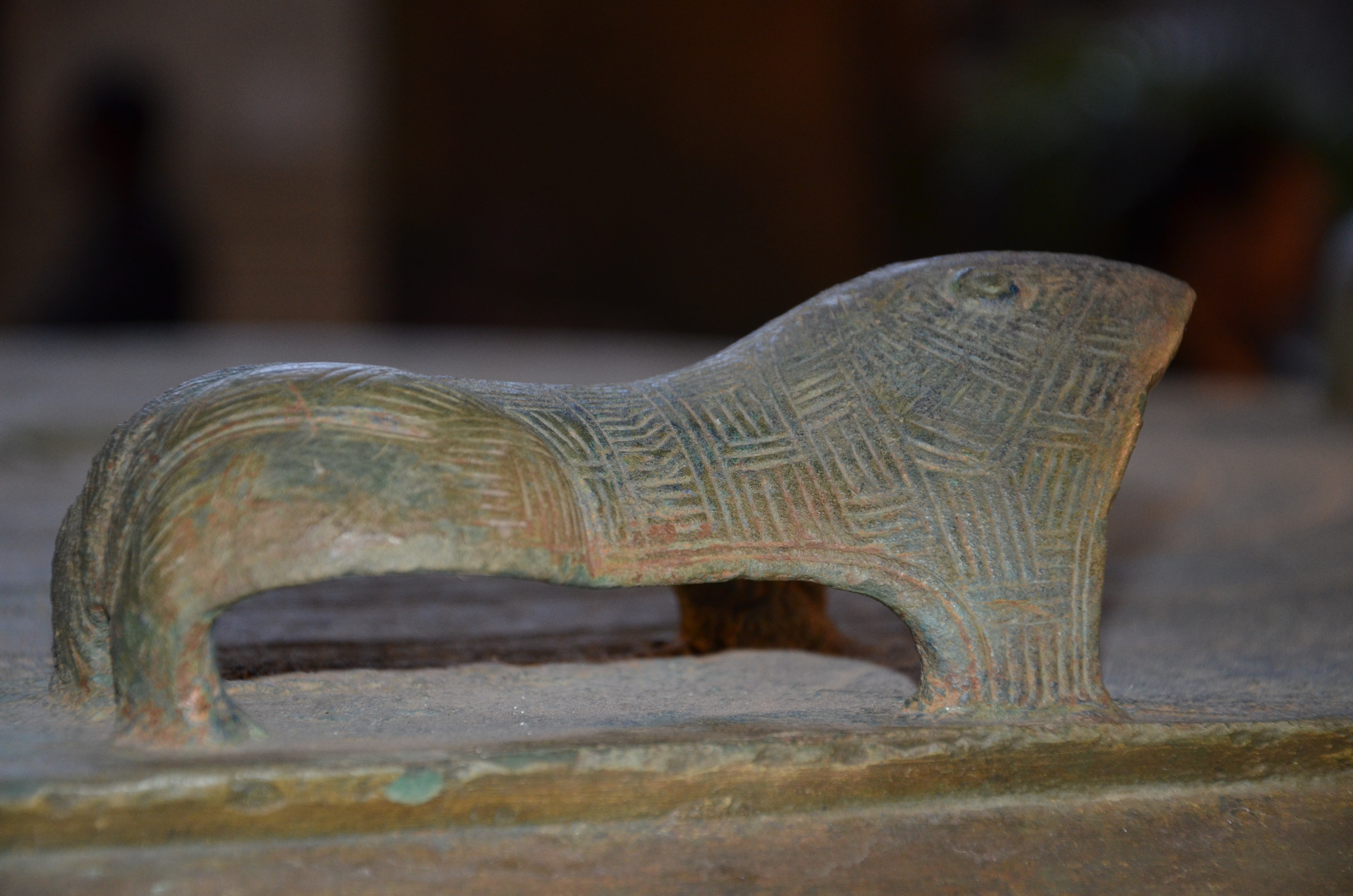
This is an ongoing exhibition at Muzium Negara showcasing treasures from the ancient Dongson culture in Vietnam. The artefacts are on loan from Vietnam. Dongson is the name of a village in the Thanh-hoa Province in northern Vietnam and it was here that bronze artefacts dating to around 2000-2500 years ago were first discovered. The culture associated with this ancient bronze technology became known as the Dongson culture.
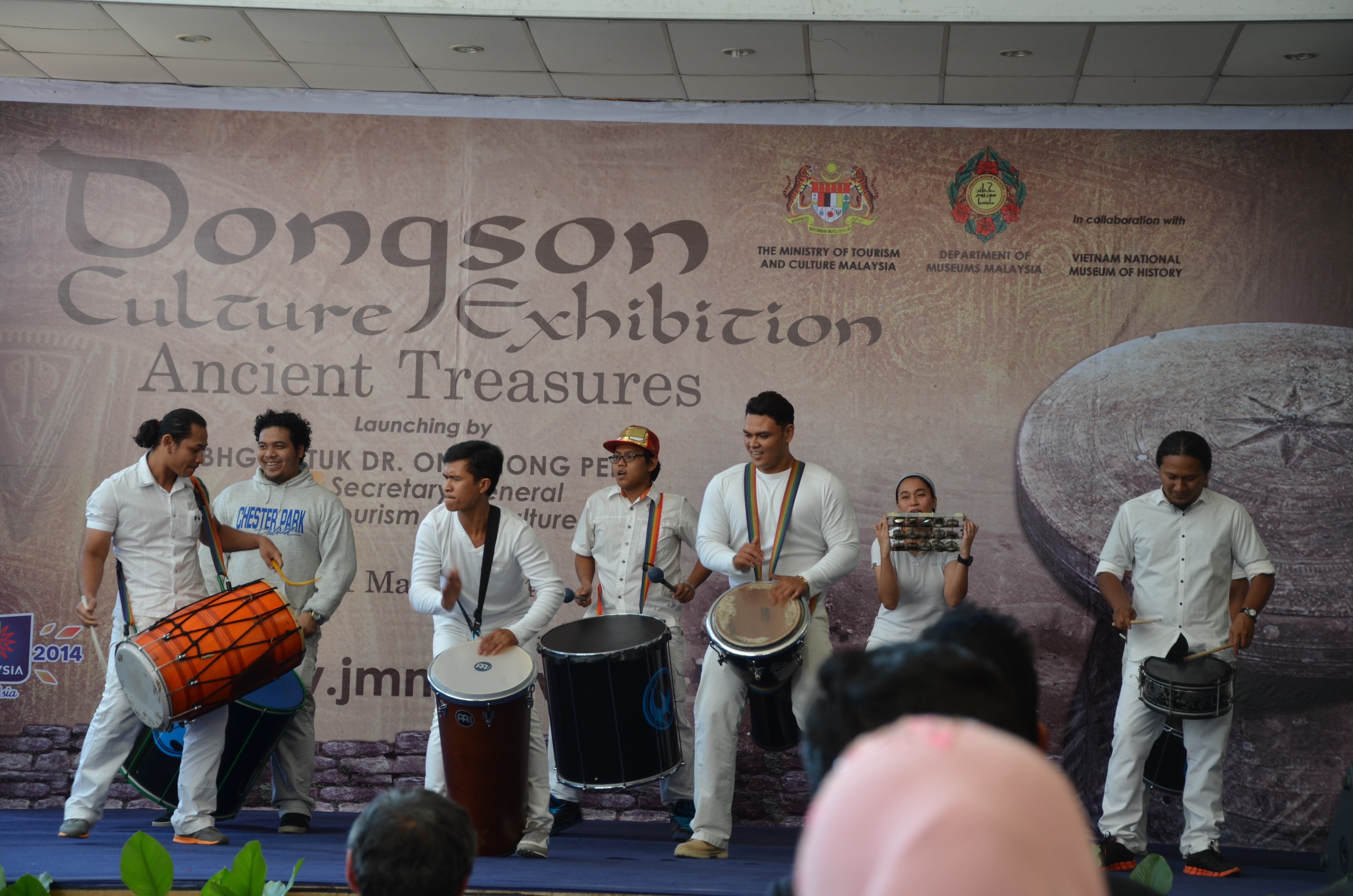
034Drums rolled at the opening ceremony of the exhibition held on 11 March in a sterling performance that saw a number of different types of drums being beaten. The energy was palpable not only from the drumming which was brought to crescendo a number of times but also from the performers themselves who were obviously having a lot of fun on-stage.

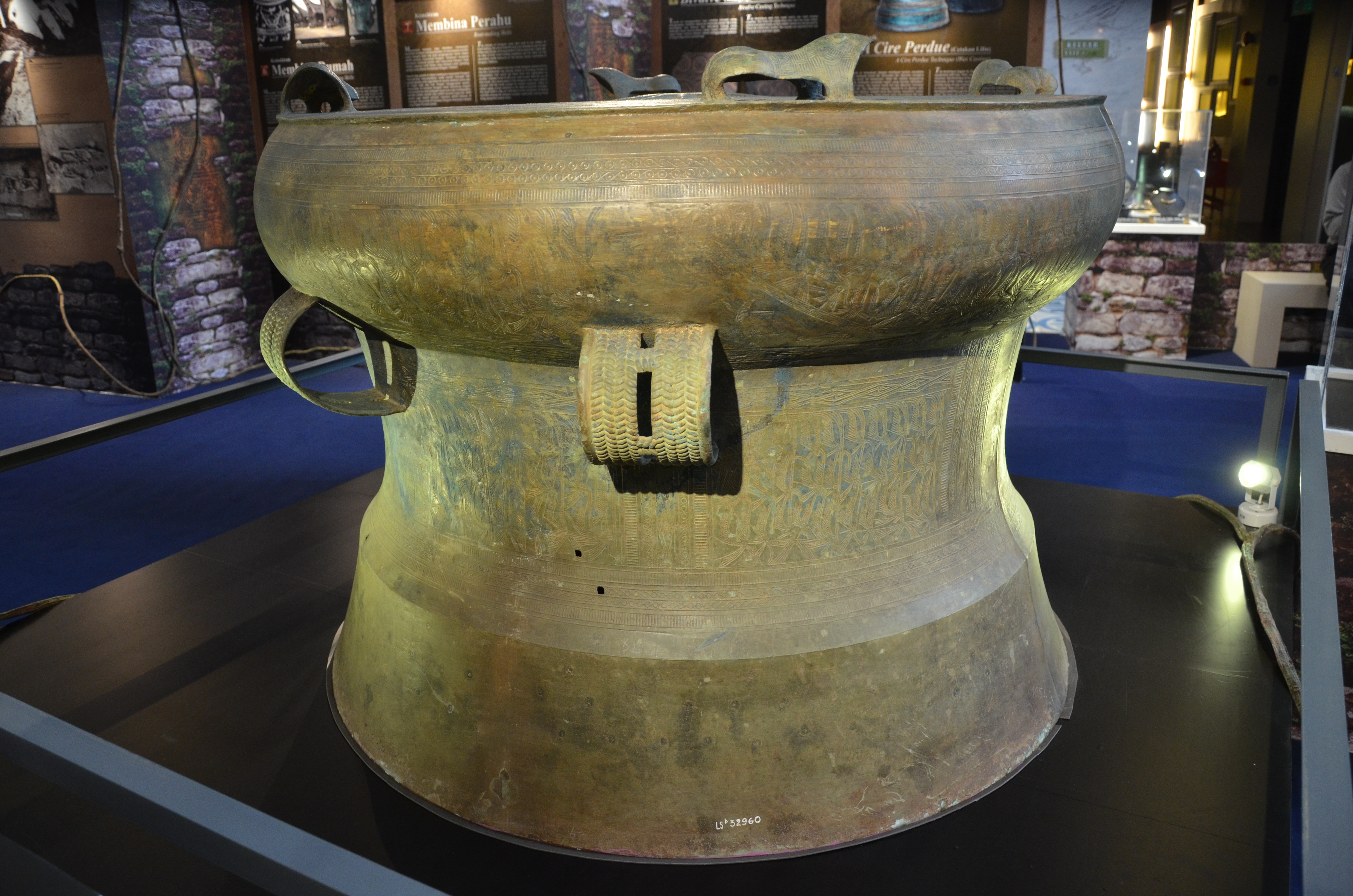
This opening was, perhaps, appropriate as the most well-known object from the Dongson culture is the bronze drum and the star exhibit did not fail to awe. Known as the Sao Vang drum, this drum stands at 86 cm (2.82 feet) high with a diameter in the drumhead of 116 cm (3.81 feet). It is the biggest Dongson drum in the Vietnamese collection.
173
The Sao Vang bronze drum is on display at Muzium Negara in a temporary exhibition until 4 May 2014

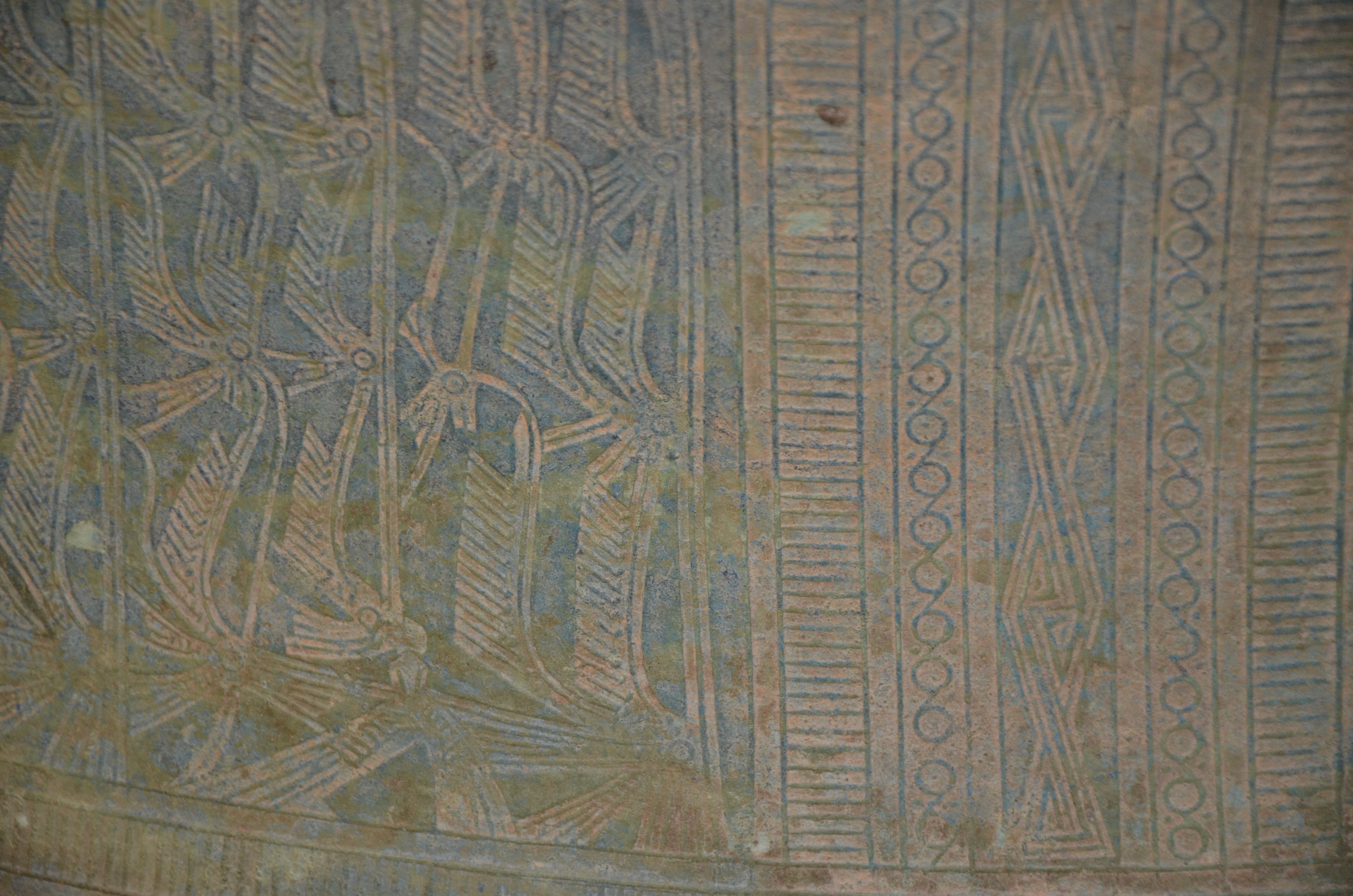
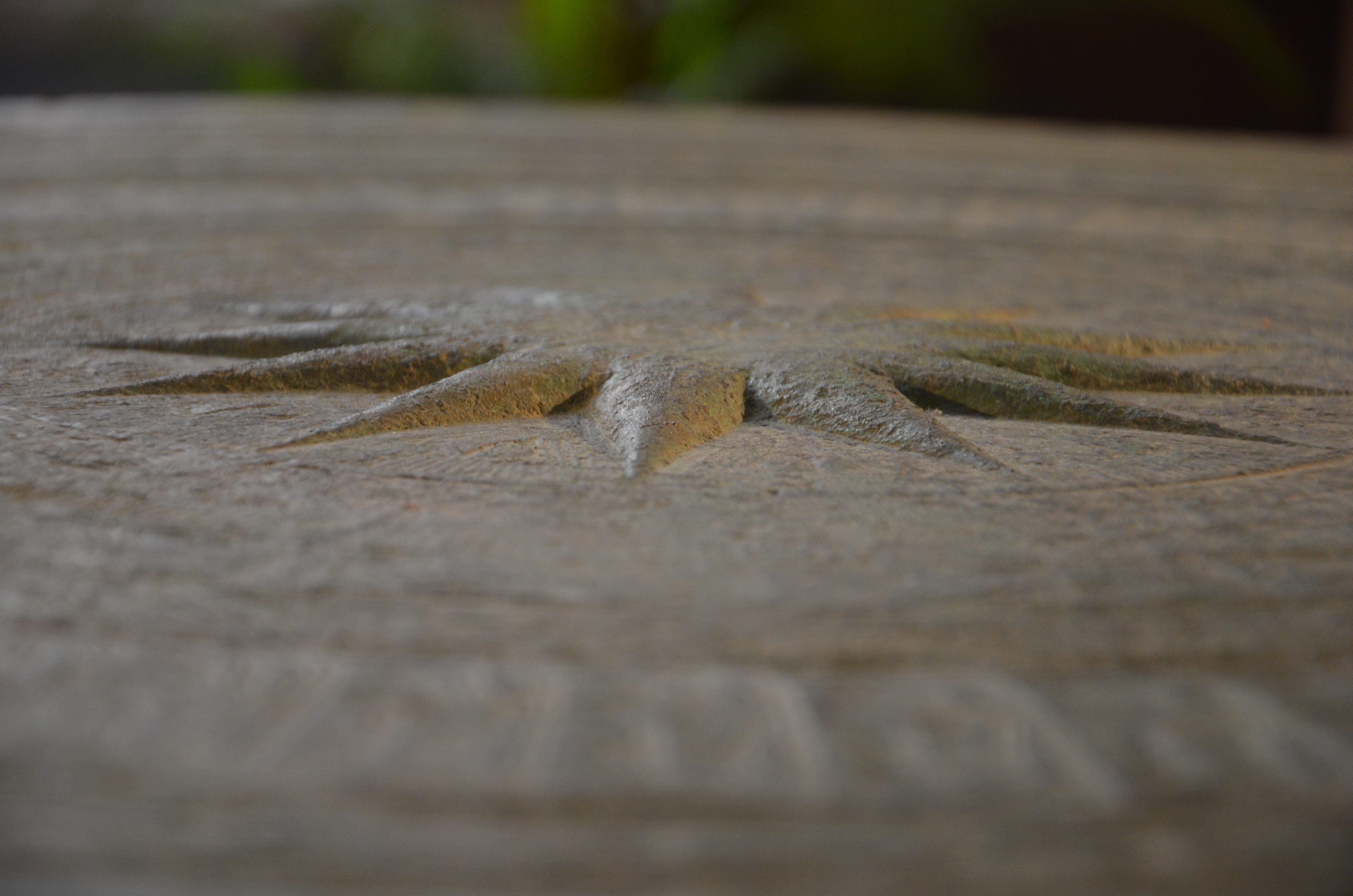
It is not only the size that awes but also the exquisite carvings on the surface. All Dongson drums, regardless of location, have very similar designs. A star at the centre of the tympanum is common to all drums and the rays of the star are all even-numbered. Drums found in Malaysia have either 10 or 12 rays. The star bulges out; perhaps to strengthen the place where it is struck the most. The flying heron is a common motif and researchers believe this to be the legendary “lac bird”, a symbol adopted by the ancient Vietnamese to represent diligence. Motifs on the drums provide valuable insight into the daily and the spiritual life of the Dongson society and the motifs include dancing, pounding rice, beating drums as well as sailing. Images of frogs are embedded at the edge of the tympanum and these possibly indicate a ritualistic ceremony to induce rain which is important to an agricultural society.
253

044

256

Motifs on the Sao Vang drum: star, frog, herons

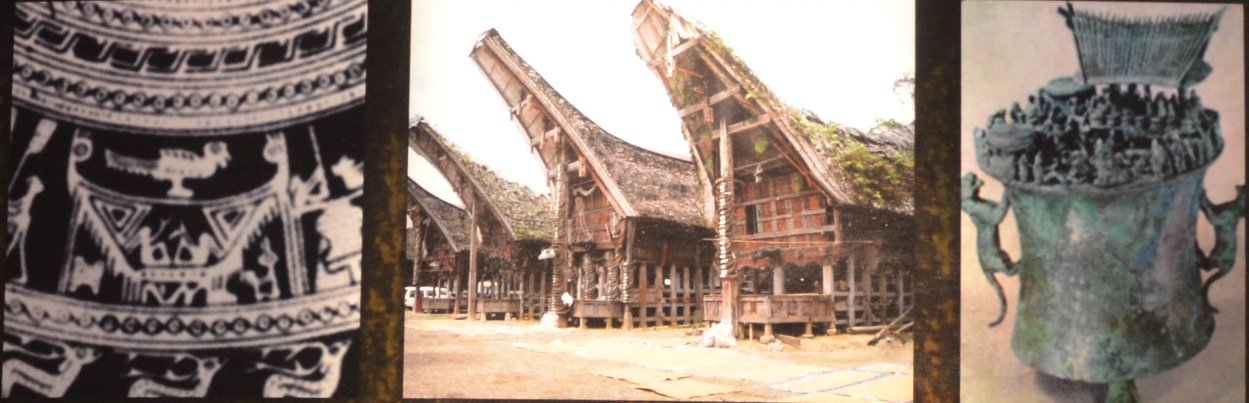
Dongson related artefacts have been found in locations other than Vietnam including in Southern China, Cambodia, Laos, Thailand, Burma, Malaysia, Indonesia and Philippines leading researchers to argue that these items were valued trade items. Did the Dongson culture also influence the cultures it came in contact with? The display boards at the exhibition show one such influence. The design of houses engraved on some of the drums is similar to the houses of the Toraja community in Sulawesi, Indonesia although it is uncertain to what extent other cultural elements had been absorbed. Carvings on a bronze drum found in the Yunnan Province in China indicate the Tien community had also absorbed this architectural style.
Dongson houses
Left to right: house depicted on a Dongson drum, Toraja houses in Sulawesi, depiction of a Tien house in Yunnan

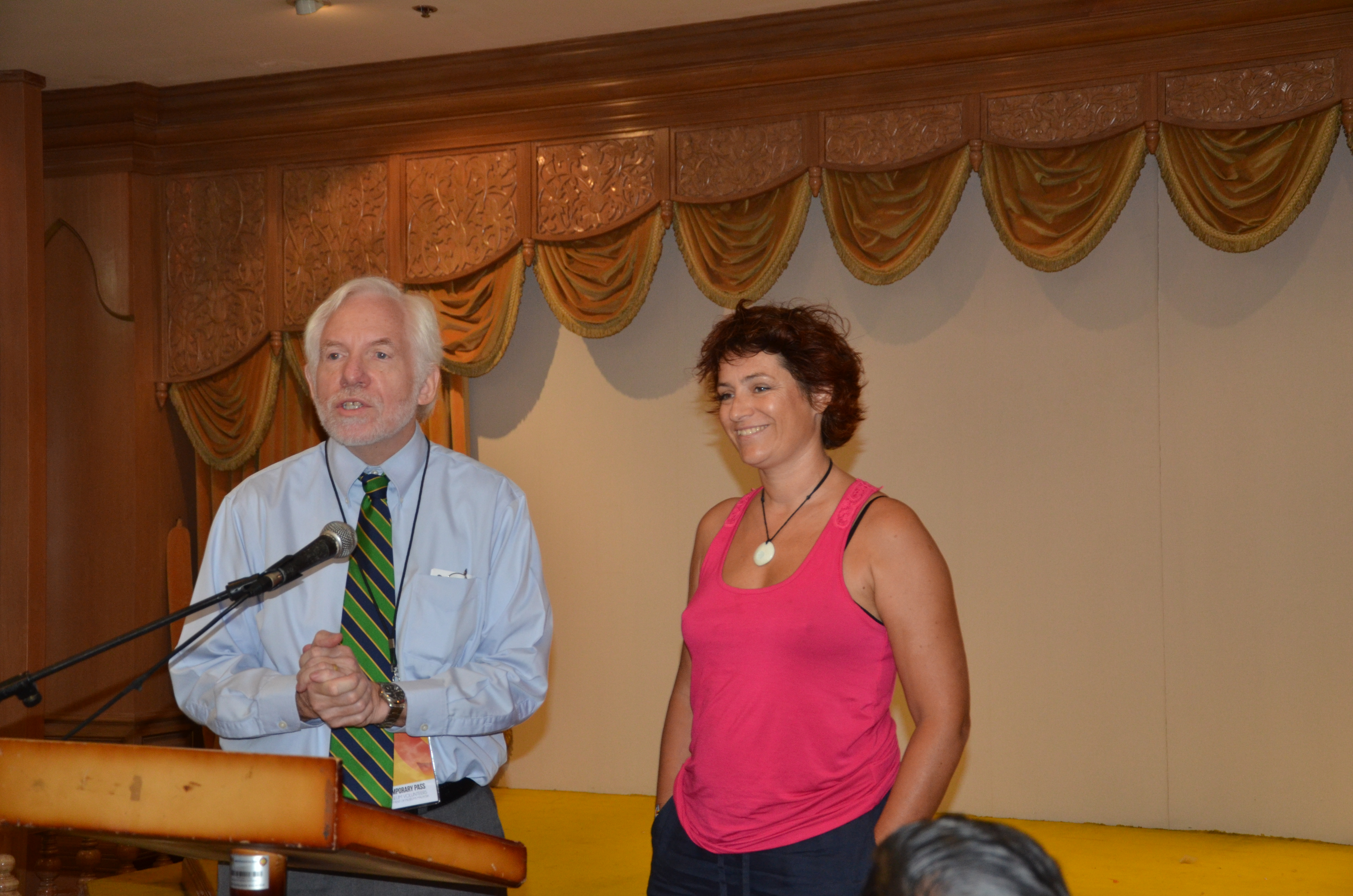
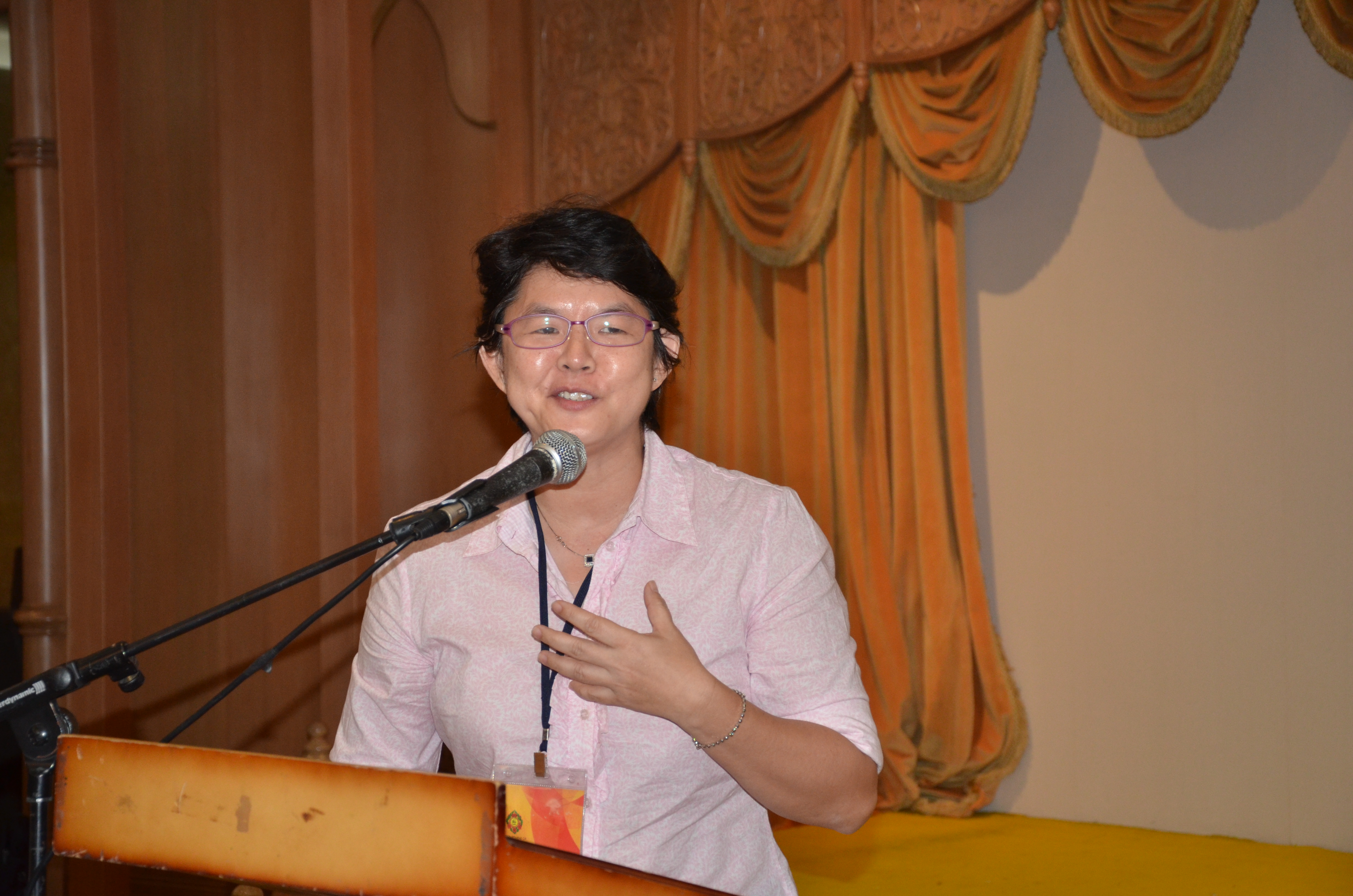
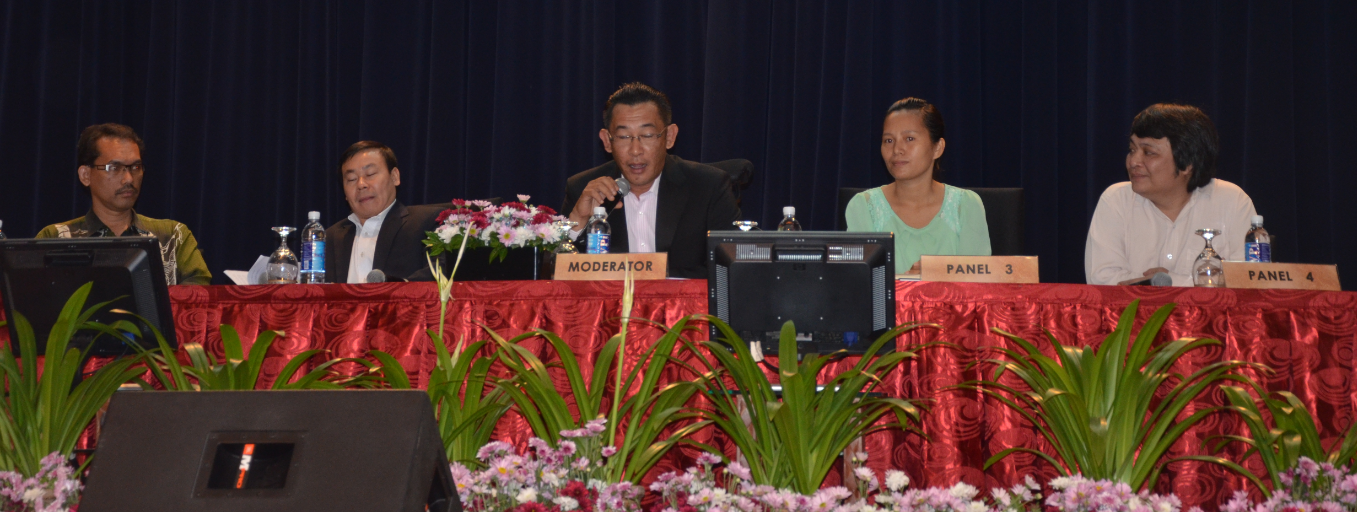
A forum discussing Dongson culture was held on 13 March with a panellist from Malaysia, one from Cambodia and two from Vietnam. The panellist from Malaysia, Dr. Adnan Jusoh, highlighted that the Dongson culture was not just about drums but that it was a highly developed culture based on agriculture and husbandry. PanellistThis is borne out by the display boards at the exhibition that discuss the skill of the people in making equipment and tools, personal accessories, weapons, houses as well as boats. However, the use of bronze drums is the most enduring element of their culture as testified by the number of communities in Southeast Asia and China that continue to use the drums till today. An example is the Karen community in Myanmar and researchers report that these Heger Type III drums are used by the community to assemble ancestor spirits as well as to take the spirit of the dead into the after-life.
End of Training – ‘Attendance Certificate’ Award Ceremony

by Maganjeet Kaur

Starting this year, a two-step process will be followed before trainees are graduated from the MV training programme, i.e:

  1. Trainees, having satisfactorily completed all requirements of the training programme, will be given a ‘Certificate of Attendance’ and they will be paired with mentors who will work with them to hone their guiding skills.
  2. After guiding for six months, a formal graduation ceremony will be held upon which trainees will become full-fledged volunteers.

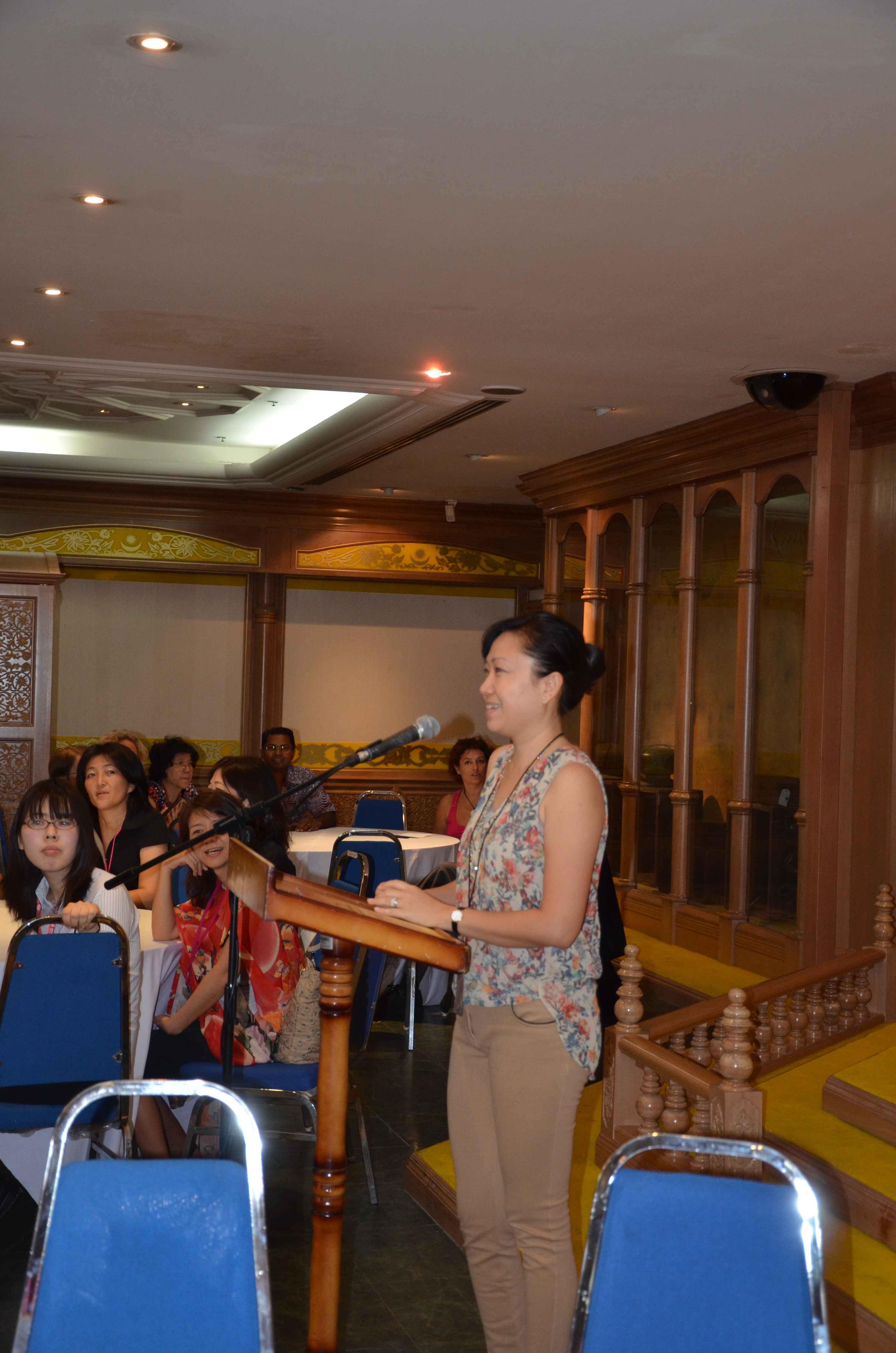
Last Saturday (15 Mar 2014) saw 55 trainees from batches 19, 20 and 21 receive their ‘Certificate of Attendance’ in a ceremony hosted by Jabatan Muzium Malaysia (JMM). As the trainees milled around and enjoyed the delicious food, courtesy of JMM, it became quickly apparent that this year’s trainees have become very close knit and have obviously supported each other during the training period. This became even more clear from the speeches made by representatives of the different batches.

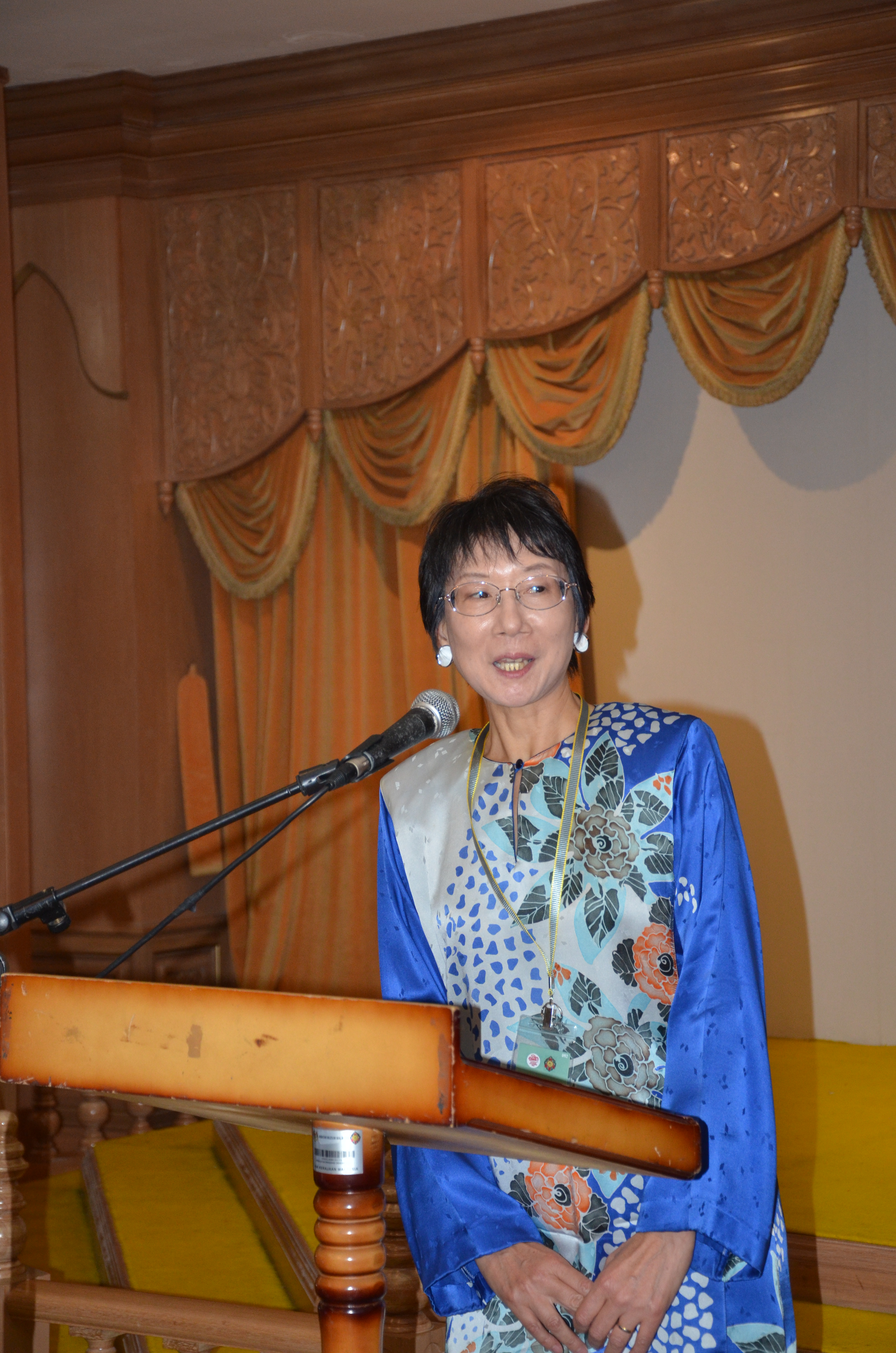
269In her opening speech, Karen Loh (president of MV JMM) focused on the administrative side of guiding duties including wearing the MV vest and recording attendance. Karen also highlighted a new process due to be implemented whereby guides will need to fill out a short questionnaire after each tour to record the number of people in the tour, their nationalities and how they came to hear of the tour. This survey will provide valuable insight into the effectiveness of our marketing activities. More details on this survey will be made known when the process has been firmed up and the questionnaires have been printed.
Karen also explained that the MV is an entity under the Corporate Communications Division of  JMM. This Division is headed by En Zainal and within this division, En Jamil has direct responsibility over the MV. En Jamil is assisted by Fiza who is responsible for preparing the monthly guiding schedules for the English tours as well as for the Bahasa Malaysia and Mandarin tours held during the school holidays.

285Representatives from each batch shared their experiences on the training programme and Mayumi from Batch 19 (Japanese Group) was up first. She shared that the first challenge for the Japanese trainees was to relearn the art of studying as the last time they did any serious study was 12 – 20 years ago. They also had language issues as some words were difficult to translate from Bahasa Malaysia to Japanese and they also had problems pronouncing some of the Malay words. Although they were initially nervous making presentations, their experience helped them to overcome this and they are working towards giving a tour that is interesting, exciting and efficient as this is what their visitors want.

290The primary message from Batch 20, represented by Frank and Janet, was one of thanks. Thanks firstly to the Malaysian government, through JMM, for trusting them (as foreigners) to represent Malaysian history and culture and this trust will be something that they will have to live up to. They showed appreciation for their three trainers, Hayley, Anne and Lena, for acting as mentors; giving their time and knowledge as well as patiently encouraging them through the use of positive reinforcements and constructive criticism. The museum staff, they found to be friendly, smiling and generally helpful. In short, they enjoyed their Tuesday training sessions which were accompanied by kopi tarik and nasi lemak.

On a lighter note, Janet said that in addition to learning the theory, they also had practical experience in handling the keris and that they practised silat in Melaka and were now ‘dangerous’ guides. Frank expressed admiration for his colleagues whose first language is not English as they did serious academic work and prepared presentations in a language that was foreign to them; showing that courage matters as much as brain power.  He also expressed thanks to the Malaysian members of their class who not only brought in a vast amount of knowledge but also helped to put things in context for the rest of them.

In closing, they are looking forward to sharing the knowledge they have acquired with visitors to the museum.

297Ee Lin from Batch 21 said that their team was lucky to have the triple J’s (Jo, Jane and Justin) leading them on their Saturday training sessions. She also thanked the MV President and other committee members who dropped in from time to time to offer help and in answering their questions. While Batch 20 comprised many foreign trainees, Batch 21 were mostly Malaysians but were diverse both in age and background. Three decades divided the youngest trainee from the oldest and the trainees comprised accountants, engineers, lawyers, designers, writer and teachers; each bringing their unique perspective on Malaysian history resulting in a ‘kopitiam’ like chat with everyone contributing to the discussion. Batch 21 also formed their own discussion group and Ee Lin felt this contributed to their learning and helped them bond into a family. Although they were nervous and apprehensive when making their first presentations, the support from the team nudged them on till the shyest person in the group became one of their best presenters. In the coming six months, Batch 21 members aim to hone their skills and not only live up to the standards expected of them but to go beyond these and become an inspiration to future guides.

Batch 19 analysed the requirements of their visitors and will be developing their tours to be “interesting, exciting and efficient”. Batch 20 will gratefully share back the knowledge they have received with visitors to the Muzium while Batch 21 wants to exceed all expectations and become an inspiration to future guides. With so much enthusiasm displayed by the trainees, they are going to be very valuable members of the MV and the MV is happy to welcome them into the fold. Kudos to batches 19, 20 and 21!

We Have Moved

footstepsWe apologise for the delay in getting back on our feet. Please do bookmark this site as the new MV website.

For those of you who have registered to receive an email alert when new posts are published, you will need to re-register to get this alert. Please click the ‘Folllow’ button on the right hand side and then key in your email address.

For those of you who have shared your favourite posts onto Facebook, the links will no longer work and you will have to re-share the posts.

Sorry again for all this inconvenience.

The Cinnamon Route

by Maganjeet Kaur

The Museum Volunteers hosted a talk by Ian Burnet on 25 January 2014 on his two books, The Spice Islands and The East Indies. Spices, native to islands in the Malay-Indonesian archipelago found their way to Africa, the Middle East, India and China through trade voyages made by the intrepid, sea-faring Indonesians. The earliest proof comes from the journey made by cloves from its homeland in the Maluka Islands in Eastern Indonesia to Syria where cloves buds dated to 1721 BC were found preserved in a ceramic jar in the ancient city of Terqa.

Bas-relief of Borobudur Boat

One of the routes taken by these Malay-Indonesian traders was the direct sea-route from Indonesia to the island of Madagascar off Eastern Africa. The Malagasy people of Madagascar are descended from these Indonesian traders as shown by their language as well as DNA analysis which places their nearest living ancestors on the island of Kalimantan.

This ancient sea-route has been dubbed the ‘Cinnamon Route’ by modern researchers.  Although the term is a bit of a misnomer as cinnamon is native to Sri Lanka and the correct term would have been ‘cassia’ which grows in South-east Asia, these journeys saw spices from the Indonesian islands reach Africa and the Middle East millennia ago.

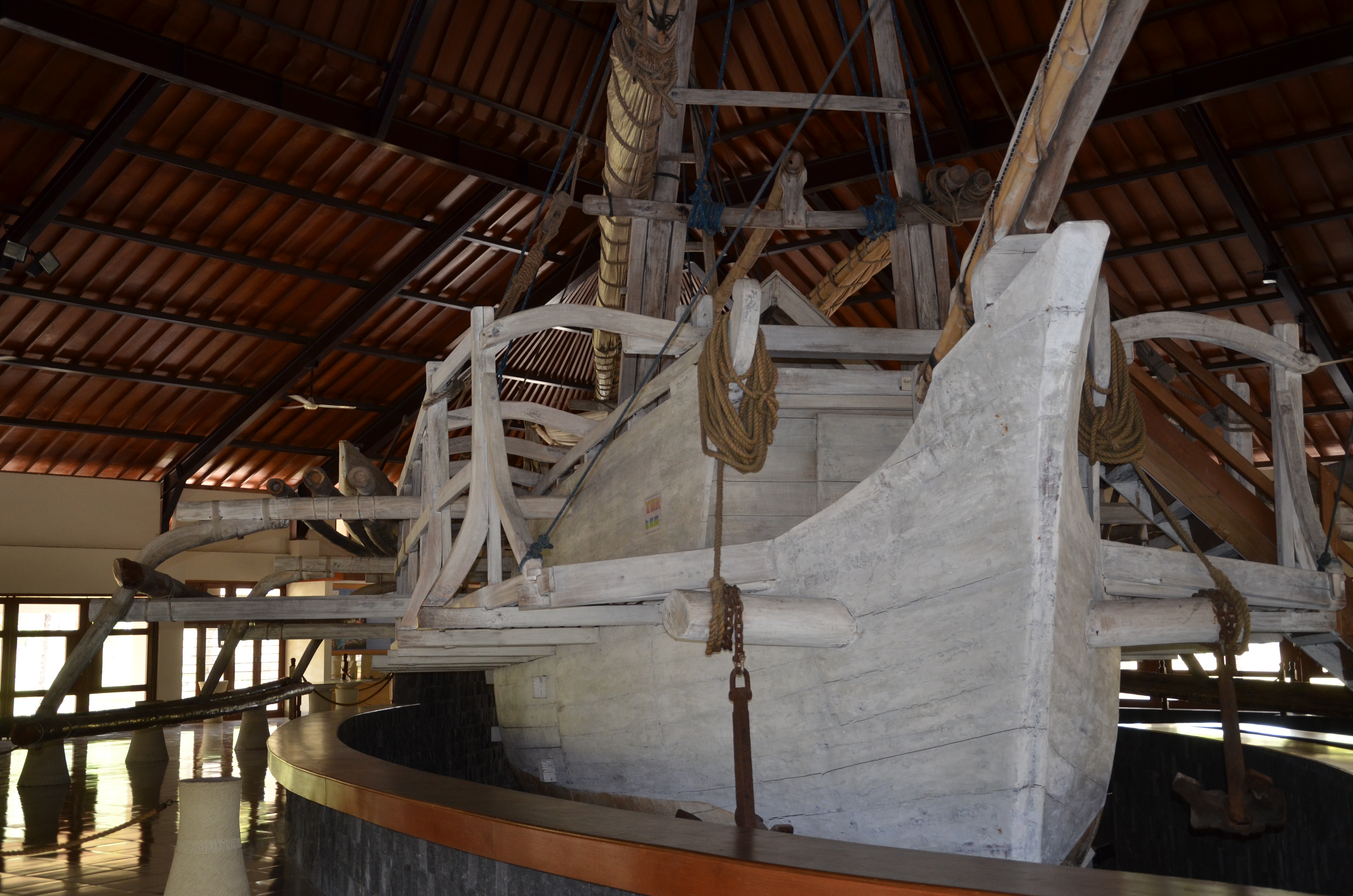
replica of Majapahit Boat, on display at Muzium Negara
Replica of Majapahit Boat, on display at Muzium Negara

How did they make the journey across open seas? The Greeks have described Malay vessels plying the Indian Ocean as early as the first century AD. Further clues as to the design of the vessels comes from the five bas-reliefs of ships on the walls of Borobudur, a 9th century Buddhist monument. This design survived through the centuries as evidenced by Majapahit boats of the 14 century; a replica of which can be found at Muzium Negara.

How best to determine if the ships on the bas-reliefs at Borobudur were really capable of making this open sea journey than by building an actual life-size ship and sailing it along the Cinnamon Route. This is exactly what Philip Beale did with the help of Indonesian shipwrights under the leadership of Assad Abdullah.

The Samudra Raksa
The Samudra Raksa, now housed at the Borobudur Museum

The Samudra Raksa (Defender of the Seas) set sail from Jakarta on 15 August 2003 and reached Seychelles on 12 September 2003. From here, it sailed south passing the Comoros to Madagascar. The journey did not end at Madagascar and the ship sailed further south rounding the Cape of Good Hope to reach Cape Town on 5 January 2004. On 23 February 2004 Samudra Raksa reached Accra in Ghana and the journey terminated here.

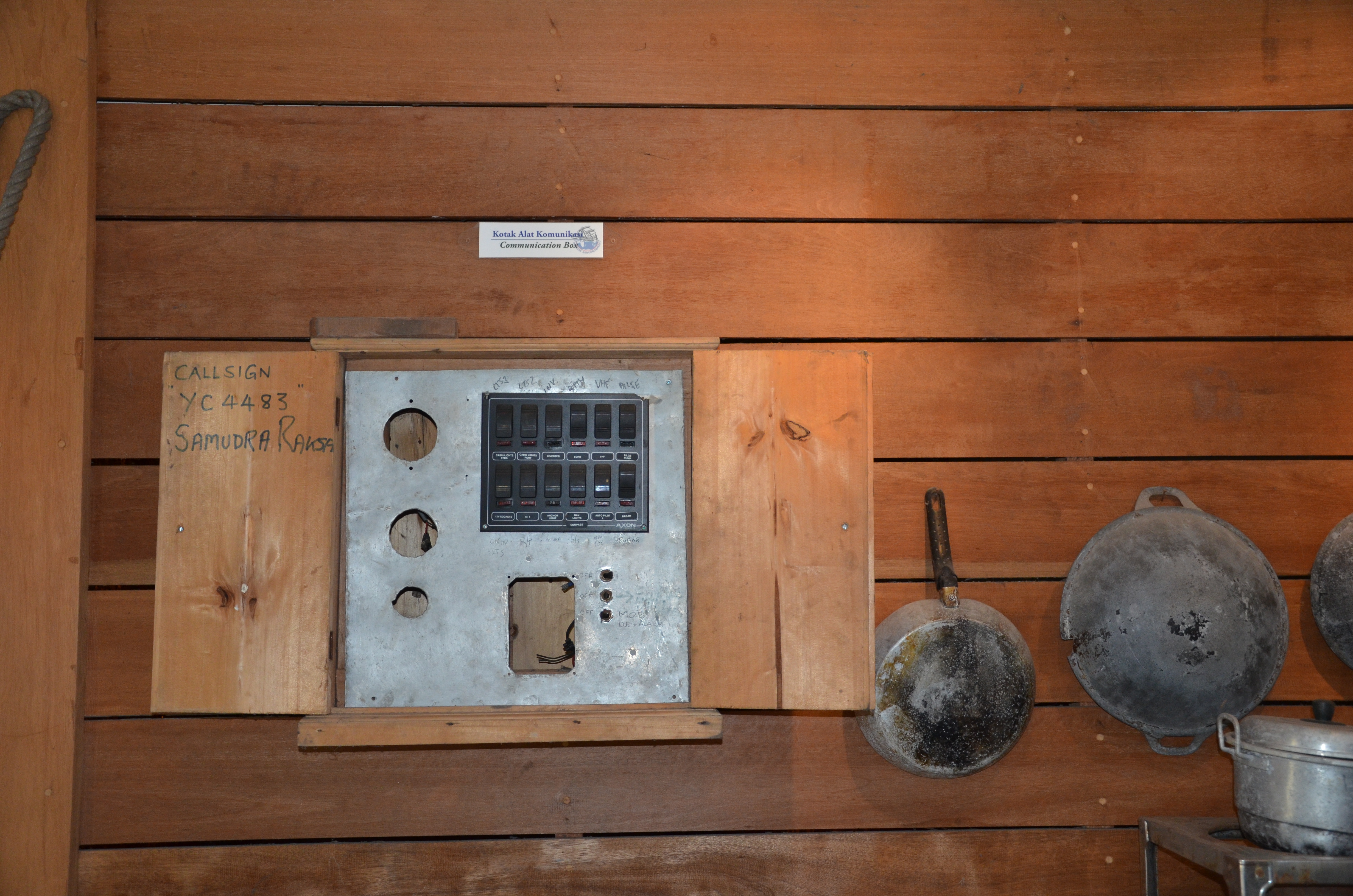
Communications equipment on the Samudra Raksa
Communications equipment on the Samudra Raksa (at Borobudur Museum)

This journey led by Philip Beale not only showed that it was feasible for Borobudur ships to made open-sea voyages across the Indian Ocean from Indonesia to Africa but that there was also the possibility that these ships rounded the Cape of Good Hope to western Africa, making the Indonesian seafarers the first to achieve this feat. There is circumstantial evidence pointing to this by the presence of yams, taro, bananas and Asian rice in West Africa in the first millennium AD.

The Samudra Raksa is now housed at the Borobudur Museum.

Beads for Beauty

by Maganjeet Kaur

This is an on-going exhibition at Muzium Negara until 31 Mar 2014. The exhibition showcases the usage of beads in Malaysia both for personal adornment and for the decoration of belongings such as baby carriers.

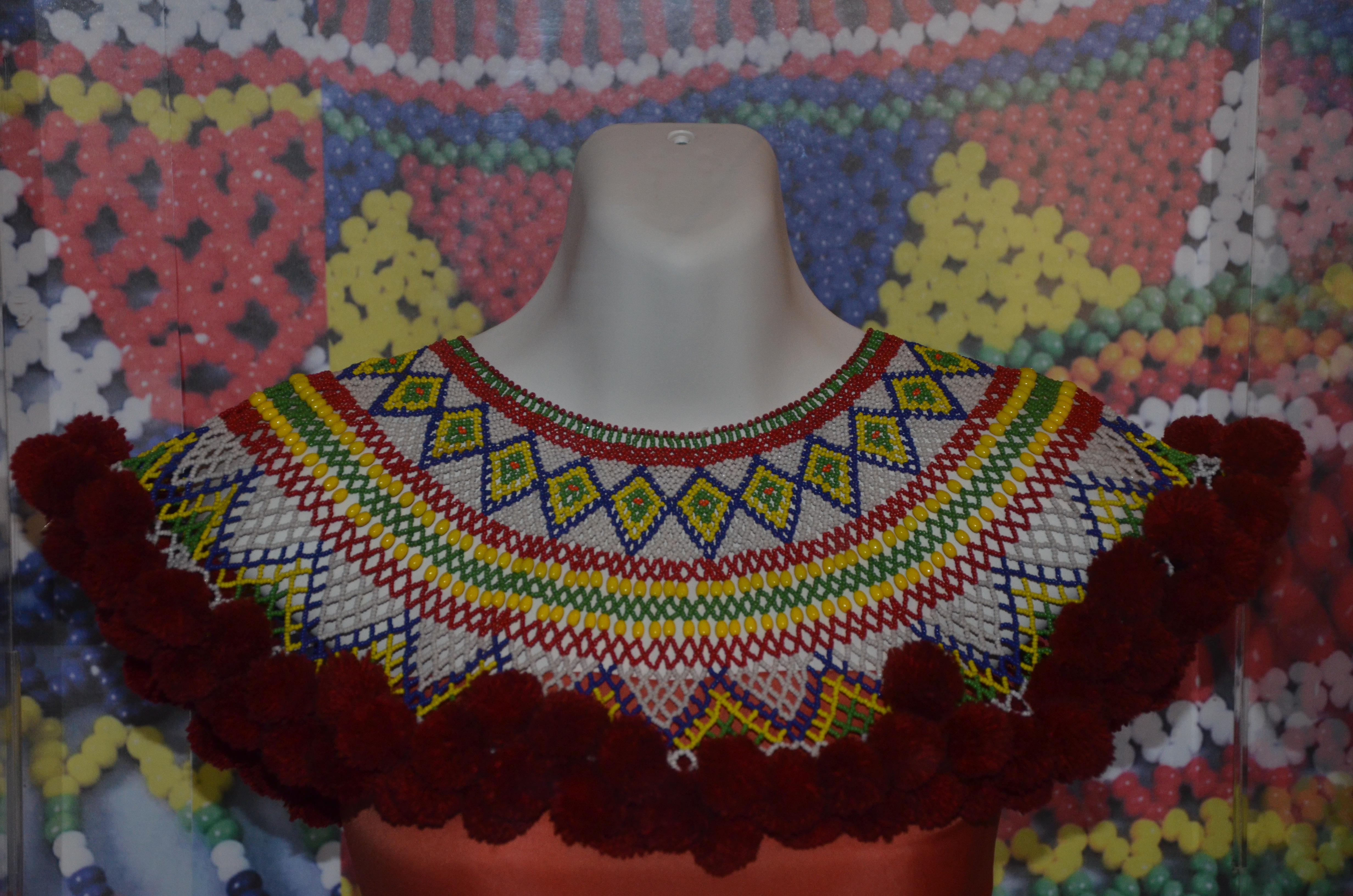
This bead collar, known as Marek Empang, is worn together with the traditional attire of the Iban

Beads have been used as jewellery in all cultures and are among the oldest artefacts found at archaeological digs around the world. Early jewellery used to be made of bones, teeth, shells and pebbles and the earliest jewellery found to-date are made of shells from the marine snail Nassarius. Dated to 85,000-100,000 years ago, beads made of Nassarius have been found in caves in Israel, Morocco and Algeria.

062
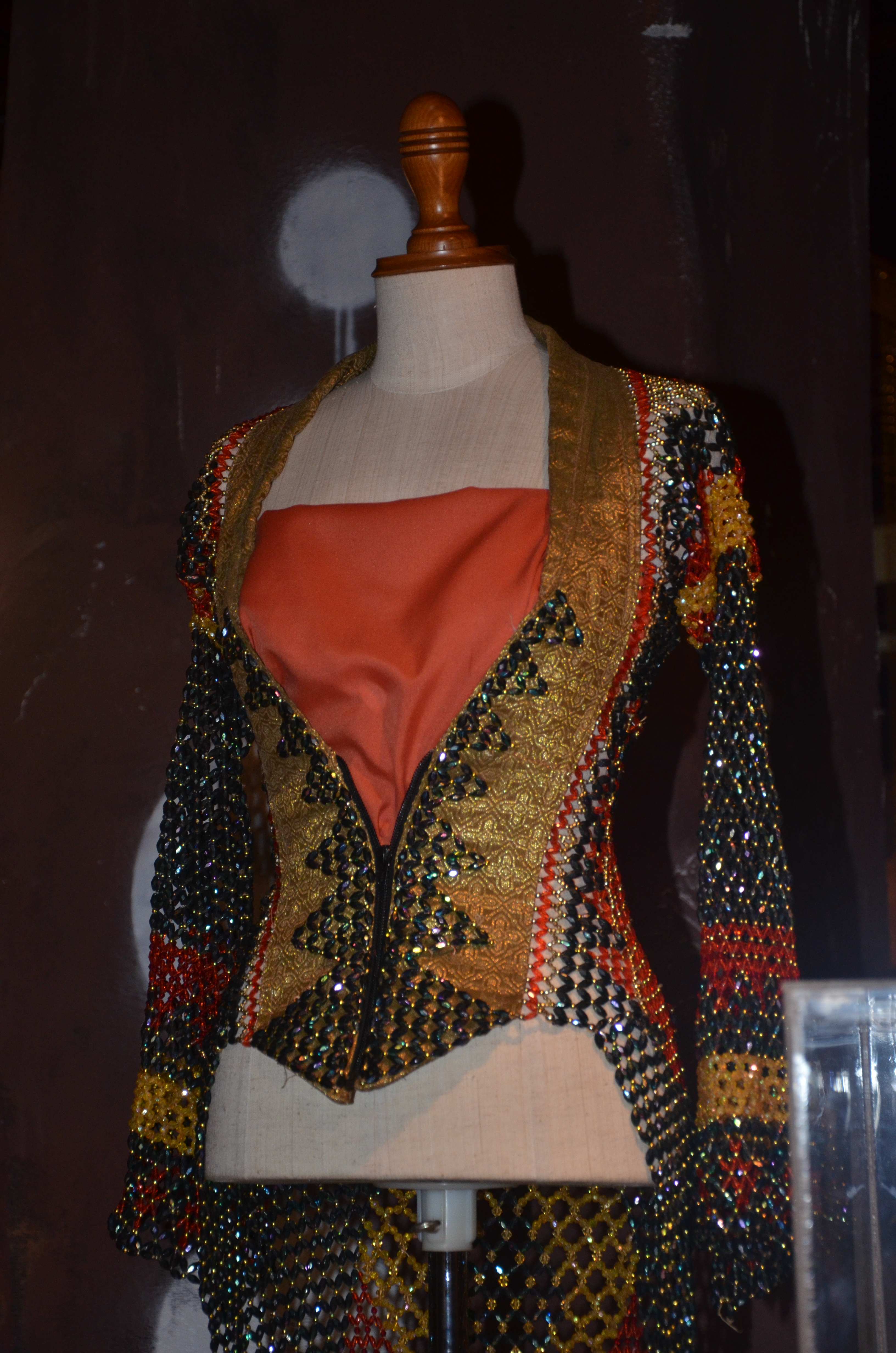
This is an ‘Inang Menora’ dress that originated at Tanah Merah in Kelantan. This dress was worn by the Mak Yong or Menora dancers and was used to still the mind in healing rituals.

The Malay word for beads is manik which is derived from the Sanskrit word manikya meaning precious stones. The earliest beads made of glass and precious stones found in South-east Asia came from India, most likely the South Indian bead making facility at Arikamedu and beads became a major trade commodity in South-east Asia. Regional manufacturing centres later developed at Kwan Luk Pat in Thailand, Mantai in Sri Lanka and Oc-eo in Vietnam. Beads were produced locally from the 7th century and bead manufacturing centres developed at Kuala Selinsing (Perak), Sungai Mas (Kedah) and Santubong (Sarawak). In the 1800s, Venetian and Bohemian glass beads were introduced by European traders. The diversity of patterns and their mesmerizing colours made these favourites for personal adornment.

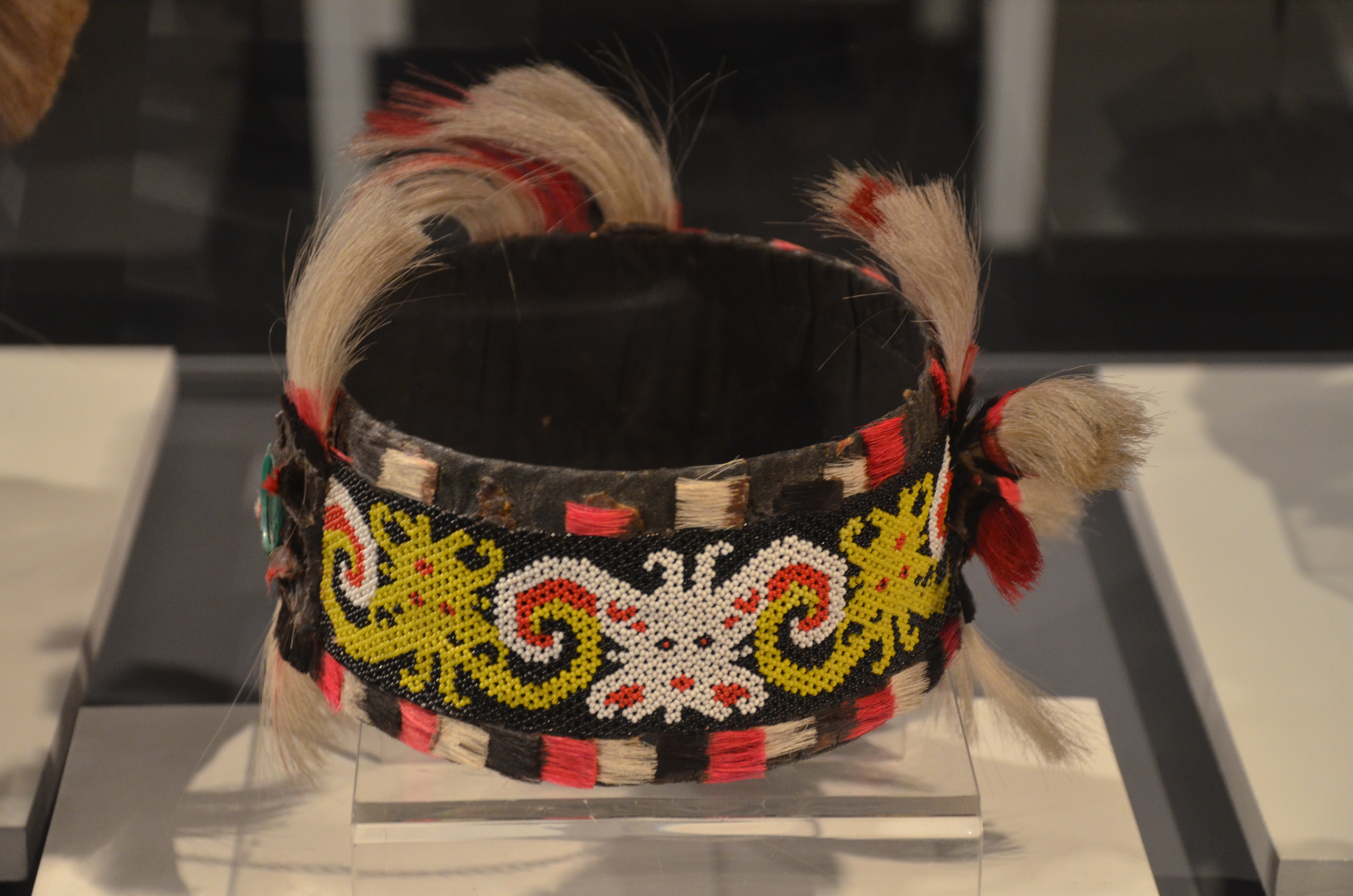
This headdress is worn by the women of Dayak Kenyah. It is decorated by yellow and white beads in the motif of ancestral spirits. It is also decorated with white horse hair at the top.

Starting out as jewellery, beads were later adopted as symbols of wealth depicting the social status of the person wearing them. Beads were also treated as currency, for example for the Lun Bawang community, 50 beads of bao tulong buror (straw beads) equals the value of a buffalo. Some beads were believed to have special powers and were used as an intermediary when performing ceremonial rituals.

Heirloom beads were considered special and not traded. Reattaching heirloom beads required a ritual to summon the spirit of the bead and required special skills to do so.

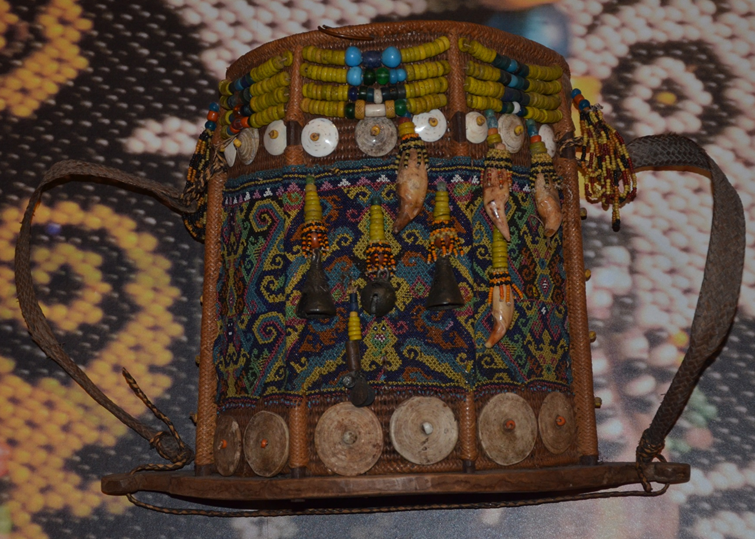
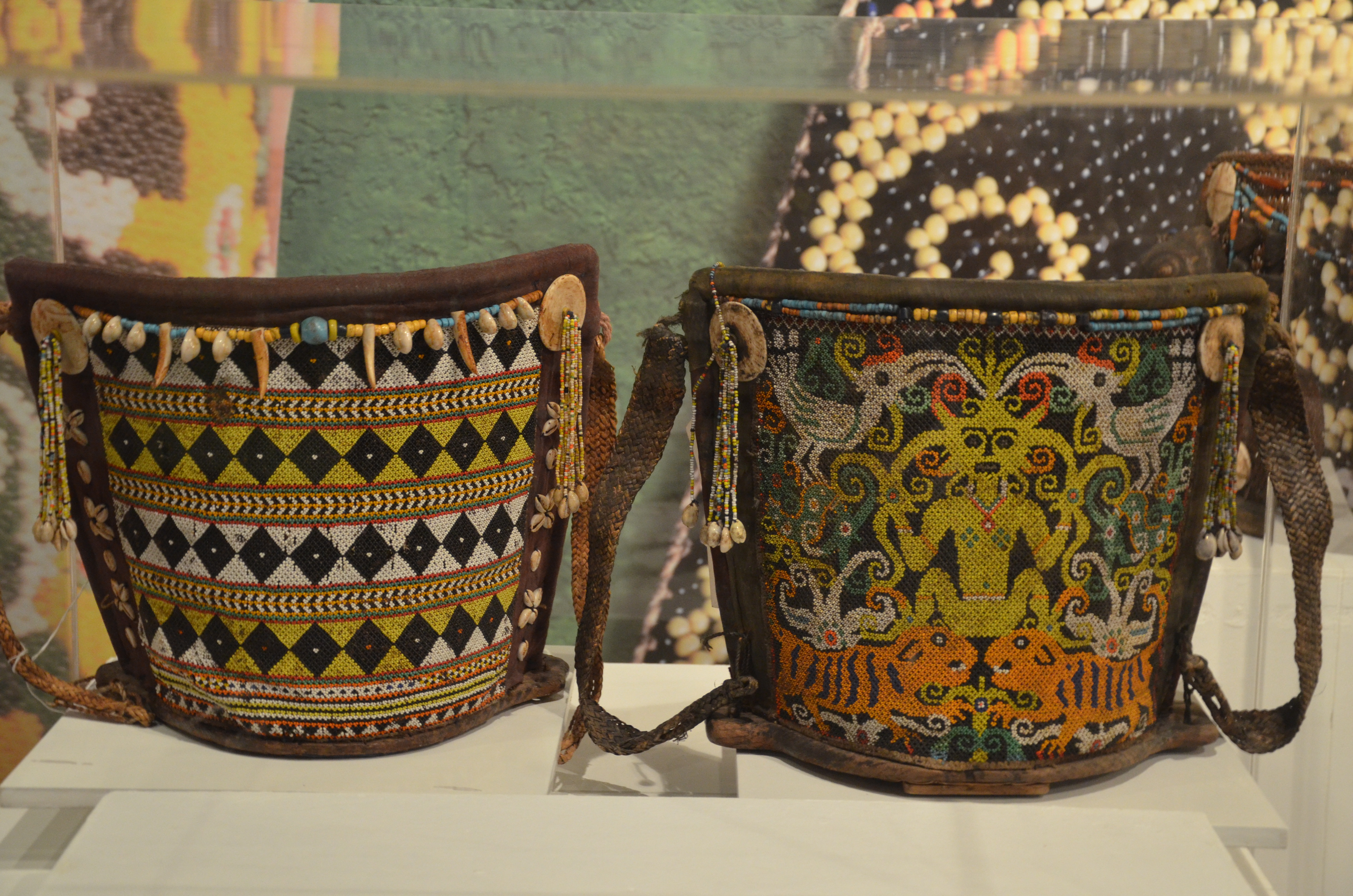
baby carrier

The baby carrier in the picture above is decorated with beads, shells and the canine teeth of a tiger. The shells and teeth produced a clinking sound which is believed to ward off evil spirits. The number of canine teeth hung gave the indication of the sex of the baby; even number for a girl and odd for a boy. This baby carrier would have been used to carry a baby girl as there are 4 canine teeth hung.

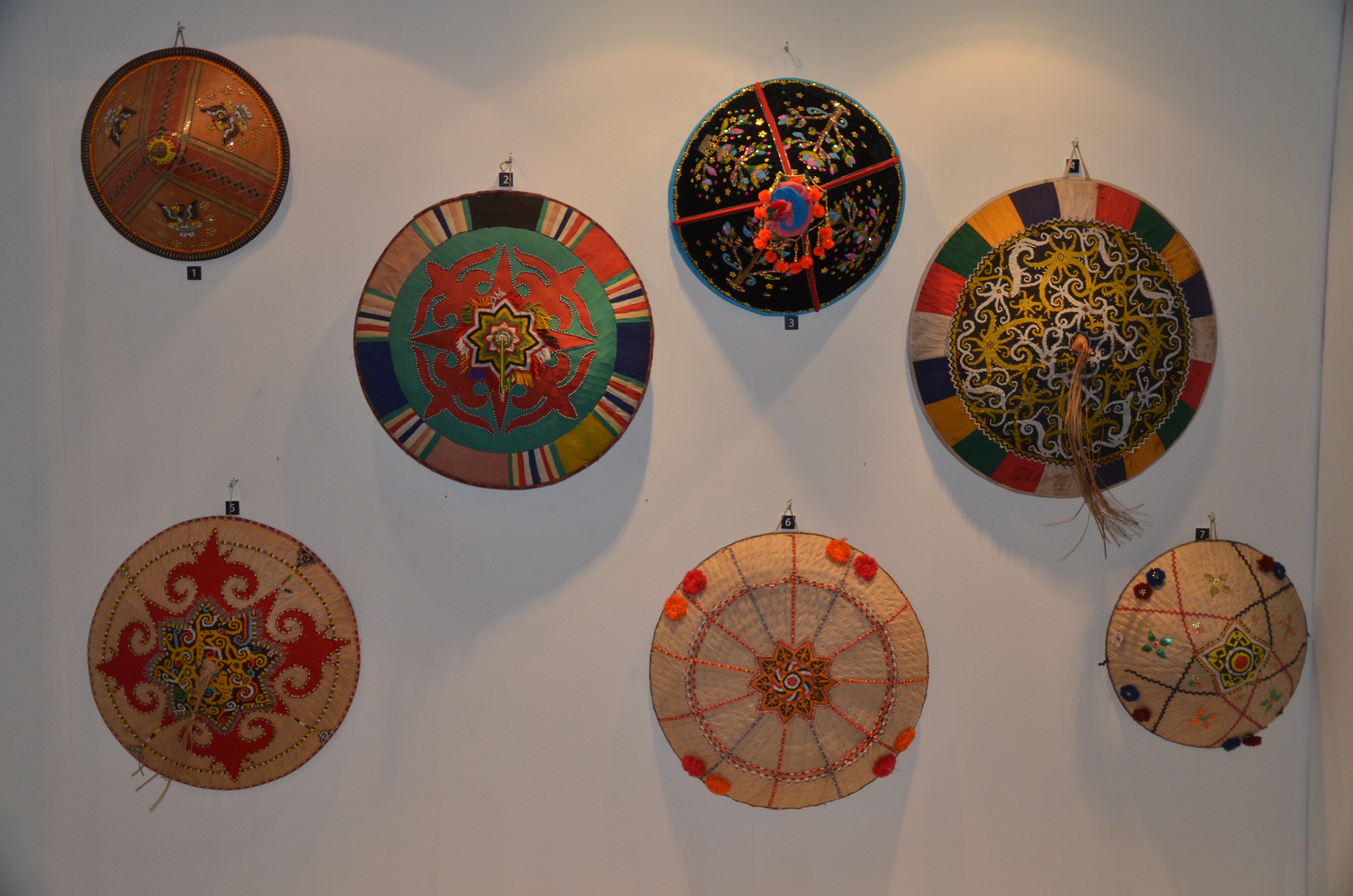
Woven sun hats from Sarawak known as 'Terendak'
Woven sun hats from Sarawak known as ‘Terendak’
132

Baby carriers in Sarawak are made of bark, rattan or wood and decorated with beads.

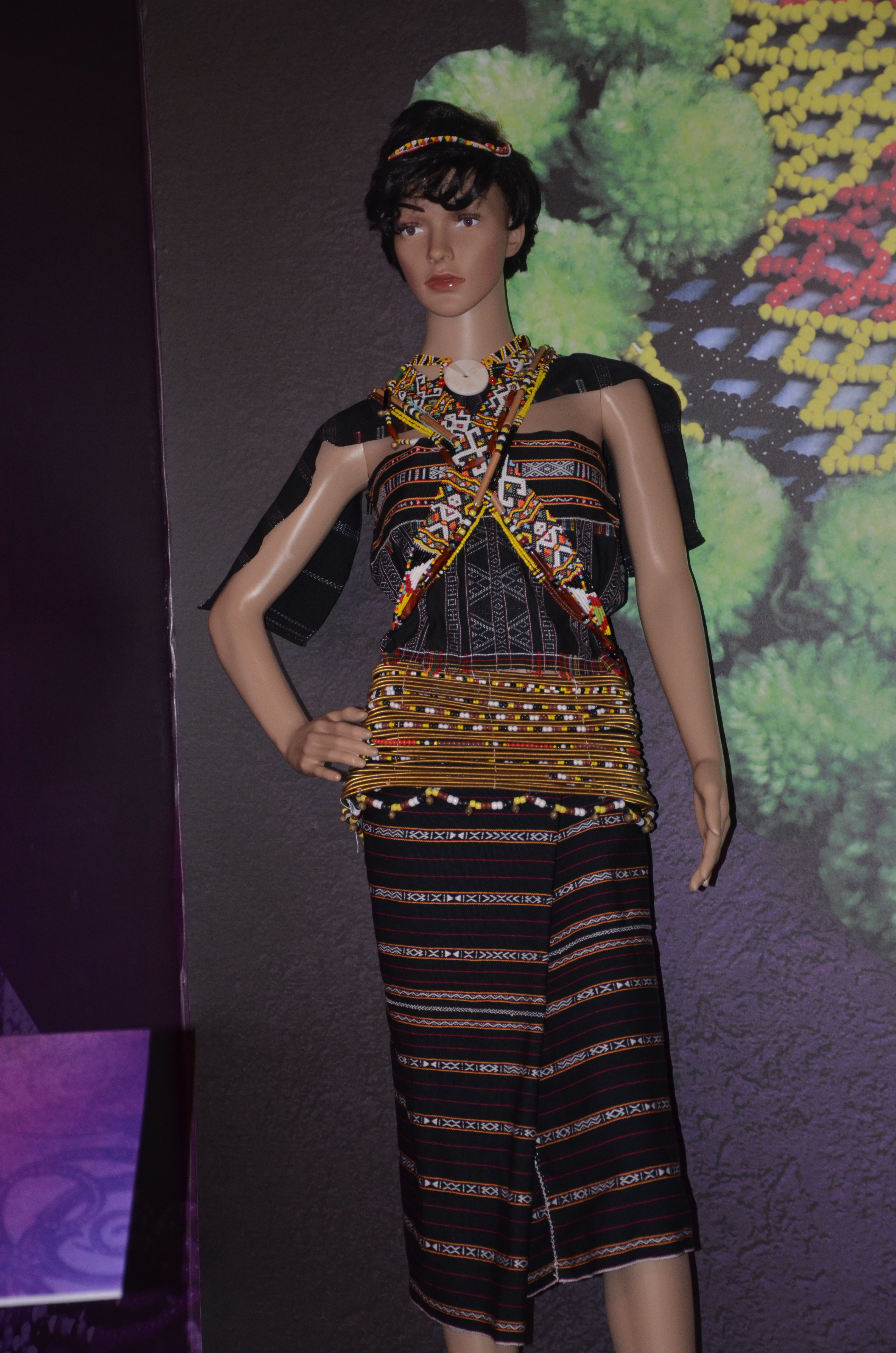
Traditional costume of the Orang Ulu women
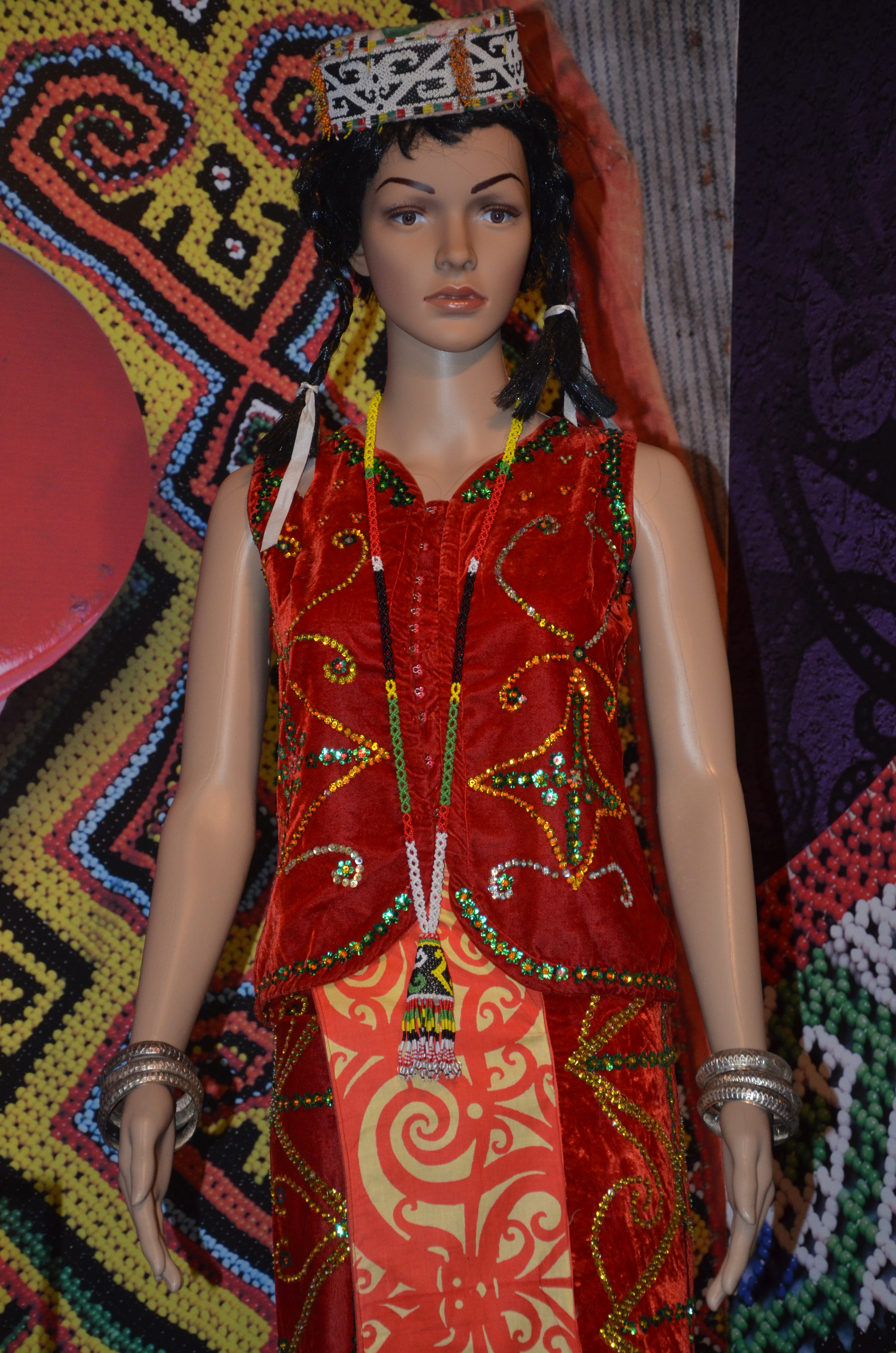
Traditional costume of the Rungus women

MV Pot Luck – 2014

by Lena Koh Maltesen

After Ian Burnet’s presentation on the spice routes, what better way to savour the tang of turmeric, the kick of cloves and sniff the aroma of cinnamon than through the dishes that the museum volunteers brought to the Annual Potluck. More than 40 trainee and graduated guides attended the lunch held on the grounds of the National Museum on 25 January 2014.

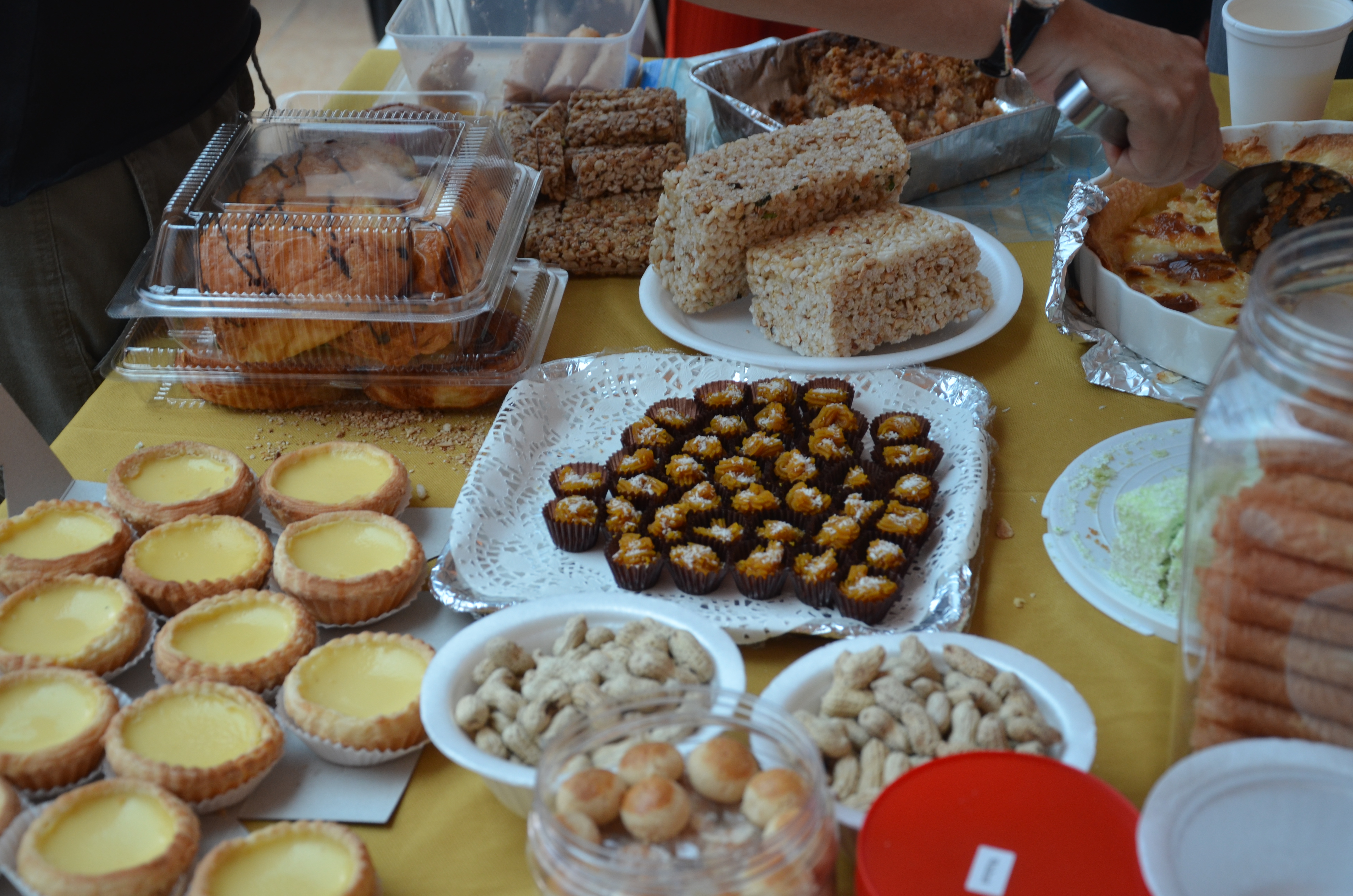
049Representative of the different races of the museum community, we were treated to French quiches, Danish rolls, Portuguese egg tarts, idaly (Indian bread made from rice flour) served with traditional Indian lentil curry and coconut, pulut panggang (glutinous rice with coconut wrapped with bananas leaf and fragrantly grilled), fish cutlets, soya chicken wings, almond cookies, sushi rolls and much more. In keeping with the forthcoming Chinese New Year, we also had a big box of Mandarin oranges. Jabatan Muzium not only generously sponsored the roti jala (a Malay pancake made of flour that has been artistically interwoven to form a lacy pattern) eaten with chicken curry, the Malay seri kaya dessert and refreshments but added a platter of delicious fried noodles.  The trainees of Batch 20 and 21 were happily exchanging notes of their experience whilst learning more from each other on the origin of the dish each had brought.

066
Forging new friendships

All helped to set the table and lay the dishes in true spirit of camaraderie. Starting as strangers and after going through the trials and tribulations of 16  weeks of rehearsals and presentations, a kind of kindred spirit prevailed with some even volunteering to practise guiding with each other. Definitely, I felt that the Annual Potluck is the last of the icebreakers that undoubtedly forge new friendships.

This reminded me of the International Day that schools host to celebrate the diversity and the unity of the multi-racial community. If only we had the ronggeng dance and the national costumes. Perhaps next year, we shall come with our traditional costumes with background music to match …

033 011

Find more photos on Facebook of both Ian Burnet’s talk and the Pot-Luck.

Trip to Melaka – in Pictures (15 Jan 2014)

by Magan

The MV organises a trip to Melaka every year as part of the training curriculum for new volunteers. This year’s trip was spiced up with a visit to the Hang Tuah Centre and to the Malaysia Architecture Museum. Interesting titbits of information from our knowledgeable guides, Shaukani and Eddy, made the trip even more memorable.

Read all about it in Janet’s write-up which will be published in February’s newsletter. In the meantime, enjoy the photos below remembering that you can view the full size image of a picture by clicking on it. Anybody else who wants to share their memories of the trips (either Wed or Sat), feel free to send the article to me.

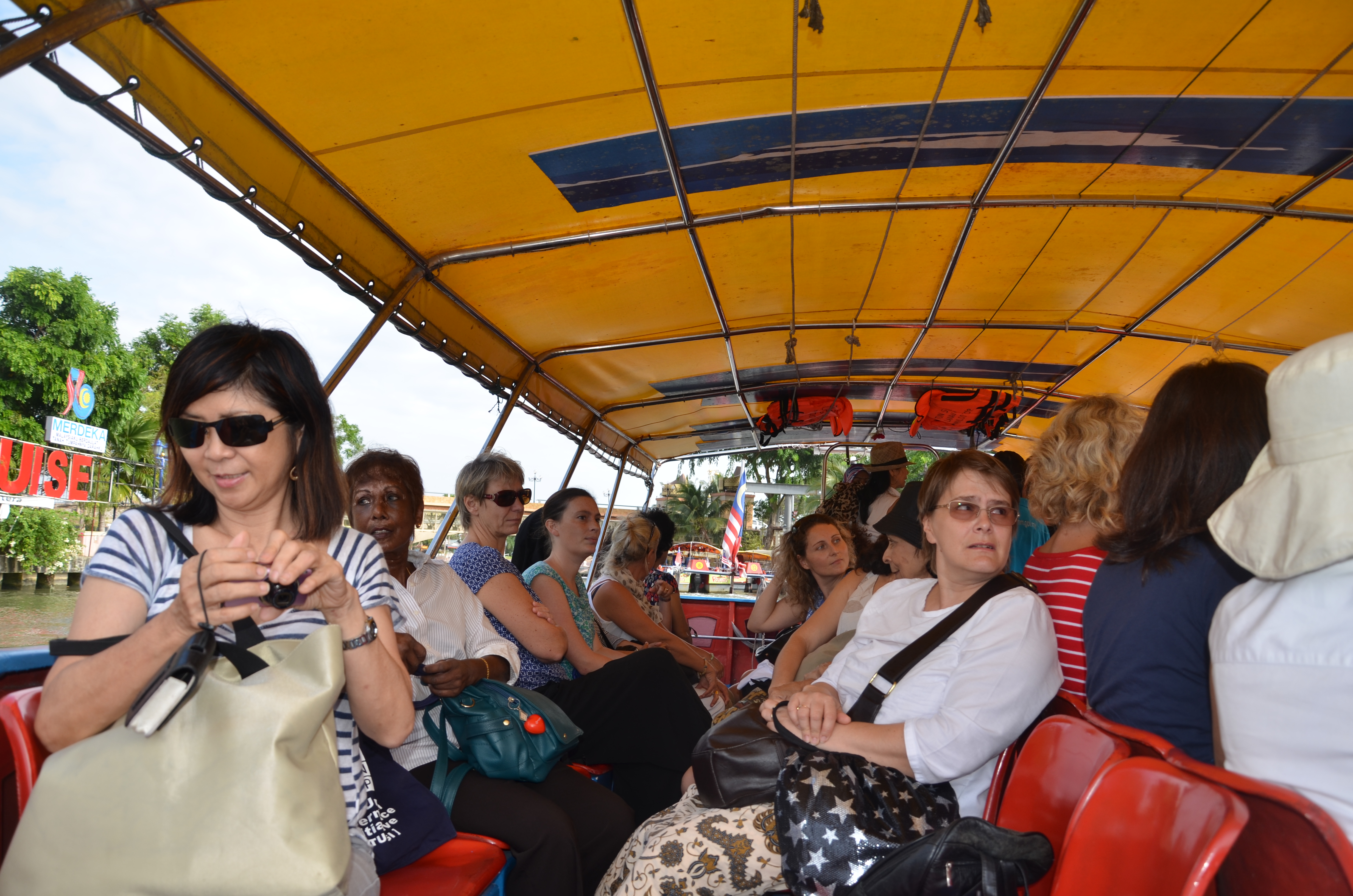
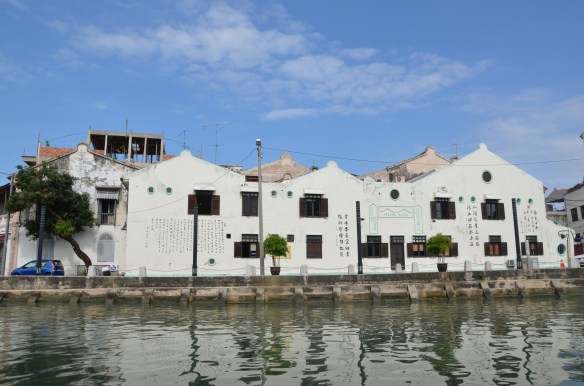
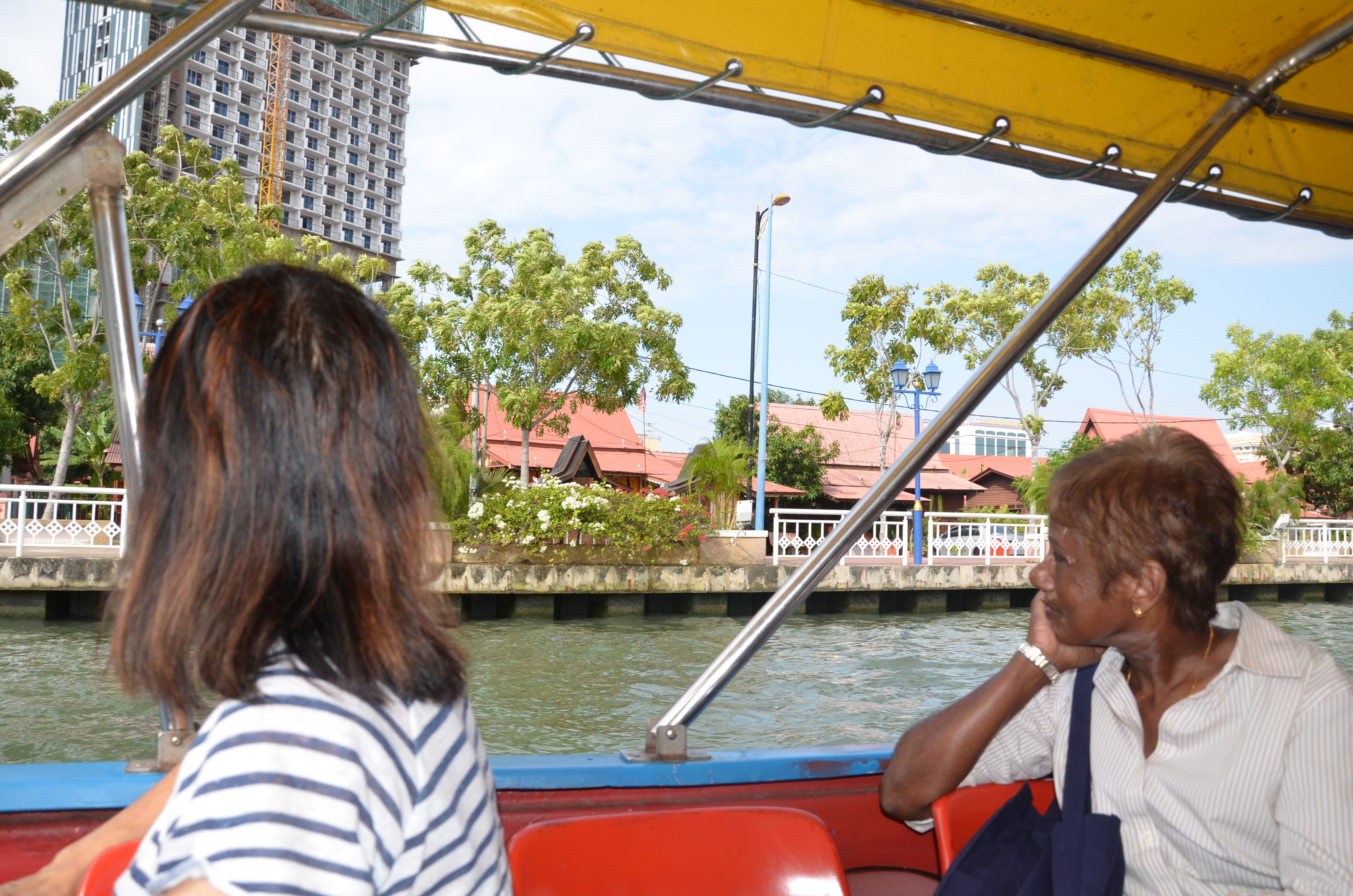
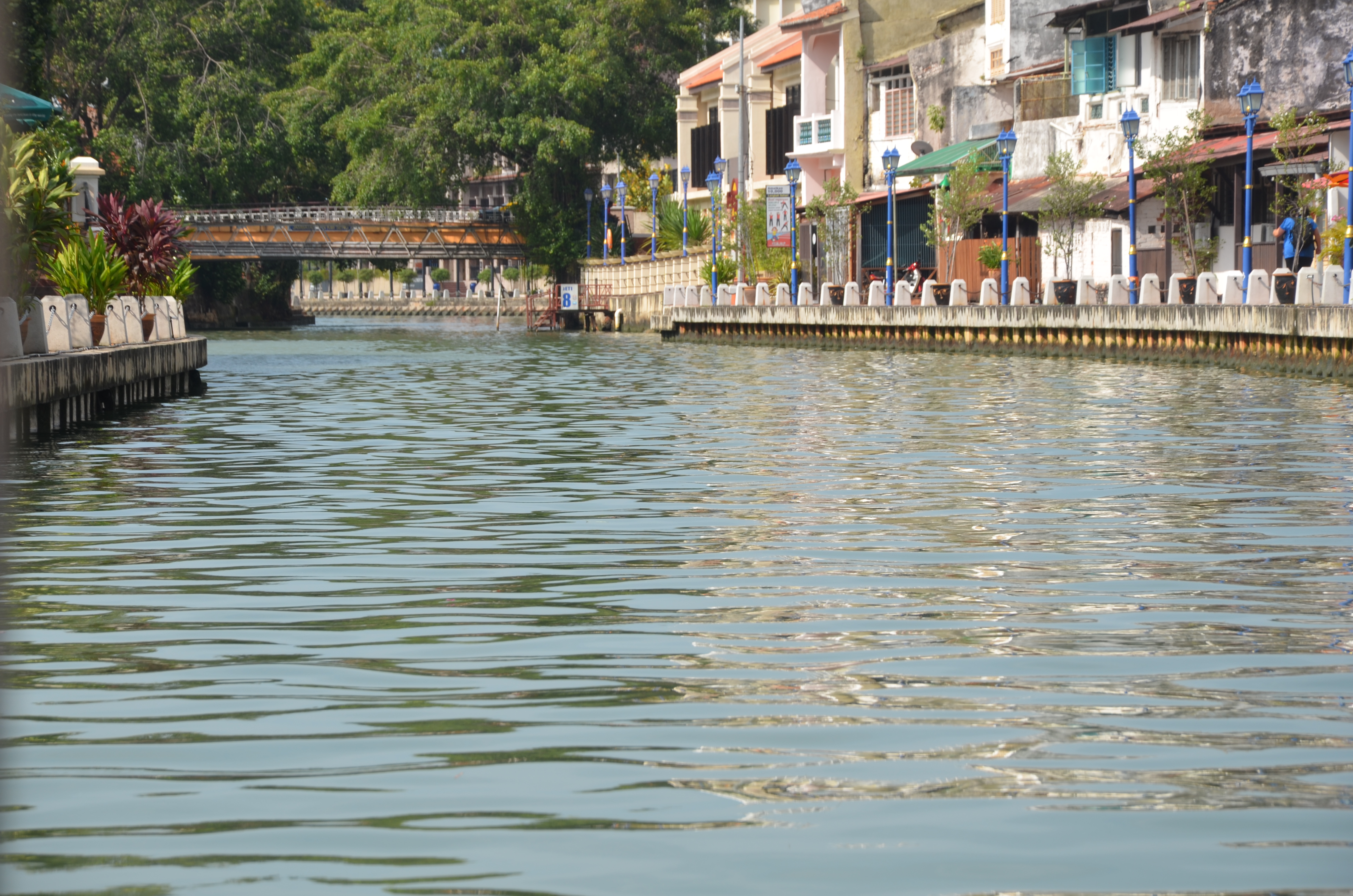
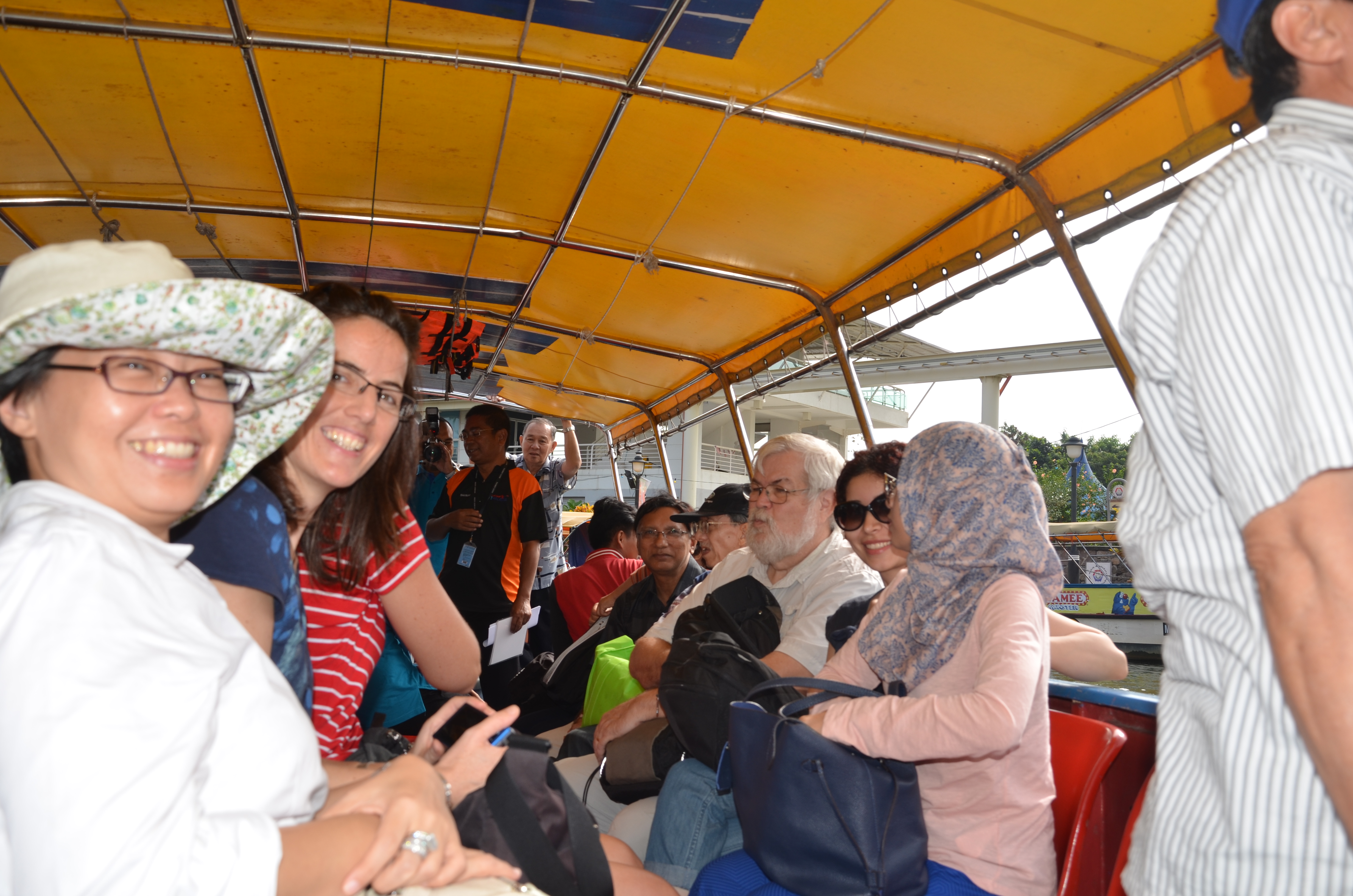
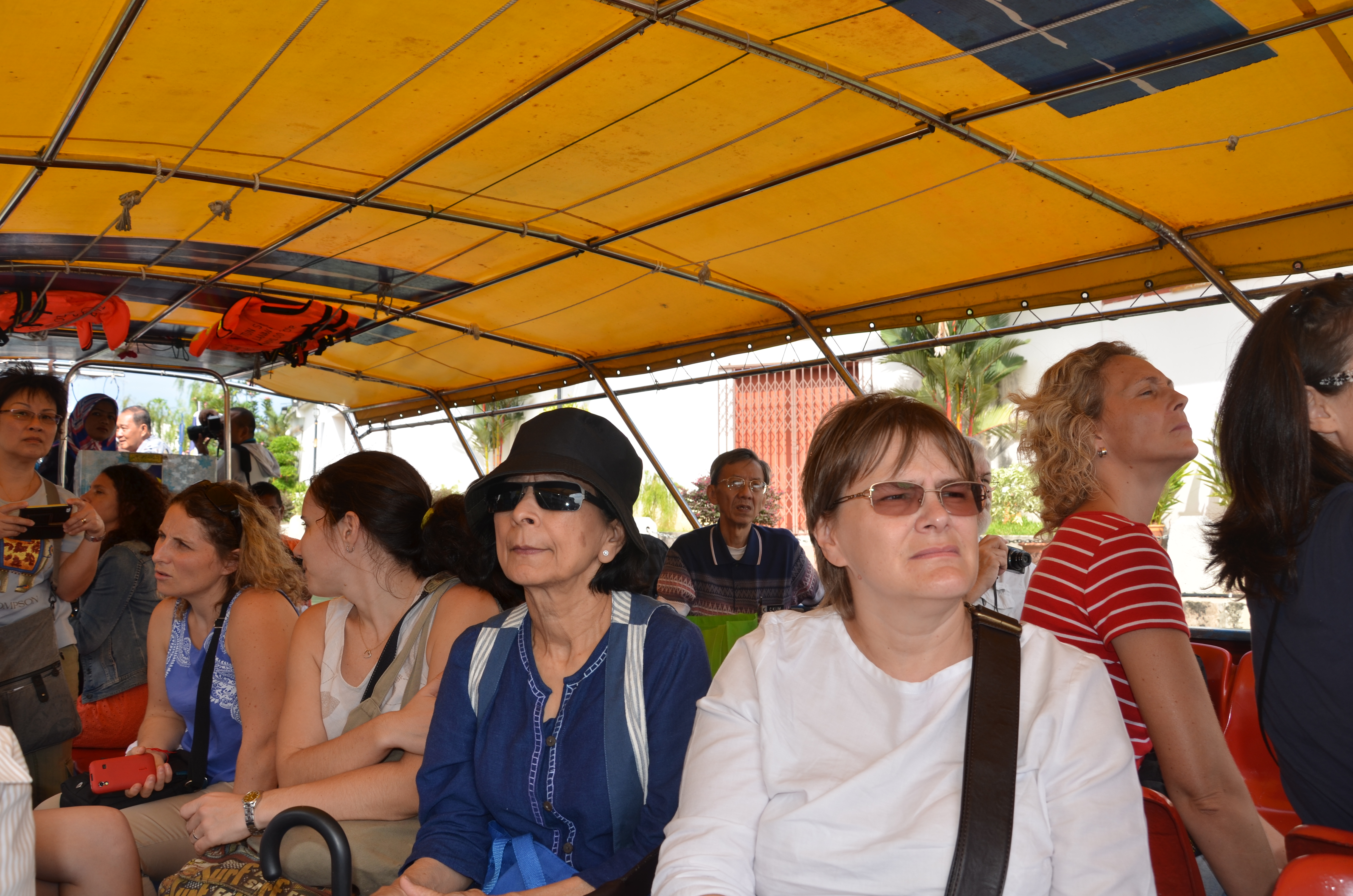
001The tour started with a cruise on the Melaka River. Lined with historic buildings and villages, this is a river steeped in history and which saw the battle for Melaka being fought.

The Melaka government spent Rm320 million cleaning up and beautifying the river and, I think, tourists will agree that it was money well spent.

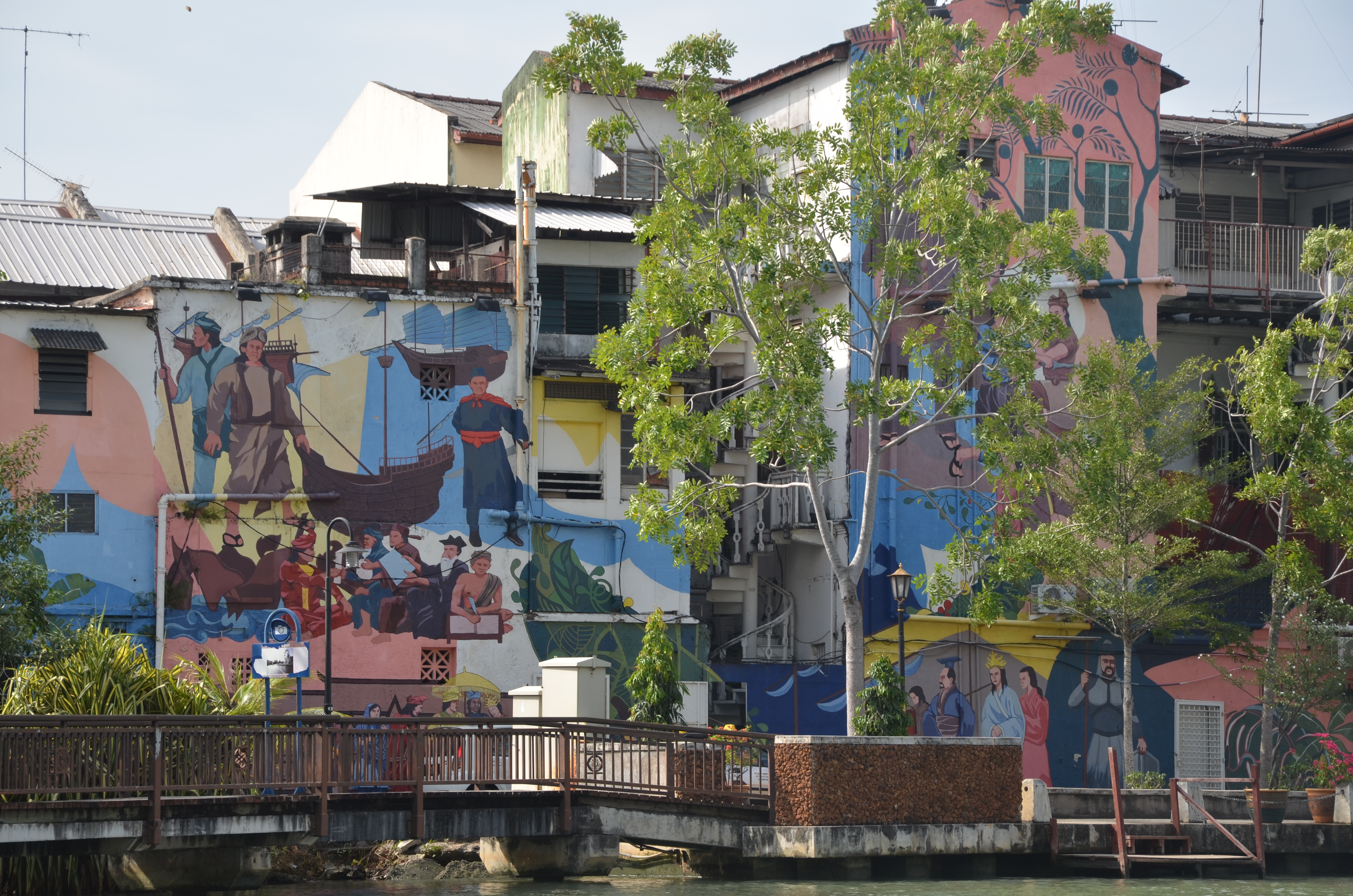
Paintings on the buildings alongside the river certainly gives the street art of Penang a run for its money.

014026

035

008Kampung Morten is a Malay village dating back to the 1920s. It was named after a British Land Commissioner who is credited with providing houses for at least 85 locals. This village, having houses built using traditional Malay design with long roof and tiled stairs, can be glimpsed from the river.

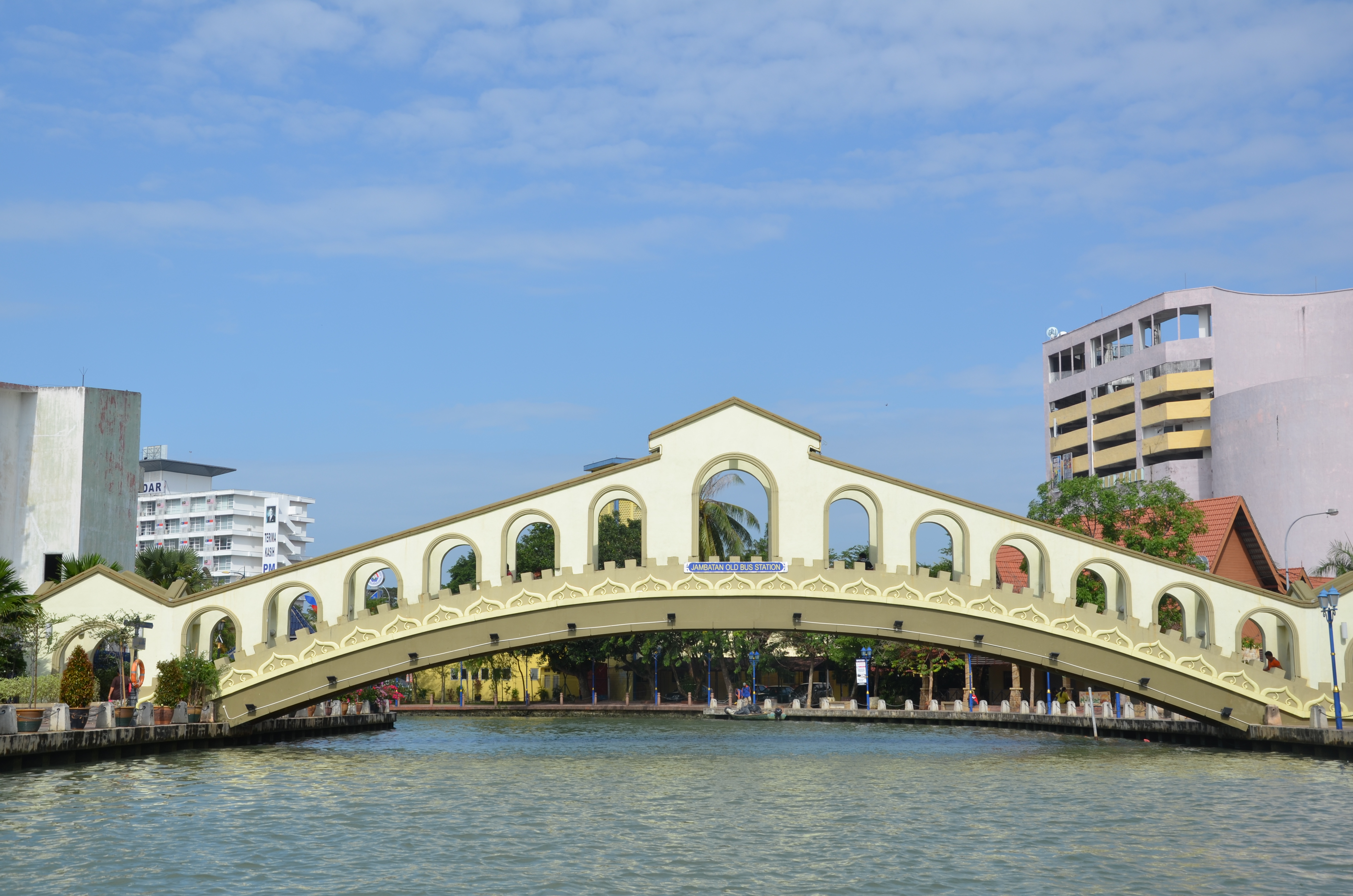
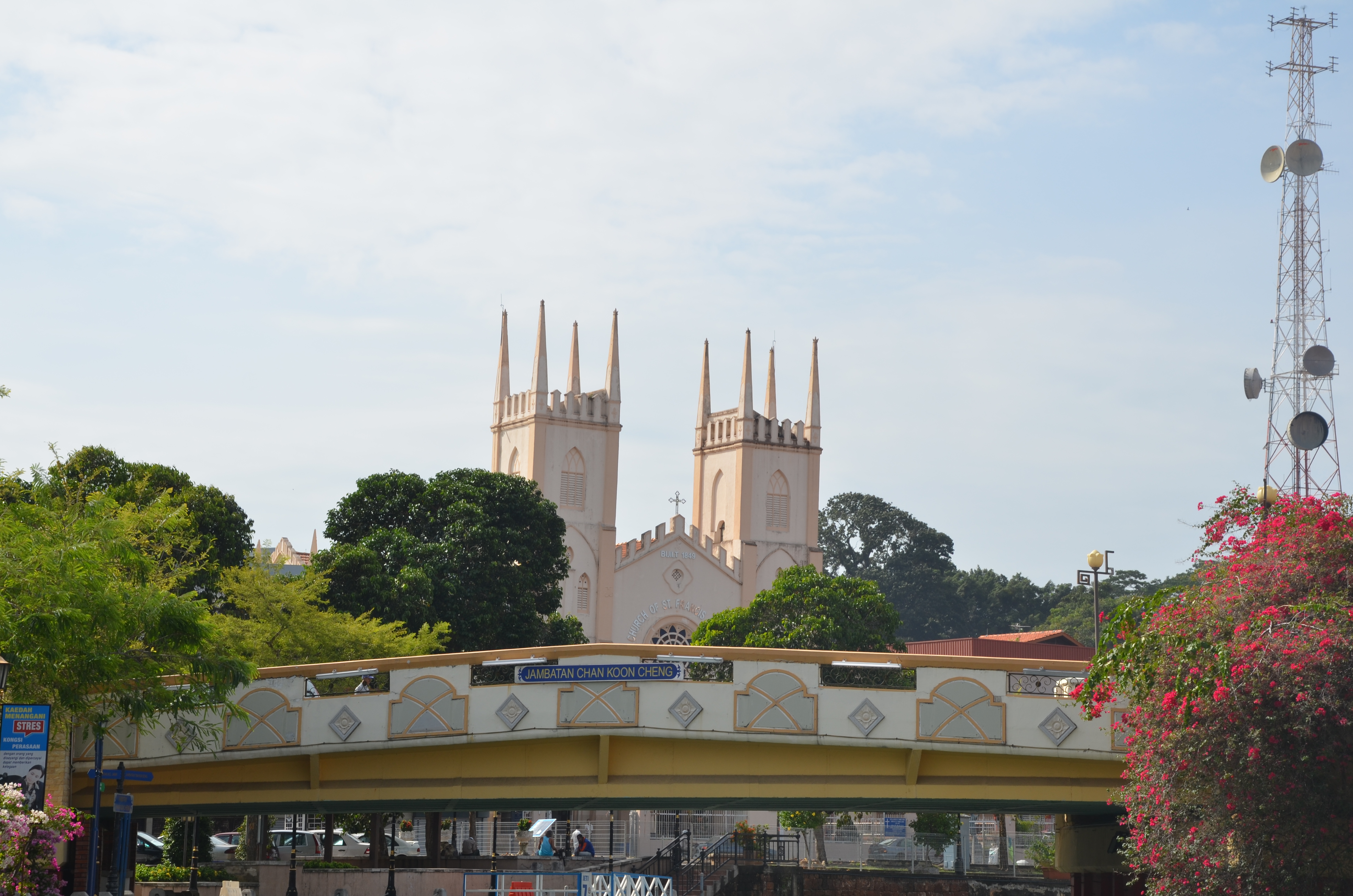
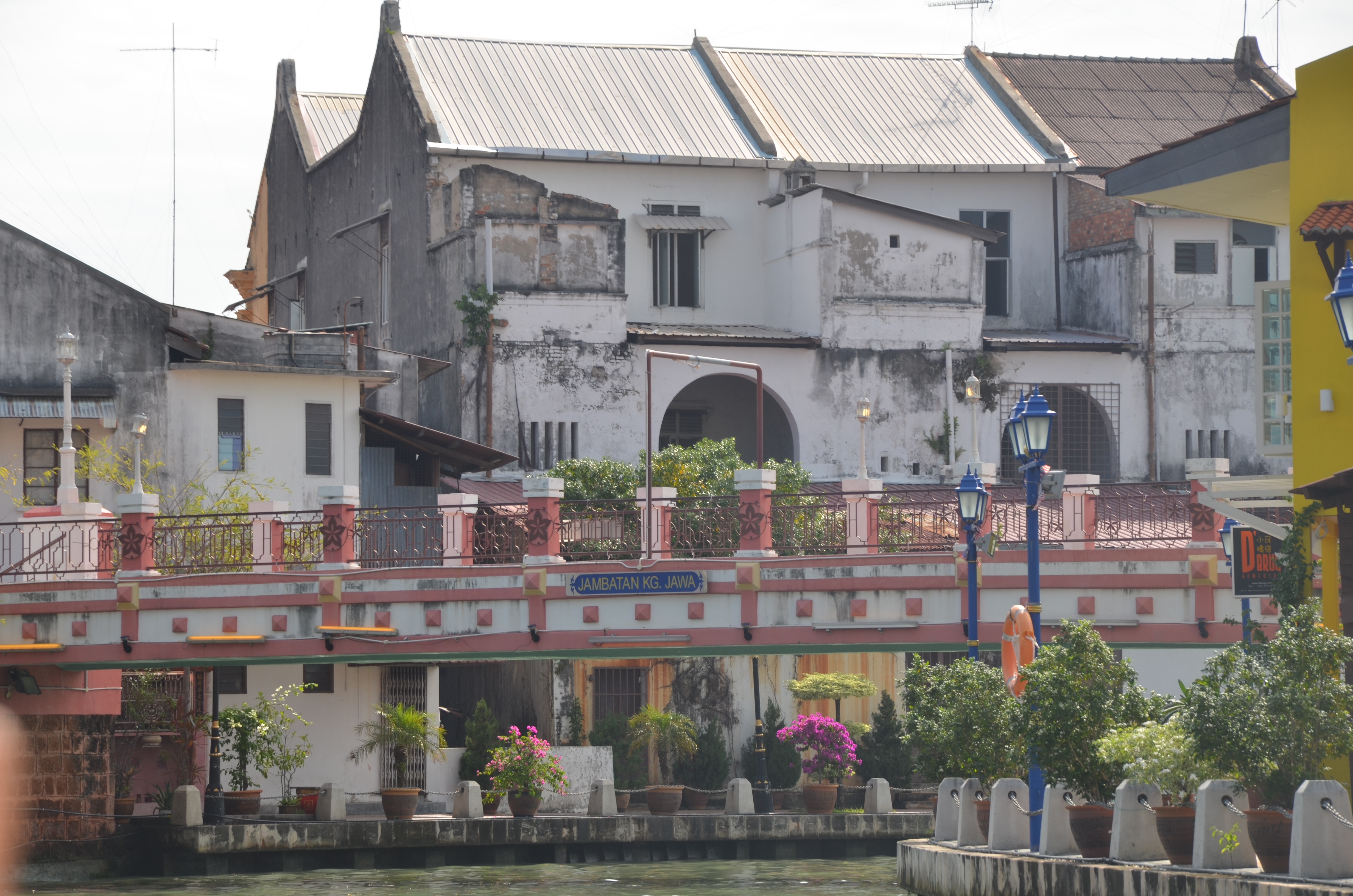
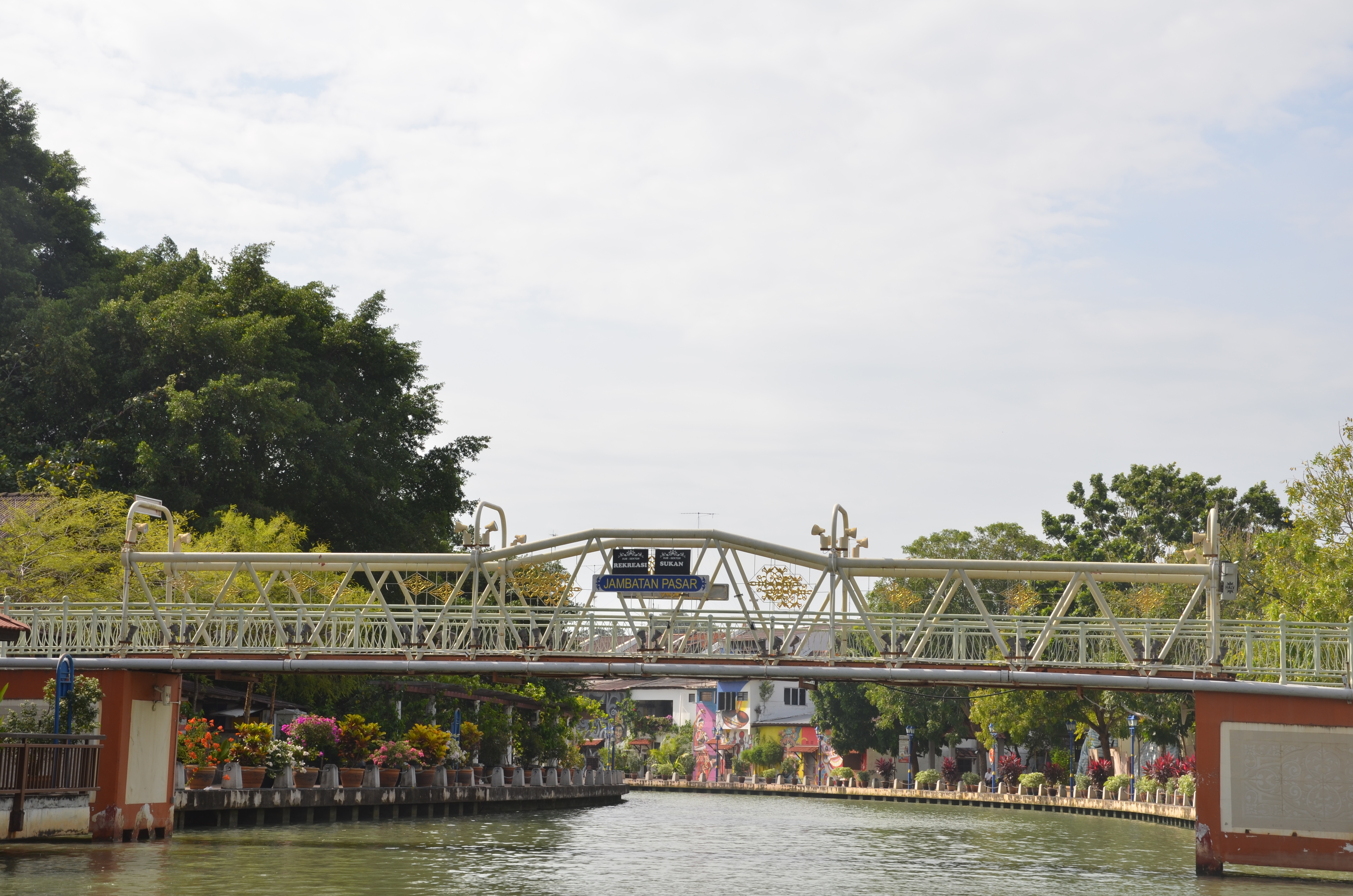
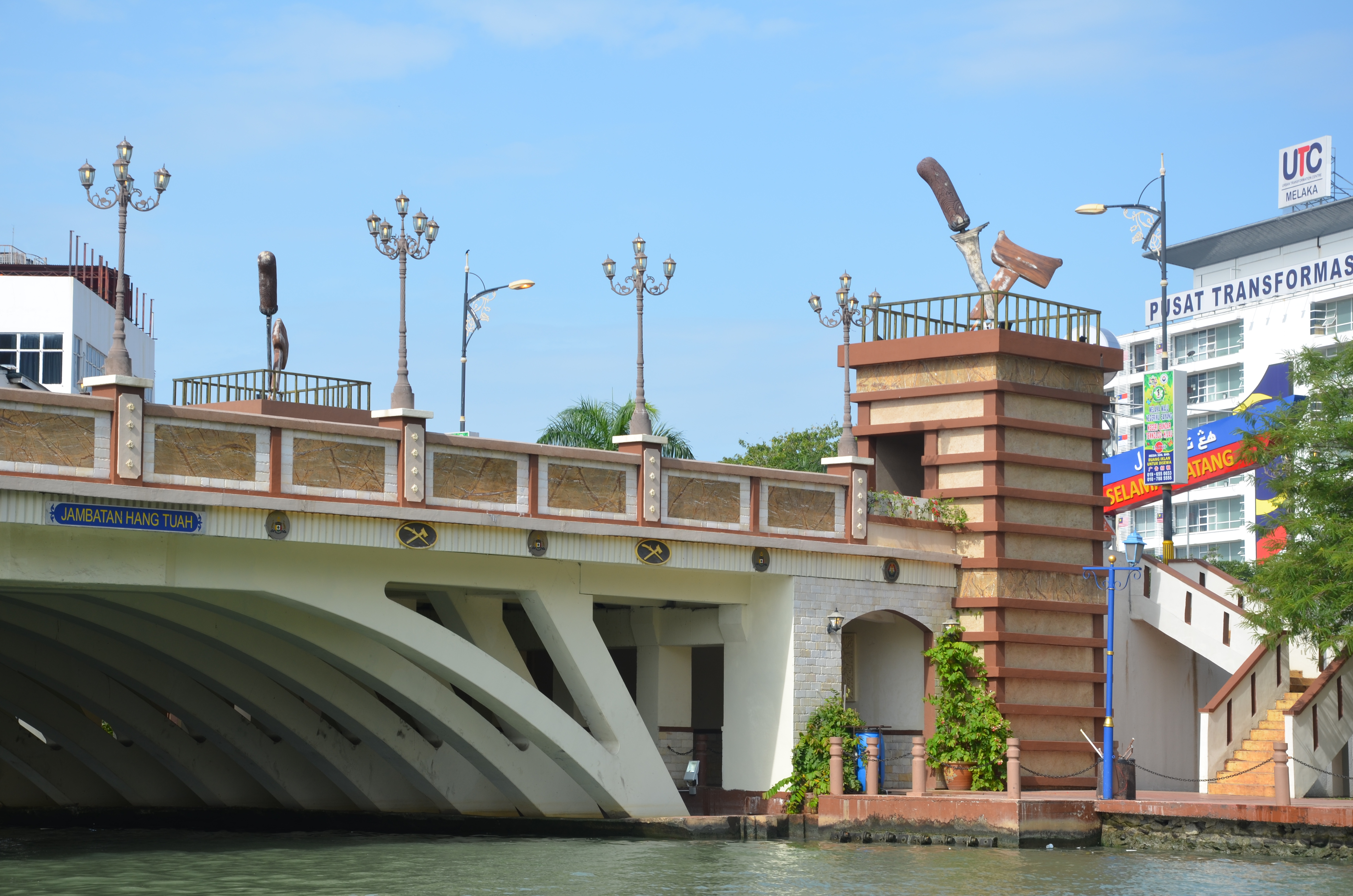
Eight bridges cross the Melaka River – some simple and some elaborate.

017032030023018033

004029

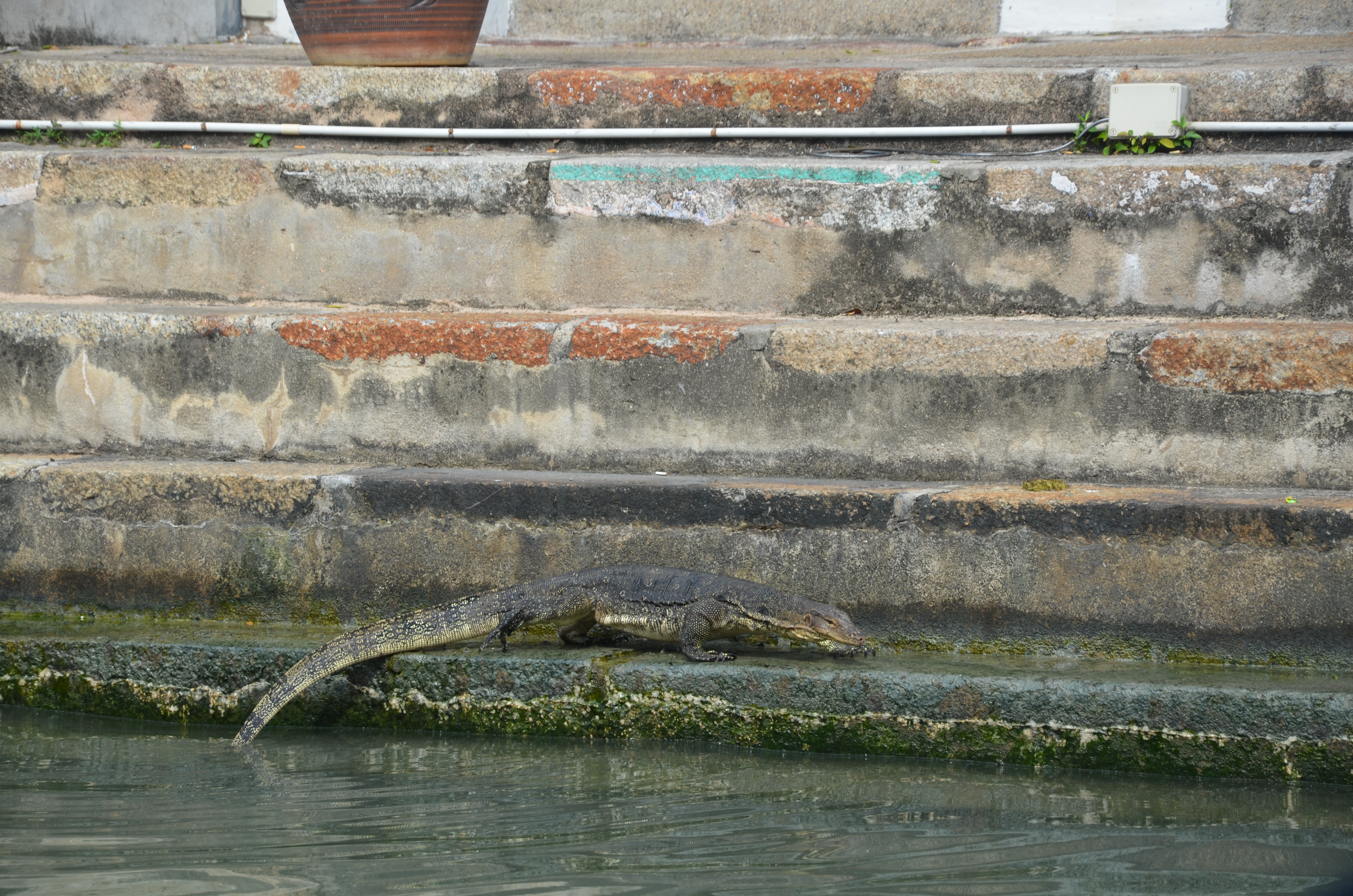
Monitor lizards, being a protected species, abound in the river and are easily spotted.

045

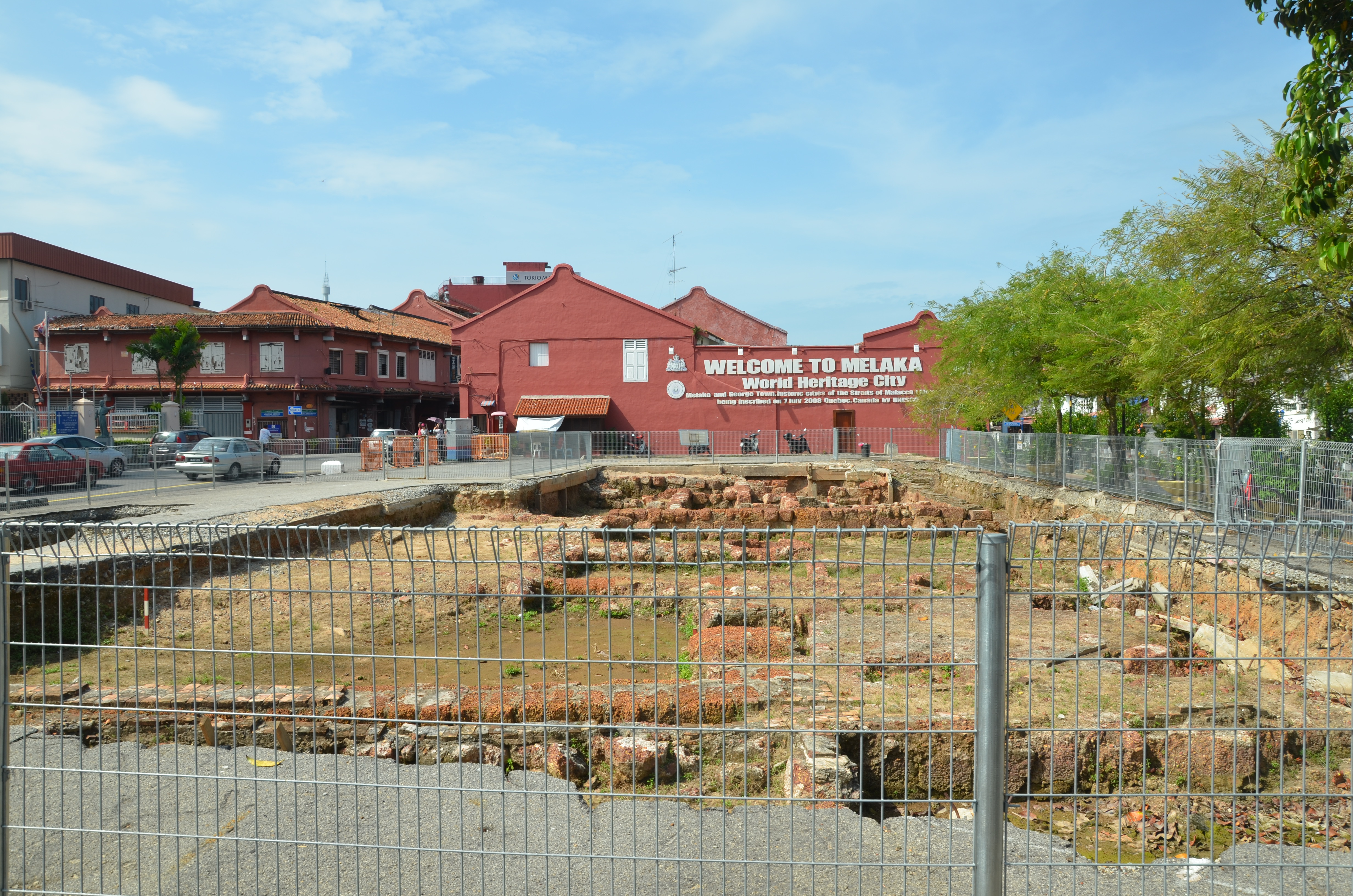
061As we know the Fortaleza de Malaca, or more commonly known as A Formosa, was destroyed leaving only the Porta de Santiago standing. However, a few years ago, the ruins of Bastion Victoria were discovered at Padang Nyiru. Bastion Victoria, which was originally named St. Domingo by the Portuguese, was the place where the Dutch entered and conquered the fort. Although the bastion was damaged in the attack, the Dutch later repaired and even enlarged it as it was important to the fort’s defence.

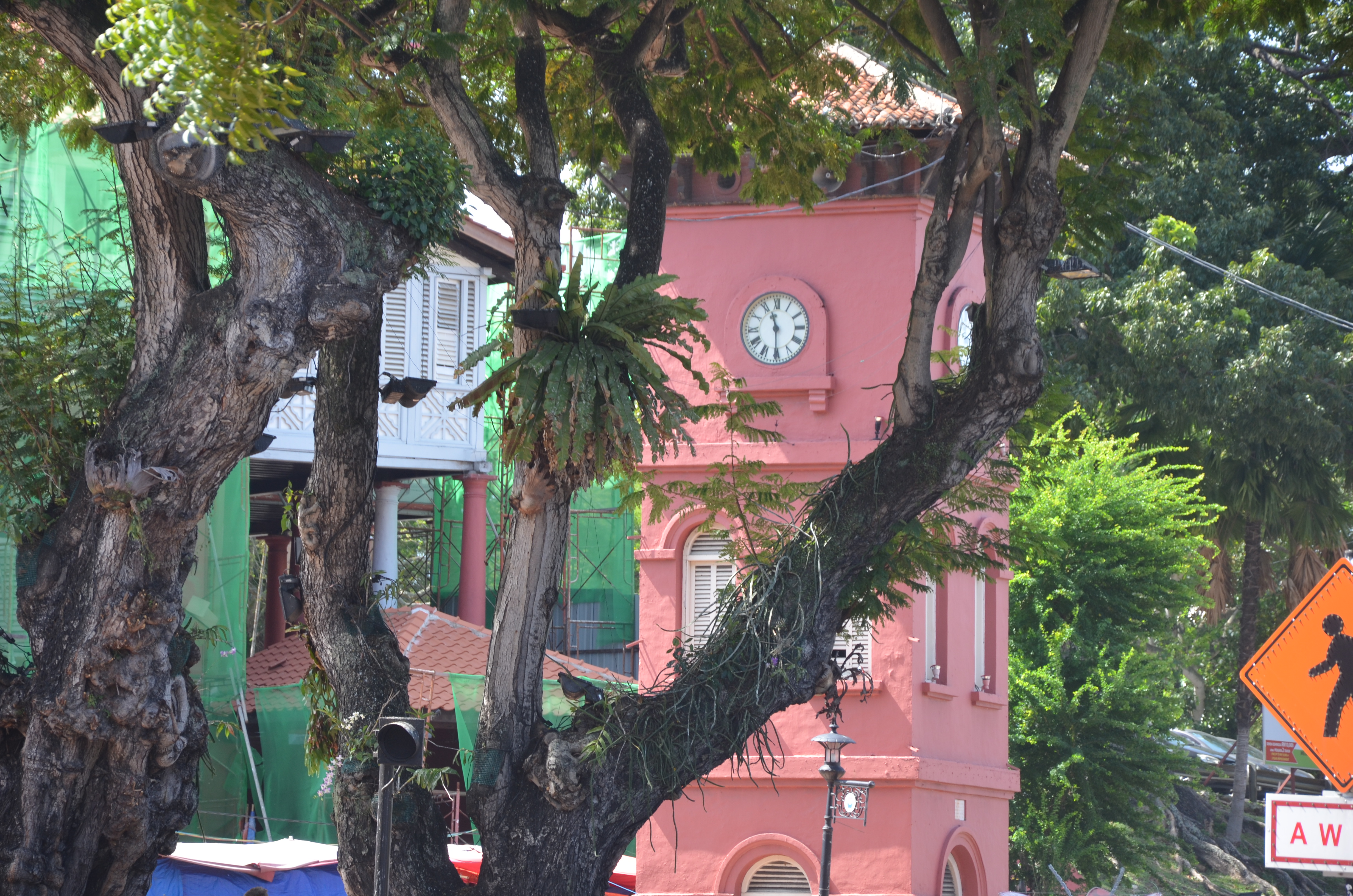
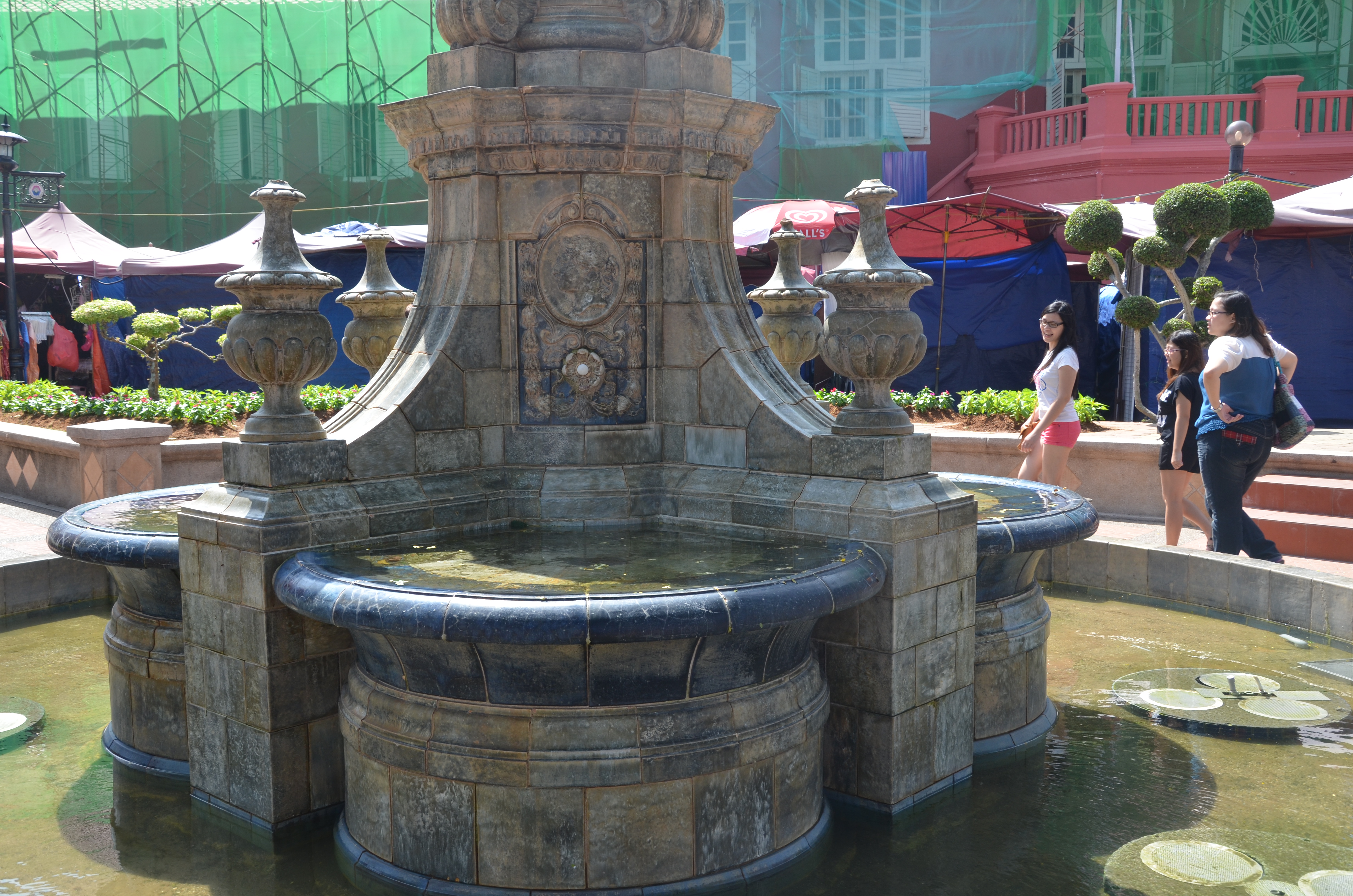
The Stadthuys is under restoration but the clock tower and the fountain are intact.

084088

082

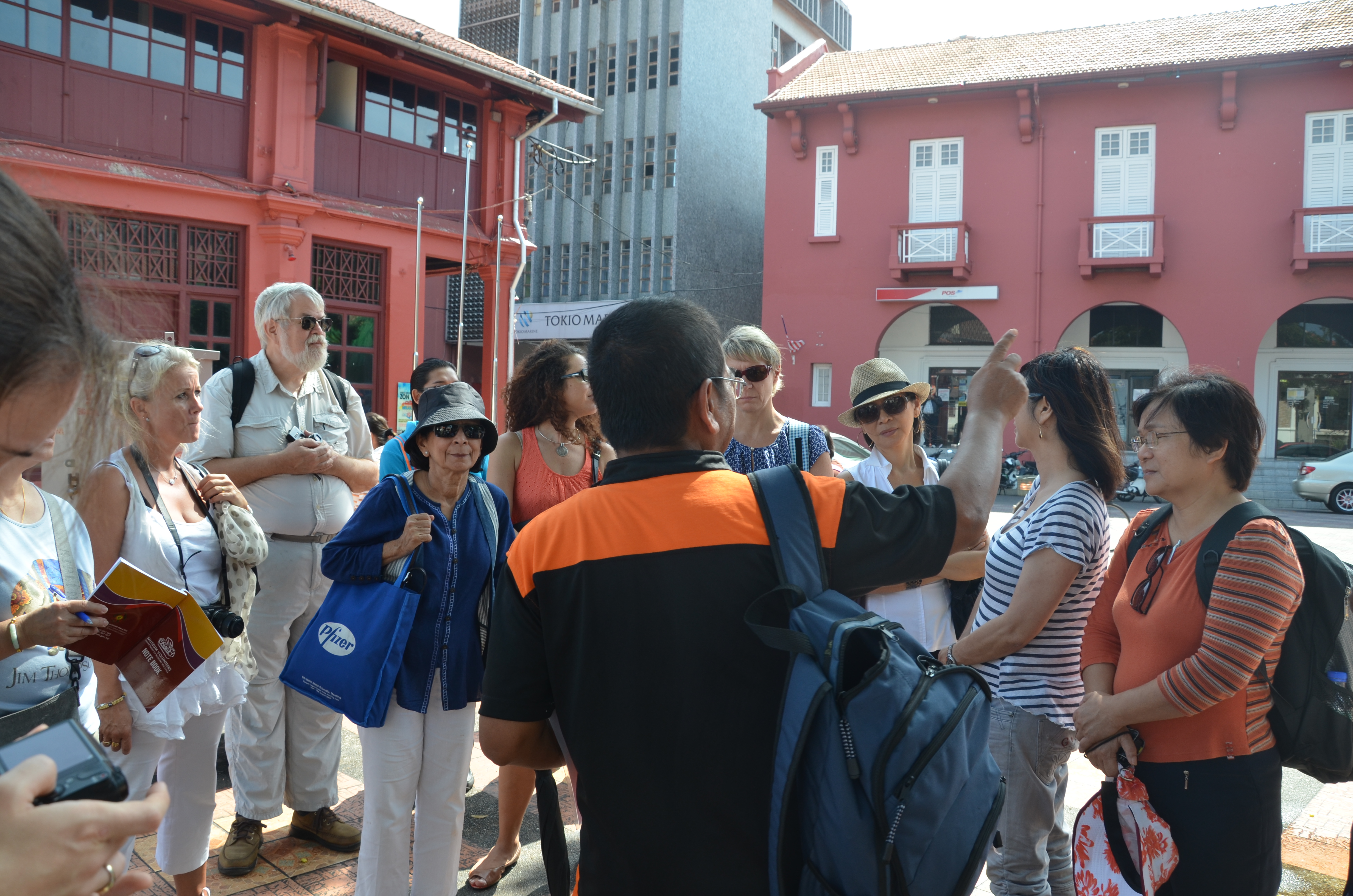
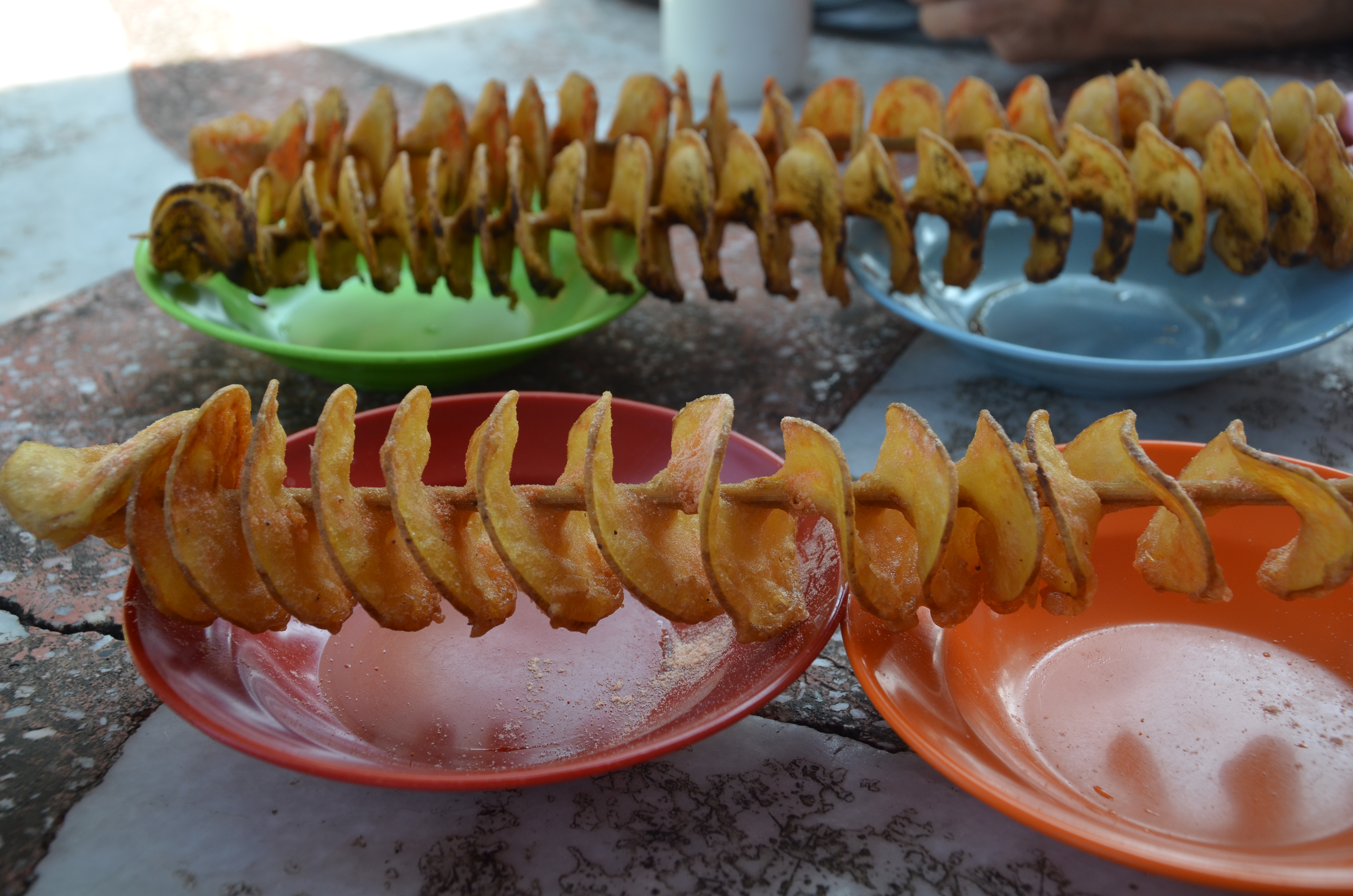
087After a couple of hours listening attentively to our tour leaders, Shaukani and Eddy, it was time for a durian cendol. At the stalls, we discovered an interesting potato skewer thingy that comes coated with flavours of our choice including cheese and black pepper. Delicious but I forgot what it is called. Anybody remembers?

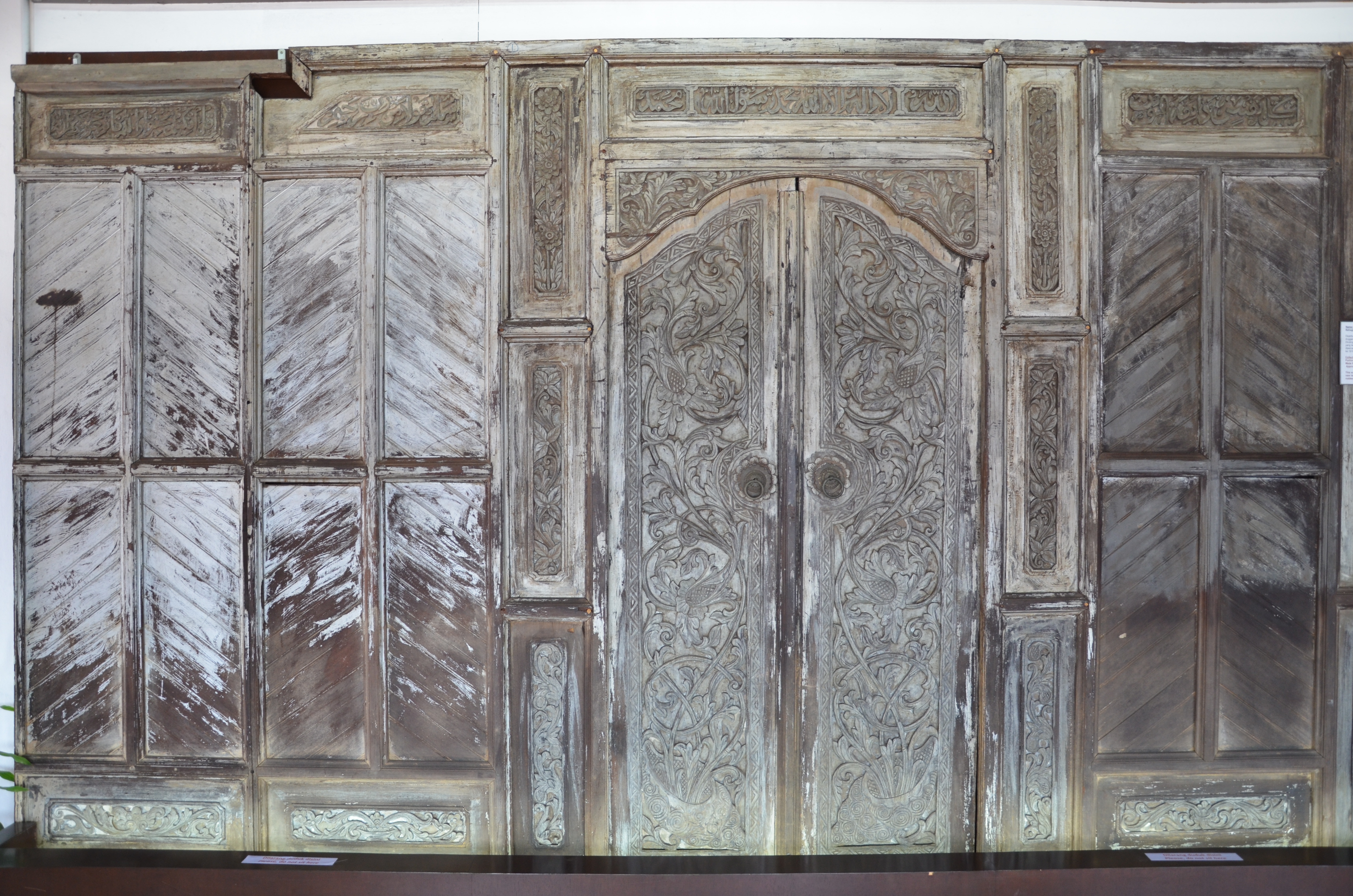
The Architecture Museum (Muzium Seni Bina) showcases the architectural heritage of Malaysia and houses models of significant historical buildings as well as models of traditional houses. The picture below shows a wall taken from a traditional Kelantanese Malay house which was located near Istana Jahar in Kota Bahru.

100

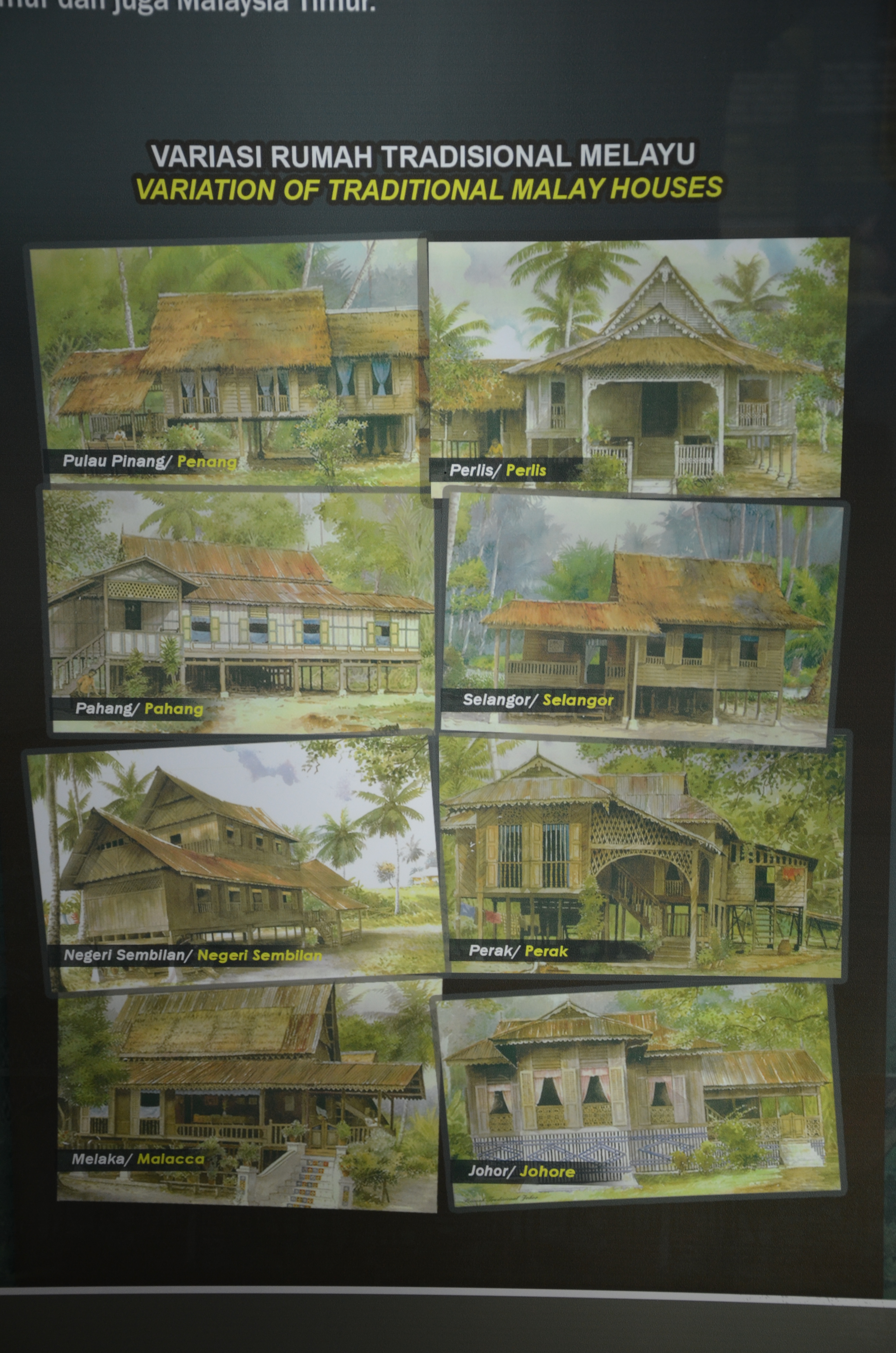
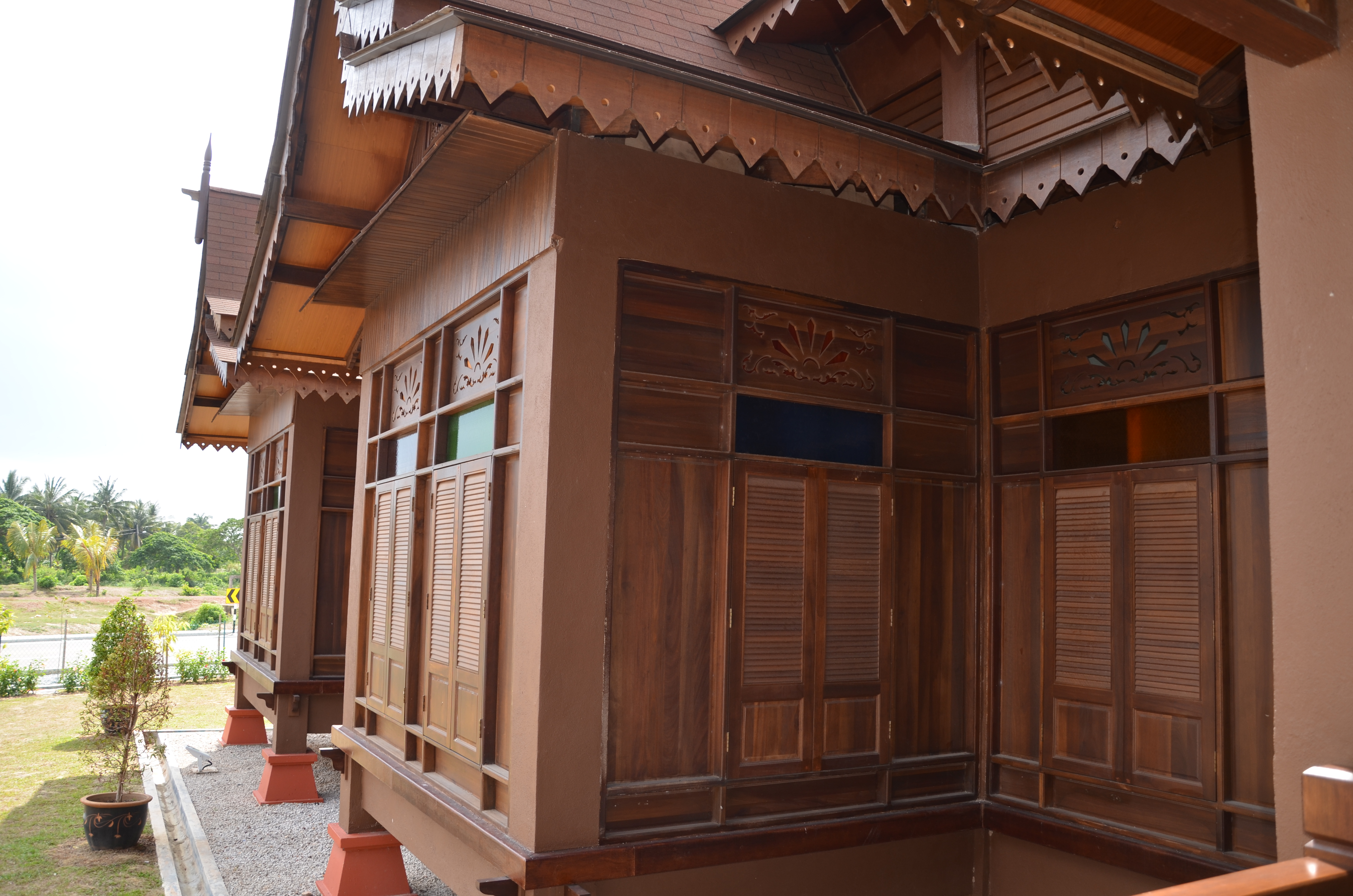
Traditional Malay houses from the various states.

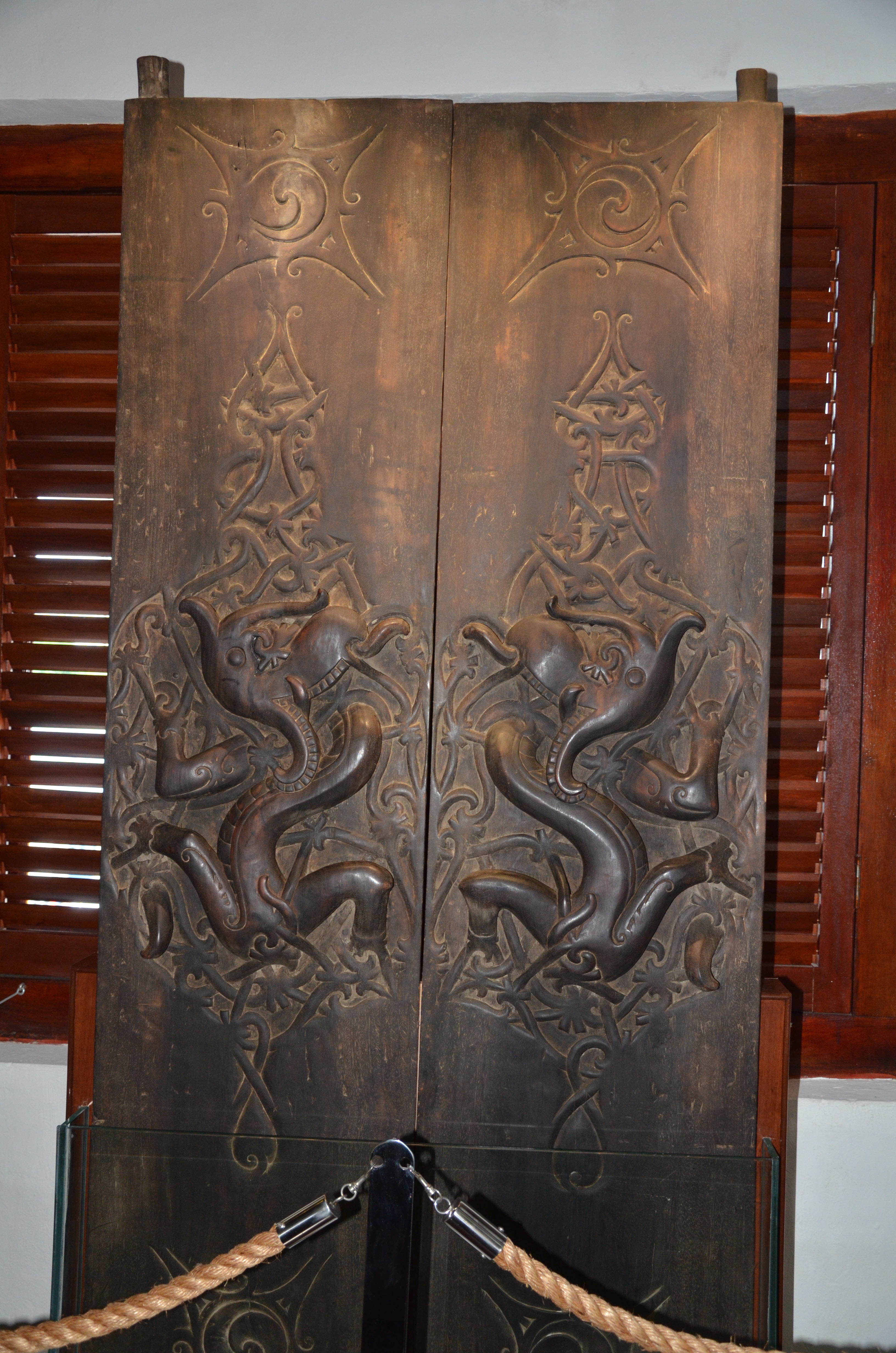
Door in a longhouse in Sarawak.

This door, taken from a longhouse in the Bukun district of Sarawak, was used by the Orang Ulu Chief.

It is made from ironwood and is engraved with dragon and leaf motifs which are said to provide protection and bring good luck.

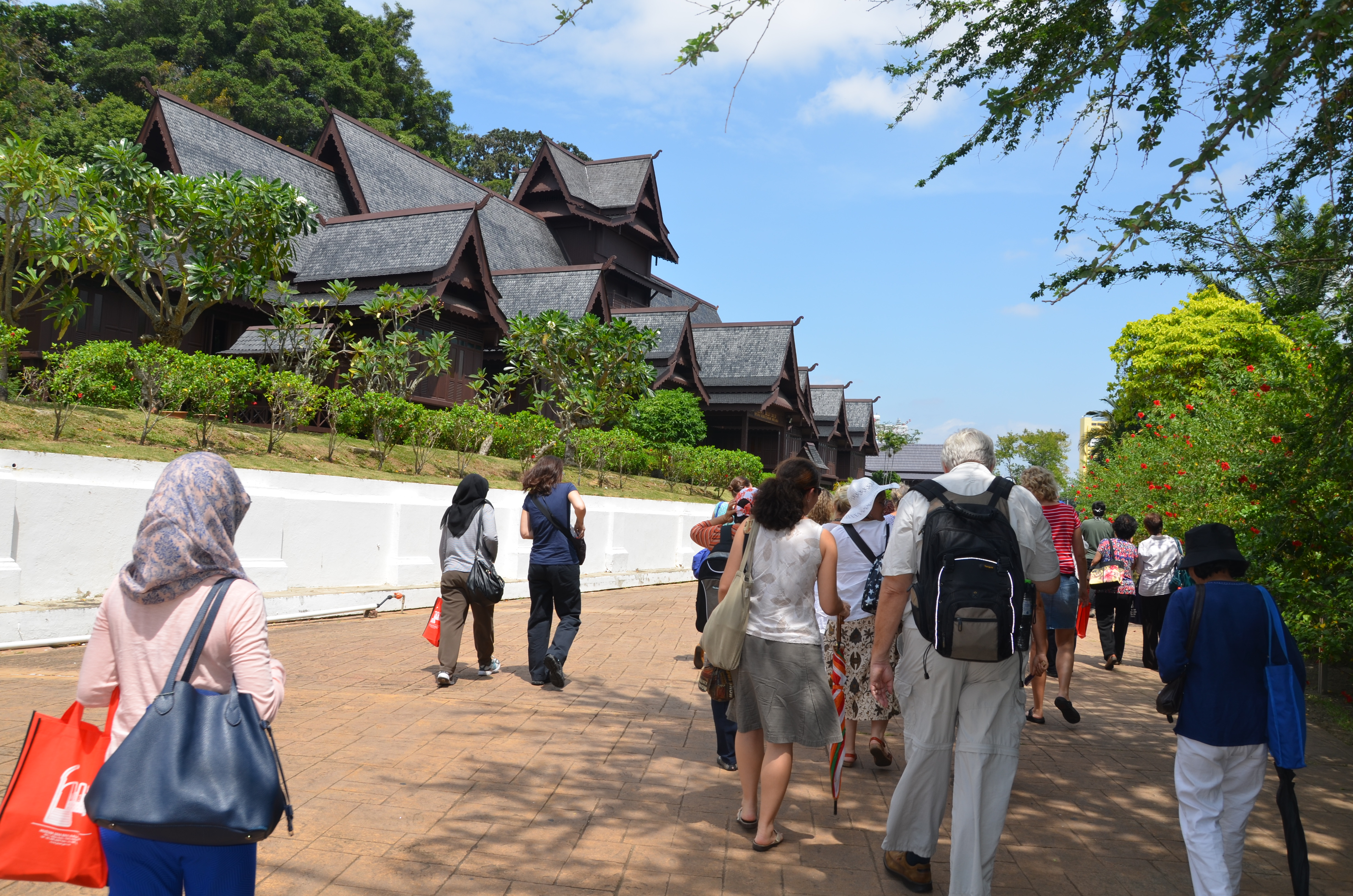
Walking towards the Melaka Sultanate Palace. This is a replica of what is believed the palace of the Sultanate of Melaka looked like. It houses the Cultural Museum.

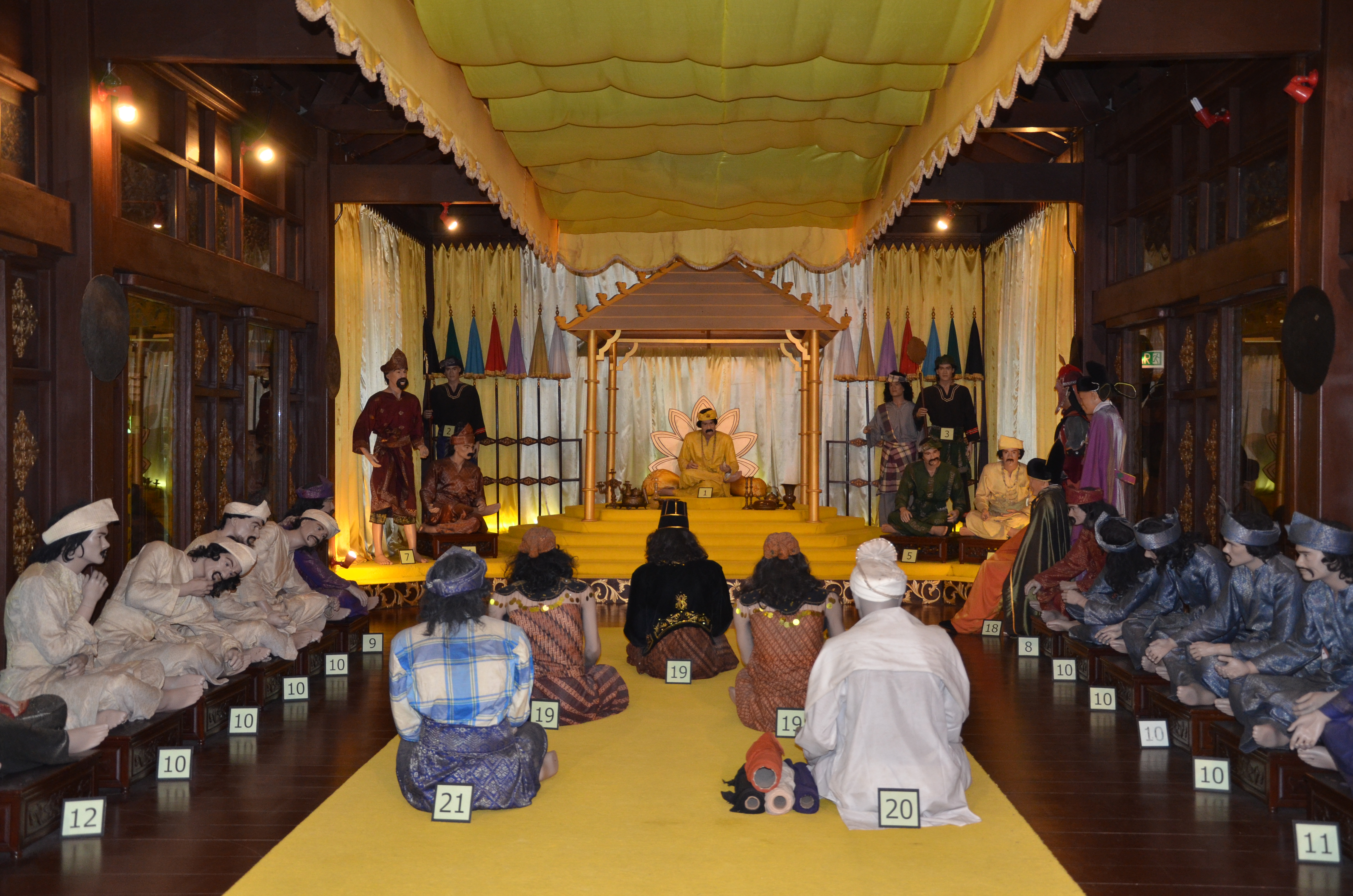
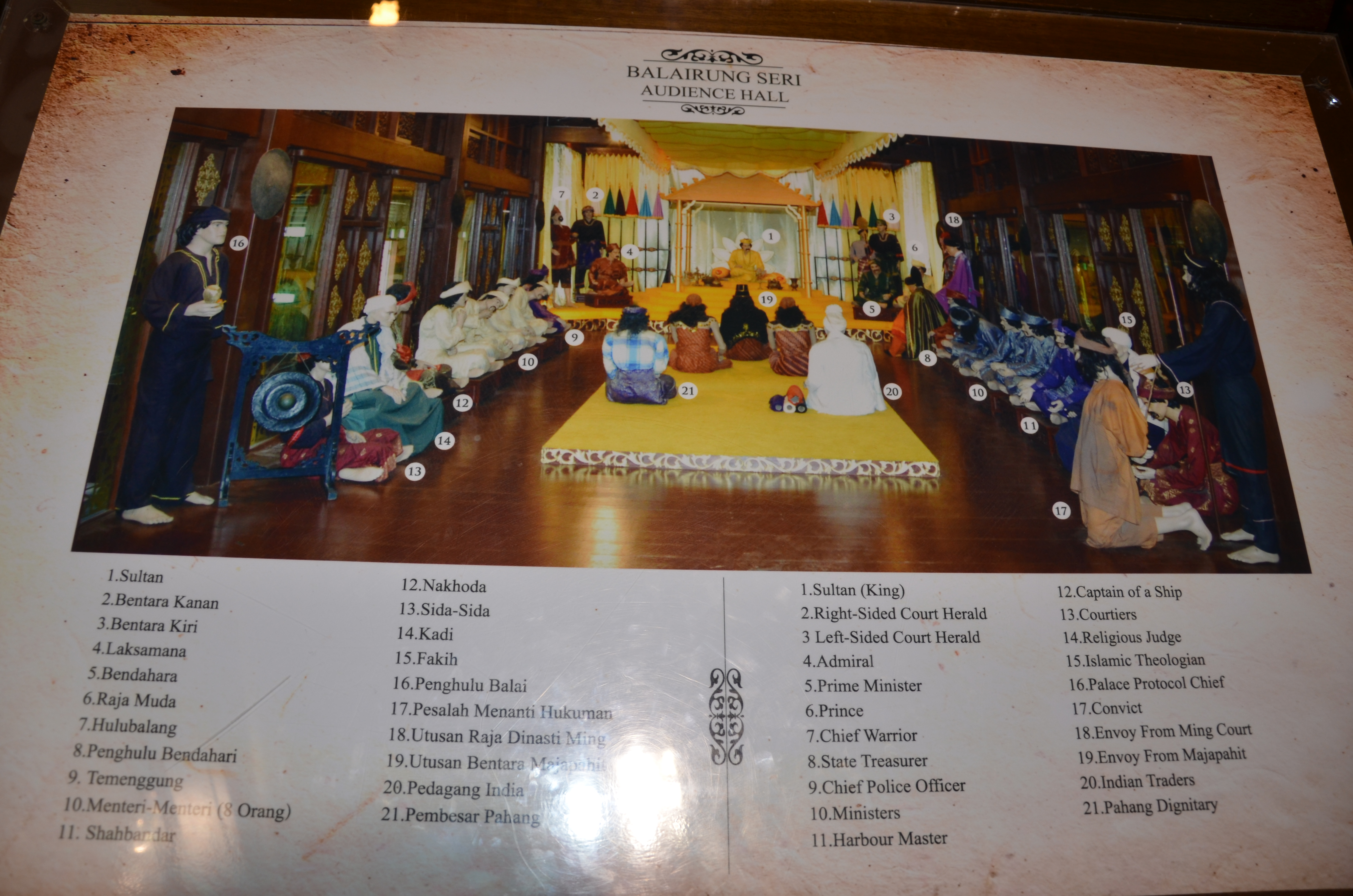
As the pictures below show, seating at the Balairung Seri (Audience Hall) was by no means arbitrary.

153154

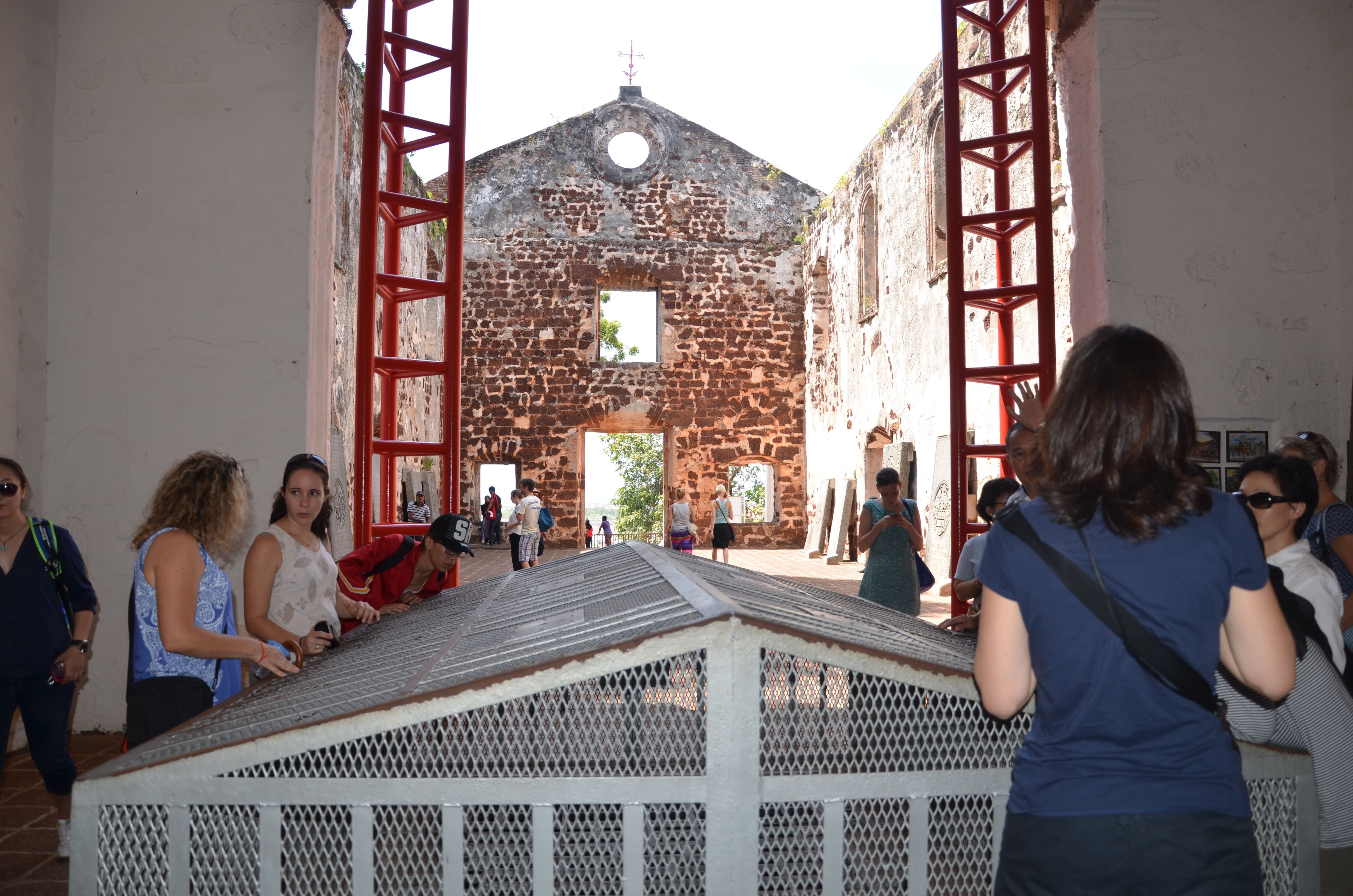
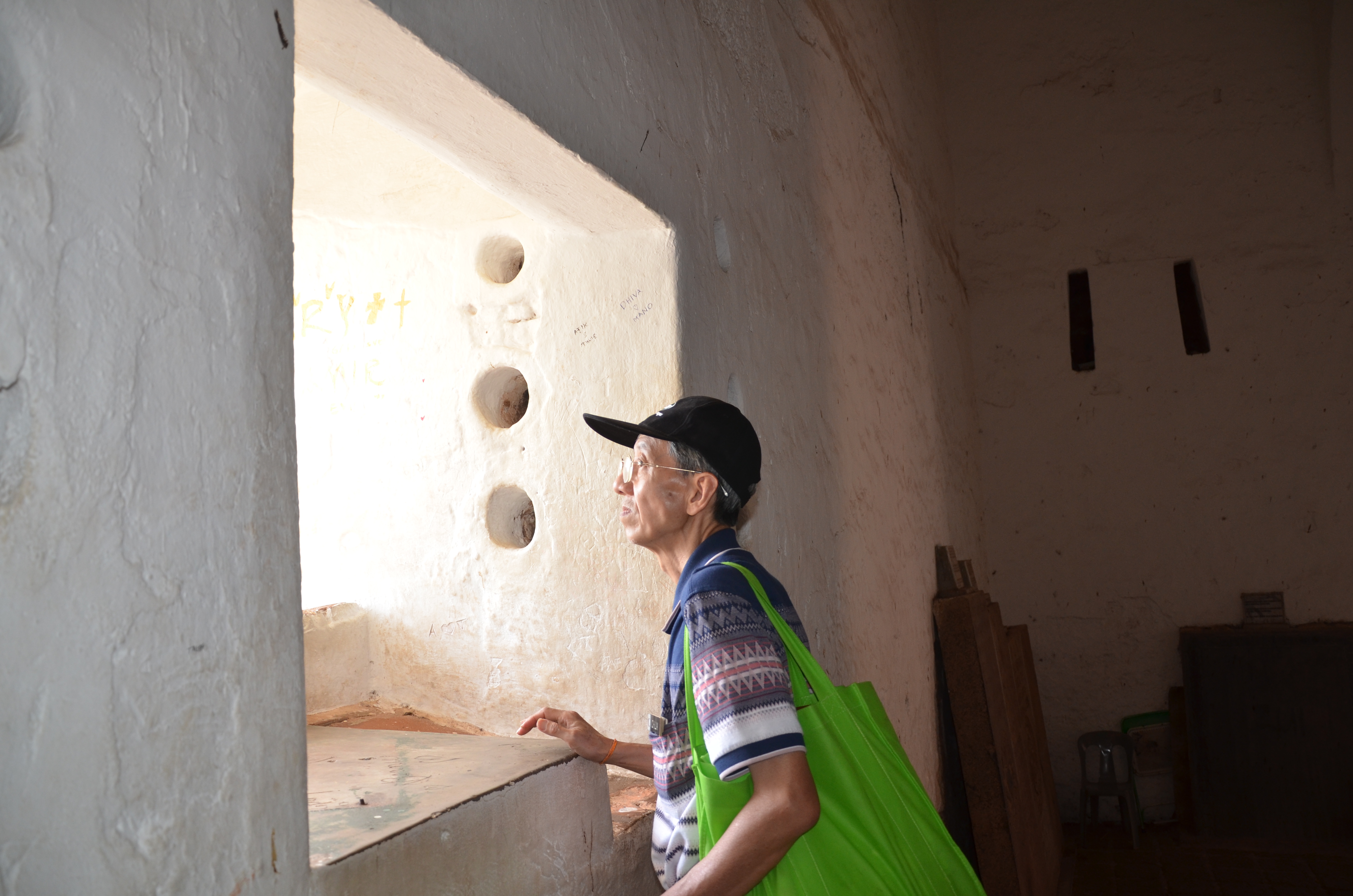
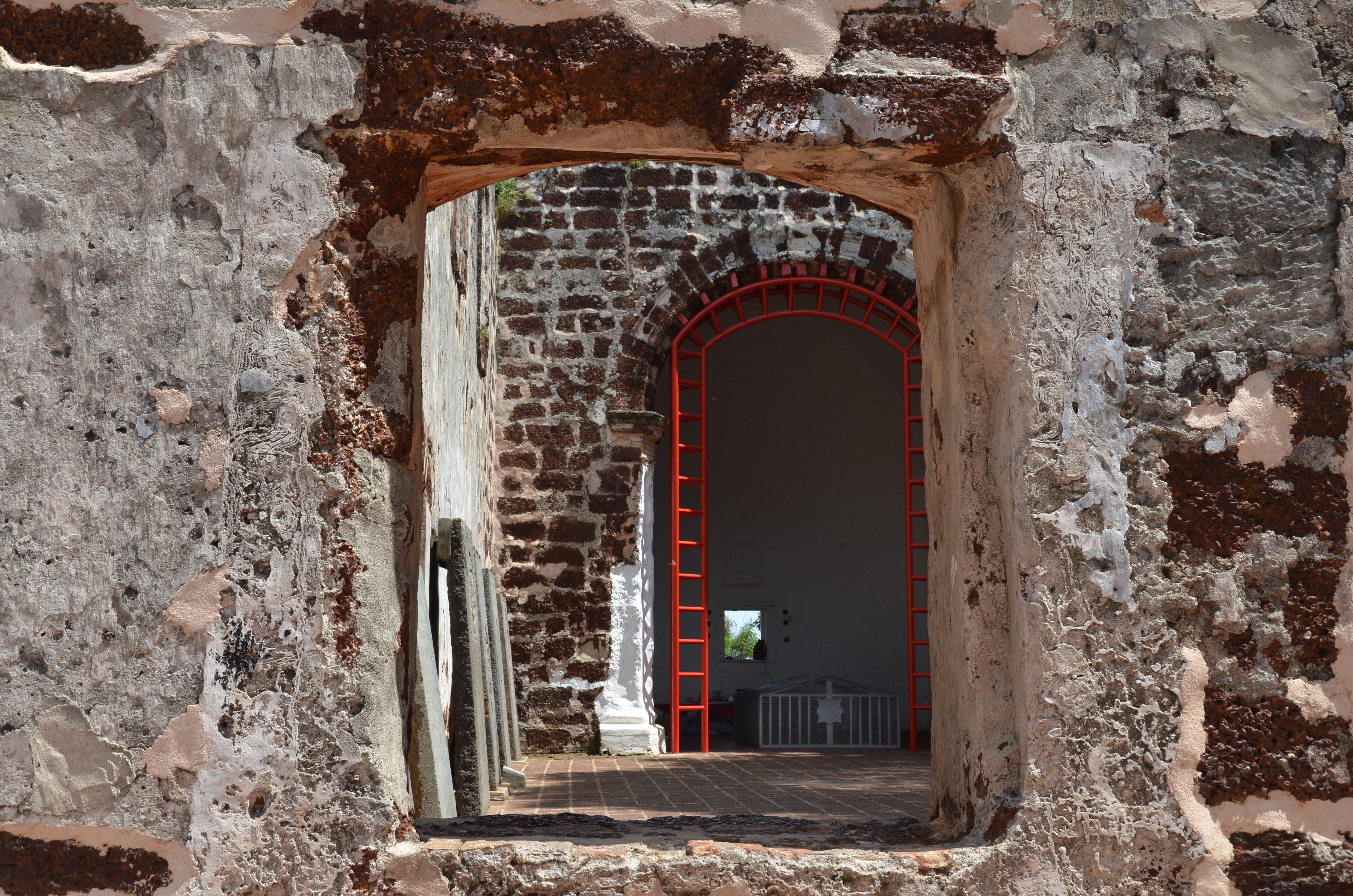
Walking up the hill to view the ruins of St Paul’s Church was a must. The metal cage in the picture below currently houses a wishing well of sorts. However this was originally the temporary tomb of St. Francis Xavier, a Jesuit missionary, and the tomb was here for nine months before his body was sent to Goa, India.162

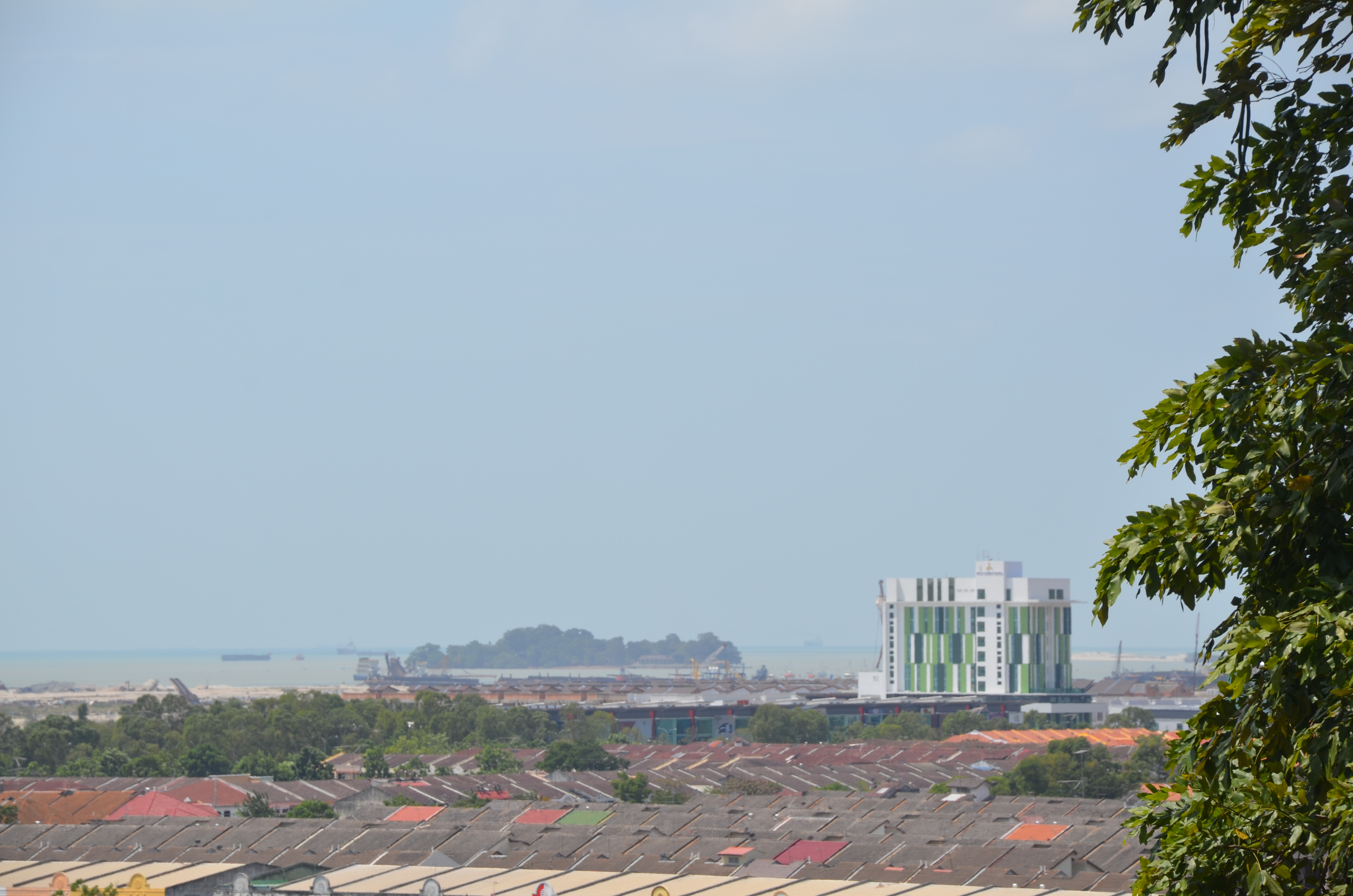
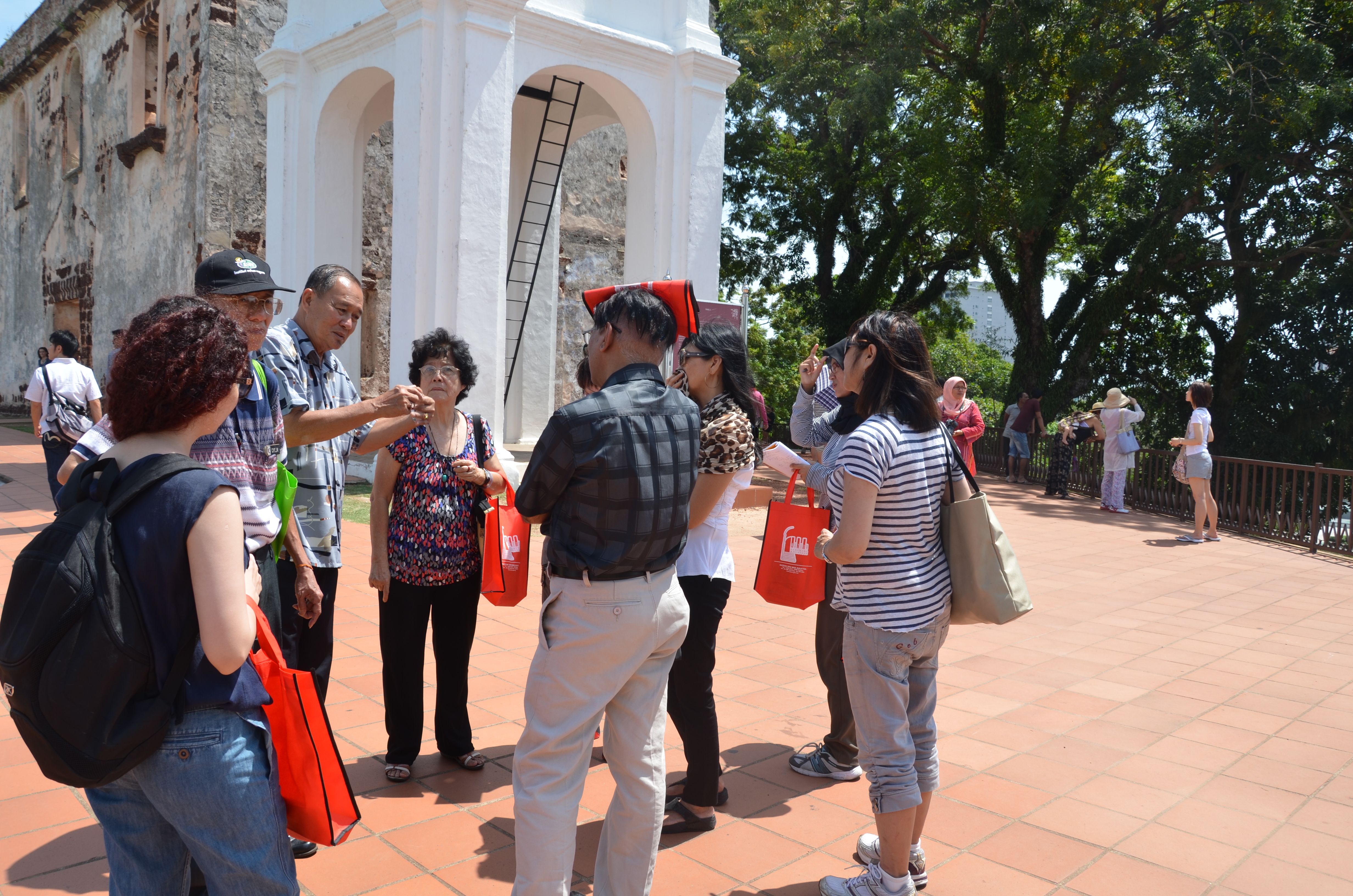
164171174 170It was a very hot day but this did not bother the volunteers who listened attentively as Eddy recounted St. Xavier’s journey. As the day was clear, Pulau Upeh was clearly visible from up the hill. This was an important island as the fort was built using sandstone from this island and the island was also important for turtle nesting.

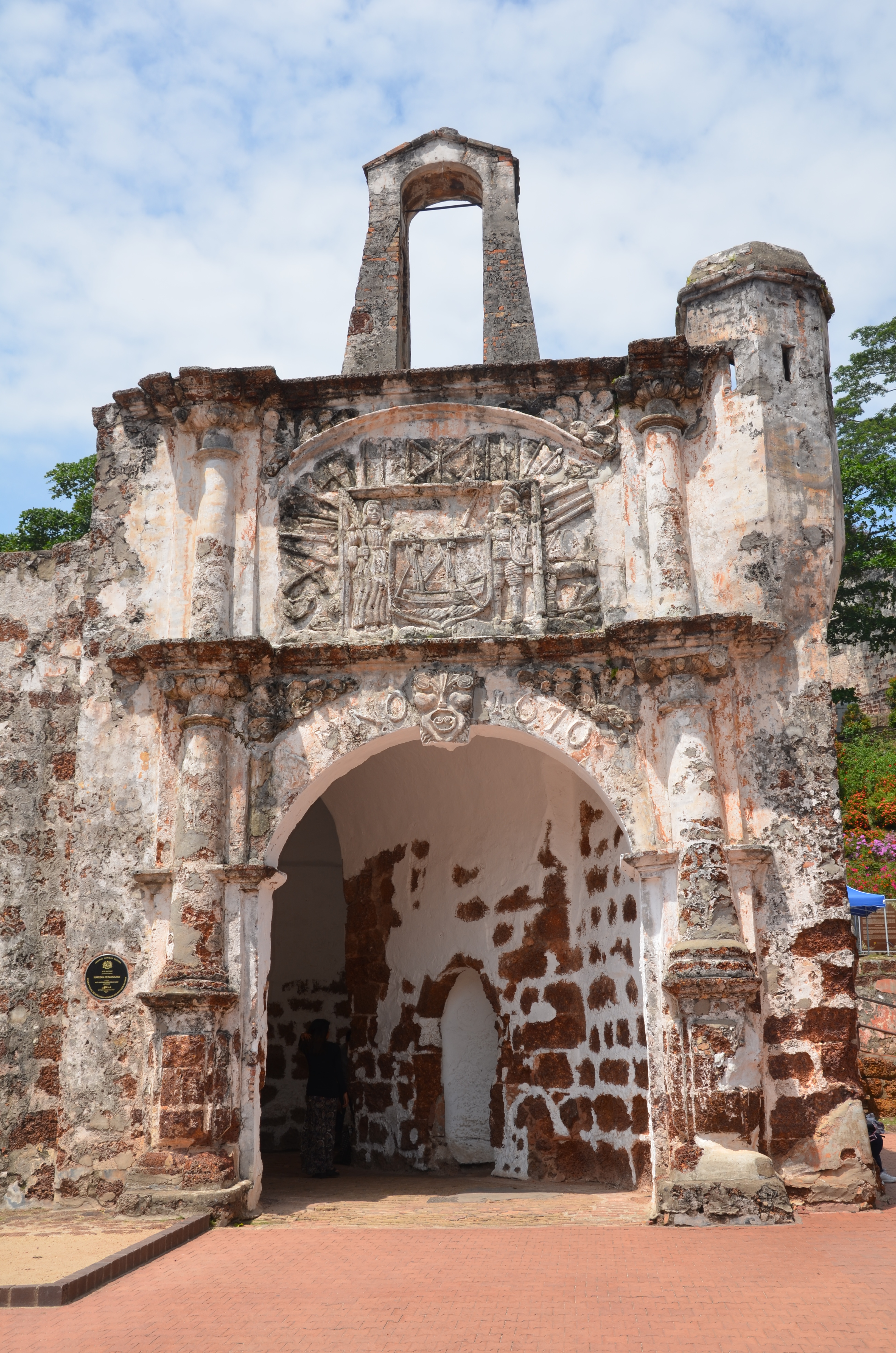
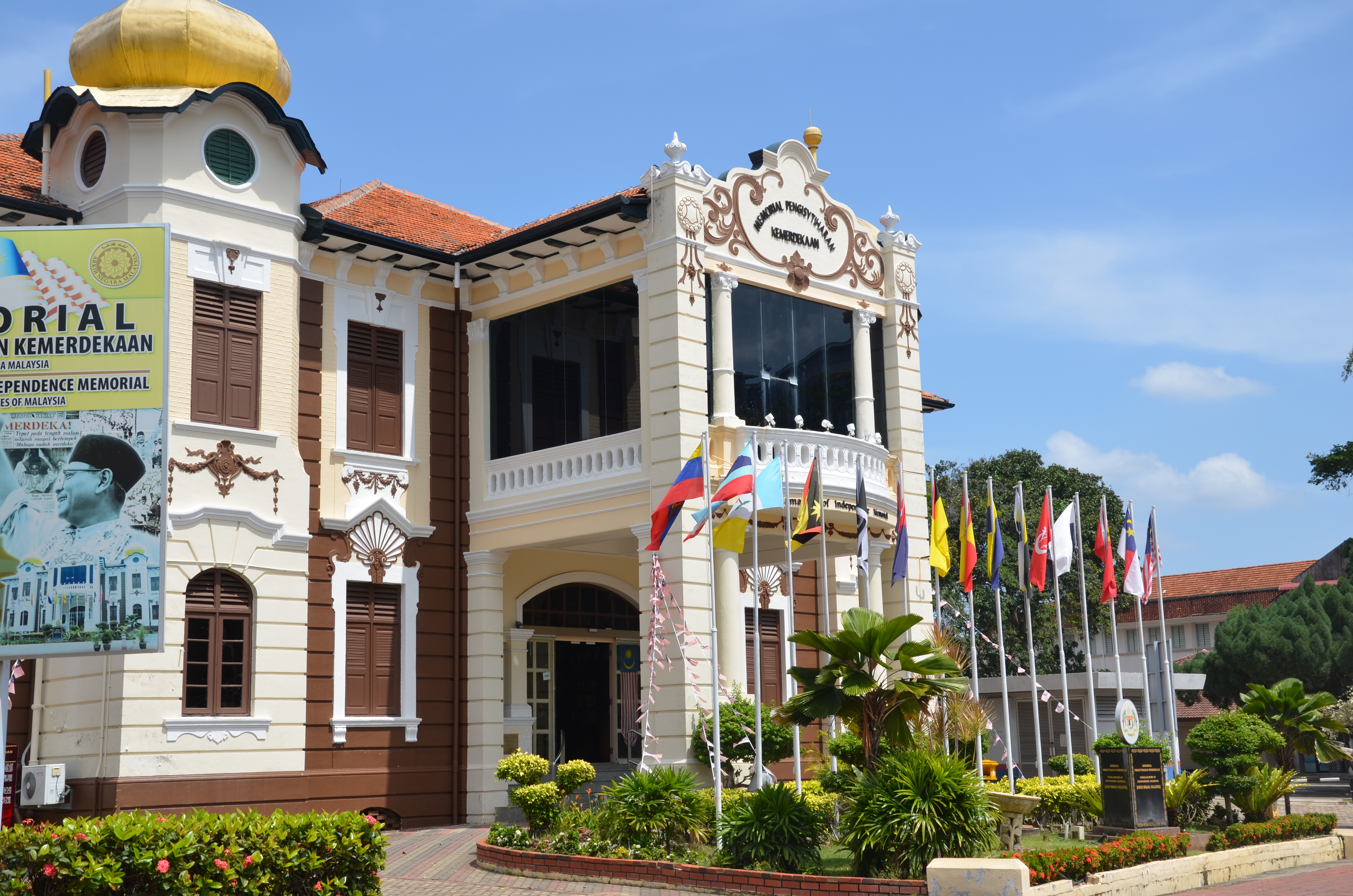
146The much photographed Porta de Santiago and the lesser photographed Proclaimation of Independence Memorial which is a colonial building that housed the Malacca Club.

176

181Our last stop was the Hang Tuah Centre. The centre includes five houses, one for each of the five famous Malay warriors – Hang Tuah, Hang Jebat, Hang Kasturi, Hang Lekir and Hang Lekiu.

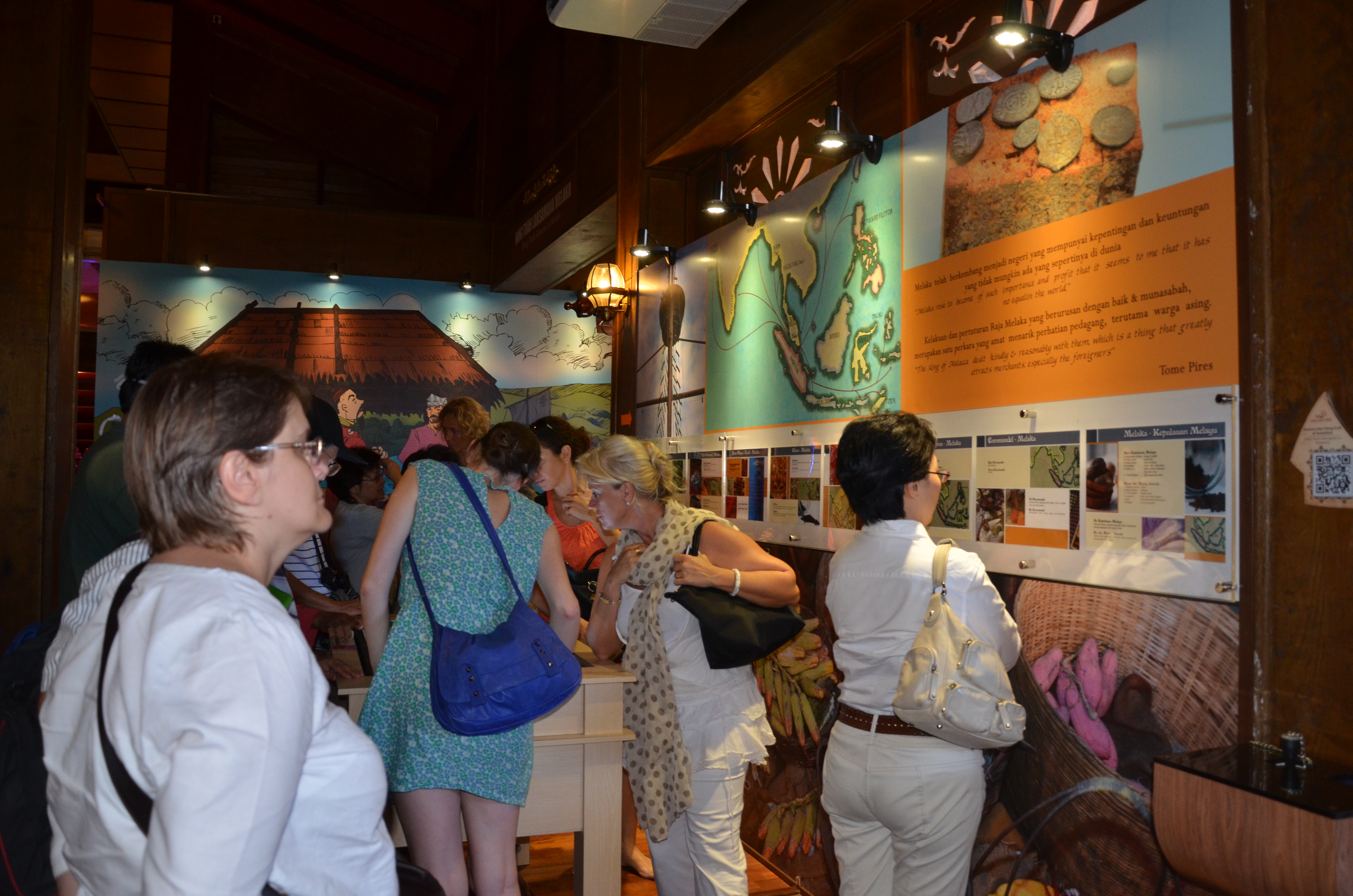
Volunteers browsing through the exhibits at the centre

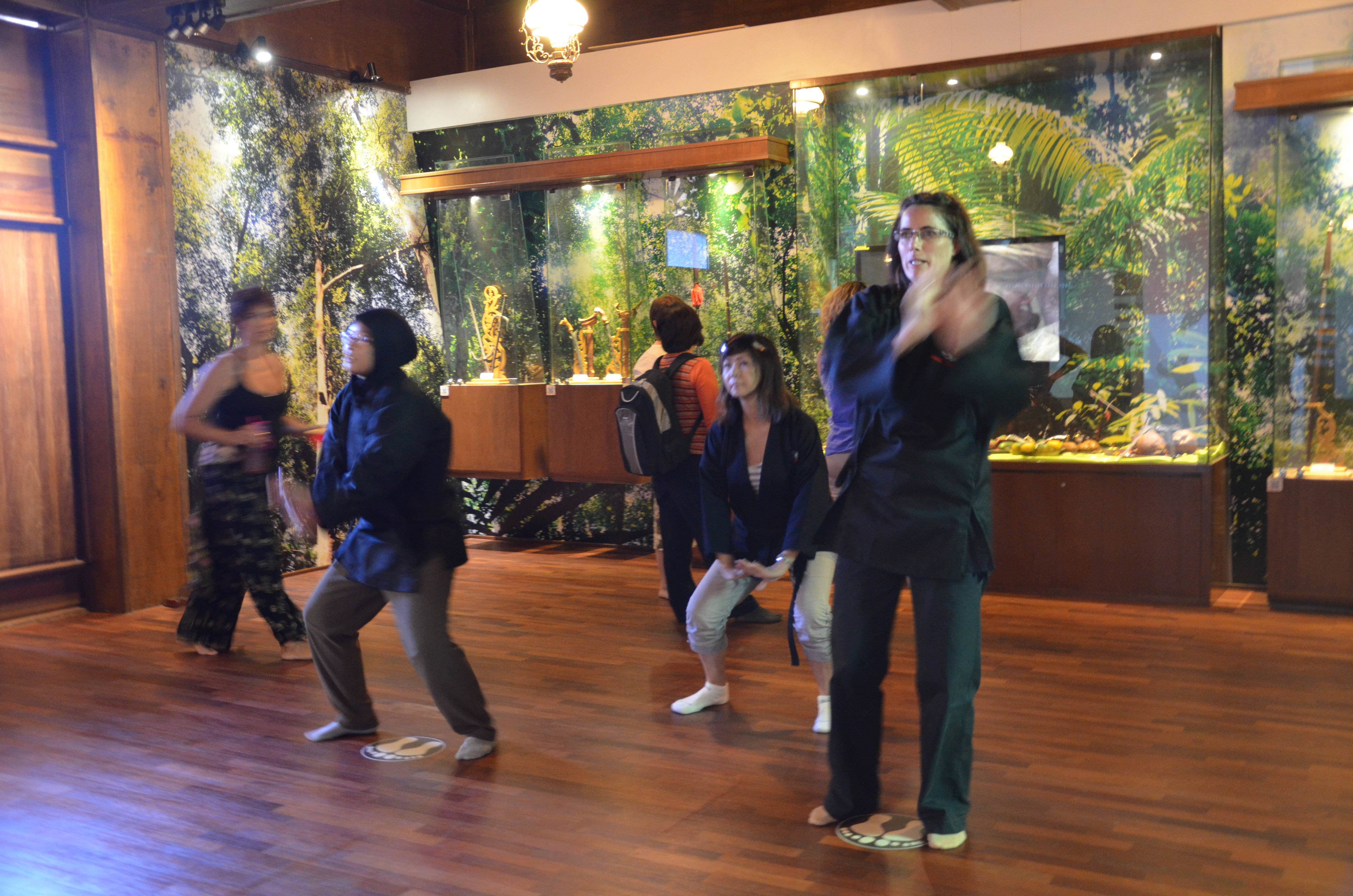
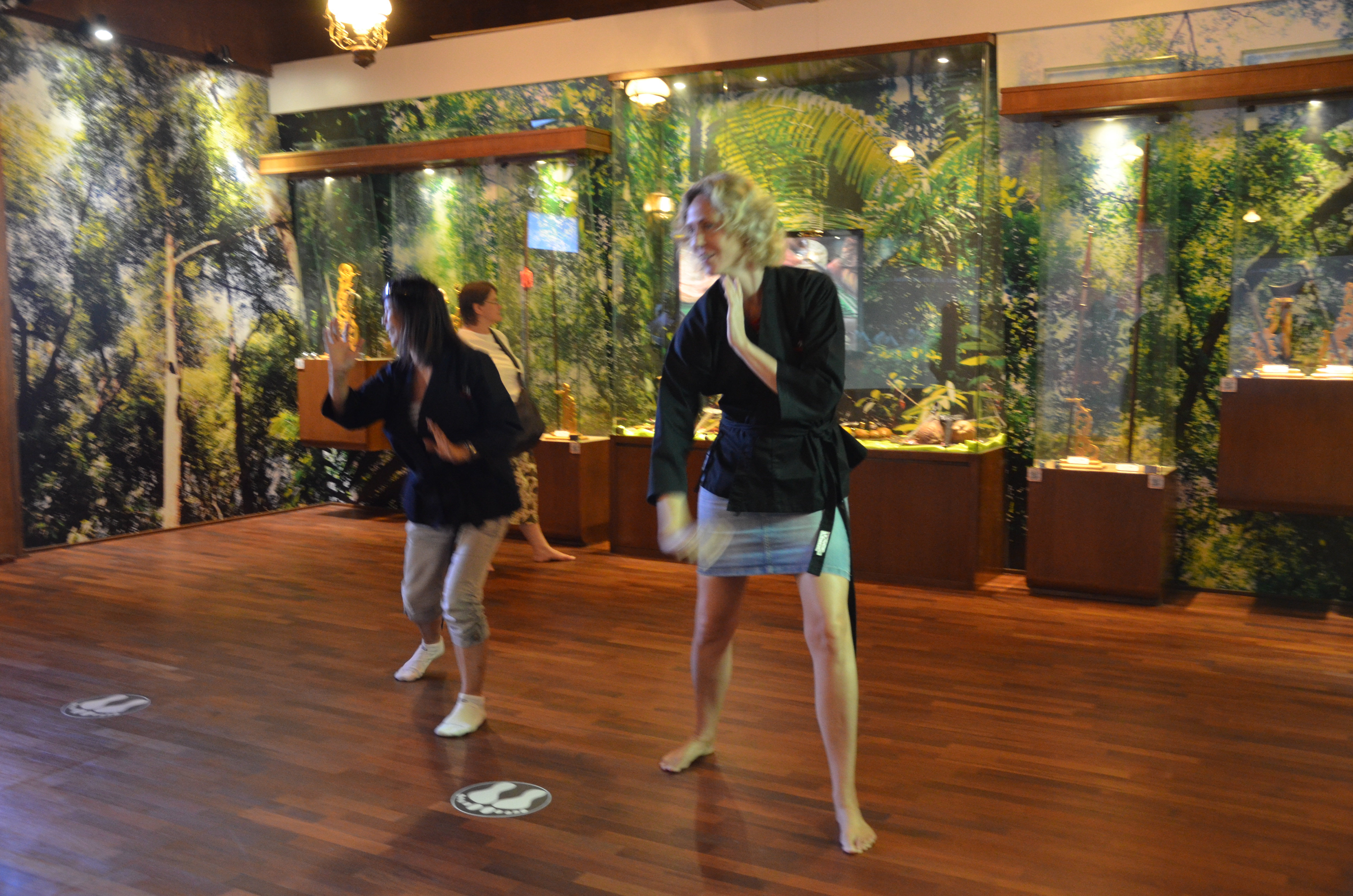
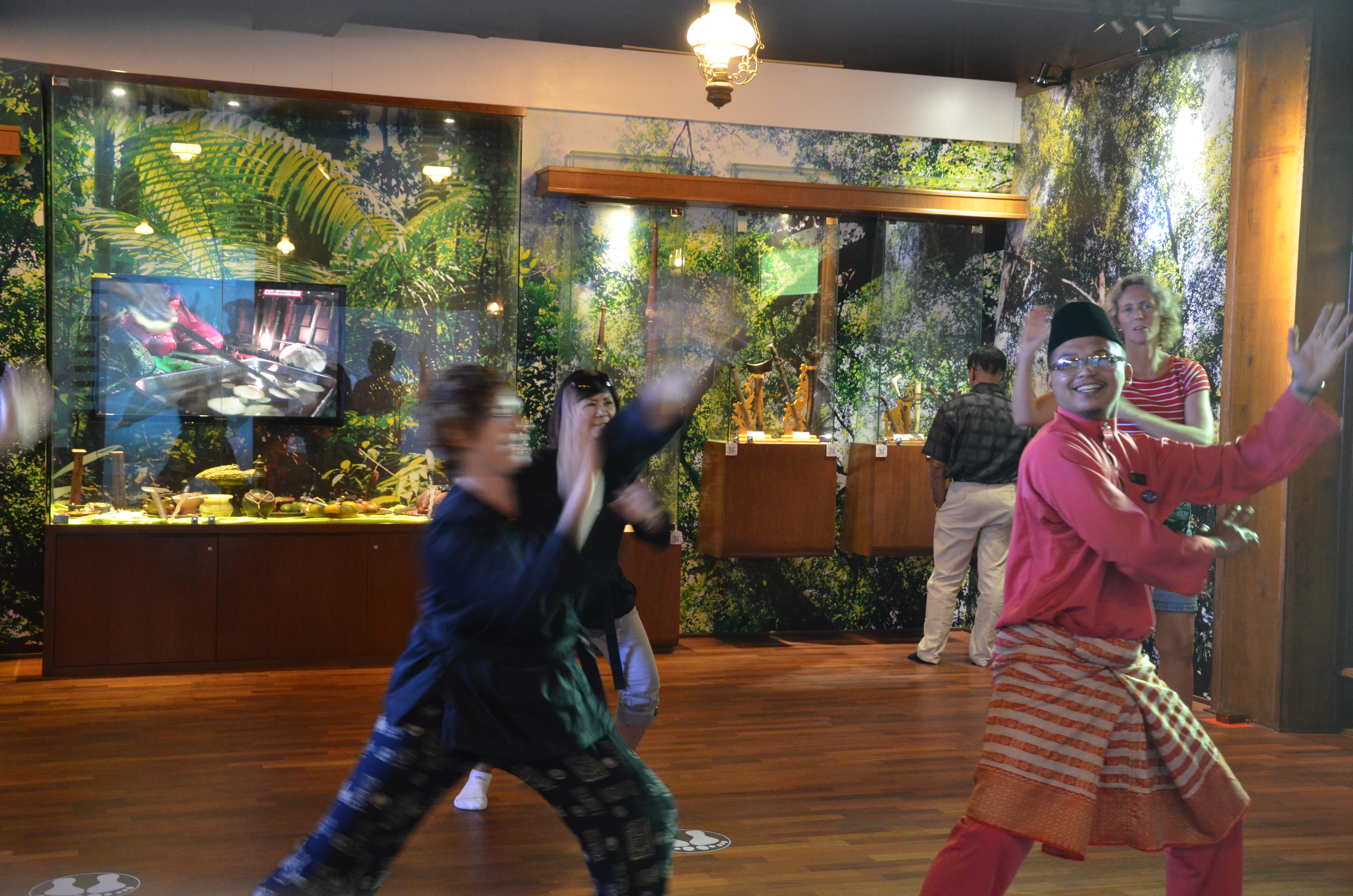
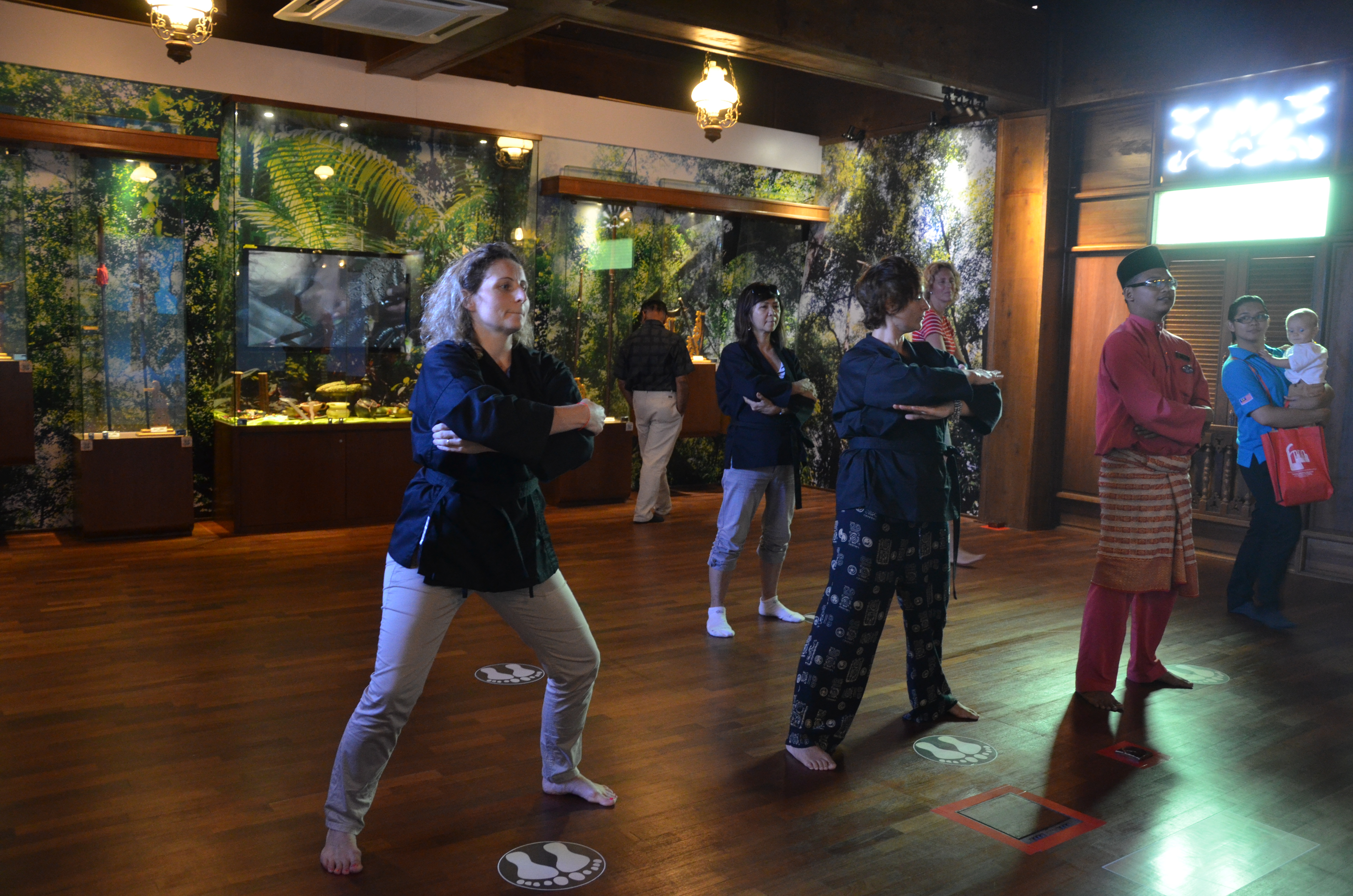
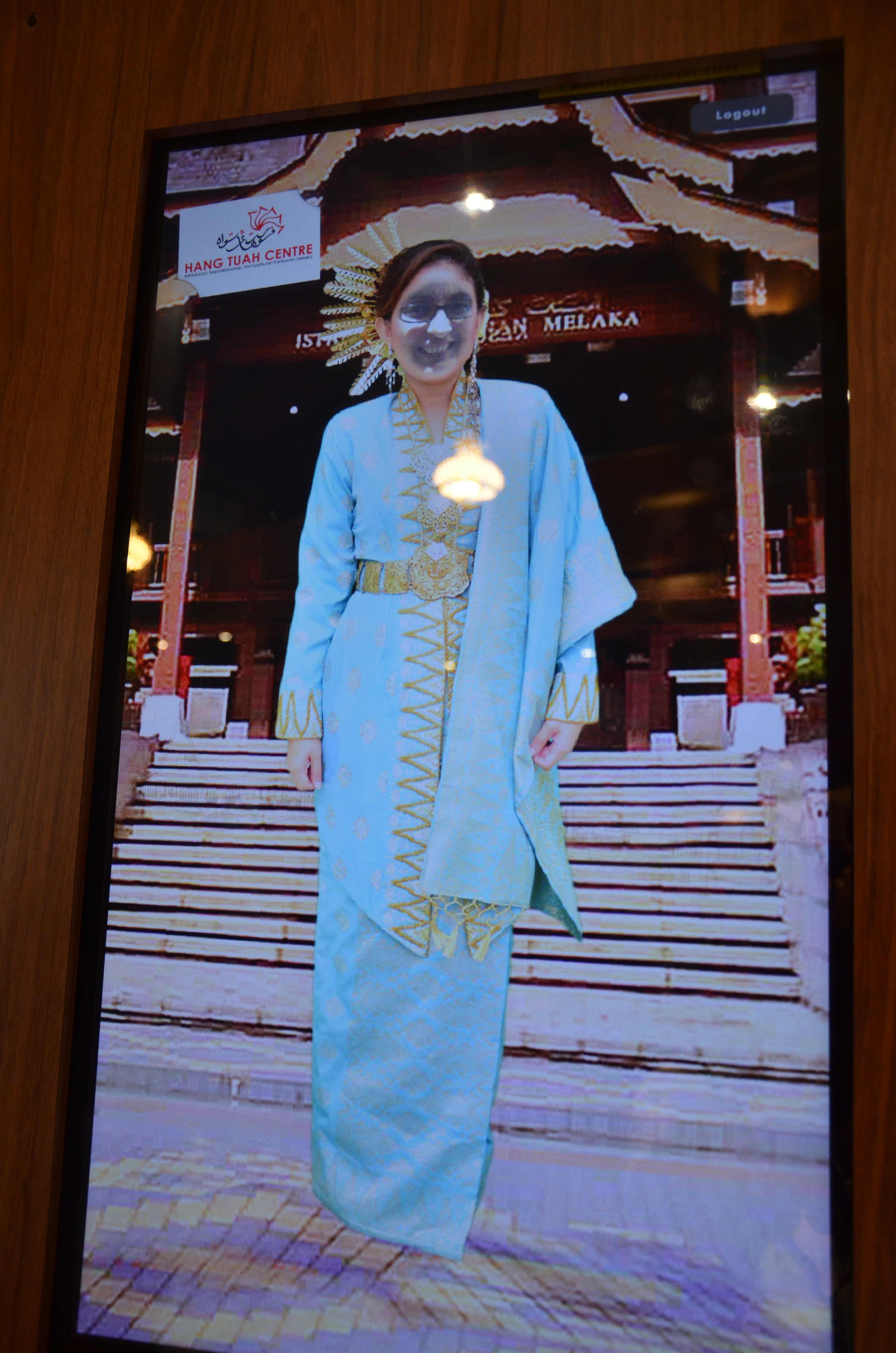
Exhibits at the centre includes spices, keris from different locations and clothing worn by different segments of Malay society. Perhaps the area that attracted the most attention was the silat training hall where volunteers followed the steps performed in a video. We had a number of silat aspirants who took to the art very quickly.

204199196

195

Hanging out outside one of the houses (I forgot which one)

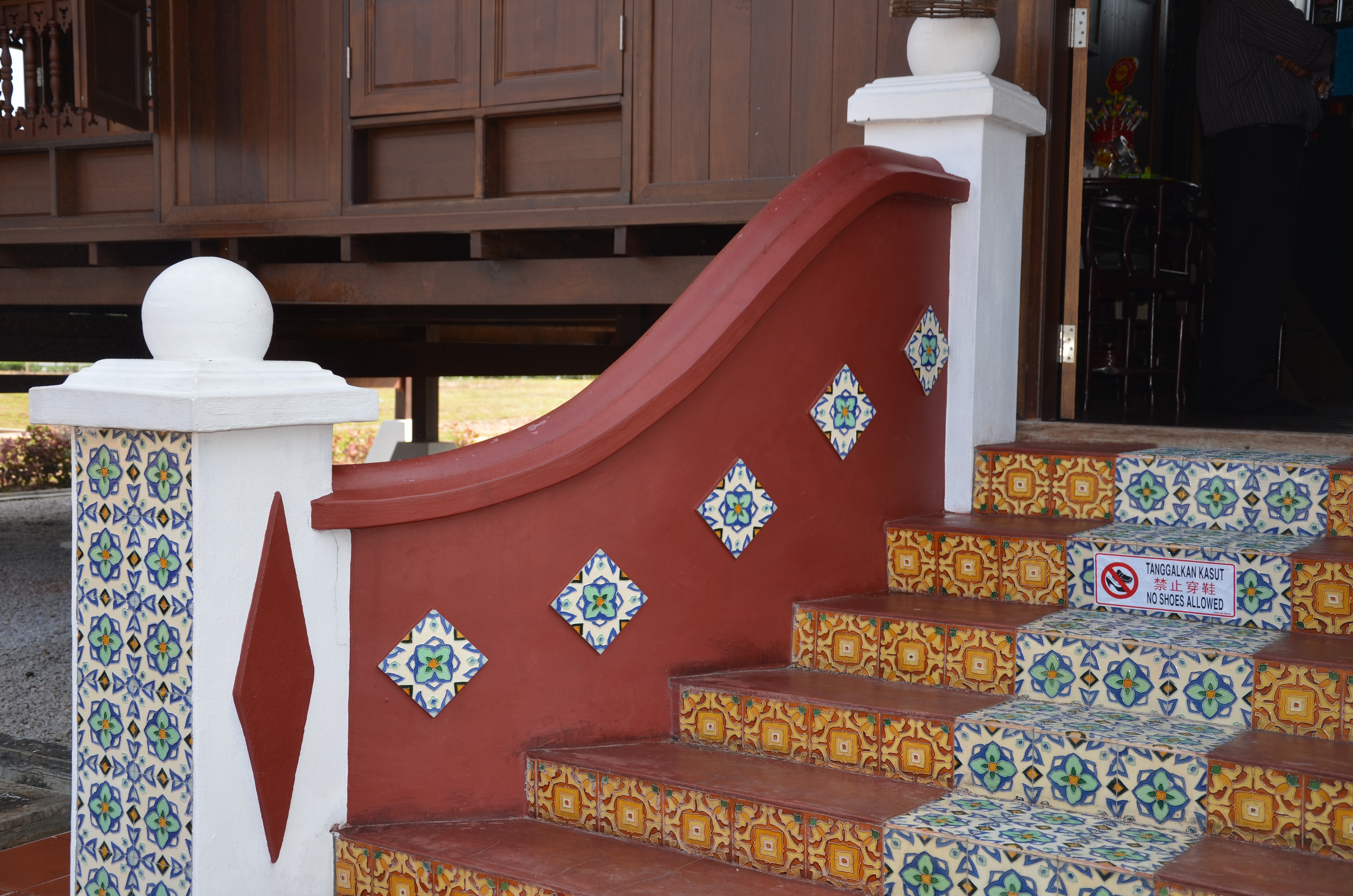
A typical fully-tiled entrance to a traditional Malay house
Recognize "Hang Li Po"?
Recognize “Hang Li Po”?

President’s Year End Message (2013)

by Karen Loh

Achievements! Achievements! Achievements! Let’s look back on 2013 and the milestones we have achieved, the accomplishments and changes which took place in our MV group the past year. First of all, I am very excited about the museum volunteer Coffee Table book which we have been talking about compiling the past two years and finally kick-started again, by Magan. Thank you to all of who have contributed their articles to the book and to our great team of editors; Magan, Rose, Hani, Hayley, Pam and our very talented in-house designer, Mariana. We will keep you posted of the date, the book will be ready.

The school program team hosted 2 important school visits this year amongst other schools. We had for the first time, a visit by children from a Down Syndrome School and children from a Chin refugee centre. Many thanks to Cay, who has untiringly led the school program team for the last 3 years. She is however exhausted from it all and asks for another courageous mv to replace her. Please email me if you like children and have plenty of educational ideas and energy!

The wait was finally over in May for JMM’s brand new bus and we were lucky to be one of the first groups to take the bus to Ipoh, Batu Gajah and Kampar. Do sign up for our next trip to Melaka in January (15 & 18) 2014. Our Focus team also organized our first movie screening at the Discovery Room in July. Though the title “Queen of Lankasuka” did sound a little melodramatic, the movie turned out to be very interesting. We hope to screen more movies (with a historical reference) in 2014 and welcome any suggestions.

Last but not least, the “Bunka No Hi” themed Anniversary dinner was a success. 73 people attended the event for a night of delicious Kristang food. There were many interesting performances demonstrated by our volunteers and it was an enjoyable night. Kudos to Cze Yan for her ingenuity. What will she come up with next? Also, many thanks to Erina and the many Japanese volunteers who joined us for the first time this year and shared their culture. Our slogan was decided by vote that night and the winning slogan went to Stuart for his catchy line “take the Mystery out of History”.

For 2014, I hope that the problems we have had with the guiding schedule and guide absentees will be solved. Many thanks to Fiza, who is juggling both weekend and weekday rotas. Please do give her your full cooperation. Susan and Lena will also be promoting our guided tours though travel websites and by sending leaflets to major hotels in the Klang Valley.

I look forward to a great year of the Wood Horse. Happy New Year & Happy Guiding!

Best wishes,
Karen

Bunka no Hi – MV style

by Maganjeet Kaur

We learned to eat sireh like a lady, we learned about French cheese and wine, we learned to tie the yukata, we learned how to walk elegantly in Dutch clogs and we learned the correct way to drink Japanese tea – all in a convivial atmosphere with good food, music and company.

After last year’s resounding success with Bollywood night, this year’s annual dinner organisers were challenged to match this and last Saturday (16 Nov), Cze Yan, together with Karen and Erina, gave us a night to remember at Simply Mel’s.

460Simply Mel’s is a family owned restaurant at Bangsar South serving Kristang food and we were treated to an array from the Portuguese-Melakan heritage; with the Cincalok and the Portuguese Devil Curry being my personal favourites. After the meal, the owner, Melba Nunis Victor known simply as Mel, gave us an insight to Kristang food including some of the traditions handed down from mother to daughter. For example, pineapple tarts used to be cut using a round thingummy and the flowery sides were hand-crafted into shape – a laborious task made easier today with the use of plastic (I think) moulds.

398The meal was accompanied with lovely music. We were fortunate to be entertained by a group of very accomplished koto players. The koto is a string instrument and it is the national instrument of Japan.

An experience of Japanese culture would not be complete without sampling tea and Erina hosted a session where the volunteers were taught the correct way to drink tea.

An expert taught the volunteers on the correct procedure to drink tea
An expert taught the volunteers the correct procedure to drink tea

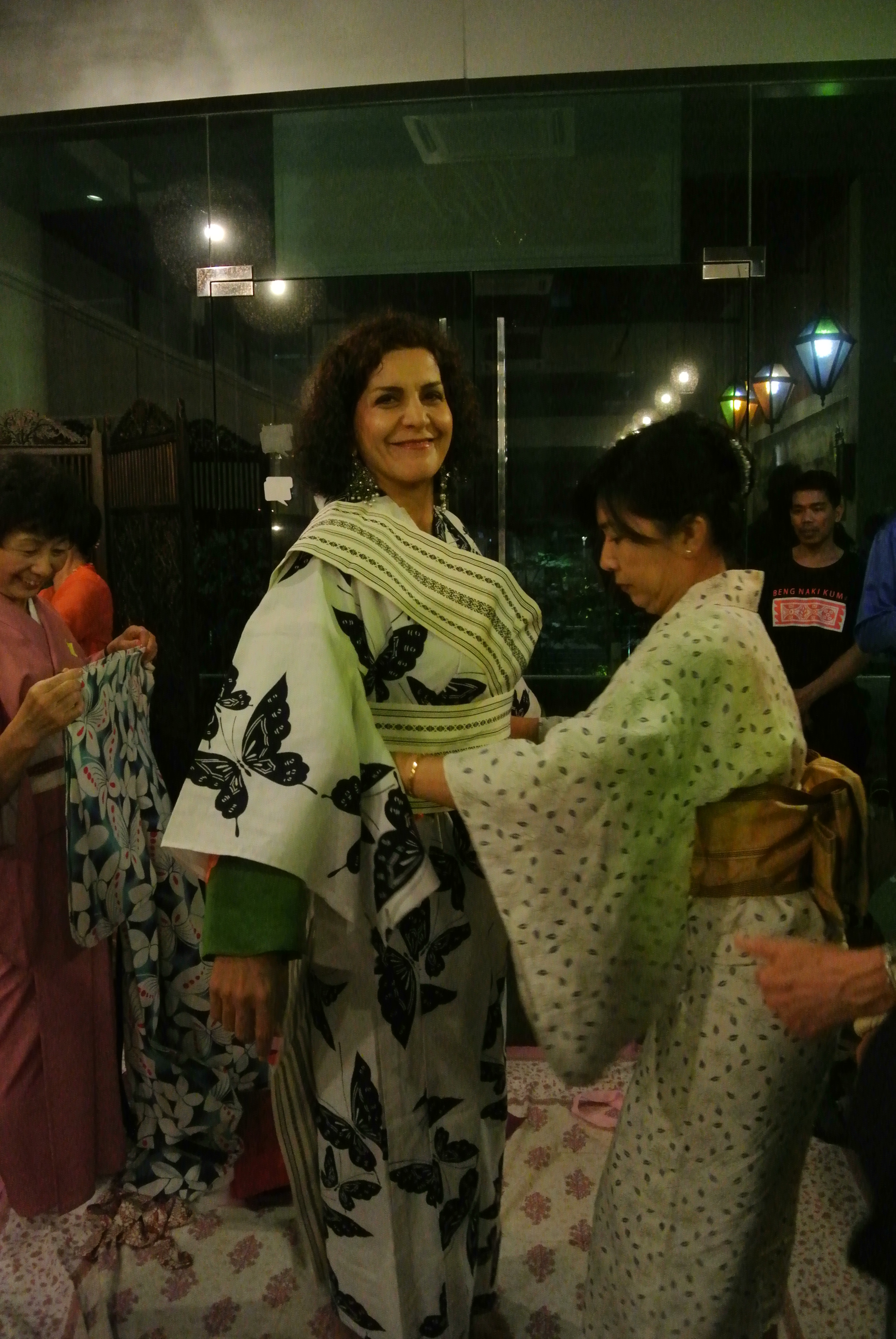
While some volunteers learned to drink tea, others learnt to tie the yukata.

Erina was proud of the four volunteers who tied the yukata

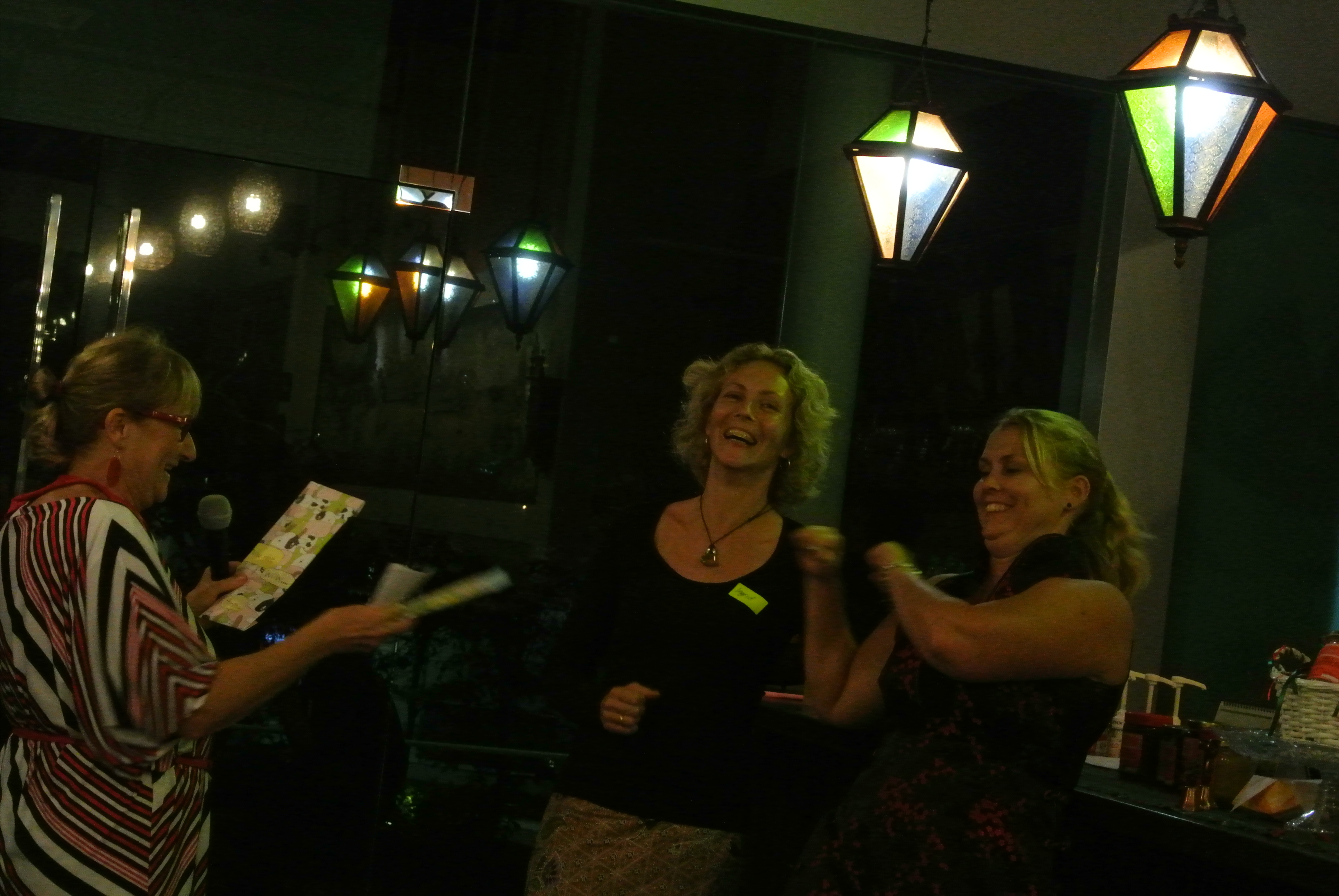
We like our wine and we like our cheese. But do we know where the different wines and cheeses come from? Dany challenged us to find out and we learned a lot about French wines and cheeses in the process – pity there were none for sampling. Anyway, it was a contest whereby Dany had prepared a list of regions in France and volunteers had to figure out which wines or cheeses were associated with these regions and with a prize for the volunteer who got them all. It turned out that six volunteers got all the answers correct! But Dany was only giving out one prize and so she made them sing for the prize – they had to sing a song by Edith Piaf. Ingrid and Susan took up the challenge and sang together leaving Dany with no choice but to present prizes to both.

Dany, handing out the prizes to Ingrid and Susan

This was not the only contest – we also had a slogan writing contest. The MV committee wanted a slogan to go with our logo and volunteers were asked to submit entries. Volunteers rose to the task and 26 entries were submitted. After dinner, we voted on the best three. The slogan ‘take the mystery out of history‘ was the front runner; easily beating the next highest entry, which was ‘take today to know the past‘ by a comfortable margin. There was a tie for third place – ‘making history interesting‘ and ‘2kang cerita‘. These four slogans will be submitted to Dato’ Ibrahim for his final choice which will then become our official slogan.

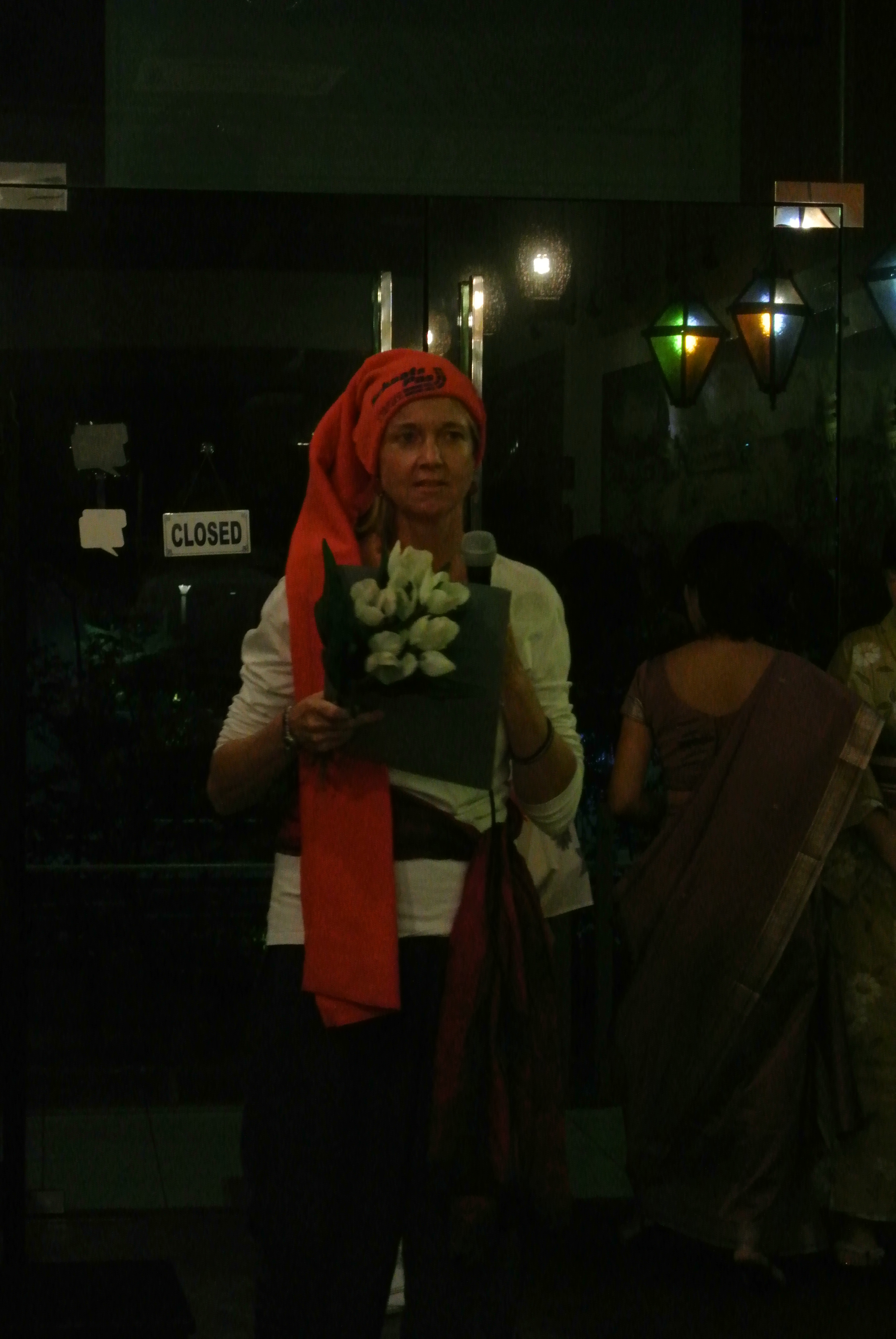
On hand to showcase Dutch culture was Mique who was prettily attired in Dutch costume together with tulips and clogs. Ashok, then, paraded for us in the clogs that Kokkie had kindly lent for the demonstration.

449453

431

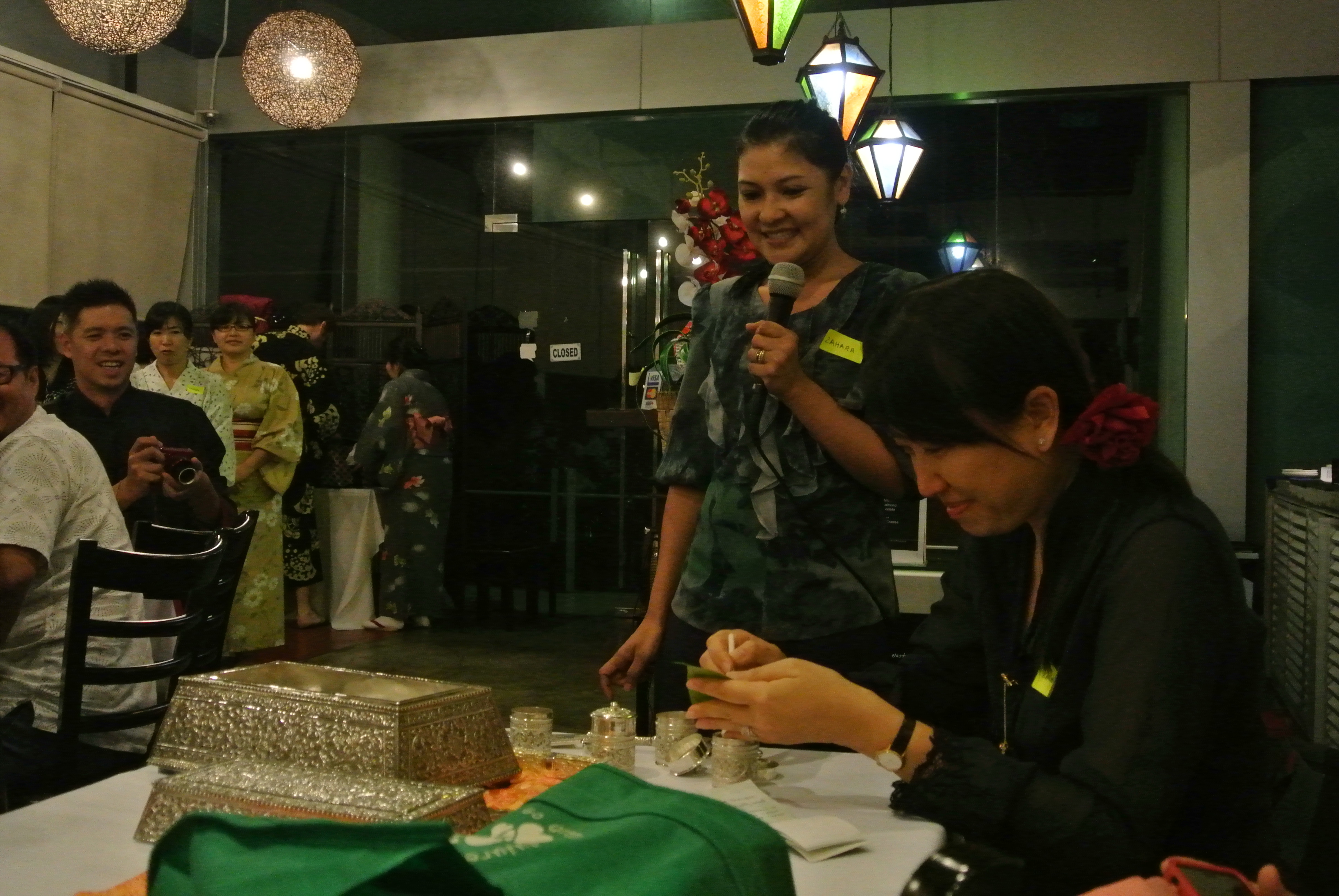
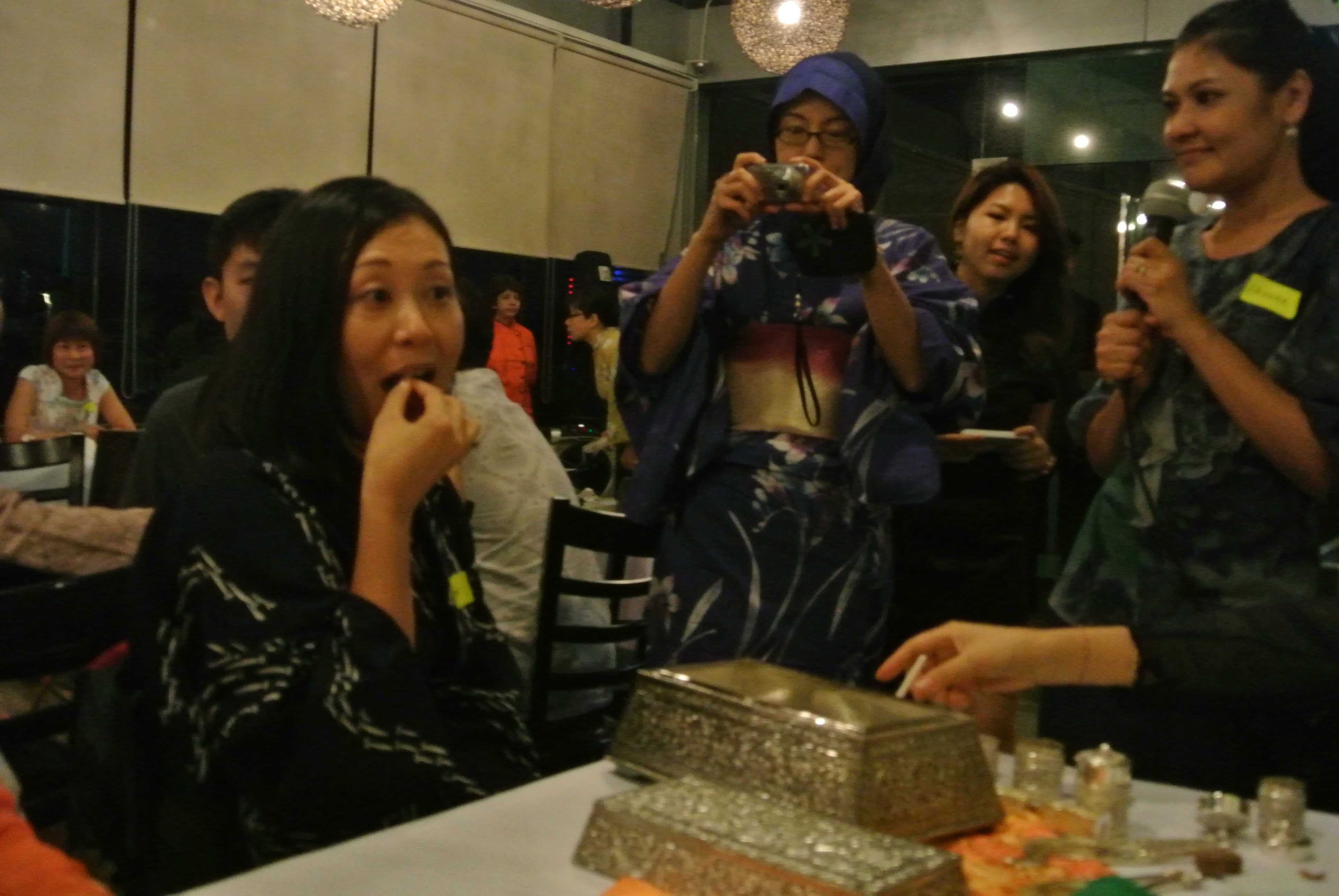
The sireh tradition is the quintessential Malay custom and using the tepak sireh received during her wedding, Zahara explained the cultural significance behind each ingredient in the quid as well as how to correctly roll a quid. A quid for anyone? Chewing betel is supposed to prevent tooth decay and mindful of my upcoming dental appointment, I put my hands up for the first quid rolled out. The quid was kept in place with a clove and this was a bit too sharp for me but, apart from this, it had an interesting flavour. The powers that be say that although betel chewing is not addictive, it gives a sense of well-being. Although it was a short chew, I can attest to this and I am ready for my next quid.

Zahara explaining how to roll a quid with the help of Karen

Yukari sampling a quid

Enjoy the photos below (you can click on them to get the full view) and if you do have some good photos, please do post these onto Facebook.

399428430457438414

A day in Melaka

by Magan

Last Wed (16 Oct), Ashok, Karen and I headed to Melaka. Ashok was going there to get more information on the Chitty community for his article for the MV Coffee Table Book and Karen and I begged a ride and tagged along.

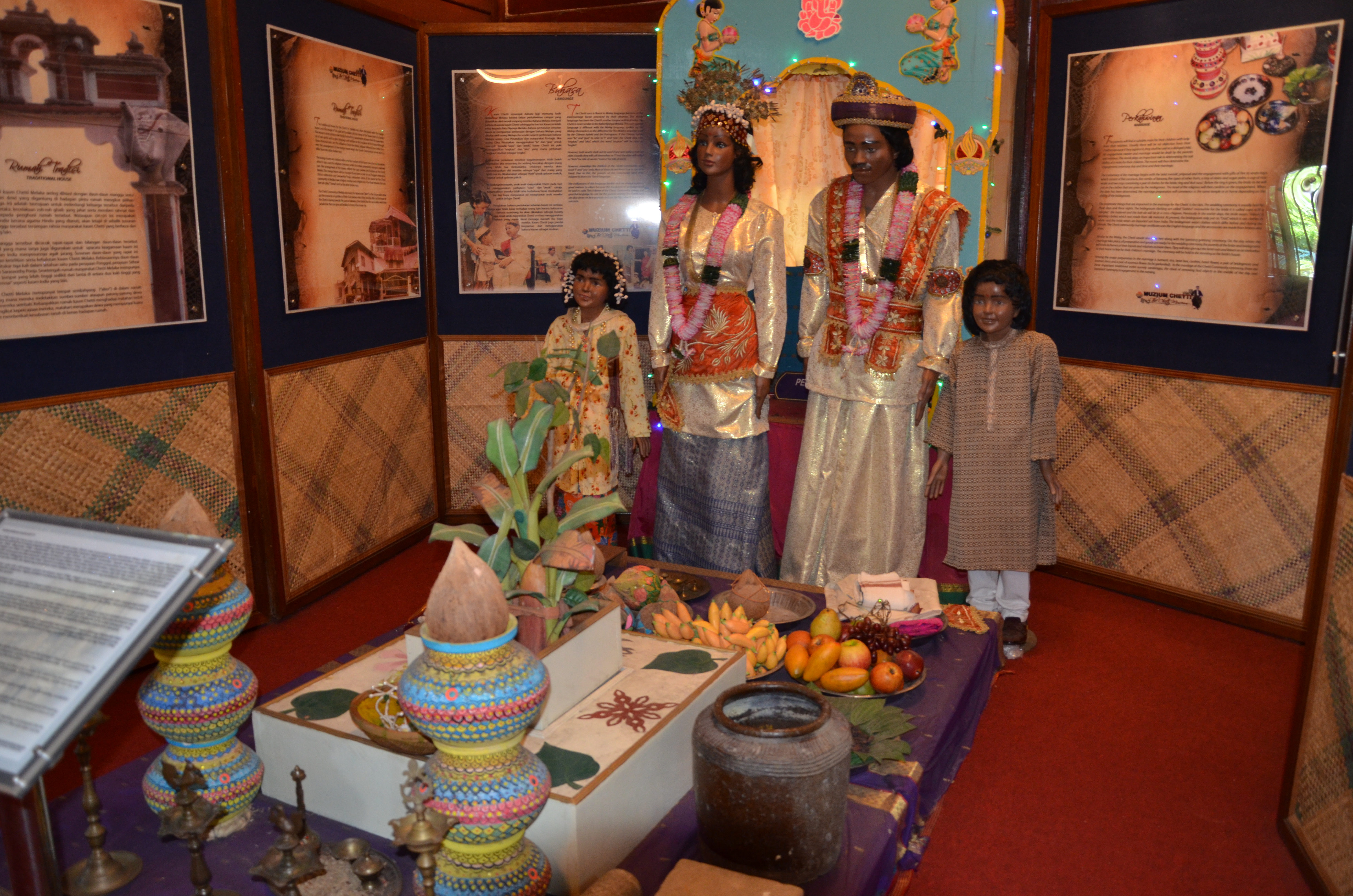
The Chitty Museum
At the Chitty Museum

The Chitty are Tamil Peranakan who have been in Melaka since the time of the Melaka Sultanate. Similar to the Chinese Peranakan, the men married into Malay families and adopted Malay culture while retaining the Hindu religion and practices associated with the religion.

Read more about the Chitty community in the MV Coffee Table Book which will, hopefully, be published in the middle of next year.

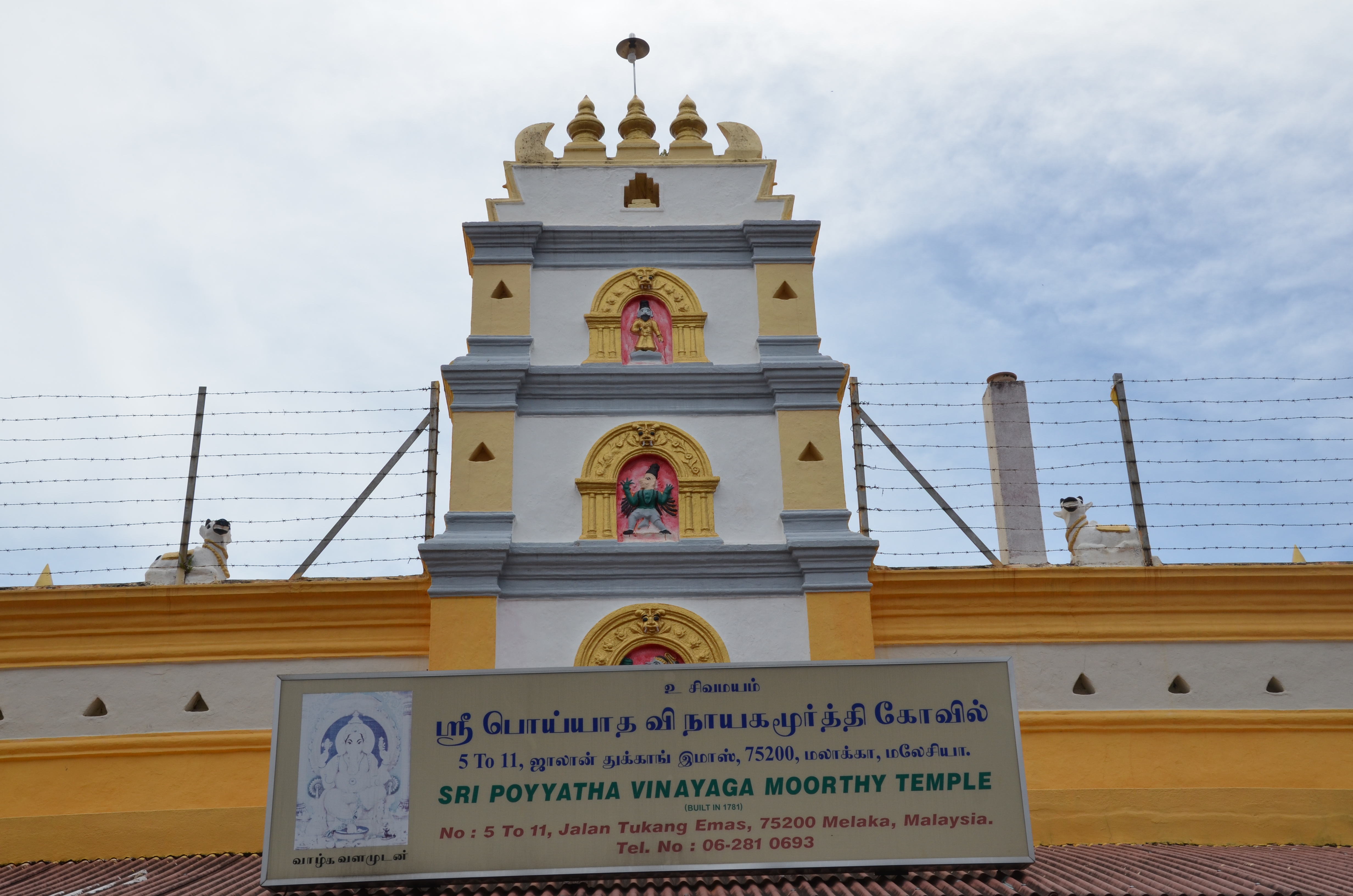
047After visiting the Chitty Museum and being given a good briefing on the Chitty community, we headed for the Sri Poyyatha Vinayaga Moorthy temple which was built in 1781 by the Chitty leader of the time and it has the distinction of being the oldest functioning Hindu temple in Malaysia. It is situated at a street informally known as “Harmony Street”.

We quickly found out why the street was known as “Harmony Street”. A few doors away from the temple is the Kampung Kling Mosque and a few doors away from that is the Cheng Hoon Teng temple.

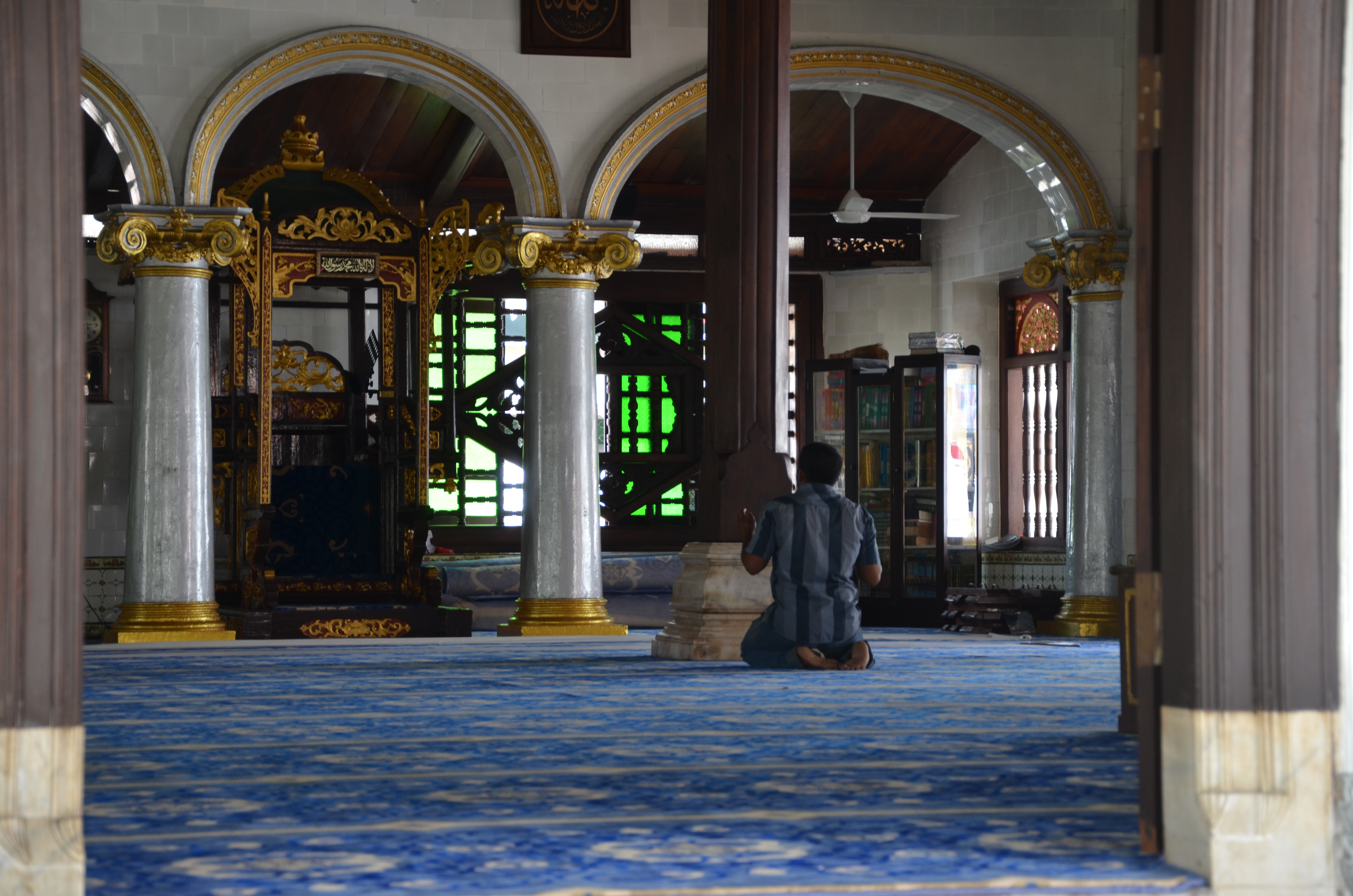
058The Kampung Kling Mosque was built in 1748 by Indian Muslim traders. It was originally a wooden structure which was re-built in brick in 1872 with the original design intact. It is a beautiful mosque with a very unique design – the adjective ‘eclectic’ would probably best describe it. The minaret looks like a pagoda and inside, Corinthian columns and a Victorian chandelier compete for attention with Chinese styled windows as well as Sumatran, Indian and Chinese carvings.

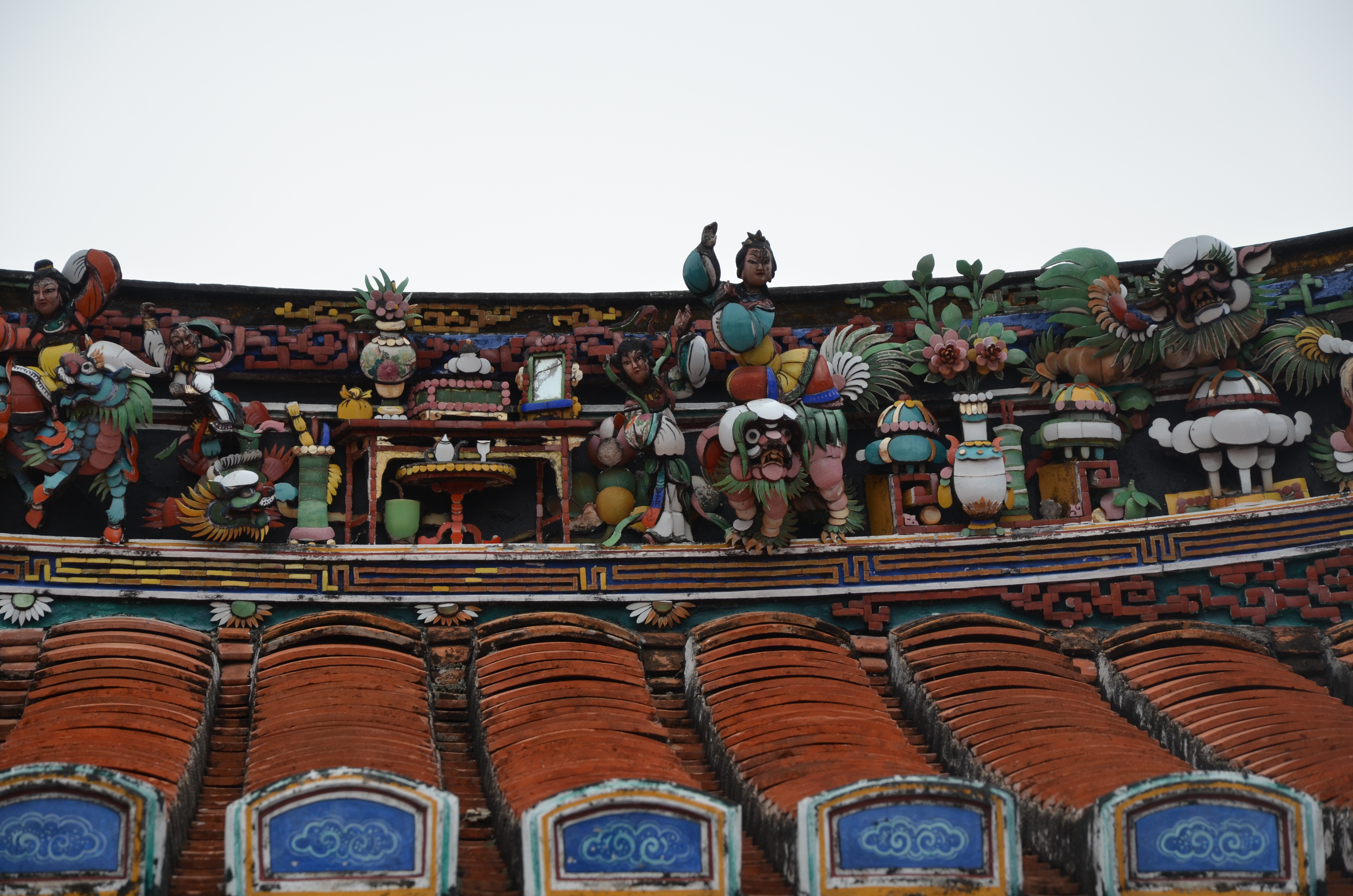
067The Cheng Hoon Teng temple was built in 1645 making it the oldest functioning Chinese temple in Malaysia. It is a blend of Buddhism and Taoism with Kuan Yin being the main deity. The picture on the left shows part of the roof. My untutored eyes noticed nothing but Karen pointed out that broken pieces of ceramics have been included in the design.

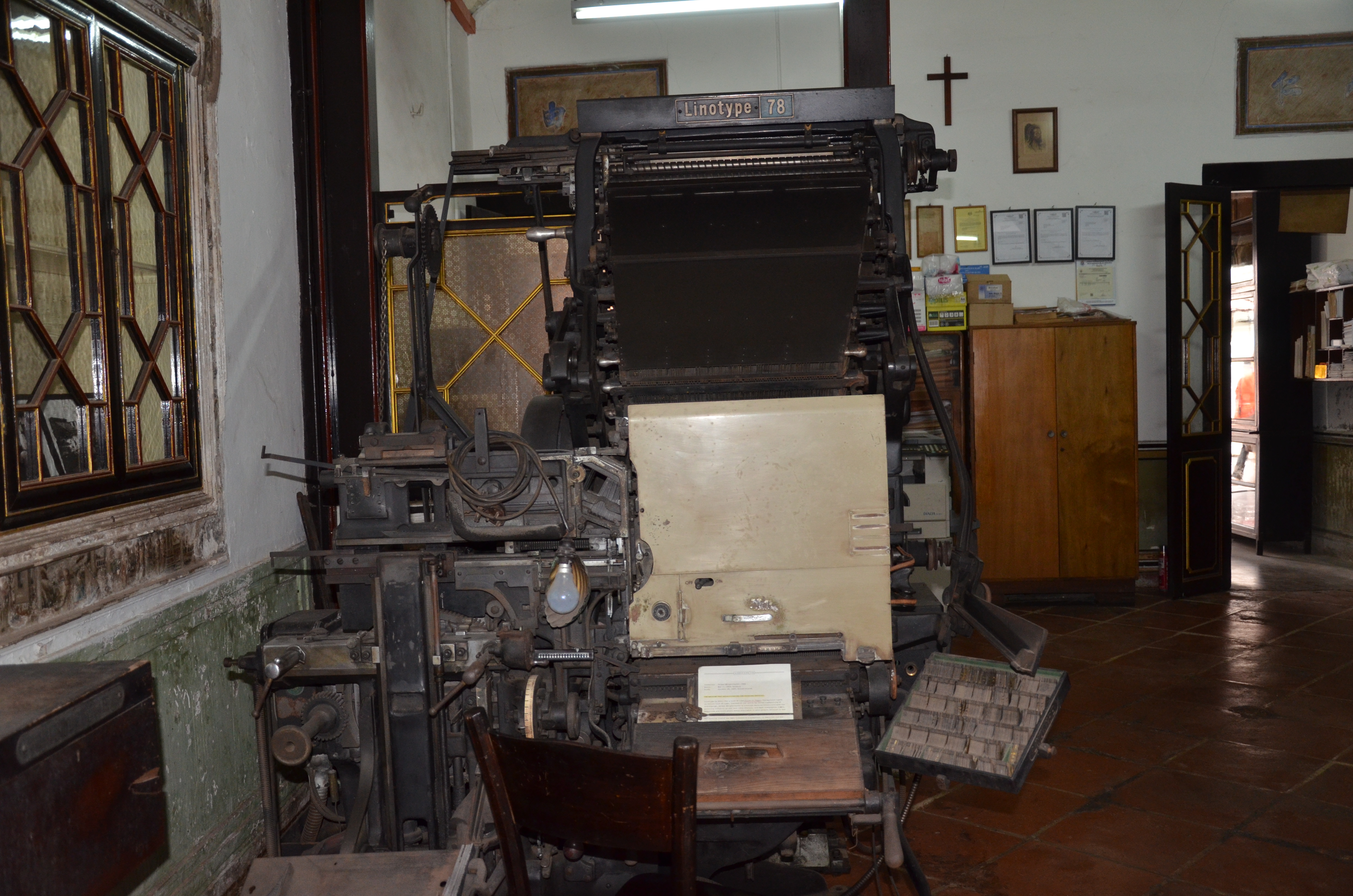
Coincidentally, a few days before our trip, Effa had emailed Karen on an interesting place in Melaka – The Royal Press – and we went to check that out. The Royal Press is a printing press company that was set up in 1938 and 75 years later, the company is still in operation; printing mostly invoices and labels for long-standing customers.

070

This complicated looking machine is a Linotype. It was invented by a German, Ottmar Mergenthaler, and its introduction revolutionised the printing industry especially the publication of newspapers. The Royal Press purchased this machine in 1961 and it can still be used. Unfortunately though, none remain who have the knowledge to operate it and it is used as a showpiece in the semi-museum that The Royal Press has setup 076within its printing house. With this setup, not only are the paraphernalia of a bygone printing age on display, but visitors also get to see workers going about their daily job using some of the antiquated machinery still in use for production.

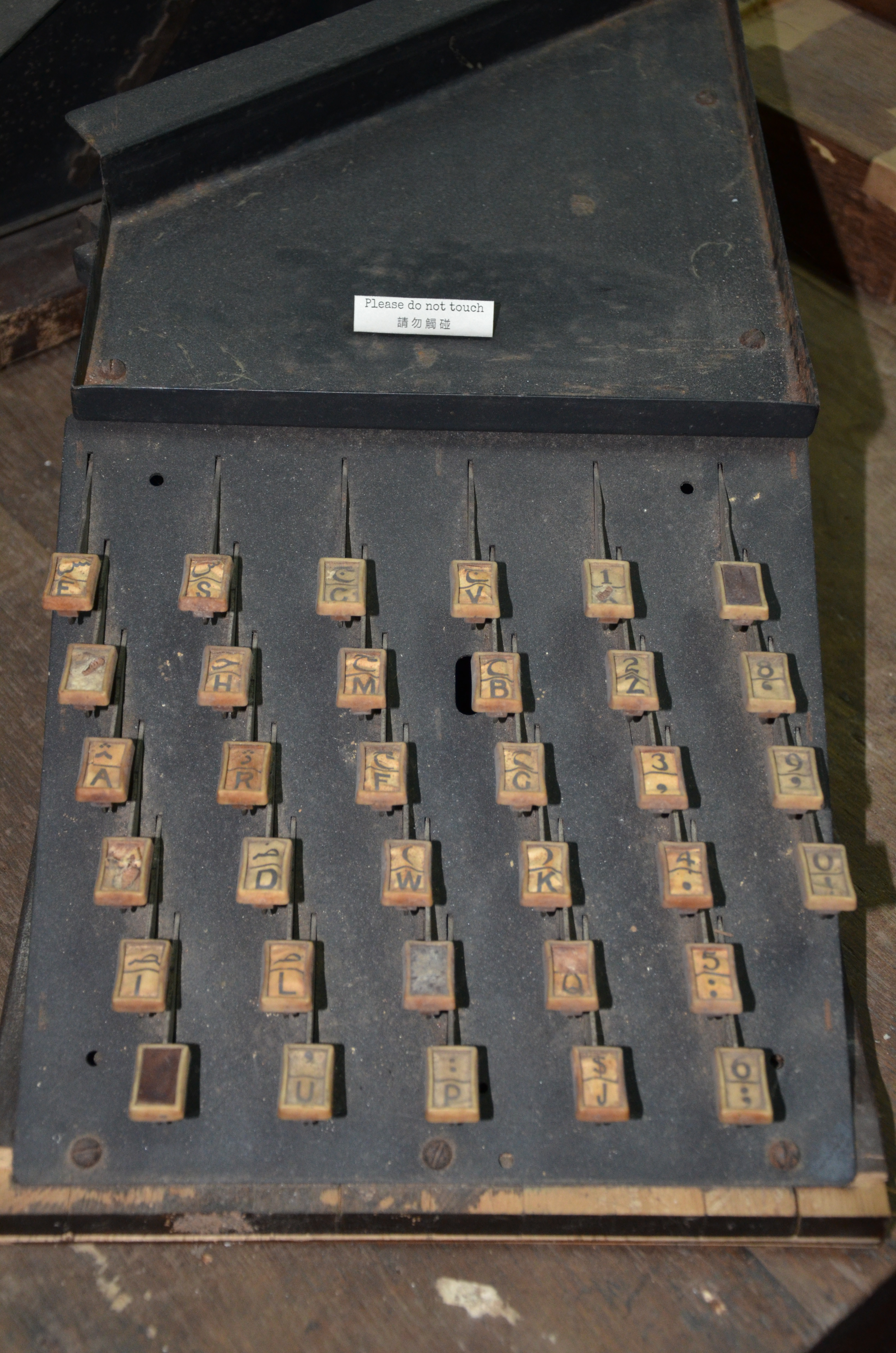
In the past, The Royal Press not only printed in Mandarin, but also in English, Tamil and Arabic. If you squint hard enough and look closely at the picture on the left, you would notice Jawi characters above the Roman alphabet on this ancient gizmo.

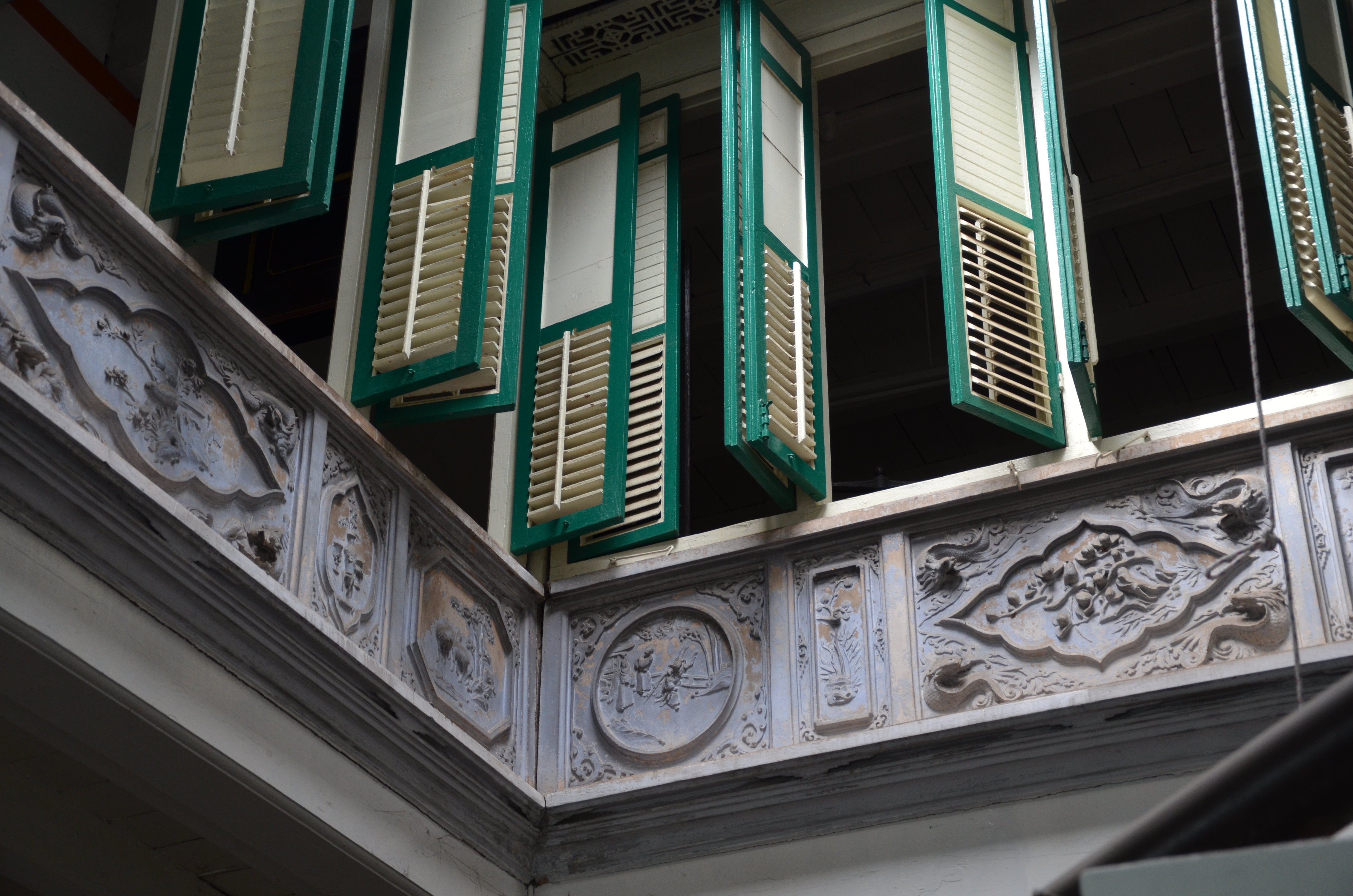
The Royal Press occupies an old colonial shop-house off Jonkers Street and the old world shutters and window carvings in the building charmingly reflect the character of the museum.079

We were in Melaka. Cendol was must and we had this next to the Melaka River while imagining how The Battle must have been fought.

Melaka seems to have many gems little explored by the typical tourist. Do share if you know of any quaint places in Melaka with an interesting history.