by Janet Tee Siew Mooi
On 4 December 2024, at the 19th Session of the Intergovernmental Committee for the Safeguarding of the Intangible Cultural Heritage in Asunción, Paraguay, UNESCO inscribed “Kebaya: Knowledge, Skills, Traditions and Practices” on the Representative List of the Intangible Cultural Heritage of Humanity. The inscription was jointly submitted by Brunei Darussalam, Indonesia, Malaysia, Singapore and Thailand, marking an important milestone in the recognition of the kebaya as a shared living tradition across Southeast Asia.
More than an international recognition of a traditional garment, the inscription celebrates a body of knowledge, skills and practices sustained by communities across national boundaries. The kebaya reflects centuries of cultural interaction, craftsmanship and social exchange, while its continued use demonstrates the vitality of living heritage. UNESCO’s decision also highlighted the nomination as a well-prepared multinational file and recognised its contribution to dialogue and mutual respect among communities across different nations.
The road to UNESCO began in 2022, when Malaysia, through the Ministry of Tourism, Arts and Culture (MOTAC) and the Department of National Heritage (Jabatan Warisan Negara, JWN), took the lead in developing a joint nomination. Rather than presenting the kebaya solely as a national heritage of one country, Malaysia worked with Brunei Darussalam, Indonesia, Singapore and Thailand to prepare a multinational nomination reflecting the garment’s continuing presence and significance throughout the region. Malaysia’s Department of National Heritage describes the initiative as a joint nomination intended to celebrate the historical legacy of the kebaya, promote cross-cultural understanding and recognise its continued practice by communities across Southeast Asia.
An important early step was the first nomination workshop, held from 1 to 3 November 2022 in Port Dickson, Negeri Sembilan, hosted by Malaysia. Representatives from the five participating countries, together with experts, researchers, academics, government agencies and kebaya practitioners, contributed to discussions on the nomination dossier. The workshop focused on mobilising the multinational nomination, sharing information and developing the material required for submission to UNESCO.
The process continued with a second workshop in Jakarta from 6 to 8 February 2023, hosted by Indonesia. Representatives of Brunei Darussalam, Indonesia, Malaysia, Singapore and Thailand participated, with discussions focusing on completing the nomination form and consolidating information about the kebaya in each country. The workshop also provided an opportunity to strengthen cultural cooperation among the participating ASEAN countries.
Following these preparatory efforts and further consultations, the five countries submitted the joint nomination to UNESCO on 28 March 2023. The nomination was titled “Kebaya: Knowledge, Skills, Traditions and Practices”. Malaysia’s Department of National Heritage confirms that MOTAC and JWN led Malaysia’s role in the joint submission.
At the heart of the nomination is the understanding that the kebaya is much more than a piece of clothing. UNESCO describes it as a traditional front-opening garment associated with specific knowledge and skills involving the preparation, selection and cutting of fabrics, sewing, embroidery and the use of accessories. The tradition also encompasses knowledge transmitted through formal and informal learning and the social practices associated with wearing the garment.
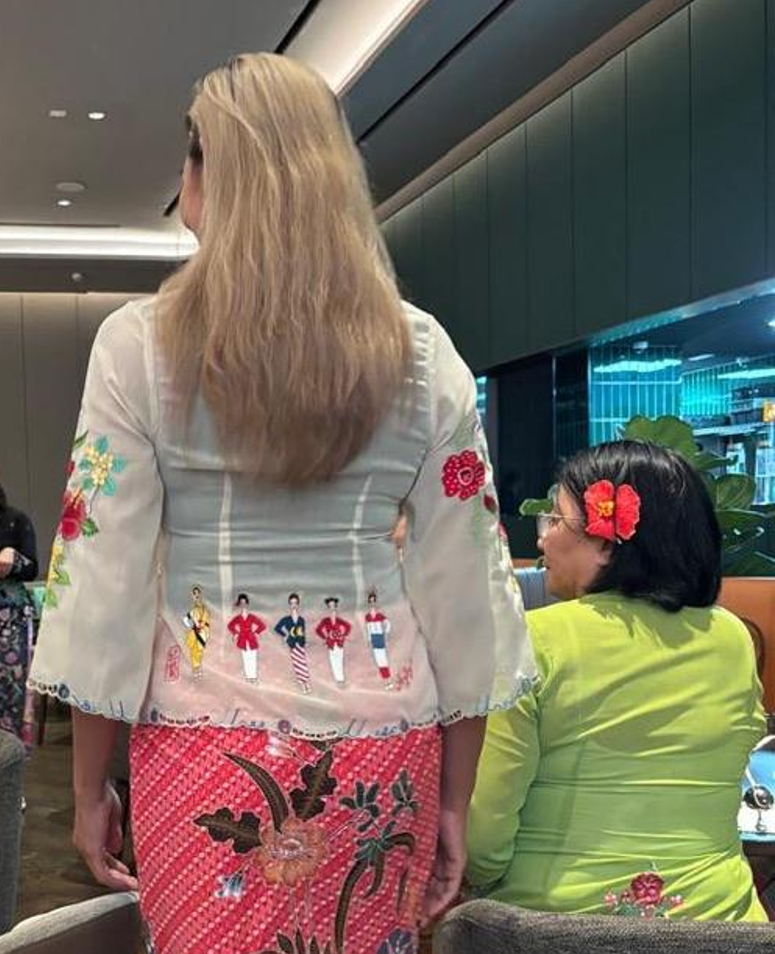
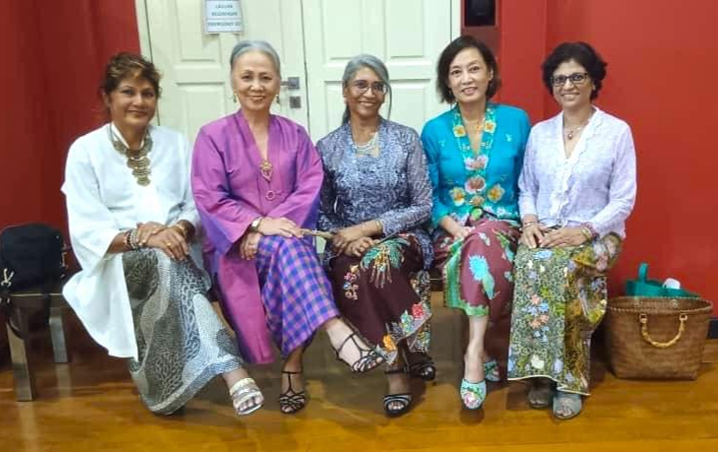
Across Southeast Asia, the kebaya has developed diverse regional expressions. In Malaysia, for example, forms such as the Kebaya Labuh, Kebaya Pendek and Kebaya Sekerat Tiang form part of the country’s rich kebaya tradition. Other communities have developed distinctive styles and techniques, including the finely embroidered Nyonya kebaya associated with Peranakan culture. These variations illustrate how a shared tradition can acquire distinctive local expressions while retaining connections across borders.
Community participation was fundamental to the nomination. The UNESCO assessment recognised the involvement of communities, groups, practitioners, civil society organisations and other heritage bearers in preparing the nomination and identifying safeguarding measures. This emphasis is important because intangible cultural heritage survives not through preservation as a static object, but through continued practice, transmission and adaptation by the people who carry it.
Following submission, the nomination proceeded through UNESCO’s evaluation process before being considered by the Intergovernmental Committee in December 2024. UNESCO’s Evaluation Body described the file as well prepared and highlighted it as an example of a multinational nomination. The Committee subsequently inscribed the element on the Representative List during its 19th session in Asunción, which took place from 2 to 6 December 2024.
The inscription has also strengthened attention to safeguarding the knowledge and skills associated with the kebaya. These efforts include transmitting sewing and embroidery techniques, documenting knowledge, promoting awareness and encouraging continued practice among younger generations. UNESCO’s assessment specifically recognised safeguarding measures involving transmission, promotion, documentation and research.
The journey to UNESCO between 2022 and 2024 was therefore never simply about securing international recognition for an old garment. It was a celebration of cultural resilience, artistic creativity and regional cooperation. The kebaya reminds us that living heritage does not belong in glass display cases in museums and galleries. It lives in family heirlooms, at weddings and celebrations, in cultural performances and in the hands of artisans who continue to pass their knowledge from one generation to the next.
More significantly, the kebaya’s inscription demonstrates how shared heritage can become a bridge between communities and nations. Its journey to UNESCO is ultimately a story of connection: knowledge transmitted across generations, traditions shaped by cultural exchange, and five Southeast Asian countries choosing cooperation to celebrate a heritage they share. In safeguarding the kebaya together, the region has shown that heritage can honour distinct identities while creating a broader sense of cultural belonging.
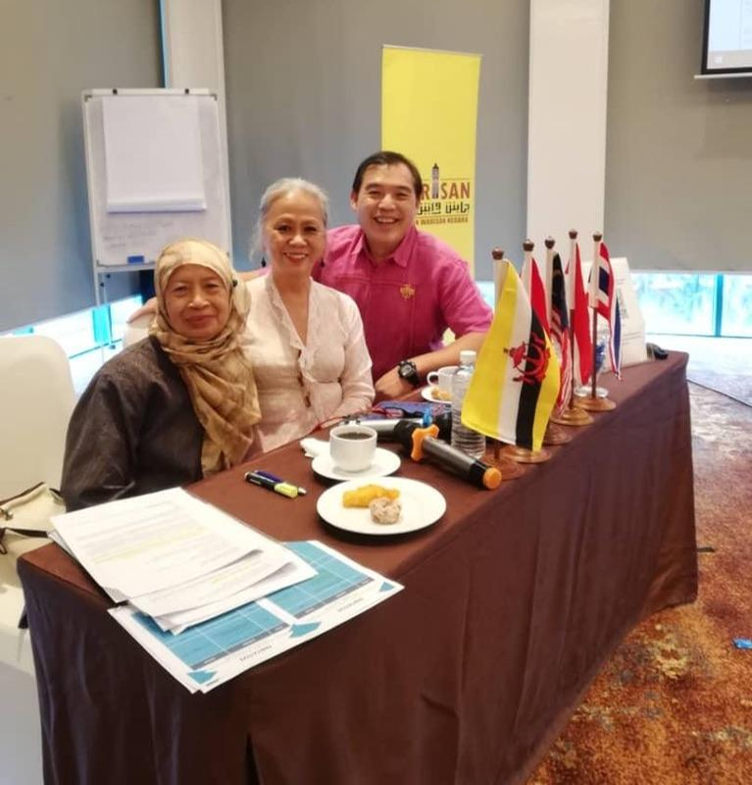
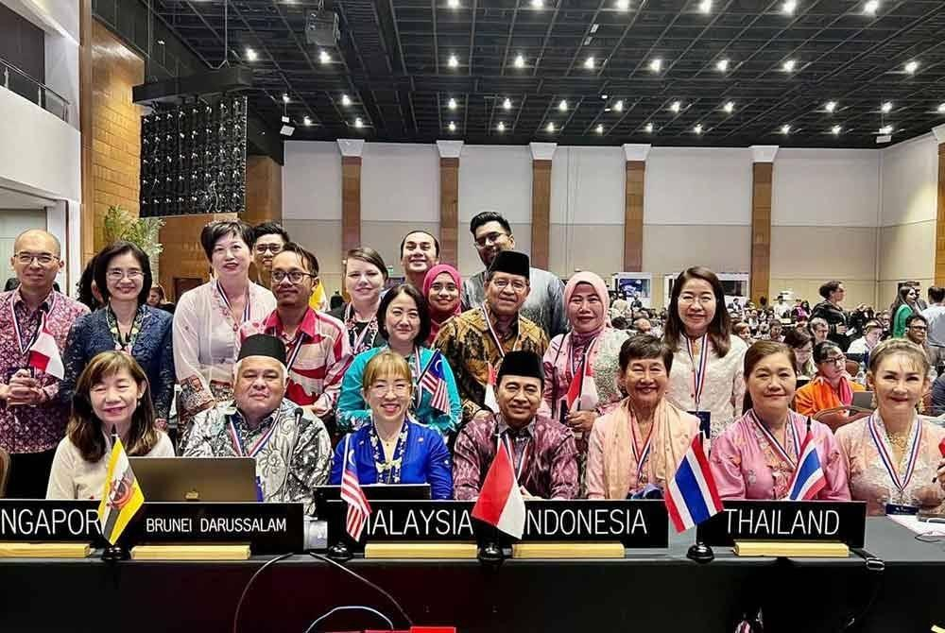
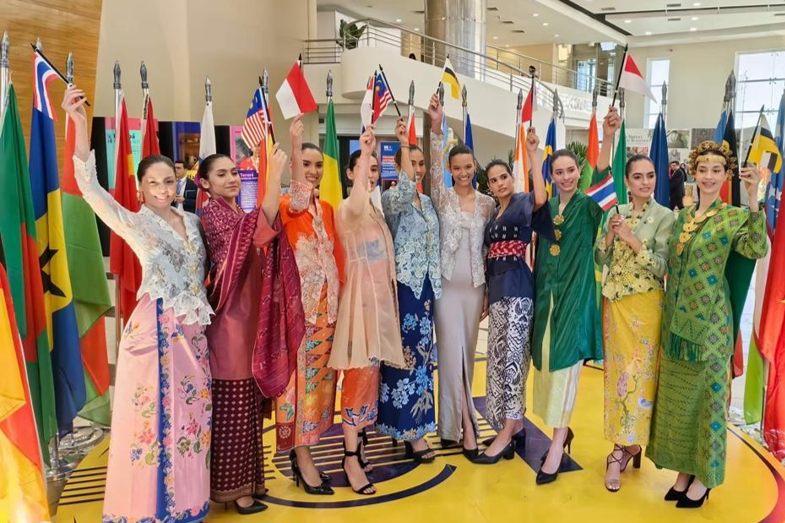
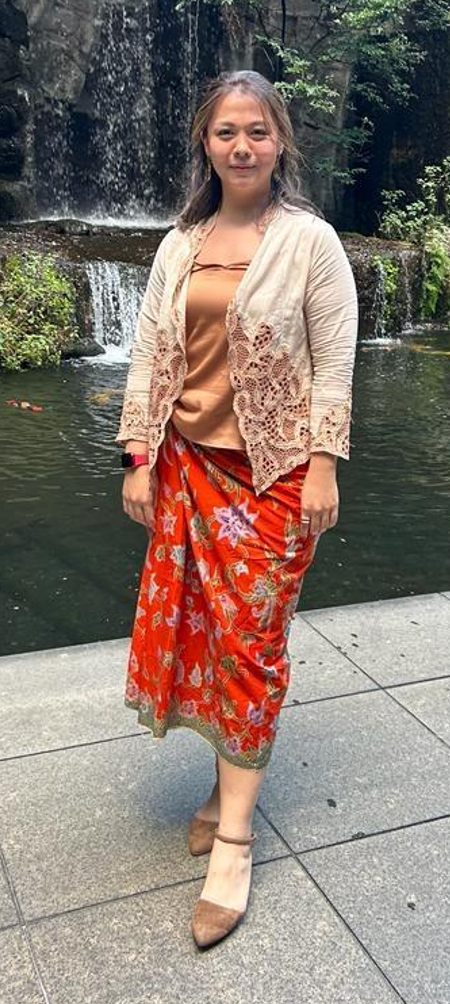
Photo credits: Janet Tee
References
- Achijadi Judi, (1986). Pakaian Daerah Wanita Indonesia. Jakarta: Djambatan.
- Azah Aziz, (2009). Rupa dan Gaya: Busana Melayu Edisi Ke-2. Selangor. Penerbit UKM.
- Balai Seni Lukis Negara (2002) Baju + Sarung: Pemakaian Satu Bangsa | Dressing A Nation.
- Christine Ong, (2011). Nyonya Kebaya, Intricacies of the Peranakan Heritage, Singapore.
- Endon Mahmood, Datin Seri, (2002). ‘The Nyonya Kebaya’ Singapore: Periplus Editions / Berkeley Book Pte Ltd.
- Jabatan Muzium Malaysia, (2012). Muzium Tekstil Negara.
- Jabatan Muzium Malaysia, (2017). Saloma Ikon Fesyen Retro.
- Lee, Su Kim, (2010). Kebaya Tales of Matriarchs, Maidens, Mistresses and Matchmakers. Selangor: Marshall Cavendish (M).
- Salikin Sidek, (2015). Variasi Kebaya Kontemporari Seniwati Melayu Selangor. Karangkraf.
- Samuel S Dhoraisingam, (2005). Peranakan Indians of Singapore and Melaka : Indian Babas Nyonyas – Chitty Melaka, Institute of Southeast Asian Studies.
- Wee, Peter, (2011). A Peranakan Legacy: The Heritage of the Straits Chinese. Singapore. Marshall Cavendish International (Asia) Pte Ltd.
- Zubaidah Syawal (1994) ‘Busana Melayu’ . Jabatan Muzium Malaysia.
Other Publications
- Ho Weng Meng, 1987. Straits Chinese Beadwork and Embroideries – A Collector’s Guide.Times, Singapore.
- Malaysia Tatler (1997) “Kabaya[4.1] Couture’ (pg 140-145). Illustrated magazine publishing Sdn Bhd.
- Muzium Negara, (1990) Pamphlet Malaysian Traditional Costumes Exhibition.
- Papers from Workshop on the preparation for The Kebaya to UNESCO (2022) Nomination Dossier.


